National Bureau of Statistics

Why firewood remains in Nigerian kitchens 

By Khadija Hamisu Daninna 

Across Nigeria, kitchens are changing. Gas cylinders stand neatly in urban homes, while charcoal bags fill market stalls. Yet, despite these alternatives, firewood still burns in countless households. Its smoky flames carry taste, memory, and tradition that neither gas nor charcoal can fully replace. For some families, it is also the more affordable choice.

Zainab, a 31-year-old resident of Daura, has never known another way of cooking. “I have never cooked with gas before. All my life, I have been using firewood. I don’t even know how food tastes on gas, but I prefer my firewood. Maybe it is because I grew up with it. I use charcoal sometimes, but firewood is easier for me. Firewood is what I know.”

For Mariam, a 39-year-old housewife, firewood is tied to her husband’s nostalgia. “My husband always says the fried eggs his mother made tasted better on firewood. So I fry eggs on firewood, just to remind him of his childhood.”

Hajara, a 26-year-old food vendor, said firewood gives food a flavour no other fuel can provide. “When I cook jollof rice for parties, I always use firewood. It brings out a special flavour. Gas and charcoal cannot give you that same smoky taste. My customers expect it.”

But even warnings from doctors cannot keep some people away. Amina, a 37-year-old married woman, recalled: “There was a time I was sick, and the doctor told me to avoid smoky areas because of my eyes. But how can I stop? Firewood is what I grew up with. It is not just about cooking. It is about sitting together as a family, sharing stories, and working around the fire. That memory cannot be replaced.”

Cost is another factor. Mallam Usman, a 42-year-old man, explained: “I use both charcoal and firewood. The least charcoal I can buy is ₦200, while firewood is more expensive, up to ₦500. But I prefer firewood. My wife is already used to it. Sometimes I buy charcoal to ease the work, but mostly we use firewood because that is what we have always been using.”

Abdulmumin, a firewood seller in Rumfar Shehu who is over 40, said many people still depend on his trade. “People still come to buy firewood every day. Even though the price is high, food vendors, households, and event caterers still buy it. Firewood is something people cannot abandon. We have been using it since the time of our grandparents, and it still holds memories.”

But experts warn that firewood comes at a cost. According to a 2024 report from the National Bureau of Statistics published in Punch newspaper, 67.8 per cent of Nigerian households still cook with firewood. In Bauchi State, the figure is as high as 91 per cent. Doctors interviewed by Punch Healthwise have cautioned that prolonged exposure to smoke can lead to lung disease, eye problems, and respiratory infections. They noted that women and children, who spend long hours near smoky kitchens, are especially at risk. One pulmonologist, Dr. Abiona Odeyemi of Osun State University Teaching Hospital, explained that smoke from firewood damages the lungs over time, leading to serious health conditions.

Experts have also raised concerns about the environmental impact. Firewood use contributes to deforestation, worsens climate change, and adds to indoor air pollution.

Still, the flames continue to glow. For some, firewood carries memory and tradition. For others, it remains the more affordable choice. And for many, it is simply the way they were raised. Gas may be quicker and charcoal less smoky, but in countless Nigerian homes, firewood still burns, not just as fuel, but as a link between the past and the present.

Khadija Hamisu Daninna wrote via khadijahamisu2003@gmail.com.
An open letter to Governor Namadi of Jigawa State

Your Excellency,

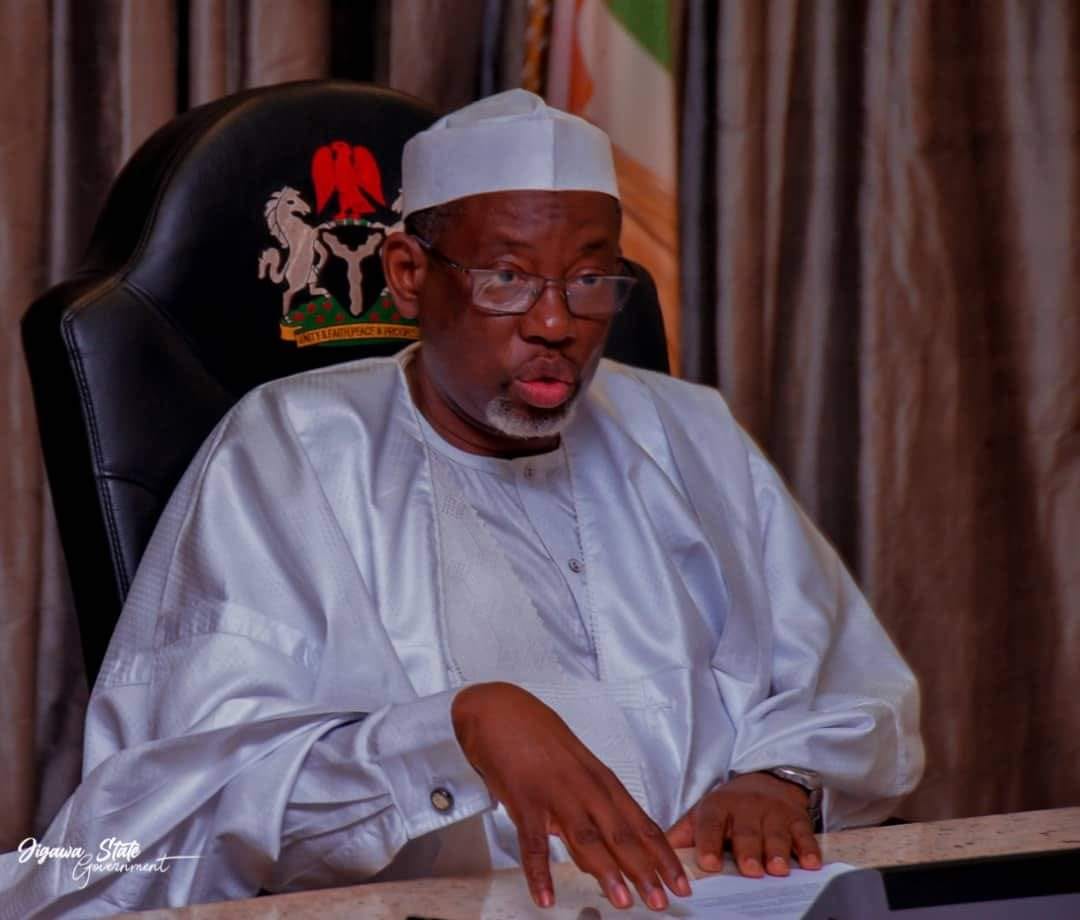
I offer my warmest congratulations on your two-year milestone as the Executive Governor of Jigawa State. Steering the affairs of a diverse and dynamic state is no small feat, and under your leadership, we have indeed witnessed tangible progress. 

May Almighty Allah continue to strengthen your resolve and guide your hands as you navigate public service responsibilities.

In these two years, your administration has recorded remarkable achievements across critical sectors—agriculture, education, infrastructure, security, and healthcare. There is much to commend, from the introduction of bold reforms to the implementation of people-centred policies. 

Notably, your decision to approve a ₦70,000 minimum wage—nearly double the previous figure—has sent a powerful signal of your administration’s commitment to workers’ welfare. This singular act resonates deeply with civil servants across the state, who now have renewed hope in a more dignified standard of living.

Sir, these achievements have not gone unnoticed. Numerous awards and recognitions by reputable organisations are a testament to the strides your government has made. 

Yet, as a concerned citizen and journalist, I feel compelled to highlight areas still yearning for attention, not to diminish your efforts, but to reinforce the voices of everyday Jigawans who earnestly seek your listening ear and urgent intervention.

Our healthcare system, for instance, still bears the scars of neglect, particularly in rural communities. Several hospitals lack basic medical facilities, suffer chronic shortages of essential drugs, and are grossly understaffed. 

During my recent fieldwork, enrollees under the Jigawa State Contributory Healthcare Management Agency (JCHMA) lamented being forced to purchase prescribed medications from private pharmacies due to stockouts in government hospitals.

Even more concerning is the plight of newly recruited nurses and midwives, many of whom are yet to be captured under the new salary structure. Their morale is low, which understandably affects service delivery quality. 

Surely, if we must strengthen healthcare delivery, the welfare of frontline health workers must not be overlooked. In the agricultural sector, where Jigawa’s reputation shines, a widening gap exists between government efforts and grassroots impact. 

According to the National Bureau of Statistics, Jigawa accounts for 75% of Nigeria’s agricultural exports, and nearly 90% of our people depend on farming for their livelihood. Yet, many smallholder farmers, particularly those in remote villages, say they have not received the much-publicised palliatives and support inputs. 

Some have had to rely on exploitative loans from private lenders, only to repay in harvests, leaving them at the mercy of uncertain seasons and fluctuating prices.

I humbly suggest the establishment of community-based monitoring committees, drawn from trusted local stakeholders, to ensure transparent and equitable distribution of agricultural support. The rural populace, whose turnout during elections often determines the course of governance, must not be left behind when dividends are shared.

Your recruitment of over 3,000 teachers and 147 first-class graduates in education is indeed laudable. This has brought renewed energy to our classrooms. However, many more qualified youths remain unemployed, submitting CVs into what seems like an unresponsive system. 

The discovery of 6,348 ghost workers and the savings of over ₦314 million monthly offer a golden opportunity to absorb some deserving graduates. The teacher shortage still looms large. The Nigeria Union of Teachers reported a deficit of 32,000 teachers in Jigawa. 

This is not just a statistic—it is a call to action. If we must invest in our future, we must first empower those who educate the future. Your administration’s empowerment initiatives have also made notable impacts—programs like the mobile kitchen distribution scheme have provided many with a path to self-reliance. 

But the landscape of youth enterprise is vast and diverse. Young people engaged in trades such as phone repairs, tailoring, and tricycle operations have felt excluded. 

To build an inclusive economy, your empowerment programs must evolve to accommodate a broader range of trades and offer skills training as well as access to starter kits or seed capital.

Your Excellency, when hope meets genuine leadership, progress becomes inevitable. The people of Jigawa have shown faith, and now they ask for more inclusion, visibility, and compassion in policy execution. Their plea is not one of criticism, but of partnership. 

They long to be part of the story you are writing for Jigawa—one of transformation, equity, and shared prosperity.

Sincerely yours,

Muhammad Abubakar Tahir,

A concerned Jigawa indigene.

NBS: Over 25 million phones stolen in Nigeria within a year

By Uzair Adam

The National Bureau of Statistics (NBS) has revealed that over 25 million phones were stolen in Nigeria between March 2023 and April 2024.

This is according to findings from the bureau’s Crime Experience and Security Perception Survey 2024.

The report highlighted that approximately 17,965,741 individuals experienced phone theft during the reference period, making it the most prevalent crime at the individual level.

It noted that 13.8% of Nigerians reported phone theft, which accounts for a significant proportion of the 21.4% of citizens who reported being victims of crime overall.

The survey further disclosed that seven out of every 10 stolen phones were taken either at home or in public spaces.

Despite this, less than 10% of victims reported these incidents to the police, citing various reasons for their reluctance.

Among those who reported, only 11.7% expressed satisfaction with the police response.

This report underscores the pervasive nature of phone theft in the country, emphasizing the need for improved security measures and better law enforcement responses.

Nigeria’s economic distress: A country battling overwhelming inflation

By Idris Mustapha

 The National Bureau of Statistics (NBS) revealed in a heart-wrenching report that Nigeria’s inflation rate climbed to an excruciating 33.88% in October 2024. The pain and suffering reflected in these official figures tell a story far more profound than mere economic indicators—they represent countless nights of parents going to bed hungry, having sacrificed their meals to feed their children.

The NBS’s latest report paints a devastating picture, showing a relentless climb from September’s already unbearable rate of 32.70%. “Looking at the movement,” the Bureau notes with clinical precision that contrasts sharply with the human suffering it represents, “the September 2024 headline inflation rate showed an increase of 0.55% compared to the August 2024 headline inflation rate.” Behind these sterile statistics lie the anguished faces of market women watching their businesses crumble.

The Bureau’s year-on-year analysis reveals an even more distressing reality, with October’s rate standing 6.55 percentage points higher than the 27.33% recorded in October 2023. The NBS report states, “This shows that the headline inflation rate (year-on-year basis) increased in September 2024 when compared to the same month in the preceding year.” Each percentage point represents another burden on the shoulders of ordinary Nigerians, many of whom are already stretched to their breaking point.

The official data traces a cruel journey through 2024, from January’s troubling 29.90% to the current devastating peak. The NBS’s monthly tracking shows how “the rate of increase in the average price level is more than the rate of increase in the average price level” each month. Behind these technical terms lies the reality of young graduates seeing their dreams fade and elderly citizens finding their pensions increasingly worthless.

Perhaps most heartbreaking is the Bureau’s documentation of the Premium Motor Spirit (PMS) price surge, which the NBS directly links to the inflation crisis. This price hike, implemented in early September and again in October, has dealt a cruel blow to our society’s most vulnerable members. Families are forced to make impossible choices: buying food or medicine, paying school fees, or keeping their small businesses alive.

The statistical evidence presented by the NBS serves as an official testament to the widespread suffering. Markets that once bustled with life now echo the whispered concerns of traders and customers alike, haggling not for profit but for survival. The weight of this economic burden is visible in the tired eyes of parents who must explain to their children why they can no longer afford their favorite meals or school supplies.

As we look to the future, the NBS’s continuous monitoring of this crisis is a stark reminder of the urgent need for intervention. While the Bureau diligently records these devastating figures, real families make painful sacrifices to survive another day. The official data serves as a clarion call for immediate action, as each statistical update pushes more Nigerians below the poverty line, leaving deep scars that may take generations to heal.

The National Bureau of Statistics meticulously documents this crisis, which demands policy changes and a fundamental recognition of the human suffering it represents. Behind every percentage point increase lies a story of resilience: families supporting each other through unimaginable hardship, communities coming together to share what little they have. Yet, without significant intervention, these stories of resilience documented in the national statistics may soon turn into tales of despair as more Nigerians find themselves unable to cope with the relentless rise in the prices of basic necessities.

Idris Mustapha wrote via idrismustapha25@gmail.com.

Hardship: Nigerian university students bear the burden

By Zainab Haruna Shittu

The economic downturn in Nigeria has reached alarming proportions, leaving no one unscathed. The youth, particularly university students, face unprecedented hardships. Financial constraints, food insecurity, and limited access to resources have become the norm for many Nigerian university students.

Research has shown that economic hardship profoundly impacts students’ academic performance and mental health. A National Bureau of Statistics (NBS) study reveals that poverty and hunger are major factors contributing to students’ poor academic performance. Similarly, a report by the United Nations Children’s Fund (UNICEF) highlights the devastating effects of food insecurity on students’ mental health.

For many students, the struggle is personal. “Academic pressure mounts, but hunger weighs heavier. I’m constantly worried about where my next meal will come from,” confesses a 21-year-old student who wished to remain anonymous.

Another student echoes this sentiment. “I struggle to focus in class because I’m constantly worried about where my next meal will come from. My parents’ hard work doesn’t pay enough to sustain us, leaving me hungry and stressed. The toll on my mental health is overwhelming,” shares a 20-year-old university student.

To mitigate the effects of economic hardship on university students, policymakers and stakeholders must prioritise education and food security. This requires collaborative efforts, including government support for education and food programs, increased scholarships and financial aid, improved access to mental health resources, and community-based initiatives for food security.

Nigeria’s economic woes have far-reaching consequences, affecting various sectors, including education. University students deserve support and resources to thrive. It is imperative that we prioritise their well-being and future.

Zainab Haruna Shittu wrote from Bayero University, Kano, via harunazainabshittu7567@gmail.com

Suspension of subsidy removal: Nigeria narrowly escaped collapse 

By Lawan Bukar Maigana 

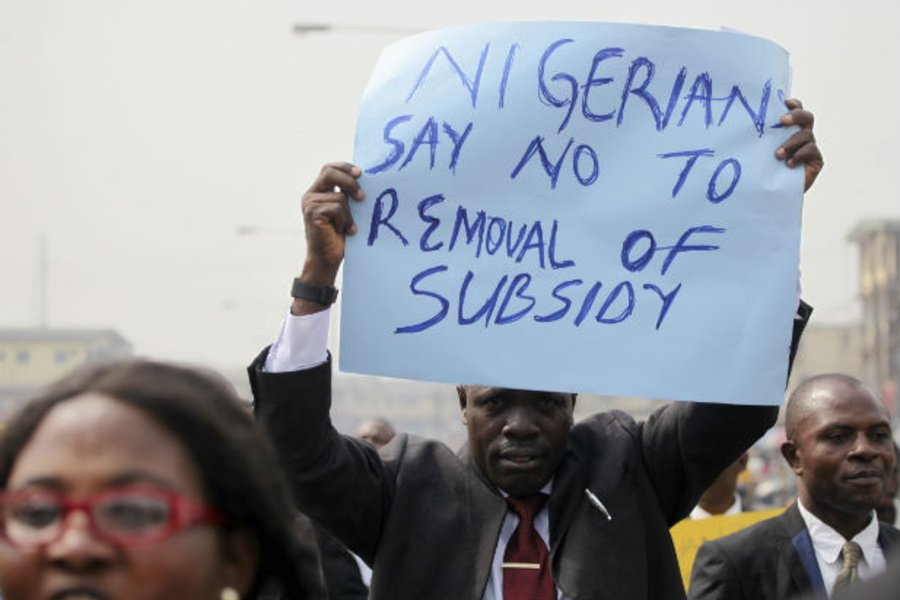
The Nigerian government was lucky enough to salvage itself from the intractable calamity it wanted to put itself in—the implications of removing subsidies on petroleum products from July this year. Whoever advised FG to suspend their noxious plans to remove subsidies on the products mentioned above is a true lover of the vast majority of Nigerians and Nigeria as a country.

Even though virtually every country in the world today battles an economic downturn, it is still unjustifiable for the FG to remove subsidies on petroleum products at this critical point. The country is fighting ethnoreligious conflict, refuse-to-end Boko Haram, kidnapping, banditry, mass employment, non-quality education, poor health services for the masses, illiteracy, and unpatriotic leaders, which other countries or most don’t. 

I said it even before the government took a second look at its ugly plan to make subsidies on petroleum products history at the detriment of patients citizens. Had the plan come true, the country would have scattered, and perhaps the avoided fear would have been unavoidable because no one can bear the impact of removing subsidies on petroleum products, not even the haves can. 

Nigeria would have had an unprecedentedly historic hike in foodstuff prices, transportation fare, building materials, medication, among others. And there would be a collapse of many companies in the country because they too cannot bear it, and the cost of living would be unbelievably unexplainable. 

The inflation rate has never been so alarming as today in the country, and it keeps rising every day. Yet, the FG wanted to turn a blind eye to it and remove subsidies on petroleum products from July this year until a group of genuine professionals reviewed the plan and finally rejected it because of the nation’s current state. 

Kudos to the considerate committee for being truthful to themselves. Every reasonable person knows that doing anything that will result in a hike in prices of commodities and services in Nigeria is untimely because most people are still ‘youth.’ Anyone who is economically unestablished is a youth regardless of their age. 

In 2021, the National Bureau of Statistics (NBS) extrapolated that “ Nigeria’s annual inflation rate rose to 15.63% in December of 2021, after eight straight months of decline, amid a slight acceleration in prices of major component food (17.4% vs 17.2% in November), linked to the increase in demand during the festive season. Upward pressure also came from non-food products, including transport (15%, the same as in November); clothing & footwear (15.1% vs 14.8%); miscellaneous goods & services (14.1% vs 14%); housing & utilities (11.1% vs 10.6%), among others. 

The annual core inflation rate, which excludes the prices of agricultural produce, rose further to 13.87% in December, the highest since April of 2017, from 13.85% in the prior month. Monthly, consumer prices inched up by 1.82%, the most since May of 2017, after a 1.08% increase in the prior month.

The Consumer Price Index (CPI) measures the change over time in the prices of 740 goods and services consumed by people for day-to-day living. The index weights are based on expenditures of both urban and rural households in the 36 states. The most important categories in the CPI are Food and Non-Alcoholic Beverages (51.8 per cent of total weight); Housing, Water, Electricity, Gas and Other Fuel (16.7 per cent) and Clothing and Footwear (7.7 per cent). 

Transports account for 6.5 per cent of the total index and Furnishings and Household Equipment Maintenance for 5 per cent. Education represents 3.9 per cent of total weight. Health is 3 per cent, Miscellaneous Goods and Services 1.7 per cent, and Restaurants and Hotels 1.2 per cent. Alcoholic Beverages, Tobacco and Kola account for 1.1 per cent of the total index, Communications for 0.7 per cent and Recreation and Culture for the remaining 0.7 per cent.” 

So, tell me how we can endure the impact of removing subsidies on petroleum products in Nigeria? I am happy that the Nigerian government has indefinitely suspended the planned removal of subsidies on petroleum products. 

Lawan Bukar Maigana writes from Maiduguri, Borno State, and can be reached at lawanbukarmaigana@gmail.com

Poverty reduction as an economic agenda in Nigeria

By Maryam Abdullahi Jibrin

Undoubtedly, the Nigerian economy has taken a more definite path that leads to progress and prosperity for the vast majority of our people. However, our national aspirations — equity, justice, integrity etc. must leap off the pages of cold print and become realizable objectives. Foremost, poverty must be addressed and reduced to a minimal level. 

The Millennium Development Goals (MDGs) first agenda is poverty reduction. UN viewed poverty as one of the greatest enemies of humanity. 

One of the surest ways to fight poverty is to build a strong economy that emphasizes job creation, an ever-increasing private sector and a problem–solving public service.

Nigeria is blessed with potentials. Now almost a century after independence, those potentials have turned into vast opportunities for all. 

The reality of our multicultural economy is no longer a point to mourn but one to turn to maximum advantage with which to build all the other sectors. Therefore, there is a need to formulate institutional, financial policy and macroeconomic support strategies to heal the economy.

Nigeria’s policy on poverty eradication must be unassailable if we are to get out of the economic predicament that stifles our initiatives. It means that our policy and decision-making processes must touch the heart of the problem. Only then can we have an effective solution — one that focuses on the needs of the most vulnerable segment of the polity and balances them with the growth imperatives of the economy. 

Against the background of both the local and global requirements, it became necessary to review the structural, operational and regulatory frameworks of the nation’s Poverty Reduction Plan. Since 1999, a set of policy directions and reforms have been implemented under a national development policy.

According to the National Bureau of Statistics (2012) report, 112.519 million out of an estimated 163 million of Nigeria’s population live in relative poverty. Relative poverty is the comparison of the living standard of people living in a given society within a specified period. Apart from the relative poverty index, Nigeria failed all poverty tests using all poverty measurement standards.

The poverty measure puts the country’s poverty profile at 60.9 per cent, the dollar per day measure puts the poverty profile at 61.2 per cent, and the subjective measure puts the poverty profile at 93.9 per cent (NBS 2012). The Human Development Index (HDI) of 0.423 also ranks Nigeria 142 out of 169 countries in 2010 with an estimated GNI per capita of $2156, life expectancy at birth of 48.4 years, Multidimensional Poverty Index (MPI) of 0.368 (UNDP, 2010).

The average Nigerian is a poor man. Nigeria is a nation of riches and poverty, wealth in the hands of few and extreme/abject poverty at the doorsteps of many. The divergence between Nigeria’s economic indicators, macroeconomic variables and reality is a source of concern. The reality is that people die because they cannot afford three square meals a day and access primary public healthcare. These problems are traceable to the weak governance that the nation has experienced over the years due to a combination of inefficient service delivery and inconsistent policy settings.

As strange as this may sound, this goes on side-by-side with an ostentatious display of wealth by the privileged few. 

In an attempt to proffer a solution to the foregoing problems, it is therefore imperative to determine the role of economic growth, agriculture and quality of governance in explaining the vast differences in poverty in Nigeria. Thus, the government should introduce initiatives to revamp education, infrastructure, fight corruption, end insecurity and ensure political instability nationwide. 

Maryam Abdullahi Jibrin writes from Bauchi. She can be reached via jibrinabdullahimaryam5@gmail.com.