Nassarawa State

Palliative Tragedy: Distributions in tertiary institutions can go differently

Bello Hussein Adoto

The tragic deaths of two students and the injury of 23 more at the botched distribution of palliatives at Nasarawa State University on Friday is a disturbing addition to what has been a troubling period for undergraduates in Nigeria.

Just last Friday, nine students of Federal University Gusau regained their freedom after spending over 170 days in terrorists’ captivity. On Thursday, three medical students of Abia State University died in a road traffic accident while returning from their seniors’ induction.

Unlike these other tragedies, however, the Nasarawa stampede could have been envisaged and prevented. The successful distribution of similar palliatives at the University of Ilorin shows us how we can do things differently.

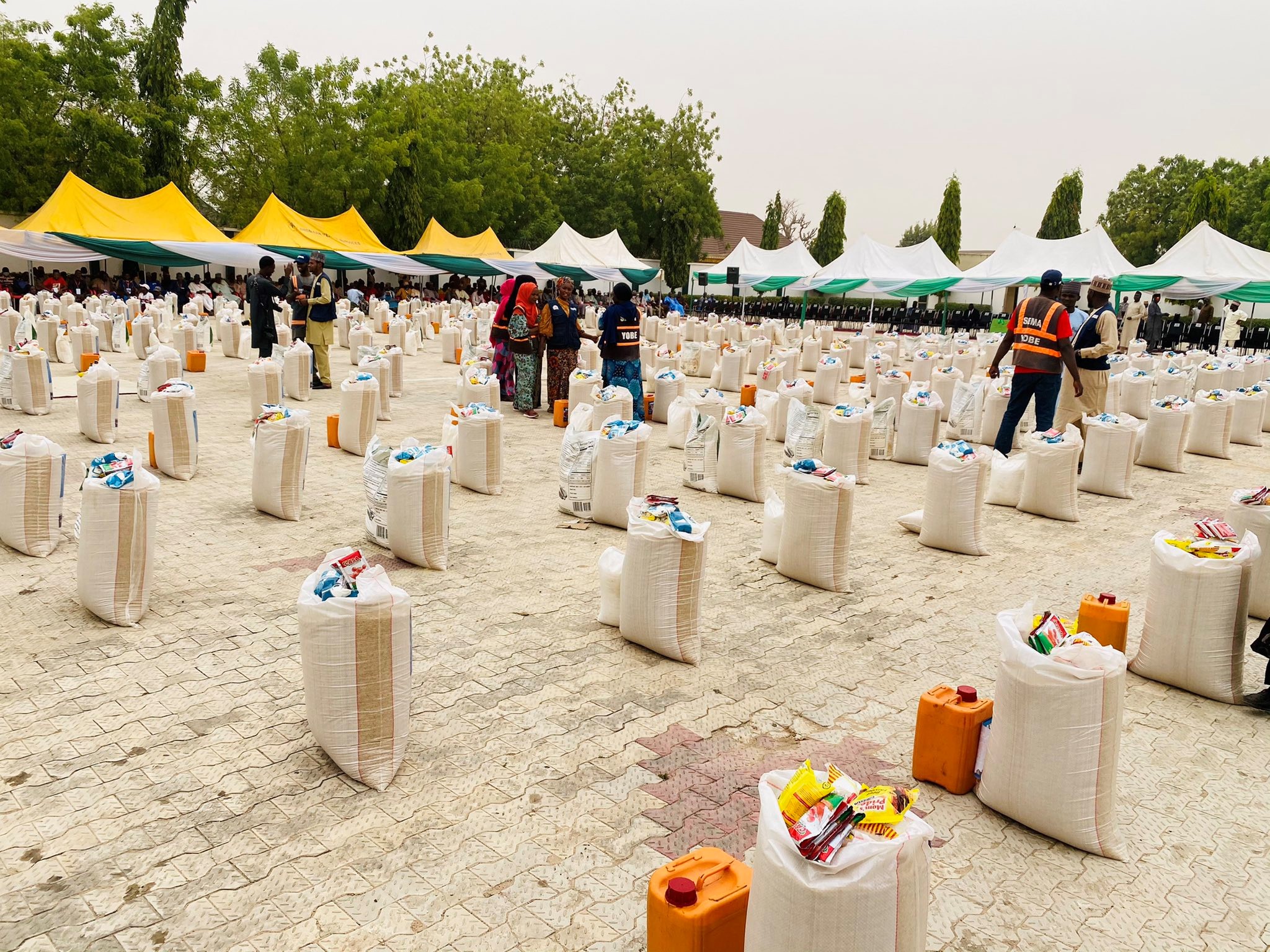
Following subsidy removal and the attendant inflation in the country, several state governments distributed palliatives—foodstuffs and stipends—to ease the economic burden on citizens. Some states like Kwara and Nasarawa recently extended the palliatives to students in their tertiary institutions.

The initial distribution of the palliatives across institutions in Nasarawa state was peaceful. A government statement released after Friday’s stampede noted that previous distributions were “a huge success.” Students got two 7.5 kg bags of rice and 5,000 naira each.

However, events leading to the stampede at Nasarawa State University, Keffi, points towards a mismanagement of crowd control by the organizers responsible for distributing the palliatives. According to media reports, the palliatives were scheduled at the university convocation square until students arrived in large numbers and disrupted the distribution.

“After our arrangement for the distribution of palliatives to the students which was to hold at the University’s convocation square, they (students) suddenly arrived at the venue in their numbers and overpowered the security,” said Yunusa Baduku, National President of the Nasarawa State Students Association, in a Punch Online report.

He added that the students “broke through the gate into the Convocation square where the bags of rice was to be shared,” leading to the stampede that consumed the two students and injured many more.

Sadly, such chaos is not new. In February, the Nigerian Customs Service had to suspend its sale of seized bags of rice after seven people died at one of its centres in Yaba, Lagos. Some two years ago, 31 people died at a stampede at the King’s Assembly in Rivers state church during the distribution of palliatives to church members; seven more were injured.

Although the state governor, in a statement by his Chief Press Secretary, was quoted as calling the tragedy “a needless stampede,” the state could have prepared better for it. Distribution events, especially those intended to provide aid or relief, tend to draw large crowds, making effective crowd control essential.

In Unilorin, for instance, where students received palliatives—cartons of noodles—from the Kwara State government, distributions were such that students did not have to gather in their numbers at the arena or use vouchers.

The government sent the palliatives to the university, who distributed them to the faculties. From the faculties, they were distributed to departments, where class representatives from each level went to retrieve the packages for their class. It was as seamless as public distributions go.

I suppose the Unilorin model could help other tertiary institutions plan more effectively. The university leveraged student associations and divided the population into manageable chunks. Such divisions made it difficult for hoodlums to gatecrash, as the class reps knew their colleagues. The strategy also eased accountability.

While I admit there is a risk of student representatives appropriating the palliatives or shortchanging their colleagues, this is more manageable than asking a crowd of desperate undergraduates to gather for government handouts.

A departmental or level advisor can be mandated to coordinate the distribution, even if he has to be paid or receive palliatives, too. It is not likely that the coordinator will conspire with the student reps to loot the palliatives. In the rare event that that happens, then so be it. Nigeria students have suffered enough than to die in avoidable stampedes.

Adoto writes from Ilorin via bellohussein210@gmail.com.
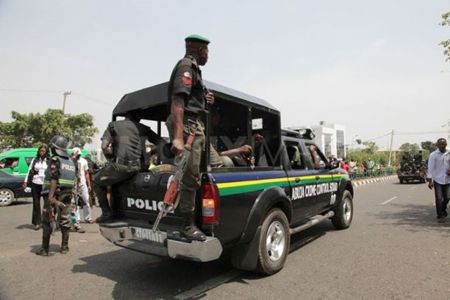
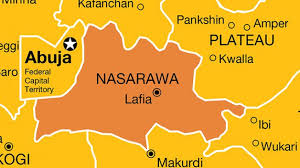
Nassarawa: Police warn against false alarm over genital disappearance

By Uzair Adam Imam

The police in Nassarawa State have warned residents in the state against widespread rumours alleging the disappearance of genitals.

DSP Ramhan Nansel, Police Public Relations Officer (PPRO) in the state, disclosed this in a statement he made available to journalists on Wednesday.

Nansel added that the command has observed with dismay the ugly trend where members of the public tag individuals with causing the mysterious disappearance of genitals in different parts of the state.

He added that, “The medical examination carried out on victims who reported cases of mysterious genital disappearance in Nassarawa-Eggon, Obi, Lafia and Keffi Local Government Areas (LGAs) of the state gave all the victims a clean bill of health.

“In view of this, the police commay wishes to state unequivocally that the cases of alleged mysterious genital disappearance is baseless, unfounded and without proof.

“Thus, anyone caught engaging in mob action and jungle justice or raising false alarm that leads to grievous assault on any member of the public shall be arrested and made to face the full wrath of the law,” DSP Nansel added.

Former Nasarawa deputy governor kidnapped

By Muhammadu Sabiu  

Professor Onje Gye-Wado, a former deputy governor of Nasarawa State, has been abducted by gunmen who are believed to have entered his town, Gwagi, in the early hours of Friday. 

According to a family member who confirmed the occurrence, the kidnappers entered the property through the fence, broke in through his wife’s window, and then took him to an unidentified location. 

The source said, “His wife came in for Easter celebration and they broke into the house through her widow and took him away to an unknown destination. We are hoping that the security agencies will make efforts towards rescuing him unhurt.” 

The Police Public Relations Officer in the state, DSP Ramhan Nansel, confirmed the abduction and said the police were making efforts to rescue him unharmed.

Bingham University bans students from using phones

By Ahmad Deedat Zakari

Bingham University Nassarawa has banned the use of smartphones in the institution. 

The Registrar, Dr Esther J Dyaji, disclosed the development in an internal memoir on Wednesday. 

According to Dr Gyaji, the phones of defaulters of the ban would be confiscated while they face appropriate sanctions. 

The memoir reads, “Following repeated abuse in the use of smartphones in contravention of section 5.14 subsection i, ii and iii of the students’ handbook, the use of smartphones is hereby prohibited with immediate effect. Violators of this would have their phones confiscated and face appropriate sanctions.”

Bingham University is a private missionary university owned by the Evangelical Church Winning All (ECWA). It was founded in 2005.

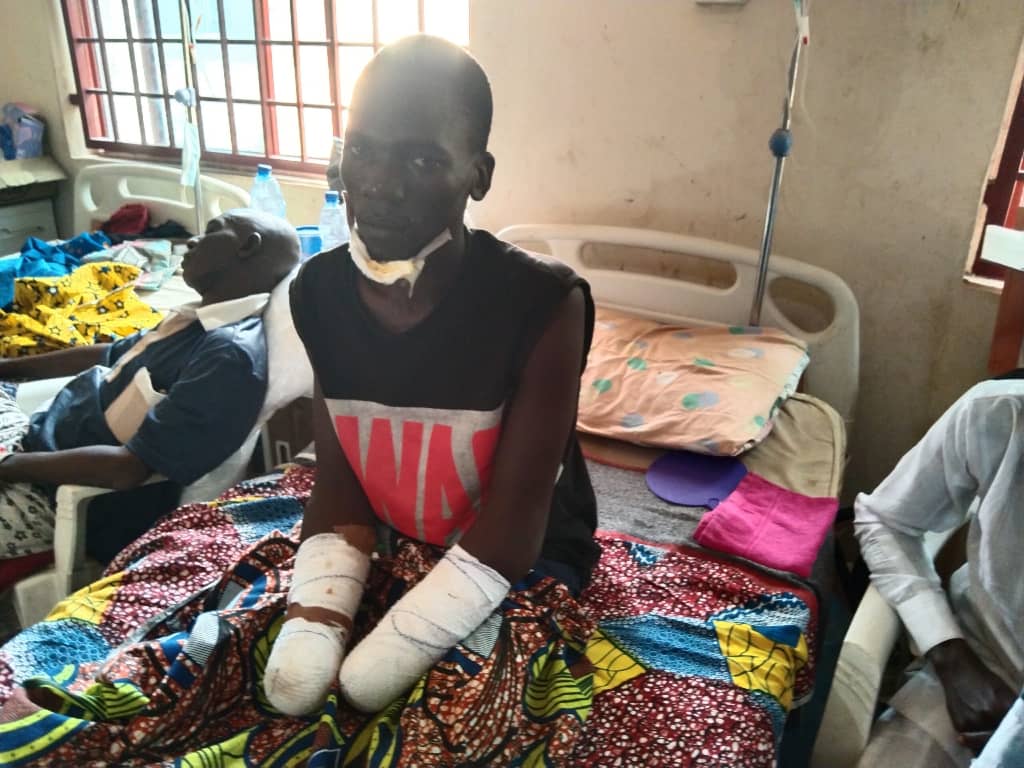
How bandits stripped me naked, cut off my two hands – Mechanic

By Uzair Adam Imam

A 25-year-old mechanic, Yahaya Muhammad Galadima, has recounted how he got his two hands cut off by unknown gunmen Tuesday on his way back from Agbabo along Rukubi before Yeluwa in Nassarawa State.

Galadima was reported to have been attacked while returning home from Rukubi after fixing a client’s J5 vehicle.

Narrating the incident, Galadima said that the incident occurred around 8 pm on Tuesday.

He said, “It happened around 8 pm on Tuesday night. I was with one of my boys, Salisu Haruna, who followed me to Rukubi, in Doma Local Government Area of the state. We went there on my motorcycle to work in one of my customer’s houses as his J5 had developed some mechanical fault.

“While on our way back from Agbabo along Rukubi before Yeluwa, all of a sudden, we were ambushed. Before we knew what was happening both of us felt off my motorcycle and my boy sustained some injuries on his left leg. However, they didn’t hurt my boy.”

He added that after they succeeded in stopping them, “They started shooting sporadically into the air, asking that I should give them money. I immediately handed over all the money I had on me, including his mobile phone.”

He also disclosed that after they had inflicted several matchete wounds on him, they snatched his motorcycle.

“Before asking them what was wrong, they cut off my two hands,” he added.

Asked if his boy was also attacked, Galadima explained saying, “My boy was not hurt at all. He was watching helplessly how they cut off my hand.”

The victim is currently receiving medical care at the Dalhatu Araf Specialist Hospital, in Lafia Local Government.

ASP Nansel Ramhan, the Nasarawa State Police Public Relations Officer, said the command was yet to be informed about the unfortunate incident.

EFCC arrests ex-Nasarawa governor Al-Makura, wife

By Muhammadu Sabiu

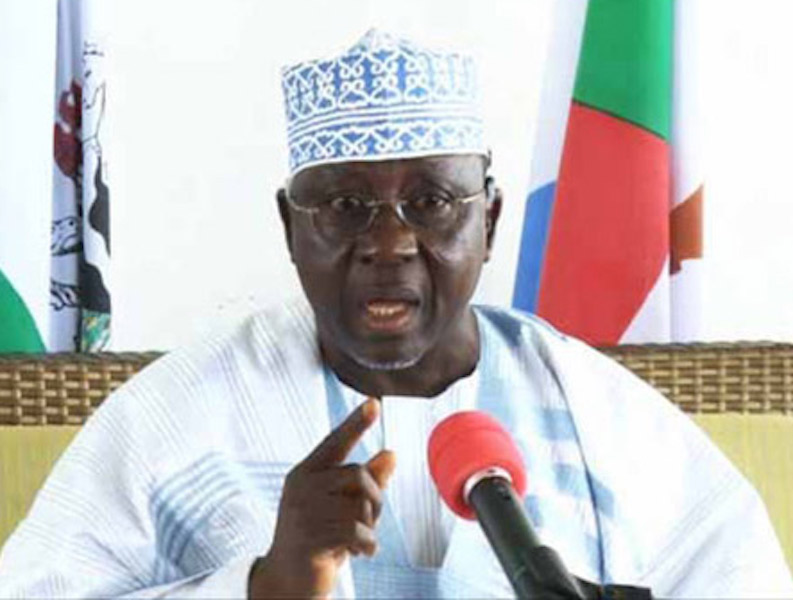
A serving senator and former governor of Nasarawa State, Umaru Tanko Al-Makura, and his wife have been apprehended by the Economic and Financial Crimes Commission (EFCC).

Reports have indicated that the ex-governor is being grilled at the EFFC’s headquarters in Abuja over allegations of corruption and breach of trust he is alleged to have enmeshed in during his tenure as the governor of Nasarawa State from 2011 to 2019.

When contacted by Premium Times online newspaper to comment on the development, Wilson Uwujaren, the anti-graft agency’s spokesperson, said he was not updated on the matter.

Also, Danjuma Joseph, the former governor’s spokesman, said he was not aware of the said arrest. He said, “His Excellency left Lafia (Nasarawa State capital) for Abuja this morning. I am not aware of such arrest.”

The EFFC has not released any details concerning the arrest of the ex-governor and his wife. Still, sources in the know of the matter have indicated that it is related to“suspicion of involvement in dirty money flow.”