Naira Redesign

Battling financial insecurity in Nigeria: A sequel

By Nusaiba Ibrahim Na’abba

While the lack of financial literacy has dominated a greater part of our societies, the challenges of those who are financially literate are also never-ending. By the day, life in this part of the world is continuously being sabotaged by existential financial threats. Recently, government policies have exacerbated these crises further than easing them.

The earlier piece I wrote last year wouldn’t have required a sequel so soon, but the worsening financial situation has compelled me to do so. After the article I wrote about how an average Nigerian man fares to survive worsening financial crises, I experienced a ‘financial attack’ that swallowed my hard-earned money. It was indeed a terrible experience. Like many others who lost their savings due to alleged bank-related thefts, my bank had no cogent explanations to calm me down.

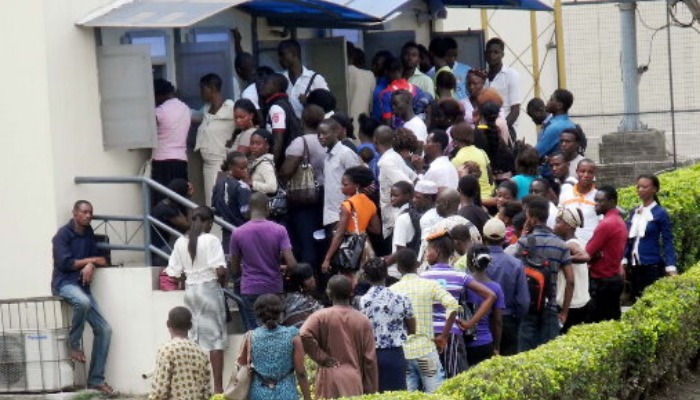
Instead, one of their staff tried to insinuate how one of my family members used my debit card without my knowledge to withdraw such a huge amount, literally proving the height of their incompetence and unkindness. The only statement I heard from another staff whom I presume to be superior was only an exclamation; “Ahhh! This is serious!” And that was it. I had to console myself when I went to enquire because another lady furiously came in to complain about how the bank couldn’t account for her ₦3 million.

Now I know better the fierce heightening kickbacks and the existing polarising debates about the naira redesign and cash mop-up as the country battles to transition into a cashless nation. Nigerian citizens are never at the forefront of making these policies. Until today, there hasn’t been a clear explanation or statement on how the government is implementing this policy amid a rising population of over a whooping two hundred million people, enlisting the country as the most populous black nation in the world.

This single policy fuelling the cashless transition has incredibly negatively disrupted businesses struggling to stay afloat, crashed many on medium-scale levels and destroyed the potential of start-ups. As a result, many shop owners have closed down businesses until the economy becomes more favourable. For instance, several POS points have closed shops, and the few others willing to keep up with the new development are only faring really hard.

On commuting, stories from tricycle owners are piercing as they struggle to support their families through the business. The chain of labour attached to the tricycle business is critical. With the breakdown of larger businesses, many people who have lost their jobs resorted to the tricycle business for some solace. It’s depressing to find out how about 4 to 5 shifts are being done with only one tricycle daily. The least shifts you could find cannot be less than 3 in a day, just to find a source of livelihood for families. Now this source of livelihood has been traumatised.

On health, patients and health workers are continuously pointing fingers at each other courtesy of delayed bank transfers. In addition, some deaths that occurred in Kano hospitals have been linked to the untrustworthy nature of the transfers. On the side of market transactions, the transfers have intensified customer trust issues – even destroying an age-long relationship of trust between shop owners and loyal customers.

The height of the financial insecurity has messed with the citizens’ psychological safety and other primary needs. People are left contemplating whether the policy is for positive development or not. People’s yearnings to meet their daily needs have only soared since the implementation of the new policy began. And the recently concluded elections that stopped some daily activities heavily contributed to the current cash struggle.

Nigerian public officeholders are notable for implementing new policies, particularly towards terminating their constitutionally allotted time in office, to either weaken election processes or transfer the bulk of work to new governments. This is hence, not unexpected. Maybe, the only surprising thing about the whole scenario is how fragmented even the ruling party was on the same issue. I’ve been unable to grasp the larger picture of the policy from the President’s perspective. Perhaps, this is not the right time for a financial rebranding in the country.

Even if the current government intends to rectify issues around election malpractices, particularly vote-buying, it degenerated into something worse. The steps weren’t expected in these desperate moments and didn’t halt rigging and other discrepancies during the general elections. Besides, spaghetti and sachet detergents became alternatives. The agitations raised against implementing the policy outweigh the commendations given to the president. It has only exposed the vulnerable citizenry to more financial battles.

At this point, I wonder whether the President has fulfilled his promise of lifting many Nigerians out of poverty. Maybe, he must’ve even forgotten some of the promises he made, which is why in a recent interview before the elections, he claimed he’d done all he could for the nation. Yes, the president initiated poverty alleviation programs, one of his administration’s priorities. Still, these unforeseen policies must’ve shattered the successes of the other programs in a way.

Like all past administrations, President Muhammadu Buhari-led APC government would be weighed appropriately in all aspects when he departs later in the year. Also, because of the lack of a clear-cut pattern of party manifestos, the country isn’t sure how the President-elect from the same political party may wish to tackle the financial challenges in the country. Whether or not he’s adopting the cashless system when he assumes duty is still unknown.

Minds presently should be geared towards financial literacy and intelligence. Understanding the critical roles of these in our lives as Nigerians will undoubtedly support us in curbing our financial difficulties. Meticulous calculations and short-term and long-term plans must be implemented daily. Economic hardships have badly hit a massive population in Nigeria after being forced to fight excruciating spikes in the prices of goods and services. These aren’t good times to be hopeful of delusional government promises.

The consequence of the financial breakdown in Nigeria is enormous, and we may not be able to quantify the level of degeneration it has caused in the coming years.

Nusaiba Ibrahim Na’abba is a master’s student from the Department of Mass Communication, BUK. She is a freelance writer and researcher. She can be reached via nusaibaibrahim66@gmail.com.
Emefiele will soon become “Zebra in the hands of Tigers” —Shehu Sani

 By Muhammadu Sabiu  

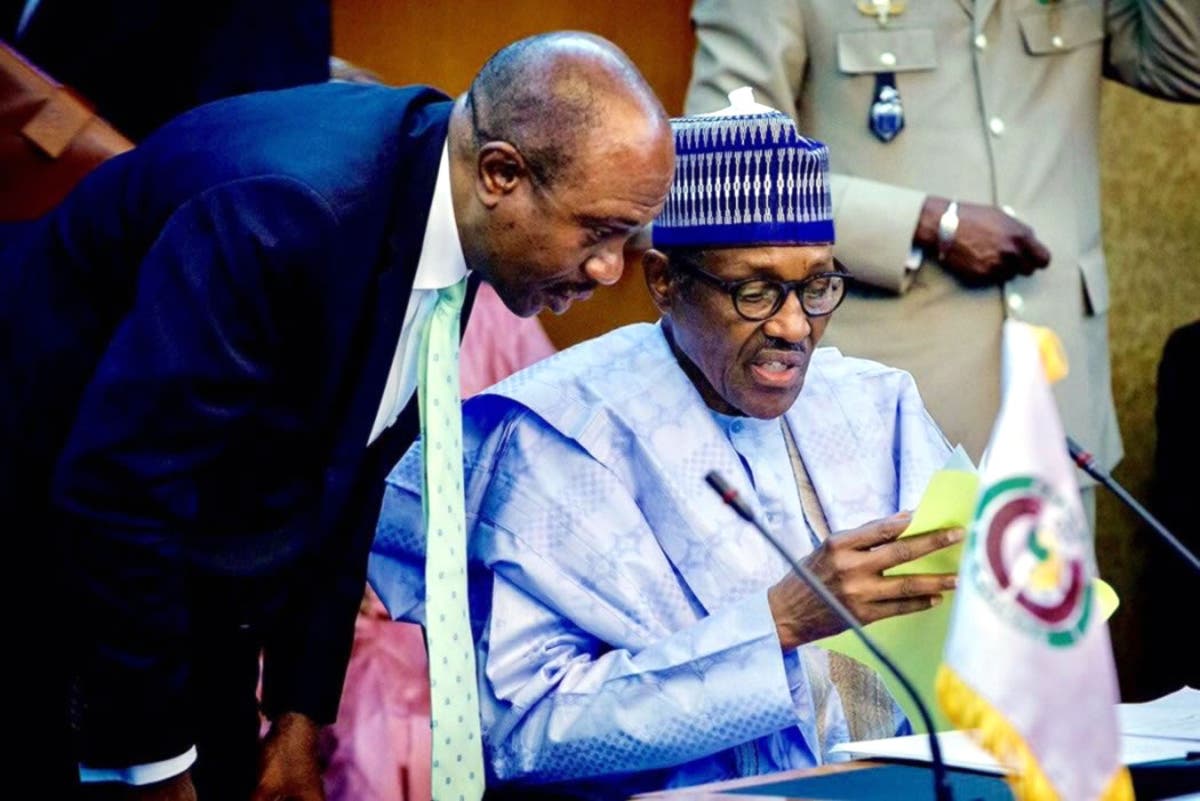
Senator Shehu Sani, a lawmaker and social critic, projected that Godwin Emefiele, the CBN governor, will be powerless after President Muhammadu Buhari leaves office. 

After Buhari leaves power on May 29, Sani, in a tweet on Saturday, compared Emefiele’s situation to a “Zebra in the hands of Tigers”. 

The tweet reads, “When Baba is gone, Emefiele will be like [a] Zebra in the hands of Tigers.” 

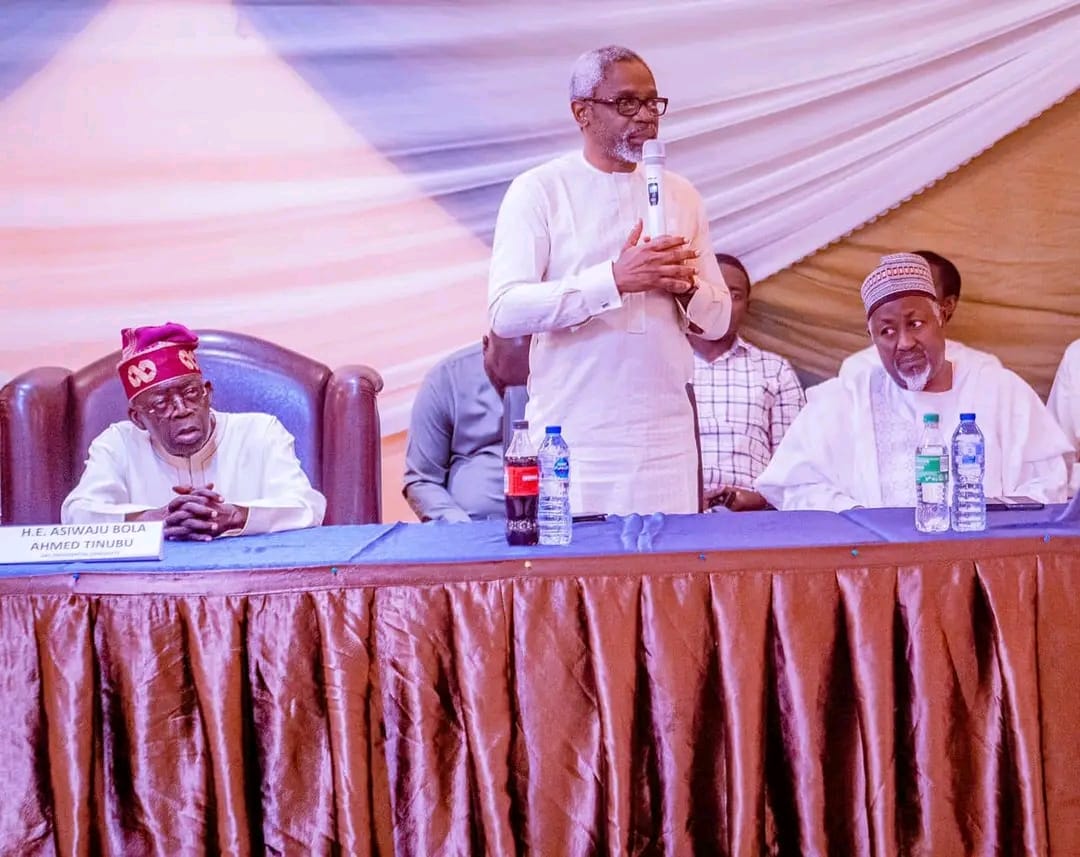
Recall that Bola Ahmed Tinubu, who is thought to have been badly affected by the monetary policies initiated by Godwin Emefiele, was declared the winner in last Saturday’s presidential election. 

Many believe that the CBN initiated its naira redesign policy to cripple Tinubu’s chances of winning the election, as this could not be unconnected to Senator Shehu Sani’s tweet.

Gbajabiamila commends Supreme Court for extending old naira notes exchange deadline

By Muhammadu Sabiu 

Femi Gbajabiamila, Speaker of the House of Representatives, praised the Supreme Court’s ruling invalidating the Central Bank of Nigeria’s (CBN) currency policy’s deadline and extending it until December 31, 2023.

This was revealed in a statement released on Friday in Abuja by Mr Lanre Lasisi, Special Assistant to the Speaker on Media and Publicity.

According to Gbajabiamila, this had been the stand of the House of Representatives.

According to the speaker, the design and implementation of the currency exchange policy had been terminally defective and at odds with the goals of law and public policy, despite the scheme’s admirable aims.

He said that the House has been criticising the policy implementation because it violated the statute creating the CBN and that the Supreme Court’s ruling supported the House’s position.

“The decision of the Supreme Court suspending the currency swap policy introduced by CBN and extending the implementation deadline to December 31 validates the position of the House in its entirety,” he said.

The Speaker explained that the implementation of the policy is remarkably haphazard, adding that it falls way short of international standards.

‘Banks lost over N5bn to protesters due to naira scarcity’, Association cries

By Muhammadu Sabiu 

An umbrella organization for banking sector employees, the Association of Senior Employees of Banks, Insurers and Financial Institutions, revealed that banks lost N5 billion as a result of demonstrators’ attacks on assets due to naira scarcity.

Oluwole Olusoji, the group’s president, revealed this on Thursday in Lagos.

He also lamented that the attacks by demonstrators had affected 17 commercial banks.

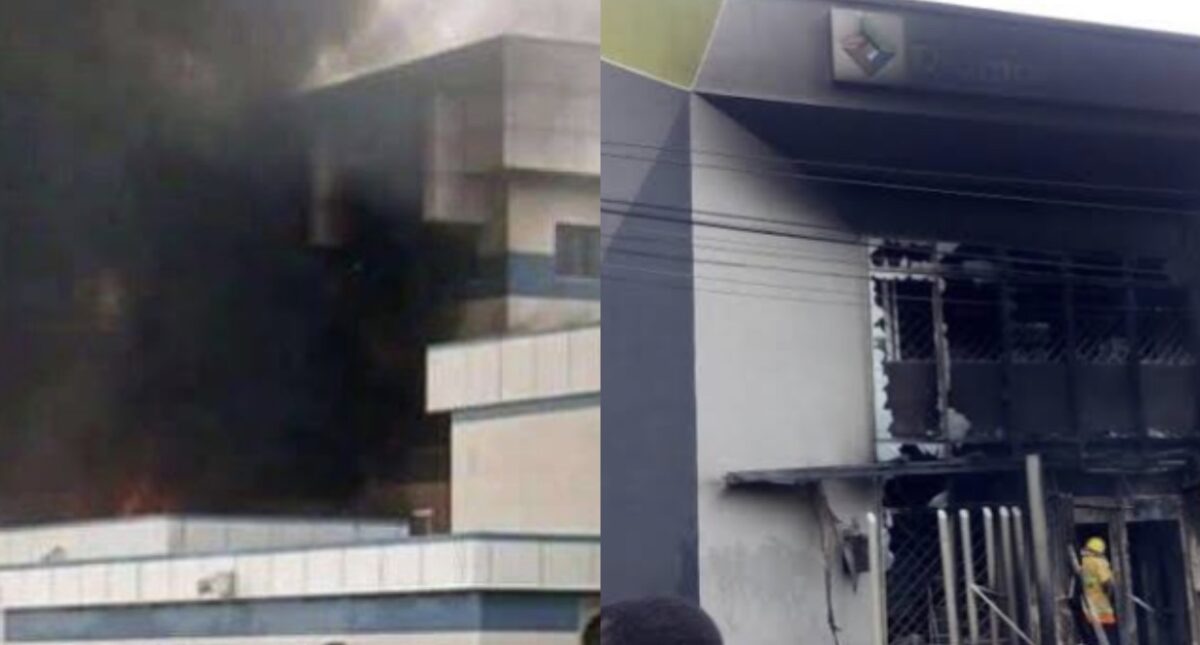
He explained that in addition to attacks on bank employees, bank premises and ATMs were set on fire.

He said, “We call on the public to desist from threatening or attacking our members or destroying our properties as they will be only proverbially cutting their noses to spite their faces. We can only give what we have been provided with and nothing more.”

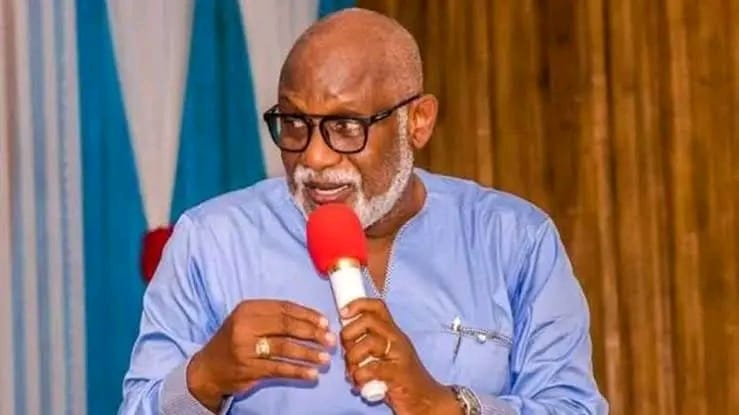
2023 Elections: Naira swap threatens APC chances, Akeredolu tells Buhari

By Muhammadu Sabiu 

The governor of Ondo State, Rotimi Akeredolu, states that the All Progressive Congress’ (APC) popularity has been harmed by fuel and naira scarcity.

Akeredolu begged President Muhammadu Buhari to give the Governor of the Central Bank of Nigeria (CBN), Mr Godwin Emefiele, the appropriate instructions to reverse the naira redesign policy right away.

He said this while meeting with members of the All Progressive Congress (APC) Presidential Campaign Council (PCC), led by Seyi Tinubu, the son of the party’s presidential candidate, Asiwaju Bola Tinubu, in Akure, the capital of Ondo state.

He said, “We have a problem we are facing in this country today. Our rating as a party is not that favourable.

“Let’s not deceive ourselves. Must it be now that we will have this financial policy?

“How? Fuel and everything? Things are not easy. This policy is not right at this time. It should be reversed.

“Reserve it and tell CBN that we are reversing it. Let old, and new notes co-exist.”

So far, there have been reports of Nigerians taking to the streets to protest the scarcity of naira notes, leading to the burning down of some bank branches in Delta State.

Ganduje shuts down Wellcare supermaket for rejecting old naira notes

By Uzair Adam Imam

The Kano State Governor, Dr. Abdullahi Umar Ganduje, has shut down Wellcare Supermarket for refusing to collect the old naira notes.

The governor instructed Baffa Babba Dan’agundi, the Acting Chairman of Kano State Consumer Protection Council, to shut down the supermarket.

Dan’agundi, who made this disclosure after shutting down the supermarket, said legal action would be taken against the supermarket.

Wellcare is a prominent supermarket that sells food products and drugs among other provisions stuffs.

The Daily Reality gathered that the closure order was a result of its refusal to accept the old naira notes from costumers.

It can be recalled that the Kano State Government instructed supermarkets and other marketers to continue accepting the old notes.

The Acting Chairman also warned other traders in Kano against refusing to collect the old naira notes.

He added that any supermarket caught refusing the old notes will be dealt with decisively.

Naira Scarcity: Ignore calls for protests, El-Rufa’i begs Kaduna people

By Sumayyah Auwal Ishaq

Kaduna State Governor Nasir Ahmad El- Rufai on Tuesday called on the people of Kaduna to ignore calls for massive protests amidst currency swap debacle.

In a statement signed by the Commissioner Ministry of Internal Security and Home Affairs, Kaduna State, Mr. Samuel Aruwan, Gov. El-Rufa’i said “the government is aware that certain individuals and groups have made plans to organize massive protests, seizing on the acute shortage of cash and attendant hardships faced by citizens”.

He further said “The Kaduna State Government wishes to appeal for caution and vigilance by all citizens, amidst the prevailing situation arising from the ongoing cash swap and currency redesign policy.

“Citizens are reminded that care must be taken not to play into the plans of devious elements seeking to create crisis in this crucial period. Citizens are thus advised to ignore these calls for massive protests in the interest of public security”.

Naira Scarcity: Sterling Bank lifts charges on fund transfers

By Muhammadu Sabiu 

A commercial bank in Nigeria, Sterling Bank, has announced that all bank fund transfer services will be offered for free for seventeen days.

This is coming amidst the tough time customers are passing through when withdrawing and depositing money, using online banking, and other financial activities due to the CBN’s new naira note policy that placed many restrictions.

In an email Sterling Bank sent to its customers, it says, “We at Sterling understand the difficult times many of our customers are facing. In light of this, all our fund transfer services will be offered Free of Charge to all personal account customers from February 6, 2023, till February 18, 2023.

“Additionally, we are also pleased to announce that we will be issuing free Debit Cards to all interested customers. This will provide you with a convenient and secure way to make purchases and carry out transactions. You can order your cards directly on OneBank (Download the latest version on your phone’s App Store or simply go to sterling/OneBank)”.

Naira Scarcity: Peter Obi urges Nigerians to be patient with FG

By Ahmad Deedat Zakari

The Presidential Candidate of the Labour Party, Peter Obi, has urged Nigerians to be patient with the Federal Government as regards the hardship caused by the new currency redesign.  

Mr Obi made the appeal in the early hours of Sunday in a tweet via his official Twitter handle.

The redesign of Nigeria’s currency has enthroned scarcity of Naira notes and caused severe hardship to Nigerians who are unable to get cash to carry out their daily transactions. 

Mr Obi, while pleading with Nigerians, said currency redesign is not peculiar to Nigeria, and it comes with long-term economic advantages despite the initial inconveniences. 

He tweeted: “The currency redesign is not peculiar to Nigeria. It is an exercise that comes with some inconvenience and pain, but it has significant long-term economic and social benefits. Even though there are improvements that can be made, I urge Nigerians to bear with the CBN and Federal Government with the hope that the general populace and Nigeria will harvest the gains that will come with the reforms.”

ICPC arrests bank manager for stopping ATMs from dispensing new notes

By Muhammadu Sabiu

The manager of the First City Monument Bank (FCMB) branch in Osogbo, the capital of Osun State, was detained on suspicion of interfering with the dispensing of cash to customers through Automated Teller Machines (ATMs).

According to a statement made on Friday by Azuka Ogugua, the ICPC’s spokeswoman, the cash bundles were deposited into the ATMs while still wrapped, and as a result, they could not be disbursed through the machines.

She said, “The ICPC Compliance Team in Osogbo has busted an FCMB in Osogbo, Osun State, where some ATMs were loaded with cash with their wrappers un-removed, thus preventing the cash from being dispensed.

“The Team therefore directed that the wrappers be removed, and the cash loaded properly.

“However, when a follow-up visit was undertaken the following day to ascertain the level of compliance, the Team discovered that one of the ATMs was still loaded with the wrappers un-removed. The Operation Manager of the Bank was arrested and taken in for questioning.”

The ICPC added that the individuals who were detained are providing the Commission with information to aid investigations and dismantle any organised crime groups engaged in the hoarding or sale of the altered notes.