Maternal mortality

Perinatal oral health: A neglected aspect of maternal and child well-being

By Oladoja M.O

Across all health-related policies, discussions, and publications, maternal and child care undoubtedly ranks among the top three priorities of our national healthcare system. Without mincing words, it constitutes a core aspect of public health that rightly deserves every ounce of attention it receives. One might ask, why is this so? 

A report by the World Health Organisation (WHO) underscores the alarming statistics, revealing that, in 2020, a maternity-related death occurred nearly every two minutes. This equates to approximately 800 daily maternal deaths from preventable causes across various regions of the world. 

Similarly, UNICEF, in one of its latest reports, noted that while Nigeria constitutes only 2.4% of the world’s population, it accounts for a staggering 10% of global maternal deaths. Recent figures indicate a maternal mortality rate of 576 per 100,000 live births, ranking as the fourth highest globally. Furthermore, an estimated 262,000 neonatal deaths occur annually at birth, the second-highest national total in the world.

Beyond these mortality figures, numerous other health complications afflict this demographic, often with far-reaching, detrimental consequences. Some of these complications include hypertension, gestational diabetes, infections, preeclampsia, preterm labour, depression and anxiety, pregnancy loss or miscarriage, and stillbirth. These conditions may jeopardise the health of the mother, fetus, or both, and can be life-threatening if not properly managed. With such distressing statistics, it is impossible not to prioritise this critical issue.

Recognising the gravity of the situation, the government has implemented several initiatives to address maternal and child health concerns. Notable programs include the Midwife Service Scheme, which aimed to enhance the healthcare workforce by deploying midwives to provide maternal health services in rural areas, and the Saving One Million Lives Program for Results, a performance-based funding initiative aimed at improving maternal and child health outcomes at the state level.

Additionally, the Maternal Mortality Reduction Innovation Initiative (MAMII) prioritises life-saving interventions for women and newborns, strengthening healthcare services in the 172 most affected local government areas through supply- and demand-side strategies.

However, despite these concerted efforts and the significant attention accorded to maternal and child healthcare, a critical yet insidious aspect of this discourse remains grossly overlooked—oral health. Among the myriad etiological factors contributing to maternal and child health complications, the intersection of oral health and overall maternal well-being is frequently ignored. 

A 2024 study highlighted that a mother’s oral health status, knowledge, literacy, attitudes, behaviours, and socioeconomic status are pivotal determinants of childhood caries. Another recent study underscored the detrimental impact of poor oral health during pregnancy, linking it to adverse outcomes such as preterm birth, low birth weight, preeclampsia, gingival ulcerations, pregnancy granulomas, gingivitis, and pregnancy tumours (epulis gravidarum). 

According to a CDC physician, improving pregnant women’s oral health is one of the most effective strategies for preventing early childhood caries. She further emphasised that oral health is an essential component of prenatal care, as poor maternal oral health can significantly compromise both maternal and neonatal health, setting the foundation for lifelong health challenges. Additionally, periodontitis has been strongly associated with adverse pregnancy outcomes, including preterm birth and low birth weight.

Given these profound implications, one would expect a holistic approach to maternal healthcare—one that integrates oral health awareness and services into prenatal care. Unfortunately, this is far from reality. A 2024 scoping review revealed that dental service utilisation among pregnant women in Nigeria is alarmingly low, with visits largely driven by curative rather than preventive needs.

Despite the serious risks associated with poor oral health during pregnancy, oral health education remains conspicuously absent from antenatal awareness curricula, and primary healthcare centres lack dedicated oral health officers.

Thus, this serves as a call for urgent action and heightened awareness. The advocacy for integrating oral health education into antenatal classes must persist, as maternal knowledge of oral healthcare is often inadequate. 

Pregnancy is a critical period that necessitates heightened attention to oral health, and dental clinic visits should be regarded as an indispensable component of prenatal care. Most importantly, the government must prioritise the strategic deployment of public oral health officers to ensure that this vulnerable demographic’s unique oral healthcare needs are adequately addressed.

Oladoja M.O writes from Abuja and can be reached at: mayokunmark@gmail.com
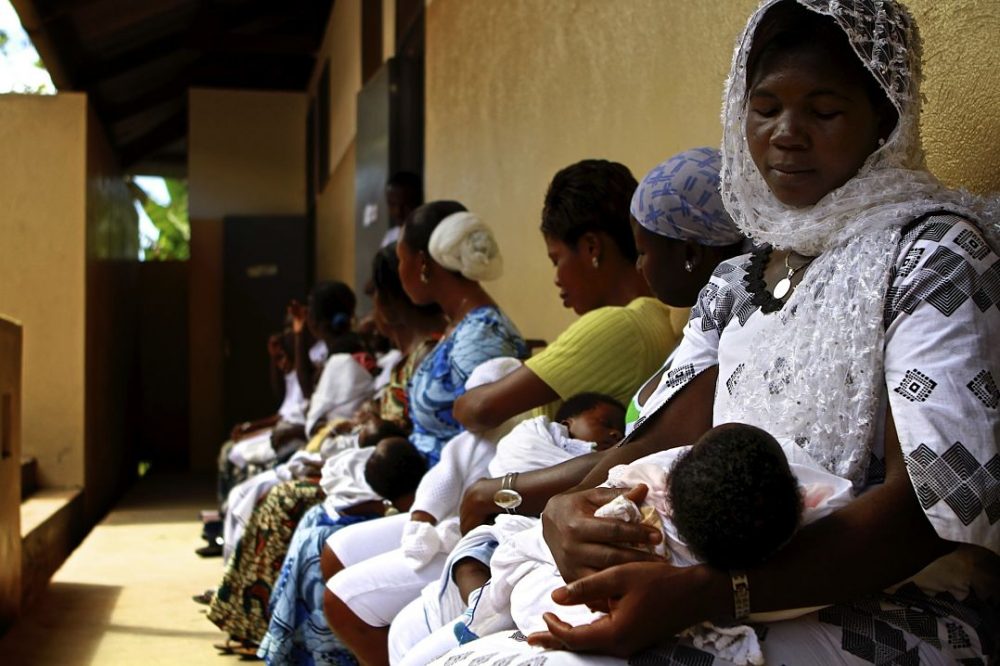
Maternal mortality: When childbirth becomes death sentence

By Maimuna Katuka Aliyu

Maternal mortality, the death of a woman during pregnancy or childbirth, remains a cruel and devastating reality. Despite advancements in medicine, millions of women, especially in low- and middle-income countries, face preventable deaths due to systemic failures and societal neglect.

Why Mothers Die

Several factors contribute to maternal mortality, often worsened by inadequate healthcare infrastructure and socio-economic challenges:

1. Severe Bleeding: Postpartum hemorrhage is the leading cause, especially in areas without skilled birth attendants.

2. Infections: Poor hygiene and lack of proper care lead to life-threatening infections after childbirth.

3. Pre-eclampsia and Eclampsia: High blood pressure during pregnancy causes fatal complications when untreated.

4. Unsafe Abortions: A significant number of deaths stem from unregulated and unsafe abortion practices.

5. Underlying Health Issues: Chronic conditions like malaria, HIV/AIDS, and anemia exacerbate pregnancy risks.

In rural areas, the situation is even grimmer. Women often avoid hospitals due to cultural taboos, ignorance, or financial constraints. Many endure days of labor at home, resorting to harmful traditional concoctions instead of seeking professional care. Poor infrastructure and untrained healthcare providers further complicate the situation, leaving mothers vulnerable to preventable deaths.

When it comes to Post-natal care, there isn’t any attention given to the mother after birth on what she eats and how she feels. Mostly, women undergo pain and tear of different degrees and suffer in pain.

Most women suffering from Eclampsia that are brought to the hospital who don’t go for antenatal care, health officials won’t know exactly what is wrong with them, so if she’s having headache, they either prescribe bordrex or sudrex in a chemist for you to take, if its malaria, they haven’t run any tests on you too confirm, they’ll prescribe paracetamol for you to take. Before you know it, she doesn’t have any blood in her body. Lastly, she’ll be rushed to the hospital breathing heavily, and before you get donors to supply blood to her, it might be too late.

People tend to give birth without control, good health, or good food to eat, which also makes the uterus suffer a lot.

The Four Deadly Delays

Maternal mortality is worsened by four critical delays that often seal a woman’s fate:

1. Delay in Seeking Care: Cultural beliefs, ignorance, and financial struggles hinder timely decisions to seek help.2. Delay in Reaching a Facility: Poor roads, lack of transportation, and distance to hospitals mean many women never make it in time.

3. Delay in Receiving Care: Bureaucratic processes, understaffed hospitals, and unskilled personnel result in deadly delays once women reach healthcare facilities.

4. Delay in Referral: When facilities cannot handle emergencies, referral systems are often inefficient, leading to further loss of life.

Ripple Effects of Maternal Death

The death of a mother devastates families and communities. Children without mothers face a higher risk of malnutrition, poor education, and even death. Economically, families are burdened by healthcare costs and the loss of a primary caregiver.

A Call to Action

Addressing maternal mortality requires collective effort:

1. Healthcare Access: Build well-equipped facilities in rural areas and train more skilled birth attendants.

2. Education: Empower communities with knowledge about maternal health and safe childbirth practices.

3. Family Planning: Provide accessible contraception to prevent unplanned pregnancies and reduce unsafe abortions.

4. Government Intervention: Strengthen healthcare systems, remove financial barriers, and implement maternal health policies.

Last Line

Maternal mortality is more than a health statistic; it is a tragic indictment of societal failure. No woman should die giving life. Tackling the root causes, improving healthcare systems, and fostering awareness can save countless lives. The time to act is now—because every mother matters.

Pieces of advice on maternal mortality


By Abdurrazak Muktar Makarfi

Maternal mortality is one of the devastating and heartbroken issues, especially in Africa, where we have many unqualified and fake health personnel, which leads to such menace. In the community where I belong, we don’t value ante-natal. Many think it is not that important; some consider it a waste of time, resources and energy.

Most times, lack of awareness to some people is negligence and ignorance to many. I once heard someone saying, how could I allow my wife to deliver in hospital while she’s fit and healthy? I don’t blame him even once because our health personnel’s attitude discourages many people from going to the hospital for ante-natal.

The attitude of health personnel in the hospital is absurd. I sometimes feel like absconding whenever I hear a nurse screaming and yelling at pregnant women; some even raise their hands to beat them! This happens at the time of delivery, which makes it more unfortunate.

Government, religious leaders, community elders and traditional rulers advocate that daughters must be educated, especially in the health sector, where we are lacking. However, to my dismay, when they are, they turn black eyes and become arrogant by yelling at women to show they are superior. Some of those they shout at are old enough to be their grandmothers. What a shock!

On the other hand, research has shown that 99% of maternal deaths occur in developing countries, but why? It may be because of the complications that occur during pregnancy and childbirth. Most of the complications can be managed, but the woman may end up dying due to a lack of skilful health personnel.

Furthermore, most maternal deaths are caused by the following: Severe-bleeding (mostly bleeding after childbirth), which can kill a healthy woman within hours if left unattended. Injecting oxytocin immediately after childbirth effectively reduces the risk of bleeding.

Infection after childbirth can be eliminated if good hygiene is practised and early signs of infection are recognised and treated promptly.

Pre-eclampsia should be detected and appropriately managed before the onset of convulsions (eclampsia)and other life-threatening complications. Administering drugs such as magnesium sulphate can prevent pregnant women from developing eclampsia.

Poverty-stricken women living in remote and slum areas are least unlikely to receive adequate health care; this is likely my region where we have a low number of skilled health workers.

Cultural practices: These are the things like local surgeries (episiotomy called “yankan gishiri” in Hausa) done by traditional birth attendants without or with inadequate knowledge about the birth canal. They remove the vulva and vaginal, causing damage to some tissues resulting in fistula formation and easily causing infection, which may lead to maternal mortality.

I hope my people will heed some of the things I mentioned as the direct or indirect causes of maternal mortality, i.e. death of a woman while pregnant or within forty-two (42) days after delivery.

Abdurrazak Muktar Makarfi wrote via prof4true1@gmail.com.