Lifestyle

Should we donate blood for free if recipients have to pay for it?

By Bello Hussein Adoto

One, two, three. Every three seconds, someone somewhere is receiving blood, and they don’t know where it comes from. The person could be an accident victim with a broken leg, a woman bleeding after birth, a sickle cell patient hanging on to life, a man with haemophilia whose blood just won’t clot, or a snakebite victim whose cells are lysing away.

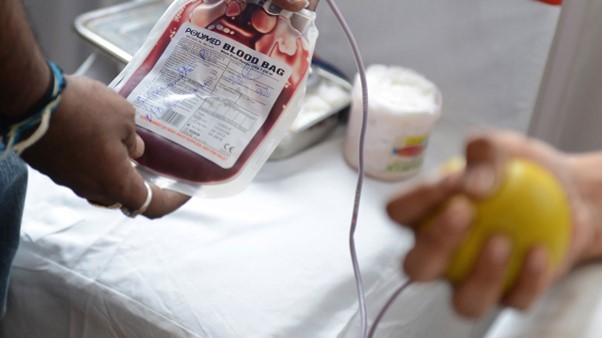
Three seconds. Someone is on the bed, being saved with another person’s blood. That blood could be yours—one pint drained from your body in ten minutes every three months (men can donate up to four times a year). Sometimes, it doesn’t take more than that to save a life.

Unfortunately, many people don’t donate blood because they frown at the idea that hospitals “sell” the blood they donate for free, so it is better that they don’t feed what they see as an unwholesome trade. Why should we donate blood for free if recipients have to pay for it? Let’s unpack the answer.

Blood is free. Hospitals—public ones, at least—don’t sell blood.

They collect service charges ranging from five to eight thousand naira in public hospitals to cover the cost of screening, collecting, bagging, storing, matching, and transfusing blood. The service charge is like revolving funds that keep the blood flowing from the donor to the patient.

Is it criminal? Not quite. Hospitals get blood from unpaid voluntary donors and relatives of transfusion recipients who donate to replace the blood their loved ones received. A third source is those who get paid for donating blood. However, getting blood from paid donors is discouraged for ethical and safety reasons. Whatever the source, blood recipients are required to pay processing fees to cover the cost of getting blood and transfusing it safely.

Let’s face it. Healthcare is subsidised, but it’s not free. The government can only pay for so much. Hospitals need facilities to receive donors and collect their blood. They need equipment, test kits, and reagents to screen the blood; bags and anticoagulants to keep the blood fluid and aseptic; storage units to keep the blood stable enough to be useful to the patient. These cost money and that’s the service charge that patients and their relatives pay.

The need for blood for voluntary blood donation is high in Nigeria. According to a recent National Blood Services Commission (NBSC) report, only 25% of blood transfusion demand is met in Nigeria. Unpaid voluntary donation closes the demand gap for blood donation. It makes blood available to patients, especially those with rare blood types and those needing many pints of blood.

While you are welcome to share your concerns about patients having to pay for blood, please don’t let that discourage you from donating. People need blood, and that need is critical. Malnourished children, pregnant women, people with severe malaria, and those with sickle cell disease are among the top groups in this category.

Your blood could be the difference between someone staying alive or dead. Imagine your younger sister or a parent desperately needs blood, but blood banks and reserves are depleted due to a lack of willing donors. What do we do then? Even if you worry that recipients will eventually have to pay for it, your blood gives them something to pay for.

Besides, your donation makes blood available so that desperate patients and their relatives don’t have to get it from the so-called black market, which is more expensive.

Beyond donating, you can raise awareness for other people to donate. As of 2022, only 8% of transfused blood in the country was voluntarily donated. We need more unpaid voluntary donations to make blood more accessible to those in need.

Transfusible blood is obtained only from humans. We can’t manufacture blood like normal saline or get it from animals like insulin. So, people need to donate blood.

We must also make the case for better investment in our health system. Many public hospitals across the country cannot collect or store blood. They often ask patients’ relatives to look for donors or collect and keep blood that may not be useful for transfusion. Better hospital facilities and more laboratory supplies will buffer these limitations and improve the quality of blood transfusion in Nigeria.

While I don’t deny that unscrupulous elements could profit from the blood trade, we need to see the bigger picture. Blood donors serve a great need. Your donation makes blood readily available and accessible to everyone. So, please, go out there and donate. You are saving a life.

Adoto, a researcher, writer, and journalist, writes via bellohussein210@gmail.com.

The criminogenic environment

By Lawi Auwal Yusuf

The nexus between our social environment and human behaviour is relevant in explaining Nigeria’s formidable crime rates. First, it is essential to understand the significance of socialisation in behaviour development.

Human interactions on both micro and macro levels provide a flawless context for learning behaviour from others. This learning occurs through these interactions that directly shape the socialisation process through observation of one’s environment, imitation, role modelling and expectation development.

So, human behaviour reflects what is learned in daily interactions with others. This socialisation process is influenced by individuals’ intimate groups and role models who similarly clout those close to them and serve as others’ source of learning.

Thus, deviation from society’s consensual values is not considered an innate human character predetermined by biological, psychological and or other natural factors, as argued by most social learning theories. Instead, it is a product of socialisation that determines the development of human behaviour through our perpetual interactions.

Given the foregoing, criminousness is like all other human behaviour spawned by social interaction. To wit, criminalness isn’t spontaneous. Untainted persons acquire their “knowledge” from external sources as they observe the tainted ones carrying out criminal behaviours. They learn and, subsequently, effectuate them.

Parents keep an eye on those your wards reach out to and teach them to avoid the toxic ones. Perhaps more importantly, don’t let those you are cynical of be their buddies. Be their pal yourself.

Lawi Auwal Yusuf wrote from Kano and is contactable via laymaikanawa@gmail.com.

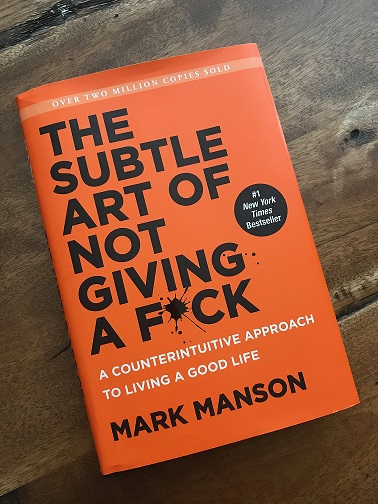
Book Review: The Subtle Art of Not Giving a F*ck

By Hafsah Ja’afar

The Subtle Art of Not Given a F*ck is a book with a provoking unconventional tone that challenges traditional sundries of happiness and success. Penned by Mark Manson, this book presents a refreshingly honest and no–gibberish approach to living fulfilling lives. Manson argues that true happiness and particular growth come from accepting our limitations, embracing discomfort, and understanding that life is innately difficult and delicate.

He encourages his readers to prioritize their values and choose what truly matters to them instead of seeking constant positivity or avoiding negative gests. Throughout the book, Manson explores colourful themes such as responsibility, authenticity, and the significance of setting boundaries.

He advocates for letting go of societal prospects, embracing failures, and learning from them. He suggests that we can lead a more meaningful and authentic life by fastening on what truly matters to us—using a mix of particular stories, philosophical perceptivity, and detailed advice.

Manson provides readers with a fresh perspective on changing happiness and purpose. It encourages them to let go of external confirmation, embrace their defects, and control their lives.

Overall, this book offers a counterintuitive yet empowering gospel that challenges everyone to rethink their precedence, review success, and live a life guided by their values rather than the prospects of others.

Hafsat Ja’afar is a school teacher and wrote from Kano via jaafarhafsat@gmail.com

The curious connection between money and relatives

By Abdulrazak Mukhtar

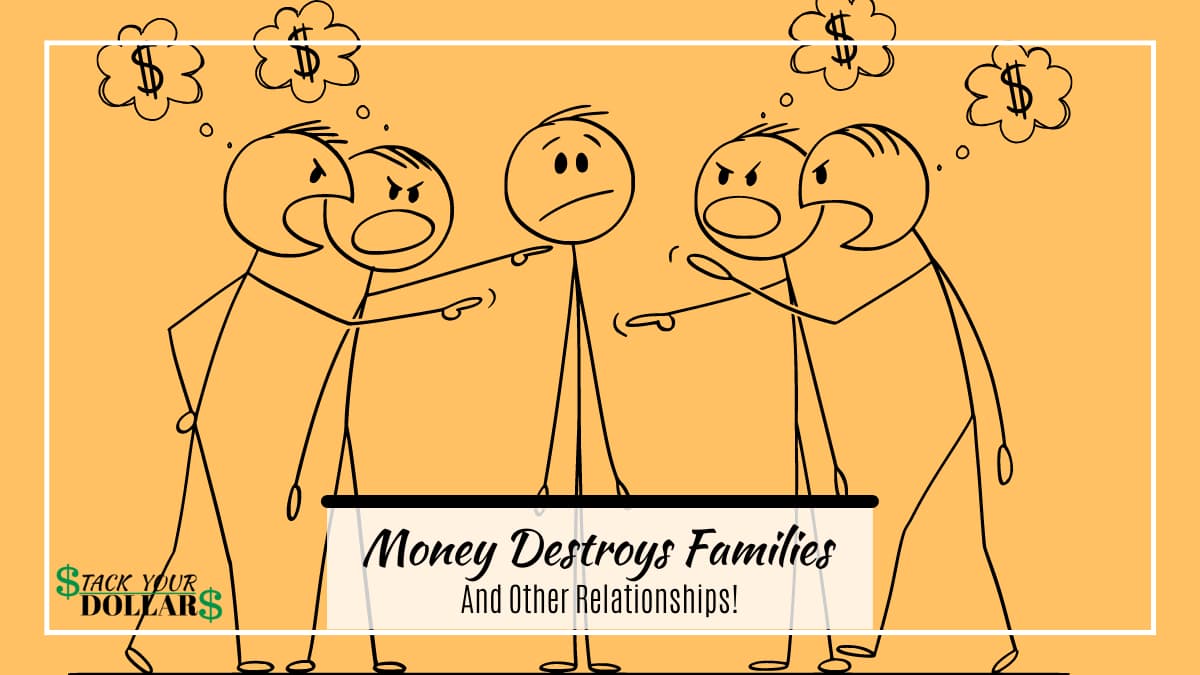
Money uniquely impacts family relationships, often leading to complex dynamics and a range of emotions. When individuals come into money, it can suddenly bring distant relatives to the forefront, seeking a connection or financial assistance. Conversely, acquiring wealth can also result in the emergence of long-lost relatives, appearing out of nowhere and claiming familial ties. This intriguing interplay between money and family sheds light on how our financial status influences our relationships.

When individuals experience a financial windfall, it’s not uncommon for distant relatives to suddenly appear. The allure of wealth and the possibility of benefiting from it can lead relatives who were once distant or disinterested to seek a connection. Whether driven by curiosity or a desire to share in the newfound affluence, these relatives may approach with familiarity, hoping to establish a bond and potentially reap the benefits of financial success.

Conversely, when someone finds themselves in a financially favourable position, they often become a target for relatives seeking assistance. Family members may seek financial support for personal endeavours, investments, or during hardship. The individual’s newfound wealth positions them as a potential source of aid, which can create a delicate dynamic of balancing familial obligations, personal goals, and responsible resource management.

The convergence of money and relatives can create a unique tug-of-war within family dynamics. Individuals who come into wealth must navigate the complexities of determining the authenticity of newfound relationships and managing expectations. Striking a balance between generosity and self-preservation is essential in maintaining healthy relationships while safeguarding personal interests.

To navigate this complex terrain, it is crucial to approach these situations with sensitivity and caution. Open communication is vital in establishing clear expectations, boundaries, and intentions with relatives. Honest conversations can foster genuine connections while managing financial expectations.

Defining personal goals becomes essential to make informed decisions about resource allocation. Individuals can prioritise their needs by aligning financial decisions with values and aspirations while considering family interests.

Seeking professional guidance from financial advisors, estate planners, or family counsellors can provide valuable insights and strategies for managing family dynamics while preserving personal financial well-being. These professionals can help individuals navigate the complexities of money-related familial relationships, offering objective advice and support.

Maintaining emotional boundaries is crucial when dealing with the influx of relatives during prosperous times. Distinguishing between genuine relationships rooted in care and those driven solely by financial motives is necessary to protect oneself from exploitation or manipulation.

Emphasising shared experiences, values, and interests can help foster authentic connections with relatives. Individuals can cultivate meaningful connections based on mutual understanding and common ground by focusing on the aspects of the relationship that go beyond monetary considerations.

In conclusion, the interplay between money and relatives within family relationships can be intricate and challenging. Managing the sudden emergence of distant relatives and requests for financial assistance requires careful consideration, open communication, and setting personal boundaries. By balancing familial obligations and personal goals, individuals can foster healthy relationships while protecting their financial well-being.

Abdulrazak Mukhtar can be contacted via prof4true1@gmail.com.

What you should know about Prosopagnosia and its effects

By Aisha M Auyo

“She’s very arrogant. Who the hell does she think she is? ita ba kowa ba sai girman kai, wai Auyo ce zata nuna bata ganemu ba? Why will Auyo pretend not to recognise us after all our years together? (My friends, acquaintances, coursemates, and relatives).

Aunty Hadiza, Aisha fa bata gaidamu, idan mun hadu dauke kai take, abin mamaki da takaici“. (My mother’s friends and colleagues complain with disappointment that I don’t greet them whenever we meet.)

Anti-Binta, Aisha fa matar Abdullahi in ta gammu yi take kamar bata sanmu ba, yarinyar data taso a gabanmu? Bata san mune sirikanta ba, we can do and undo fa“. (My mother inlaw’s friends, relatives and colleagues complaining that I don’t respect them.)

Baiwar Allah ban gane ki ba; I think you have mistaken me for someone else. We’ve never met”. (The strangers I greet with confidence and pride, thinking that I recognise someone I know). 

Does this sound familiar? These are the comments and remarks I’ve been hearing since my teens. Sometimes I explain to the complainants that it’s my eye problem; some people believe me, some do not, and they will say she’s just a snub. 

Then comments started coming from my friends or their parents that they’d greeted my mom, but she did not recognise them. I’ll apologise and explain to them that she finds it hard to identify people.

So when the complaints kept coming, I realised that mam and I have a common problem. So also Hafsa. The issue started eating me. I always pray that my eyes or memory should not fail me whenever I go out. 

Then greeting strangers become my new normal. I’ll see a person, assume that person is someone else, and even start exchanging pleasantries with them, only to see them surprised by my politeness, that they do not know me or the others I’m talking about. 

Then it occurred to me that this isn’t normal. Something must be wrong with us. Like we do great in school, we have a sharp ability to memorise and recall lessons and events, but why not people? I know we have sight problems, hence the use of constant eyeglasses, but why has our memory never failed us in school? Shebi na the same eye and brain we use to see people and read books?

So when my appointment with the optician came, I told him of this condition affecting my life. He explained that it’s a rare socio-medical condition that can be inherited or acquired later in life. I did my research and learned a lot about the condition. 

Here are a few things you should know about Prosopagnosia; perhaps you may encounter someone with such a condition.

Prosopagnosia (face blindness or facial agnosia) is a neurological disorder characterised by the inability to recognise faces. The term comes from the Greek words for “face” and “lack of knowledge.”

Depending upon the degree of impairment, some people with Prosopagnosia may only have difficulty recognising familiar faces, while others cannot discriminate between unknown faces. In severe cases, people may be unable to distinguish a face as different from an object. Some people are unable to recognise their faces. 

Prosopagnosia is only face blindness, not colour blindness or overall visual impairment. It is not the same as forgetfulness or sometimes struggling to find the right word.

This condition is unrelated to memory dysfunction, loss, impaired vision, or learning disabilities. The disorder is thought to result from congenital influence, damage, or impairment in a fold in the brain that appears to coordinate the neural systems controlling facial perception and memory (right fusiform gyrus). 

Congenital Prosopagnosia appears to run in families, making it likely to result from a genetic mutation or deletion. Some degree of Prosopagnosia is often present in children with autism and Asperger’s syndrome and may cause impaired social development.

Because there aren’t apparent brain lesions in people with congenital Prosopagnosia, scientists aren’t sure what causes it.

Prosopagnosia can be socially debilitating as individuals with the disorder often have difficulty recognising family members and close friends. They often use other ways to identify people, such as relying on voice, clothing, or unique physical attributes.

Evidence suggests that people with Prosopagnosia may become chronically anxious or depressed because of the isolation and fear that come with the condition. 

Navigating basic social interactions with Prosopagnosia can become fraught, and some people avoid contact with family members and other loved ones out of fear that they will not be able to recognise or address them adequately.

Sadly, there’s no treatment for Prosopagnosia, but there are ways to manage it. People with Prosopagnosia often focus on features like hair colour, walking style or voices to tell people apart.

So now you know, if you meet a person and he/she fails to recognise you, kindly be supportive and understanding. They may be suffering from this condition; trust me, it is debilitating for people suffering from it because It’s hard for others to understand. It may even cause depression in severe cases. 

And remember, before you assume, learn the facts; before you judge, understand why!

Aisha Musa Auyo is a Doctorate researcher in Educational Psychology, a wife, a mother of three, a Home Maker, a caterer and a parenting/ relationship coach.

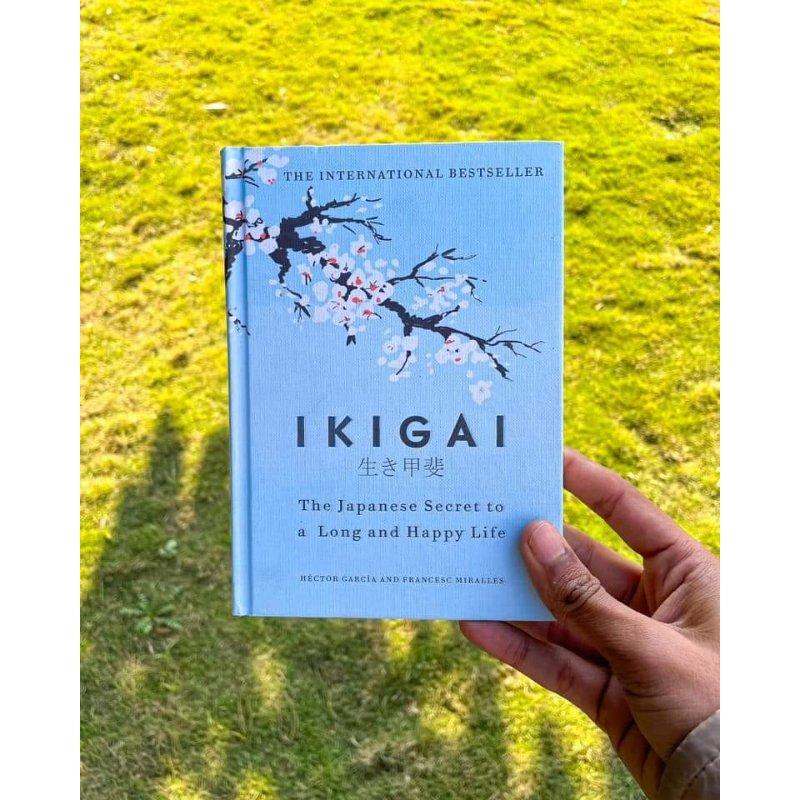
IKIGAI: The Japanese secret to long and happy life

By Hafsah Ja’afar

It is a captivating and insightful book that explores the concept of Ikigai, a Japanese philosophy that translates to ‘reason for being’ written by Hector Garcia and Francesc Miralles. This book delves into the wisdom and practices of the people of Okinawa, one of the world’s blue zones. The people of that region are known for their longevity and well-being.

The authors take readers on a journey to discover the essence of Ikigai, which lies at the intersection of four fundamental elements: What we love, what we are good at, what the world needs, and what we can be rewarded for. Drawing from extensive research and interviews with residents of Okinawa, the authors reveal how living a life driven by Ikigai can bring profound fulfilment and joy.

Through engaging anecdotes and practical guidance, the book offers valuable insights into how to uncover one’s Ikigai and cultivate it in daily life. It explores the importance of finding purpose, maintaining a strong sense of community, adopting a positive mindset, and embracing simple yet meaningful pleasures.

Ikigai provides inspiration and actionable steps to help readers discover and pursue their own Ikigai. It highlights the significance of aligning personal passions with contributing to the greater good, emphasising that a life rooted in meaning and purpose can improve well-being, longevity, and overall happiness.

With its blend of cultural wisdom and contemporary research, Ikigai: The Japanese Secret to a Long and happy life guides individuals seeking a more fulfilling and balanced existence. It offers practical tools and profound insights to help readers unlock their inner purpose, embrace the present moment, and lead a life of greater significance and contentment.

One of the surprising things about living in Japan is how active people remain after retirement. Many Japanese people never retire but rather keep doing what they love for as long as they are ‘hale and hearty’. There is no word in Japanese that means “leaving the workforce for good” as it is in English.

According to National Geographic reporter Dan Buettner, having a purpose or reason for being is so fundamental in Japan and the Japanese culture that the word retirement ceases to exist. The art of staying young while growing old is a choice you make; a healthful diet, a strong sense of community, and Ikigai (reason for being) play a significant role in their eternal youth, most especially in Okinawa (the island of eternal youth), one of the blue zones where centenarians the extraordinary human beings live in massive numbers.

Hafsat Ja’afar is a school teacher and wrote from Kano via jaafarhafsat@gmail.com

Before you assume, learn the facts; before you judge, understand why

By Aisha Musa Auyo

My mom and her colleagues were sitting in the famous Faculty of Education train at Bayero University, Kano (BUK), a corridor linking five faculties in the New site before the renovation. A lady walked by, and her ID card fell from her books. They kept calling her attention, but she ignored them. One of them even attempted to run after her while yelling the name they saw on the card, but she cared not to look back. They got annoyed and decided to let her pay for the consequences of her arrogance.

In those days (I don’t know for now), when a student lost a school ID card, they had to bring evidence, such as a police report to get a replacement. If exams are approaching, the student may be given a temporary ID card from the admin before they present the evidence, and a new ID card will be processed for them. This protocol was not an easy one. I’ve gone through it. It was my first time going to the police station.

My mom’s colleagues assumed the girl was doing ‘Yanga’, a typical snobbish attitude of undergraduate ladies. So they planned to throw away the ID card. My mom, being her usual kind person, begged them not to. She collected the card with the intention that she would take it to the lady’s department after work. As she read the name on the card, she identified the surname. We live in the same neighbourhood.

After work, she went to the house and gave them the card, explaining how they kept calling the girl, and she didn’t bother to answer. One of the mothers in the house said, ‘Ai ba za ta amsa ba, tana da matsalar kunne, ba ta ji’. (Meaning she couldn’t answer because she is deaf). Mom was so happy and relieved that she helped and promised to inform her colleagues about the lady’s condition.

If not for our human nature, we are quick to assume a thorough look into the ID card will reveal that the student is from the Department of Special Education. Most of the students in the department are either deaf, blind, or mute, and we are obliged to help them in any way we can. My mom’s colleagues were kind; they could ignore the card when it fell. They attempted to help her. They even called her name and ran after her. What they did wrong is the ‘judging’. They were quick to assume.

But they are only human. We do this all the time—you and I. We are quick to judge and assume. I have been accused of being a snub because I couldn’t recognise some of my relatives, colleagues, or classmates. People did not know that I have been diagnosed with Prosopagnosia, a medico-social disorder characterised by difficulty recognising family members and close friends. (I’ll write extensively on the topic next week, in sha Allah.)

This judging and quick-to-assume syndrome didn’t stop in our offline interaction with others. We brought it online. It’s especially unforgiving if it’s coming from a vendor. I read yesterday a comment from a vendor complaining that she did a voice-over of the price and location of her items, yet some annoying people kept asking her for that information.  

The question here is, what if some of those asking her are deaf? What if they don’t understand the language she used? Of the few thousand friends I have on Facebook, some are deaf. About seven of them have reached out to me. Many others have not. We interact with them, and they comment and react, but we don’t know what they’re battling with. You may also have similar people in your contacts or come across them on other social platforms.

Please, let us be less judgemental; it’s God’s responsibility, not ours.

Please, let us have more compassion.

Please, let us have more patience.

Before we assume, let’s learn the fact.

Before we judge, let’s understand why.

Aisha Musa Auyo is a Doctorate researcher in Educational Psychology, a wife, a mother of three, a Home Maker, a caterer and a parenting/ relationship coach.

What will people say?

By Hafsat Ja’afar

Whatever you do, no matter how, no matter what, the mouth that eats salt and pepper must speak ill or otherwise of you to your ears or behind your back. Chin up and do whatever you want anytime, anywhere, with any person of your choice, as long as it is in line with your religion and culture. Wherever you find yourself, your self-esteem and dignity come in handy.

“What will people say?” They won’t stop talking about what doesn’t matter to you anymore. Everybody should bear his father’s name; why take Panadol for someone’s headache?

Your choice of clothing is too modest for my liking. Look elegant, captivating and seductive to show them you’re single and ready to mingle. Wrapping yourself like Shawarma, sandwiching that voluptuous body you have with baggy clothes and a gigantic veil won’t get you a ‘civilised guy’. You’ll be mistaken for a married woman.

These are the dumbest pieces of advice of the century ever. Living life to the fullest mostly comes with a penalty. As social animals, it is evident that we must respect society. But living for the community can be a nightmare sometimes.

During a chat with colleagues, a woman in her mid-forties confessed that she keeps two sets of clothes for every occasion when going out. One is for neighbours, and people of her community (modest wears), and the other set is for the event she’s attending, covered and dazzling in Swarovski, a see-through veil, and expensive jewellery. She can’t get dressed at home, for what people will say.

As a classroom teacher, I was told to stop telling people what I do for a living. Instead, I should refer to myself as a businesswoman. I asked what am I selling then? Just tell them you’re into selling turaren wuta [incense business] and atampa online; that suits you better. You may be looked down upon, and people gossip about you being an ordinary teacher.

Minding your Business 001 should be part of a secondary and tertiary education curriculum. It should be made a core course, not an elective, for people to learn when and how to mingle into the affairs that suit them.

Stop peeping with a 1000-megapixel eye for the mistake of others as your topic of discussion. Sweetheart, keep your eyes off things that are out of your league. Channel your energy towards positivity, not negativity and negative thoughts.

Everybody is entitled to his opinion and the life they choose to live. Make yours a memorable one.

Hafsat Ja’afar wrote from Kano via jaafarhafsat@gmail.com

It’s better to wait long than to marry wrong

By Hafsat Ja’afar

When are you getting hitched? Are you still single? When are we meeting our in-law or the Mr Right? You’re just choosy, aren’t you? So hurry up and get married! All these questions are uncalled for. Seriously people!

Do you need to go that extreme in asking people unanswerable questions who do not know the unseen?  It’s driven people nuts, and it needs to stop. Believe it or not, delayed marriage is a trendy issue not only within our society but also a universal issue due to the changes in our modern times.

Marriage delays in Northern Nigeria may result from the following;

Nature: Some are destined to stay single up to old age, while some are afflicted with natural diseases, which, no matter how much they want or try to get married, they cannot.

Tradition: Every family has its norms, values,  and principles. Some think their children must reach a certain age or level of education before marrying them off.  The issue of trousseau is a major setback too. These principles sometimes hurt the life of the people involved.

Illiteracy: This is another side of the coin, as some of the established youths consider marriage a burden, so they prefer private/commercial affairs. To them, getting married is like inviting old age while the “I’m Still Young” slogan still rings in their heads.

Expectation: This plays a significant role as the backbone of the marriage delay, as both parties expect luxury and goodies before marriage. The gents are looking for capacitated in-laws, and the ladies are waiting to marry into an influential family. However, this might take years for some to achieve.

Financial Instability: Due to unemployment, underemployment, inflation, cashless policy and other financial crises we all know about, some people run away from marriage.

Societal pressure on why and when you’re getting married has led many into failed and toxic marriages, which they later regret. Due to such pressure, someone I know married a man who gave his terms and conditions on splitting the bills 50-50.

As a classroom teacher, she was to handle school fees, medication, and other things. In the end, the marriage broke down because, according to the husband, she’s not complying and not making ends meet. She’s now a divorcee with two kids.

A friend-turned-sister married a man she doesn’t love, but he loves her dearly. For years their matrimony was nothing to write home about with four kids. She made his life and family a living hell to escape the marriage. She finally succeeded, taking her kids along with her and denying him custody of them.

Someone also told me it’s better to bear the title of Mrs in an abusive marriage than to stay single while time is against us. I was shocked beyond words for her to say this. She desperately needs a husband, someone to call her own.

Another one got married to a tricycle driver out of desperation, though he’s an NCE holder with no job, and she’s a graduate with a job. The interference of friends and relatives in their marital life led to serious malice between the two families. The couple used to spend weeks on no-speaking terms. All the love and sacrifices made for each other vanished, and the blame game became the order of the day. Sessions of reconciliation took place with no positive results. Finally, they went their separate ways and found peace and tranquillity, as they say.

The hustle and bustle of life is an essential element that paves the way for critical and creative thinking, mainly if a person engages him /herself in business, studying, working, and what have you. No matter how small it is, it fades away. Whatever is bothering an individual gives room for greater achievements in life.

As the saying goes, ‘it’s better to wait long than to marry wrong’. To avoid jumping into an erroneous affair, you must pray and choose wisely to avoid unforeseen circumstances.

Hafsat Ja’afar read BA (Ed) English at Bayero University, Kano. She wrote from Kano via jaafarhafsat@gmail.com.

Transactional Relationship: The bitter truth

By Usama Abdullahi 

Our car got stuck in poky traffic when I was heading home after visiting our ailing mother at the National Hospital Abuja last night. The motion was really slow, and that instantly made me feel bored. Also, a young lady was sitting close to me, making annoying phone calls and eating popcorn. I looked at everybody in the car, and they were all engrossed in their smartphones except the driver, who remained focused while driving. So I brought out my phone, rushed to my gallery and played a Hollywood clip. That’s how I decided to kill my boredom.

While watching the clip on my phone, the young lady sitting next to me tapped me on the shoulder – indicating that she needed to talk to me. I felt her tapping but hesitated to turn until she tapped me again. 

This time I turned and stared at her curiously. She then asked if what I was watching was interesting. “Oh, yeah. It’s an interesting clip. Would you love to see it?” I asked. “Ah, no. I thought it was a movie”, she responded. After learning that what I was watching was just a clip and not a movie, she continued to make her phone calls. She’s holding an iPhone. Even though I didn’t see her face clearly, I could attest to her gorgeousness through the softness of her voice.

She was happily on the phone with her boyfriend when one of her broke guys called. Unluckily for him, she didn’t hang the call to attend to his call until she was done talking to the rich boyfriend. She didn’t even greet him when she finally picked up the broke guy’s call. Instead, she began to yell at him for not sending the money he had promised her the other day. I keenly listened to them till the very end. Mind you; I wasn’t eavesdropping because she put the phone on speaker. So, I did hear every single bit of their heated phone conversations.

I was disgusted by what she said to the broke guy. I pitifully imagined myself in his shoes. Although I’m hopeful that I will never be entangled in such a type of unavailing relationship, I felt and still feel for the poor guy.

This encounter has taught me a bitter lesson: how transactional relationships have become these days. Today, only a handful of women love their men unconditionally. Instead, most of them love their men because of their monetary status. I’m not saying that money doesn’t play a significant role in relationships. Of course, it does, but it’s saddening how some women have reduced relationships to lucrative businesses where they earn big money without even investing a dime.

And it’s equally saddening that some men, too, only entertain sexual relationships. This is why we are fast losing our modesty as a society. Any relationship sorely built on material gain is doomed to fail. Loyalty and patience are the most important things that usually keep a relationship going. Money cannot possibly keep your relationship afloat, but loyalty and patience can.

Usama Abdullahi writes from Abuja and can be reached via usamagayyi@gmail.com.