Legal Practitioners Gather as NBA Ungogo Hosts Law Week Dinner
By Uzair Adam
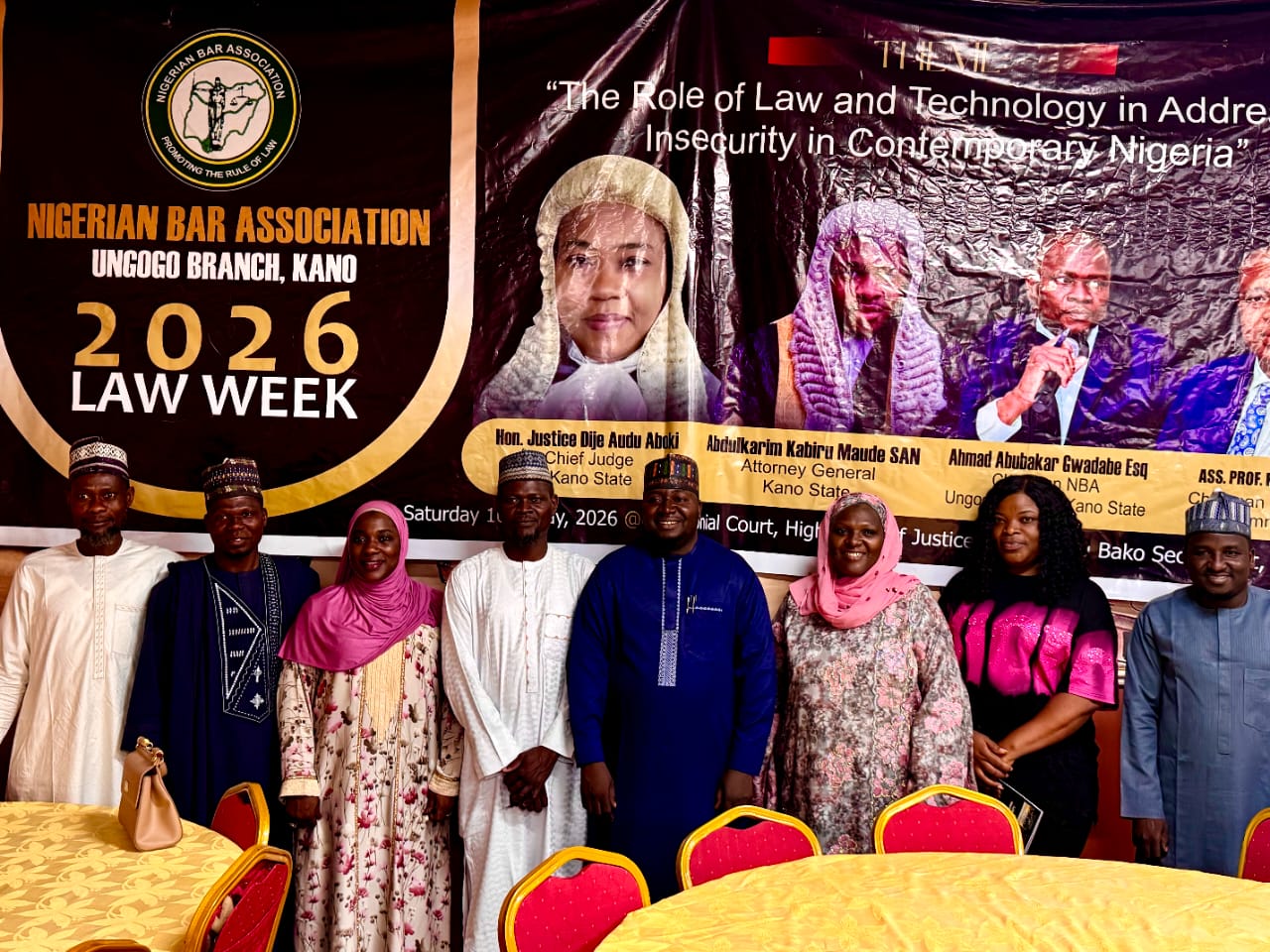
The Nigerian Bar Association (NBA), Ungogo Branch, on Sunday organised a dinner as part of activities marking its 2026 Law Week in Kano.
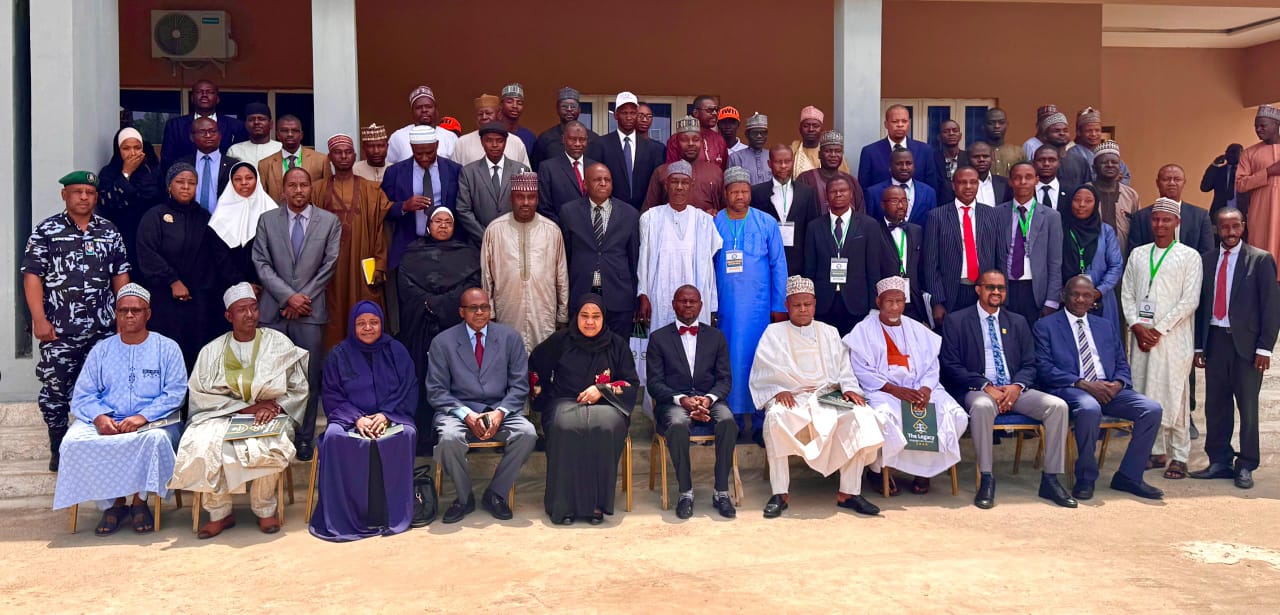
The event brought together legal practitioners, judges, and guests from within and outside the state to celebrate the legal profession and strengthen professional ties.
Speaking at the dinner, the branch chairman, Barrister Ahmad Abubakar Gwadabe, commended members for their dedication and support, particularly the executive committee.
“I commend all members for their support, especially the EXCOs, for their unwavering commitment to the growth of this branch,” he said.
He noted that the occasion would likely be his last Law Week dinner as chairman, as he is set to complete his tenure.
“This may be my last time attending this annual dinner as chairman of the Ungogo Branch. It has been a privilege serving this association,” he added.
Also speaking, Chief Emeka Ozoani, SAN, who sponsored the publication of The Legacy Journal—the first of its kind in the branch—reaffirmed his support for the association.
Ozoani was represented at the event by Barrister Barth Okoye Aniche, who apologised for his absence, citing prior engagements.
“He would have loved to be here personally, but due to other commitments, he asked me to represent him,” Aniche said.
He added that the Senior Advocate expressed strong admiration for the Ungogo Branch and pledged continued support.
“He holds this branch in high regard and assured members that he will always be available to support initiatives that promote the growth and sustainability of the association,” he said.
Aniche also commended the branch’s achievements despite its relatively recent establishment.
“For a young branch, the level of organisation and commitment is impressive. From hosting a Law Week to producing a publication like The Legacy Journal, it shows vision and dedication. Some branches take years to achieve this,” he noted.
In his remarks, Sadiku Sammani Lawan, Secretary of the Law Week Committee, said the dinner was part of broader activities aimed at fostering unity and professional development among members.
“Law Week provides an opportunity to bring together legal practitioners, judges, and stakeholders to celebrate the profession and reflect on its development,” he said.
He added that the programme also includes outreach activities such as visits to correctional centres and orphanages, as part of efforts to promote social responsibility within the legal community.
“This dinner is one of the activities lined up for the week. It offers members and invited guests an avenue to interact, network, and celebrate together,” he said.
The event attracted participants from different NBA branches, highlighting the growing relevance of the Ungogo Branch within the legal community.