Kano State

Kwankwaso softens stance to supporters on APC defection

By Uzair Adam

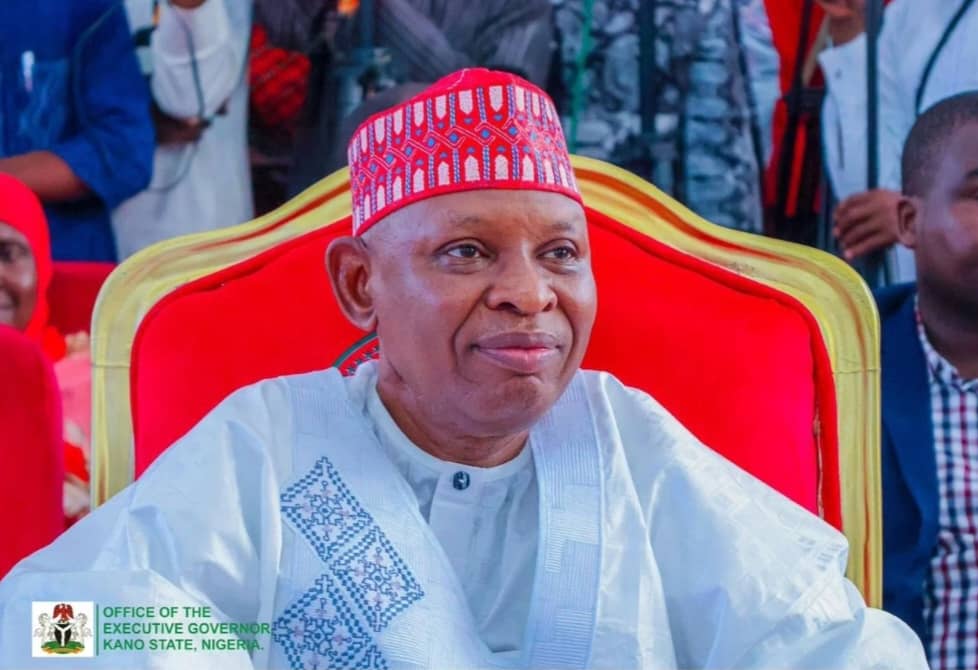
Former Kano State Governor and leader of the Kwankwasiyya Movement, Senator Rabiu Musa Kwankwaso, has said mounting political tension and pressure on grassroots officials informed his decision to allow some of his supporters in the state to align with the All Progressives Congress (APC).

Kwankwaso made the disclosure in a video message that went viral on Tuesday evening, where he described the political climate in Kano as increasingly tense and emotionally draining for local government officials following the political dominance of former Governor Abdullahi Ganduje and President Bola Ahmed Tinubu.

He said the situation had taken a serious toll on several chairmen, councillors and other political appointees, many of whom reached out to him in distress.

According to Kwankwaso, some of the officials were experiencing sleepless nights and deep confusion, while others reportedly required medical attention due to the pressure they were under.

“Many chairmen and councillors called me to explain what they were going through. Some could not sleep, some were deeply confused, and some were even placed on hospital drips,” he said.

The former governor explained that the rising tension compelled him to consult widely in order to reduce the hardship being faced by his loyalists, noting that many of their legitimate expectations from government were yet to be met.

He said maintaining a rigid political position under such circumstances could have worsened the suffering of the affected officials, which led to the decision to allow them to take steps that would bring relief.

“We agreed that all chairmen, councillors, supervisory councillors and anyone who was asked to sign should go ahead and do so. We have no issue with that,” Kwankwaso said.

He dismissed suggestions that the move was linked to early preparations for the 2027 general elections, stressing that the time for such political battles had not yet arrived.

“2027 is still far away. We pray that Allah spares our lives to reach that time. Our supporters are everywhere; we know them and they know themselves,” he added.

Kwankwaso expressed hope that the decision would help calm political tension in Kano State, particularly among those he said were being subjected to pressure, while thanking residents of the state for their patience and understanding.

He also praised Governor Abba Kabir Yusuf, noting that the governor had recently acknowledged the achievements of the Kwankwasiyya administration and highlighted actions of the immediate past government which, according to him, hindered progress in the state.

In the video, Kwankwaso further alleged that the state government had introduced measures aimed at intimidating local government officials and political appointees.

He claimed that chairmen, councillors, secretaries and other office holders were allegedly compelled to write their names on lists indicating whether they supported the Kwankwasiyya movement or the Ganduje political camp.

Describing the practice as unacceptable, Kwankwaso said such actions would discomfort any well-meaning resident of Kano State, regardless of political affiliation.

He also reflected on the 2015 political transition, alleging that acts of betrayal at the time resulted in years of hardship for his supporters.

“We looked back at history and remembered what happened in 2015, when our supporters suffered for eight years because of political disloyalty,” he said.

The video has continued to generate reactions within and outside Kano State, with supporters and critics offering differing interpretations of Kwankwaso’s remarks and the broader political implications.

Kano hospitals board probes alleged negligence in death of housewife at urology centre

By Uzair Adam

The Kano State Hospitals Management Board has ordered a comprehensive investigation into the death of a Kano-based housewife, Aishatu Umar, following allegations of medical negligence linked to a surgical procedure carried out at the Abubakar Imam Urology Centre.

The Daily Reality recalls that the incident first came to public attention through a Facebook post by a family member, who alleged that Aishatu died as a result of negligence after undergoing surgery at the specialist hospital.

Aishatu Umar, a mother of five, reportedly died around 1:00 a.m. on Tuesday. In the Facebook post, her brother-in-law, Abubakar Mohammed, said she had fallen ill several months earlier and underwent surgery at the Abubakar Imam Urology Centre in September.

According to him, Aishatu began experiencing persistent and severe abdominal pain shortly after the operation.

He alleged that she returned to the hospital several times to complain about her worsening condition but was repeatedly given pain-relief medication without a clear diagnosis.

Mohammed claimed that it was only two days before her death that medical tests and scans were eventually conducted. The results, he alleged, revealed that a pair of scissors had been left inside her body during the September surgery.

“The woman you see here is Aishatu Umar. She was my sister-in-law. She passed away around 1:00 a.m. She is survived by her husband and five children,” Mohammed wrote in the post.

He added that preparations were underway for a corrective surgery on Tuesday, but Aishatu died before the procedure could be carried out.

Describing the incident as “pure negligence,” he questioned how surgical instruments could be forgotten inside a patient and called on the authorities to investigate the matter.

The family has also appealed to the Kano State Government and relevant health regulatory bodies to probe the circumstances surrounding Aishatu’s death and ensure justice for the deceased.

Reacting to the development, the Public Relations Officer of the Kano State Hospitals Management Board, Samira Suleiman, said the Board’s Executive Secretary, Dr. Mansur Mudi Nagoda, has ordered an immediate and thorough investigation into the alleged incident.

In a statement issued on Tuesday, the Board expressed sympathy with the family and assured the public that the investigation would be transparent, impartial, and professional.

“The Management of the Kano State Hospitals Management Board, under the authority of the Executive Secretary, Dr. Mansur Mudi Nagoda, has taken note of the distressing report concerning the late Aishatu Umar. We extend our deepest condolences to her family and loved ones,” the statement added.

It added that appropriate action would be taken in line with established regulations if any negligence is established, stressing that patient safety remains a top priority and that the Board is committed to upholding high standards of healthcare delivery in Kano State.

Family alleges Kano woman died after doctors forgot surgical scissors in her body

By Sabiu Abdullahi

A Kano resident, Aishatu Umar, has reportedly died after what her family described as suspected medical negligence following a surgical procedure carried out at the Abubakar Imam Urology Center in Kano State.

Aishatu, who was married with five children, passed away around 1:00 a.m. on Tuesday, according to a Facebook post by a family member, Abubakar Mohammed.

In the post, Mohammed said Aishatu had fallen ill several months ago and underwent surgery at the specialist hospital in September.

He stated that after the operation, she began to experience persistent and severe abdominal pain.

According to the account, Aishatu reportedly returned to the hospital on several occasions to complain about her condition. Mohammed claimed that during these visits, she was given only pain-relief medication, while the cause of her suffering remained undiagnosed.

He further alleged that medical tests and scans were eventually conducted just two days before her death. The results, he said, revealed that a pair of scissors had been left inside her body during the September surgery.

“The woman you see here is Aishatu Umar. She was a sister in-law to me, She passed away yesterday around 1:00 AM. She is survived by her husband and five children,” Mohammed wrote.

He added: “Just two days ago, tests and scans were finally conducted, revealing that a pair of scissors had been left inside her body during the September operation.”

Mohammed said preparations were being made to carry out a corrective surgery on Tuesday, but Aishatu died before the procedure could take place.

He described the incident as “pure negligence” and called on relevant authorities to investigate the matter.

“Is this not pure negligence? Truly, every soul has its appointed time, but how can professional doctors forget scissors inside a patient?” he wrote.

The family has called on the Kano State Government and health regulatory bodies to investigate the circumstances surrounding the death and take appropriate action, while also demanding justice for the deceased.

As of the time of filing this report, the management of the Abubakar Imam Urology Center and the Kano State Ministry of Health had not issued an official statement on the allegation.

When power meets purpose: Why Abba Kabir Yusuf’s APC move is Kano’s necessary turn

By Abdulkadir Ahmed Ibrahim (Kwakwatawa), FNGE

In politics, moments arise when loyalty to a platform must give way to loyalty to the people. There are seasons when courage is not found in standing still, but in moving forward with clarity of purpose. Kano State stands at such a moment. The planned defection of Governor Abba Kabir Yusuf to the ruling All Progressives Congress is not an act of betrayal. It is a call to responsibility, a deliberate choice shaped by necessity, foresight, and the overriding interest of Kano and its people.

Perhaps power, when isolated, grows weak. Governance, when detached from the centre, struggles to deliver. Since the emergence of Abba Kabir Yusuf as governor, Kano has found itself standing alone in the national space. Federal presence is thin, strategic attention limited. The state that once sat confidently at the table of national influence now watches key decisions pass by without its voice fully heard. This isolation is not a reflection of the governor’s intent or capacity; it is the reality of operating outside the ruling structure in a political environment where access often determines outcomes.

It is common knowledge that governors do not govern in a vacuum. Roads, security, education, health, and economic revival depend on cooperation between state and federal authorities. When that bridge is weak, the people bear the cost. Kano today needs bridges, not walls. It needs inclusion, not distance. It needs a seat where decisions are shaped, not a gallery where outcomes are merely observed.

The internal tension surrounding the emirate question has further deepened uncertainty. While history and tradition demand respect, governance demands stability. Prolonged disputes distract leadership, unsettle investors, and weigh heavily on public confidence. At such a time, a governor requires strong institutional backing and political leverage to navigate sensitive reforms with balance and authority. Standing alone makes that task far more difficult than it ought to be.More troubling is the visible absence of federal projects and partnerships. In a country where development is often driven by political proximity, Kano cannot afford to remain on the margins. A state of its stature, population, and historical relevance deserves more than sympathetic silence. It deserves action, presence, and partnership.

It is within this context that Abba Kabir Yusuf’s movement toward the APC must be understood. Not as personal ambition, but as strategic realism. Not as political convenience, but as a pathway to unlock opportunities long denied by distance from power.

By extension, Senator Rabi’u Musa Kwankwaso stands at a defining crossroads. History has placed him in a rare position. He is respected across party lines, commands a loyal following, and remains one of the most influential political figures in Northern Nigeria. Above all, President Bola Ahmed Tinubu holds him in high regard. They share a common political generation, having both served as governors in 1999, shaped by the same democratic rebirth and seasoned by time and experience.

In addition, one can recall that both Rabi’u Kwankwaso and Bola Tinubu were at the National Assembly under the platform of the now defunct Social Democratic Party, SDP, during the short-lived 3rd Republic. The former was the Deputy Speaker at the House of Representatives while the latter was a Senator together with Late Senator Engineer Magaji Abdullahi who was also elected under the same SDP ticket.

Late Engineer Magaji Abdullahi a former Deputy Governor of Kano State (2003 to 2007) and also a former Chief Executive of the State owned Water Resources and Engineering Construction Agency, WRECA, in the 1980s was a benefactor of Engineers Rabi’u Kwankwaso and Abba Kabir Yusuf were they first met as members of staff.

The late successful Kano technocrat, accomplished engineer, career civil servant charismatic and vibrant national politician was a close ally and associate of Asiwaju Bola Ahmed Tinubu starting from the SDP days and the duo was some of the foundation members of the APC.

The President’s repeated extension of an olive branch to Kwankwaso is therefore not accidental. These gestures are acknowledgements of value, respect, and shared history. They signal recognition of Kwankwaso’s political weight and his capacity to contribute meaningfully at the national level. When such calls come consistently, wisdom suggests they should not be ignored. Kwankwaso should heed the call by moving along with the political direction of Kano State.

The truth is unavoidable. The political home Kwankwaso once built no longer offers the shelter it promised. The NNPP is enmeshed in internal crises that threaten its very identity. Court cases over party ownership and recognition pose serious risks. With the Independent National Electoral Commission recognising one faction amid raging disputes, the platform has become unstable ground for any serious electoral ambition. Under these circumstances, entering the 2027 race either with Abba Kabir Yusuf seeking re election on the NNPP platform or Kwankwaso pursuing a presidential ambition would amount to gambling against history and reason.

The alternatives are no better. The Peoples Democratic Party is fractured, weakened by internal contradictions and persistent leadership disputes. Its once formidable structure now struggles to inspire confidence. The African Democratic Congress, on the other hand, is ideologically and historically uncomfortable for Kwankwaso. Many of its leading figures were once his fiercest rivals. They resisted him in the PDP and are unlikely to allow him meaningful influence now. Political memory is long, and grudges rarely dissolve.

Beyond current realities lies a deeper lesson from history. Regional parties, no matter how passionate or popular within their strongholds, have rarely succeeded on the national stage. From the First Republic to the Fourth, the pattern remains consistent. Nigeria rewards broad coalitions, not narrow bases. Power flows where diversity converges.

The APC today represents that convergence. It is not perfect, but it is expansive. It is national in outlook, broad in structure, and firmly in control of the federal machinery. For Kano, aligning with the APC is not surrender. It is strategy. It is an investment in relevance, access, and development.

For Abba Kabir Yusuf, the move is about delivering tangible dividends of democracy. For Kwankwaso, it is about securing a future that reflects his stature and experience. Loyalty, in its truest sense, is not blind attachment to a platform. It is fidelity to the welfare of followers, to the aspirations of a people, and to the demands of the moment.

Politics is not static. It is a living conversation between ideals and realities. When realities change, wisdom adapts. Kano’s future demands bold choices, not sentimental delays. The music is louder now. The moment is clearer. The door is open.

History favours those who recognise when to move. For Abba Kabir Yusuf and Senator Rabi’u Musa Kwankwaso, the path toward the APC is not a retreat from principle. It is a step toward purpose. They should go back to where they rightly belong. And for Kano, it may well be the bridge back to the centre, where its voice belongs and its destiny can be fully pursued.

Abdulkadir, a Fellow of Nigerian Guild of Editors, former National Vice President of the NUJ, Veteran Journalist, was the Press Secretary of the former Deputy Governor Late Engineer Magaji Abdullahi.

NAF neutralises 23 bandits fleeing Kano after night attacks

By Uzair Adam

At least 23 suspected bandits were neutralised in a coordinated military operation after armed groups launched attacks on Shanono and Tsanyawa local government areas of Kano State between the night of January 1 and the early hours of January 2, 2026, according to the Nigerian Army.

The development was disclosed in a statement issued on Sunday by the Assistant Director, Army Public Relations, 3 Brigade, Nigerian Army, Major Babatunde Zubairu, who said the operation involved joint task force troops on the ground and the Air Component of Operation FANSAN YAMMA.

According to the statement, troops successfully contained the attacks in Kano. They inflicted heavy casualties on the assailants before tracking the fleeing bandits to Karaduwa village in Matazu Local Government Area of neighbouring Katsina State. 

Acting on credible intelligence, the Air Component pursued the group as they attempted to regroup after escaping Kano.

The Army said intelligence reports revealed that the bandits were in the process of burying some of their members killed during the initial clashes when they were located at Dan Marke in Matazu LGA. 

Air Component Sector 2 of Operation FANSAN YAMMA reportedly trailed their movement until several motorcycles converged after crossing a dry riverbed.

“A precision airstrike was immediately launched,” the statement said, noting that the operation was supported by aerial Intelligence, Surveillance and Reconnaissance missions. 

The strike, according to the Army, resulted in the neutralisation of at least 23 terrorists, while several others were believed to have sustained injuries. 

It also damaged the group’s weapons and other equipment.

Reacting to the operation’s outcome, the Commander of 3 Brigade, Nigerian Army, commended both the air and ground troops for their exceptional courage. 

“Their bravery and resilience in the face of adversity are commendable,” he said.

The Army added that the security situation in Kano State remains calm, with troops sustaining robust patrols and close monitoring of flashpoints. 

It stated that troop morale and operational efficiency remain “very satisfactory.”

The Nigerian Army also appealed to the public to continue supporting security agencies by providing timely and credible information.

Such cooperation, it said, would further aid efforts to disrupt banditry and other terrorist activities.

Major Zubairu stressed that troops, working alongside other security agencies, remain committed to safeguarding lives and property nationwide and will continue to take all necessary measures to ensure national security.

Groups call on Kwankwaso to join ADC

By Ibrahim Yunusa

Amid tensions in the Kwankwasiyya movement and Kano NNPP, fueled by speculation that Governor Abba Kabir Yusuf might defect to APC, the ADC Youth Mandate, with ADC Waziran Waziri, urged Senator Rabi’u Musa Kwankwaso to join other national stakeholders under ADC to help rescue Nigeria from worsening socio-economic and security crises under the APC-led government.

The coalition pointed to worsening economic hardship, insecurity, and governance failures, expressing fears over the ruling party’s push toward a one-party state. They emphasised the need for a united front of progressive leaders to offer Nigerians a credible and people-oriented alternative.

Speaking on behalf of both groups, Engr. Ammar Hamisu Dandago, the Coordinator of ADC Youth Mandate, stressed the political value of Kwankwaso’s experience and mass grassroots appeal. He expressed confidence that Kwankwaso, in collaboration with other prominent figures like Atiku Abubakar, Peter Obi, Rotimi Amaechi, and Nasir El-Rufai, could form a formidable force capable of unseating President Bola Tinubu.

The statement concluded with a renewed commitment to youth mobilisation, national unity, and support for genuine efforts to provide competent leadership and restore hope across the country.

‘Die Empty’: Prof. Adamu on philosophy that defined Kano youth honours

By Muhammad Sulaiman

A New Year’s Day community gathering in Daneji took an unexpected philosophical turn when a sponsor’s closing remarks sparked deep reflection on knowledge stewardship and mortality, Professor Abdalla Uba Adamu has revealed.

The January 1st townhall meeting, organized to honor ten outstanding youth from the Kano neighborhood, became memorable not just for the celebrations but for a pointed challenge issued to the honorees, Professor Adamu recounted in a Facebook post that has drawn significant attention.

The young achievers, recognized for accomplishments spanning Artificial Intelligence, Mathematics, Nursing Sciences, and Qur’anic studies, were urged by event sponsor Alhaji Ahmed Idris to “die empty”—a statement that initially puzzled attendees before its meaning was revealed.

Idris, a prominent community pillar, was invoking Todd Henry’s motivational concept that individuals should pour out their knowledge and talents during their lifetime rather than take untapped potential to the grave. “You enter your grave empty—all the knowledge has been left outside for other people to use,” Professor Adamu explained.

The academic noted that at least three of the honorees hold doctorates or specialized training in Artificial Intelligence, achieved before AI became a consumer phenomenon, while others excelled in diverse fields—showcasing what the community hopes will inspire younger residents.

Writing on his experience, Professor Adamu drew connections between Henry’s secular philosophy and Islamic teachings on amanah—the sacred trust of knowledge. “Discharging your knowledge—sharing it and imparting it on others—is therefore one of the highest acts of Islamic piety,” he wrote, adding that both the Qur’an and Hadith contain warnings against hoarding knowledge.

The professor described the event as a community response to concerns about youth engagement with “consumer communication technology” at the expense of career focus and future planning.

Exercise as a therapy for progressive diseases

By Mujahid Nasir Hussain

On 14 November 2025, the world marked World Diabetes Day, and a familiar message rang out across hospitals, communities, and workplaces: Africa must “know more and do more” to confront the rising tide of chronic diseases. It is a message that feels especially urgent here in Nigeria, and in cities like Kano, where the realities of modern life have dramatically reshaped how people live, move, work, and stay healthy. For many families, this year’s theme was not merely a global campaign. It reflected what they witness daily—more people living with diabetes, hypertension, kidney disease, stroke, obesity, and joint disorders than ever before.

The World Health Organisation has warned that Africa will soon face a dramatic shift in its health landscape. By 2030, deaths from non-communicable diseases are projected to surpass those from infectious diseases. This is a striking transformation for a continent historically burdened by malaria, tuberculosis, and HIV. Nigeria, Africa’s most populous nation, is at the centre of this shift, with cities such as Kano experiencing a rapid rise in chronic and progressive conditions. The reasons are both complex and straightforward: changing diets, prolonged sitting, stressful work environments, reduced physical activity, environmental pollution, and limited access to preventive healthcare.

Yet amid these alarming trends, one therapeutic tool stands out: exercise. For many years, exercise has been treated merely as a wellness activity or an optional lifestyle choice. But in reality, it is one of the most powerful and scientifically proven therapies for slowing the progression of chronic diseases. When the body moves consistently, it undergoes profound biological changes: insulin works better, blood vessels become healthier, the heart becomes stronger, inflammation decreases, and harmful fat around organs begins to shrink. These benefits are not cosmetic; they are therapeutic.

However, there is a critical truth that the public often misunderstands: exercise is powerful medicine, and like any medicine, it must be prescribed correctly. It is not something people with chronic diseases should “start doing” without guidance. The mode, frequency, intensity, and duration of exercise must be tailored to the individual’s medical condition, age, fitness level, and risk factors. What is safe and effective for one person may be dangerous for another. This is why professional guidance is so essential. For instance, a person living with uncontrolled hypertension should not begin intense aerobic workouts without clearance from a doctor, because sudden spikes in blood pressure could lead to complications.

Someone with diabetic neuropathy may not feel injuries in their feet, making certain activities unsafe without supervision. Individuals with chronic kidney disease need specific exercise prescriptions that do not strain the cardiovascular system or accelerate fatigue. People recovering from stroke require structured rehabilitation overseen by physiotherapists to prevent falls or further damage. Even patients with obesity, osteoarthritis, or long-standing back pain need tailored, gradual programs to avoid joint overload. This is why exercise should not be approached casually, especially in a context like Africa, where many chronic conditions are undiagnosed or poorly monitored. Before starting an exercise program, individuals living with progressive diseases should consult qualified professionals. Doctors provide medical clearance and identify risks. Physiotherapists design safe movements that protect joints and nerves. Exercise physiologists prescribe evidence-based routines that align with the patient’s goals and limitations. Their role is to ensure that exercise becomes therapy, not a trigger for complications.

In Kano State, this issue is especially relevant. The city has undergone a rapid transition from physically demanding lifestyles to sedentary routines. Many residents now spend long hours sitting in shops, riding motorcycles, or working in offices. Combined with high consumption of energy-dense foods and limited awareness of disease symptoms, progressive illnesses have become deeply entrenched. Yet awareness of safe, guided exercise therapy remains low. Many people begin rigorous routines abruptly, driven by social pressure or misinformation, only to injure themselves or exacerbate their conditions. Others avoid exercise entirely because they fear doing the wrong thing. Both extremes are harmful.

To confront this, a cultural shift is needed, one that recognises exercise as a vital part of medical care. Hospitals and clinics across Nigeria must integrate exercise counselling into routine visits, especially for patients with diabetes, hypertension, kidney issues, and obesity. Something as simple as a doctor explaining which movements are safe, or a physiotherapist demonstrating gentle routines, could prevent years of complications. Exercise physiologists, though still few in number, should be incorporated into more healthcare teams to design personalised programs grounded in scientific evidence.

At the community level, awareness must grow that exercise therapy is not a one-size-fits-all approach. It is a carefully structured health intervention. Encouraging early-morning walking groups, promoting workplace movement breaks, and organising community fitness sessions are valuable, but they must be paired with safety education. Leaders—traditional, religious, and educational—can play a vital role by emphasising the importance of seeking professional guidance before starting any intense routine, especially for those already living with chronic diseases.

It is also worth acknowledging the emotional dimension. People battling progressive diseases often feel overwhelmed, frightened, or uncertain. Exercise offers not just physical healing but a sense of agency. It improves mood, relieves anxiety, supports sleep, and helps people feel that they are actively shaping their health. This psychological benefit is powerful, especially in societies where chronic diseases still carry stigma. But again, confidence grows stronger when people know they are exercising safely and correctly under the guidance of trained professionals.

Nigeria’s future health outcomes depend on coordinated action. Families must embrace a culture of safe movement. Workplaces must reduce prolonged sitting and encourage healthy routines. Schools must restore physical activity as a normal part of the day, not an afterthought. Healthcare institutions must treat exercise as a formal therapy, not a casual suggestion. And individuals must understand that professional guidance is the foundation of safe and effective exercise therapy. The WHO’s projections are indeed alarming, but they are not destiny. Africa still has the opportunity to change its trajectory. But to do so, we must shift how we view health, how we integrate movement into daily life, and how we approach treatment of chronic diseases. Exercise will play a central role in this transformation, but only if it is approached with the same seriousness and medical supervision as any other form of therapy.

In the markets of Kano, the offices of Abuja, the streets of Lagos, and the rural communities of northern and southern Nigeria, the message must be clear: movement heals, but only when guided, intentional, and safe. The global call to “know more and do more” continues beyond 14 November. This is a reminder that Africans must not only embrace exercise as therapy but also do so with professional guidance to protect the body and preserve long-term health. Our path forward lies not just in treating disease, but in transforming lifestyles with knowledge, with care, and with the understanding that the right kind of movement, at the right intensity, prescribed by the right professional, can change the story of health for a generation.

Mujahid Nasir Hussain is an exploratory researcher in biomedicine, deeply passionate about public health, chronic disease prevention, and evidence-based community health interventions.

NNPP names Abiya acting Kano chairman as leadership crisis deepens

By Uzair Adam

The leadership crisis rocking the Kano State chapter of the New Nigeria Peoples Party (NNPP) has intensified following the appointment of Abdullahi Zubairu Abiya as Acting State Chairman after the removal of the former chairman, Hashimu Dungurawa.

The Daily Reality reports that the decision was announced after an emergency meeting of the NNPP State Executive Committee held at the party’s secretariat in Kano, where members endorsed Abiya’s appointment in line with the party’s constitution.

Speaking on the development, the party’s Assistant Legal Adviser, Barrister Yusuf Mukhtar, said the emergence of Abiya followed due process and was consistent with the provisions of the NNPP constitution.

He explained that the move came after Dungurawa was rejected and removed at the ward level.

Party sources disclosed that the action was based on a formal resolution submitted by the Dawakin Tofa Local Government Executive Committee, which recommended the sack and expulsion of Dungurawa over alleged anti-party activities.

It was gathered that the resolution originated from the Gargari Ward Executive Committee in Dawakin Tofa Local Government Area and was forwarded to the state leadership by the local government executive, led by Hon. Abdullahi Ali Uban Iya Dawanau.

The ward-level decision was reportedly adopted at the second executive meeting of the Gargari Ward, held about two weeks after the general election, where Dungurawa was accused of actions deemed inimical to the party’s interests.

After reviewing the report, the State Executive Committee ratified the resolution and approved Abiya’s emergence as Acting State Chairman, party officials said.

NNPP officials described the move as part of efforts to restore internal discipline, strengthen party unity and reposition the party for future political engagements in Kano State.

Reacting to his appointment, the Acting Chairman, Hon. Abdullahi Zubairu Abiya, said the party would ensure fairness and justice for all members.

He added that the Kano NNPP would remain loyal to the party’s national leader, Senator Rabiu Musa Kwankwaso, as well as the Kano State Governor, Engr. Abba Kabir Yusuf.

[OPINION]: A swift response to insecurity: commending Governor Abba Kabir Yusuf

By Anas Abbas

The launch of Kano State Security and Neighbourhood Watch Guard on December 23 by Governor Abba Kabir Yusuf is a timely and reassuring response to growing concerns about insecurity across the state.

At a moment when residents were increasingly raising alarm over safety in their communities, the governor chose action over silence.

In recent months, reports of petty crimes and organised disturbances have unsettled many neighbourhoods, threatening Kano’s long-held reputation as one of the more peaceful states in the North.

These concerns were not distant headlines but daily experiences discussed in markets and almost everywhere in Kano state. Acknowledging this reality, Governor Abba Kabir Yusuf’s administration moved swiftly to confront the challenge.

Central to the initiative is the deployment of 2,000 security personnel, carefully drawn from all local government areas of the state. This structure ensures broad representation, local knowledge, and community trust key elements in effective crime prevention. By embedding security personnel within familiar environments, the government strengthens early detection and rapid response.

The neighbourhood watch guard complements existing security agencies rather than replacing them. It is designed to close the gaps where formal policing alone may struggle, particularly at the grassroots. This layered approach reflects a practical understanding that modern security requires cooperation, intelligence sharing, and community participation.

Beyond physical protection, the initiative delivers psychological reassurance. Visible security presence restores confidence, discourages criminal behaviour, and reassures residents that the government is attentive to their fears. Insecurity thrives where people feel abandoned; decisive leadership reverses that narrative.

Governor Abba Kabir Yusuf deserves commendation for the timing of this intervention. Launched during a period of heightened social and economic activity, it demonstrates foresight and sensitivity to public safety risks. It also reinforces the principle that governance must be proactive, not reactive.

However,as implementation unfolds, sustained training, accountability, and respect for human rights will be essential to long-term success. If properly managed, the neighbourhood watch guard can become a durable pillar of community safety.

In taking immediate steps to safeguard lives and property, Governor Abba Kabir Yusuf has sent a clear message: the security of Kano’s people is paramount. This initiative stands as a strong example of responsive leadership in challenging times.