By Abdulhaleem Ishaq Ringim
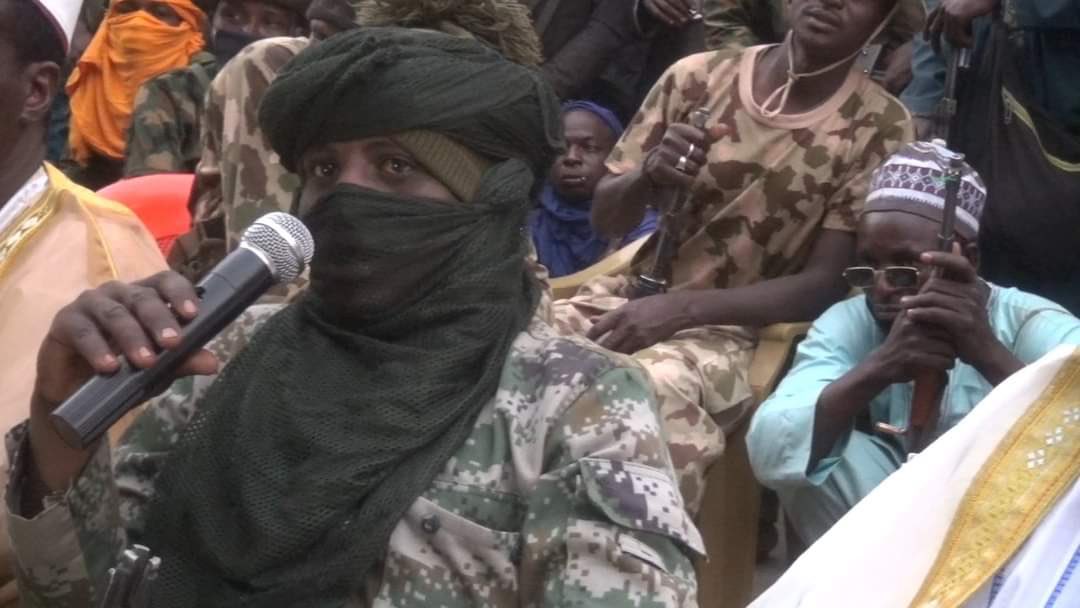
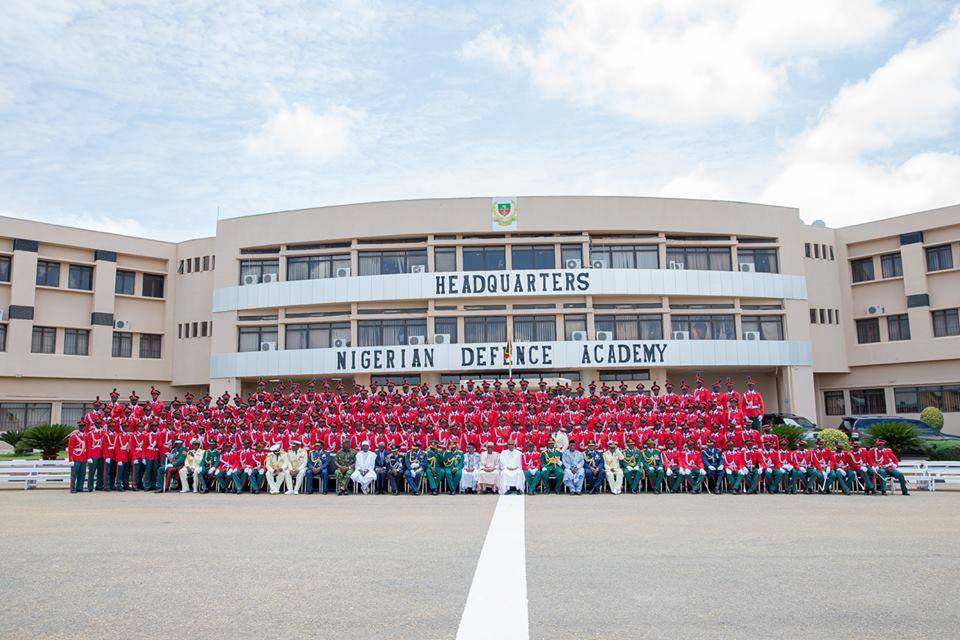
The invasion of the Nigerian Defence Academy (NDA) is indeed embarrassing and extremely unsettling. But what is more unsettling is the fact that this high-level security breach is said to be orchestrated by “bandits”. While I had never underestimated these bandits’ lethality and offensive capacity, I still find it hard to believe they planned this attack.
And here is why:
Although most of us are unaware of the very nuanced categorisation of bandit groups operating in Northwest and Northcentral Nigeria, still, whenever we hear the word “bandit”, our minds go to the Fulani militias that have been meting out mayhem on innocent civilians.
Channels TV reported that “The bandits who came in a vehicle were said to have passed through the security gate into the academy, disguised in military uniforms, after which they proceeded to the officers’ quarters.”
And this is where the question mark is.
A Fulani person is the most recognisable of all the ethnic groups in Nigeria by his physique, phenotype and accent. And with the high level of stereotypes and profiling of members of this ethnic group as even innocent Fulanis on the streets get harassed, it makes it hard to believe that a vehicle full of bandits (of Fulani extraction) passed through the gates of NDA without being recognised and raising the suspicion of the guards. The press statement released by the academy also described the invaders as “Unknown Gunmen” instead of “Bandits”.
However, this is not only the reason that informs my suspicion.
The Nigerian terrorism network has been very volatile lately owing to the recent escalation of the rift between the two major terrorist organizations in Nigeria —the late Shekau-led Jama’tu Ahlis Sunna Lidda’awati wal-Jihad (JAS) and Al-Barnawi-led Islamic State in West Africa Province (ISWAP) — who were initially a single entity until they split in 2016 due to certain ideological differences and have been fighting each other since then. This rift, escalation of which has been attributed to the Nigerian Armed Forces Operation Hadin Kai spearheaded by the late Chief of Military Defense Brig. Gen Abdulrahman Kuliya was what consumed Abubakar Shekau in May 2021 and rendered his faction rather defenceless.
Following this incidence, it was reported that more than a thousand JAS fighters have surrendered to the Nigerian Army – a gesture most people believe to be a positive sign and a product of enhanced military offensives against the terror groups.
However, that is hardly the case, for, after Shekau’s death, ISWAP received some JAS commanders and fighters that pledged allegiance to their leader Al-Barnawi and then issued an ultimatum to those who refused while assuring them of continuous attacks. This is actually what motivates them to surrender to the Nigerian Army to leverage on the Nigerian Government’s amnesty program, the Operation Safe Corridor, and escape ISWAP’s wrath. But even before this incidence, defection from JAS to ISWAP was common among commanders and fighters, as in the case of Adamu Bitri in 2019.
In December 2020, I explained in an article titled “Insecurity in North-West: Armed Banditry or Boko Haram Expansionism” the operational dynamics of all the three terrorist groups — JAS, ISWAP and Ansaru — in the Northwest and the possibility of them executing expansionist agenda in North-West Nigeria through infiltration, training, assimilation and arms supply. Before the fall of Shekau, reports suggested that the JAS and Ansaru groups had closer ties with bandit gangs in North-West. Adamu Bitri, for example, while he was with JAS, was instrumental in forging an alliance between JAS and bandit groups. He later moved to ISWAP before he died. It is believed that he might have shifted the allegiance of some of the bandit gangs he was in contact with to ISWAP.
With Shekau’s death and the subsequent carpet-crossing of his commanders (some of whom are the keepers of the link between JAS and the bandit gangs in the North West just as Adamu Bitri) to the ISWAP side, there is a high possibility that bandits who were initially aligned to JAS are now under ISWAP’s control. Also, some JAS fighters who refused to surrender to both ISWAP and the Nigerian Army might consider joining bandit gangs in the northwest, just as it was the case for some fighters who fled ISWAP to join bandit groups before this recent incident.
With the possible control ISWAP might have gotten over a greater number of bandit groups in the North-West due to recent events, the NDA invasion makes me wonder if it is just ISWAP’s way of signalling their newest expansionist achievement and presence in the North-West by staging such an operation in usual “bandit” territory perhaps with the help of the bandits, for the attack was done in usual ISWAP style of attacking military bases. And whether it is indeed purely a “bandit” affair or ISWAP’s or both, it signals a failure of our government, a serious increase in security vulnerability in the country and calls for renewed strategic action against bandits, the broader terrorism network in Nigeria and their expansionist tendencies.
Abdulhaleem Ishaq Ringim is a political and public affairs analyst. He writes from Zaria and can be reached through haleemabdul1999@gmail.com.