Kaduna State government

Nasir El-Rufai and the Politics of Fear in Nigeria’s Power Struggle

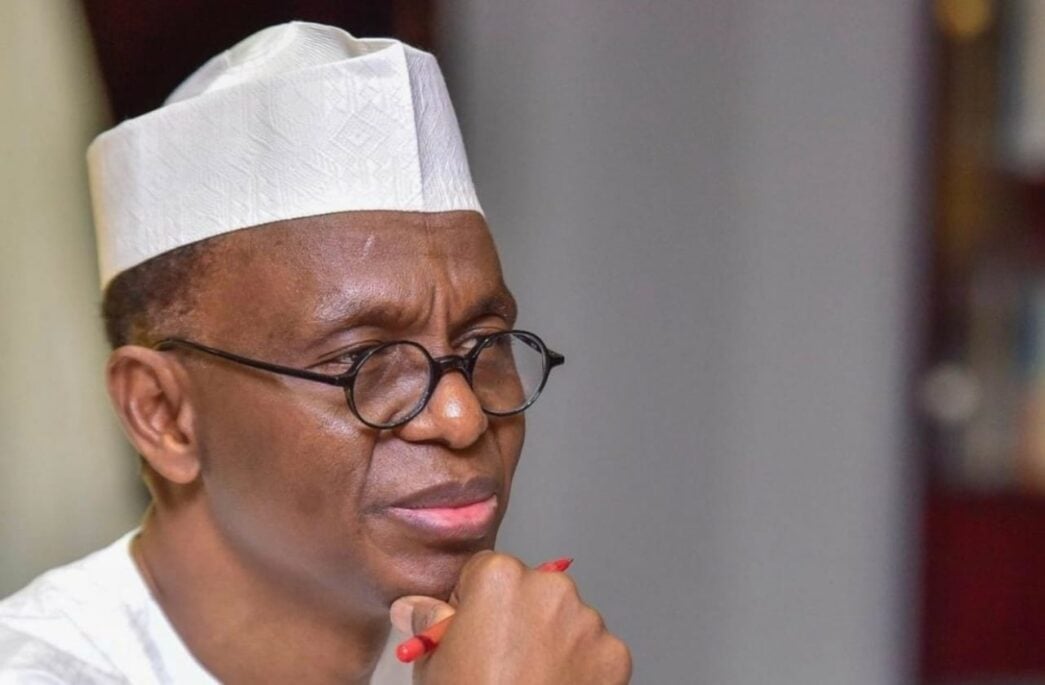
Nigeria’s political arena has never been short of strong personalities, but few figures have remained as consistently relevant as Nasir El-Rufai. Love him or dislike him, it is difficult to ignore the fact that he has been one of the most consequential actors in Nigeria’s political journey since the return to civil rule in 1999. His recent confrontation with security authorities and the attempt to detain him without clear evidence speak less about law enforcement and more about the anxiety within the ruling establishment.

To understand the current political tension, one must first understand El-Rufai’s place in the system. From his early role in the administration of Olusegun Obasanjo to his strategic alignment in the political transitions that produced Umaru Musa Yar’Adua, Goodluck Jonathan, and later Muhammadu Buhari, El-Rufai has repeatedly demonstrated a rare understanding of how power works in Nigeria. Few politicians can claim to have operated so close to multiple presidencies across different political eras.

His experience is not accidental. As a former Minister of the Federal Capital Territory and later governor of Kaduna State, El-Rufai built a reputation for being both strategic and outspoken. That combination has earned him loyal supporters and fierce critics. Yet even his opponents concede that he understands the inner workings of Nigerian politics better than most of his contemporaries.

What makes the present situation intriguing is the reaction of the current government under President Bola Tinubu. Political watchers note that the administration appears unusually sensitive to El-Rufai’s moves and statements. The attempted arrest at the Nnamdi Azikiwe International Airport in Abuja, which was resisted by supporters who had gathered to welcome him, has only deepened public suspicion that political motivations may be at play.

In any democratic society, the rule of law demands that allegations be backed by evidence. Detaining a prominent political figure without a clear justification risks sending the wrong message to the public. It creates the impression that state institutions are being deployed as political tools rather than impartial guardians of justice. Such actions can weaken public confidence in democracy at a time when many Nigerians are already questioning the direction of the country’s governance.

Beyond the immediate controversy, El-Rufai’s political relevance lies in his networks and influence. In Northern Nigeria, he maintains relationships with traditional leaders, religious authorities, and political elites. His connections with groups such as the Arewa Consultative Forum and his standing among many northern political actors make him a figure whose voice carries weight in national conversations.

This is also why his reported involvement in strengthening the African Democratic Congress has attracted attention. In a political environment where alliances and coalitions often determine electoral outcomes, any figure capable of mobilising political forces across regions automatically becomes a strategic concern for those in power.

El-Rufai himself has long argued that political dominance in Nigeria can be challenged through direct engagement with voters. During a public lecture in Lagos years ago, he pointed out that millions of registered voters often stay away from the polls. His argument was simple. If a politician can mobilise even a fraction of those disengaged citizens, entrenched political structures can be defeated. That message resonates strongly in today’s political climate.

The lesson from his remarks is that Nigerian democracy still holds untapped potential. Electoral participation remains one of the most powerful tools available to citizens. When politicians connect directly with voters rather than relying solely on elite political arrangements, the balance of power can shift dramatically.

The current political drama surrounding El-Rufai, therefore, reflects a deeper struggle within Nigeria’s political system. It is not merely about one individual. It is about the anxiety that emerges whenever established power structures sense the rise of alternative political forces.

Whether one agrees with his politics or not, attempting to silence a figure like El-Rufai through intimidation or questionable legal action does not strengthen democracy. If anything, it elevates his profile and reinforces the perception that he represents a genuine challenge to the status quo.

Nigeria’s democracy should be strong enough to accommodate dissent, criticism, and competition. The country has endured decades of political turbulence and should have learned by now that suppressing political voices rarely solves problems. Open contestation, debate, and accountability are the true pillars of democratic progress.

As the political landscape gradually shifts toward the next electoral cycle, figures like Nasir El-Rufai will continue to shape conversations about leadership, power, and the future of governance in Nigeria. The real question is not whether he will remain relevant. The real question is how Nigeria’s political system will respond to voices that challenge the existing order.

If democracy means anything, it must allow strong political actors to participate freely without fear of intimidation. The strength of a nation’s democracy is measured not by how it treats its friends, but by how it treats its critics.

Interesting time ahead.

Muhammad Umar Shehu wrote from Gombe and can be reached via umarmuhammadshehu2@gmail.com.

El-Rufai petitions police commission, accuses Kaduna CP of misconduct

By Abdullahi Mukhtar Algasgaini

A formal complaint has been lodged with the Police Service Commission (PSC) against the Commissioner of Police and other officers of the Kaduna State Command, alleging widespread unprofessional conduct and abuse of office.

The petition, authored by the former Governor of Kaduna State, Malam Nasir El-Rufai, calls for an “immediate, impartial, and exhaustive investigation” into the officers’ activities. It alleges serial violations of the Nigeria Police Act 2020 and its regulations.

In the letter addressed to the Chairman of the PSC, El-Rufai stated he was motivated by a sense of duty as a citizen and former public servant. He highlighted his eight-year tenure as governor and expressed concern for the integrity of the Nigeria Police Force.

The former governor urged the Commission to exercise its constitutional and statutory powers to enforce discipline and promote ethical conduct within the force. The specific details of the alleged misconduct were not immediately disclosed in the petition’s introductory section.

The petition is expected to trigger a formal inquiry by the PSC into the operations of the Kaduna State Police Command under its current leadership.

Kaduna commuters groan as Nnamdi Azikiwe Bypass project stalls

By Malam Aminu Wase

For yet another day, commuters along the Nnamdi Azikiwe Express Bypass in Kaduna were left stranded in long queues of traffic, lamenting the hardship occasioned by the snail-paced road construction. What ought to be a symbol of progress has instead become a nightmare for motorists, traders, and workers who rely on the route daily.

The project, awarded years ago to construction giant Dantata and Sawoe under the supervision of the Federal Government, remains far from completion. Instead of providing relief, the road has degenerated into a corridor of pain, littered with potholes, construction delays, and traffic disorder.

Residents and road users have accused both the Federal Government and the contractor of negligence and insensitivity to the plight of ordinary Nigerians. Every day, we waste hours here. Government officials don’t pass through this road, so they don’t care. The contractor is not even serious about the work.

The Nnamdi Azikiwe Bypass is a critical artery in Kaduna, designed to ease traffic pressure and promote economic activity. Yet, the slow pace of work reflects poorly on the government’s commitment to infrastructure delivery and raises questions about accountability in contract execution.

As things stand, Kaduna residents are left to bear the brunt of abandoned promises. If urgent measures are not taken to fast-track the project, the bypass will remain a monument of inefficiency, another reminder of how governance failures continue to suffocate the lives of ordinary Nigerians.

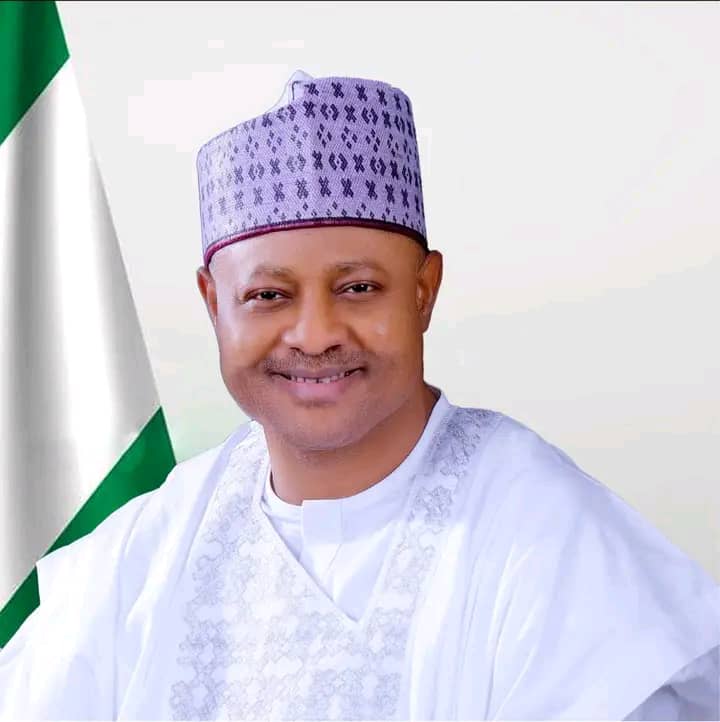
Gov. Uba Sani commissions Kagarko Township Road after 20 years of neglect

By Sumayyah A. Ishaq

Kaduna State Governor Senator Uba Sani on Monday commissioned the Kagarko Township Road Project in Kagarko Local Government Area of Kaduna, marking his two-year anniversary in office.

Speaking during the commissioning ceremony, which was attended by top government functionaries, members of the State Executive Council and the Kaduna State House of Assembly, and traditional, religious, and political leaders, among others, Governor Uba Sani Sanwo-Olu expressed confidence that the delivery of the projects will further enhance economic achievements in the Kagarko area of the State.

He further said, “The commissioning of this road project is another fulfilment of our administration’s commitment to fostering sustainable development through the continuous provision of efficient infrastructure”

In his welcome address, the Executive Chairman of Kagarko Local Government Council, Honourable Muhuyideen A. Umar, said the construction and commissioning of the road stands as another milestone in Governor Uba Sani’s administration’s commitment to infrastructure development that enhances the socio-economic well-being of Kagarko residents.

It would be recalled that prior to the intervention of the Gov Uba Sani administration, the dilapidated Kagarko township road had remained in a state of disrepair for over two decades while motorists and residents navigated in high-risk conditions.

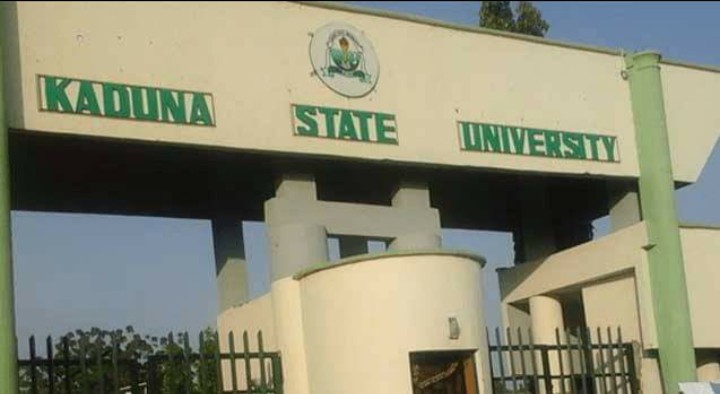
ASUU-KASU embarks on total, indefinite strike

By Anas Abbas

The Academic Staff Union of Universities, Kaduna State University (ASUU-KASU), has officially commenced an industrial action today, marking the beginning of a total, comprehensive, and indefinite strike.

In a statement released by the Publicity Committee of ASUU-KASU, the union outlined a series of actions that must be observed during the strike. These include the suspension of all Senate, Faculty, and Department meetings, as well as the cessation of project supervision and both physical and online lectures.

Additionally, the Students Industrial Work Experience Scheme (SIWES) will not be subject to project defences, field studies, or supervision. 

The union has also prohibited online meetings and mandated that no Continuous Assessment (C.A.) or examination scripts be marked. The processing and submission of results are also on hold, alongside any standing committee meetings.

ASUU-KASU has urged all members to adhere strictly to these directives. The union emphasised that any non-compliance or attempts to infringe upon the strike actions should be reported immediately to the Strike Monitoring Committee (SMC) at the ASUU-KASU Secretariat on the Main Campus.

Kaduna revenue agency refutes El-Rufai’s claim, reports growth in IGR under Uba Sani

By Abdullahi Mukhtar Algasgaini

The Kaduna State Internal Revenue Service (KADIRS) has dismissed claims by former Governor Nasir El-Rufai that the state’s monthly internally generated revenue (IGR) has declined, while also refuting allegations of an illegal N100 million diversion from state funds.  

Speaking at a press conference, KADIRS Executive Chairman Jerry Adams stated that under the current administration of Governor Uba Sani, the state has recorded significant revenue growth, surpassing figures achieved during El-Rufai’s tenure.  

“It is necessary to clarify certain statements made by former Governor Nasir El-Rufai. Whether due to incomplete information or a deliberate attempt to mislead, it is important to set the record straight,” Adams said.  

El-Rufai had claimed that Kaduna’s monthly revenue dropped from N7 billion to N2 billion under Governor Uba Sani. However, Adams refuted this, stating that the highest annual IGR recorded under El-Rufai was N59 billion in 2022, translating to a monthly average of N4.9 billion.  

He further explained that a significant portion of the revenue between 2019 and 2022 came from one-off sources, including debt recoveries and government asset sales, which amounted to N45 billion.  

“If these irregular revenues are excluded, the actual monthly IGR at that time was far lower than what is being claimed,” Adams noted.  

Regarding the alleged illegal transfer of N100 million, Adams dismissed it as “completely false,” explaining that Kaduna’s revenue collection system operates entirely through PAYKADUNA, with all payments going directly into the state’s Treasury Single Account (TSA).  

He emphasized that under Governor Uba Sani, Kaduna’s IGR has seen consistent improvement.  

“In 2023 alone, Kaduna State generated N62.48 billion in IGR, which increased to N71 billion in 2024—averaging N5.2 billion and N6 billion monthly, respectively.”  

“In just January and February 2025, the state has already collected N7.46 billion and N6.68 billion, totaling N14.16 billion in two months—without any debt recoveries or one-off revenues.”  

“This demonstrates the commitment and diligence of this administration in driving economic growth and ensuring sustainable development,” Adams stated.

ASUU: KASU lecturers suspend strike, hail Kaduna government

By Ishaka Mohammed

The Academic Staff Union of Universities (ASUU), Kaduna State University (KASU) chapter, has suspended its indefinite strike action following an agreement with the state government.

The decision followed the congress meeting held on February 22, 2025 and the approval of the union’s National Executive Council (NEC). 

In a statement released on Sunday, the branch leadership headed by Dr Peter Adamu appreciated the Kaduna State government for demonstrating goodwill towards resolving the issues that prompted the strike. 

According to the statement, the government is releasing funds immediately to pay the 60% withheld September 2017 salaries and the Student Industrial Work Experience Scheme (SIWES) supervision allowances for five sessions. It has also set a timeline for the payment of five months’ withheld salaries (May – September 2022), promotion arrears, Earned Academic Allowance (EAA), pension remittances from 2009 to 2019, as well as death benefits and Group Life Assurance.

The statement also featured the government’s commitment to implementing a wage award and granting full autonomy to KASU.

The Daily Reality last week reported the above issues as the causes of the strike.

The KASU chapter of ASUU praised Governor Uba Sani for deviating “from the dark days of the past where members [of ASUU] were victimized for participating in lawful strike actions”.

Kaduna banditry: The premature peace deal

By Safiyanu Ladan 

The Kaduna State government recently announced that it has entered a peace deal with notorious bandits, particularly in the Birnin Gwari and Giwa Local Government Areas. The aim of the deal is to end banditry in the region. This development is a positive step forward.

For years, bandits have wreaked havoc on local communities, resulting in thousands of deaths and the displacement of millions. Their actions have severely disrupted the socioeconomic activities of these areas.

According to the government, the peace deal is yielding positive results. Relative stability has returned to the affected regions. A cattle market that had been closed for decades has resumed operations, and residents can now go about their daily activities without constant fear of attacks or kidnappings.

However, although relative peace has been observed in the northern part of the state over the past few months, the situation in the southern part is significantly different. Recently, residents of Anguwan Ate in Kachia Local Government Area have staged protests due to the ongoing attacks and kidnappings carried out by bandits.

The resurgence of kidnappings in certain areas of the state following the peace deal is concerning. The government and other stakeholders involved in brokering this peace agreement need to reassess the situation and address any existing loopholes to prevent an escalation of violence.

Safiyanu Ladan wrote from Kaduna.

Kaduna state Security Council relaxes curfew

By Abdullahi Mukhtar Algasgaini

The Kaduna State Security Council under the leadership of Governor Uba Sani, after a thorough review of the security situation in Kaduna and Zaria towns and environs, has unanimously agreed to relax the 24-hour curfew earlier imposed on Monday 4th August 2024.

By this review, the curfew will now be in effect from 6pm to 8am daily. This implies that citizens may move freely and carry out their legitimate activities between 8am and 6pm, and will revert to the curfew from 6pm to 8am

The Kaduna State Security Council reiterates its total commitment to the peace and security of the State, and will continue to take all steps deemed necessary for their preservation.

Furthermore, the security forces will continue to vigorously enforce the curfew from 6pm to 8am, and will be decisive in confronting actions which may lead to a breakdown of law and order during periods of movement as well as restriction.

Governor Uba Sani on a scale: The other side of the celebrated 365 days in office

By Mubarak Usman

“The sign of a good Friday can be determined by a promising Wednesday.” – Hausa adage

It has been over one year since Senator Uba Sani was sworn in as the governor of Kaduna State. The honeymoon days are over, and it is time to start interrogating Governor Uba Sani’s policies, decisions, actions or inactions.

Spin doctors, sycophants, party members, and admirers are all at work trying to outdo one another in celebrating Governor Sani, which is the best thing to have happened to Kaduna state since the invention of sliced bread. Strategic locations within the Kaduna metropolis are not left behind, with erected billboards showcasing real and ‘audio’ projects or achievements.

In his acceptance speech after being declared as the winner of the 2023 gubernatorial election of Kaduna state, Senator Uba Sani thanked the people of Kaduna for voting him into power and promised to “get straight to work on sustaining and strengthening the development path that our beloved leader Malam Nasir El-Rufai has so brilliantly opened for Kaduna State. I thank Malam Nasir El-Rufai and his executive team for their collective efforts since 2015 to build the foundations for a new Kaduna State. Power is sweet, but it comes with responsibilities!

When people expect Governor Uba Sani to hit the ground running, his lacklustre approach to governance begins to manifest. He is just absent. He could not just sit to spearhead the State Executive Council meetings regularly. In his defence, his spin doctors claimed that the government does not revolve around him alone. Bello Galadanchi, the skit creator, made a witty skit about this absentism.

The governor called for a stakeholders’ engagement meeting to explain the state of affairs. He complained about the debt profile left behind by the previous administration and how it has been hindering his progress or performance. This is a ruse!

Governor Uba Sani did not explain how he contributed to the state’s massive debt profile. Politicians like him would think the populace is suffering from amnesia, so the collective intelligence of the good people of Kaduna state can be insulted.

First, the former governor of Kaduna state, Nasir el-Rufai, sought foreign loans to finance projects in the state. The loan was denied courtesy of the three (3) senators from Kaduna state during the 8th National Assembly. El-Rufai deployed all his arsenals to ensure none of the three senators returned to the 9th Assembly. And only Senator Danjuma Laah survived El-Rufai’s political onslaught.

Senator Uba Sani was drafted into the 9th Assembly to secure the now problematic loan. Responding to questions thrown at him during an interview, he said: “I am extremely happy and proud of the role some of us played in securing this loan for Kaduna State.” He did not stop there!

He said, “I, Senator Uba Sani, be held liable if the Governor [El-Rufai] fails or disappoints.” Will he now claim he did not know who El-Rufai was when entrusted with public funds? What is his share of the blame in the quagmire Kaduna? When Governors were praising the floating of the Naira by President Tinubu, did Governor Sani realise the implications of such a policy on the loans he helped secure? It is a classic case of shooting oneself on foot, double standards and hypocrisy characterised by politicians.

Secondly, a government complaining about a huge debt profile should not be seen engaging in non-priority projects like building a banquet hall in Sir Kashim Ibrahim House. The Government House has a council chamber for its functions, and so does the deputy governor’s office. Where the chamber isn’t enough for a state function due to population, the Umaru Musa Yar’adua Hall in Murtala Mohammed Square can serve the purpose in whatever capacity. This is not to mention the hall domiciled in General Hassan Usman Katsina House.

This new banquet hall is being built while many abandoned road projects in Zaria and Kaduna metropolis yearn for serious attention. These roads have caused untoward discomfort, accidents, and health hazards to commuters. Keen observers are still in the dark regarding the bidding or procurement processes leading to the award of such a misplaced project. Where is the transparency and accountability? Are we now experiencing the birth of another version of the now scandalous Ronchess and CCECC?

Despite the many mistakes of the previous administration, the Kaduna State Geographical Information Services (KADGIS) was more effective and efficient in handling customers’ queries or problems. Receiving certificates of occupancy (CofO) wasn’t a difficult task. Under the current administration in one year, people are becoming hopeless as hushed and loud voices or conversations within and without the agency have it that the governor is globetrotting and doesn’t have enough time to append his signature on certificates. One shudder to think how a government crying about debt profiles will take the affairs of such a revenue-generating agency lightly. There is more.

When appointing the head of the agency, KADGIS, the governor bucked the KADGIS Law and employed someone who did not meet the requirements as provided by the Law. This cluelessness was also exhibited in the appointment of other agencies. One would wonder where the state House of Assembly members are in all these. Are they the typical rubber stamp legislators? Your guess is as good as mine.

Loans upon loans. The Kaduna state government targets loans of about N150 billion in the 2024 state budget. I hope the State House of Assembly will diligently carry out its oversight functions as the governor moves to the rural areas. We have been witnessing groundbreaking ceremonies here and there, but the procurement processes, from advertisement to contract awarding, are unclear. The State House of Assembly should save the state, the next legislature, and the Kaduna people the stress of probing this current administration some years from now by carrying out their oversight functions. Can they? Time will tell.

Furthermore, running tap water is still a luxury in the state. Many in the metropolis now roam the streets searching for water to drink or bath, not to mention more people living outside the metropolis. Clairvoyant analysts suggest that some of these monies expended in the name of palliative should have been channelled to Kaduna State Water Corporation to make tap water available in people’s homes. Therefore, the House of Assembly should also shed light on these issues and the N11.4 billion disbursed in the name of palliative interventions. Who were the beneficiaries? What are the expected outcomes? How many people were lifted out of poverty caused by inflation and the APC-led government policies?

Again, Kaduna state has the lowest-paid medical doctors and health practitioners and a difficult and depressing working environment. These conditions have made these professionals quit their jobs for better offers in neighbouring states. Junketing out of the state at the slightest opportunity and under the guise of wooing foreign and local investors will not change these stark realities. This media show should end with the governor’s predecessor and now estranged boss.

The problems highlighted above are just a dot in the circle of nagging issues disturbing the good people of Kaduna state. Obviously, the governor only gets to meet praise singers, so he is not popular beyond sycophants, his appointees, and hungry rented crowds. There are more reasons why discerning citizens should write more articles about Kaduna state to remind them of the public perception of his government.

Finally, Governor Sani has the opportunity to sit up, evaluate his current team, and make adjustments before he and his team find themselves in a web of scandals after his administration. The good people of Kaduna need responsible and purpose-driven leadership, not excuses and the hazy governance that has characterised his 365 days in office.

Mubarak Usman writes from Unguwar Muazu, Kaduna.