Islam, modern Jihad, and democracy: A short reflection and appeal
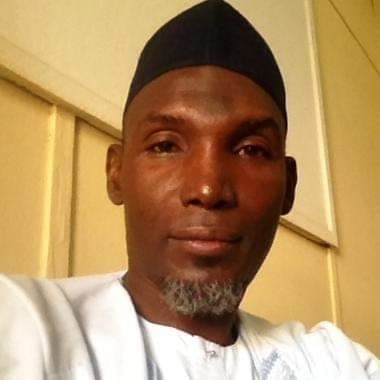
By Ibraheem A. Waziri
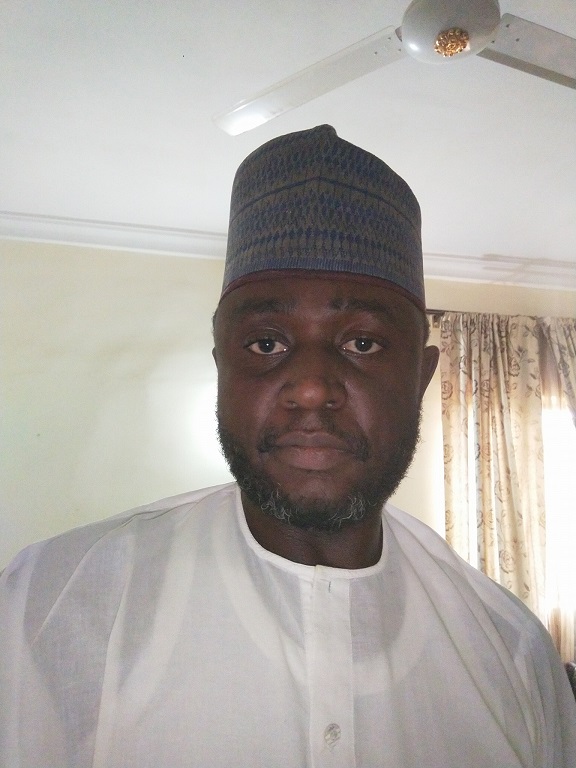
Lately, I have been reflecting deeply on Islam and its legacies, particularly in light of the growing rhetoric against democracy by some Northern Nigerian Islamists. Among them are both young and experienced clerics, such as the recently banned Muhammad Muhammad of Niger State and Shaykh Dr Idris of Bauchi, who appeared to endorse the same ideals.
My reflections have led me to conclude that there is little justification for condemning democracy and the freedoms it provides, nor for advocating or mobilising for physical jihad in today’s world.
When we examine the origins of Islam, we find that during the early days of Prophet Muhammad’s (peace be upon him) mission in Mecca, his primary focus was the establishment of a peaceful society where his message could be conveyed freely. Allah states in the Qur’an:
“So remind, [O Muhammad]; you are only a reminder. You are not over them a controller.” (Qur’an 88:21-22).
This underscores that Islam flourishes in environments of peace and freedom, where individuals can practice their faith openly without coercion. Such conditions allow Allah’s promise to manifest naturally:
“Indeed, Allah will fulfil His purpose. Allah has set a measure for all things.” (Qur’an 65:3).
The first instances of physical jihad in Islamic history were acts of self-defence prompted by aggression against the early Muslim community. Even the campaigns against the Persian and Roman Empires were primarily preemptive, aimed at securing the survival of the nascent Muslim polity against formidable adversaries.
Closer to home, the renowned 19th-century jihad of Shaykh Uthman Bin Fodio in Hausaland was not launched until his students faced severe threats and persecution from the rulers, who sought to prevent them from freely practising their religion. This historical context highlights that jihad has historically been reactive, not offensive, and born out of necessity rather than choice.
Similarly, the historical example of the Mongol Empire, which conquered large parts of the Muslim world, demonstrates Islam’s transformative power. Despite the initial devastation, peace was eventually restored. As the Mongols settled and engaged with Islamic teachings, they embraced Islam. This illustrates the enduring strength of Islam’s principles when conveyed in a peaceful and conducive environment.
In contemporary times, a comparable trend is evident. While the colonial era brought conquest and turbulence, democracy and freedom of choice have facilitated a relatively peaceful global environment. This peace has enabled a surge in the appreciation of Islam’s teachings, as seen in the increasing number of reverts worldwide. Allah reminds us:
“When the victory of Allah has come, and the conquest and you see the people entering into the religion of Allah in multitudes, then exalt [Him] with praise of your Lord and ask forgiveness of Him. Indeed, He is ever Accepting of repentance.” (Qur’an 110:1-3).
Today, Islam is the fastest-growing religion worldwide, a testament to its universal appeal and the truth of Allah’s promise. In light of these realities, is there any justification for militant jihadist movements in the modern era? Especially now, with social media and other platforms offering unparalleled opportunities to spread knowledge, values, and Islamic teachings globally?
I firmly believe that the focus of our time should be on intellectual and spiritual jihad — investing in research, education, and content creation that addresses the challenges and opportunities of our era. Allah emphasises the power of wisdom and thoughtful persuasion in spreading His message:
“Invite to the way of your Lord with wisdom and good instruction, and argue with them in a way that is best. Indeed, your Lord is most knowing of who has strayed from His way, and He is most knowing of who is [rightly] guided.” (Qur’an 16:125).
This is the jihad of our age: to understand and teach Islam in ways that resonate with the modern world, using peaceful means to inspire hearts and minds toward the truth.
May Allah guide us on the best paths and strengthen our resolve in this noble endeavour, amin.