Jigawa State

Windstorms kill two, destroy over 20 houses in Jigawa

By Muhammad Suleiman Yobe

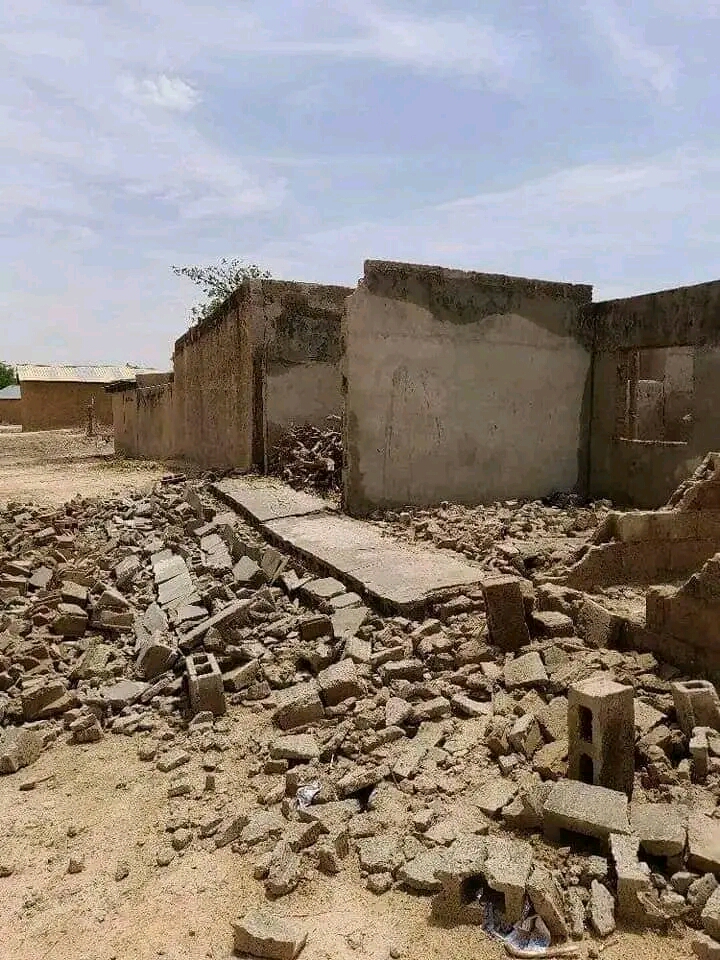
Heavy rainfall and strong winds destroyed more than 20 houses, killing two people and injuring many others on Tuesday in Araba and Hambarawa towns in Ringim local government area.

The chairman of Ringim local government, Alhaji Shehu Sule Udi, confirmed the incident today while answering questions from our correspondent.

He said the incident started around 1 o’clock on Monday while experiencing the first heavy rainfall of the year.

He said that the incident affected the Araba and Hambarawa community, where information confirmed that there was two loss of life, severe injuries and the destruction of houses.

Alhaji Shehu Sule Udi assured their readiness to support the affected community to ease their suffering from the windstorms.

For their part, the people affected by the disaster have asked the government to provide immediate assistance.

Danmodi’s shelterbelt plan will tackle desertification in Jigawa

By Hamisu Gumel

The environment is an essential component of human life and sustenance. It provides the necessary resources and ecosystems to support our daily activities. However, with the increasing human population and industrialisation, the environment has become severely threatened, leading to environmental degradation and climate change.

As I write this, increasing areas in the northernmost part of Nigeria, including parts of Jigawa State, are turning into deserts due to climate change, which brings about high temperatures and soil degradation, among its adverse effects. Climate change is a significant environmental issue affecting the world for decades, and its impacts have become more apparent in recent years. Climate change is a long-term change in global weather patterns, resulting in more extreme weather events such as droughts, floods, heat waves, and heavy rainfall.

Jigawa State, located in the northwestern part of Nigeria, is among the frontier states facing the adverse effects of climate change as it has suffered from the symptoms of desertification: erosion, rain shortages, and drought. In response to this challenge, Umar Namadi’s blueprint for environmental protection in Jigawa State is a significant step towards protecting and conserving the environment.

No doubt, for any serious government to come on board in the state, the issue of land conservation must take centre stage. With agriculture as the economic mainstay of the state, over 80% of households rely on farming for food and income. And Jigawa’s wetland (fadama) areas represent about 14% of the state’s total landmass of 24,742 square kilometres. But desertification, exacerbated by our unsustainable felling of trees, is threatening this natural endowment.

One of the significant highlights of Umar Namadi’s blueprint is the continued support of relevant afforestation and reforestation programs and projects under the Environmental Protection Agenda. Afforestation and reforestation are crucial measures for mitigating the effects of deforestation and climate change. Deforestation adversely affects the environment, leading to soil erosion, loss of biodiversity, and reduced water quality. Afforestation and reforestation help mitigate these effects by restoring lost forests and planting new ones.

The Great Green Wall Initiative is another critical project that Mallam Umar Namadi’s blueprint supports and aims to implement in the letter. The Great Green Wall is a pan-African initiative to combat desertification and land degradation in Africa’s Sahel and Sahara regions. The initiative involves planting a wall of trees that spans over 8,000 kilometres from Dakar in Senegal to Djibouti in the Horn of Africa. The incoming Jigawa State Government’s intention to invest in this project indicates Danmodi’s resolve towards combating desert encroachment and restoring degraded land in the affected parts of the state.

Yet, a crucial aspect of this blueprint that catches my fancy most is the item on the establishment of 250 km of shelterbelts and woodlot plantations in the state. A shelterbelt is a strip of trees or shrubs in a straight line to protect farmland, homes, and other structures from wind erosion and soil degradation. This can be said to encompass all the factors of environmental protection. The 250 km-long shelterbelts, according to the blueprint, would cut across the north-western part of the state, starting from Guri Local Government Area and passing through Birniwa (both in the northeast) along the border with the Niger Republic up to Maigatari, Babura, Yankwashi, Gwiwa, and Roni Local Government Areas.

Establishing shelterbelts and woodlots along the northwestern part of Jigawa State is particularly significant and desirable as the area is prone to soil erosion and desertification. In addition, the site also serves as a buffer zone between the Sahara Desert and other parts of Nigeria. So, this shelterbelt protection program, if implemented, will go a long way in helping to reduce the effects of desertification and land degradation and serve as a model for other regions facing similar challenges.

Among the benefits of the proposed shelterbelt program is that the shelterbelt will protect farmland and communities from wind erosion and soil degradation. Wind erosion is a significant problem in this part of the country, resulting in the loss of topsoil and nutrients, making it challenging to grow crops. A shelterbelt will reduce wind velocity and protect the soil from erosion, improving soil fertility.

Also, Jigawa State is prone to desertification and land degradation resulting from deforestation, overgrazing, and poor land use practices. A shelter belt will help mitigate these problems by reducing the effects of wind and water erosion, promoting soil conservation, and improving soil fertility.

Likewise, establishing a shelterbelt will promote agroforestry, which involves growing trees alongside crops or livestock. Across the world today, agroforestry has been proven to be a practical approach to sustainable agriculture as it improves soil fertility, conserves water, and promotes biodiversity. Establishing a shelterbelt in Jigawa State will promote agroforestry and create opportunities for communities, especially those in the drought-affected areas of the northwestern part of the state, to generate income from tree products such as fruits, nuts, and timber.

Lastly, establishing a shelterbelt in Jigawa State is a significant step towards environmental sustainability, as it will help reduce greenhouse gas emissions, improve soil quality, and promote biodiversity.

Now, as the May 29th inauguration day is fast approaching and all eyes are on the incoming government of Mallam Umar Namadi to translate into action its campaign promises, I have no iota of doubt that the man is equal to the task. We believe that by applying these greener development strategies, the state government could create employment opportunities, increase agricultural yields, and protect the environment for the good of our people. We know that many tree planting (or shelterbelt) programs were initiated and failed in the past, but if this particular project comes to fruition, it will be the first of its kind in the country.

Hamisu Gumel wrote from Limawa Quarters, Gumel, Jigawa State. He can be reached via hamisugumel@yahoo.com.

A great government is built on quality appointments and commitment

By Muhammad Auwal Yahaya

A great government is not solely determined by the promises made during political campaigns but by the quality of the individuals appointed to key positions. Therefore, when a governor-elect, such as Mallam Umar Namadi, is entrusted with the responsibility of leading a state like Jigawa, it becomes crucial to prioritise quality political appointments. These appointments play a pivotal role in delivering campaign promises, establishing an exceptional government, and gaining the trust and support of the people.

Selecting candidates based on merit and competence is essential for building a strong government. By appointing individuals with the necessary skills, knowledge, and experience, a governor-elect can ensure that the government is led by capable individuals who can effectively address the challenges and complexities of governance. In addition, merit-based appointments promote efficiency, innovation, and delivering high-quality services to the citizens.

A government that reflects the diversity of its people is more likely to understand and address their varied needs and aspirations. A governor-elect can create a balanced and inclusive government by prioritising diversity in political appointments. This means appointing individuals from different ethnic, religious, and cultural backgrounds, as well as women and minority groups. Such representation fosters a sense of belonging and ensures that policies are formulated comprehensively about the diverse population.

Achieving regional balance in political appointments ensures equitable development and representation across all state regions. By appointing individuals from various areas, a governor-elect can ensure that the government’s focus and resources are not concentrated in one area but rather distributed fairly. This promotes balanced growth, reduces regional disparities, and fosters a sense of unity among the citizens.

Political inclusivity is vital for a government to effectively represent its constituents’ diverse interests and perspectives. A governor-elect, Therefore, could consider appointing individuals from different political affiliations, not just members of their party. This fosters a sense of collaboration, encourages healthy debates, and enables the government to make informed decisions that benefit the entire state rather than a specific group.

Transparency and accountability should be the cornerstones of political appointments. A governor-elect must ensure that the selection process is transparent, with clear criteria and mechanisms for evaluating candidates. By doing so, they can instil public trust and confidence in the government. Additionally, appointees should be held accountable for their actions, with mechanisms in place to monitor their performance and address any misconduct or negligence.

Consulting experts and seeking their advice is crucial when making political appointments. A governor-elect should consider individuals with the expertise and knowledge required for specific positions. By involving experts in the decision-making process, the government can benefit from their insights, innovative ideas, and strategic thinking. This leads to more informed and effective governance.

Nepotism and cronyism have no place in quality political appointments. A governor-elect must prioritise fairness and integrity, ensuring arrangements are based on merit rather than personal relationships or favouritism. By avoiding nepotism and cronyism, the government can inspire public confidence, enhance transparency, and attract competent individuals with the state’s best interests.

Regular performance evaluation of appointees is essential for maintaining accountability and ensuring optimal governance. A governor-elect should establish clear performance metrics and mechanisms for assessing the effectiveness of individuals in their appointed positions. This allows for identifying areas of improvement, providing necessary support or training, and making changes when required. Performance evaluation fosters a culture of continuous improvement and reinforces the government’s commitment to delivering results.

Involving the public in decision-making and seeking feedback is crucial for a government to be responsive and accountable. Therefore, a governor-elect should actively engage with the citizens, listen to their concerns, and incorporate their perspectives into political appointments. Public engagement and feedback not only enhance the legitimacy of the government but also provide valuable insights that can inform policy-making and ensure the delivery of services that truly meet the needs of the people.

Governor-Elect Mallam Umar Namadi has crafted an impressive blueprint for the development of Jigawa state. His vision and commitment to the betterment of the state deserve appreciation. Moreover, the blueprint demonstrates his understanding of the challenges and opportunities ahead. With such a well-thought-out plan, it is evident that he has the potential to lead Jigawa to new heights.

To transform the blueprint into reality and deliver on the campaign promises, Governor-Elect Mallam Umar Namadi should prioritise quality political appointments. By carefully considering the criteria of merit, competence, diversity, regional balance, political inclusivity, transparency, accountability, consultation, and expertise, he can assemble a team of capable individuals who share his vision and are committed to serving the people of Jigawa diligently.

The people of Jigawa state have placed their trust in Governor-Elect Mallam Umar Namadi and have high hopes for the incoming government. Therefore, it is essential to keep the spirit alive and maintain optimism for the positive changes that lie ahead. As citizens, we are responsible for supporting the new government and actively participating in the development process.

Let us pray for the success of Governor-Elect Mallam Umar Namadi and his team. Through prayer, we can seek guidance, strength, and wisdom for the government to effectively navigate the challenges and fulfil its responsibilities. We can contribute to building a prosperous and exceptional Jigawa state with our prayers and support.

Muhammad Auwal Yahaya, known as Amujaheed, is an indigene of Jigawa state and the visionary behind jgONLINE, an innovative online platform. A technophile, Jigawapreneur, and an advocate of good governance who strives for inclusivity, commitment and excellence.

My experience at Yakubu Gowon Orientation Camp, Fanisau Dutse, Jigawa state

By Amina Barau Inuwa

On 28th October 2015, a cool Tuesday morning, I headed to Jigawa State for the national call to offer my service to the nation. I wasn’t the type of person that went outside Kano often. I found it so amazing because it was my first trip for three weeks outside Kano. I felt a bit afraid. I didn’t know the nature of the people I would meet during my trip and the people in the orientation camp because all my schooling was in Kano State.

We were inside the car with my friends; as they were busy talking and laughing, my eyes and mind were on the road seeing long trees swinging and dancing to the tune of the winds, topographies, landscapes, undulating slopes, farms, markets, schools, and children among others. We reached the orientation camp around 10:00 am, along Dutse Road in Fanisau. I saw hundreds of people called Corps members at the gate being checked. We quickly followed the long queue to be checked too.

I remembered home, asking myself how I could cope among thousands of people as we were 4000+ during the exercise. We were in that queue till 4 pm, and still, we didn’t get accommodation and other things that would be used during the exercise at the camp. Finally, my friends and I sneaked to a line (short-cut), wrote our names and completed the registration for accommodation. We prayed, ate and returned for another registration and collection of kits (uniform, canvas and jungle boots). When I opened my gear, I saw that my boots were not my size, so I went outside around 2 am to change them.

It was hard to sleep because I wasn’t used to sleeping in a big room with many people as we were 64. So I cried as my friends had all slept. But I got used to the camp after 2 – 3 days; I became closer to many people from different schools, states, backgrounds, religions, and tribes.

The morning meditation was the first thing that scared me; we woke up by 3 am, took our baths, and, if there was time, ate something and headed to the mosque for prayers. Immediately after the Salaam was said, the soldiers would shout, “If you are finished, come out”; “If you are sleeping, you are wrong…come out”. I felt afraid for the first two days as soldiers used to scare me, but I was used to it the following days as the soldiers were friendly if and only if you followed their instructions. Each Platoon participates in different activities in the camp. Our group participated in the kitchen too.

I enjoyed the parade on the parade ground, especially when the drums were being beaten. I miss the friends I met. Going to Mami market with Fatima and eating noodles, that is when we don’t want to eat the food prepared by the kitchen, Platoon meetings, lectures (boring sometimes), Entrepreneurial skills which I was in a cosmetology group where I learned how to make air freshener, hair cream, liquid soaps etc. many my friends join different groups and learn other skills.

Activities that I miss at the camp include a parade, lectures, skill learning and friends. My Platoon parade commander (Danladi Mairiga and Aminu), Platoon leader and members, I missed you. The friends I miss include Fatima, Doris, Nene, ‘Yar Gaya, Hauwa, Patience, Your Excellency, Ayo (room leader), Aysha, Aysha (from Niger state), Makkiyya, Sabi’u Halliru, Rislan, Adamu, Aminu Funtua, Ahmad KD, a friend that I can’t recall his name in Kofar Waika of Kano. Many friends and roommates said the space would not be enough to write their names. My colleagues (Amina, Rabia and Walida) started together but later relocated. Some colleagues we started and finished together are all in my mind.

Government Secondary School Kanya Babba, Babura Jigawa State, was my first primary assignment, but I was transferred to Babura Divisional Library for some reasons. I served alongside Ann and Isma’il. That is where I completed my one-year national call.

In conclusion, National Youth Service is an activity that unites people of different tribes and religions, paving the way for many relationships, from marriage (my friends have married during the service year) to jobs and many opportunities. It strengthens the unity among Nigerians.

My service year was peaceful; it was perfect and successful. During my trip, I miss Bandirawa, Kwanar Dumawa, Minjibir, Danbatta, Koko, Tukui, Wailare and Makoda when taking off from Kano. When heading to Jigawa, I can’t forget Kazaure, ‘Yankwashi, Karkarna, Dandi, Burji, Walawa, Tasawa, Kwanar Sandamu, Koko, Kanawa, Babura, Rafin Canji, ‘Yar Kirya, Garun Gudunya, Babura Kudu, Babura Yamma, Gari Uku, Kanya Babba and many other places that I can’t recall their names. Indeed, the people in those areas showed great hospitality to us.

Amina Barau Inuwa wrote from Kano. She can be contacted via aminabarau257@gmail.com.
Jigawa: Gov’t approves compulsory retirement of Judge Dabi over collecting bribe

By Muhammad Sulaiman Yobe

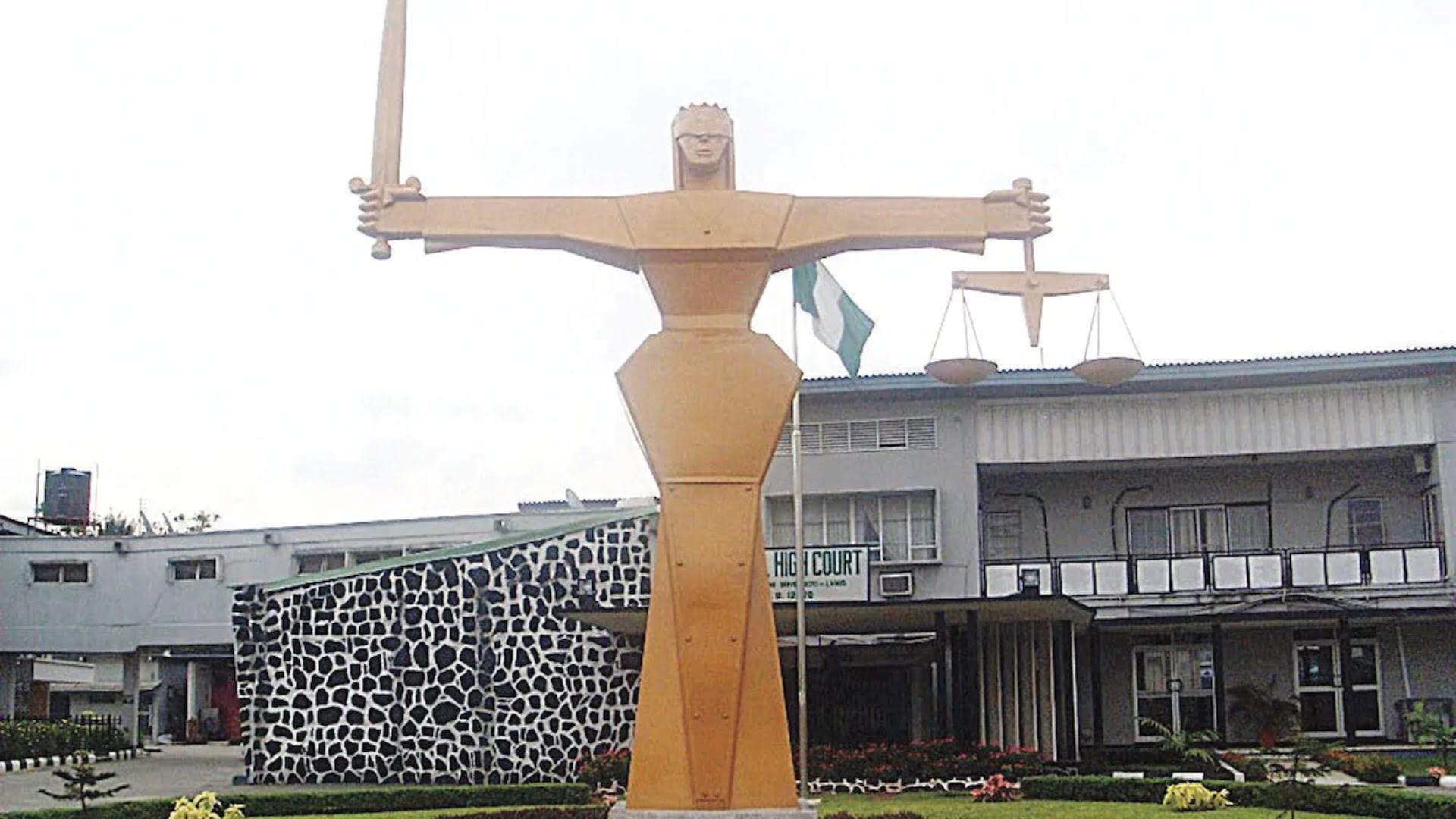
Jigawa State Judicial Service Commission has approved the compulsory retirement of a Upper Sharia Court Judge, Alkali Safiyanu Muhammad Dabi, for collecting bribe.

A statement issued by the Director Publicity and Protocol Matters, State Judiciary, Abbas Rufai Wangara, stated that the Commission also approved the promotion of four senior staff of the state judiciary to various positions.

The statement added that the commission also approved the appointment of Barrister Aliyu Muhammad as Deputy Chief Registrar II, Sharia Court of Appeal; Barrister Abdulrashed Al`asan, Chief Inspector Sharia Court; Barrister Muhammad Lawan, Zonal Deputy Chief Inspector Sharia Court of Appeal while Barrister Muhammad Adamu was appointed as Zonal Deputy Chief Inspector, Sharia Court of Appeal.

Similarly, the commission warned that any judicial officer found wanting in the discharge of their duties would face the wrath of the law.

Danmodi and the burden of history in Jigawa

By Kabir Musa Ringim

Now that the election is won and lost, the winners are strategizing and restrategizing, the losers are grieving or heading to court, the politicians are politicking, lobbying, and cross-caperting to be invited to the dining table, the contractors and investors are hoping for their returns on investments, and the technocrats are lurking while the masses are waiting for the transition to start enjoying the dividends of democracy.

Jigawa, as the most peaceful and most homogenous state in the country, witnessed one of the best gubernatorial elections nationwide this year, characterized by being largely peaceful, free, and fair with little or no incident of violence or strife. Contrary to the presumptions prior to the poll, people shamed the rabble-rousers, the agents of disunity, and the promoters of strife with the intent to sow discord and instability by voting the most competent candidate all over the state without minding his zone. It is heartwarming that Mallam Umar Namadi Danmodi won in 26 out of 27 LGAs and got more than 30,000 votes in the remaining LGA; the figure is higher than that of most LGAs thought to be his bases or strongholds.

The result stopped a dangerous precedent that may be the cause of mayhem and instability in our dear state. A few weeks before the elections, both protagonists and antagonists latched onto the intense emotions of the gullible by fueling turmoil to score cheap political goals. It was reported that our hidden enemies with evil agendas were disappointed to learn that we’re still united, and we left no clue as to when and how they will see us divided. Jigawa people are united in every aspect: in faith, language, dress, houses, economy, education, etc. No amount of intrigue, espionage, or blackmail will make us lose our guard and allow the purveyors of hatred to cost us our peaceful coexistence, which was the envy of most states.

But as the transition date of May 29th approaches, I start to sympathize with the incoming governor. The vast expectations on him are far too many. The people are looking up to him as a messiah to rescue them from the pangs of poverty and hunger. The masses hope he will resuscitate the ailing educational sector and revive the falling health sector while maintaining the progress made in the economy, roads, and infrastructure championed by his immediate predecessor. I can say without any fear of contradiction that no Jigawa governor-elect in history has enjoyed the widespread support Danmodi is currently enjoying, to the extent that the opposition is almost crushed and driven into extinction. Thanks to his great personality, personal integrity, magnanimity, and charming character.

The first task of great priority facing the new governor is how to strengthen the peaceful atmosphere by being fair and just to all, irrespective of zone or political affiliation. He should strive to be the governor for all and sundry. Another urgent task of equal importance is that he should put an end to the recent widespread and politically motivated suspension of traditional rulers so as to save our traditional institutions and cultural heritage from mockery and extinction. More importantly, while deciding on his prospective cabinet members, he should consider the technocrats to work with him alongside the usual politicians; I believe he will do this by considering his speeches at the meetings he held with us, the Jigawa academics, at different times in Dutse.

The selection of cabinet members is what determines the success or failure of any administration. The composition of the cabinet will make or break any administration. Danmodi should exercise restraint and not reward political loyalty by imposing incompetence on Jigawa people. As Professor Sheikh Mansur Sokoto recently advised the Zamfara state governor-elect in a widely shared video clip, there are so many ways to reward politicians, not necessarily by appointing them to sensitive positions they are incapable of managing. My advice to Danmodi at this crucial stage is to consider professionalism, competence, capacity, and character when choosing his political appointees. A square peg in a round hole will result in nothing but disaster, and history will not be kind to Danmodi if he enables that.

Secondly, our governor-elect should build on the progress of his predecessors in all sectors and capitalize on their weak areas. Saminu Turaki’s ICT development, Sule Lamido’s institutions and infrastructure, free girl child education, and haihuwa lafiya, Badaru Abubakar’s gains in economy, revenue generation, and infrastructure, should be sustained or resuscitated. Recruitment of teachers and health workers should be treated as a matter of urgent attention. A state of emergency should be declared on poverty and unemployment among youth and women to arrest the sad situation of living in extreme poverty amidst abundance of wealth prospects and means of prosperity. Flood mitigation procedures should be employed so as not to exacerbate the already dire situation of perennial flood incidents.

Lastly, I wish the governor-elect all the best as he steers the affairs of our deer state in the next four years. I pray that he finds a way to deliver in this difficult terrain. The hopes are high, the expectations are immeasurable, and the politicians seeking relevance or appointments are numerous, but the mandate belongs to us, the masses and ordinary citizens, as we are by far the largest in number.

Kabir Musa writes from Ringim and can be reached via ringimkabir@bupoly.edu.ng

Jigawa records 8 deaths, 141 new cases of cerebrospinal meningitis

By Muhammad Suleiman Yobe.

Jigawa State Ministry of Health has confirmed 141 new cases of Cerebrospinal Meningitis that claimed eight lives in the state.

The ministry’s Permanent Secretary, Dr Salisu Mu’azu, confirmed the cases to Daily Reality in Dutse, the state capital.

The Permanent Secretary, who spoke through Dr Sabi’u Muhmmad of the disease control department in the ministry, outlined some areas in Kaugama, Birniwa, Gumel, and Maigatari Local Governments the cases were identified.

Dr Muhammad said 134 out of the 141 patients were infected by Neisseria Meningitis type C, and 6 contracted Strept pneumonia while one was identified with Neisseria Meningitis type X and among the cases identified, about eight death were recorded.

He said that all measures had been put in place to avert the pandemic. He further advised communities in the affected areas to be conscious and refer a suspected case to the nearest general hospital for all necessary action. The state government has procured free medication for patients with such cases.

Jigawa: What’s Next?

By Shu’aibu Rabiu

I’m writing this with my heart sinking out of the brink, confused, and absorbed in the prism of my mind lost in the ocean, wandering not because of the outcome of the election or what may become of the winner or the looser but rather, of the situation Jigawans might find themselves due to the unrest that has been going on due to the current mant

Jigawa has been known to be one of Nigeria’s most peaceful and harmonious states for decades. However, this aged-long history is currently being threatened by what seems to be political tribalism and jingoism (emiratism, to be specific).

Since the inception of Jigawa, it has had three democratically elected governors – Ibrahim Saminu Turaki (Jigawa north-west senatorial district comprising Kazaure, Ringim and Gumel emirates), Sule Lamido (Jigawa south-west senatorial district which consists of Dutse emirate only) and Muhammad Badaru Abubakar (Jigawa north-west senatorial district). Looking at the division above, one may wonder what the Jigawa north-east senatorial district is.

Well, after the completion of the party primaries in the state, Malam Umar Namadi Danmodi from Jigawa north-eastern senatorial district emerged victorious under the flag of the All Progressive Congress (APC), While Mustapha Sule Lamido from Jigawa south-western senatorial district, became the flagbearer of the People’s Democratic Party (PDP). This, however, ignites the fire of what seems to be a battle between the already two conflicting emirates of Dutse and Hadejia, respectively.

For, Hadejia believed or rather thought of Dutse as its major shield or barrier in achieving its goal of producing a governor for the state. Dutse, on the other hand, considers Hadejia a threat to the state, for they believe Hadajiwas are selfish, narcissistic and self-centred, hence the hatred and hostility toward them.

The current enmity, hatred, hate speech and uproar doubled after the just concluded presidential election when both emirates decided to support their own (Hadejia went for APC’s presidential candidate, while Dutse voted for the PDP’s). This, however, became the major cause of the political unrest in the state, which, if care is not taken, will be a driving factor for the division of Jigawa in terms of political instability, peaceful coexistence and even beyond.

My main concern in the article is not who’s right or wrong for choosing to support their own and go against the other. Instead, my problem is what may become of Jigawa and its citizens now that Mustapha/Umar is declared governor-elect for the state.

It is pertinent to, at this juncture, make it categorically clear that the constitution of the federal republic of Nigeria states that whoever wins an election will serve all the citizens irrespective of party, region or emirate affiliation. This means that Malam Umar Namadi will be a governor for all the citizens of Jigawa state, and his leadership will have no relation with the saying “to each, their own”. This is a hard-and-fast rule.

Well, first things first, we must know that there’s life after the election, which is one of the most important things to consider now. Because, often, the election comes and goes, and as far as tradition, it usually comes with things that jeopardise people’s relationships, which often lead to lifelong enmity. This, however, will affect the state in such a way that the winner you fought for will find it challenging to manage the administrative duties delicately because you’re at war. So he must find a way to stop it, which will divert his attention from doing tangible things for the development of the state.

For peace and stability to continue in Jigawa, we must eliminate what happened during the camping and the election in our minds. Let’s embrace each other, forgive and forget, and be our brothers’ keepers. Until we do this, the aged long peace and stability will only be a thing to remember.

I, therefore, appeal to my fellow Jigawa citizens to accept this outcome with open arms. If the outcome turnout against your prepared candidate, please pray it turns out the best. Similarly, don’t let what happened to ruin your relationship with your friends anywhere in the state. Remember, this is all politics!

And to Malam Umar Namadi, I pray that you turn out to be the best that ever happened to Jigawa, may Allah the omnipotent guide you to do the right thing for Jigawa, amin.

Congratulations and best wishes.

Shu’aibu Rabiu wrote via shubrabbkd@gmail.com.

NNPP cries over vote buying in Jigawa


By Muhammad Suleiman Yobe

The governorship candidate of the New Nigeria People’s Party, NNPP, Malam Aminu Ibrahim, has accused the All Progressive Congress APC of using money to buy the people’s votes.

Malam Aminu Ringim stated this shortly after casting his vote at the Marakawa 008 polling unit in Katutu Primary School in Ringim Local Government in Jigawa State.

Ringim alleges that APC representatives give people cards and money when voting for their party.

This came shortly after the police arrested a party representative, distributing cards and money to those who voted for the party.

“We witnessed how votes are buying in Jigawa state, and we are taken pictures of how things are going”, Ringim.

He also alleged that there was a polling unit where the presiding officer was taken away in a car.

“Now we are collecting information, and once we have completed it, we will take the appropriate action,” Ringim said.

He, therefore, called on the public to avoid selling their votes during this election.

Man embarks on ‘backward trekking’ to celebrate Senator Sumaila’s victory, receives slot to observe Hajj

By Khadija Muhammad 

A young man from Jigawa state has embarked on backward trekking from Gwaram in Jigawa State to Sumaila town in Kano state, to celebrate the election victory of Honorable Kawu Sumaila. 

The young man whom Kawu Sumaila met on the road explained that he was doing this backward trekking because almost every style of trekking has already been done, so he decided to do his own.  

Even though Sumaila asked him to go back home since they met on the road, the young man insisted that he would not go back, because he had sworn to do it. 

On arriving, the senator gave him a token, and he promised him a slot to go on Hajj to Makkah, because of this manly effort that he took upon himself to travel a long in a backward manner to congratulate the senator.