Iran Declares Global Threat, Says Parks, Tourist Sites Unsafe For US, Israeli Officials
By Sabiu Abdullahi
Iran has issued a strong warning to officials of the United States and Israel, stating that they are no longer safe anywhere in the world after recent attacks linked to both countries.
The warning came from a senior Iranian military spokesperson, Abolfazl Shekarchi, who said the risks faced by their adversaries may extend beyond traditional battle zones.
In a statement aired on Iranian state television, Shekarchi said, “From now on, based on the information we have about you, even parks, recreational areas and tourist destinations anywhere in the world will no longer be safe for you.”
The statement signals a sharp rise in tensions, as Tehran suggests it could widen the scope of its response to what it views as hostile actions.
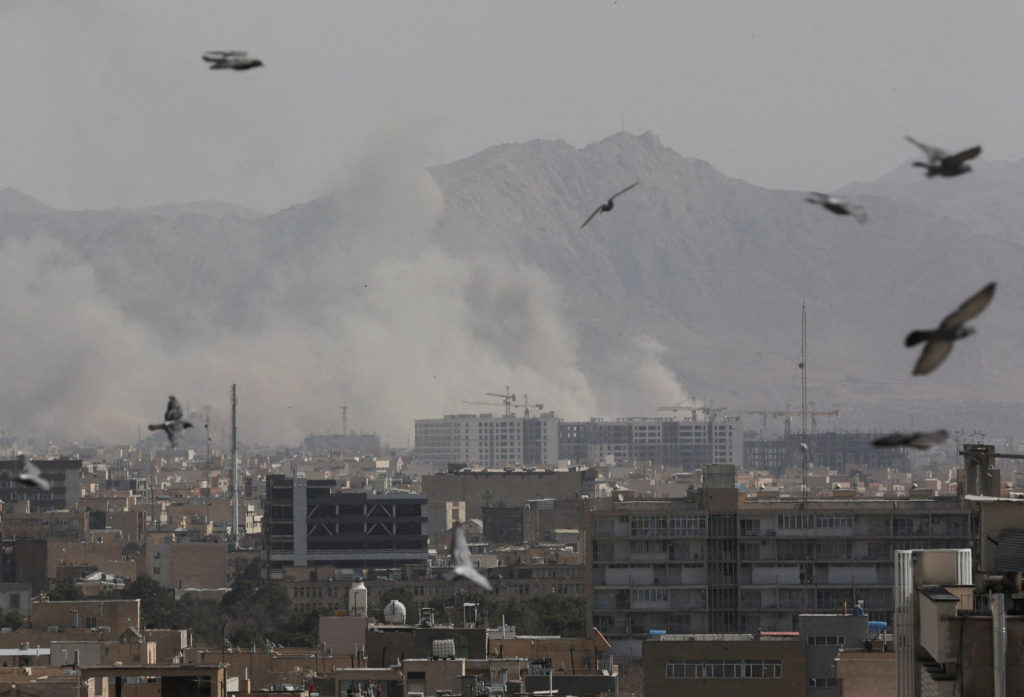
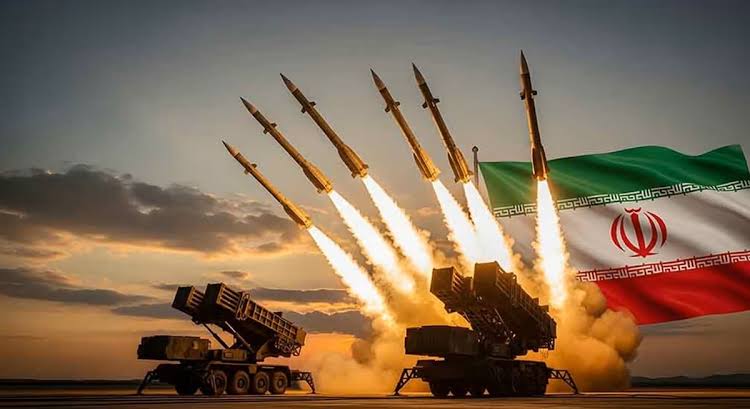
The development follows a series of reported strikes connected to the United States and Israel. Iranian authorities have since pledged a firm response, which has added to fears of further escalation.
Observers say the latest remarks reflect growing concern over a possible expansion of the conflict, as threats continue to intensify between the sides.
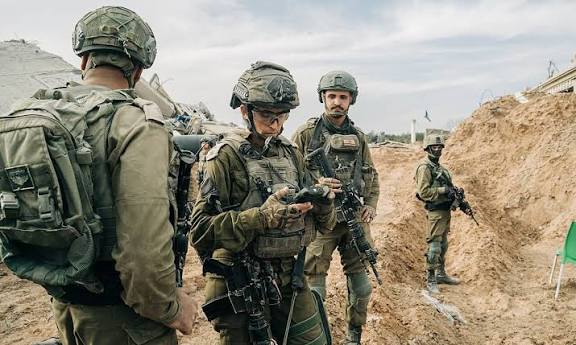
The situation has also been fueled by reports of Israeli operations that led to the killing of senior Iranian officials, which has further deepened hostilities.
Meanwhile, the crisis appears to be drawing in more regional actors. The leader of Yemen’s Houthi Movement, Abdul-Malik al-Houthi, has announced support for Iran in the ongoing confrontation with the United States and Israel.
In a televised address monitored on Friday, Al-Houthi accused Washington of supporting Israel’s military actions in the region. He warned that any US involvement against Iran would be seen as a direct threat to Yemen and the broader “Islamic nation.
“Because he considers it the biggest obstacle in the way of accomplishing his plan,” Al-Houthi said.
He added, “Therefore, any attack or US aggression supporting the Israeli enemy against Iran within the framework of the goal itself, is a throw to empower the Israeli enemy from controlling the entire region. And this is what cannot be silenced.”
The comments mark a notable escalation from the Iran-aligned group, which has previously targeted shipping routes in the Red Sea and launched attacks linked to Israeli interests. Analysts warn that the growing rhetoric and alliances could push the region closer to a wider conflict.