iPhone

Truecaller launches real-time caller ID for iPhone users

By Sabiu Abdullahi

Truecaller, the caller identification and spam-blocking application, has unveiled a new real-time caller ID feature specifically for iPhone users.

In a statement released on Wednesday, the company explained that this feature leverages Apple’s ‘Live Caller ID Lookup’ framework, which was introduced with iOS 18, to securely deliver real-time caller identification services.

The update, according to Truecaller, is a response to persistent user demands for the iOS version of the app to match the functionality of its Android counterpart, while maintaining a strong commitment to user privacy.

Rishit Jhunjhunwala, the CEO of Truecaller, emphasized the significance of the update, stating, “We are excited to bring the full power of Truecaller to iPhone. We see tremendous potential and growth in our iPhone user base, and parity with Truecaller’s Android experience has been top of their wishlist. This update does that and more while preserving privacy for all calling activity.”

Apple also highlighted the innovation in its release notes, stating, “New APIs allow developers like Truecaller to fetch information from their servers and provide live caller ID for incoming calls, in a privacy-preserving way.”

The feature, which became available on January 22, is currently exclusive to premium subscribers. Users can activate it by navigating to settings, selecting the phone option, and enabling call blocking and identification.

Free users, however, can still access specific features such as ad-supported number searches and verified business caller IDs.Truecaller added that the update includes a redesigned interface, with caller names prominently displayed above phone numbers.

The company also disclosed plans to incorporate caller images in future updates to further enhance user experience.

This development marks Truecaller’s first major release since its co-founders, Alan Mamedi and Nami Zarringhalam, stepped down from daily operations in November 2024.
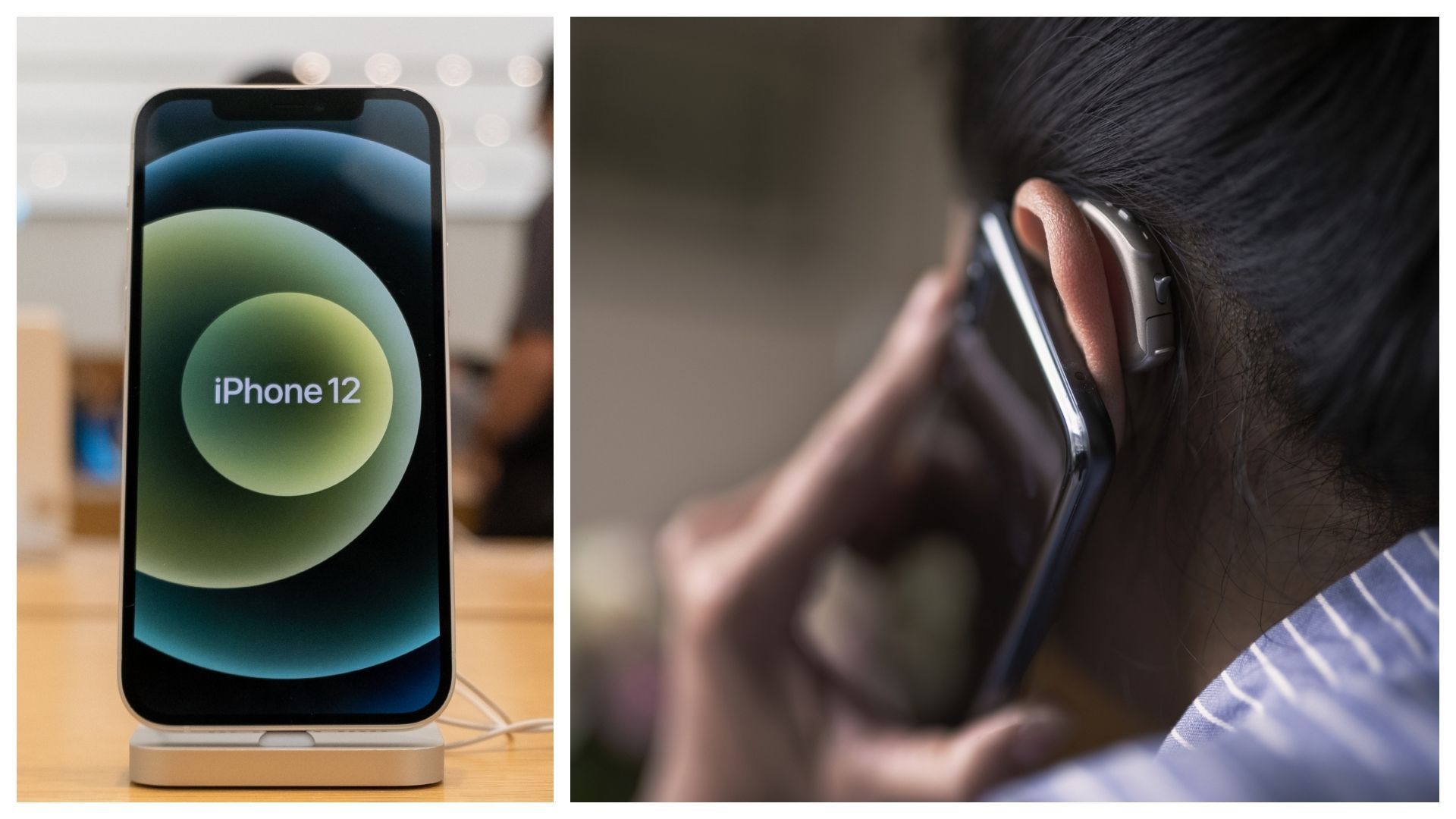
Bad news for Nigeria as France banned iPhone 12

By By Muhammad Ubale Kiru

The recent decision by France to ban the iPhone 12 due to concerns about its radiation emissions has sent shockwaves across the tech world. While this move may seem drastic to some, it reflects a growing global awareness of the potential health risks associated with certain electronic devices. China, too, has taken a stand against iPhones in official capacities, citing national security concerns. 

France’s decision to bar the iPhone 12 from its market underscores its commitment to safeguarding the well-being of its citizens. The government’s primary motive appears to be ensuring that the radiation emitted by these devices does not pose any risks to public health. 

Similarly, China’s decision to restrict the use of iPhones by government officials stems from concerns over data security. The Chinese government has long been cautious about potential espionage activities by foreign entities, and it views certain American technology companies with suspicion.

The big question now is: where will these banned iPhones end up? For many, the answer seems to be Africa, particularly countries like Nigeria. In Nigeria, consumer demand for iPhones remains high, and concerns over radiation emissions are often secondary to the allure of the brand. Additionally, a significant portion of the population may not fully understand the potential health risks associated with radiation.

To shed light on the issue, let’s briefly delve into what radiation is and how it can impact health. Radiation is the emission and propagation of energy in the form of waves or particles through space or a medium. In the context of iPhones, we’re talking about radiofrequency (RF) radiation emitted when the device connects to cellular networks or Wi-Fi. 

Radiation can affect health in several ways:

1. Thermal Effects: RF radiation can cause the heating of body tissues, particularly when a device is held close to the body for extended periods.

2. Non-Thermal Effects: Some studies have suggested potential non-thermal effects of RF radiation, including changes in brain activity, sleep disturbances, and alterations in cell function. While the evidence remains inconclusive, these concerns warrant further research.

3. Cancer: Radiation has been associated with a potential risk of cancer. It can cause DNA damage, mutations in genes, uncontrolled cell growth, and eventually lead to tumor formation. Brain cancer, in particular, has been studied in relation to mobile phone use.

While it may be challenging to change consumer preferences overnight, it is vital to raise awareness about potential health risks associated with certain devices. People should consider their health when making choices about the technology they use daily. 

Furthermore, governments in African nations, including Nigeria, should play an active role in monitoring and evaluating the safety of electronic devices before they enter the market. By adopting stricter standards and conducting thorough assessments, they can better protect their citizens from potential health hazards associated with radiation-emitting devices.

Muhammad Ubale Kiru is a tech enthusiast, social activist and freelancer. He can be reached via muhdujkiru@gmail.com.