Insecurity In Nigeria

No women, no peace: A call for transformation in conflict-prone Northern Nigeria

By Hauwa Mohammed Sani PhD

The phrase “No women, no peace” has become a rallying cry for those who recognise the critical role of women in peacebuilding. Yet, in conflict-prone regions like rural Northern Nigeria, this vision often feels like a distant dream. During my recent visit to communities of displaced women, coinciding with the Ramadan period in March 2025, I witnessed heartbreaking realities. Despite the challenges, I remain convinced that positive change is possible and that women hold the key to it.

My first heartbreak came from witnessing the deplorable conditions in which these women live; hunger, poverty, ignorance, and social exclusion were evident in their lives. 

The second heartbreak occurred when a child fetching water fell into a deep, uncovered well. I have never felt a more profound sense of helplessness. 

Although these women may not be able to read, write, or comprehend my work, this article represents my humble contribution to the society I belong to, with the hope that it will reach the ears and eyes of those it may concern.

As a researcher, I am supported by the Science for Africa (SFA) Foundation in Nairobi, Kenya, and the Carnegie Corporation through the Preparing Outstanding Social Science Investigators to Benefit Lives and Environments in Africa initiative (POSSIBLE Africa) Postdoctoral Fellowship. My research aims to go beyond portraying women as victims to spotlight their potential as active peacebuilders in Northern Nigeria.

The statistics are staggering: In the conflict-prone zones of Northern Nigeria, women and girls suffer disproportionately from conflict, displacement, and violence. They flee their homes, lose their livelihoods, and often face trauma that leaves lasting scars. During my visit, I saw this pain firsthand. The tears I shed were more than emotional; they were a testament to the suffering I witnessed.

It is pathetic to recount that these women’s expectations have shrunk to a single plea: “May the government come to our aid.” When I inquired about their own efforts toward peace, they shared that they engage in regular prayers and fasting. Yet, they feel that their tormentors are always one step ahead because they are often accompanied by clerics. Still, they seek spiritual protection and divine intervention, clinging to faith as their last refuge. 

Some even recounted instances where women, in acts of desperation and courage, pretended to be mentally unstable or “mad”, hoping that such displays might scare off their oppressors, which in many instances worked.

This mindset illustrates the psychological toll of prolonged violence and displacement. Over time, a person’s sense of agency may erode. Many begin to see themselves solely as victims, dependent on external rescue.

But women are not just victims of conflict. They are also agents of change. In some rural Northern Nigeria, women are organising themselves into cooperatives, advocating for their rights, and supporting one another to rebuild their communities and foster peace.

How can we support these women in their quest for peace and development?

Amplify their voices: Provide platforms for storytelling, problem-sharing, and solution-finding, for example, through theatre for development, etc.

Build their capacity: Offer education, psychosocial support, and economic empowerment tools. Address root causes: Confront the structural issues, poverty, injustice, and exclusion that feed cycles of violence.

Healing Collective Traumas: From Erasure to Memory

Violent conflict does not just destroy homes; it scars communities. Healing collective trauma involves:

1. Acknowledgement and Recognition: Validating and recognising the suffering of affected communities.

2. Truth-telling and Documentation: Recording stories and preserving collective memory.

3. Community-Based Initiatives: Promoting healing through solidarity groups and cultural activities.

4. Education and Awareness: Raising understanding to encourage empathy and reconciliation.

Conclusion

“No women, no peace” is more than a slogan. It is a truth we must act upon. Women are essential to peacebuilding, particularly in conflict-prone regions like rural Northern Nigeria. By recognising their voices, supporting their efforts, and addressing the systemic roots of violence, we can build a future where peace is not just possible but sustainable.

Hauwa Mohammed Sani, PhD, is the Deputy Director of the Institute for Development, Research &Training at Ahmadu Bello University, Zaria. She can be reached at hauwamohammedsanim@gmail.com.

Assessing Ribadu’s claim: Has insecurity reduced by 90% in Nigeria?

By Zayyad I. Muhammad

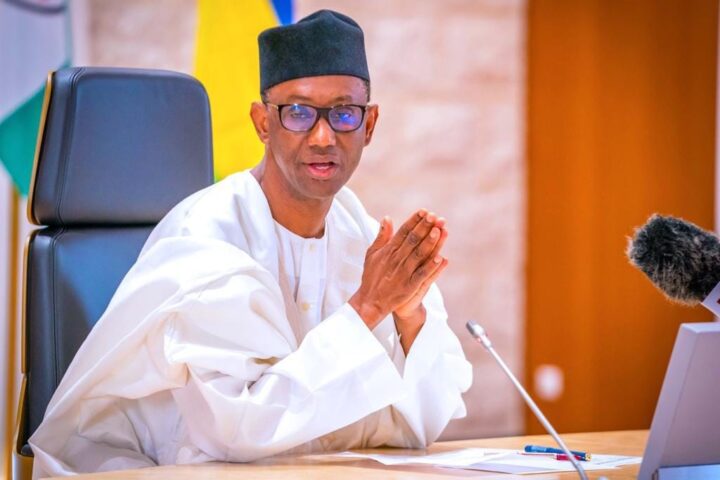
Nigeria’s National Security Adviser (NSA), Mallam Nuhu Ribadu, recently claimed that the country has recorded over 90% improvement in security under President Bola Ahmed Tinubu’s administration. He made this assertion in Jos, Plateau State, during a press briefing following a strategic meeting with the Commander of Operation Safe Haven, Major General Folusho Oyinlola. The meeting was convened after a deadly gunmen attack on the Bokkos community, which tragically claimed the lives of hundreds of residents.

Given the context of recent violence, Ribadu’s statement sparked mixed reactions from across the political spectrum. Critics argue that the NSA’s comments are aimed at shaping public perception as politicking for the 2027 general elections approaches. They view the remarks as part of a broader political narrative to build confidence in the administration. On the other hand, supporters commend Ribadu for leading an effective national security strategy, asserting that the improvements are tangible and worth acknowledging.

However, beyond partisan sentiments and political interests, it is essential to examine Ribadu’s claim from an objective standpoint grounded in verifiable data and realistic context. Security issues are too critical to be reduced to rhetoric, hey must be measured by real outcomes that affect the lives of everyday Nigerians.

Regardless of our political leanings, there have been undeniable improvements in some of Nigeria’s most dangerous zones. For example, the Birnin Gwari–Lagos highway in Kaduna State, which was shut for nearly a decade due to the menace of armed bandits, has now reopened to motorists, especially heavy-duty vehicles that previously avoided the route. The once-abandoned Birnin Gwari cattle market, inactive for over ten years, is now gradually returning to life with commercial activity.

Similarly, the Abuja–Kaduna highway, previously infamous for rampant kidnappings and ambushes, is now operational 24 hrs under constant military and police surveillance. Other major highways, such as the Kaduna–Kano expressway and the Jos–Akwanga–Lafia–Abuja corridor, now also witness 24-hour vehicular movement, marking a sharp contrast to the fear and hesitation that characterized travel in these areas just a few years ago.

Still, it’s important to remember that security is both delicate and dynamic. A full year of relative peace can be overshadowed by a single horrific incident. Groups like Boko Haram, ISWAP, and various bandit factions, such as the Lakurawa and Ansaru cells, still carry out attacks on soft targets in rural and semi-urban areas. While the overall frequency and scale of these attacks may be decreasing, their sporadic nature continues to pose serious challenges.

Between 2022 and 2024, several Nigerian security and intelligence agencies have reported significant gains. The Defence Intelligence Agency (DIA) indicated a 65% reduction in overall crime and criminality nationwide since May 2023. This figure is based on cumulative data from military operations, police reports, and inter-agency assessments.

The Department of State Services (DSS), particularly in the Federal Capital Territory (FCT), recorded a significant decline in high-profile crimes, including kidnappings, armed robberies, and terrorist threats, through 2023 and into early 2024.

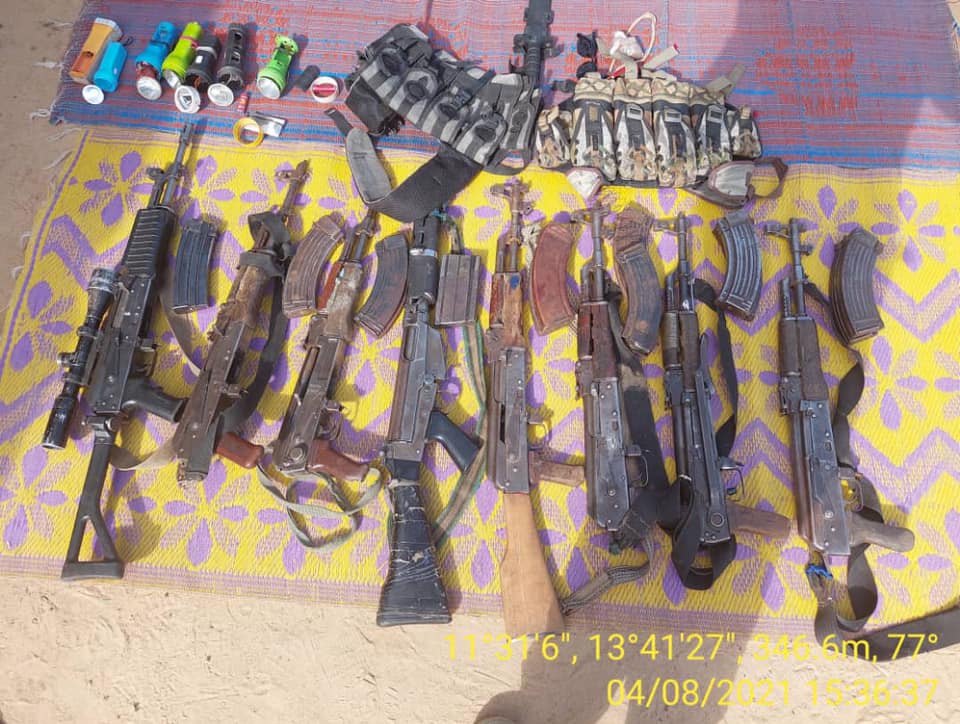
The Nigeria Police Force also published extensive data on its security efforts: between 2023 and early 2024, police operations led to the arrest of 30,313 suspects linked to serious crimes such as kidnapping, armed robbery, cultism, and banditry. In the same period, 1,984 illegal firearms were recovered, along with 23,250 rounds of ammunition. Additionally, 1,581 kidnapped victims were successfully rescued across various states.

The proliferation of small arms and light weapons has long fueled Nigeria’s insecurity. However, between 2022 and 2024, the National Centre for the Control of Small Arms and Light Weapons (NCCSALW) recorded historic achievements. In February 2023, the Centre announced that it had recovered more than 10,000 small arms and light weapons from non-state actors during nationwide disarmament operations. By February 2024, the total number of retrieved weapons had increased to 20,000 firearms and over 60,000 units of ammunition.

Furthermore, in September 2024, the NCCSALW undertook the destruction of 30,132 recovered weapons, ranging from decommissioned and unserviceable arms to illicitly owned firearms.

The Nigerian Armed Forces, particularly the Army, have achieved notable success over the past three years. Between 2022 and 2025, military operations resulted in the neutralization of more than 8,034 terrorists across various theatres of operation, including the North-East, North-West, and North-Central regions. In February 2024 alone, 105 terrorists were eliminated during targeted counterterrorism operations. and 140 capture

A total of 6,376 kidnapped victims were rescued from insurgent enclaves and bandit hideouts in 2024 alone, thanks to joint operations involving the Army, Air Force, and local vigilante groups. These successes have contributed significantly to restoring public confidence in the state’s ability to respond to threats.

Additionally, by December 2024, the Nigerian military had dismantled numerous terrorist camps and degraded the operational capabilities of insurgent groups in several flashpoints. More than 20 high-profile bandit leaders and commanders were eliminated in precision operations, including:

 1. Ali Kachalla (Ƙawaje)

 2. Kachallah Dogo Kwaddi

 3. Lawali Dodo

 4. Ɓoderi

 5. Sani Wala-birki

 6. Kachallah Hana-Zuwa

 7. Damina

 8. Kachalla Sani Dangote

 9. Kachalla Adamu

 10. Halilu Sububu

 11. Baleri

 12. Modi Modi

 13. Kachalla Mai Shayi

 14. Kachalla Tsoho Lulu

 15. Ibrahim Nagure

 16. Kachalla Makore

 17. Bulak

 18. Tukur Sharme

 19. Hassan Ɗantawaye

 20.Ɗan-Isuhu

These names had long terrorised communities, operated illegal taxation systems, and masterminded large-scale abductions. Their deaths signal a turning point in Nigeria’s war against insecurity—at least in the short to medium term.

Critics, supporters, and objective observers alike hold valid perspectives on Ribadu’s claim. Security cannot be judged solely by statistics or isolated incidents—it must be assessed holistically, with a view to sustainability. While it would be inaccurate to declare total victory over insecurity, the data and field reports suggest that Nigeria is making measurable, strategic progress.

As Nigeria continues to grapple with complex internal threats, public expectations remain high. Citizens want not just temporary relief but long-term stability. Ribadu’s statement may be politically timed, but the figures back up his assertion, at least in terms of trend and direction. Whether or not one agrees with the 90% figure, one thing is clear: the tide appears to be gradually turning in favour of the state.

The challenge now is to sustain these gains, institutionalise reforms, and ensure that security is perceived and lived by every Nigerian in every part of the country.

Zayyad I. Muhammad writes from Abuja via zaymohd@yahoo.com.

March 2025 Intelligence and Anti-Graft Report: Escalating threats, assertive crackdowns, and the battle against corruption 

By Haroon Aremu

No doubt, this outgoing month (March 2025) has witnessed a troubling escalation of banditry, kidnappings, and overall insecurity across Nigeria. Despite relentless efforts by security agencies, the wave of violence continues to rise, posing a severe threat to national stability. 

The series of abductions and deadly attacks in Zamfara, Niger, Imo, and Katsina states underscore the urgent need for more aggressive and strategic security measures. This trend is particularly concerning as the country enters a festive period, historically marked by heightened criminal activity.

While the Office of the National Security Adviser (ONSA), in collaboration with the Department of State Services (DSS) and the National Intelligence Agency (NIA), has made progress in intelligence gathering and security coordination, a more technology-driven approach is necessary. 

In the same vein, ONSA’s strategic partnerships with the Nigeria Customs Service, the National Agency for Food and Drug Administration Control (NAFDAC), and the Central Bank of Nigeria (CBN) in tracking illicit financial flows and curbing arms smuggling are commendable. However, dismantling criminal networks before they strike requires a more proactive and intelligence-led response.

On the other hand, the DSS has played a crucial role in safeguarding internal security throughout March, tackling numerous threats and reinforcing its commitment to national safety. However, its reputation has come under scrutiny following multiple reports of officer misconduct and press intimidation. 

For instance, a widely circulated incident in Abia State showed a DSS officer physically assaulting a police officer, raising concerns about discipline and inter-agency cooperation. Such conflicts highlight the need for structured conflict resolution mechanisms within security forces.

Another pressing issue is the DSS’s handling of journalists. While national security remains paramount, officers must operate within the boundaries of press freedom. The harassment of journalists in Abuja during the Nnamdi Kanu court proceedings and the controversial detention of a reporter in Jos have sparked concerns about press repression. In a democracy, the public’s right to access information must be upheld, and security agencies must balance national security interests with the protection of journalistic freedoms.

Despite these concerns, the DSS has taken commendable steps to defend its integrity. Major newspapers, including Punch, Blueprint, The Guardian, and Tribune, recently issued public apologies for misreporting the Lagos State Assembly invasion, reinforcing the agency’s stance against misinformation. 

However, while protecting its credibility, the DSS must ensure that its officers uphold professionalism in their interactions with the media, fostering a balanced relationship between security and press freedom.

Subsequently, the Economic and Financial Crimes Commission (EFCC) intensified its anti-corruption campaign throughout March, securing multiple arrests, arraignments, and asset forfeitures. The agency has cracked down on major financial crimes, exposing fraudulent schemes and recovering stolen funds. 

However, its operations have also faced criticism for alleged human rights violations. A recent raid in Lagos, which left schoolchildren stranded after EFCC operatives stormed their neighborhood, sparked national outrage. While enforcing anti-corruption laws is crucial, operations must be conducted in a way that does not unduly disrupt the lives of innocent citizens.

A growing concern is the infiltration of foreign fraud syndicates, particularly those involving Chinese and Filipino nationals, who have been implicated in elaborate financial crimes within Nigeria. The EFCC must intensify its collaboration with international anti-fraud agencies to dismantle these networks and prevent Nigeria from becoming a safe haven for global financial criminals, a concern previously raised by the EFCC chairman.

One of the most notable developments in March was the government’s decision to use recovered looted funds to finance the student loan scheme. While widely applauded, stringent accountability measures must be implemented to prevent mismanagement. As this policy offers much-needed relief to students facing financial burdens, transparency must be prioritized to avoid repeating past mistakes.

The Independent Corrupt Practices and Other Related Offences Commission (ICPC) has also been active in the fight against corruption, securing key arrests and launching several investigations into public sector fraud. Its recent probe into fraudulent procurement contracts worth billions of naira reinforces its commitment to exposing corruption at the highest levels. However, to maximize impact, the ICPC and EFCC must strengthen their partnership, ensuring a more coordinated and formidable approach to tackling corruption.

Another alarming revelation in March involved the mismanagement of public funds within government ministries, departments, and agencies (MDAs). Investigations exposed how billions meant for public projects were misappropriated, depriving citizens of critical services. While the ICPC’s swift intervention in these cases is commendable, Nigerians demand more than just arrests—they want convictions and asset recoveries that send a strong message to corrupt officials.

Notwithstanding, March 2025 has been a defining month for Nigeria’s intelligence and anti-graft agencies. As the nation moves into April, Nigerians expect these agencies to reinforce their commitments, refine their strategies, and uphold the principles of justice, transparency, and accountability. The battle against insecurity and corruption is far from over, but it must be fought with precision, fairness, and an unwavering dedication to national progress.

Haroon Aremu Abiodun is an author and a fellow of PRNigeria. He wrote via exponentumera@gmail.com.

Addressing Nigeria’s insecurity crisis 

By Fatima Dauda Salihu

Nigeria is a beautiful country with diverse cultures and vibrant people. Unfortunately, insecurity has become a significant problem in recent years, causing many to live in fear and struggle to access essential services. 

Despite being culturally rich and endowed with abundant mineral resources, Nigeria struggles with insecurity primarily due to negligence by the government and its citizens. Nigeria faces insecurity challenges across all six geopolitical zones. This insecurity takes various forms, including insurgency, terrorism, communal clashes, banditry, kidnapping, and piracy, and is fuelled by deep-rooted socio-economic, ethnic, and religious tensions.

The consequences of insecurity in Nigeria are dire, leading to displacement of communities, loss of livelihoods, economic stagnation, human rights abuses, and psychological trauma.

Effective governance is critical in addressing insecurity. The government must provide leadership, resources, and policy direction to tackle insecurity. Citizens also have a vital role to play by engaging in community policing, reporting suspicious activities, and promoting tolerance. 

The private sector can also contribute by investing in security initiatives and socio-economic development projects. Civil society organisations can advocate for policy changes and community empowerment. We can restore peace, stability, and prosperity to Nigeria by working together.

Strengthening institutions and promoting good governance, investing in education, enhancing security infrastructure and capacity building, promoting community engagement and conflict resolution, and addressing socio-economic inequalities can help mitigate if not. 

In conclusion, addressing the challenge of insecurity in Nigeria requires a holistic and multifaceted approach that encompasses effective governance, community engagement, strategic coordination among security agencies, and long-term investments in education and socio-economic development.

Ultimately, Nigeria’s future depends on our collective ability to address insecurity and promote peace, stability, and development. We owe it to ourselves, our children, and future generations to take action and create a better Nigeria.

Fatima Dauda Salihu wrote from Bayero University, Kano

Insecurity: A growing concern in Nigeria

By Zainab Abubakar Abba

Nigeria, Africa’s most populous nation, has been grappling with insecurity for decades. The country’s protracted conflicts, terrorist attacks, and banditry have led to widespread displacement, forcing millions to flee their homes in search of safety.

The Boko Haram insurgency, which began in 2009, has ravaged the northeastern region, particularly the Borno, Yobe, and Adamawa states. The terrorist group’s relentless attacks on civilians, schools, and religious institutions have resulted in unprecedented displacement. According to the United Nations High Commissioner for Refugees (UNHCR), over 2.5 million people have been internally displaced in Nigeria, with the majority being women and children.

In addition to Boko Haram, banditry and kidnappings have become rampant in various parts of the country. The northwestern states of Zamfara, Kaduna, and Katsina have borne the brunt of these attacks, with thousands forced to flee their homes. The Nigerian government’s inability to curb these security threats has exacerbated the displacement crisis.

The consequences of displacement are far-reaching. Internally displaced persons (IDPs) face immense challenges, including loss of livelihoods, inadequate shelter, food insecurity, psychological trauma, and lack of access to education. Many IDPs have abandoned their farms, businesses, and livelihoods, leading to economic instability. Overcrowded and unsanitary IDP camps have become breeding grounds for diseases.

The Nigerian government has established the National Commission for Refugees, Migrants, and Internally Displaced Persons (NCFRMI) to coordinate relief efforts. However, critics argue that the government’s response has been inadequate, citing insufficient funding, ineffective security measures, and a lack of durable solutions.

The international community has provided significant humanitarian aid, but more needs to be done to address the root causes of displacement. The United Nations, European Union, and other organisations have provided emergency assistance, supported peace-building initiatives, and advocated for policy change.

Nigeria’s insecurity has resulted in one of the largest displacement crises in Africa. The government, international community, and humanitarian organisations must work together to address the root causes of conflict and insecurity, provide durable solutions, and ensure accountability. The situation demands collective action to stem the tide of displacement and ensure the safety and dignity of Nigeria’s citizens.

Zainab Abubakar Abba wrote from the Department of Mass Communication, Bayero University, Kano.

Arms proliferation and the Nigerian security forces

By Zayyad I. Muhammad

Mallam Nuhu Ribadu, the Nigerian National Security Adviser, stated during an arms destruction exercise organised by the National Centre for the Control of Small Arms and Light Weapons (NCCSALW) that many of the illicit weapons currently used by terrorists and bandits originally belonged to the Federal Government of Nigeria. 

Ribadu’s revelation may not surprise those familiar with the complexities of Nigeria’s security challenges, but it is both new and alarming to the average Nigerian.  

For many, the realisation that those entrusted with their protection are selling weapons to terrorists, insurgents, and bandits is deeply unsettling. This issue demands a coordinated and strategic response. However, Mallam Nuhu assured us that steps and measures have been taken to resolve this. 

But the big questions remain: Are these measures yielding sustainable results? What motivates or drives a security agent to sell weapons to terrorists and bandits, fully aware that they may become the first target of those very weapons? 

Nuhu Ribadu stated, “The worst human being is a policeman or soldier who takes weapons from his unit and sells them or hides them for criminals to use against his colleagues.” This is true; however, additional measures are needed beyond what the NSA has mentioned to address this issue. These should include improved welfare and salaries for security personnel, enhanced training, and stronger supervision. It’s important to consider that the actions of some security officers may not be solely motivated by money but by radicalisation or frustrations. 

Nigeria must prioritise the use of technology in its fight against insurgency, terrorism, and banditry, as the world has moved beyond relying solely on boots on the ground. It is crucial to employ technology to address these challenges, including implementing chips or inbuilt devices to track and attach every weapon assigned to the officer responsible for it. 

Despite the few rogue elements within the security forces who recklessly jeopardise their lives and those of their colleagues and families by exchanging their weapons for peanuts, we must commend the majority of Nigeria’s dedicated soldiers, police officers, and other personnel who are actively working to recover illicit arms and eliminate corrupt practices within the security forces. 

On the other hand, sabotage by rogue elements within security forces is not unique to Nigeria; many countries have faced situations where insurgency, terrorism, or banditry were exacerbated by these elements selling arms to militant groups.

In Yemen, amid its civil war, there have been instances of arms diversion by corrupt individuals within the security apparatus. Weapons intended for the national army have ended up in the hands of Houthi rebels and various militant groups. 

Similarly, during the conflict with ISIS in Iraq, reports emerged of Iraqi security forces losing control of arms depots or selling weapons to militant groups. Somalia has seen similar issues in its battle against al-Shabaab, where government and security officials were accused of selling or diverting weapons to the very militants they were fighting. 

Another notable example is Libya. Following the fall of Muammar Gaddafi in 2011, the country descended into chaos, with various factions and militias vying for control. Weapons from government stockpiles, as well as arms supplied by international actors, were sold or transferred to militias and insurgent groups, further escalating the violence. In the Democratic Republic of Congo (DRC), armed groups have long been involved in the conflict, with reports indicating that elements within the military and police forces have sold weapons to these groups.

For any country grappling with the involvement of its security forces in the sale of weapons to insurgents, terrorists, and bandits, factors such as selfishness, corruption, and complicity within these forces play a significant role. Additionally, weak institutions and inadequate oversight have further exacerbated the problem. 

 Zayyad I. Muhammad writes from Abuja via zaymohd@yahoo.com.

Insecurity and night travel in Nigeria

By Zayyad I. Muhammad

Many Nigerians are hesitant to travel at night, especially along routes considered red zones, due to security challenges, such as banditry and kidnappings. 

On Friday, September 1, 2024, we missed our flight from Yola to Abuja. The next day, Saturday, September 2, 2024, we embarked on an adventurous road trip from Yola to Abuja. We left Yola early, around 6 a.m., and reached the village of Lafiya Lamurde a few minutes before 8 a.m. Lafiya Lamurde is about 90 km away from Yola.

There, we encountered a security roadblock with several vehicles parked. Every Saturday is sanitation day in Adamawa State, so we had to wait until 10 a.m. when normal activities would resume. However, the road was opened 15 minutes earlier, at 9:45 a.m., allowing us to continue our journey toward Gombe.

A few kilometres before reaching Gombe, we had a flat tyre caused by our driver’s reckless overtaking on a sharp bend. An articulated vehicle had broken down on the road, and our truck struck some rocks while swerving to avoid it. We stopped to change the tyre, only to discover that there was neither a jack nor a wheel spinner in the car. Fortunately, the vehicle driver we had overtaken sensed the danger and stopped to assist us. With his help, we changed the tyre and continued to Gombe, where we bought a new tyre, visited acquaintances, and proceeded toward Bauchi.

We arrived in Bauchi around 3:30 p.m. After stopping at a fuel station to refuel the car, we took a break to perform our Zuhr and Asr prayers and had some small snacks. When we were ready to resume our journey, the vehicle refused to start. We initially thought it was a fuel pump issue, but after an electrician checked the car, he confirmed the fuel pump was OK. Suspecting an electrical fault, we called a mechanic, who determined the issue was actually with the timing chain. As it was approaching 6 p.m., we realised the car needed to be towed to a mechanic’s workshop for repairs.

With a morning meeting scheduled in Abuja, we hired a commercial vehicle for ₦70,000 to take us from Bauchi to Abuja. We left Bauchi just before 7 p.m., and it was already dark and raining when we reached Jos. Our driver mentioned that the road from Jos City to the famous “forest” was in poor condition.

From Jos, it was already past 8 p.m., and it was raining—we had embarked on a night journey, something many Nigerians try to avoid. Our journey from the famous “forest” to Abuja via Akwanga and Keffi was adventurous and surprisingly exciting. Despite the late hours and rain, there was heavy traffic and numerous security checkpoints.

We noticed that the checkpoints were strategically positioned, spaced a few kilometres apart. Some were manned by the military, others by the police, and some by civil defence officers. Additionally, we observed routine patrols by the army and the police, with some military patrols even using motorbikes. 

We must commend the security agencies—the heavy traffic was likely a result of people feeling assured by the strong presence of checkpoints. However, we also noticed the presence of local tax collectors operating on the road, even though it was late at night.

Transportation experts note that night journeys by road offer unique experiences: quieter roads, cooler temperatures, time efficiency, and even scenic beauty. However, they also come with challenges such as limited visibility, driver fatigue, and a heightened risk of accidents.

Our night journey from Bauchi to Abuja, which lasted from 7 p.m. to 2 a.m. via Jos, Akwanga, and Keffi, was exciting and adventurous. The security presence was excellent—kudos to the office of the National Security Adviser and all the security agencies. The heavy traffic reflected people’s confidence in the safety of the route. However, many sections of the road were in poor condition, which remains a concern.

Zayyad I. Muhammad writes from Abuja zaymohd@yahoo.com.

Tinubu and efforts at addressing insecurity

By Kabir Fagge Ali

Sir, Nigeria has been plagued by various security challenges for over a decade, including insurgency, banditry, kidnapping, and separatist agitations. Despite high expectations from President Bola Ahmed Tinubu’s administration, the situation has deteriorated further, with increased abductions and ransom demands. According to a recent report, 3,707 citizens have been killed and 3,238 abducted between May 2023 and now.

The worsening security situation can be attributed to several factors, including under-resourced and poorly equipped security forces, corruption, high unemployment, poverty, weak governance structures, and a lack of political will.

However, it is encouraging to note that President Tinubu’s administration is adopting a comprehensive approach to address insecurity through the Office of the National Security Adviser (ONSA), Mallam Nuhu Ribadu. The strategy focuses on strengthening security forces, enhancing intelligence capabilities, and fostering regional and international collaboration.

According to the feeler from ONSA, the administration has increased funding and provided modern equipment and comprehensive training programs to enhance the operational capacity of the military, police, and other security forces.

Additionally, we were told that the administration has prioritised addressing economic factors contributing to insecurity, investing in education, healthcare, and job creation to mitigate the underlying causes of crime and violence. Efforts to combat corruption within the security sector have also been intensified, and regional security cooperation has been enhanced through diplomatic engagements with neighbouring countries.

I strongly believe that a comprehensive and multifaceted approach is required to effectively address Nigeria’s security challenges. This includes reforming and adequately equipping security agencies, enhancing accountability, investing in economic development programs, building trust between security forces and local communities, establishing effective mechanisms for resolving disputes, and implementing judicial reforms.

The government must also demonstrate strong political will, consistent policies, adequate funding, and transparency. Citizens must also recognise that security is a collective responsibility, not just the responsibility of security forces.

It is indisputable that President Tinubu’s administration has shown a commitment to addressing insecurity. Still, more must be done to restore public trust and confidence in the government’s ability to protect the nation. With a comprehensive approach and collective effort, Nigeria can overcome its security challenges and ensure peace and stability for its citizens.

Kabir Fagge Ali, a youth corps member with PRNigeria Centre, wrote via faggekabir29@gmail.com.

Military can end Nigeria’s security crisis

By Uzair Adam Imam

Former Minister of Defence and National Leader of the New Nigeria People’s Party (NNPP), Sen. Musa Kwankwaso, has emphasized the capability of the military to effectively address the prevailing security challenges in Nigeria, provided with the requisite support.

Speaking to journalists after the NNPP National Executive Committee meeting in Abuja, Kwankwaso underscored the pivotal role of the Federal Government in addressing the security crisis while urging Nigerians to actively contribute by providing crucial information to security agencies.

Drawing from his extensive experience in security matters as a former Minister of Defence and Chief Security Officer of Kano State, Kwankwaso emphasized that the gravity of the situation necessitates the involvement of the Nigerian military.

He stressed that alternative security measures, such as state-led initiatives, fall short of addressing the magnitude of the crisis.

Highlighting the dire consequences of the security challenges, including disruptions to agricultural activities and rampant abduction of innocent civilians, Kwankwaso urged collective efforts towards restoring peace and security in the country.

Asserting his party’s readiness to tackle the nation’s problems, Kwankwaso positioned the NNPP as a beacon of hope for Nigerians disillusioned by the failures of the All Progressives Congress (APC) and the Peoples Democratic Party (PDP).

Echoing Kwankwaso’s sentiments, Kano State Governor Abba Yusuf urged unwavering dedication among party members, emphasizing the need for wholehearted commitment to the NNPP’s vision for a better Nigeria.

Nigeria’s Insecurity: Do state police have the magic wand?

By Kabir Ali Fagge

In Nigeria, security has long been a topic of paramount concern. The efficacy of law enforcement agencies, particularly the Nigeria Police Force (NPF), has often been scrutinized in the face of escalating crime rates and challenges to public safety.

One proposed solution that has garnered significant attention is the establishment of state police forces. The history of policing in Nigeria is marked by a series of reforms and challenges. Since Nigeria’s transition to democratic rule in 1999, the Nigerian police have undergone various reforms in an attempt to address issues within the force.

These reforms have been a response to the need for more effective law enforcement mechanisms to combat rising crime rates and insecurity in the country.

We all know that the Nigerian police force has a long history of facing criticism for unprofessional conduct, corruption, and the use of excessive force.

Nigeria inherited a centralized police structure modelled after the British system. The Nigeria Police Force (NPF) operated under federal jurisdiction and was tasked with maintaining law and order throughout the nation.

State Police, on the other hand, entails the decentralization of law enforcement authority, granting individual states within a federal system the power to establish and manage their own police forces.

Under this model, states would have the autonomy to address security issues specific to their regions, tailoring law enforcement strategies to local needs and priorities.

Proponents argue that state police can foster greater community engagement, enhance responsiveness to local concerns, and improve overall security outcomes.

The existing centralized police system has faced criticism for its inability to effectively address the security concerns of the diverse Nigerian population.

The call for state police stems from the need for a more localized approach to law enforcement that can better cater to the specific security needs of different regions within Nigeria.

Establishing state police in Nigeria is a significant step that requires a thorough understanding of global policing practices. While the centralized police system is predominant in many countries, there are instances of decentralized policing models.

For example, Municipal Police in France, Municipal Law Enforcement Officers in the Netherlands, and Police Community Support Officers in England and Wales represent non-police uniformed state officers in a decentralized system.

Comparative analyses of policing in countries that have undergone political or social transitions, such as Russia, Brazil, and China, highlight the importance of understanding the contextual factors that shape policing practices. Confidence in the police varies across different countries, with Taiwan ranking among the top one-third globally, indicating variations in public perceptions of law enforcement; therefore, those who argue that the establishment of state police is not out of place.

Community policing, actively conducted in countries like South Africa, Northern Ireland, and Sierra Leone, emphasizes the importance of engaging communities in maintaining public safety. However, the effectiveness of community policing initiatives can vary based on each country’s socio-political context.

While some countries prioritize individualism and minimal government intrusion in policing, others focus on collective well-being through law and order.

I think what Nigerians want to know is how is state policing going to be any better than the current system of policing in Nigeria.

According to pundits, the establishment of state police in Nigeria promises to bolster security at the grassroots level. State police forces, attuned to the unique security dynamics of their regions, can enact targeted measures for more efficient crime prevention and control.

This localized approach fosters stronger community engagement and enables proactive responses to emerging threats, ultimately ensuring safer environments for all. Such reforms hold the potential to significantly enhance law enforcement’s effectiveness and responsiveness across the nation.

State police deployment within local communities will supposedly ensure swift emergency responses, curtailing intervention time in critical situations. By having officers stationed close to the areas they serve, the state police can swiftly address emergencies, thereby enhancing public safety.

This proximity allows for immediate action, minimizing the potential impact of crises on communities. Such rapid responses underscore the effectiveness of localized law enforcement in ensuring timely assistance during emergencies.

State-level oversight of law enforcement ensures accountability and transparency, as state governments are directly answerable to their constituents. This close supervision fosters trust between law enforcement agencies and the communities they serve, enhancing transparency in operations.

By holding state authorities accountable, citizens can have greater confidence in the integrity of policing practices, ultimately strengthening democratic principles. Such measures reflect a commitment to upholding transparency and accountability within Nigeria’s law enforcement framework.

State police possess the flexibility to tailor strategies and allocate resources according to local needs, enhancing their ability to address emerging threats and crime trends. This adaptability ensures a dynamic response to evolving security challenges, bolstering effectiveness in crime prevention and control.

We must also look at some disadvantages posed by the governors to establish the State Police. Firstly, Critics warn of the potential for abuse of power with decentralized policing, citing concerns about corruption, political interference, and violations of human rights at the state level. This apprehension underscores the importance of establishing robust oversight mechanisms to safeguard against misuse of authority and uphold the rule of law.

Addressing these challenges is crucial to ensure that decentralization efforts in policing prioritize accountability and respect for human rights, thereby fostering trust and confidence in law enforcement institutions. Such vigilance is essential to maintain the integrity and effectiveness of state police forces in Nigeria.

Fragmentation of law enforcement across states presents coordination challenges in tackling transnational crimes and upholding national security. This underscores the need for seamless collaboration and information-sharing mechanisms among state police forces.

Effective coordination ensures a unified approach to combating cross-border criminal activities, safeguarding Nigeria’s territorial integrity and public safety. Addressing these challenges is paramount to fostering synergy and maximizing the effectiveness of law enforcement efforts nationwide.

Unequal resource allocation among states may hinder smaller or economically disadvantaged regions from adequately funding and equipping their police forces, leading to discrepancies in law enforcement capabilities.

The establishment of state police carries constitutional and legal implications, necessitating amendments and legislative frameworks to define the powers, jurisdiction, and duties of state and federal law enforcement entities.

This underscores the importance of comprehensive legal reforms to ensure clarity and coherence in the division of responsibilities between different levels of law enforcement.

The debate surrounding the establishment of state police in Nigeria is multifaceted, reflecting the complex interplay of security, governance, and constitutional considerations.

While proponents argue that decentralization can lead to more responsive and accountable law enforcement, sceptics raise concerns about the potential for abuse of power and operational challenges.

Ultimately, any decision to implement state police must be carefully weighed against its potential benefits and drawbacks, with a keen focus on enhancing security while upholding the principles of justice and democracy.

Kabir Fagge Ali is a youth corps member with PRNigeria Centre and wrote via faggekabir29@gmail.com.