House of Representatives

Open Letter to Hon. Aminu Sulaiman Goro: A call to return to your roots and serve the good people of Bagwai

By Bagwai LGA Concerned Forum

Dear Hon. Comrade Aminu Sulaiman Goro,

We write to you with great respect and admiration for your outstanding service to the good people of Fagge Federal Constituency over the past 12 years. Your tenure as a member of the House of Representatives has been nothing short of transformative, marked by unparalleled achievements in job creation, infrastructure development, education, and empowerment for women and youth. Your accessibility, humility, and dedication to grassroots politics have set a benchmark for leadership in Kano State and beyond.


While we celebrate your remarkable legacy in Fagge, we, the Concerned Forum of Bagwai Local Government, humbly call upon you to return to your roots—Rimin Dako, your ancestral town and one of the 10 wards that constitute Bagwai Local Government—to extend your transformative leadership to your place of origin. Bagwai has long suffered from poor governance, inadequate representation, and the mismanagement of its abundant human and natural resources by selfish and incapacitated leaders. Our people yearn for a leader of your calibre—one who is proven to be compassionate, and capable of turning challenges into opportunities.


Your return to Bagwai would not only bridge the gap of quality representation but also allow you to replicate and expand upon the successes you achieved in Fagge. Imagine the impact of your empowerment programs, educational initiatives, and infrastructure projects in a community that has been neglected for far too long. Bagwai is ripe for development, and your wealth of experience, influence, and unwavering commitment to service can ignite the change we desperately need.


Honourable Sir, we urge you to share your leadership with Bagwai, where your journey began in Rimin Dako. By answering this call, you will not only uplift your homeland but also cement your legacy as a true statesman who served his people at every level.


The time is now. Bagwai awaits you with open arms and high hopes. Come home, Hon. Goro, and let us build a brighter future together.

Signed:

Habibu Dan’ana
For: Bagwai LGA Concerned Forum
Kano State
Reps propose quota seats for women, PWDs in constitution review

By Abdullahi Mukhtar Algasgaini

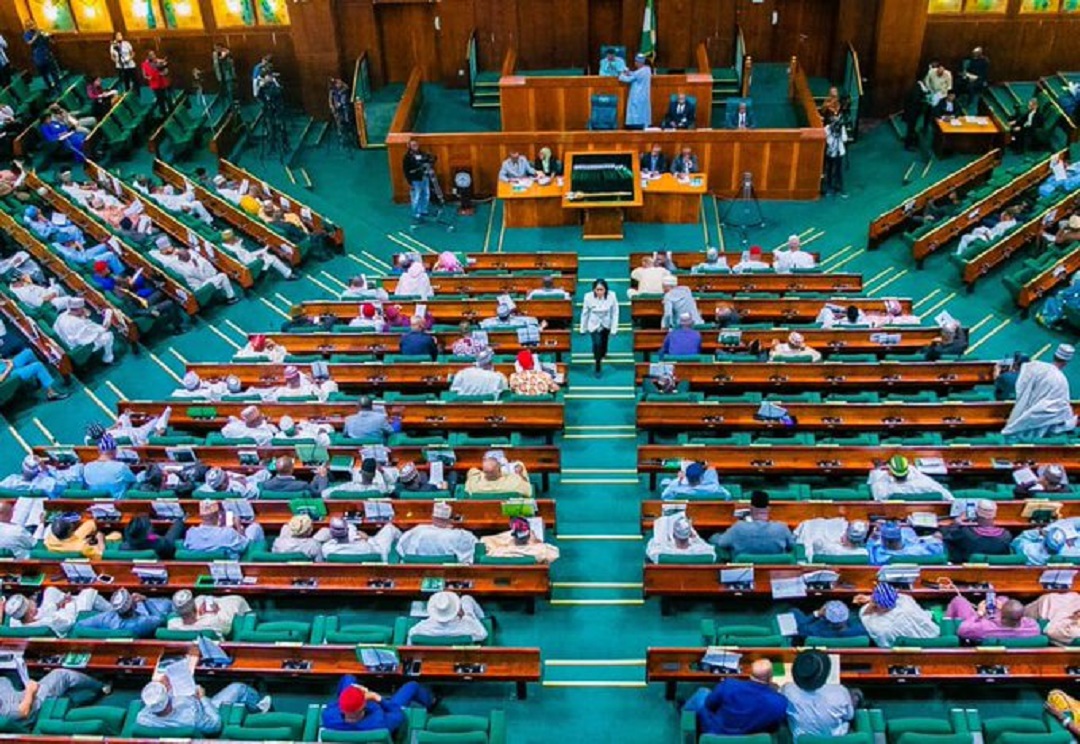
In a significant move towards inclusive governance, the House of Representatives is proposing the creation of 82 reserved seats in the National Assembly specifically for women and Persons with Disabilities (PWDs) as part of the ongoing constitutional amendment process.

Speaker of the House, Rt. Hon. Tajudeen Abbas, announced the proposal on Tuesday during the 2nd Legislative Open Week in Abuja.

The plan allocates 55 reserved seats within the House of Representatives and 27 in the Senate.

Under the proposal, 10% of National Assembly seats would be reserved for women and 5% for PWDs.

Abbas stated that the reserved seats for women would be filled through direct elections on separate ballots.

Seats reserved for PWDs would be filled via nominations from accredited advocacy organisations, also through direct elections.

He framed the reform as essential to correct “decades of gender imbalance,” highlighting the stark underrepresentation of women since independence.

“At independence, women held less than 1% of seats. Today, it has barely moved,” Abbas noted, pointing to countries like Rwanda and Senegal as examples where quotas have significantly boosted women’s representation.

The proposal is among 109 constitutional amendment bills currently under consideration by the House.

Other key areas of reform include elections, judicial processes, and fiscal accountability.

Speaker Abbas also provided an overview of the 10th Assembly’s legislative output, revealing that 2,263 bills have been introduced so far, with 55 already signed into law.

Notable enacted legislation includes the Student Loan Act and the amended Electricity Act.

On public engagement, Abbas reported that the House has received 621 citizen petitions.

Of these, 24 have been resolved, 30 dismissed, and 567 remain under consideration.

Senate President Godswill Akpabio, who also addressed the Open Week, commended the House’s legislative strides and pledged the Senate’s support for collaborative efforts.

He announced plans for a joint National Assembly Open Week and expressed concern over the high turnover rate of legislators, which he said negatively impacts institutional memory.

Former Speakers Yakubu Dogara and Patricia Ette urged current lawmakers to deepen public engagement and uphold accountability.

Speaker Abbas concluded by assuring that the 10th House remains committed to “inclusive and responsive lawmaking” and strengthening collaboration with the executive branch to deliver results for Nigerians.

Nigeria’s porn ban: A distraction from real issues

By Abdulhamid Abdullahi Aliyu

The Nigerian House of Representatives has directed the Nigerian Communications Commission (NCC) to block all pornography websites, arguing that adult content is fueling moral decay in the country.

Lawmakers behind the move claim it is necessary to protect societal values, but many Nigerians are asking: With all the pressing challenges facing the nation, is this the priority?

At a time when the cost of living is unbearable, insecurity is rampant, and unemployment continues to frustrate millions, banning pornography feels like a classic case of misplaced focus.

There is no doubt that pornography is a controversial topic, especially in a country as religious and conservative as Nigeria. Many believe it is a moral threat, linking it to addiction, broken homes, and declining values among the youth. But is an outright ban the solution?

If the government is genuinely concerned about morality, should it not focus on improving education, strengthening family values, and addressing the root causes of social vices? What about the rising cases of drug abuse, internet fraud, and sexual exploitation—issues that demand urgent action?

It is often easier for politicians to push symbolic laws than to tackle society’s deeper problems. But morality cannot be legislated; it is shaped by economic stability, good governance, and proper education.

Even if we assume the government is serious about this ban, another question arises: Can it actually be enforced? Countries like India, Indonesia, and China have attempted similar restrictions, only for people to bypass them with VPNs and other simple workarounds.

Nigeria, with its millions of tech-savvy youths, will be no different. At best, this ban will be a temporary roadblock; at worst, it will push the industry underground, making regulation even more difficult.

What is most concerning is the potential for this move to set a dangerous precedent for internet censorship in Nigeria. Today, it is pornography. Tomorrow, it could be news websites, social media platforms, or even political activism.

If the government can dictate what people access online, what stops it from controlling other forms of content? Where does it end?

Beyond the moral and censorship debates, an outright ban could also have unintended economic consequences. Nigeria’s creative and tech industries thrive on the internet’s openness.

Restrictions like this could discourage investment in the digital space. Besides, history has shown that banning something does not eliminate demand—it simply drives it underground.

This move may just create a bigger mess instead of solving anything. If the real concern is protecting children and upholding values, there are smarter ways to achieve this.

Many developed countries regulate adult content through strict age verification, parental control mechanisms, and public awareness campaigns. A more effective approach would involve educating young people about digital responsibility, empowering parents with monitoring tools, and addressing the economic and social conditions that contribute to moral decline.

With the economy in crisis, insecurity worsening, and corruption still unchecked, is banning pornography really what Nigerians need right now?

This is not to suggest that pornography is beneficial or free of consequences. However, governance revolves around priorities. A country that is struggling to feed its people should not waste energy on internet policing.

Nigeria’s progress will not depend on what it bans but rather on how effectively it addresses the fundamental issues that hold it back.

And unfortunately, a porn ban does nothing to fix them.

Abdulhamid Abdullahi Aliyu, an NYSC serving corps member, writes from the Center for Crisis Communication (CCC) in Abuja. 

No proposal for new states meets constitutional requirements—Deputy Speaker

By Uzair Adam

The Deputy Speaker of the House of Representatives, Hon. Benjamin Kalu, has disclosed that none of the 31 proposals submitted for the creation of new states in Nigeria met the constitutional requirements.

Speaking at the opening of a two-day retreat for members of the Constitution Review Committee in Ikot Ekpene, Akwa Ibom State, Kalu, who also serves as the chairman of the committee, revealed that over 200 bills seeking amendments to the 1999 Constitution had been received.

He stated that while some of the proposed amendments had reached the second reading stage, others were still at the first reading.

According to him, the retreat aimed to review the bills, incorporate expert input, familiarize members with their contents, and prioritize them based on national interest.

The committee is also preparing for zonal public hearings and a harmonization meeting with the Senate.

“The compilation process has revealed instances of duplication—whether by sponsors or overlapping subject matters. This necessitates meticulous harmonization to streamline efforts and eliminate redundancy,” Kalu said.

He further explained that the bills had been grouped into thematic areas, including federal structure and power devolution, local government autonomy, public revenue, fiscal federation, revenue allocation, electoral reforms, judicial reforms, gender issues, human rights, and state creation.

Regarding state creation, Kalu said the committee received 31 requests but found none of them met the constitutional criteria.

Consequently, the submission deadline has been extended to March 5, 2025, to allow applicants to fulfill the necessary requirements.

In a move to enhance public engagement, Kalu announced the establishment of a situation room in collaboration with Policy and Legal Advocacy Centre (PLAC) to address concerns from Nigerians during the constitution amendment process.

He urged lawmakers to ensure that citizens’ voices are reflected in the ongoing reforms.

The deputy speaker also disclosed plans for zonal public hearings across the six geopolitical zones to gather more input from stakeholders before finalizing the amendments.

Nigeria can’t progress with current tax systems—House Speaker Abbas

By Abdullahi Mukhtar Algasgaini

The Speaker of the House of Representatives, Rt. Hon. Abbas Tajudeen, has stated that Nigeria cannot achieve significant progress unless its tax systems are reformed.

Speaking on Thursday in Abuja during a courtesy visit by the leadership of the Chartered Institute of Taxation of Nigeria (CITN), the Speaker noted the country’s struggles with revenue generation, adding that Nigeria ranks among the lowest in Africa in terms of tax collection.

Abbas stated that for businesses to thrive and the country to develop, there was an urgent need to overhaul the current tax system.

He explained that the House had recently passed the second reading of four tax reform bills submitted by President Bola Ahmed Tinubu, which he described as a historic move.

Abbas assured the CITN delegation that all relevant stakeholders, including the institute, would be engaged during public hearings on the proposed legislation by the end of February.

“I am one of those who believe that this country can never move forward if our tax systems remain the way they are,” Abbas said, stressing the importance of reforming the system to generate sufficient revenue.

He further pointed out that Nigeria’s tax system has not been restructured to meet the country’s development needs, particularly in terms of sectoral growth.

The Speaker also noted that the CITN’s goals align with the House’s 10th Legislative Agenda, and pledged collaboration with the institute to move Nigeria forward.

Earlier, the President of CITN, Mr. Samuel Olushola Agbeluyi, FCTI, mentioned that the institute would be celebrating its 42nd anniversary in February.

He highlighted CITN’s extensive reach, with 48 district societies worldwide, including in the U.S. and the U.K. Agbeluyi also praised the institute’s contributions to tax reforms, including the introduction of the Finance Act under the leadership of former President Muhammadu Buhari.

He further addressed the need for a strong attitude towards taxation, citing how the Nigerian National Petroleum Company Limited (NNPCL) failed to remit adequate revenue to the Federation Account, leaving the Federal Inland Revenue Service (FIRS) to intervene.

In his closing remarks, Agbeluyi stated that the purpose of the visit was to strengthen the relationship between CITN and the House of Representatives, ensuring that both entities work together for the nation’s collective progress.

The CITN delegation included senior members such as Prof. Salihu Mukailu, Prof. Mohammed Okara Mainoma, and Dr. J.K. Naiyeju, a former president of the institute, along with several other council members and aides.

Reps probe CBN’s planned retirement of 1,000 staff

By Uzair Adam

The House of Representatives has commenced an investigation into the Central Bank of Nigeria’s (CBN) planned retirement of over 1,000 staff, including senior management and directors.

This move followed a motion of urgent public importance presented by Rep.

Kama Nkemkama (LP-Ebonyi) during Tuesday’s plenary session, titled “Need to Investigate the Retirement of Over 1,000 Staff of the Central Bank of Nigeria (CBN) and the Associated N50 Billion Payoff Scheme.”

A media report on December 2 revealed that the retirement plan is part of an ongoing restructuring initiative under the leadership of the current CBN Governor.

The report further indicated that a N50 billion payoff scheme has been proposed to compensate the affected employees.

While presenting the motion, Nkemkama showed concerns regarding the selection criteria, transparency, and adherence to public service guidelines and labour laws.

He noted that the mass retirement could lead to increased unemployment and heightened public discontent.

The lawmaker also expressed concern over the N50 billion payoff scheme, pointing to potential risks of mismanagement and insufficient oversight of public funds in a sector crucial to Nigeria’s financial stability.

Following the debate, the House resolved to set up an ad hoc committee to investigate the retirement plan.

The committee will examine the criteria, legality, and transparency of the process, as well as ensure that the funds are properly utilized.

Additionally, the House urged the CBN to suspend the retirement exercise and its associated payoff scheme pending the outcome of the investigation.

The Federal Ministry of Labour and Employment was also called upon to protect the rights of the affected employees in line with Nigeria’s labour laws.

The committee is expected to report its findings to the House within four weeks for further legislative action.

Lawmakers slash salaries to address high cost of food

By Uzair Adam Imam

The House of Representatives has resolved to support the Federal Government by cutting down its salaries by 50% for six months to address the high cost of food and support food sufficiency across the country.

This decision was made on Thursday during the plenary session in Abuja, and the lawmakers also appealed to Nigerians to exercise patience with President Ahmed Tinubu’s administration as it addresses the challenges and hardships faced by citizens.

The House mandated its Committee on Appropriation, Humanitarian Affairs, Finance, and Budget to ensure compliance with the resolution. The motion was moved by Hon. Ibrahim Isiaka (APC-Ogun State) and adopted by the House.

Additionally, the House of Representatives has pledged to support the Federal Government with ₦648 million for six months to address food sufficiency and the high cost of food.

Details later….

Gbajabiamila, an exemplary leader 

By Samson Kefas Galadima 

Everyone can claim to be a leader, but not everyone is an effective leader. Therefore, it is time to separate the wheat from the chaff. 

People who know me very well can attest that I rarely write for politicians or people who hold public office. This is because of the preconceived notions I have about Nigerian politicians. Before now, I believed Nigerian politicians were corrupt people who share the national cake at the centre and corner while they desert their constituents. My perception has been that way right from my childhood. The reason for that cannot be far-fetched from what I see every dawn of a new day where politicians make empty promises and never keep them. Instead, they fly to Dubai or the UK for recess while the people they govern face social unrest, poverty, and even religious divisions when the nation is facing problems of national concern.

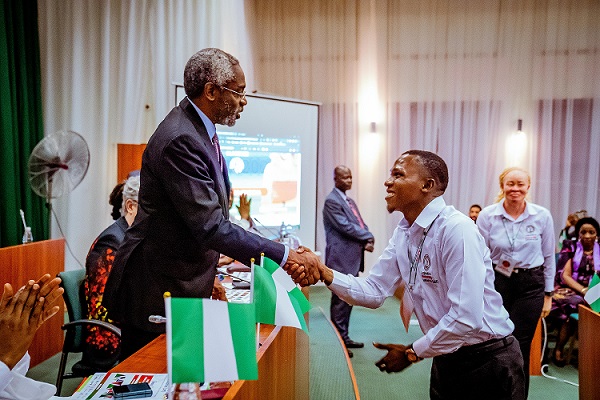
However, in the last five weeks, my generalization about some of the Nigerian politicians began to take a radical paradigm shift when I got selected to participate in the Legislative Mentorship Initiative (LMI), the brainchild of the Speaker of the 9th House of Representatives Rt. Hon. Femi Gbajabiamila. The Legislative Mentorship initiative is a special program that seeks to identify, train, and equip a younger generation of ethical public sector leaders. In addition, the program seeks to deliberately, intentionally, and consistently groom the successor generation of public sector leaders, especially legislators, to possess and demonstrate deep values of character, competence, and capacity, which would later or sooner improve governance efficiency in our country.

During the last five weeks, other 73 fellows from across the 36 States of the federation and the FCT and I had engaging moments with Mr Speaker during what we tagged as “The Mentor-Exchange (MentX)”, where the Speaker shared with us his 20 years of wealth of experience working as a Legislator, the story of his humble beginning, the challenges and how he was elected as the Speaker of the 9th House of Representatives, Federal Republic of Nigeria. It was indeed such a revealing and inspiring moment.

In addition to the awe-inspiring delivery of his speech which was graced with ease, his humility captured my heart, leaving me begging for more of his presence. When asked about effective leadership, he said, “Leadership is about sacrifice and sometimes the kind of sacrifice you would not imagine that you would want to make; it is the kind of sacrifice that hits you to the marrow.’’ Sometimes you would have to bury your interest to consider others, but above all, national interest should be what drives you at the end of the day, he added.

When speaking of humility, Rt. Hon. Femi said, “Being the Speaker of the 9th House of Representatives, I don’t see the 359 Honourable Members as subordinates. Instead, I see them as colleagues and myself as the first among equals. 

Gbajabiamila is a visionary leader who sees beyond his nose. I can attest to this through the aides he is working with and the investments he is making in the lives of young people in his constituency. This is also true for Nigeria, by extension. For instance, the Legislative Mentorship Initiative (LMI), which he founded and I am proud and privileged to be part of the inaugural cohort, is doing a fantastic job of sharpening the minds and visions of young people. He believes nation-building is a joint task that cannot be completed without the youth, and so is the task of building tomorrow’s leaders. No wonder the LMI’s motto is ‘…building the next generation of Nigeria’s public sector leaders.’ 

Another quality I admire in Gbajabiamila’s life is his vulnerability as a leader. For instance, recall sometime in July this year, the Speaker on his verified Twitter page posted pictures of himself in a classroom at Harvard School of Government in the US at a time public universities in Nigeria had been shut down for about six months at that time, Mr Speaker after widespread backlash on social media apologized to Nigerians for the insensitive post.

In his words, he wrote, “Yesterday, I posted a picture of myself at the @Harvard@Kennedy_School undergoing a course. That post was not sensitive to the present feelings of fellow citizens, especially parents and students who are presently bearing the brunt of the ongoing closure of public universities owing to the unresolved issues between the Academic Staff Union of Universities and the Federal Government of Nigeria. I apologize for the post at this time, and I hope you will understand that it was not my intention to cause disaffection.’’ Mr Speaker’s ability to accept that he was wrong when being criticized made him an exceptional leader. Unfortunately, this quality is lacking in many of Nigeria’s politicians and public servants. A significant number of them see vulnerability as a sign of weakness and not strength. 

With the contributions of Mr Speaker and other well-meaning Nigerians, a new Nigeria is possible. As I draw closer to a conclusion, I want to thank you, Mr Speaker, for never saying no to your responsibilities. In this way, Mr Speaker, you have won over another ardent supporter of accountability who will appreciate you where you deserve to be appreciated. I will provide constructive criticism and positive feedback where necessary as I share your core values of accountability, inclusivity, and effective governance. Thank you, Mr Speaker, for being an exemplary leader that makes a difference.

Samson Kefas Galadima is a writer from Gombe State and a Fellow of the Legislative Mentorship Initiative (LMI). He can be reached at kefsammy@gmail.com.

JAMB pleads with lawmakers on autonomy, removal from national budget

By Uzair Adam Imam

The Join Admission and Matriculation Board (JAMB) has urged the House of Representatives to grant the examination body total financial autonomy.

The Registrar, Prof Ishaq Oloyede, who made the plea on behalf of the examination body, asked the lawmakers to remove them from the annual national budget.

He made the call on Wednesday when he appeared before the House of Representatives Committee on Finance on the Medium Term Expenditure Framework (MTEF).

He added that in 2017, after remitting N7.5 billion, the examination body reviewed its registration fees downward from N5,000 to N3,500. However, Oloyede said the Federal Government should allow JAMB to revert, considering the current economic development in the country.

He stated, “There is nowhere that government funds this type of examination. They actually provide some support for the institution because students pay some token as registration fees, and from it, they bear the responsibility of salaries and provide some succours.

“We are comfortable to be taken off the budget, but there are conditions. One of the conditions, for example, when students registered in 2016, we collected N5,000, and that had been on for five years before I joined.

“When we came in, we remitted N7.5 billion. We felt it was too much and approached the federal government to reduce the fees. We have not added a Kobo since.

“I believe we should revert to the N5000 we were charging. Given the inflation, if we charge N10,000– I am just giving it as an example, nobody will ask the federal government for one kobo.

“I am not aware of anywhere in the world, except maybe Finland— that charges as low as JAMB is charging. In Finland, we know that everything is free,” he said.