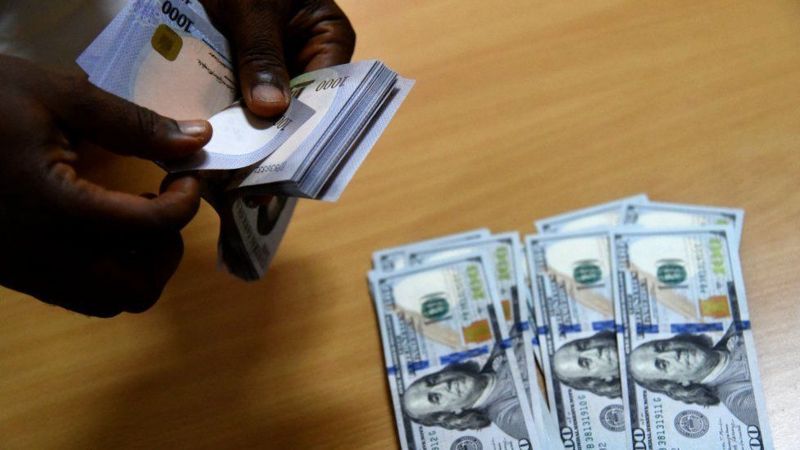
CBN, diaspora dollars and Nigeria’s economic lifeline
By Abdulrasheed Musa Kofa,
For years, Nigeria has leaned on its diaspora as a hidden anchor of survival. Beyond emotional ties and cultural nostalgia, Nigerians abroad have sent home billions of dollars, cushioning households and helping many weather difficult times.
Yet the story of remittances has largely been one of consumption, not sustainable growth. Much of the money vanished into daily survival, often through informal routes, while the vast potential of structured diaspora capital for national development remained untapped.
The Central Bank of Nigeria (CBN) now seems determined to rewrite that story. In recent months, it has introduced policies aimed not only at boosting inflows but at transforming remittances into a formal, investment-driven engine of stability.
With tools such as the Non-Resident Nigerian Ordinary and Investment Accounts (NRNOA/NRNIA), the Non-Resident Bank Verification Number (NRBVN), and tighter International Money Transfer Operator (IMTO) guidelines, the apex bank is signaling a bold shift—from remittances as household lifelines to remittances as capital for growth.
Its ambition of attracting $1 billion in monthly diaspora remittances is more than a target; it is an audacious declaration that Nigeria seeks to become a global hub for diaspora investment.
At the heart of this strategy are the NRNOA and NRNIA. The former provides a regulated, convenient channel for everyday remittances in naira and foreign currencies, cutting out the costly informal networks that once dominated.
The latter, the NRNIA, goes even further by creating structured pathways for diaspora investments in mortgages, pensions, insurance, and Nigeria’s financial markets. By guaranteeing full repatriation of proceeds under existing rules, the CBN is deliberately courting trust.
And in a global financial system where trust is the ultimate currency, such assurances matter greatly. The challenge of access has also been tackled. For years, the requirement of physical presence made securing a BVN impossible for many Nigerians abroad.
The new digital Non-Resident BVN finally removes that barrier, even though it comes at a cost of about $50. While some may balk at the fee, the opportunity far outweighs the price of exclusion. For a diaspora community long fenced out, this is a long-awaited doorway in.
The IMTO reforms reflect similar pragmatism. By restricting services to inbound transfers and ensuring payouts in naira, the CBN is protecting liquidity while keeping inflows within the formal economy.
Allowing operators to quote exchange rates on a willing seller–willing buyer basis introduces transparency and competitiveness, drawing more Nigerians away from shadowy parallel markets. The exclusion of fintechs from IMTO licensing has sparked debate, but the regulator may be betting on stability over experimentation in a sector that demands strict oversight.
Early signs suggest the measures are bearing fruit. Official reports showed a $553 million inflow in July 2024—the highest on record—representing a 130 percent year-on-year surge. Confidence is shifting gradually towards formal systems.
Sustained, such inflows could strengthen Nigeria’s fragile foreign exchange reserves, deepen liquidity in capital markets, and lower the high cost of remittances that continues to exceed the global average. Yet the most profound shift is not numerical but philosophical.
These reforms are about more than chasing dollars; they are about redefining the relationship between Nigeria and its diaspora. Rather than treating remittances as acts of charity or family duty, the CBN is positioning them as instruments of nation-building.
Nigerians abroad are being asked to see themselves not merely as senders of money, but as strategic investors in the country’s future. The stakes could not be higher. With more than 15 million citizens abroad, Nigeria sits at the heart of Sub-Saharan Africa’s remittance economy.
In some years, diaspora inflows have even surpassed oil revenues. If only a fraction of this wealth is converted into productive, long-term capital, Nigeria’s financial landscape could be reshaped. But success will depend on more than policy design.
It will require political stability, investor protection, and unwavering consistency in government signals. The diaspora will not risk hard-earned savings in a system that shifts with every gust of political wind.
CBN’s reforms are bold and timely. But their success now rests on trust and execution. If they work, the narrative of remittances will shift—from consumption to capital, from emergency relief to structural development.
The target of $1 billion monthly may well be achieved, but more importantly, it represents a shared vision where remittances become investments in Nigeria’s prosperity. The choice before the diaspora is stark: to keep sending money informally and watch it disappear into short-term survival, or to embrace formal channels and help lay the foundations of a stronger, more resilient Nigeria.
The government has laid down the rails. It is now for Nigerians abroad to decide whether their remittances will remain fleeting lifelines or become the enduring engine of a nation’s growth.
Abdulrasheed Musa Kofa is a PRNigeria Fellow. He can be reached via: musaabdulrasheed83@gmail.com.