Army Arrests 18 Suspected Boko Haram Suppliers In North-East
By Sabiu Abdullahi
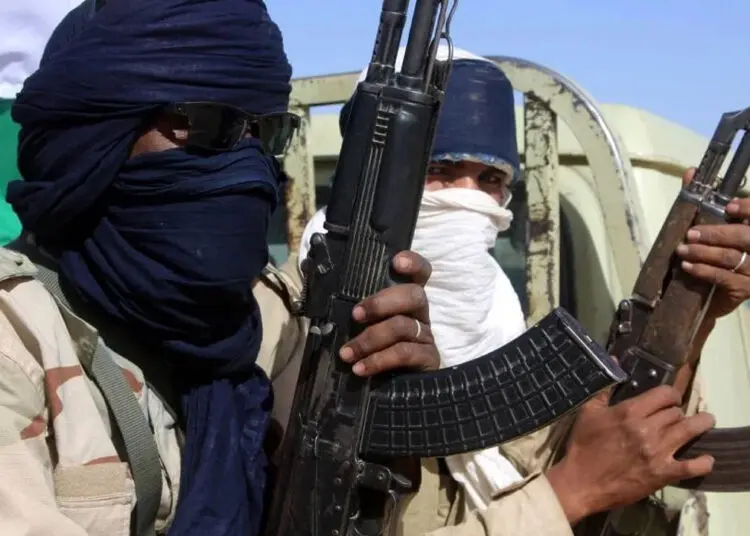
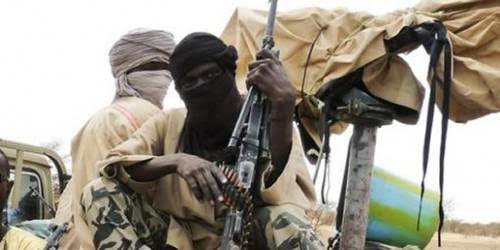
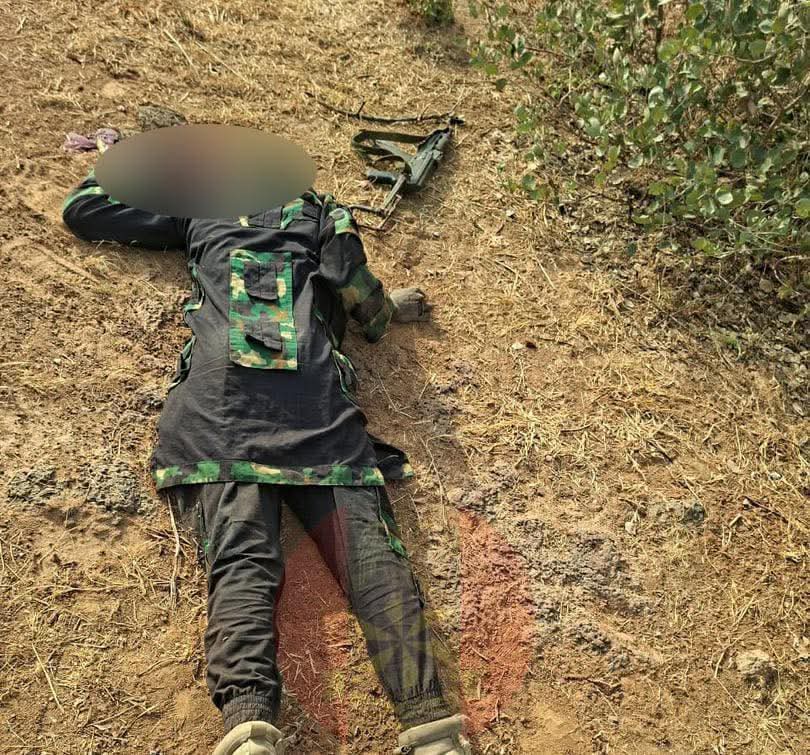
The Nigerian Army has confirmed the arrest of 18 individuals accused of supplying logistics to Boko Haram insurgents in the North-East, highlighting what it described as an expanding network of civilian support for terrorist activities.
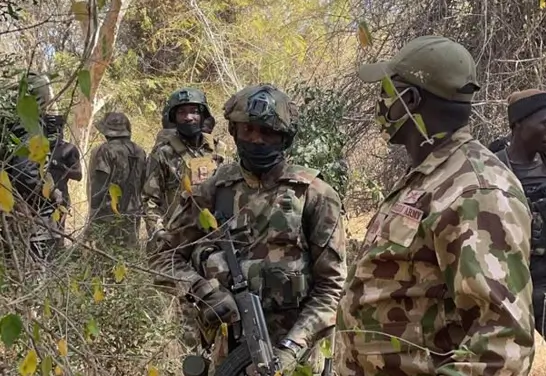
In a statement released on Wednesday, the Army said troops of Operation HADIN KAI apprehended the suspects while they were travelling through Gubio towards the Gudumbali axis, an area known for insurgent operations.
According to the military, early findings showed that the group was allegedly on a mission to deliver supplies to Boko Haram fighters.
The Army also revealed that initial confessions from the suspects pointed to economic hardship as a major reason behind their involvement.
“Initial findings indicate that the individuals were drawn into the illicit trade largely due to personal economic challenges,” the statement said, adding that insurgent groups often take advantage of vulnerable civilians to sustain their activities.
The military warned Nigerians against supporting terrorist groups in any form, stressing that such actions carry serious consequences.
“The Nigerian Army strongly warns all citizens against any form of collaboration with terrorist groups,” it stated.
“Providing logistics, intelligence, or assistance to such elements remains a serious offence, with grave consequences for national security and the safety of innocent lives.”
The Army stressed that cooperation from local communities remains vital in tackling insurgency.
“The effectiveness of ongoing operations depends greatly on the vigilance, cooperation, and active support of host communities,” the statement added, as it urged residents to report suspicious activities and resist inducements from criminal elements.
It also pointed to the need for broader socio-economic measures to address the underlying causes of insurgency.
“It is equally important to recognise the need for sustained socio-economic support and community-focused initiatives that can strengthen resilience and reduce vulnerabilities,” the statement noted.
Reaffirming its resolve, the Army said it remains committed to protecting communities and restoring peace, while calling for collective national efforts.
“Lasting peace and stability can only be achieved through a unified approach, where security operations are complemented by development efforts and strong community partnerships,” it said.