Body shaming: Understanding, overcoming, and promoting body positivity
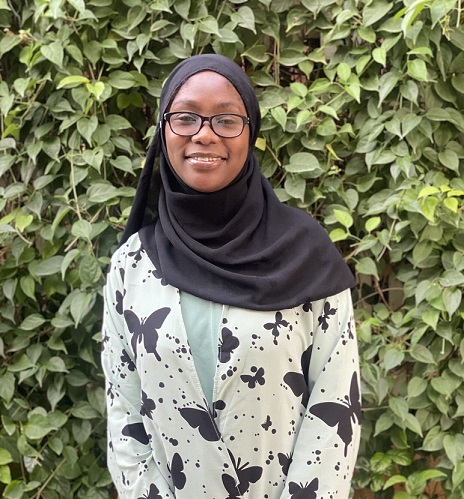
By Aisha Musa Auyo
In simple terms, body shaming is defined as the action or practice of mocking or stigmatising someone by making critical comments about the shape, size, or appearance of their body.
Body shaming involves humiliating someone by making inappropriate or negative comments about their body size or shape. As well as “fat shaming,” you may also hear negative comments if you’re underweight or about a specific body part.
This type of criticism can be made to others or yourself. You may feel unhappy with your weight or body’s appearance and judge yourself harshly. You may even engage in negative self-talk, such as “I feel so fat today” or “I need to stop stuffing my face with food.”
The act of body shaming can be carried out in person or remotely via the internet and social media and can be done by your parents, siblings, friends, or people you’re not even close to.
Even in a joking manner, remarks about what you eat or how much food you consume constitute body shaming. Giving someone advice about dieting or praising weight loss is also considered body shaming, whether intentional or not.
Your friends and family often don’t want to hurt your feelings, but their comments can still be critical. They may not realise the negative effect that questions like “Have you lost weight?” or “Do you need to eat all of that?” can have.
Why Do People Body Shame?
You know how hurtful these behaviours can be if you’ve received those judgments—or even within earshot of words, looks, and gestures that judge others. So why do people do it?
Before I discuss why people choose to body shame others, I would say right up front: reasons don’t equal excuses! Ever. There’s no appropriate reason to make another person feel bad about the skin they’re in.
At the same time, it can be helpful to understand the motivation behind a person’s hurtful words. Doing this gives us perspective. Perspective helps us decide on the best path forward. Depending on the situation, we might:
* Shake off what another person says about us
* Remain confident as we see the lack of confidence in others
* Understand the heart behind hurtful words
* Call out misbehaviour in a calm, respectful manner
* Shut down rude talk without room for more to be said
With this in mind, let’s gain some perspective on why people do it.
We could talk about many interesting things—and have many good reasons to laugh. So why talk about how a person looks, right? Unfortunately, plenty of people do. Let’s look at some of the reasons why
1. Insecurity: When a person feels self-conscious about their body, they may talk badly about another person’s body to make themselves feel better.
2. Societal norms: For so long, joking about how people look has been something that many people were brought up thinking is okay. This is learned bias.
3. Societal norms: For so long, joking about how people look has been something that many people were brought up thinking is okay. This is learned bias.
4. Best of intentions: Friends, family members, and even medical professionals can think they’re helpful by pointing out perceived areas for improvement in another person.
5. Lack of awareness: A person may refer to a friend’s stature or frame and not realise that they’ve crossed a line or that the person on the receiving end doesn’t like it.
5. Immaturity and lack of empathy: Some people don’t take the time or care to consider their words or how they might affect another person.
Please, allow me to be blunt. Beyond gaining perspective, it doesn’t matter why a person chooses to body shame. After all, the results are the same. Body shaming is known to cause mental health problems, eating disorders, low self-esteem, etc.
Most of us know firsthand about the adverse effects of body shaming because we’ve been on the receiving end of it at one time or another—especially when we were growing up. Research shows that 94% of teen girls and 64% of teen boys have been body-shamed.
The effects of body shaming and how to overcome it
Hearing negative comments about your appearance can impact your body image and leave you feeling anxious and self-conscious. However, there are ways to manage body shaming or other critical remarks and achieve body acceptance.
Supermodels and prima ballerinas have insecurities and imperfections, but we still perceive them as the ultimate representations of beauty. You may feel inadequate and unworthy if you don’t meet these standards.
And if you experience body shaming by others and take their negative comments to heart, it can lead to unhealthy behaviours and mental health problems, such as:
Eating Disorders: Having a negative body image is one of the main factors for developing disordered eating or an eating disorder, such as anorexia, bulimia, or binge eating.
You may start a diet that involves restrictive eating to change your body shape or size. However, such dieting can spiral into harmful behaviours like skipping meals, fasting, vomiting after eating, excessive exercising, or overusing laxatives. Over time, you deprive your body and brain of essential nutrients necessary for optimal health.
Body shaming comments such as “Did you lose weight? You look so much better” can be triggering and create more disordered eating habits in an attempt to maintain or lose even more weight.
Body Dysmorphic Disorder (BDD): Experiencing body shaming can interfere with your self-image and make you feel highly self-conscious. This can escalate into body dysmorphic disorder, where you become obsessed with a perceived appearance flaw that can create repeated avoidance behaviours.
Daily life can become consumed with concerns about a minor flaw or one not apparent to others. You may constantly look at yourself in the mirror or avoid mirrors altogether, conceal body parts you don’t like, pick at your skin, or frequently ask others if you look okay.
Being constantly ashamed of your body can also impair your performance at school and interfere with your relationships with peers, teachers, and family members. Fears about being judged by others may cause you to limit or avoid social activities.
Anxiety and depression: Body shaming can trigger or worsen existing symptoms of anxiety and depression. If you are body-shamed in public or on social media, you may try to avoid going to school or other situations where this shaming might occur. You may withdraw from others and feel isolated and alone.
Hearing critical comments about your appearance can also be humiliating, heighten your insecurities, and damage your self-esteem. Consequently, you may engage in negative self-talk as you internalise these feelings of worthlessness. You may tell yourself things like “I am a bad person” or “I am completely worthless.” This can escalate into extreme loneliness, depression, anxiety, and poor body image.
Physical Health Issues: Fat shaming, in particular, is rampant in our society as obesity is associated with being lazy, unattractive, and lacking the willpower to lose weight. In one study, over 70% of adolescents reported being bullied about their weight in the past few years. This can be harmful to your physical as well as psychological health.
Rather than being a motivating factor for losing weight, fat shaming has the opposite effect. The stress has been linked to a reduction in physical activity and the consumption of more calories.
Don’t body shame others
Research shows that when you promote body positivity to others, you also feel more positively about your body. Surround yourself with people who are courteous and treat others with respect. Avoid bullies who engage in body shaming and talk about the flaws of others.
Establish boundaries with your friends and clarify that you will not tolerate comments about your body or weight. You can also set an example by standing up for others who are the targets of body shaming.
So, let’s work together to stop body shaming and talk about more interesting things. The truth is, we all body shame one another. We are sometimes the villains and sometimes the victims. And the society has made it very normal. If we genuinely believe that every one of us is created by our Lord, none of us chooses how we look in most cases, and none of us knows how we will look tomorrow (life happens… story for another day), then we should stop body shaming. It starts with you and I.
Were you ever body-shamed? Please share with us how you felt, how it affected you, and what you did to overcome it.
Aisha Musa Auyo is a Doctorate researcher in Educational Psychology. A wife, a mother, a homemaker, caterer, parenting, and relationship coach. She can be reached via aishamuauyo@live.co.uk.
