
Court slaps Kano gov’t with N30b fine over illegal demolition of buildings
By Sabiu Abdullahi
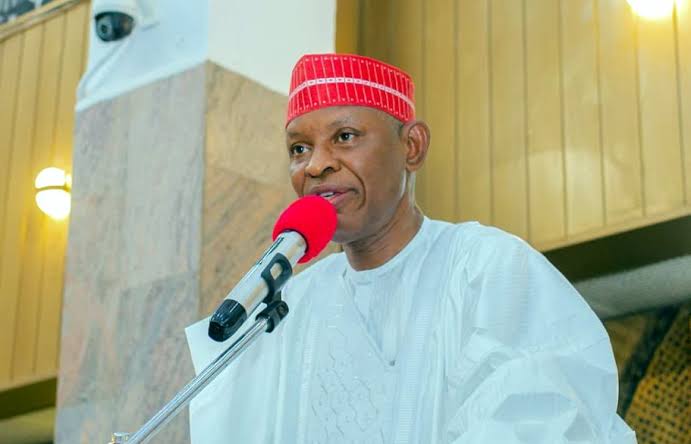
The Federal High Court in Gyadi-Gyadi, Kano, has fined the Kano State Government 30 billion Naira for the unauthorised demolition of shops within the historic Idi Mosque premises at Kofar Mata.
The ruling, delivered by Justice Simon Ameboda, strongly condemned the government’s actions, labelling the demolition as an “illegal activity full of brutality and malice.”
The court’s decision also mandated the state government to compensate the affected businessmen whose shops were razed to the ground.
Justice Ameboda emphasised the severity of the government’s offence against the less privileged members of the community, leading to the imposition of a significant fine.
This substantial penalty serves as a stern warning against any future attempts by government entities to infringe upon the property rights of individuals and small businesses within the state.
The ruling also included a restraining order, preventing the Kano Government from interfering with the lands and affairs of the shops, including reallocating them to other entities.
The legal community and activists have applauded the court’s decision, highlighting its crucial role in ensuring accountability and justice, particularly for those who are economically vulnerable.
The affected businessmen, their legal representatives, and the community have expressed relief and satisfaction with the court’s verdict, hoping that this landmark judgement will serve as a precedent, deterring any similar actions by government authorities in the future.

Challenging stereotypes and celebrating deaf awareness month: A call for inclusion
By Ibrahim Tukur
As we enter the last week of September, I am compelled to pick up my pen and continue writing as usual.
September marks Deaf Awareness Month, a time when the deaf community comes together to shed light on their unique culture and the challenges they face in their interactions with society.
Although I am unable to organise a learning event this time for personal reasons, I intend to celebrate this month by raising awareness about the various challenges faced by the deaf community.
One of the most significant issues that must be addressed is the pervasive problem of stereotypes that persistently plague the deaf. These stereotypes are prevalent across many societies, especially in Africa, where individuals hold negative misconceptions about the deaf. Some wrongly view the deaf as cursed, insane, mad, aggressive, or even unintelligent.
These harmful stereotypes give rise to discrimination against the deaf. When people harbour negative beliefs about the deaf, they often treat them unfairly. In some families, deaf individuals are treated like slaves due to the unfounded belief that they are mentally unstable. Some parents deny their deaf children access to education, erroneously believing that they have no promising future and won’t contribute positively.
Despite many deaf individuals proving these stereotypes wrong by excelling in higher education, they still face discrimination. Deaf graduates struggle to find good job opportunities, and even deaf schools, where they should be employed, are often staffed primarily by hearing individuals.
Stereotypes also result in stigmatisation. Many people avoid socialising with the deaf, assuming they are prone to madness or aggression and quick to engage in conflict. Personally, when I became deaf, I lost numerous friends who began avoiding me, leading to feelings of loneliness and isolation.
Moreover, stereotypes expose the deaf to mockery solely because of their inability to hear. People often make fun of them, use derogatory terms, and speak negatively about them. I personally experienced ridicule and mockery when I lost my hearing at the age of six, which frequently led to conflicts, ultimately forcing my family to relocate.
Thankfully, there are ways to combat this issue. Eliminating deaf-based stereotypes can begin with increased awareness about the nature of hearing impairment. Workshops and seminars on sign language should be organised, enabling better communication and understanding between the hearing and deaf communities. Additionally, introducing Deaf Studies into school curricula can familiarise students with the experiences and capabilities of the deaf.
It is crucial to recognise that deaf individuals are sane; they are not “mad” or “cursed.” They possess the same potential as anyone else and deserve to be treated with dignity and respect. Let us work together to break down these harmful stereotypes and promote inclusivity for the deaf community. They deserve it, without a doubt.

Clash erupts as task force destroys 470 motorcycles in FCT
By Sabiu Abdullahi
A task force inaugurated by FCT Minister Nyesom Wike recently made headlines as they seized and destroyed 470 motorcycles in a crackdown on illegal motorbike operations in various parts of Abuja.
The operation, which started at the popular car wash bus stop in Lugbe, extended through Gosa, Bill Clinton Drive, Trademore Estate, Lugbe Junction, and reached Kubwa and its surrounding areas.
According to eyewitnesses, chaos ensued when motorcyclists attempted to prevent their vehicles from being impounded.
The confrontation escalated into a violent clash between the operators and security operatives.
In a bid to evade arrest, the okada operators scattered in different directions, leading to a high-speed chase through the streets of Abuja.
The task force, determined to curb the menace of illegal motorcycle operations in the city, pursued the operators relentlessly.
As a result, 470 motorcycles were impounded during the operation. The seized vehicles were subsequently destroyed, marking a crackdown on unauthorised motorbike activities in the capital city.
Authorities have yet to comment on the incident, but it is clear that the task force’s actions are part of a broader effort to enforce regulations and enhance security in the FCT.
The clash serves as a stark reminder of the challenges faced by law enforcement agencies in maintaining order while dealing with those engaged in illegal activities on the city’s streets.
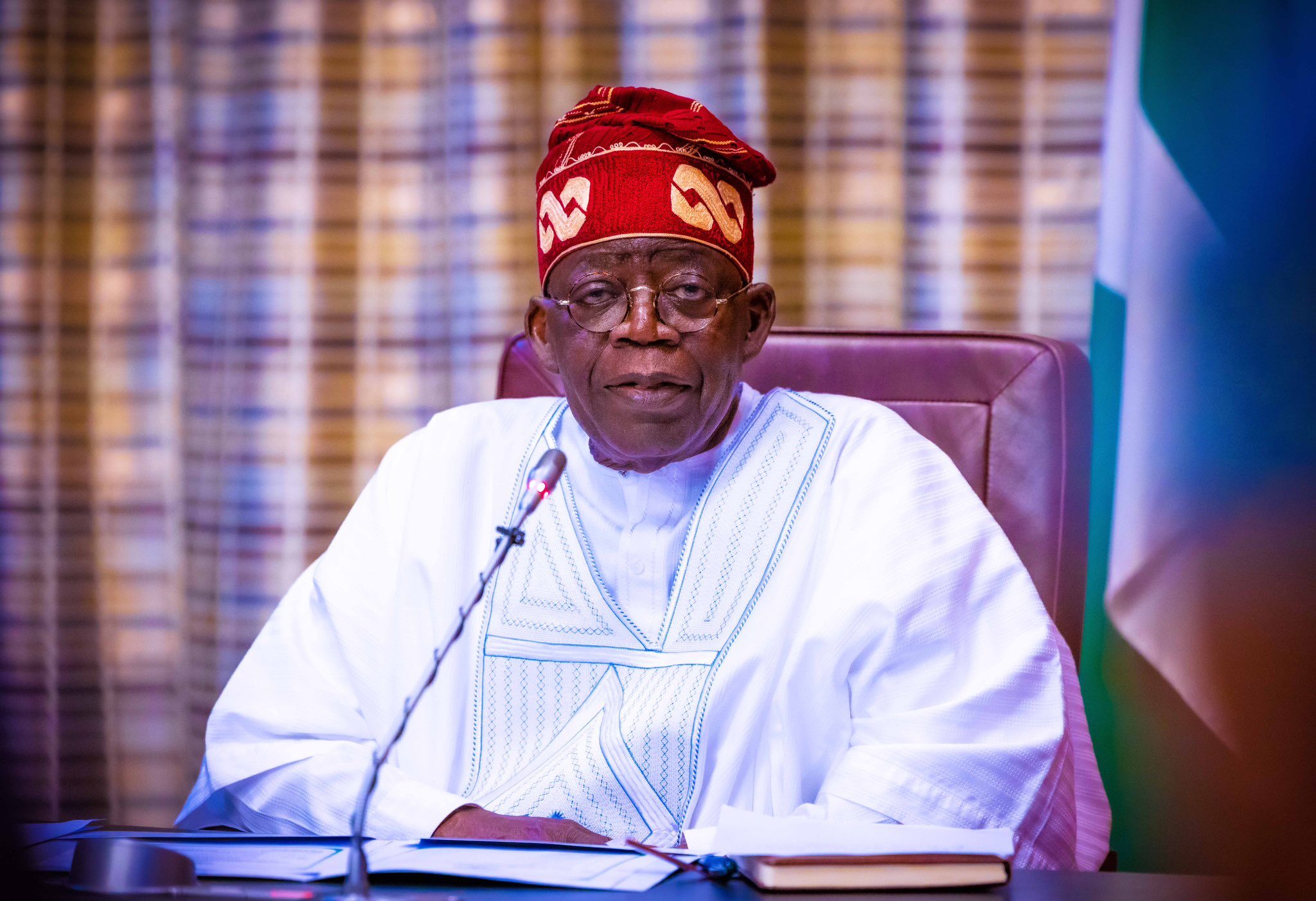
Kano Tribunal: Northern Youths warn Tinubu, political allies against meddling in court decisions
By Uzair Adam Imam
The Northern Youths Assembly (Majalisar Matasan Arewa) has cautioned President Bola Tinubu against allowing his political allies to interfere with the electoral dispute in Kano State.
The group also issued a warning of possible dire consequences if Tinubu allowed anybody to meddle in the court decision.
The Kano State Governorship Election Tribunal recently nullified the election of Gov. Abba Yusuf of the New Nigeria Peoples Party (NNPP) in favour of the All Progressives Congress (APC) candidate, Alhaji Yusuf Gawuna.
However, The Daily Reality reports that Governor Abba Kabir Yusuf has since indicated his intention to go on appeal.
In an open letter to the president on Thursday, the acting president of the group, Dr. Ali Idris, and the national publicity secretary, Comrade Adikwu Omale, said if the Nigerian democratic system should continue to operate on the basis of electoral injustice, undermining the best practices of democratic governance in fairness to all parties, the repercussions would surely be devastating.
Part of the statement reads, “We have received with dismay, information which alleged the involvement of some elements in your Government, to have interfered and manipulated the Kano State Governorship Elections Tribunal judgment, an information which if it turns out to be true, could certainly be described as unfortunate, unprecedented, condemnable and uncalled for.
“Kano State, as temperamental as it is, such desperate actions could trigger political crisis in the State, and could possibly lead to anarchy.
“Kano is considered as the commercial nerve center not only for the North, but to the entire sub Saharan African countries, who have one relationship or the other with Kano State. Kano State could be described as a role model, and as the most politically strategic territory with vast knowledge and political civilization. In view of this, Kano is fragile and when broken into pieces, the national security would surely be threatened.
“Sir, let us draw you to the memory lane, starting from 1999 to 2007, when you served as the Executive Governor of Lagos State, under AD. Your party was entirely different from the party at the centre, and despite some misunderstandings, His Excellency Olusegun Obasanjo led Federal Government did not make any attempt to snatch the mandate which the good people of Lagos State gave you, to manage the affairs of the State, from 1999 to 2007.
“Therefore allowing, some alleged members of your Government, to mastermind the conspiracy of snatching the mandate of the Kano people, is as good as inviting hatred against your own personality, doubting your commitment to upholding democratic principles, institutionalizing electoral injustice, dashing the hope of the Nigerian electorates to lose complete confidence in the system, and subscribing to the school of thought which emphasizes on the unsuitability of the democratic system for African countries.
“In addition, if this electoral injustice is allowed to thrive, it would further reaffirm the failure of your Government to uphold the rule of law, and treat all citizens equally and fairly regardless of ethnicity, region, religion, party affiliation and others, and the perceived situation wouldn’t only amount to creating unrest, but would surely be a set back on the Nigerian democratisation and Africa as a whole.
“The perceived conspiracy by some alleged elements in the Government, deploying Government machineries and influence, to destroy Kano State, the consequences would not end and stop in Kano, as the repercussions would certainly create a multiplier negative effects on other states of the federation.
“Therefore using politics to ignite crisis in Kano, through the Governorship Election Petition Tribunal, would surely metamorphose into creating crisis which would be difficult to control, based on the brewing tensions, resulting from the Kano State Governorship Elections Tribunal Judgment.
“Therefore, there is no better time for you to act, than now to save the situation, by prevailing on your party members who have been alleged to be involved in this political recklessness, as the risk is not worth trying,” the statement added.
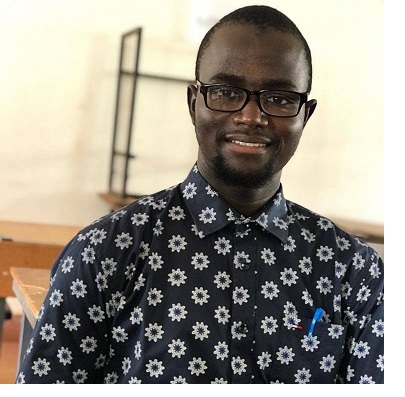
Spoken on the Moon: English as the leading international language
By Musa Touray
Africans who dwell on the torturous past of slavery and colonialism find it hard to recognise the essence of a language that has long transcended its original shores. Deepening one’s intellectual quest through the continually universalised medium of communication is, to them, an acknowledgement of superiority some users have attached to the language.
This popular warped perception has dampened our commitment to the pursuit of the English language in a world where minimal mastery of it is a marketable accomplishment. Striving to learn and apply the basics of the language is not only weighed down by dissuasive forces of mediocrity but the process is often mischaracterised as a showy obsession with ‘big English.’ It’s time we broke free from this notion and joined the rest of the world to maximise our understanding of a globally sought-after commodity.
English is an epilanguage in most, if not all, spheres of life—scholarship, extraterrestrial research, scientific studies, diplomacy etc. An epilanguage is used as a means of expression for some purpose, such as those highlighted above. Major scientific discoveries and breakthrough publications have been made in English, even by scholars who use it as a second language and do not have the littlest anthropological affiliation with its native speakers.
“(Proficiency in) English is not a measure of intelligence” has become a central assertion in a section of non-native users’ undervaluation campaign against the language. Unless there exists nuanced definitions of the word beyond me, expressing oneself in any language, not just in English, is itself intelligence.
A hostile follower on X, formerly Twitter, challenged a renowned public affairs analyst to use English and buy fuel if his love affair with words was beneficial. “You may not want to hear this, sir,” replied the analyst, “but I make a living by writing proficient English.” This response clarified for a man who fell under the category of those in oblivion about the language’s incomparable marketability in the contemporary world. “I am paid for producing grammatically-decent content,” he added.
Using a language also means we should not hold the laws that govern it in contempt. As they obtain for man, rules ensure correct usage and fight off linguistic anarchy. This is one aspect most of us have ignored in making a living through the English language. For example, newspapers, a traditional platform for learning English, have become guilty of unforgivable solecisms.
The convenience of social media has given birth to a handful of commentators and self-styled journalists who exhibit a flagrantly terrible command of the language they choose to communicate. The urgent need to learn the basics of their preferred language is overshadowed by a desire to generate reactions and clout. With hundreds of thousands of followers, some pass off bruised grammar to an uncritical readership.
School-going enthusiasts of current affairs are bound to accept as grammatically flawless whatever they read in newspapers or press releases. This is supposed to be the case if the articles are subject to rigorous editorial scrutiny to establish facts and ensure that grammar rules are respected.
The growing popularity of English in non-anglophone domains is telling. While we continue to dismiss it as the colonisers’ tongue, others have recognised it as an indispensable language that serves transactional and communicative needs in ways and styles no other language does.
Musa Touray wrote from Sandu Kuwonku, The Gambia. He can be reached via musatouray970@gmail.com.
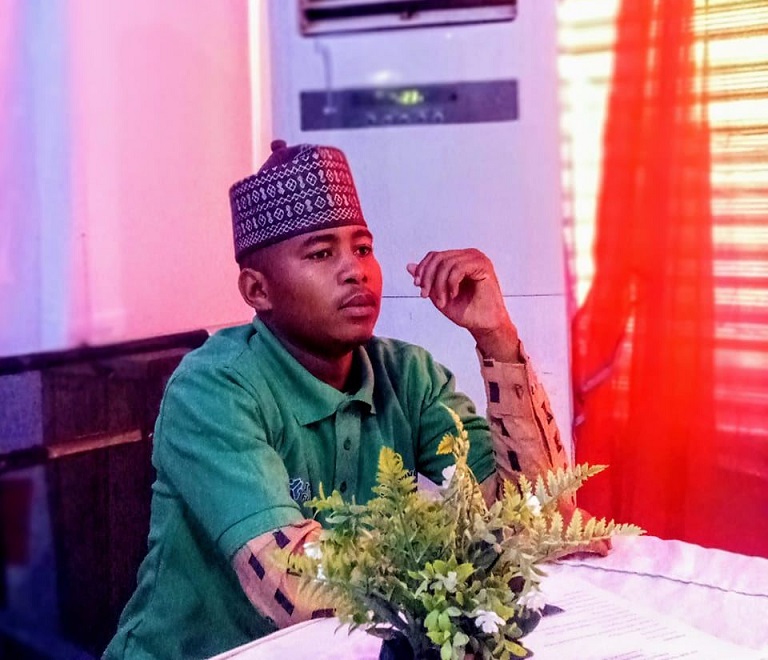
Why Kano State deaf graduates deserve foreign scholarship even without First-Class
By Zulkifil Aminu Adam
It has come to our attention that three Kano residents with disabilities have been chosen to be among the recipients of the state’s current scholarship scheme. However, due to failure to match the conditions, i.e. First Class, they will be granted a domestic scholarship rather than a foreign one. This is highly commendable, and we express our heartfelt gratitude on behalf of the disability community. However, I beg permission to bring something critical to the notice of the administration in the hope that it will urge the government to reconsider this arrangement.
First and foremost, people with disabilities (PDWs) require special consideration in every socioeconomic, academic, and political sphere. This is a widely accepted general remark that arose due to the innate proclivities of individuals with disabilities. It is consistent with the above general statement that the University of Ilorin in Kwara state admits PWDs without requiring them to take the post-UTME, not to mention the various benefits PWDs receive at the university.
Several Nigerian universities have declared 160 as the cut-off mark for PWDs; the Joint Admission and Matriculation Board (JAMB) is currently holding a conference with deaf student representatives from various Nigerian tertiary institutions to discuss and ensure compliance with the above statement in dealing with PWDs regarding admission issues.
Second, in the case of Kano and the Nigerian educational system in general. It is critical to consider the educational framework in which persons with disabilities grew up before proceeding with their placement or requiring particular academic standards from them. As deaf students in secondary school, we were taught by teachers who walked away after filling up blackboards because they couldn’t communicate in sign language. We had to study on our own. And the government did nothing to address the situation.
When we finished secondary school and fought for admission to the university, we were compelled to study in Special Education (a department that has never produced a first-class graduate) or change university. We don’t have a choice except to accept.
Then, we enter lecture halls and face a new challenge: exclusion. We sit among hearing students (who enjoy the lecture), feeling lost and neglected. We were not provided with sign language interpreters. Isn’t this depressing? Nonetheless, we persevered through all these difficulties until graduation.
Despite all the challenges we faced from secondary school to university, we were required to finish with first-class honours to be considered for a foreign scholarship. With due respect, the demand is excessive. The government, schools, or whatever institution should not give us less while expecting so much from us.
Of course, we do not justify lower academic performance by disability, but by our unmet needs and the numerous obstacles we face as people with disabilities on the path to academic improvement – thanks to the carefree attitude of the government and the universities. Please allow me to say that a deaf graduate from Bayero University Kano (BUK) with a Second Class is equivalent to a First-Class hearing graduate in the same university.
Dear KNSG, Kano deaf students, whether First Class or not, deserve a foreign scholarship. The difficulties they overcome to graduate are sufficient justifications. Let the scholarship be a restitution for the government’s neglect throughout history.
Zulkifil Aminu Adam is the Assistant Secretary, National Association of Nigerian Deaf Students (NANDS). He can be reached via zulqeepil19@gmail.com.

Ondo woman kills husband over minor argument
By Uzair Adam Imam
A 12-year-old boy, Ibukun Solomon, in Ondo State, has recounted a harrowing story of how his mother killed his father while he was sleeping.
Salomon said his mother, Tayelolu, killed his father, Felix, who was a farmer, with a pestle after a minor argument.
It was learned that Tayelolu hit her 65-year-old husband on his head three times while he was sleeping in their house, located at the Government Reservation Area, GRA, in the state.
It was also gathered that the couple, in recent times, have been having a crisis, and the wife always threatens to kill the husband and elope.
The son narrated, “My mother killed my father with a pestle in my presence and took to her heels. She used the pestle to hit his head when he was asleep.
“Earlier on the fateful day, a minor argument had ensued between them that resulted in a fight. After the fight, my father went to lie on the chair, and my mother hit his head with the pestle.
“He became unconscious and fell down from where he was sleeping. My mother used the pestle to hit my father’s head three times. He later died.
“When my mother saw that my father was already unconscious, she hid the pestle at the back of our house and ran away.”
I alerted some of the residents, who rushed my father to the hospital. But he later died. His corpse has been deposited at the morgue.
“My mother had three children for my father, and I’m the last child,” he stated.
Also speaking, a brother of the deceased said that the family members have mediated several times to settle the incessant fight between his brother the his wife.
According to him, “The woman had been threatening to kill her husband whenever they were fighting. And the deceased informed us about the threats. But we never knew she would carry out the devilish act.
“But this time, she took laws into her hands and killed our brother for nothing. She must be arrested and prosecuted accordingly,” he stated.
But police in the state said that all efforts to arrest the fleeing suspect were in top gear, and she would be charged in court as soon as possible.

FG to procure 12 attack helicopters to enhance service of Nigerian Army
By Sabiu Abdullahi
President Bola Tinubu has approved the procurement of 12 MD 530F Cayuse attack helicopters to enhance the service of the Nigerian Army.
The announcement was made by the Chief of Army Staff, Lt.-Gen. Taoreed Lagbaja, during the inaugural Nigerian Army Aviation Seminar held on Tuesday in Abuja.
The acquisition of these advanced attack helicopters marks a pivotal moment for the Nigerian military, as it heralds the operationalization of the Nigerian Army Aviation Unit.
This specialised unit has been established with the primary goal of improving ground troops’ agility, responsiveness, and overall efficacy during various military operations. Lt.-Gen.
Lagbaja emphasised that the addition of these attack helicopters to the Nigerian Army’s arsenal would not only enhance its internal capabilities but also contribute significantly to the success of joint and coalition military operations.
He underlined the importance of this initiative in the broader context of military strategy. Explaining the role of the army aviation unit, Lt.-Gen.
Lagbaja noted that it is distinct from a nation’s dedicated air force but focuses primarily on helicopters and light-support fixed-wing aircraft.
This specialisation enables the unit to provide vital support to ground troops during tactical and operational engagements.
Expressing his gratitude, Lt.-Gen. Lagbaja thanked President Tinubu for his unwavering support in realising the Nigerian Army’s aspiration to have a well-equipped aviation unit.
He drew attention to the experiences of other nations such as the United States, Pakistan, Colombia, Egypt, Kenya, Ethiopia, and Uganda, all of which have successfully employed similar aviation units to enhance their military capabilities.
This strategic move signifies a significant step forward for the Nigerian military and underscores the government’s commitment to strengthening national defense.
The procurement of these attack helicopters will undoubtedly play a crucial role in ensuring the security and stability of the nation while also aligning with international best practices in military operations.

Outrage as DPO allegedly kills young man in Bauchi State
By Sabiu Abdullahi
A suspect, identified as Abiduna Amin, lost his life while in police custody at the Dutsen Tanshi police division.
The tragedy on Tuesday has ignited a firestorm of concern regarding human rights abuses within the police force. It has sparked a social media movement rallying under the hashtag #JusticeForAbidin.
Abiduna Amin, a resident of Karofi Bauchi and an animal dealer by occupation, became the focal point of a police interrogation.
According to sources, he was being questioned on suspicion of having purchased a stolen goat or ram. However, what began as a routine inquiry escalated dramatically when it was alleged that police officers subjected Abiduna Amin to severe physical violence, resulting in his untimely death while in police custody.
The news of Amin’s tragic demise spread like wildfire across social media platforms, with the hashtag #JusticeForAbidin quickly gaining immense traction on Facebook.
A groundswell of concerned citizens, activists, and human rights advocates have voiced outrage over the incident, pledging not to let this case fade into obscurity. The campaigners demand accountability and justice for the deceased, urging a thorough investigation into the circumstances surrounding his death.
Recognising the gravity of the situation, the Bauchi State Commissioner of Police took decisive action by summoning the Dutsen Tanshi Police Divisional Officer for a comprehensive inquiry into the incident.
However, at this juncture, police authorities have yet to release an official statement addressing the matter or providing specifics regarding the steps taken to address the officers involved.
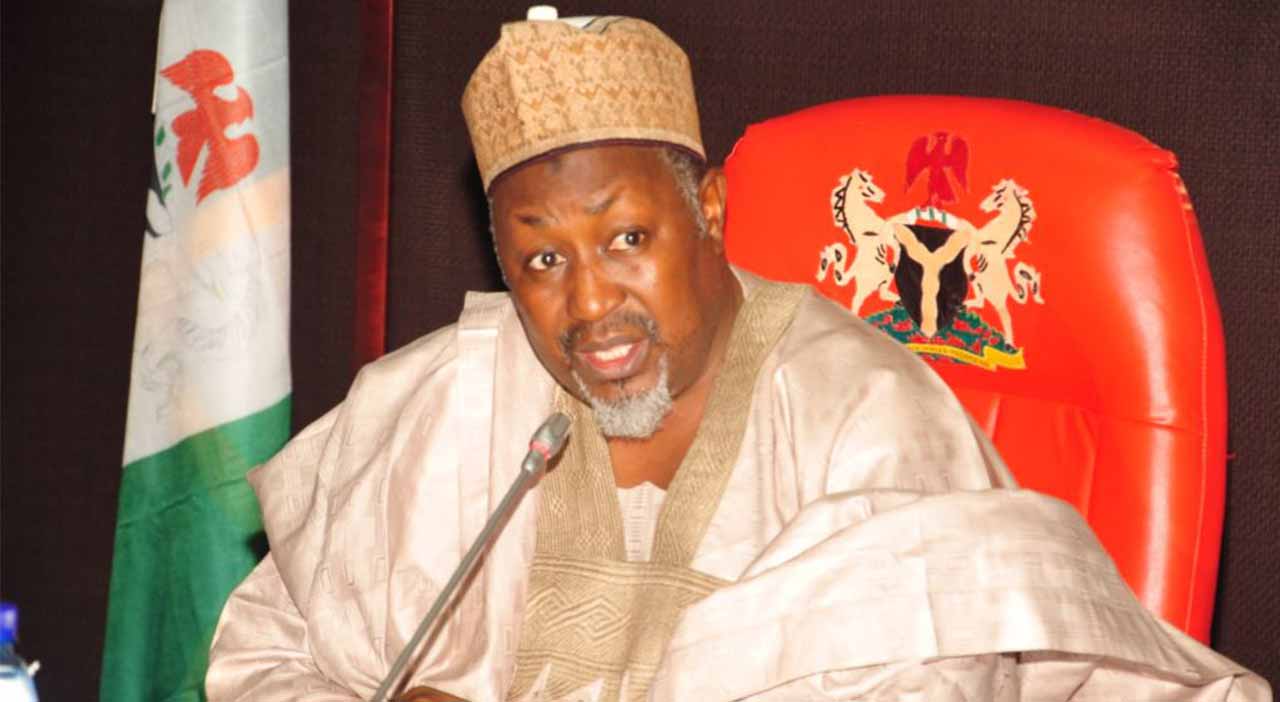
FG denies negotiating with Zamfara terrorists to secure release of abducted students
By Sabiu Abdullahi
The Federal Government has officially refuted claims of negotiations with the Zamfara terrorists to secure the release of the abducted students from the Federal University, Gusau.
This development was contained in a statement that was released by Mr. Hope Attari, the Acting Director of Press and Public Relations at the Ministry of Defence.
Badaru categorically dismissed the allegations of negotiations with the terrorists as misleading and emphasised that President Bola Tinubu had issued clear directives to the military and other security agencies to ensure the safe return of the abducted students.
“The Federal Government is working diligently around the clock to ensure that the girls and other abducted individuals return home safely,” stated Badaru.
Reassuring the residents of Zamfara and all Nigerians, the Minister of Defence conveyed the significant progress being made towards the swift release of the female students and others from Federal University, Gusau.
He expressed confidence in the joint security task forces working discreetly to rescue the students. In addition to addressing the ongoing efforts, Badaru extended his regret to the families of the abducted individuals, condemning the incident as reprehensible.
He highlighted the initial success of President Tinubu’s directives, with 13 of the abducted students and three others regaining their freedom on Monday, attributing this achievement to the professional efforts of the military.
The Federal Government remains committed to securing the release of all the remaining abducted students and individuals while continuing to uphold the safety and security of its citizens.