
A time to look at Zamfara from the outside
By Zayyad I. Muhammad
Zamfara State has a sweet-bitter story: massive reserves of mineral resources, including gold, iron ore, granite, limestone, chromate, etc., but illegal mining of gold and other minerals has led to making the state and its neighbours one of the hotspots of banditry and kidnapping in Nigeria.
Zamfara occupies a very important spot in the history of northern Nigeria, being one of the regions in the old Hausa Kingdoms and one of the roots of the Usman Danfodio Jihad of 1804, but its current story is mostly associated with senseless insecurity and bad news.
Zamfara has produced some prominent people who have served Nigeria and humanity well, but nowadays, one cannot talk of misgovernance in northern Nigeria without also pointing at Zamfara state as well.
One cannot talk of the rich culture and important towns in northern Nigeria without mentioning Zamfara. Zamfara hosts some prominent towns in northern Nigeria: Gusau, Kauran Namoda, Anka, Gummi, Talata Mafara, etc.
Some 12 years ago, Zamfara State began to have its fair share of banditry and poverty in Northern Nigeria. There are 8.33 million out-of-school children in northwest Nigeria; when Governor Dauda Lawal took over the state’s affairs, Zamfara accounted for a significant number of this figure. Insecurity, kidnapping, and school closures are some of the factors responsible for the increase in the number of out-of-school children.
In the 2023 gubernatorial election, the people of Zamfara boldly moved away from the past—it was not only surprising, but it shocked the polity. In the presidential election, the Zamfara people voted for the All Progressive Congress (APC), and President Bola Tinubu won the state, but in the gubernatorial election, Zamfarawa voted against the ruling APC in the state; they voted for something entirely new.
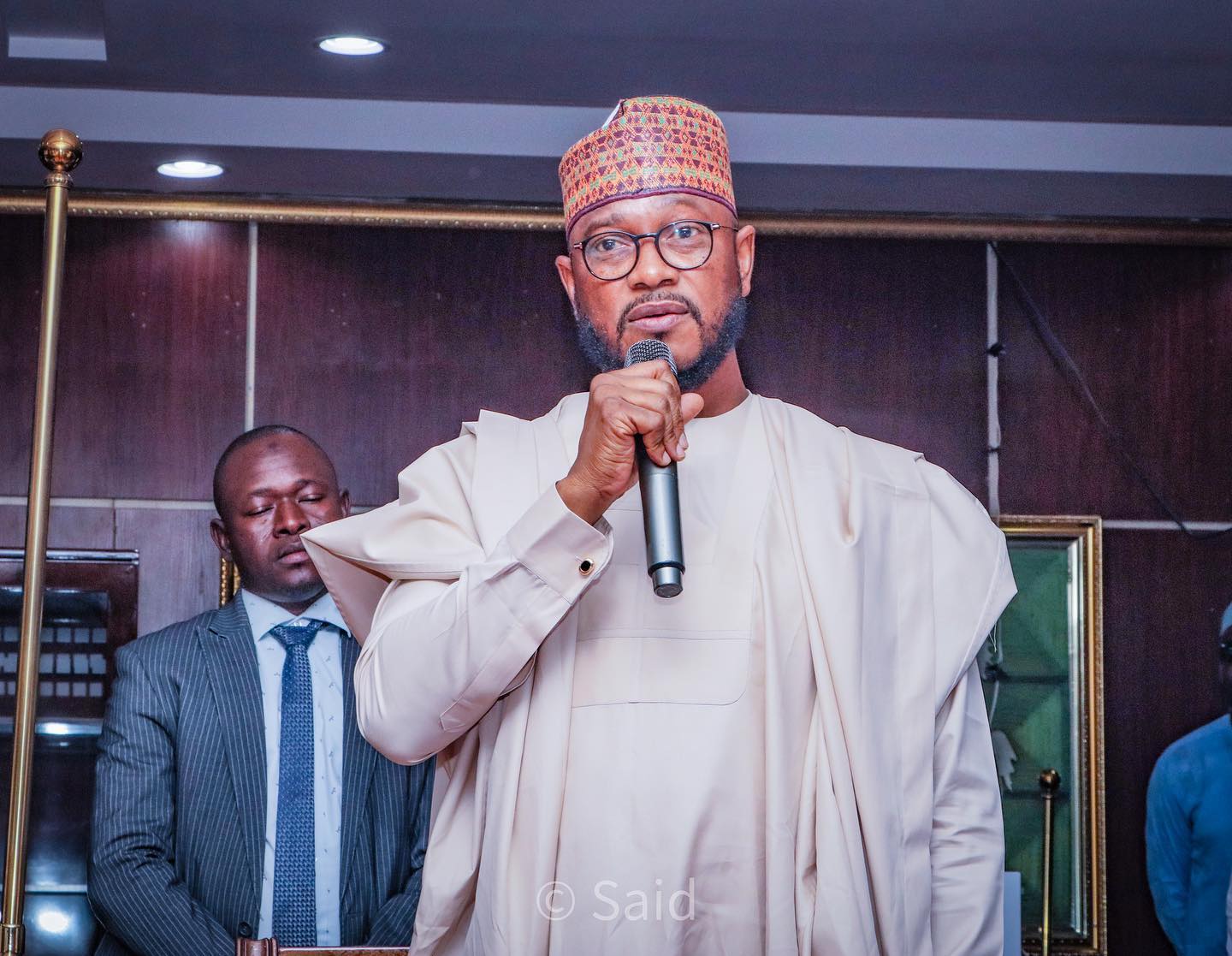
But why did the Zamfara people, for the first time in 24 years, massively vote for something outside their traditional trajectory? And why the unnecessary distraction against Governor Dauda Lawal by former Governor Bello Mutawalle and co.? First, let’s look at the man, Dauda Lawal: He is a new-breed politician but an experienced technocrat—someone who is completely outside the ‘system’ borrowing from the language of politicians.
Governor Dauda twice contested the Zamfara PDP gubernatorial primary election and won it twice with a wide margin, beating all his opponents. He is the only gubernatorial candidate whose election was challenged twice in the court of law, but he prevailed. Dauda Lawal spent over 25 years in banking, reaching an Executive Director position at the First Bank. He has over 26 years of post-qualification experience, which covers commercial and public sector banking.
So why the distraction Governor Dauda is facing now when he is trying to tackle insecurity, poverty, out-of-school children, misgovernance, etc.? Recently, there were some shocking revelations from the Zamfara state government: the Zamfara cargo airport and the uncompleted governor’s lodge in the 14 local government areas of the state. Documents released by the Zamfara state government showed that former Governor Bello Matawalle approved the release of over one billion naira for the fencing, landscaping, and furnishing of the governor’s lodge in 14 local areas even before the projects began.
Similarly, the Zamfara state government also released some documents showing that Matawalle has also embezzled over N4.5 billion from the abandoned Zamfara Airport Project, describing the project as a scam and citing what it called dubious transactions. However, Matawalle has denied all the accusations and said that he inherited the Cargo Airport Project from the previous government, saying all the allegations against him were nothing but calculated mischief and diversionary tactics by Governor Dauda Lawal’s government.
In every story, there are three sides: the two sides of the story and the truth, but the truth must be from one of the two sides. But questions need to be asked. Why did the Zamfara people opt for something new and someone ‘fresh’ in the 2023 gubernatorial election? Why did misgovernance and insecurity stay in Zamfara before now? Why is the current government of Zamfara State facing unnecessary distraction? Why is the opposition to the current Zamfara government oiled from the outside of the state, but the masses are supporting the government? The answer to all these questions is likely one: Governor Dauda Lawal seems to have found the silver bullet to solve Zamfara’s headaches: insecurity, poverty, misgovernance, and corruption. If Governor Dauda Lawal succeeds, many people will not only be out of politics but will also be out of the sights and minds of the Zamfara masses, thus the needless distraction to stop Governor Dauda Lawal.
A look at what happened and is happening in Zamfara State: it is obvious that the Zamfara local people’s worldview on governance has changed; they are thirsty for a new beginning free from banditry, corruption, poverty, and mismanagement of the state’s resources, but they also value accountability, inclusivity, responsiveness, and transparency in their aspirations and needs.
Governor Dauda Lawal promised them during his campaign that he would leverage his experience as a technocrat, technology, and people for efficient service delivery and prioritise sustainability and immediate local needs, not white elephant projects. He also promised to face the bandits head-on while protecting human rights and addressing the challenges that birthed insecurity. Thus, many public analysts are of the view that former Governor Bello Mutawalle should have used his current position as Minister of State Defence to work with Governor Dauda Lawal to tackle the security challenges in the state, not unnecessarily distracting the Governor.
Zayyad I. Muhammad writes from Abuja via zaymohd@yahoo.com.
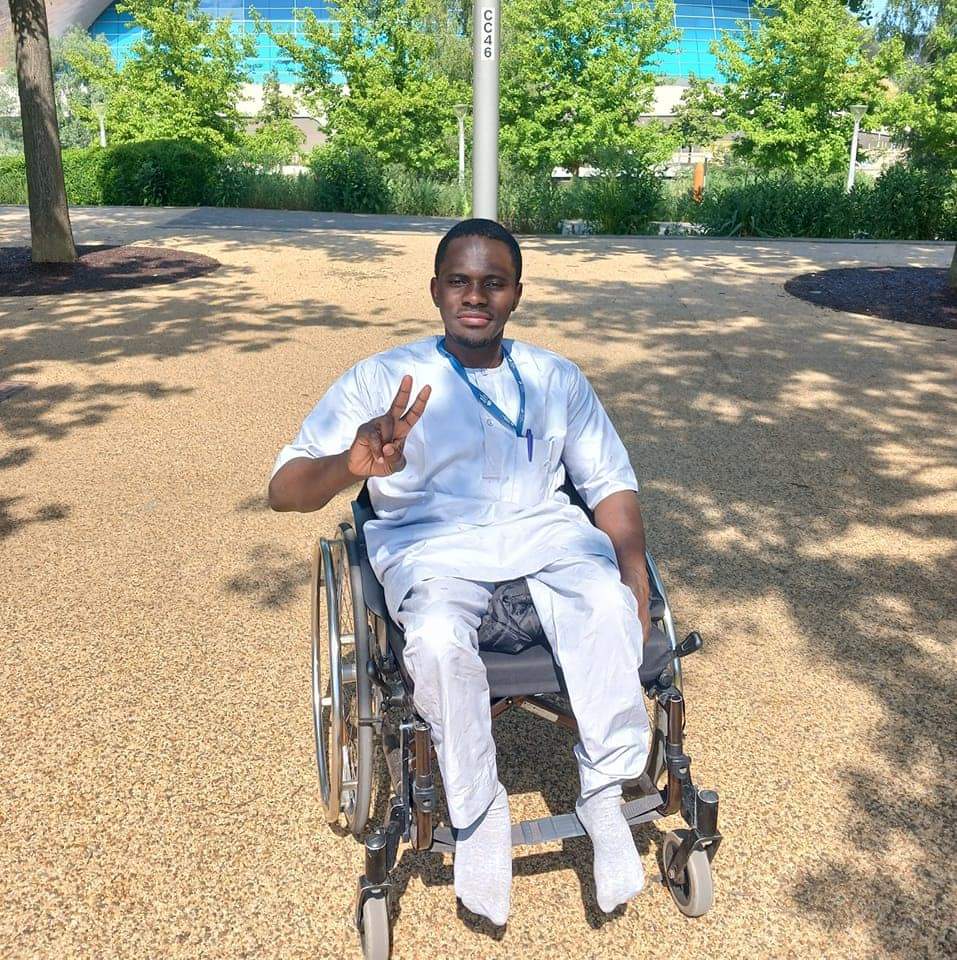
From polio survivor to public health champion: Nigerian lame man conquers challenges, earns master’s in UK
By Sabiu Abdullahi
A young lame Nigerian man who defied expectations to not only graduate with a Master’s degree in Public Health and Health Promotion from Brunel University in London but also become a beacon of hope for those facing adversity.

Overcoming the challenges of polio since childhood, Mahmud Abdullahi recently took to Facebook page to share his inspiring journey, a message that resonated deeply with many.
His post, a blend of personal reflection and a call to action for fellow graduates, quickly went viral, sparking jubilation and admiration across social media.
“My story is a blend of challenges and triumphs,” he wrote. “From battling poliomyelitis since infancy to standing here with a Master’s degree – it’s been a ride.”

But for Mahmud Abdullahi, these challenges were not obstacles, but defining moments. “Challenges don’t define us; they refine us,” he wrote, his words echoing a message of unyielding spirit.
His achievement goes beyond a personal victory
Mahmud sees his graduation as a celebration of diversity, inclusion, and the boundless potential of education.
“Today, I wear this cap and gown not just for me,” he stated, “but for everyone who defies expectations.”
He inspires a generation of changemakers, urging his fellow graduates to become “agents of change” in the field of public health, entrusted with the well-being of communities and the pursuit of equity.
The journey wasn’t easy
The late nights, forged friendships, and unwavering support of mentors are memories he cherishes. But above all, it’s the “spirit of resilience” that he credits for bringing him and his fellow graduates to this point.
As they embark on the next chapter, he leaves a powerful message: “No obstacle is too great. Our stories are proof that we’re capable of overcoming anything.”
His story is not just an inspiration for Nigeria, but for anyone who dares to dream and fight for a better future, proving that even the most difficult paths can lead to remarkable achievements.
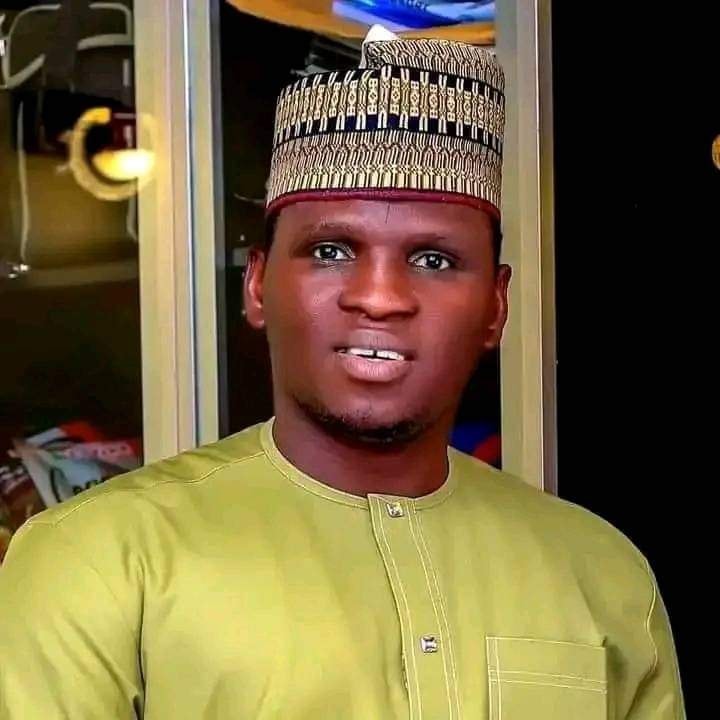
Rarara: Loyalty for sale
By Bilyamin Abdulmumin
When the former president Muhammadu Buhari’s praise singer Dauda Adamu Abdullahi Kahutu (Rarara), held a media conference some time ago, he stirred up the hornet’s nest. A press conference that initially appeared to lament about being sidelined in the current government ‘that they work hard to enthrone’ took an unexpected turn. Rarara would veer off the course to make damning allegations about the administration of his former boss.
One of these damages, which sent shockwaves in social media, was that President Buhari did not leave the office until he brought every part of the country to a grinding halt, stating, ‘sai da ya yi dama-dama da kasar nan’. A journalist immediately posed the question that many Nigerians would be wondering: You were in the administration for eight years but haven’t raised a finger until now. Why? Rarara’s response was typical; he claimed he had been hopeful that something positive would happen, so he remained aloof during the eight-year tenure.
However, sceptics, who don’t take things at face value, could argue that the president had an eight-year mandate. Within those years, how long would have been enough time for Rarara to raise the alarm? This was not to mention the apparent romance Rarara had had with the government during those years. This reminds me of one scandal that occurred during the Goodluck Ebele Jonathan (GEJ) government, and upon the pressure from the public, GEJ appeared determined to leave no stone unturned, so he gave two two-week ultimatum to the committee he set up to finish the investigation to bring the culprit to book.
However, to the most awe and shock, the person indicted for corruption would join the then-presidential foreign tour immediately after the order. A typical case of saying something, but body language says another. When considering the complete picture of the scenarios, the questionable timing and an unconvincing response led almost everyone to dismiss Rarara’s claims with a wave of the hand.
Rarara also launched another salvo, asserting that the 100 days of Bola Ahmed Tinubu were better than the entire eight years of Muhammadu Buhari. While the general view is that Buhari didn’t meet the messianic expectations set for him, drawing a parallel between eight years and 100 days for two different governments is like judging a sprinter’s performance in the first few meters of a marathon. For Rarara to make this shallow comparison, he must be among the Nigerians who thought 100 days was enough for the government to make substantial development. Ever since the United States president, Franklin D. Roosevelt, coined “first 100 days”, the gesture kept going wild; Nigerians have since imported and made it a ritual.
Because the mainstream media has amplified it and become embraced by the public, the newly elected Nigerian officials have become desperate to show that they could lift Zuma rock in the first 100 days in office. Assuming the new government has no serious court litigations to contend with, and the previous administration has little influence on their government, when did the busybody officials finish digesting the thousands of pages of the transition document handed over to them to decide on the administration trajectory? It is even the previous government budget that is already running. When they started to make their own, when were the projects conceived and implemented and matured for the public’s admiration? The speed at which a project is untimely executed to impress the public would go down the heel with double the speed.
In another arsenal that Rarara unleashed, he claimed to have contributed more to Buhari’s success than Buhari did himself. Following the historic dethronement of the incumbent in 2015, people pondered on the key figures that played the most significant role in paving the way for this landmark event: Rarara, President Buhari, and the Card Reader. Including Rarara in this list is a testament to his significant contribution to President Buhari’s success. However, that is not the complete story. All successful people have a tale to share; one crucial factor that defines them is consistency. They persistently push forward until circumstances align for success. So, in that moment of triumph, who rightfully claims the bragging rights?
Two theories were put forward to explain Rarara’s controversial media conference. One theory suggested that Rarara was acting based on the consent of the current administration, an indirect way of informing the public about the status quo of the country they inherited. Masses were already a block of ice waiting for an opportunity to rupture, no thanks to the ever-increasing prices of goods and services. This gave the ruling APC a conundrum: Should they give themselves excuses by condemning the previous administrations, or should they avoid self-sabotage and keep quiet? Therefore, Rarara, lacking a political appointment but commanding a Northern audience, became a strategic mouthpiece. This theory is plausible enough because, beyond the surface, the government could employ several manoeuvres to shift the public’s focus during hard times to avoid citizens’ wrath.
The second theory shared by many, including Prof. Abdallah Uba Adamu, was that Rarara is a typical gold digger; his loyalty is not through thin and thick. He has consistently known to forsake one boss at a time of scarceness and identify with another where the abundance is emerging. From praise songs to invective ones; from Saraki Sai Allah for Shekarau to Malam yayi rawa da alkyabba, from dawa ta bare for Kwankwaso to Tsula tsilla tsilla, from uban Abba for Ganduje to hankaka. But despite that, the nation was surprised to wake up with Rarara’s latest bombshell. Because Rarara seems to have gone aboard when it comes to Buhari and his government, he goes all out against the critics of Buhari not only in his songs but also in several interviews he offered.
As Rarara now courts new relationships with incumbents like Nasir Yusuf Gawuna, Dikko Umar Radda, or Bola Ahmed Tinubu, caution is advised. His track record of shifting loyalty raises questions about the depth of his commitment. These figures and their supporters should be wary of potential shifts and assess the sincerity of the newfound alliances.
Bilyamin Abdulmumin wrote via bilal4riid13@gmail.com.

How to become a successful journalist: a guide
By Ahmed Abdulkadir
This post is meant to advise or guide young social media enthusiasts on how to go about becoming journalists. It’s obvious that these days young chaps who have access to smart phones and data have become overnight journalists without a clue on how to go about it.
It’s a pleasure to talk about the exciting and impactful journey of becoming a journalist in Nigeria. As young social media enthusiasts interested in journalism, you have already taken the first step towards an incredibly rewarding and influential career. Nigeria, with its rich history and diverse cultural landscape, provides a unique and dynamic environment for aspiring journalists.
Today, I want to share with you some key insights and steps that can help you as you navigate the path to becoming a journalist in this wonderful country.
First and foremost, let me take you through my personal journey of how I stumbled upon journalism. Believe it or not, I did not set out to become a journalist. In fact, I had no clue what journalism entailed. I began my professional life as a teacher, specifically an English Language and Literature teacher in a secondary school.
However, my background in English language studies inadvertently propelled me towards this noble profession. Moreover, I had a deep passion for writing. Ultimately, that is the crux of the matter – having an unwavering passion for the profession.
Nevertheless, this doesn’t mean that you have to study English or journalism to become a journalist. You can pursue this career regardless of your field of study. English, journalism, mass communication, or related courses merely serve as guiding principles towards realizing your dream. I know numerous outstanding journalists in Nigeria who did not pursue any of the aforementioned courses, yet they excelled in their journalistic endeavours.
Take, for instance, the former Minister of Education, Malam Adamu Adamu, who initially studied accounting but later became an exceptional journalist. Another example is Dr. Mansur Liman, the former Director General of the Federal Radio Corporation of Nigeria, FRCN, who studied Chemistry up to the Ph.D. level but embarked on a successful career as an international journalist, starting at the BBC in London. Come to think of it, Abdalla Uba Adamu, a professor of science education at Bayero University, Kano, made a career switch to media studies and became a Professor of Media and Cultural Studies, thus becoming the first dual professor in Nigeria! There are countless such examples.
The examples mentioned above demonstrate Farooq Kperogi’s assertion that “anyone can be a journalist even if they didn’t formally study journalism or mass communication.” Kperogi, a Professor of Journalism and Emerging Media at Kennesaw State University in the USA, discussed the definition of a journalist and the nature of journalism in an article titled “What Critics of Rufai Oseni Don’t Know About Journalism,” which was published in the Nigerian Tribune newspaper on November 4, 2023. In the article, he defended Rufai Oseni, a well-known Arise TV anchor who faced criticism for practicing journalism without a background in journalism or mass communication.
So, when I grew tired of teaching and found myself searching for any kind of job, destiny smiled upon me when I was fortunate enough to be employed at Katsina State Television (KTTV). That was where I cut my teeth in journalism. And eventually, I climbed the ladder to become the General Manager of the station, twenty years ago, reaching the pinnacle of my journalistic career. Having achieved that feat, I transitioned into the regulatory aspect of journalism by joining the National Broadcasting Commission (NBC) in Abuja. The NBC, a federal government organization, oversees the work of the broadcast media, especially radio and television. There, too, I reached the pinnacle and retired as a Director!
To take you through the steps that can help you as you navigate the path to becoming a journalist, first and foremost, embrace the power of storytelling and the impact it has on shaping public opinion and discourse. Journalism is not just about reporting facts; it’s about capturing the essence of a story, uncovering hidden truths, and giving a voice to those who may not have one. As you develop your skills as a journalist, remember that your mission is to inform, educate, and inspire your audience through the compelling stories you tell. Let your passion for storytelling be the driving force behind your pursuit of a career in journalism.
In Nigeria, as in many other countries, the field of journalism is constantly evolving due to rapid advancements in technology and changes in the media landscape. As aspiring journalists, it’s crucial to stay up-to-date with the latest trends, tools, and platforms that are shaping the industry. Embrace new technologies, social media, and digital storytelling techniques to enhance your journalistic skills and reach a wider audience. The ability to adapt and evolve with the changing media landscape is key to success in the field of journalism.
Furthermore, seek out opportunities to gain practical experience and expand your network within the journalism community. Being on the social media platform is a great start, as it allows you to collaborate with like-minded individuals who share your passion for journalism. Look for internships, volunteer opportunities, and workshops that can provide hands-on experience and mentorship from seasoned journalists. Building strong relationships within the journalism community can open doors to new opportunities and help you gain valuable insights and guidance as you progress in your career.
In addition to honing your skills and building relationships, it’s essential to cultivate a deep understanding of the ethical considerations and responsibilities that come with being a journalist. In a country as diverse as Nigeria, where complex social and political issues abound, it’s crucial for journalists to uphold high ethical standards, maintain objectivity, and strive for accurate and balanced reporting. As aspiring journalists, you have the power to influence public opinion and shape narratives, so use that power responsibly and with integrity.
As you embark on this journey, it’s important to be prepared for the challenges that may come your way. Journalism can be a demanding and often unpredictable career, requiring resilience, determination, and the ability to work under pressure. Embrace each challenge as an opportunity for growth and learning, and always stay true to your passion for storytelling and the pursuit of truth. Remember, adversity can often be the catalyst for your greatest achievements.
Lastly, never underestimate the impact you can have as a journalist in Nigeria. Your work has the potential to spark important conversations, hold those in power accountable, and bring about positive change in your communities and beyond. Whether you choose to focus on investigative reporting, human interest stories, or political journalism, your contribution to the media landscape can make a meaningful difference in the lives of others.
In conclusion, the journey to becoming a journalist in Nigeria is a noble and rewarding pursuit. It’s a journey filled with opportunities to learn, grow, and make a positive impact through the stories you tell. Embrace the power of storytelling, stay adaptable and open to change, seek out practical experience and mentorship, uphold high ethical standards, and always remember the tremendous influence you can have as a journalist in Nigeria. I encourage each of you to stay dedicated to your passion for journalism, be relentless in your pursuit of truth, and never lose sight of the incredible impact you can have on the world around you.
I have every confidence that each of you has the potential to become a force for good in the field of journalism, and I eagerly anticipate the inspiring stories you will share with the world.
Thank you for the opportunity to share this moment with you, and I wish you all the best in your future endeavors as budding journalists in Nigeria.
Ahmed Abdulkadir is a former director at the National Broadcasting Commission and can be reached via ahmadakadir@yahoo.com
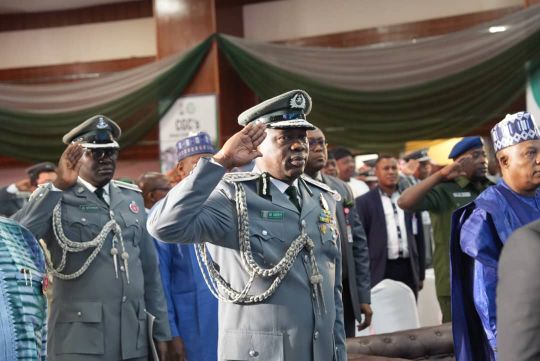
Nigeria Customs Service vows to elevate operations to international standards
By Sabiu Abdullahi
The Nigeria Customs Service (NCS) declared its unwavering dedication to integrating and streamlining its procedures to meet global benchmarks.
The pledge was made by the Comptroller-General of Customs, Bashir Adewale Adeniyi, MFR, during the opening ceremony of the 2023 Comptroller-General of Customs Conference held on Thursday.
At the conference, CGC Adeniyi noted the NCS’s relentless pursuit of excellence in all aspects of its operations.
He stated, “Our commitment to using meticulous data management to improve security and trade and positively engage with its stakeholders is actively on and running.”
The distinguished gathering included notable figures such as the President of Nigeria, represented by Vice President Senator Kashim Shettima, Governor Babajide Sanwo-Olu of Lagos State, and other dignitaries, highlighting the significance of the event.
President Bola Tinubu, in his keynote address, underscored the paramount importance of data, stating, “Every part of the world is dependent on data, and every day, we are reminded of the expanding volume of data upon which our decisions must be rooted. Data is the light.”
He assured that Nigeria is on track to establish a robust public service system that upholds data integrity, expressing the ambition to position the country as a prepared destination for stakeholders in export and import activities overseen by the NCS.
Governor Sanwo-Olu assured the state government’s commitment to providing a conducive environment for the NCS to thrive.
In a panel discussion, the National Public Relations Officer of the Service, CSC Abdullahi Maiwada, showed the innovative and data-driven approach adopted for effective reputation management.
He said, “By connecting the dots between communication strategies and the pulse of public sentiment, NCS exemplifies the foresight required to navigate the intricate dance between perception and reality.”
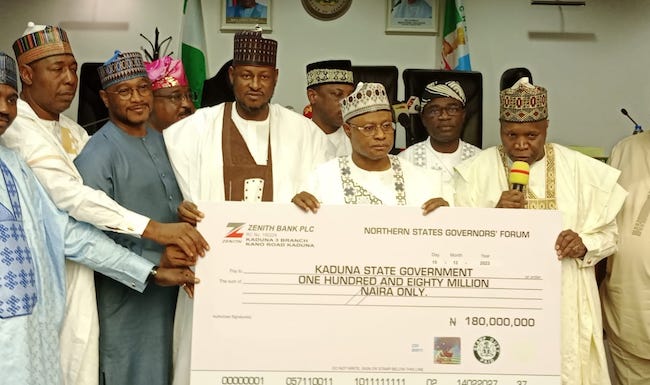
Kaduna bombing: Northern governors donate N180m to victims
By Ishaka Mohammed
The Northern States Governors’ Forum, under the chairmanship of Governor Muhammad Inuwa Yahya of Gombe State, has donated 180 million naira to support the victims of the accidental bombing in Tudun Biri, Igabi Local Government Area of Kaduna State.
This was part of the resolutions adopted at the inaugural meeting of the Forum under the new administration.
At the meeting held in Kaduna on Friday, December 15, 2023, the Forum commiserated with the government and people of Kaduna State over the accidental bombing by the Nigerian Army, which killed over 100 people and injured scores of others earlier this month.
The Forum commended both the Kaduna State Government and the Federal Government of Nigeria over the handling of the situation while promising to ensure a full investigation into the incident.
“The Forum resolved to to work collectively to ensure that the tragic incidence [sic] is thoroughly investigated with a view to compensating victims and taking corrective measures to prevent future occurrence,” part of the statement signed by the chairman reads.
Earlier, President Bola Ahmed Tinubu had directed a full-fledged investigation into the incident. Also, Vice President Kashim Shettima, accompanied by the Speaker of the House of Representatives, Abbas Tajuddeen; Minister of Defence, Mohammed Badaru Abubakar; and the APC National Chairman, Dr Abdullahi Umar Ganduje; had visited Kaduna to console the survivors as well as the families of the dead victims of the bombing.
The incident has generated a lot of reactions from the Muslim faithful, who continue to demand in-depth investigations and adequate compensation.
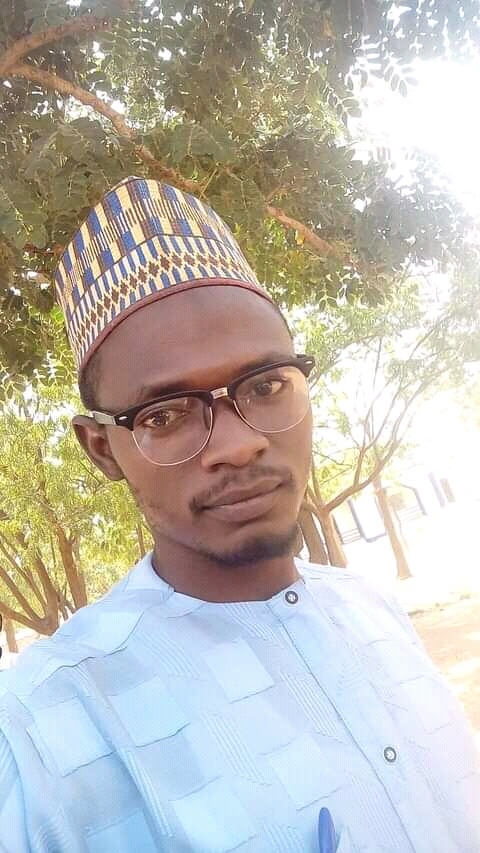
Skin bleaching epidemic in Africa: consequences and call for action
By Ibrahim Tukur
Skin bleaching in Africa has become pervasive and a concerning issue with far-reaching consequences. This phenomenon is driven by a complex interplay of cultural, social and economic factors, with detrimental effects on individuals and society as a whole.
Skin bleaching, also known as skin lightening or whitening, involves the use of various products to reduce melanin levels in the skin, resulting in a lighter complexion. While this practice is not exclusive to Africa, it has gained significant prominence in many African countries. The desire for fairer skin is often rooted in deeply ingrained societal beauty standards, where lighter skin is sometimes perceived as more attractive and a symbol of success.
The use of skin bleaching products in Africa has dire consequences for individuals and public health:
Many skin bleaching products contain harsh chemicals such as hydroquinone, tretinoin, and mercury. Prolonged use of these substances can lead to skin irritation, burning sensations, excessive redness, permanent discoloration, and the formation of stubborn pimples that can result in scarring.
Skin bleaching can lead to health issues beyond skin damage. The use of mercury in some products can lead to mercury poisoning, causing a range of serious health problems, including kidney damage and neurological issues.
The societal pressure to bleach one’s skin can take a toll on individuals’ mental and emotional well-being. It reinforces harmful stereotypes and can lead to a sense of inferiority among those who do not conform to the “lighter is better” ideal.
Lightening the skin reduces its natural protection against the harmful effects of UV radiation. This puts individuals at a higher risk of skin cancer, a particularly concerning consequence of skin bleaching.
The widespread use of skin bleaching perpetuates harmful stereotypes and the belief that one’s worth is determined by their skin color. This affects societal cohesion and can exacerbate discrimination and inequality.
Addressing the skin bleaching epidemic in Africa requires a multi-faceted approach:
Governments should impose stricter regulations on the import, sale, and use of skin bleaching products, particularly those containing harmful substances. Banning these products can go a long way in protecting public health.
Comprehensive and targeted public awareness campaigns are crucial to dispel the myths surrounding skin bleaching and educate the population about its risks. These campaigns should promote self-acceptance and the appreciation of diverse beauty standards.
Providing access to mental health services and counseling is essential for individuals who may suffer from the psychological effects of skin bleaching.
In conclusion, the skin bleaching epidemic in Africa is a pressing issue with far-reaching consequences.
In conclusion, the skin bleaching epidemic in Africa is a pressing issue with far-reaching consequences. To combat this problem effectively, we must collectively strive to promote healthier beauty standards, protect public health, and support individuals affected by this harmful trend. It is our collective responsibility to create a society where every individual can embrace their natural beauty without feeling pressured to alter their skin colors.
Ibrahim Tukur
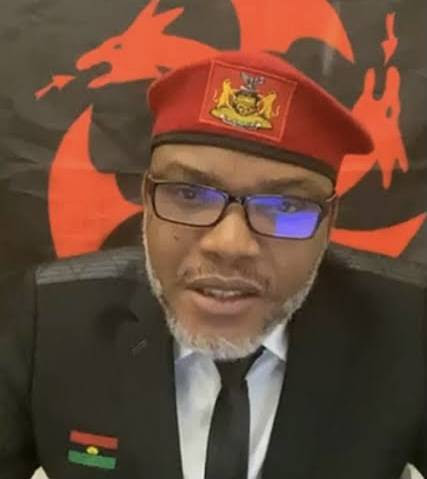
Supreme Court orders continuation of Nnamdi Kanu’s trial
By Ahmad Deedat Zakari
The Nigerian Supreme Court has ordered the continuation of the trial of Nnamdi Kanu, leader of the Indigenous People of Biafra (IPOB), on terrorism charges.
The apex court ruled that the defendant should not be released on bail and also ordered the continuation of his trial.
A five-member panel of the Supreme Court, led by Justice Kudirat Kekere-Ekun, declared that Kanu’s forcible repatriation from Kenya to Nigeria is illegal.
However, the court, in the lead judgement prepared by Tijjani Abubakar, ruled that there is no Nigerian law that prohibits the use of “illegally obtained evidence for the trial of a defendant.”
The lead judgement of the Supreme Court was prepared by Mr. Abubakar but read on his behalf by Emmanuel Agim.
“The Court of Appeal was wrong to say that the Federal High Court can no longer try Mr Kanu,” the court held.
“The appeal is allowed and the cross-appeal is dismissed.”
In the unanimous decision, the Supreme Court said Mr Kanu’s forcible repatriation from Kenya in June 2021 by the Nigerian government did not rob the trial court of jurisdiction to entertain the IPOB leader’s trial.
“Our law is that evidence illegality obtained is valid before the court. A violation of Mr Kanu’s right should have been by way of civil proceedings. That is not our law for now,” Mr Abubakar declared.
He also ruled that there is no legislation in Nigeria that provides that trials should stop where the prosecution does something illegal against the defendant while standing trial.
The judgement also implies an effective reversal of the previous decision of the Court of Appeal ordering the release of Mr Kanu from detention.

UCL changes style of playing group stage matches
By Sabiu Abdullahi
The UEFA Champions League bids farewell to its traditional group stage, paving the way for a radical Swiss-style format commencing next season.
The tournament will expand its elite field to 36 teams, all converging into a singular league group.
Clubs will face a challenging schedule, engaging in eight matches against eight distinct opponents.
This shift promises to deliver heightened competition and a diverse range of matchups.
The top 8 teams excelling in the league will clinch an automatic berth in the knockout stages, incentivizing stellar performances throughout the group phase.
Teams concluding the group stage from 9th to 24th place will embark on intense play-off battles.
Only 8 triumphant teams from these encounters will earn the coveted spots in the Round of 16.

N476,000 Law School fees and the fate of the indigents
By Abdul Mutallib Muktar
The journey to the bar has always been quite challenging and frustrating, especially for those students who are from financially disadvantaged homes. These students usually have to endure some terrible experiences for five years or more in order to obtain LL.B from their respective universities. It is sad that after this genuine struggle and heroism, the students get out of the race at the point of registering for the Nigerian Law School because they cannot raise the humongous school fees.
Most of the 2023/2024 applicants for the Nigerian Law School this year are students who graduated from the universities in 2023. This means they spent about seven years instead of five undergoing LL.B programme because of the perennial ASUU strikes and Covid-19 that disfigured the academic calendar. Students of public universities have a sad story to tell of the above.
What stands as a dishearteningly unclimbable mountain for most law students from public universities is the payment of the Nigerian Law School fees which rose to N476,000 for registration alone this year. Before the registration, one must apply for the law school which consumes about N45,000, including the faculty charges. A flashback of some few students who could not apply because they had no N45,000 let alone N476,000, touches the heart.
Over the years and especially after the unfortunate removal of fuel subsidy, Nigerian economy has fallen into an unprecedented quagmire which sent the masses into a regrettably more pitiable condition. A lot of parents who thought they could continue to take care of the higher education of their offspring gave up and have now lost their financial balance and are only struggling to provide food for their families. It is this reason that turns many students drop outs in the last few years.
Many of the graduates who applied for the Nigerian Law School this year are struggling to reach out to either their representatives, senators, governors or philanthropists but to no avail. The letters written to them could not reach them, so also the true state of affairs of this set of their constituents. In fact, this is what fundamentally prompted this write up–perhaps it may be a speedy channel of passing the message across to them. This is the time when these law school applicants will truly appreciate any sort of help from their leaders.
Few months ago, some governors, such as His Excellency, Abba Kabir Yusuf, refunded the school fees to those who registered for the last session of the NLS. May God reward them. Although the governors have a right reason for choosing to refund and not otherwise, it is my humble suggestion that the school fees should be better paid than refunded because the biggest challenge lies in paying it. If the governors continue on the refund policy, only the capable hands will continue to benefit. With the refund policy, the philosophy behind the support will surely be defeated.
I am using this medium to humbly invite the attention of the Honourable members of the State Houses of Assembly, the National Assembly and Their Excellencies, the governors of our various states to render assistance either in form of support or sponsorship of the Nigerian Law School applicants from their respective constituencies. It is additionally a time when philanthropists across the country can help too. Without this gesture, I am quite sure many law graduates will have to face the fate of not attending the law school. As contained in a notice signed by the Director General of the Council of Legal Education, Prof. Isa Hayatu Chiroma, SAN, lectures for the Bar Part I and Bar Part II commence on 11th December, 2023 and 15th January, 2024 respectively.
Abdul Mutallib Muktar (LL.B, B.L in view) wrote from Kano via via abdulmutallib.muktar@gmail.com.