

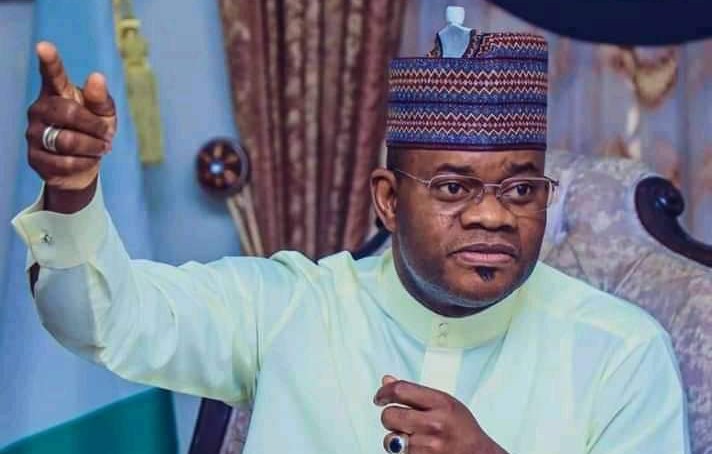
I want to appear before court but afraid of arrest—Yahaya Bello
By Uzair Adam Imam
The embattled immediate past of Governor of Kagi State, Yahya Bello, has said that he did not appear before the Federal High Court in Abuja today because he feared that he could be arrested.
However, Bello said he is ready to answer to the 19-count charge the Economic and Financial Crimes Commission (EFCC) preferred against him.
The Daily Reality learned that, although Bello was absent for his arraignment, he briefed a team of lawyers who addressed the court on his behalf on Tuesday.
Mr. Adeola Adedipe, SAN, who is a member of his legal team, told the court that his client would have made himself available for proceedings, but was afraid that he would be arrested.
“The defendant wants to come to court but he is afraid that there is an order of arrest hanging on his head,” Adedipe, SAN, submitted.
He also urged the court to set aside the exparte order of arrest it earlier issued against the former governor.
Adedipe, SAN, contended that as at the time the order of arrest was made, the charge had not been served on his client as required by the law.
He noted that it was only at the resumed proceedings on Tuesday that the court okayed substituted service of the charge on the defendant, through his lawyer.
“As at the time the warrant was issued, the order for substituted service had not been made. That order was just made this morning.
“A warrant of arrest should not be hanging on his neck when we leave this court,” counsel to the defendant added.
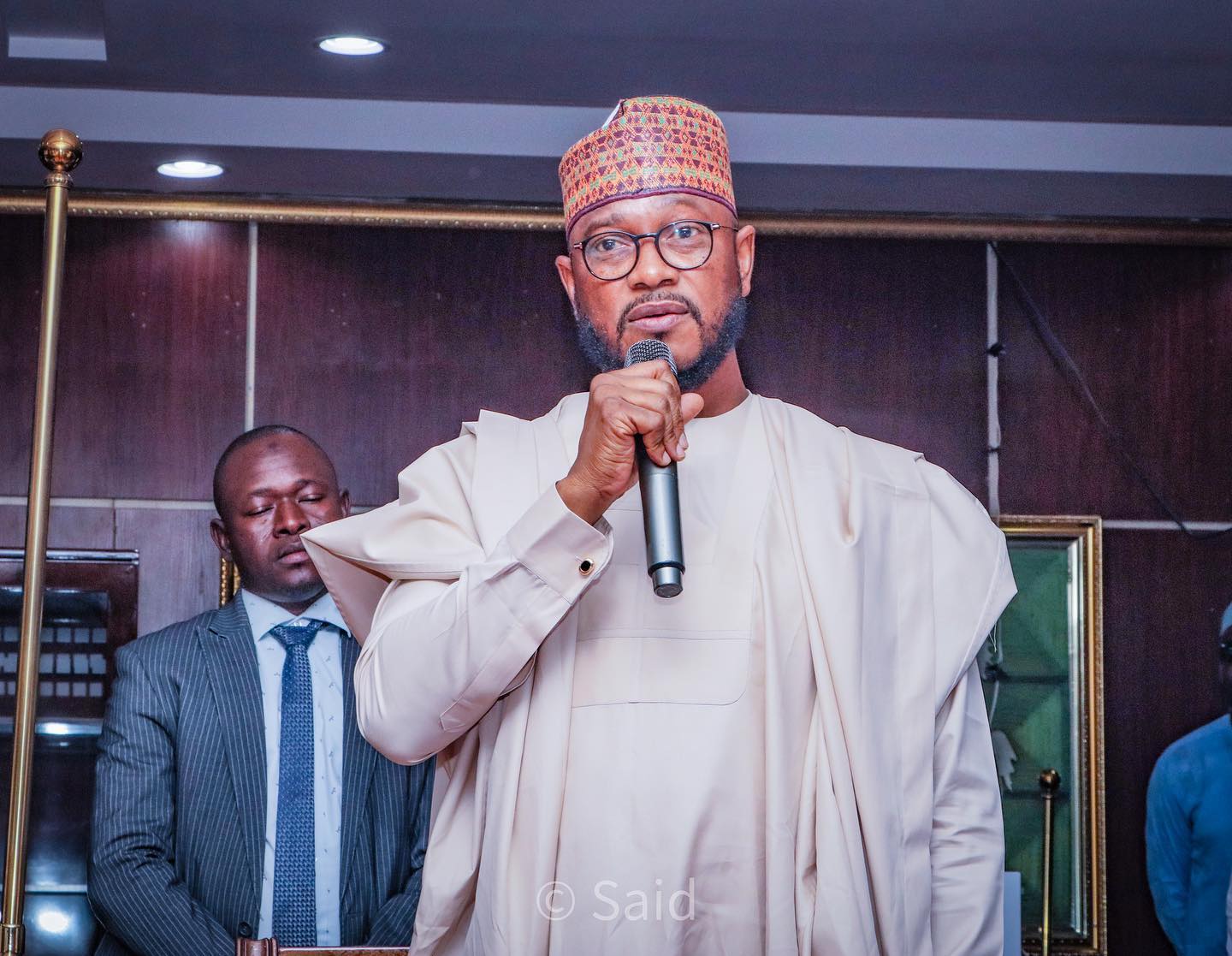
Governor Lawal calls for use of advanced technology to tackle insecurity
By Uzair Adam Imam
Governor Dauda Lawal of Zamfara State has advocated for the utilization of advanced technology to address the security challenges in his state and the broader Northern region.
During a meeting with Amina J. Mohammed, Deputy Secretary-General of the United Nations in Washington, United States, Governor Lawal emphasized the importance of deploying advanced technology to combat insecurity.
This statement was conveyed through the governor’s spokesman, Sulaiman Bala Idris, in a release issued yesterday.
The meeting, which included governors from Zamfara, Benue, Jigawa, Kaduna, Katsina, Kebbi, and Niger states, received praise from the Deputy UN Secretary-General, Amina J. Mohammed, who commended their efforts in seeking lasting solutions to regional challenges.
Governor Lawal highlighted the critical role of technology in enhancing security, emphasizing the need for a coordinated approach to leverage technological advancements such as Artificial Intelligence (AI), biometric identification systems, and surveillance cameras.
He stated, “We are faced with common problems, primarily insecurity, which demands urgent action.
“Due to insecurity, agricultural activities have suffered, and there’s a pressing need to transition from traditional farming to modern agriculture by leveraging technology to combat insurgency.”
If they won’t read, let them watch
By Ado Magaji Mansur
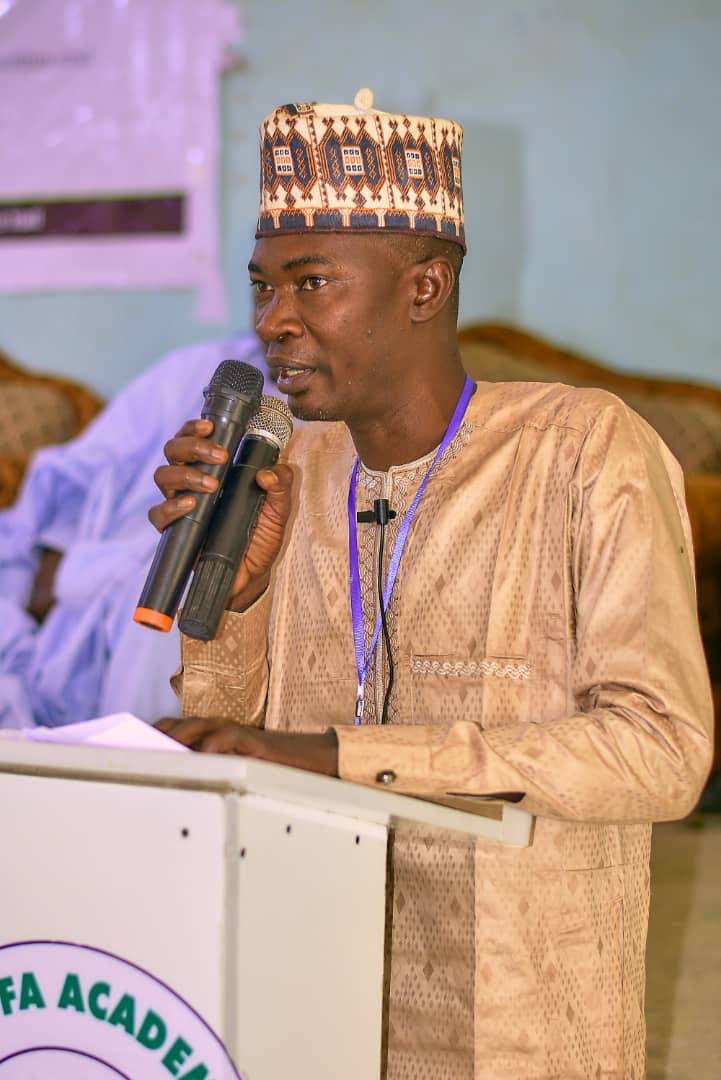
As the saying goes, “We are the books we read.” Therefore, we should all thank our writers, past and present, for depriving themselves just to share their ideas and experiences with us through books.
Although I am not a writer, I believe that writing books is both painful and rewarding. Without these books, our world would’ve been a totally different place.
However, as the world is moving from script to screen, coupled with the gradual death of the reading culture and rise in the “watching” culture, especially among our people. I hereby ask the question: Can’t our intellectuals use film to transmit their great ideas to the people?
We have already made the mistake of entrusting our films to the people we all know who can’t be relied upon as the sole custodians of our culture and the psyche of our younger generation. Therefore, instead of observing and criticising the films, their makers and producers from a distance, why can’t some of the great minds among us think up some appropriate ways of putting their ideas to improve the powerful Kannywood, especially now that it’s been confirmed that they can’t live up to our didactic and moralistic expectations? And since no one can moderate (read: censor) their movies before they reach our homes, we must help them improve.
Very soon, we will start alleging or complaining that foreign countries and organisations are sponsoring and producing films like “Dadin Kowa” to intentionally misrepresent us or to sustain the stereotypical image of us that has already been created.
Like books, films have the capacity to convey a wide range of ideas, making them a versatile tool for people from all disciplines. If handled with care, films can have a profound impact on the audience, much like books do for readers.
Finally, I must confess that, some years back, when our friend Muhsin Ibrahim defected from Literary Studies to Theater/Film/Television studies, I secretly doubted the sagacity of his choice because I then wrongly thought that, as a promising writer and critic, he would contribute to his society better as a literary guru than a film scholar. But now we can all see his great job for Kannywood. We can all take some cues from our friend and see how we can contribute.
Bandits in Plateau state surrender weapons to govt
By Uzair Adam Imam
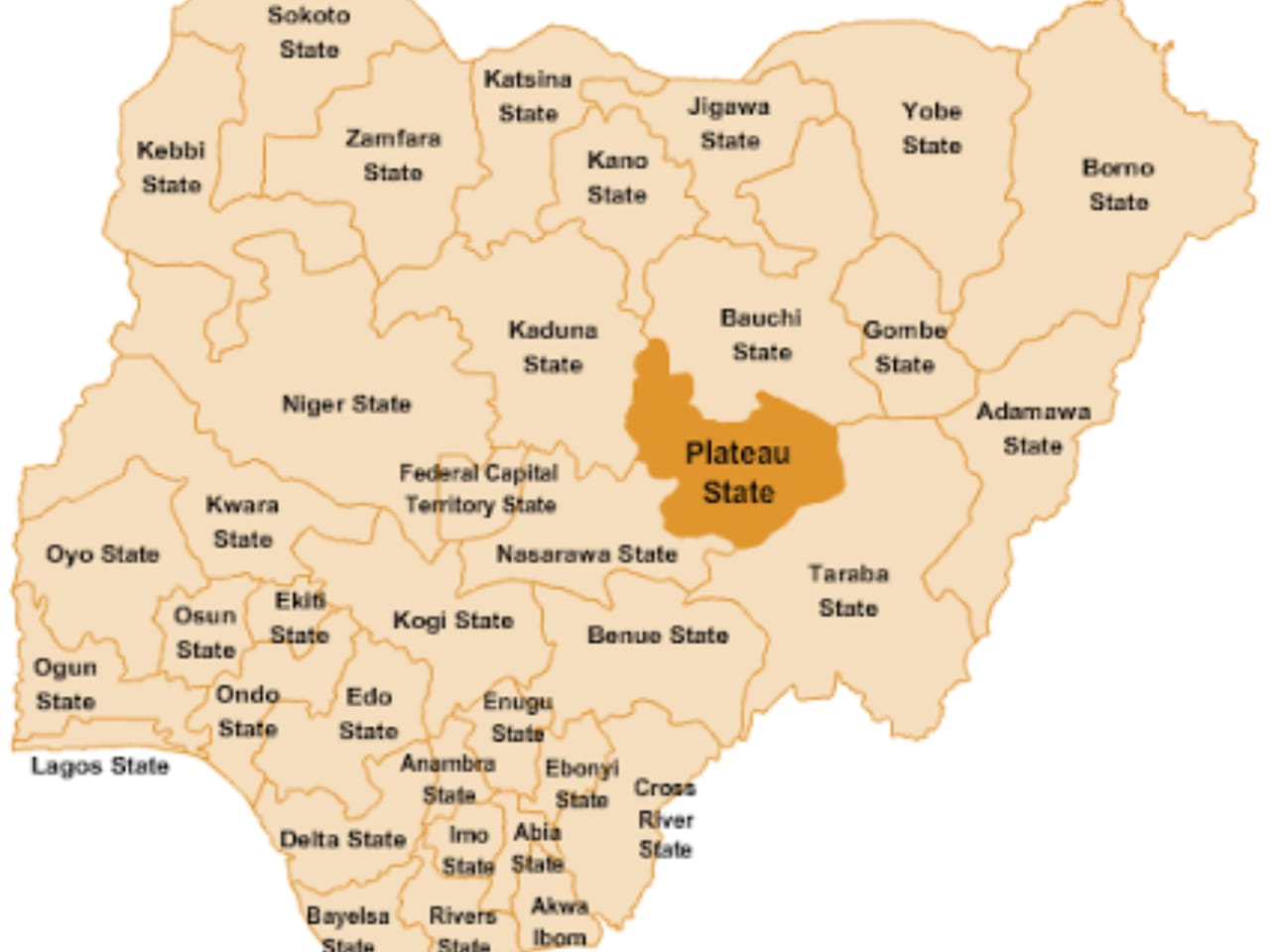
The Plateau State Government revealed on Monday that bandits operating in the Wase Local Government Area have handed over a significant number of AK47 rifles to the state authorities.
During a press briefing in Jos, the state capital, the Special Adviser to Governor Caleb Mutfwang on Security and Commander Operation Rainbow, Brigadier General Gakji Shippi, made this disclosure.
Shippi explained that the surrender of weapons followed extensive negotiations between the government and the bandits, showcasing a willingness to pursue peace through disarmament.
He clarified that the bandits didn’t directly surrender the firearms out of fear but through an intermediary involved in the negotiations.
He further mentioned that alongside the AK47 rifles, various other categories of weapons were also surrendered by the bandits, illustrating their commitment to the peace process.
Shippi emphasized that these efforts aim to encourage more bandits to voluntarily surrender their weapons, with ongoing steps to recover additional firearms from other groups.
A’s or nothing: Success story of Khalilat Bello
By Wonderful Adegoke
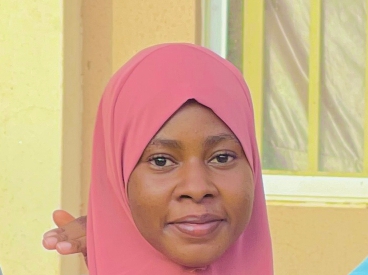
In a Northern Nigerian region plagued by stereotypes and obstacles to academic success, Khalilat Bello’s unwavering advocacy for academic excellence has defied all the odds and carved a path to success. Her journey is not only inspiring but also a testament to the power of perseverance and determination.
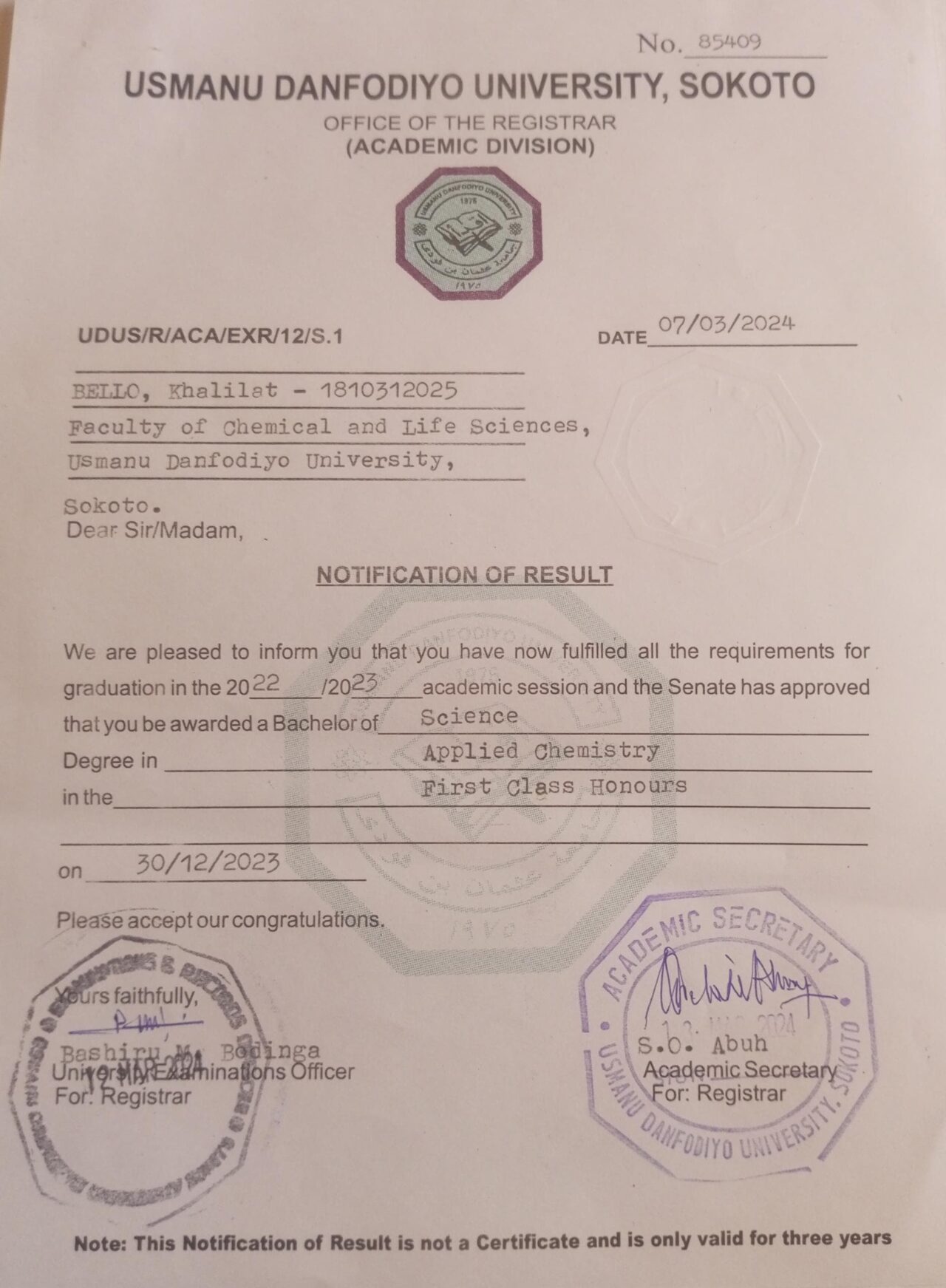
Hailing from Offa Local Government Area in Kwara State, Khalilat came to terms with her fate of studying Applied Chemistry at Usmanu Danfodiyo University Sokoto (UDUS) after realizing that pursuing a medical degree would be a forlorn attempt. She accepted her new path and threw herself into her studies, determined to make the most of her time at the university.
Khalilat recounted, “Reflecting on the past, there has never been a record of my struggling in the field of chemistry. When I graduated from secondary school, I was awarded for being the best student in chemistry. Moving forward, my interest in the subject deepened.”
Khalilat’s Resolute Grit
Fully aware of undergraduates’ volatile academic experience, she subsisted her academic pursuits by attending lectures regularly and taking tutorials on obscure courses.
“Earning 4.89 on a 5.0 CGPA scale in 100-level compelled me to give it my all,” she enthused, revealing how she persevered among a class of brainy students who were in healthy competition with each other.
“As an ardent believer in hard work, I spent countless hours reading and writing, thoroughly studying the materials. Attending tutorials, brainstorming and sharing ideas with my classmates helped out in some challenging courses.
On the subject of long-term concentration during reading, “The goal I had in mind kept me going and helped manage distractions.”
Though actively involved in extracurricular activities and has served as the one-time Vice President of her departmental association, she added, “All engagements are brought to an abeyance during tests and exams.”
“I’m immensely grateful to God for being the top student in my department with the highest CGPA of 4.85. I attribute this achievement to the self-discipline I developed in my early days and the encouragement I received from my friends and family.”
Remain Committed — Khalilat advises undergraduates
Khalilat warns against inconsistency and advises undergraduates to be committed and hardworking. “Hard work helps mitigate against gratuitous results.”
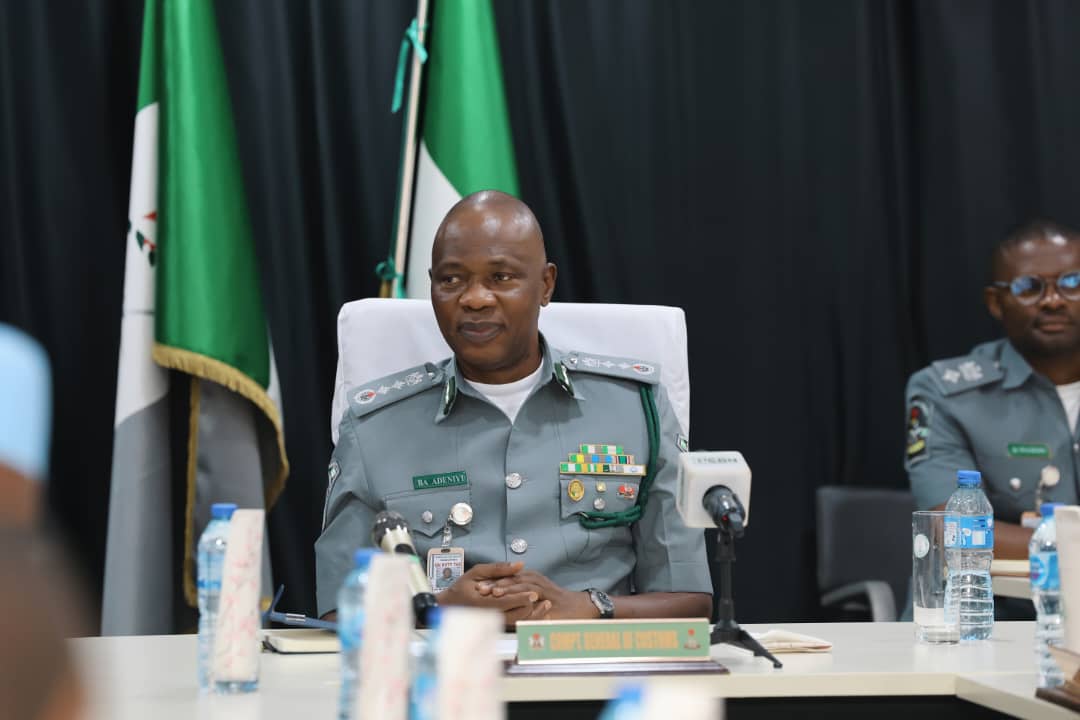
Customs CG Adeniyi meets NFIU DG, vows to enhance border security
By Sabiu Abdullahi
The Comptroller-General of Customs (CGC), Bashir Adeniyi, received a delegation from the Nigerian Financial Intelligence Unit (NFIU) led by Director General Hafsat Bakari at the Service’s Headquarters in Abuja on Tuesday, 16 April 2024.
The meeting focused on strengthening the partnership between the two agencies to enhance border security, intensify efforts against smugglers and money launderers, and combat terrorism financing activities.
CGC Adeniyi congratulated DG Bakari on her appointment and expressed the Nigeria Customs Service’s commitment to supporting NFIU through a joint team to address pressing issues.
“I want to wish you a successful tenure. I see, through your passion, your commitment to Project Nigeria, and I also see the collaborative spirit that you brought on board. These are all things that I share also because I believe that we can draw strength from each other, assist ourselves, and get things done,” CGC Adeniyi said.
DG Bakari applauded the NCS’s commitment to safeguarding Nigerian borders and combating smuggling activities.
She stated the importance of information sharing and highlighted the need for efficient systems, processes, and technologies to identify the smuggling of currency and high-value items.
“We recognise the vital role of the NCS in protecting Nigeria’s borders, preventing the smuggling of illicit goods, but also in ensuring that those who import goods into our country pay the appropriate fees and levies that are due to the federal government,” DG Bakari said.
The meeting also aimed to establish a cordial relationship between the two agencies and promote intelligence sharing to ensure the safety and prosperity of Nigeria.
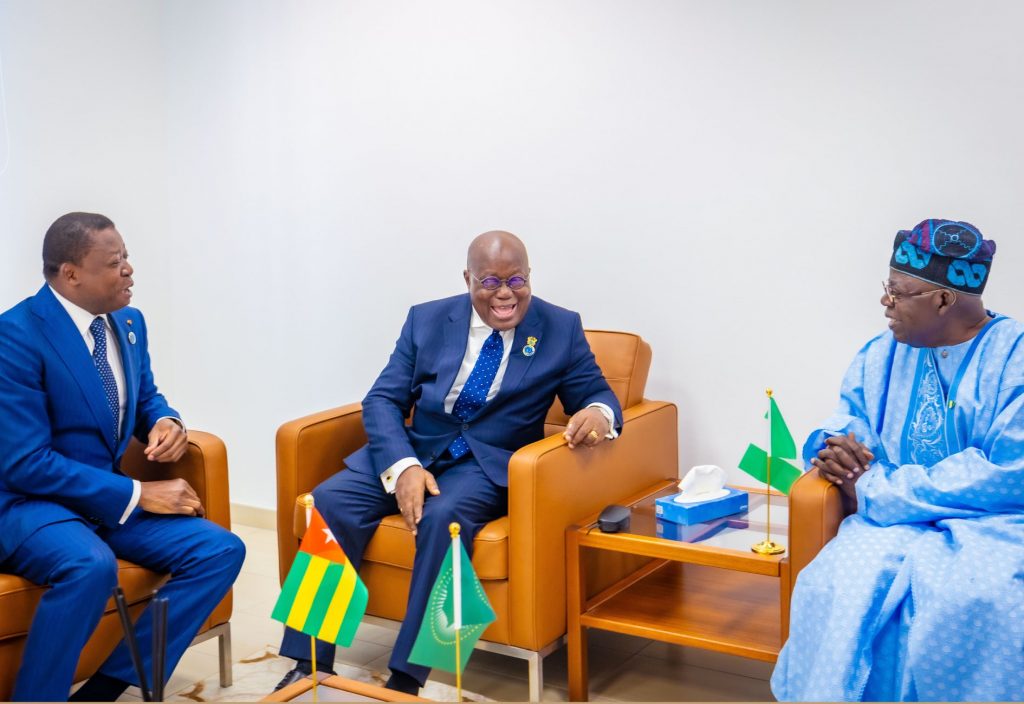
Tinubu calls for regional counter-terrorism centre to combat terrorism in Africa
By Sabiu Abdullahi
President Bola Tinubu has urged African leaders to establish a regional counter-terrorism centre to tackle the growing threat of terrorism on the continent.
Speaking at the African High-level Meeting on Counter-Terrorism in Abuja on Monday, Tinubu noted the need for a comprehensive approach to combating terrorism, addressing not only military might but also the root causes of poverty, inequality, and social injustice.
“The international community has both the moral and legal obligation to help in this cause because it is external finance, not African money, that fuels these illegal operations. We shall be knocking on the door of the international community to answer this call for justice, peace, and fair play,” Tinubu said.
The President stressed the importance of cutting off financial lifelines that fuel terrorist activities, such as ransom payments and illegal mining operations.
He noted that billions of dollars that should be used to provide education, healthcare, and food for citizens are instead spent on weapons and responding to mayhem.
Tinubu called for the urgent establishment of a fully operational Regional Counter-Terrorism Centre, while also strengthening existing counter-terrorism structures.
He expressed the need for a regional standby force with a mandate to tackle terrorism, despite funding, legal, and logistical complexities.
Stating Nigeria’s efforts, Tinubu stated that the country has taken bold steps forward in safeguarding the nation and the wider region.
He commended the courage and dedication of Nigeria’s security forces in the fight against terrorism and stated the need to halt the proliferation of Small Arms and Light Weapons on the continent.
The Regional Counter-Terrorism Centre would serve as a hub for intelligence sharing, operational coordination, and capacity building throughout Africa, aiming to combat terrorism and address its root causes.

The rise and fall of Kano Pillars
By Muhammad Sodangi
As a prominent professional football club, Kano Pillars rose through the landscape of Nigerian football, showcasing and elegantly displaying a blend of talent, resilience, and passion for the game.
The club’s commitment to excellence and community support have been instrumental in its success. It is also well known for its passionate fan base, iconic blue and white colours, and stylistically competitive performance on the field.
Kano Pillars have won many domestic trophies, multiple NPF titles, and Federal Cup victories. Amazingly, they have represented Nigeria in several continental competitions, such as the CAF Champions League and the CAF Confederation Cup.
With a solid foundation, Kano Pillars Football Club is a shining example of determination, talent, and community spirit in Nigerian football.
Through their remarkable journey, the Kano pillars have solidified their place as a highly revered and respected institution in Nigerian football, leaving behind a lasting imprint on the hearts of fans and the history books of the sport.
However, the recent clash between Enyimba and Kano pillars shook the Nigerian football scene as the former claimed a commanding 5-0 victory over the latter.
The game was a top-notch encounter that magnetised and captivated fans and pundits from all angles. Enyimba, known for their attacking prowess and tactical acumen, played a master class against Pillars, securing an impressive 5-0 victory.
Conversely, Kano pillars faced enormous challenges throughout the match, struggling to contain Enyimba’s attacking onslaught and assert their presence on the field. In fact, the decline of Kano pillars in recent seasons could be attributed to various factors, including the lack of motivation among players, coaching staff, and management, as well as poor government funding.
These bedevilling obstacles created a nasty environment that hindered the players’ ability to perform at their best.
These international challenges could be addressed by prioritising motivation, empowerment, and support for players and staff. Thus, these could pave the way for success, glory and growth within the prestigious Kano pillars.
Sodangi writes from Salaha Africa, a media company based in Kano, Nigeria.

JAMB sanctions official who asked candidate to remove Hijab
By Sabiu Abdullahi
The Joint Admissions and Matriculation Board (JAMB) has taken disciplinary action against an official in Lagos who directed a female candidate to remove her hijab during the 2024 Unified Tertiary Matriculation Examination (UTME).
The incident occurred at Bafuto Institute, Ile-Iwe Bus Stop in Ejigbo, Lagos, during the accreditation process, causing controversy.
The candidate was told to remove her hijab, a head covering worn by some Muslim women, before being allowed to sit the examination.
JAMB condemned the official’s action in a statement issued on Sunday, saying: “We were made aware of an unfortunate incident where a candidate wearing a hijab was asked to remove her headcover during accreditation before entering the examination hall.”
The board reaffirmed its commitment to selecting suitably qualified candidates for admission into Nigeria’s tertiary institutions and assured that it would not allow any distractions from this goal.
The 2024 UTME, which began on Friday, April 19, 2024, has been smooth, with over 1.2 million candidates successfully taking the examination by Monday.
According to JAMB’s spokesman, Dr. Fabian Benjamin, “The Board is dedicated to fulfilling its statutory role and will not allow anything or anyone to hinder its pursuit of this noble goal.”
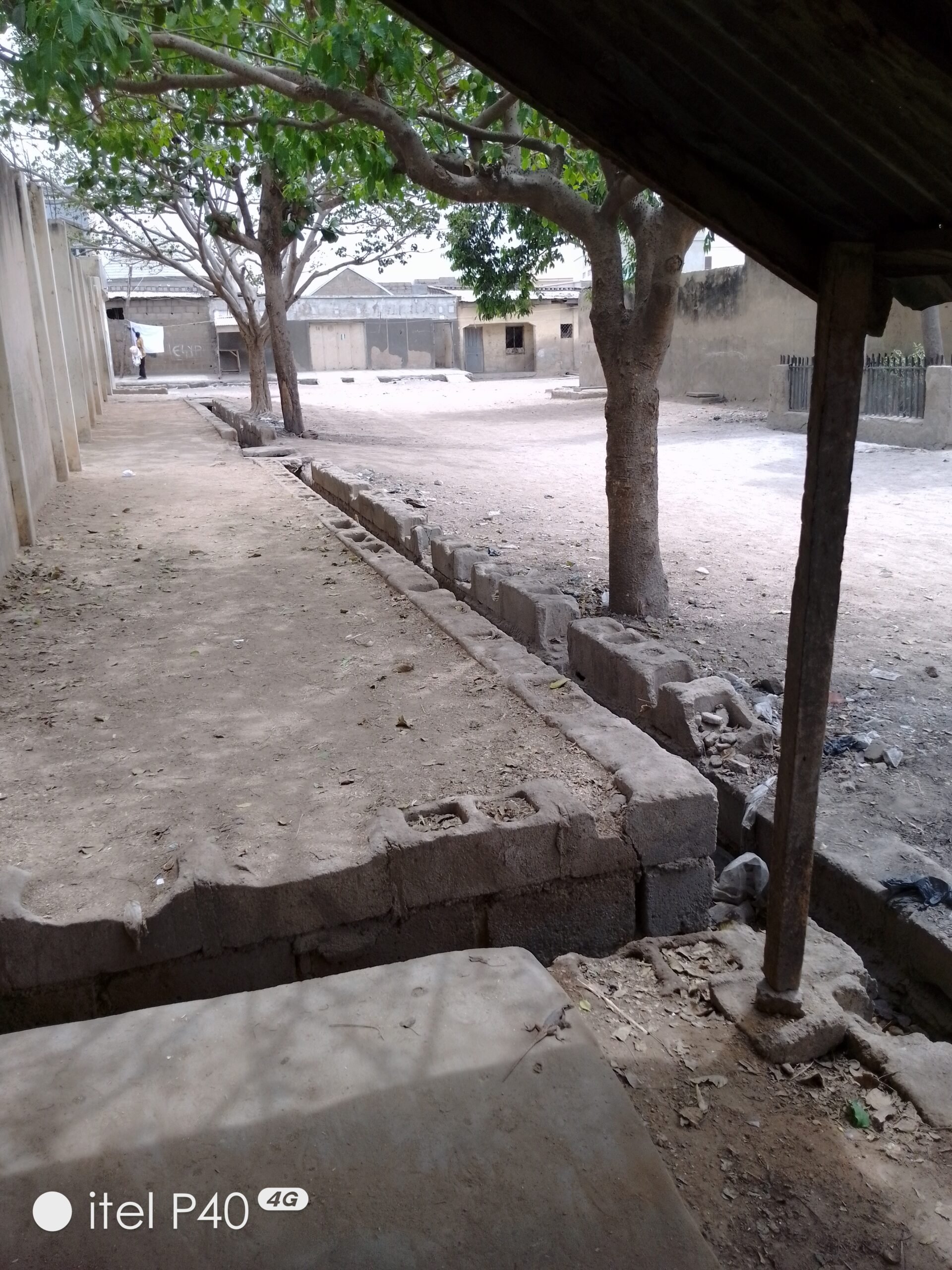
The unforgiving thirst: Darmanawa’s struggle with water scarcity
By Umar Sani
In the heart of Darmanawa, a community in Kano city that was once enriched by natural water resources, a relentless battle against water scarcity now rages. This pressing issue, a matter of life and death, stands as a stark reminder of the failures in governance and the unyielding grip of greed that plagues our society.
For generations, the people of Darmanawa lived harmoniously with abundant water sources, a testament to nature’s generosity. But today, the narrative has shifted drastically, leaving residents grappling with the harsh reality of waking up before dawn to embark on a futile quest for water.
The dawn chorus is no longer accompanied by the soothing flow of streams or the gurgling of wells. Instead, it echoes with the footsteps of weary souls like my friend, Aminu, and me, trudging through the darkened streets in search of a basic necessity.
The root cause of this crisis is not nature’s reluctance but, rather, human neglect and shortsightedness. The government’s failure to manage water resources efficiently and the insatiable greed of the affluent, who hoard water from boreholes, exacerbate the plight of the common people.
We are left with no choice but to rely on water vendors whose prices soar higher with each passing day, adding financial strain to an already burdened populace. Even this temporary relief is insufficient, forcing us to venture further, to places like Makabarta, in pursuit of “Mai ruwa,” a term that has become synonymous with hope in our parched reality.
The consequences of water scarcity extend far beyond mere inconvenience; they permeate every facet of life. Health suffers as access to clean water becomes a luxury, hygiene standards plummet, and diseases lurk in the shadows. Education is compromised as children spend valuable hours fetching water instead of attending school. Economic activities dwindle, perpetuating a vicious cycle of poverty and despair.
Amid these challenges, however, a glimmer of resilience lies within our community. Local initiatives to conserve water, promote rainwater harvesting, and raise awareness about responsible water usage have sprouted like oases in a desert. These efforts, though small, carry the promise of a better future, where water is not a commodity but a fundamental human right.
As we reflect on Darmanawa’s struggle with water scarcity, we must remember that this is not merely a local concern but a global crisis demanding immediate attention. Sustainable water management, equitable distribution, and community empowerment should take center stage in our pursuit of a water-secure world.
The unforgiving thirst of Darmanawa serves as a poignant reminder that water is not merely a source of life; it is life itself. It’s time we quench this thirst, not only with water but also with collective action, empathy, and a commitment to a brighter, hydrated future for all.
Together, let us turn the tide, one drop at a time, until every cup is filled and every faucet flows freely once more.
Umar Sani Adamu (Kawun Baba) wrote via umarhashidu1994@gmail.com.