



How Nigerian scholar in France develops biological concept to help cereals access atmospheric nitrogen
By Uzair Adam
A Nigerian researcher working in France has developed a new biological concept that could help cereal crops obtain nitrogen from the atmosphere without genetic modification, potentially reducing reliance on costly synthetic fertilizers.
Dr. Mubarak Mahmud, a researcher at French National Research Institute for Agriculture, Food and Environment (INRAE) and affiliated with Université Bourgogne Europe under its Agroecology research unit, disclosed this in an interview on Thursday.
Mahmud said the study focuses on improving nitrogen nutrition in cereal crops such as maize, wheat and rice by strengthening naturally occurring interactions between plants and soil organisms.
The Daily Reality reports that Nitrogen is widely considered the most limiting nutrient in cereal production globally. Although nitrogen gas constitutes nearly 78 percent of the earth’s atmosphere, major cereal crops cannot directly use it in its gaseous form.
As a result, farmers depend heavily on synthetic nitrogen fertilizers to maintain crop yields. However, the fertilizers are expensive and are associated with environmental challenges including greenhouse gas emissions, soil degradation and water pollution.
Mahmud explained that while leguminous crops such as beans can access atmospheric nitrogen through root nodules that host nitrogen-fixing bacteria, cereals lack this biological mechanism.
According to him, the research explores whether cereal crops can indirectly benefit from atmospheric nitrogen by strengthening existing soil symbiotic relationships.
The study centres on arbuscular mycorrhizal fungi, microscopic soil organisms that colonize plant roots and form underground networks capable of transporting nutrients to plants.
These fungi are already known to assist plants in absorbing nutrients such as phosphorus in exchange for sugars produced by the plant.
Mahmud said the research hypothesizes that nitrogen-fixing bacteria in the soil could be linked to these fungal networks, allowing biologically fixed nitrogen to move through the fungal pathway into the plant.
“In practical terms, nitrogen-fixing microbes convert atmospheric nitrogen into usable compounds, while the fungal network serves as a biological bridge between the soil and plant roots,” he explained.
“This allows the plant to receive nitrogen through the fungus’s existing nutrient exchange pathway.”
He emphasized that the approach does not involve genetic modification but instead builds on natural biological partnerships already present in agricultural soils.
Unlike conventional microbial biofertilizers that rely on bacteria operating freely in the soil, Mahmud said the concept aims to improve how biologically fixed nitrogen is directed toward the plant through the already efficient plant–fungus nutrient delivery system.
The research is still in its early stages and is currently being tested under controlled experimental conditions. Scientists involved in the study are examining how nitrogen moves within the system and how plants respond when synthetic fertilizer inputs are reduced.
Mahmud said if validated through greenhouse and field trials, the concept could improve nitrogen-use efficiency in cereal production, reduce dependence on synthetic fertilizers and lower production costs for farmers.
“This approach builds on biological partnerships that already exist in nature. The goal is to enhance how crops access nitrogen in a more efficient and sustainable way,” he stated.
He added that the research team is seeking collaboration with research institutions, soil microbiologists, agronomists and biotechnology partners interested in advancing sustainable nitrogen solutions for cereal farming systems.
Nigerian soldiers destroy IPOB stronghold in Anambra, sustain offensive
By Sabiu Abdullahi
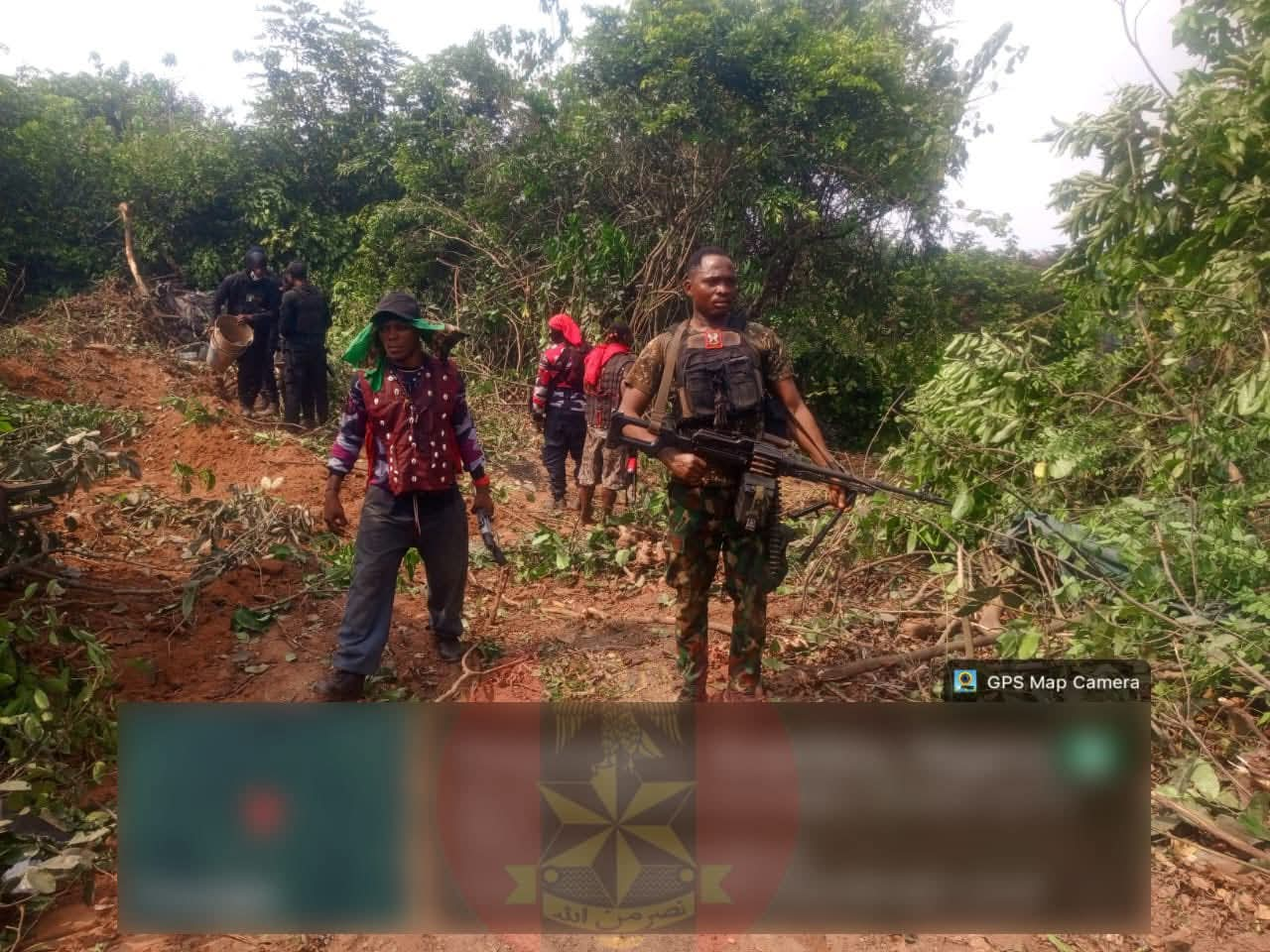
Nigerian troops under Operation Eastern Sanity have intensified their offensive against the proscribed Indigenous People of Biafra (IPOB) and its armed wing, the Eastern Security Network (ESN), in parts of the South-East.
The military said the ongoing operations are aimed at dismantling insurgent camps and restoring security in the region.
According to a statement, troops carried out a coordinated operation on March 3, 2026, at Camp Gbadoanya in Orsumoghu, Ihiala Local Government Area of Anambra State. The operation involved other security agencies and received close air support from the Nigerian Air Force.
The joint team moved into the area to flush out suspected IPOB and ESN fighters operating within the camp and nearby locations.
During the raid, security forces discovered several camps used by the insurgents. The camps were searched and later destroyed.
Items recovered from the location included pump-action guns, locally made Dane guns, rifle magazines, rifle components, belts of ammunition and cutting machines. Troops also found Biafran currencies, materials suspected to be used for making improvised explosive devices, as well as musical instruments believed to belong to a Biafran Army band.
Security forces also recovered a Biafran flag and a Biafran Army Headquarters flag. The troops destroyed the flags and raised the Nigerian flag at the camp.
The military said the operation continued the following day. On March 4, 2026, troops destroyed additional camps within the same area.
During the follow-up operation, soldiers located a site used for assembling improvised explosive devices. The facility was dismantled and destroyed after it was examined.
Recovered equipment from the site included welding machines, drilling machines and filling machines. Troops also seized several car batteries, one electrode welding handle, twelve locally fabricated guns and rifle components, along with other materials suspected to be used for producing explosive devices.
The military said operations against IPOB and ESN fighters will continue across the region as part of efforts to maintain security and stability.

Italy will honour US base agreements but won’t join war, says PM Meloni
By Sabiu Abdullahi
Italian Prime Minister Giorgia Meloni has stated that her country will continue to respect existing agreements that allow the United States to use military bases located in Italy.
However, she stressed that Italy has no intention of taking part in the ongoing war involving Iran.
Meloni spoke on Thursday during an interview on an RTL radio programme. She said the Italian government had not received any request from the United States to use its bases for military action against Iran.
“Today we have no such request and I want to say that we are not at war and we do not want to enter a war,” she said.
The prime minister explained that the agreements between Italy and the United States date back to 1954. According to her, these arrangements permit certain logistical activities and operations that do not involve direct combat.
“These are technical authorisations when we are clearly talking about logistics and so-called non-kinetic operations – simply put, operations that do not involve bombing,” she said.
Meloni also noted that if Washington later seeks approval to use Italian bases for combat operations, the government would first consult the country’s parliament before making any decision.
She expressed concern about the growing tension in the Middle East and warned that the conflict could widen. According to her, the situation carries “a risk of escalation that could have unpredictable consequences.”
Italy, alongside the United Kingdom, France and Germany, is also considering sending defensive assistance to countries in the Gulf region. Meloni said the step is intended to protect tens of thousands of Italian citizens living there, as well as about 2,000 Italian troops stationed in the region.
The Italian leader described the Gulf area as important to global energy supply and warned that the ongoing crisis could affect Italy’s economy.
She said the government was monitoring energy costs and food prices. Authorities, she added, would take action to prevent companies from taking advantage of the situation by raising prices unfairly.
The current tensions began after the United States and Israel launched a major military offensive against Iran last Saturday. Reports indicate that at least 926 people have been killed, including Iran’s Supreme Leader Ali Khamenei and several senior military officials.
Iran has responded with missile and drone attacks targeting Israel as well as Gulf states that host United States military assets.
Kano assembly serves impeachment notice to Deputy Governor Aminu Abdulsalam
By Uzair Adam
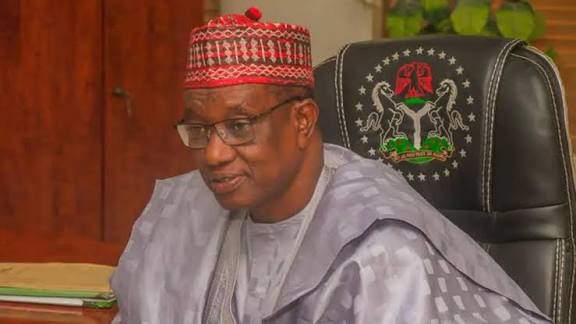
The Kano State House of Assembly has formally commenced the impeachment process against Deputy Governor Comrade Aminu Abdulsalam Gwarzo by serving him a notice to respond to allegations that could warrant his removal.
At a special plenary session on Thursday, the notice, read before the House, contained charges of gross misconduct, abuse of office, and breach of public trust.
Addressing journalists after the session, House Majority Leader Lawal Hussaini Yangurasa confirmed that he presented the notice, which was signed by 38 members of the House.
He explained that following the service of the notice, the deputy governor is expected to respond within two weeks, after which the House will review his defence before deciding whether to proceed with the impeachment process.
Details later….
Iran launches strikes on Kurdish groups in Iraq over alleged collaboration with U.S., Israel
By Sabiu Abdullahi
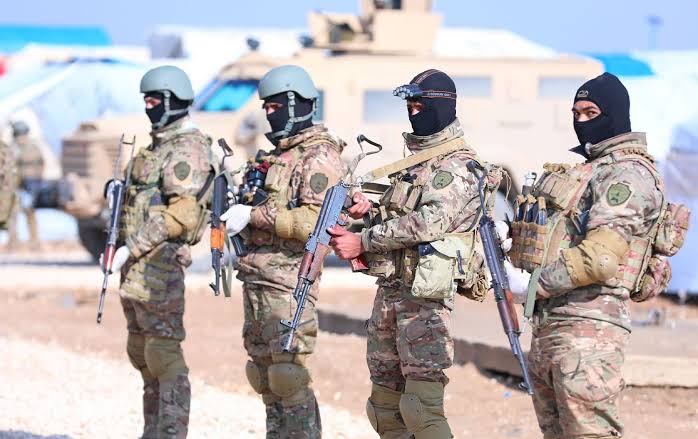
Iranian forces have carried out new military operations against Kurdish armed groups in northern Iraq as the conflict involving Iran, the United States and Israel continues to intensify across the Middle East.
The latest attacks come as Iran also launched another wave of missile and drone strikes targeting Israeli and American assets in the region.
Reports indicate that this marks the 19th round of Iranian strikes since the United States and Israel began coordinated military operations against Iran nearly a week ago. Iran’s semi-official Tasnim news agency said the conflict has already resulted in more than 1,045 deaths across the country.
Iran’s state media said early Thursday that its military struck what it described as “anti-Iran separatist forces” operating in the semi-autonomous Kurdish region of Iraq. Authorities did not immediately disclose the precise locations targeted.
Al Jazeera reported that Iran’s intelligence ministry later confirmed the operation. The ministry stated that Iranian forces attacked positions belonging to “separatist groups” that were allegedly preparing to infiltrate the country through its western border.
The ministry also claimed the armed groups suffered significant losses and accused them of working with the United States and Israel to carry out attacks on Iranian territory.
Officials further said Iranian forces were cooperating with what they called “noble Kurds” in the area to counter what they described as an “Israeli-American plan” to destabilise Iran.
Residents in Iraq’s northeastern province of Sulaimaniyah reported several explosions late Wednesday night. The province lies within Iraq’s autonomous Kurdish region.
Local media outlets said at least four explosions were heard near the areas of Arabat, Zarkuiz and Surdash. Sources in the region indicated that the strikes appeared to target the headquarters of the Kurdistan Toilers Association, widely known as Komala. The group is an Iranian Kurdish armed organisation based in northern Iraq.
Videos circulating on social media showed large fires and blasts lighting up the night sky.
The escalation followed reports that some Iranian Kurdish armed groups along the Iran-Iraq border recently held consultations with United States officials regarding possible coordinated operations against Iranian security forces.
Reuters reported that the Kurdish coalition had trained fighters for potential cross-border operations designed to weaken Iran’s military capacity. However, Tasnim news agency denied earlier claims that Kurdish fighters had already entered Iran from Iraqi territory.
At the same time, Iran’s Islamic Revolutionary Guard Corps announced a new round of missile and drone attacks targeting Israel and American military facilities across the region.
Israeli media reported that air defence systems intercepted two drones over the western Galilee region. Saudi Arabia also said its air defence units shot down at least three drones believed to be linked to the Iranian attack campaign.
In Qatar, authorities instructed residents living near the United States Embassy in Doha to evacuate the area amid fears that American diplomatic sites could become targets.
Meanwhile, the United States and Israel continued large-scale bombardments inside Iran. Explosions were reported in Tehran and in several Kurdish cities including Sanandaj, Saqqez and Bukan.
US pushes for Venezuelan mineral access as Trump officials visit Caracas
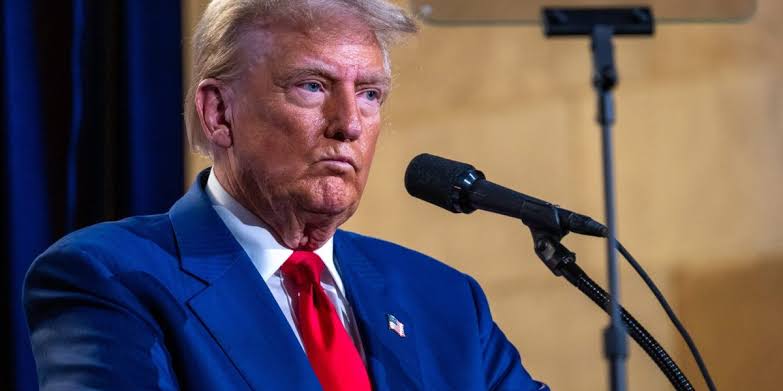
US mining companies are lining up to invest in Venezuela, Interior Secretary Doug Burgum said during a visit to the country on Wednesday, where he pressed for greater access to critical minerals.
Burgum represents an administration that claims to effectively control Venezuela and its vast natural resources following the removal of Nicolás Maduro.
He is the second senior US official to visit Caracas since an American bombing raid on January 3 left around 100 people dead and saw Maduro and his wife flown to New York to face US drug trafficking charges.
Accompanied by more than two dozen mining executives, Burgum described the group as representing “billions of dollars in investments and billions of dollars in well-paid jobs.”
“They are eager to get started, and they are eager to cut the red tape to allow that capital investment to flow,” he said after meeting with interim President Delcy Rodriguez.
Burgum, who heads President Donald Trump’s National Energy Dominance Council, described cooperation between Caracas and Washington as “unlimited.”
His visit follows that of Energy Secretary Chris Wright last month, who called for a “dramatic increase” in Venezuela’s oil output and highlighted “tremendous opportunities” for both countries.
The shift in tone reflects the altered US-Venezuela relations since Maduro’s capture. Trump has allowed Rodriguez, formerly vice president, to serve as interim leader as long as she complies with his directives regarding access to Venezuela’s natural resources.
In another sign of the diplomatic reset, the US Department of Transportation approved Envoy Air, an American Airlines subsidiary, to operate direct flights between Miami and the Venezuelan cities of Caracas and Maracaibo. These will be the first direct flights since US-Venezuela relations deteriorated in 2019.
— Gold and Coltan —
While US attention has focused on Venezuela’s oil, Burgum noted the country is also “rich in critical minerals.” In addition to gold and diamonds, Venezuela has deposits of bauxite and coltan, a mineral used in mobile phones, laptops, and other electronics. Mining activity is concentrated in the southeastern Orinoco arc.
Environmentalists have condemned the expansion of illegal mining in the area, citing deforestation and river pollution. Rodriguez, who recently overhauled the state-controlled oil sector to attract private investment, is now planning reforms to the mining code. Her brother, Congress Speaker Jorge Rodriguez, said Monday that the changes would allow “large foreign companies” to exploit minerals and rare earth elements.
— ‘Doing a great job’ —
Trump has praised Rodriguez’s compliance, posting on Truth Social on Wednesday that she was “doing a great job and working with US Representatives very well.”
“The Oil is beginning to flow, and the professionalism and dedication between both Countries is a very nice thing to see,” he wrote.
Rodriguez thanked Trump on Telegram for the US administration’s “kind willingness to work together for the benefit of the people of the United States and Venezuela.”
On Tuesday, Venezuelan state oil firm PDVSA announced new oil contracts with the United States. Since January, PDVSA has shipped over 80 million barrels of crude to the US, according to Trump. These deals come amid concerns about falling global oil output due to the war in the Middle East, which has already driven crude prices to their highest level in 18 months.
‘DraftBarron’ campaign goes viral, satirically calls for Trump’s son to join Iran war
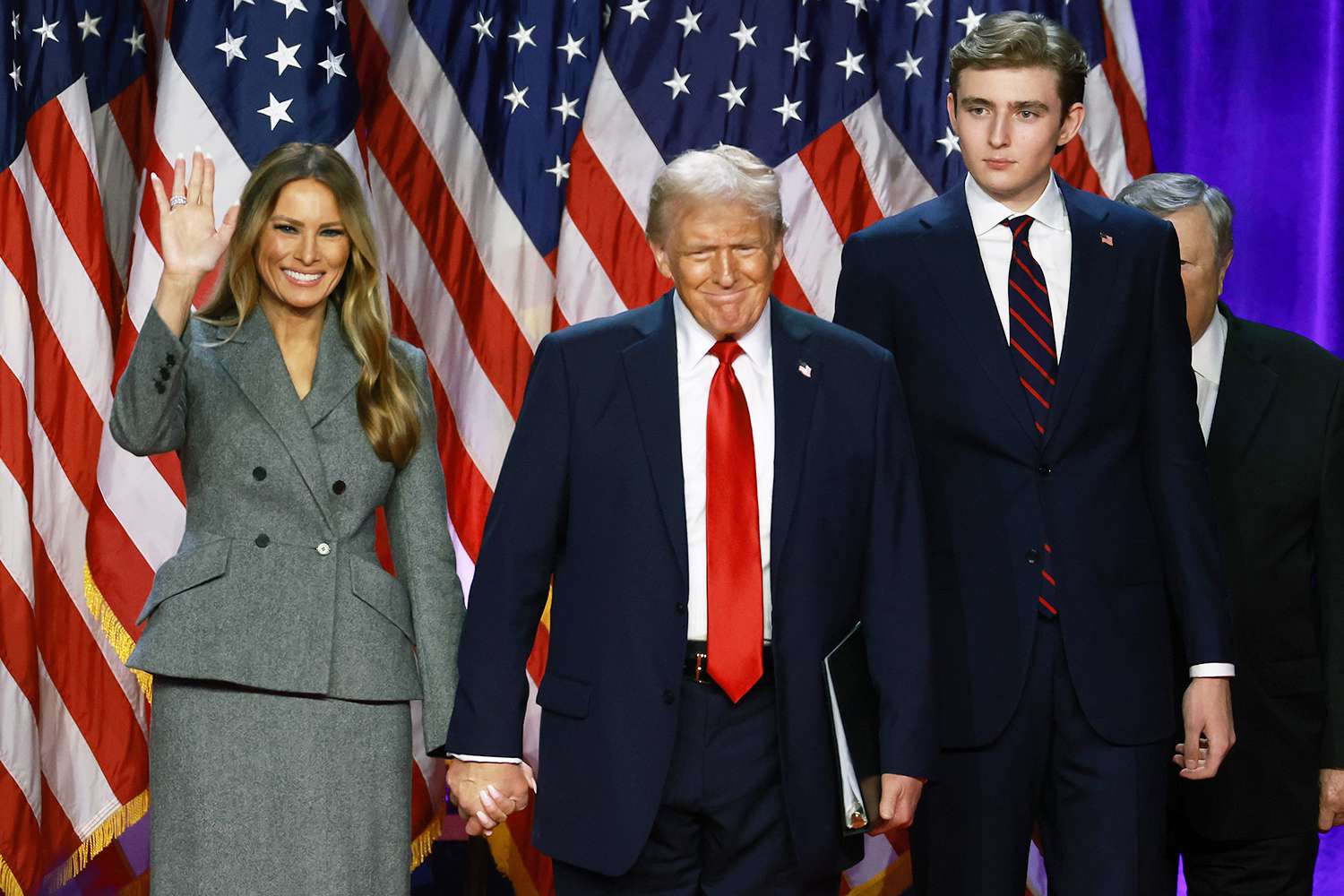
A satirical campaign urging Donald Trump’s youngest son, Barron Trump, 19, to be drafted into the US military has gained viral attention as the US and Israel continue their strikes on Iran. The hashtag #SendBarron has been trending widely on social media.
Operation Epic Fury, which involves extensive airstrikes by the US and Israel against Iran, has so far resulted in the deaths of six American service members.
Donald Trump has faced criticism for what commentators describe as a lack of visible concern over these casualties. During brief remarks at a Medal of Honor ceremony following the attacks, Trump appeared more focused on his plans for the White House’s new ballroom than on the loss of life, prompting speculation about how he might react if his own son were deployed.
In response, former South Park writer Toby Morton created the satirical website, DraftBarronTrump.com, which encourages the president to send Barron to war. The site humorously praises Barron’s “courage” and “proven genes” while juxtaposing images of him napping.
“America is strong because its leaders are strong,” reads a subheading on the website. “President Trump proves that every day. Naturally, his son Barron is more than ready to defend the country his father so boldly commands.”
The site concludes: “Service is honor. Strength is inherited. Dog Bless Barron.”
DraftBarronTrump.com also features absurdist testimonials from Barron’s family. Donald Trump Jr said, “This moment is really about Barron, okay? Always has been. He represents strength, courage, and service. I’ll be honoring that sacrifice in my own way, mainly by talking about it from a safe distance.”
Eric Trump added: “People always say I’m stupid, which is totally unfair, because I understand a lot about pancakes. Pancakes are complex. You’ve got batter, heat, timing. If you rush it, you ruin everything. I think about pancakes a lot. Mostly pancakes.”
Morton, known for buying website names and creating satirical campaigns, also promoted ResignChuck.com, which calls for Democratic Party leader Chuck Schumer to resign over his perceived inaction toward Trump’s policies.
The launch of DraftBarronTrump.com fueled the trending hashtag #SendBarron, with thousands of social media users jokingly calling for Barron to serve alongside soldiers his father has sent into battle.
Barron’s eligibility for military service may be limited due to his height of 6’9’’ (2.05m), exceeding the maximum enlistment limit of 6’8’’ (2.03m) in most military branches. This contrasts with Donald Trump’s own avoidance of the Vietnam draft, which he famously attributed to a bone spur diagnosis. Dr. Elysa Braunstein and Sharon Kessel, daughters of the podiatrist who signed the original diagnosis, told The New York Times that it was “a favour” to Trump’s father, Fred Trump, who was their father’s landlord.
MURIC escalates call for INEC Chairman Amupitan’s removal over ‘Christian genocide’ article
By Sabiu Abdullahi
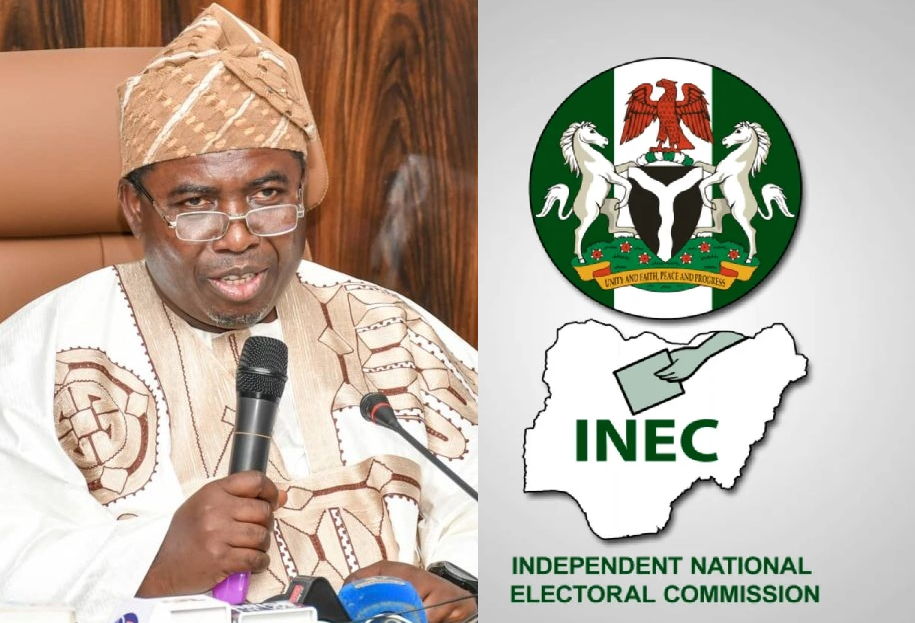
The Muslim Rights Concern (MURIC) has formally taken its demand for the removal of Professor Joash Amupitan, Chairman of the Independent National Electoral Commission (INEC), to the National Assembly.
MURIC and allied Islamic organisations are seeking Amupitan’s ouster due to his authorship of an 80-page legal brief alleging Christian genocide in Nigeria.
In a statement on Wednesday, MURIC’s Executive Director, Professor Ishaq Akintola, said, three months after Islamic organisations first called for Amupitan’s removal, he remains in office.
Akintola accused the presidency of showing “little interest in addressing complaints from Islamic groups,” despite what he described as “indisputable evidence” that the INEC chairman made false allegations against Nigerian Muslims before an American audience.
He questioned the federal government’s commitment to fairness, suggesting it responds more readily to “frivolous demands” than to “evidence-based complaints from law-abiding Islamic organisations.”
MURIC voiced concern that Amupitan’s continued leadership could erode public confidence in INEC’s neutrality ahead of the 2027 general elections. The group warned that alleged anti-Muslim bias might become a contentious issue in future electoral disputes.
“Since the presidency appears uninterested in listening to the complaints of Muslims against Amupitan, we must take his case to the court of the people’s representatives, the National Assembly,” Akintola said.
He noted that the call for removal was not about the INEC chairman’s religion but about what MURIC described as a “fanatical and hateful” attitude toward Nigerian Muslims.
The organisation urged lawmakers in both chambers to investigate the matter, stressing that Muslims, as citizens and taxpayers, deserve a platform to be heard.
MURIC also reiterated that Amupitan was unsuitable to serve as an impartial electoral umpire in 2027.
According to Daily Trust, Amupitan contributed to the 2020 publication Nigeria’s Silent Slaughter: Genocide in Nigeria and the Implications for the International Community, released by the International Committee on Nigeria (ICON) and the International Organisation on Peace-building & Social Justice (PSJ).
His 80-page chapter, titled Legal Brief: Genocide in Nigeria, argued that the scale and pattern of killings and displacement of Christians met the threshold for genocide under international law. The brief also criticised the federal government for failing to protect affected communities and deliver justice for victims.

Information asymmetry, market failure, and the role of incentives in Nigeria
By Nasiru Ibrahim
Limited information in the market leads to inefficiency and misallocation of resources. A low-quality product or service can command a higher price, while high-skilled labour may receive lower wages. A seller with a high-quality product or service may incur losses because buyers cannot easily verify quality and are unwilling to pay a premium, fearing they may be overpaying for a low-quality alternative.
For example, a faulty car may sell at a high price because buyers lack technical knowledge, rely on appearances, brand reputation, or sellers’ claims, and face high inspection costs. A firm that chooses to be honest may lose by earning a lower profit margin because dishonest competitors exaggerate quality, cut corners, or hide defects while charging similar prices.
A quack or less-skilled consultant with fewer credentials and a weak track record may secure contracts faster due to information gaps, strong social networks, aggressive self-marketing, and clients’ inability to assess true competence before hiring.
In many markets, buyers seek to identify quality products or services by looking for higher prices, good public relations, branding, and heavy advertising. Poor-quality products and inefficient firms can imitate these signals, so both high- and low-quality products are often sold at roughly the same price. Under rational expectations, sellers understand that buyers believe higher prices signal higher quality. Buyers, lacking better information, rely on price as a shortcut, and low-quality sellers exploit this belief, leading to market failure similar to Akerlof’s Market for Lemons.
Demand for Experts, Agents, and Intermediaries
Information asymmetry increases the demand for experts, agents, consultants, brokers, and intermediaries who can distinguish good quality from bad. These agents help consumers get better deals and higher-quality products or services.
While this creates jobs, it does not necessarily solve consumer exploitation. Agents may collude with sellers, prioritise commissions over client welfare, exploit client ignorance, or add extra layers of cost without improving quality.
For example, if tax policy were simple and clearly understood, few people would need tax consultants. Complex systems create jobs for consultants and financial literacy experts. While this raises incomes and GDP, it can also raise prices because the cost of intermediaries is embedded in goods and services, contributing to inflation.
Efficiency vs Employment Trade-Off
Reducing information asymmetry improves efficiency but can increase unemployment in the short run. Many jobs—brokers, consultants, agents, and middlemen—exist mainly because consumers lack information. When governments improve transparency through clear regulations, digital platforms, and public data, fewer intermediaries are needed. As a result, demand for these expert roles declines, leading to job losses.
This creates a policy trade-off: greater transparency improves efficiency but reduces employment in information-based intermediary jobs. To manage this, governments should invest in retraining and help displaced workers move into sectors where skills add real value rather than exploiting information gaps.
Moral Hazard—Buyers Can Also Cheat
Moral hazard occurs after a transaction, when one party changes behaviour because costs are partly borne by the other party. Buyers are not always passive; they may also cheat when incentives allow.
Examples include tenants damaging rented property because repair costs are borne by landlords, insured individuals exaggerating losses, clients hiding information or misusing professional advice, and borrowers diverting loans to unintended uses.
Buyer-side moral hazard worsens inefficiency. Sellers respond by raising prices, tightening contracts, reducing quality, or exiting the market. Honest buyers then face higher costs and fewer choices, while resources are allocated to monitoring and enforcement rather than to productive activity. Information asymmetry is therefore two-sided, and policies must address both adverse selection and moral hazard through better contracts, monitoring, and enforcement.
Guarantees, Warranties, and Mixed-Quality Equilibrium
Guarantees and warranties are often introduced to signal product quality. High-quality sellers are willing to offer guarantees because defects are less likely, which should push low-quality products out of the market.
However, guarantees also create buyer-side moral hazard. Buyers may reduce care, overuse, or deliberately damage products because repairs or replacements are covered. This increases warranty costs for all producers.
High-quality firms may respond by raising prices, limiting coverage, or reducing quality investment. Low-quality firms can mimic guarantees by pricing in expected abuse. As a result, good and bad products coexist in equilibrium, despite the presence of guarantees. Guarantees improve trust but do not fully resolve market failure. Moral hazard shifts costs rather than eliminating inefficiency.
Digital Platforms, Formalization, and Consumer Protection
E-commerce and digital marketing platforms reduce information asymmetry by increasing price transparency, reviews, ratings, comparisons, and direct access to sellers. These tools reduce reliance on intermediaries and help consumers verify quality.
In cities like Abuja, Port Harcourt, and Lagos, consumers can reduce exploitation by:
Asking for the previous selling price and comparing across sellers.
Signaling willingness to switch if the price is unfair.
Checking online prices, reviews, or multiple shops to reduce information asymmetry!
Government can also reduce information asymmetry by formalizing markets, which improves record-keeping, transparency, standardization, and contract enforcement. Clear, fair, and incentive-based tax systems encourage voluntary compliance, provide access to credit, legal protection, and government contracts.
The government may invest ₦100 million in upgrading informal markets in Kano, Lagos, and Port Harcourt and taxing ₦20 million annually per market allows the government to recover costs within five years while boosting GDP and creating jobs.
Without incentives, multiple overlapping taxes increase compliance costs and deepen informality. Corruption, waste, and misuse of funds reduce citizen trust. Transparent, fair, and accountable government policies promote efficiency, formalisation, and market growth, while distrust, overconfidence, and policy failures harm the economy.
Ibrahim is a graduate of Economics from Bayero University, Kano and can be reached via nasirfirji4@gmail.com.
Nigerian Army urges soldiers to respect human rights, stay away from gambling
By Sabiu Abdullahi
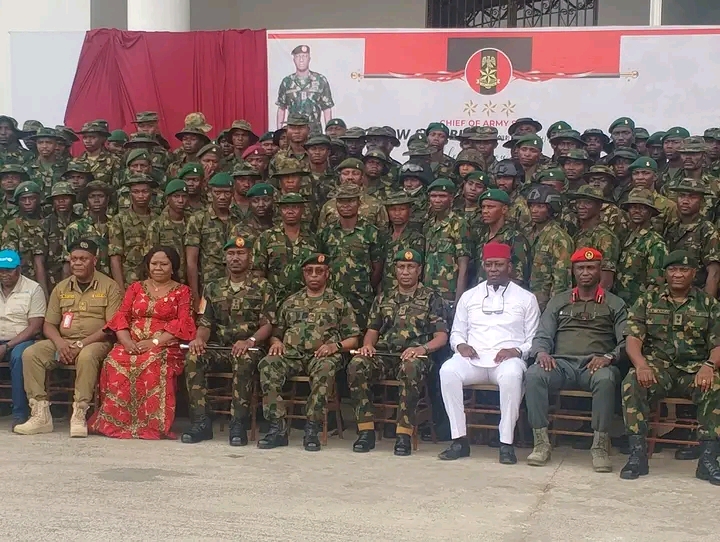
The Nigerian Army has advised soldiers serving under the 14 Brigade in Ohafia to respect human rights and safeguard the rights of children while carrying out their duties.
The directive was delivered during the opening of a two-day sensitisation workshop for troops of the brigade. The event took place in Umuahia, Abia State, on Wednesday as part of the Army’s Civil-Military Affairs programme.
Army authorities also warned the soldiers against engaging in gambling and drug abuse. The troops were instructed to maintain discipline and professionalism while performing their responsibilities.
In addition, the soldiers received a warning about the use of social media. They were told not to upload confidential photographs or sensitive information online. Officials said such materials could be accessed by criminal groups and misused.
The Chief of Civil-Military Affairs in the Nigerian Army, Maj. Gen. Musa Awwal Etsu-Ndagi, explained that the workshop aims to remind troops about their responsibilities and the rights of civilians.
He said the training was designed to educate soldiers on their own rights, the rights of members of the public, and the protection of children. He also stressed the importance of proper conduct while interacting with civilians.
Etsu-Ndagi advised the soldiers to complete their Next of Kin forms accurately and ensure the information remains current. He said updated records would protect the families of soldiers from exploitation if a service member dies.
The senior officer also encouraged the troops to promote unity and understanding within their families.
During the workshop, the Deputy Controller of Narcotics at the National Drug Law Enforcement Agency (NDLEA), Bekwele Chukwu, addressed the soldiers. He spoke about the dangers associated with the use of prohibited or controlled drugs. He warned that such substances could affect a person’s mental stability.
Earlier in his remarks, the Commander of the 14 Brigade, Brigadier General Ahmad Mansur Dikko, expressed appreciation to the Chief of Army Staff, Lt. Gen. Waidi Shaibu, for organising the workshop for the troops.