


Trump mocks Iran over apology to neighbouring countries after airstrikes
By Sabiu Abdullahi
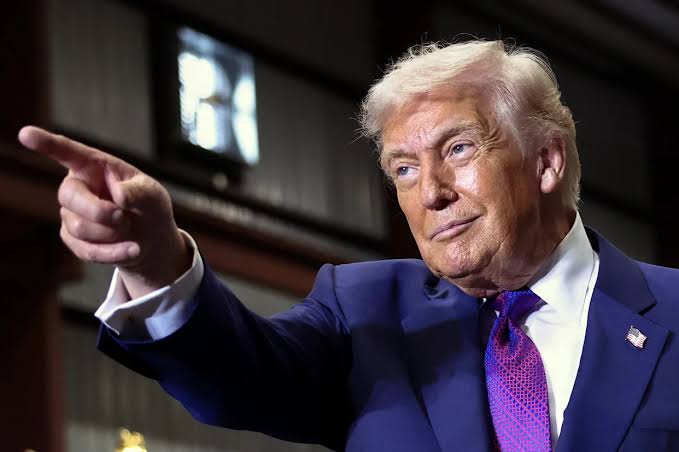
United States President Donald Trump has mocked Iran after the country apologised to neighbouring states affected by its recent retaliatory airstrikes.
Iran had launched missile and drone attacks on several American military bases located in Gulf countries. The targets included bases in Bahrain, Qatar, the United Arab Emirates (UAE), and Kuwait. The strikes were carried out in response to what Iran described as “preemptive” attacks by the United States and Israel.
Earlier, Iran’s President Masoud Pezeshkian stated that Tehran had no intention of invading neighbouring countries. He called for cooperation among regional nations to promote stability and peace.
“I deem it necessary to apologise to neighbouring countries that were attacked,” Pezeshkian said.
“We do not intend to invade neighbouring countries.”
However, Trump reacted strongly to the apology in a message posted on his Truth Social platform on Saturday. He claimed the apology resulted from continuous military pressure from the United States and Israel.
“Iran, which is being beat to HELL, has apologised and surrendered to its Middle East neighbours,” Trump posted.
“They were looking to take over and rule the Middle East. It is the first time that Iran has ever lost, in thousands of years, to surrounding Middle Eastern Countries.
“They have said, ‘Thank you President Trump’. I have said, ‘You’re welcome!’
“Iran is no longer the bully of the Middle East, they are, instead, ‘The loser of the Middle East’ and will be for many decades until they surrender, or more likely, completely collapse!”
Trump also warned that further military action could follow.
“Today, Iran will be hit very hard!”
He added that Iran’s “bad behaviour” had forced authorities to consider expanding potential targets. According to him, some areas and groups that were previously not included among targets are now under consideration for “complete destruction and certain death.”
Trump mocks Iran over apology to neighbouring countries after airstrikes
By Sabiu Abdullahi
United States President Donald Trump has mocked Iran after the country apologised to neighbouring states affected by its recent retaliatory airstrikes.
Iran had launched missile and drone attacks on several American military bases located in Gulf countries. The targets included bases in Bahrain, Qatar, the United Arab Emirates (UAE), and Kuwait. The strikes were carried out in response to what Iran described as “preemptive” attacks by the United States and Israel.
Earlier, Iran’s President Masoud Pezeshkian stated that Tehran had no intention of invading neighbouring countries. He called for cooperation among regional nations to promote stability and peace.
“I deem it necessary to apologise to neighbouring countries that were attacked,” Pezeshkian said.
“We do not intend to invade neighbouring countries.”
However, Trump reacted strongly to the apology in a message posted on his Truth Social platform on Saturday. He claimed the apology resulted from continuous military pressure from the United States and Israel.
“Iran, which is being beat to HELL, has apologised and surrendered to its Middle East neighbours,” Trump posted.
“They were looking to take over and rule the Middle East. It is the first time that Iran has ever lost, in thousands of years, to surrounding Middle Eastern Countries.
“They have said, ‘Thank you President Trump’. I have said, ‘You’re welcome!’
“Iran is no longer the bully of the Middle East, they are, instead, ‘The loser of the Middle East’ and will be for many decades until they surrender, or more likely, completely collapse!”
Trump also warned that further military action could follow.
“Today, Iran will be hit very hard!”
He added that Iran’s “bad behaviour” had forced authorities to consider expanding potential targets. According to him, some areas and groups that were previously not included among targets are now under consideration for “complete destruction and certain death.”
JUST IN: Emirates suspends all flights to and from Dubai amid rising Middle East tensions
By Sabiu Abdullahi
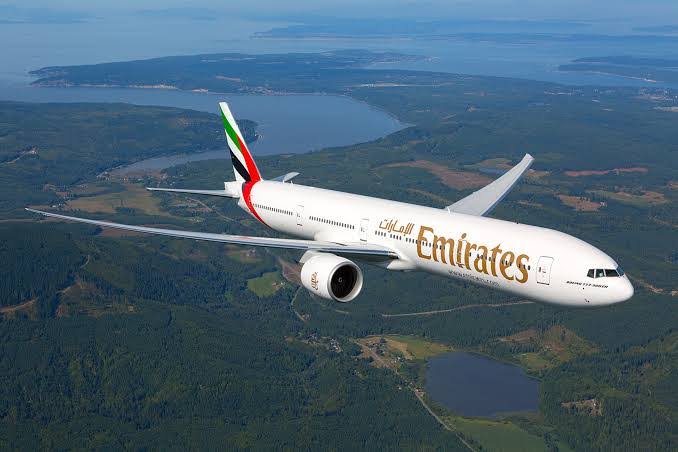
Emirates Airline has halted all flights to and from Dubai indefinitely due to security concerns linked to the escalating crisis in the Middle East.
The Dubai-based carrier announced the decision on Saturday. It said the measure aims to protect passengers and crew as the regional security situation continues to change.
The airline urged travellers not to go to the airport while the suspension remains in place. It also said additional information will be released when more details become available.
The disruption comes as rising conflict and missile activity in parts of the Middle East have led several countries to shut or limit access to their airspace. The development has disrupted both regional and international air travel.
Airlines across the Gulf region have altered flight paths and cancelled services because of safety concerns.
Dubai serves as one of the busiest aviation hubs in the world. Emirates operates thousands of weekly flights from the city to destinations across six continents. The suspension has affected passengers travelling to Dubai as well as those who planned to transit through the emirate to other parts of the world.
Passengers with existing bookings have been advised to follow updates from the airline and contact Emirates for options related to rescheduling or refunds.
Officials said flight operations will resume once authorities determine that the situation is safe.
The suspension also comes amid reports of a major explosion at Mehrabad International Airport in Tehran, the Iranian capital.
Eyewitnesses said several loud blasts were heard in western Tehran early on Saturday. They reported seeing flames and thick smoke rising from areas near the airport.
Videos shared on social media showed fires burning in parts of the airport. Reports also suggested that air defence systems were activated across the city.
The explosions are believed to be connected to a series of air strikes that targeted sites in Tehran. Some reports said aircraft parked on the tarmac caught fire after the blasts. However, the extent of the damage and possible casualties remained unclear.
Israeli authorities said their forces had launched extensive strikes on what they described as high-priority targets in Tehran.
Iranian media also confirmed that a large explosion occurred in the western part of the capital. Residents described hearing multiple powerful blasts across the city.
Mehrabad Airport is among Tehran’s busiest aviation centres and handles both civilian and military flights. The facility has been targeted in earlier incidents during the ongoing conflict.
US government downplays reports Russia shared intelligence with Iran on American targets
By Sabiu Abdullahi
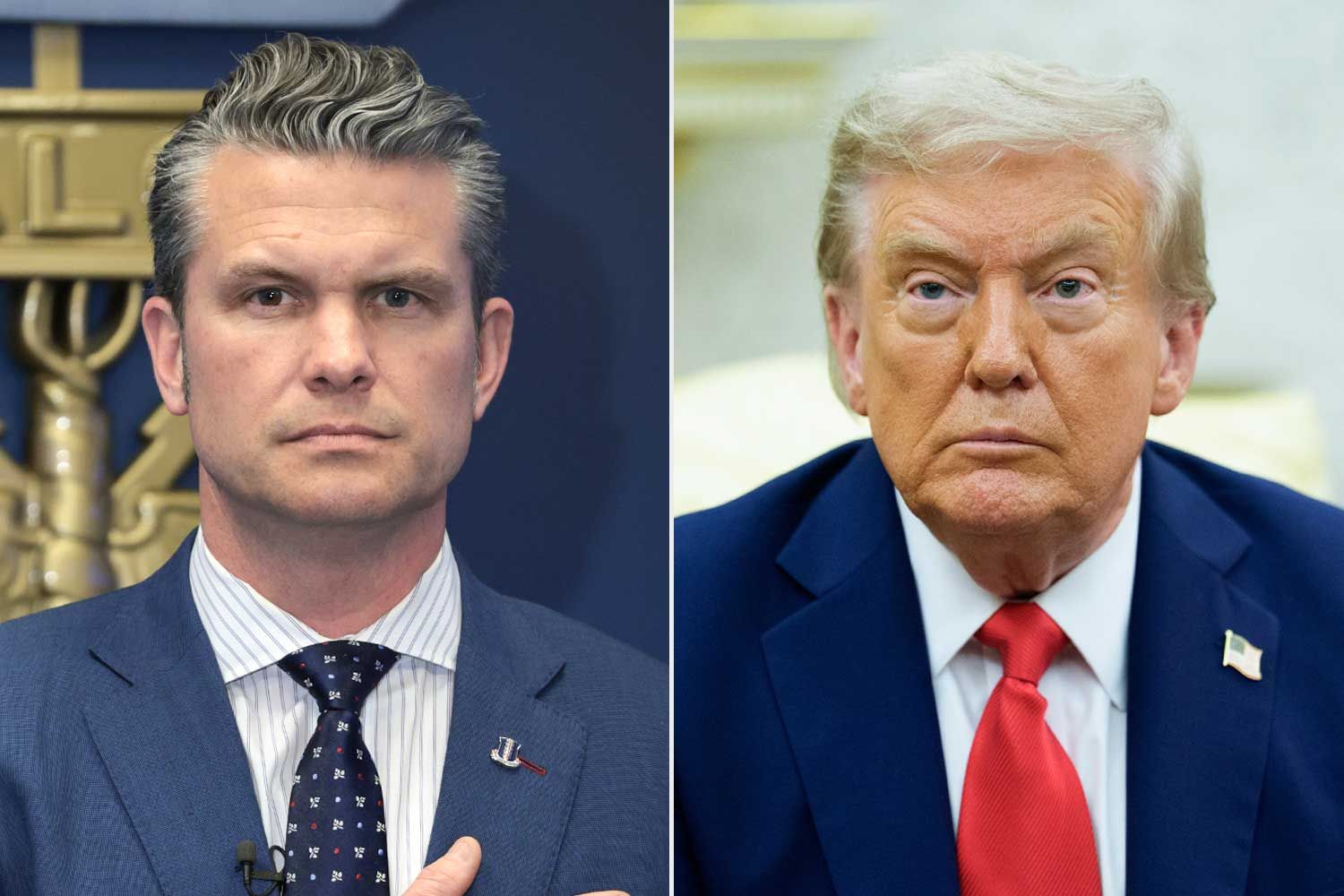
The United States government has played down reports that Russia provided intelligence to Iran about American military targets across the Middle East amid the ongoing war involving the US, Israel and Iran.
The report was first published by The Washington Post. It claimed that Moscow had supplied Tehran with information about the location of US military assets in the region.
US Secretary of Defense Pete Hegseth addressed the issue during an interview with CBS’s 60 Minutes on Friday. He said the US military is closely monitoring developments and incorporating any relevant information into its operational planning.
Since the conflict began on February 28, Russia has reportedly passed details to Iran about US military positions, including warships and aircraft. Three officials who spoke anonymously told The Washington Post about the alleged intelligence sharing.
“It does seem like it’s a pretty comprehensive effort,” one of the sources told the newspaper.
However, other unnamed officials who spoke to The Associated Press said US intelligence agencies have not found evidence that Moscow is instructing Iran on how to use the information. The conflict has continued with US and Israeli forces carrying out air strikes while Iran responds with attacks targeting American assets and allies in the Gulf region.
Hegseth dismissed concerns that the reported intelligence sharing could endanger US citizens.
“The American people can rest assured their commander-in-chief is well aware of who’s talking to who,” Hegseth said.
“And anything that shouldn’t be happening, whether it’s in public or back-channelled, is being confronted and confronted strongly.”
He added: “We’re putting the other guys in danger, and that’s our job. So we’re not concerned about that. But the only ones that need to be worried right now are Iranians that think they’re gonna live.”
White House Press Secretary Karoline Leavitt also responded to the report on Friday. She told journalists that the alleged intelligence sharing has not affected US military operations in Iran.
“[the report] clearly is not making any difference with respect to the military operations in Iran because we are completely decimating them,” Leavitt said.
She declined to comment on whether President Donald Trump had discussed the matter with Russian President Vladimir Putin or whether Russia might face consequences. She said the president would address the issue himself if necessary.
President Trump also reacted sharply when asked about the report later on Friday. During a White House meeting focused on college sports, Fox News reporter Peter Doocy raised the issue during a question-and-answer session.
“I have a lot of respect for you, you’ve always been very nice to me,” the US president said to Peter Doocy, the Fox News reporter.
“What a stupid question that is to be asking at this time. We’re talking about something else.”
The intelligence report marks the first indication that Russia may have taken steps to involve itself in the conflict that began about a week ago.
Kremlin spokesman Dmitry Peskov said Tehran has not requested military assistance from Moscow. He noted that Russia continues to maintain communication with Iranian leaders.
“We are in dialogue with the Iranian side, with representatives of the Iranian leadership, and will certainly continue this dialogue,” he said.
When asked directly whether Russia had provided military or intelligence assistance to Iran since the start of the war, Peskov declined to comment.
Russia and Iran have strengthened their ties in recent years. Moscow has relied on Iranian missiles and drones during its ongoing war in Ukraine. Both countries have maintained cooperation even as Iran faced long-standing Western sanctions linked to its nuclear programme and its support for armed groups across the Middle East.
‘Your sacrifice will not be in vain,’ president tells troops as military gets salary increase, better equipment
By Abdullahi Mukhtar Algasgaini
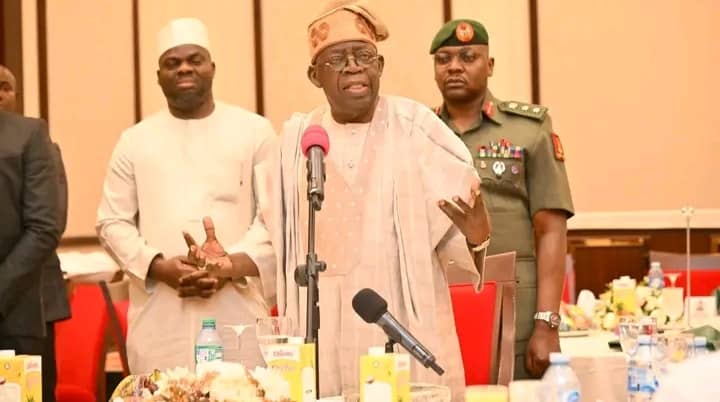
President Bola Ahmed Tinubu has issued a firm reassurance to Nigerians and the country’s armed forces that the nation will ultimately triumph over insecurity, declaring that the sacrifices of gallant servicemen and women will never be wasted.
Speaking during an interfaith Iftar (breaking of fast) with members of the Armed Forces at the Presidential Villa, Abuja, on Friday, the President commended the courage and professionalism of troops battling insurgents and bandits across the country.
“I have listened to the Chief of Army Staff on my recent approvals to the Nigerian Armed Forces. My duty is to thank all of you on behalf of a grateful nation, knowing fully well that many times you are without your families and that you stay away from them. Some of you are facing attacks by bandits and terrorists,” President Tinubu said.
He continued: “I commend your courage, sacrifice, and professionalism as you put your lives on the line in defence of Nigeria’s sovereignty and the safety of its citizens. You have been working to serve the country deeply and protect our sovereignty. This nation will always be grateful to you, and your sacrifices will not be in vain, I assure you.”
The President highlighted that the relentless efforts of security forces have continued to degrade the capabilities of terrorist groups and criminal elements operating in various parts of the country. He assured troops of sustained investment in modern equipment, intelligence gathering, and logistics to enhance their operational effectiveness.
In a significant boost to military morale, the Chief of Defence Staff, Gen. Oluwafemi Oluyode (represented by the Chief of Army Staff, Lt. Gen. Waidi Shaibu), revealed that the President had approved an upward review of salaries for all members of the Armed Forces of Nigeria, as well as increased allowances for the elite Brigade of Guards.
“I want to most sincerely thank our indefatigable President for the various approvals for the upward review of salaries of members of the Armed Forces of Nigeria, as well as the upward review of allowances of the Brigade of Guards,” the CDS stated.
“These various approvals also extend to the areas of equipment procurement as well as the provision of decent accommodations for the members of the armed forces. These laudable approvals will go a long way in enhancing our operational efficiency, and I assure you that they are well-received by all members of the armed forces.”
President Tinubu also used the occasion to thank Nigerians for their endurance during the ongoing economic reengineering of the country, offering a message of hope and resilience.
“I am happy to inform you that your sacrifices and that of fellow citizens, all the sacrifices are not in vain. We are now out of the dark tunnel,” the President declared.
The Commander-in-Chief extended his heartfelt sympathy to the government and people of Borno State following the recent terrorist attack in the state, reaffirming the administration’s commitment to protecting all citizens.
The interfaith gathering provided a unique opportunity for the President and military leadership to break bread together across both faiths, symbolising unity of purpose in the fight against insecurity.
UAE billionaire questions Trump over dragging Middle East into Iran war
By Sabiu Abdullahi
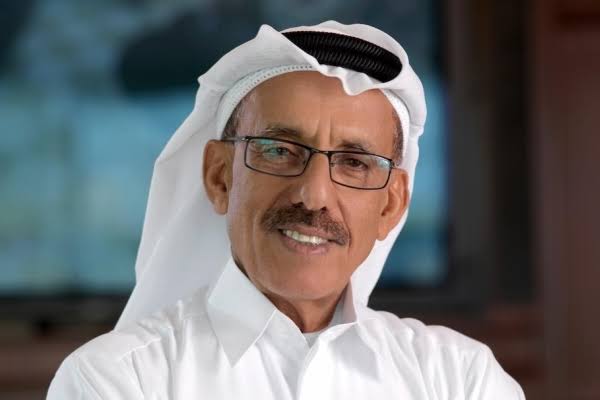
A prominent businessman from the United Arab Emirates, Khalaf Ahmad Al Habtoor, has asked United States President Donald Trump to explain the reasons behind Washington’s decision to engage in war with Iran alongside Israel.
Habtoor raised the concerns in an open letter posted on X, where he criticised the move and questioned whether the US leader had considered the possible consequences for countries in the Gulf region.
In the message, he asked Trump: “Who gave you the authority to drag our region into a war with #Iran? And on what basis did you make this dangerous decision?
Did you calculate the collateral damage before pulling the trigger? And did you consider that the first to suffer from this escalation will be the countries of the region itself!
The peoples of this region have the right to ask as well: Was this your decision alone? Or did it come as a result of pressures from #Netanyahu and his government?”
Habtoor, who founded and chairs the Al Habtoor Group, also accused the US president of exposing Gulf Cooperation Council (GCC) countries to dangers they did not choose.
He wrote: “You (Trump) have placed the countries of the #GulfCooperationCouncil and the Arab countries at the heart of a danger they did not choose. Thank God, we are strong and capable of defending ourselves, and we have armies and defences that protect our homelands, but the question remains: Who gave you permission to turn our region into a battlefield?”
Neither President Trump nor the White House has issued a response to the letter. The government of the UAE has also not publicly endorsed the message.
The letter is seen as a rare public criticism from a prominent figure in the UAE. It reflects rising concern in the Gulf as the conflict between the US, Israel and Iran continues into its sixth day.
Last week, US and Israeli forces launched coordinated attacks on Iran. The strikes reportedly targeted military positions as well as civilian facilities. Iran responded with its own attacks against Israel, US positions and locations in Gulf countries that host American military assets.
Reports indicate that the first five days of the conflict, described by the US as Operation Epic Fury, have caused heavy casualties. Estimates suggest that more than 2,400 people have died in Iran, including at least 181 children.
Iranian authorities claim that US-Israel strikes during the early hours of the war hit the all-girls Minab Primary School. According to Tehran, the attack killed more than 165 female students and school staff. Israel has denied responsibility, while the United States says it is investigating the incident.
Washington says six American soldiers have died so far in the conflict. Iran, however, claims it has killed more than 500 US troops.
A US-based conflict monitoring organisation reports that Iran has launched more drones and missiles at Gulf states than at Israel since the war began.
Data from the Critical Threats Project (CTP), part of the American Enterprise Institute, states that Iran fired 255 drones and missiles at Israel after the conflict started on February 28. During the same period, the report says 2,171 drones and missiles were directed toward Gulf countries, especially the United Arab Emirates, Bahrain and Kuwait.
According to the report, 1,138 of those attacks targeted the UAE, making it the most heavily struck country in the conflict.
In his letter, Habtoor also criticised the escalation in relation to Trump’s Board of Peace initiative announced in January 2026. The programme aimed to rebuild Gaza and was backed by about seven billion dollars pledged by Gulf states.
He wrote: “For before the ink has dried on the #BoardOfPeace initiative that you announced in the name of peace and stability, we find ourselves facing a military escalation that endangers the entire region. So where did those initiatives go? And what is the fate of the commitments made in the name of peace?”
Habtoor further questioned whether the financial contributions from Gulf countries were meant to support peace or to fund a war.
He stated: “Most of the funding proposed in those initiatives came from the countries of the region themselves, and from Arab Gulf countries that contributed billions of dollars on the basis of supporting stability and development. And these countries have the right to ask today: Where did this money go? And are we funding peace initiatives or funding a war that exposes us to danger?”
The businessman also argued that the conflict could impose significant financial costs on Americans.
He wrote: “And here they are today, finding themselves in a war funded from their money and taxes, with costs ranging, according to the Institute for Policy Studies (IPS), between 40-65 billion dollars for direct military operations, and could reach 210 billion dollars including economic impacts and indirect losses if it lasts four to five weeks, not to mention the sacrifice of Americans themselves in a war in which they have neither camel nor she-camel.”
Habtoor also criticised Trump for engaging in foreign military operations despite previous promises to focus on domestic priorities.
In the letter he wrote: “You have even broken your promises not to get involved in wars and to focus only on America and put it at the top of your priorities, as you ordered foreign military interventions during your second term that included seven countries: Somalia, Iraq, Yemen, Nigeria, Syria, Iran, and Venezuela, in addition to naval operations in the Caribbean and the eastern Pacific Ocean.”
He added: “You directed more than 658 foreign air strikes in your first year in office, which equals the total strikes in Biden’s entire term, for which you directed your arrows of criticism for involving the United States in foreign wars.”
Habtoor concluded his message by urging greater transparency from the US leadership.
He wrote: “True leadership is not measured by war decisions, but by wisdom, respect for others, and pushing toward achieving peace. And if these initiatives were launched in the name of peace, then we have the right today to demand full transparency and clear accountability.”
US economy loses 92,000 jobs in February as unemployment rate rises
By Sabiu Abdullahi
The United States economy recorded an unexpected decline in employment in February after official figures showed that thousands of jobs were lost across several sectors.
Data released in the latest labour report indicates that payrolls dropped by 92,000 during the month. The unemployment rate also increased slightly to 4.4%. Analysts had predicted that the labour market would remain steady.
The development has raised fresh concerns about the strength of the US job market. Economists now question whether the labour sector could be entering a period of weakness.
The report shows that job losses affected nearly every major sector of the economy. The healthcare industry also recorded losses despite its reputation as a stable source of employment. Strikes in the sector contributed to the decline in February.
The drop represents the largest monthly job loss since October. At that time, the United States government shutdown disrupted economic activity.
Economic observers also point to rising oil prices as another potential challenge. The increase followed tensions linked to the US-Israel war in Iran. Analysts warn that the surge in energy costs could place additional pressure on economic growth in the coming months.

INEC debunks fake resignation deadline circulating online
By Sabiu Abdullahi
The Independent National Electoral Commission (INEC) has dismissed a viral graphic circulating on social media that claims the electoral body fixed March 26 as the deadline for government officials seeking elective office to resign.
The commission described the message as false and misleading. It said the information did not come from INEC.
INEC clarified its position in a statement issued on Friday through its official X account. The commission warned the public against relying on the circulating graphic.
According to the statement, the message has no connection with the electoral body and should not be taken as authentic information.
INEC advised the public, media organisations, and political actors to ignore the message completely.
The commission also explained that it releases official information only through verified communication channels. These include its official website at inecnigeria.org, its verified social media accounts, and official press statements.
INEC urged Nigerians to confirm election-related updates through these platforms before sharing them with others.
The electoral body added that the spread of unverified content can create confusion among citizens.
It restated its commitment to providing the public with clear and reliable information about electoral matters.
Tinubu approves posting of 65 ambassadors to foreign missions, UN
By Sabiu Abdullahi
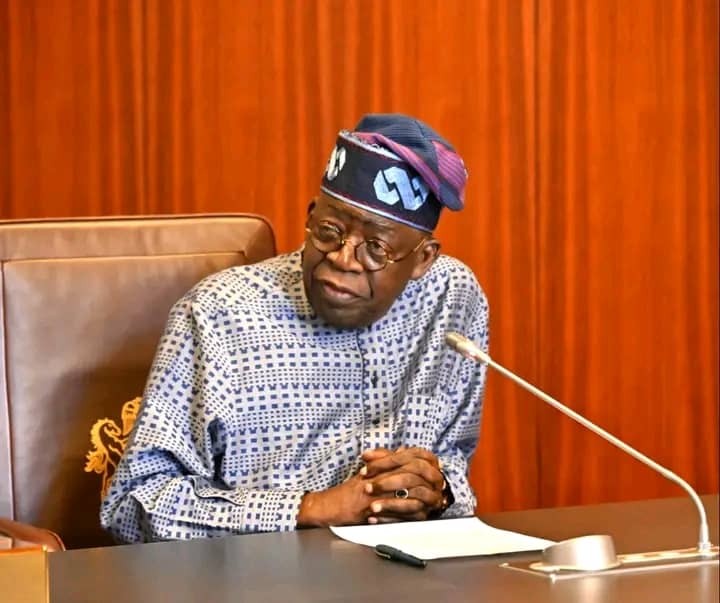
President Bola Ahmed Tinubu has approved the deployment of 65 ambassadors-designate to Nigeria’s diplomatic missions across the world and to the United Nations.
The list includes 31 career diplomats and 34 non-career appointees. The Senate had confirmed the nominees in December last year.
A statement issued by the Special Adviser to the President on Information and Strategy, Bayo Onanuga, said the postings cover several strategic countries and international organisations.
Among the non-career ambassadors, Senator Grace Bent was posted to Lome in Togo, while former presidential aide Senator Ita Enang will serve in South Africa. Former Abia State governor Victor Ikpeazu was assigned to Spain, and Nkechi Linda Ufochukwu will represent Nigeria in Tel-Aviv, Israel.
Other notable appointments include former INEC Chairman Mahmood Yakubu to Qatar, Reno Omokri to Mexico, and former Minister of Health Professor Isaac Folorunso Adewole to Canada. Former Aviation Minister Femi Fani-Kayode will serve in Germany, while former Chief of Defence Intelligence, Lieutenant General Abdulrahman Bello Dambazau, was posted to China.
Senator Jimoh Ibrahim was named Nigeria’s Permanent Representative to the United Nations. Lateef Kayode Are was assigned to the United States, while Ambassador Joseph Sola Iji will represent Nigeria in Russia. Aminu Dalhatu was posted to the United Kingdom.
The career ambassadors were also deployed to various countries. Ambassador Nwabiola Ezenwa Chukwumeka will serve in Cote d’Ivoire, while Besto Maimuna Ibrahim was assigned to Niger. Other postings include Mohammed Mahmud Lele to Algeria, Ahmed Mohammed Monguno to Egypt, and Muhammad Saidu Dahiru to India.
Additional assignments include Abdussalam Habu Zayyad to Senegal, Shehu Ilu Barde to Ghana, Aminu Nasir to Ethiopia, Abubakar Musa Musa to Chad, and Ibrahim Danlami to Kenya.
According to the statement, some host countries have already granted diplomatic approval for the appointments.
“The Ministry of Foreign Affairs has already received agrément from the United Kingdom for the High Commissioner-designate, Ambassador Aminu Dalhatu. Similarly, France has sent the agrément for Ambassador Ayo Oke.”
The presidency added that the Ministry of Foreign Affairs has forwarded the nominations of the remaining envoys to their respective host countries for the necessary diplomatic clearance.
“The Ministry has also conveyed the nominations of the other 62 designated envoys to all the countries concerned, including a request for their agréments in line with standard diplomatic practice.”
President Tinubu also directed the Ministry of Foreign Affairs to begin preparations for the ambassadors before they assume duty.
“President Tinubu has directed that the Ministry of Foreign Affairs should immediately commence the induction programme for the ambassadors-designate and High Commissioners.”
The induction programme is expected to prepare the envoys for their diplomatic responsibilities before their deployment to various missions.
Nigerian soldiers displace bandits, recover rifle in terrorised Bauchi community
By Sabiu Abdullahi
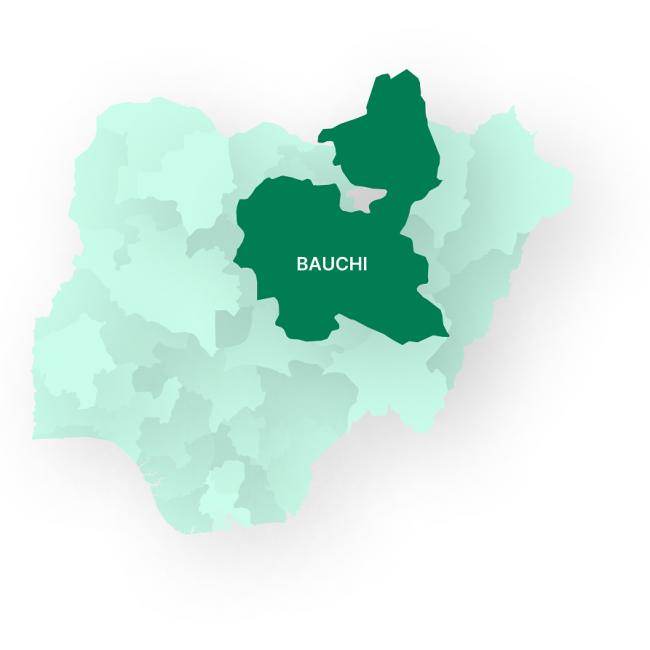
Troops of the Nigerian Army under Operation Bugun Karkanda III have forced armed terrorists out of Mansur Village and nearby settlements in Alkaleri Local Government Area of Bauchi State.
During the operation, soldiers recovered an AK-47 rifle and re-established government control in the affected communities.
Military authorities described the development as “a major breakthrough.”
The army explained that the mission targeted locations where armed groups had attempted to establish influence. According to the military, the action weakened the fighters and disrupted their activities in the area.
Officials also said the operation forms part of a wider campaign to improve security and allow residents to return to their normal daily activities. The exercise followed the formal launch of the security initiative by the General Officer Commanding 3 Division Nigerian Army and Commander of Operation Enduring Peace, Major General Folusho Oyinlola.
In a statement released on Thursday in Jos, the Acting Deputy Director of Army Public Relations for 3 Division, Lieutenant Colonel Olumide Victor Olukoya, said troops moved strategically against the armed groups.
The statement said, “Following a deliberate and well-coordinated offensive, troops of 3 Division rapidly advanced into identified flash points, establishing dominance over key areas and successfully dislodging armed terrorists who had attempted to assert control over Mansur Village.”
The army added that soldiers conducted a detailed search of the area after pushing out the attackers.
“A thorough clearance of the village led to the recovery of one AK-47 rifle, further weakening the terrorists’ operational capacity.”
According to the statement, troops have maintained their presence in the area after the operation.
“Troops have since consolidated gains and intensified aggressive fighting patrols alongside confidence-building patrols across Alkaleri LGA to sustain presence, maintain law and order, and prevent resurgence.”
The army also said the strengthened security activities have already produced positive outcomes in the local government area.
“The renewed military posture has yielded tangible results: disrupting criminal elements, rebuilding public confidence, and creating a safer environment for citizens to resume socio-economic activities without fear,“ he added.