

US Intel Chief Says Iran Posed No Nuclear Threat At Time Of Strikes
By Sabiu Abdullahi
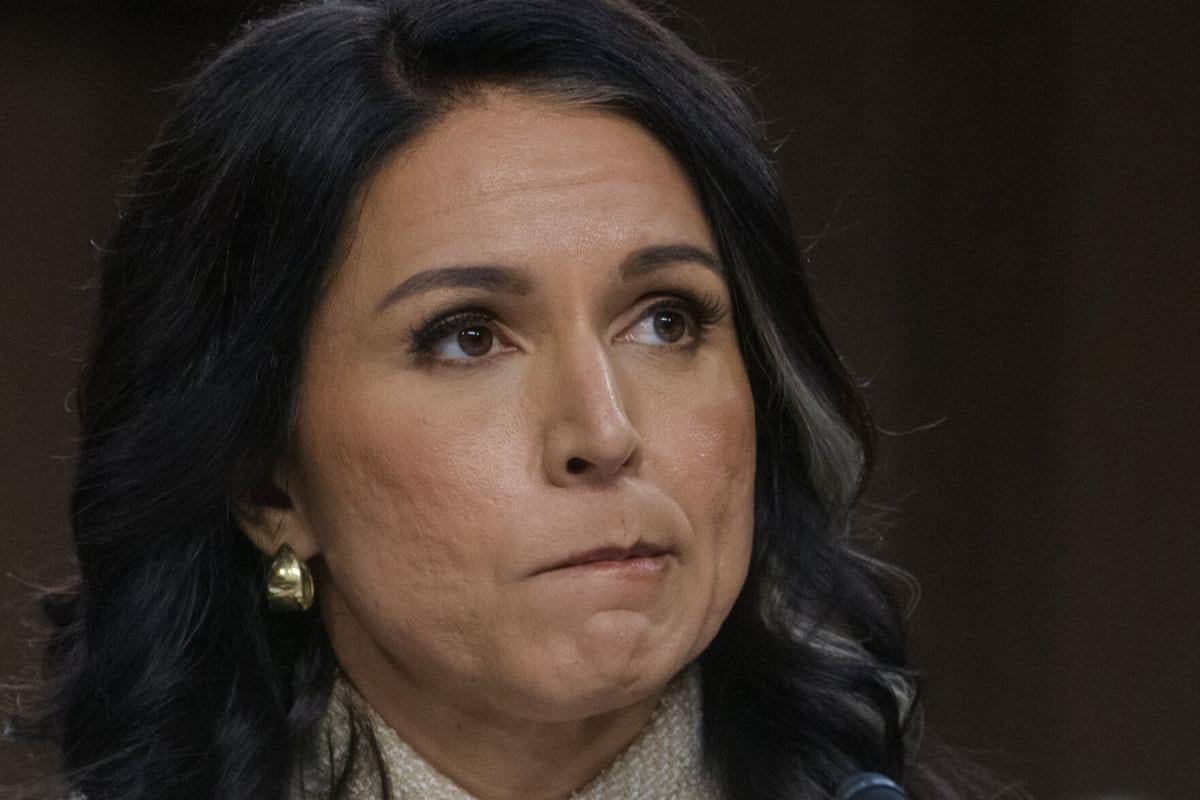
The United States Director of National Intelligence, Tulsi Gabbard, has stated that Iran did not present an active nuclear threat at the time American forces carried out strikes on the country.
Her position challenges a key reason advanced by former President Donald Trump for the military action. Mr Trump had cited what he described as an imminent danger from Iran.
In written testimony submitted to the Senate intelligence committee, Ms Gabbard said Iran had not taken steps to rebuild its nuclear programme after it was damaged in a joint US-Israeli operation in June 2025.
“As a result of Operation Midnight Hammer, Iran’s nuclear enrichment program was obliterated. There have been no efforts since then to try to rebuild their enrichment capability,” Ms Gabbard said in the testimony to the Senate intelligence committee.
However, she did not include this conclusion in her oral presentation to lawmakers. When questioned by a Democratic senator, she explained that time constraints prevented her from presenting the full contents of her written submission. She did not dispute the findings.
Mr Trump has repeatedly defended the strikes, insisting they were necessary due to an “imminent threat” from Iran. After the operation in June 2025, he said US forces had “obliterated” Iranian nuclear facilities. He later claimed the country was only weeks away from producing a nuclear weapon.
Many analysts have disagreed with that assessment. Their views also contrast with ongoing diplomatic efforts aimed at restoring a nuclear agreement with Tehran.
During her remarks to senators, Ms Gabbard acknowledged that recent attacks had significantly weakened Iran. She referenced major developments, including the killing of former supreme leader Ali Khamenei. Despite this, she maintained that the country’s government structures were still functioning.
Earlier in her political career as a congresswoman, Ms Gabbard had opposed military action against Iran.
Meanwhile, Joe Kent, a senior aide to Ms Gabbard, resigned earlier this week. He argued there was no “imminent threat” from Iran. Mr Kent, who previously served as a counterterrorism director, alleged that he and other officials were not given the opportunity to present their concerns to Mr Trump.
Mr Trump dismissed the criticism. He said he had always considered Mr Kent “weak on security” and added that individuals who did not see Iran as a threat had no place in his administration.
Reports on Thursday indicated that the FBI has opened an investigation into Mr Kent over claims that he disclosed classified information.
In an interview with commentator Tucker Carlson, Mr Kent said key officials were excluded from the decision-making process that led to the strikes.
“A good deal of key decision makers were not allowed to come and express their opinion to the president,” he told Mr Carlson.
“There wasn’t a robust debate,” he said in the interview.
He also supported Ms Gabbard’s earlier assessment on Iran’s nuclear capability.
“No. They weren’t three weeks ago when this started, and they weren’t in June either,” he said, referring to claims that Iran was close to building nuclear weapons.
Mr Kent further alleged that Israeli Prime Minister Benjamin Netanyahu and other officials lobbied Mr Trump directly, often relying on information that had not been verified by US intelligence.
“When we would hear what they were saying, it didn’t reflect intelligence channels,” Mr Kent said.
He also recounted a conversation with conservative activist Charlie Kirk before his death, stating: “He looked me in the eye and said, ‘Joe, stop us from getting into a war with Iran’.”
Mr Kent went on to suggest, without providing evidence, that Israel may have been involved in Mr Kirk’s death. His remarks, along with claims about an “Israeli lobby” influencing US policy, have attracted criticism from several groups who described the statements as anti-Semitic.
Sokoto Cleric Defies Official Eid Date, Holds Prayer Early
By Uzair Adam
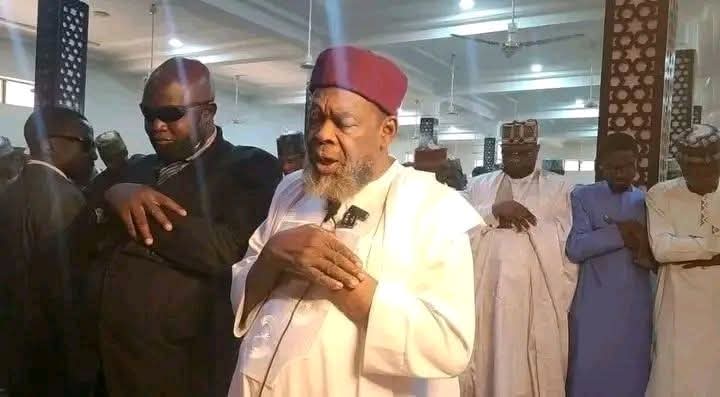
A Sokoto-based cleric, Sheikh Musa Lukuwa, on Thursday led Eid al-Fitr prayers in his community, diverging from the officially announced date by the Sultan of Sokoto, Alhaji Sa’ad Abubakar.
The Daily Reality recalled that the Sultan had declared that the Shawwal moon was not sighted anywhere in Nigeria, directing Muslims to continue fasting and observe Eid on Friday.
Contrary to this position, Lukuwa gathered his followers at his Mabera mosque, where he conducted the Eid prayer in the morning.
Explaining his stance, the cleric said his decision was based on credible reports indicating that the crescent moon had been sighted in neighbouring Niger Republic.
According to him, confirmations from contacts across the border provided sufficient grounds to mark the end of Ramadan.
He noted that proximity should play a role in validating such reports, arguing that it would be inconsistent to accept moon sightings from distant Nigerian cities while dismissing those from a nearby country.
Lukuwa clarified that his action should not be interpreted as a rejection of the Sultan’s authority, emphasizing that he generally aligns with official directives.
However, he maintained that religious obligations require adherence to verified moon sightings, even when they conflict with central announcements.
He also alluded to earlier traditions in Nigeria, when prominent scholars like the late Abubakar Mahmoud Gummi were actively involved in moon sighting declarations before the process became unified under the Sultanate.
Residents familiar with the situation said the cleric had alerted his followers late Wednesday night about the reported sighting, instructing them to prepare for Eid prayers the next day.
This is not the first time Lukuwa has taken a different position on the timing of Eid, reflecting ongoing differences in interpretation regarding moon sighting within parts of the Muslim community.
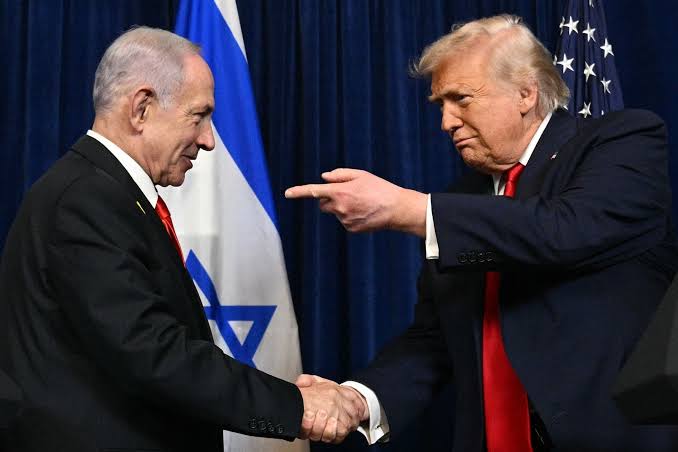
Trump Denies U.S. Involvement In Israeli Strike On Iran’s South Pars Gas Field
By Sabiu Abdullahi
U.S. President Donald J. Trump has firmly denied any American participation in the recent Israeli attack on Iran’s South Pars gas field, the country’s largest gas facility. He also warned that Israel will not conduct further strikes on the site.
In a post on his Truth Social page, Trump said, “Israel, out of anger for what has taken place in the Middle East, has violently lashed out at a major facility known as South Pars Gas Field in Iran,” adding that “a relatively small section of the whole has been hit.”
He emphasized that “the United States knew nothing about this particular attack,” and made clear that “the country of Qatar was in no way, shape, or form, involved with it, nor did it have any idea that it was going to happen.”
Trump accused Iran of responding without full understanding of the situation, stating that Tehran “unjustifiably and unfairly attacked a portion of Qatar’s LNG Gas facility.”
The president further stated, “NO MORE ATTACKS WILL BE MADE BY ISRAEL pertaining to this extremely important and valuable South Pars Field,” unless Iran escalates tensions. He also warned that any future strikes on Qatar’s gas infrastructure could trigger a powerful response from the United States.
“If Qatar’s LNG facilities are hit again,” Trump said, “the United States of America, with or without the help or consent of Israel, will massively blow up the entirety of the South Pars Gas Field at an amount of strength and power that Iran has never seen or witnessed before.”
While highlighting the gravity of such action, he added, “I do not want to authorize this level of violence and destruction because of the long term implications that it will have on the future of Iran, but if Qatar’s LNG is again attacked, I will not hesitate to do so.”
South Pars represents the Iranian portion of the world’s largest natural gas deposit. Iran shares the resource with Qatar, a close U.S. ally that hosts America’s largest military base in the Gulf.
The ongoing conflict has seen Tehran target not only Israel but also U.S. diplomatic and military facilities in the Gulf, while warning neighboring countries against hosting attacks on Iran.
Earlier reports from SaharaReporters indicated that Qatar’s main gas production hub, Ras Laffan Industrial City, was struck by a missile fired from Iran. The attack caused extensive damage and prompted immediate emergency operations.
QatarEnergy confirmed in a statement, “that Ras Laffan Industrial City on Wedy was subject of missile attacks.” The company added, “emergency response teams were deployed immediately to contain the resulting fires, as extensive damage has been caused,” noting that “all personnel have been accounted for and no casualties have been reported at this time.” QatarEnergy also assured that it “will continue to communicate the latest available information.”
The Qatari Ministry of Defense said, “the State of Qatar was subjected today, Wednesday, to an attack involving (5) ballistic missiles launched from the Islamic Republic of Iran.” The ministry explained that “Our Armed Forces, by the grace of God, successfully intercepted (4) of the ballistic missiles, while one missile fell in Ras Laffan Industrial City, causing a fire.”
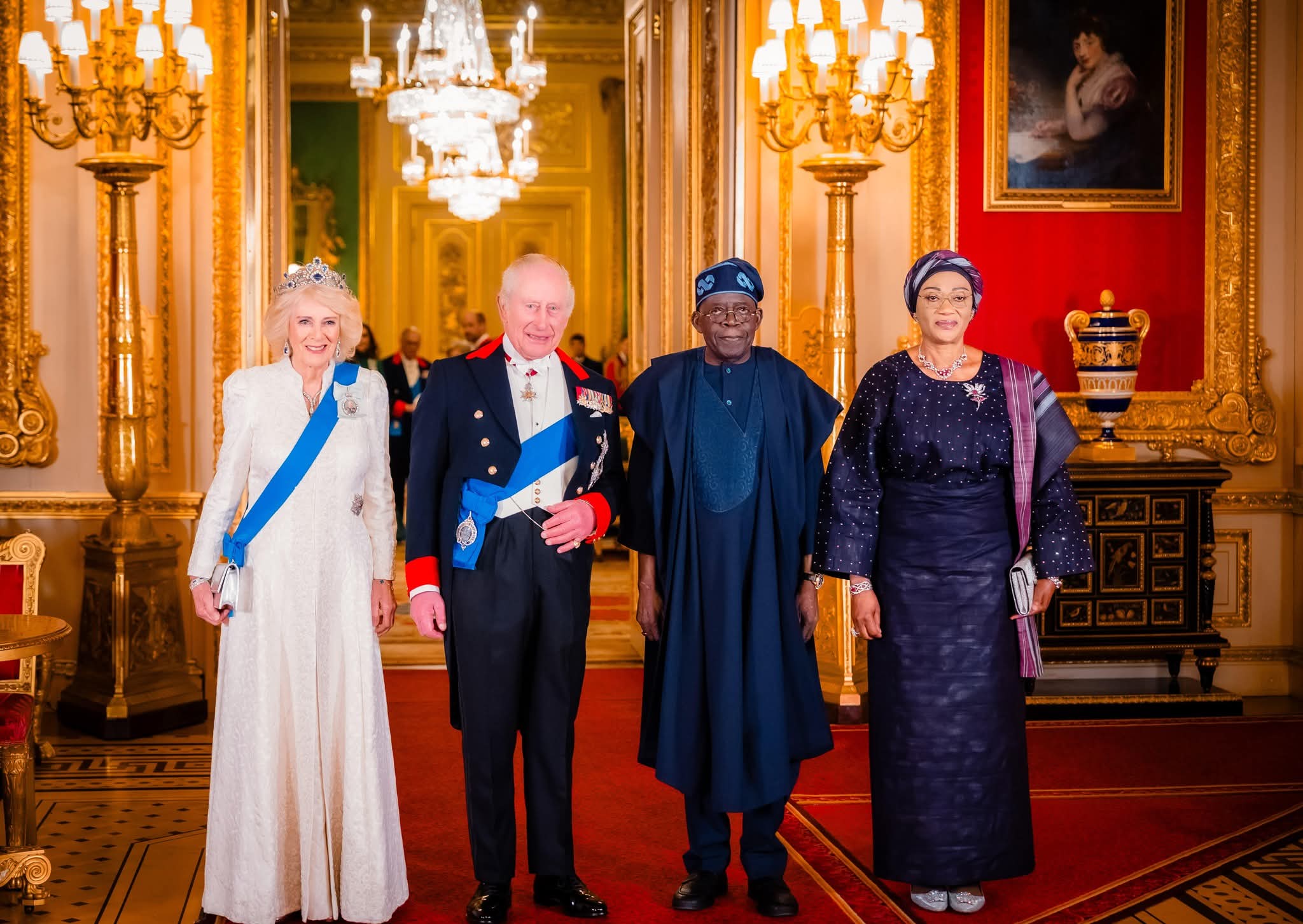
Tinubu Pledges Stronger Nigeria-UK Ties During Historic Windsor Castle Visit
By Sabiu Abdullahi
President Bola Ahmed Tinubu has reaffirmed the enduring friendship between Nigeria and the United Kingdom, emphasizing that the relationship will continue to grow. He made the remarks during a state banquet held in his honour at Windsor Castle.
Addressing the royal audience, President Tinubu said:
“It is a profound honour to stand before you today, representing the people of Nigeria as we reaffirm the enduring bonds of friendship, history, and shared purpose that have united our two nations for several centuries.”
He expressed deep appreciation to King Charles III and Queen Camilla for their hospitality, noting the warmth extended to him, his wife Oluremi, and the Nigerian delegation. Highlighting the historic nature of his visit, Tinubu remarked that he is the first Nigerian leader to speak at Windsor Castle, which has stood as a symbol of continuity for nearly a millennium.
“Nigeria and the United Kingdom have shared more than just history; our two nations share a vision of progress and resilience. Today, we continue that journey, committed to building a future rooted in partnership, mutual respect, and common values,” he said.
President Tinubu reflected on Britain’s contributions to democratic governance, citing the Magna Carta of 1215 and the works of thinkers like Thomas Hobbes, John Locke, and Edmund Burke. He also acknowledged the influence of British literary figures, including William Shakespeare and Charles Dickens, whose works have shaped the English language spoken worldwide.
“In Nigeria, elements of these traditions continue to inform the institutional foundations of our own republic,” he added, noting that Nigerian courts, parliamentary structures, and civil services draw inspiration from British models adapted to local contexts.
The President also highlighted the role of Nigerians living in the UK. “The Nigerian community in the United Kingdom has become one of the most dynamic diaspora communities worldwide. Nigerians contribute enormously to the vitality of this nation. Within the National Health Service, Nigerian doctors and nurses play an indispensable role in delivering healthcare,” he said. He further cited contributions in sports, mentioning rugby star Maro Itoje, footballers Bukayo Saka and Eberechi Eze, and champion boxer Anthony Joshua.
Tinubu emphasized the strategic importance of the Commonwealth of Nations, underlining Nigeria’s commitment to the growth of the global community. He also addressed regional security challenges: “Our West African region faces complex terrorism challenges with roots in the Sahel. Nigeria carries an enormous responsibility to help safeguard regional stability. In confronting these threats, partnership with the United Kingdom remains essential.”
Despite the challenges, the President expressed optimism about Nigeria’s future: “We are a nation of diverse and vibrant people, of young people dreaming big, of entrepreneurs with a global outlook, and of a hopeful people determined to realise their full potential.”
He paid tribute to the United Kingdom for providing refuge during Nigeria’s military dictatorship, recalling his personal experience: “Like many Nigerians involved in the pro-democracy struggle, I found safety here, and I recall that my residence was placed under Metropolitan Police surveillance for protection following threats from agents of the junta.”
Concluding his speech, President Tinubu proposed a toast:
“To the special bond between Nigeria and the United Kingdom, and to the bright future that we shall build together. God bless His Majesty The King. God bless Nigeria. God bless the United Kingdom. Thank you very much.”
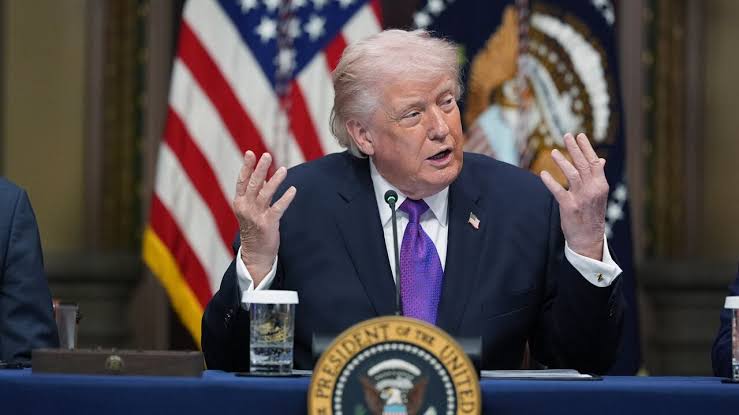
Trump Faults Israel Over Iran Gas Field Strike, Issues Warning After Retaliation
United States President Donald Trump has criticised Israel’s recent strike on Iran’s South Pars gas field, as tensions escalate across the Middle East with retaliatory attacks hitting key energy facilities in several countries.
In a message shared by the White House on X early Thursday, Mr Trump stated that the United States had no involvement in the Israeli operation. He said, “Israel, out of anger for what has taken place in the Middle East has violently lashed out at a major facility known as South Pars Gas Field in Iran.”
He added that further attacks on the facility would not occur under certain conditions. According to him, “NO MORE ATTACKS WILL BE MADE BY ISRAEL pertaining to this extremely important and valuable South Pars Field…” unless Iran continues its strikes on Qatar.
The US president also condemned Iran’s response, which targeted gas infrastructure in Qatar. He warned that any additional assault on Qatar’s facilities would trigger severe consequences, including the destruction of “the entirety of the South Pars Gas Field.”
The developments follow reports that Iran launched missiles at the Ras Laffan Industrial City in Qatar. QatarEnergy confirmed that the strike caused fires and “extensive damage.” The company later disclosed that multiple liquefied natural gas facilities were hit, leading to “sizeable fires and extensive further damage.”
Authorities had evacuated the site earlier after Iran announced plans to strike several locations in the region. The move was described as retaliation for earlier attacks on the South Pars gas field, which Iran attributes to Israel and the United States. Washington has since denied any role in that incident.
Beyond Qatar, Iran extended its response to other parts of the region. Two refineries in Saudi Arabia were struck, while the Habshan gas facility in Abu Dhabi was also targeted. The United Arab Emirates subsequently shut down the affected facility.
There has been no official response from Iran regarding Mr Trump’s warning as of the time of filing this report.
Analysts say the latest attacks on critical energy infrastructure could deepen the global gas supply crisis. Prices of gas and other petroleum products have already climbed sharply since late February, when the United States and Israel launched strikes on Iran.
The ongoing conflict has claimed more than 1,500 lives, with most of the casualties reported in Iran.
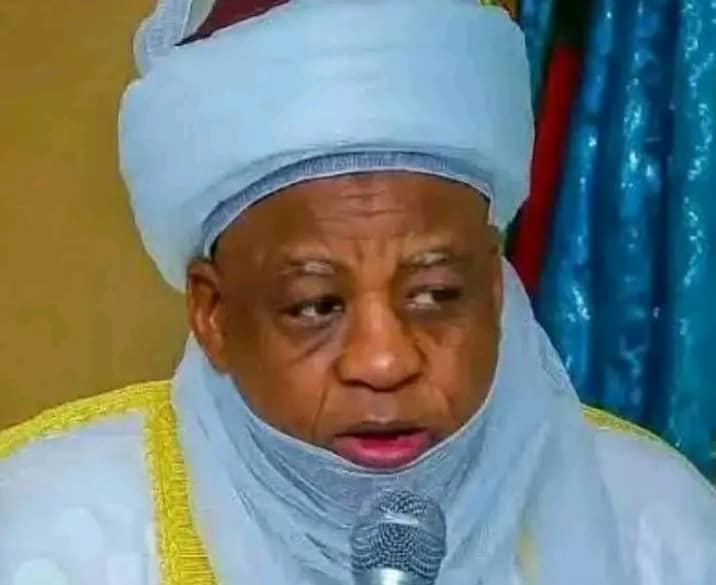
Sultan Declares Friday March 20, 2026 as Eid-el-Fitr
By Abdullahi Mukhtar Algasgaini
The Sultan of Sokoto and President General of the Nigeria Supreme Council for Islamic Affairs (NSCIA), Alhaji Muhammad Sa’ad Abubakar, has declared Friday, March 20, 2026, as the first day of Shawwal 1447AH, marking the celebration of Eid-el-Fitr.
According to a statement released by the Sultanate Council Advisory Committee on Religious Affairs in conjunction with the National Moon Sighting Committee, no credible reports of the new moon sighting were received from various committees across the country on Wednesday, March 18, which corresponded to the 29th day of Ramadan.
As a result, Thursday, March 19, will complete the 30 days of Ramadan, with the crescent of Shawwal officially sighted on Friday.
The Sultan, in the declaration, congratulated the Nigerian Muslim Ummah and urged them to continue praying for the nation’s peace, progress, and development.
He also extended his warm wishes for a happy and blessed Eid-el-Fitr celebration, praying that Allah accepts the religious deeds of the faithful.
The statement was signed by Prof. Sambo Wali Junaidu, Wazirin Sokoto and Chairman of the Advisory Committee on Religious Affairs, Sultanate Council, Sokoto.
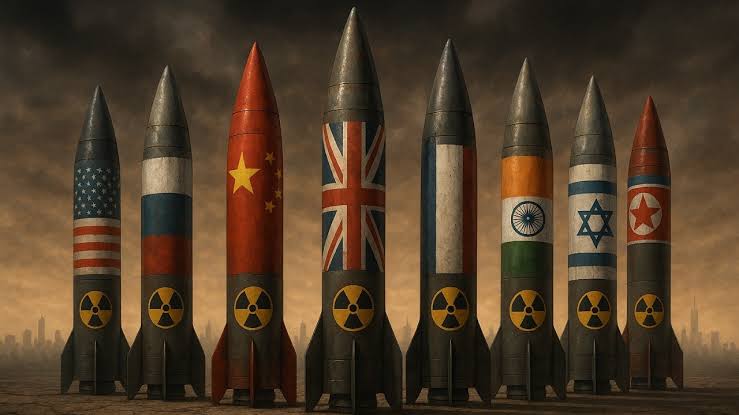
US Intelligence Says Iran Not Rebuilding Nuclear Enrichment After 2025 Attack
By Sabiu Abdullahi
United States intelligence agencies have concluded that Iran has not resumed efforts to rebuild its nuclear enrichment programme following the destruction of key facilities in a joint US-Israeli strike in June 2025. The finding contrasts with President Donald Trump’s justification for his ongoing military campaign.
Director of National Intelligence Tulsi Gabbard disclosed the assessment in a written submission presented during an annual threat review before the Senate intelligence committee. However, she did not repeat the position while addressing lawmakers in person.
“As a result of Operation Midnight Hammer, Iran’s nuclear enrichment program was obliterated. There has been no efforts since then to try to rebuild their enrichment capability,” Gabbard said in the testimony to the Senate intelligence committee.
When questioned by a Democratic senator over the omission during the hearing, Gabbard explained that time constraints prevented her from reading the full statement. She did not dispute the conclusion.
President Trump has consistently defended the February 28 strike on Iran, which was carried out alongside Israel. He cited what he described as an “imminent threat.” After the 2025 bombing, Trump stated that Iran’s nuclear facilities had been completely destroyed. More recently, he has claimed that Tehran was close to producing a nuclear weapon. That position is not widely supported by analysts and comes amid ongoing negotiations over a possible nuclear agreement.
Meanwhile, a senior aide to Gabbard stepped down on Tuesday. The official said there was no “imminent threat” and argued that Trump had been misinformed by both Israel and sections of the media.
In her remarks to senators, Gabbard noted that Iran had suffered significant damage in recent weeks of attacks. The strikes included the killing of longtime supreme leader Ayatollah Ali Khamenei. Despite this, she said the country’s governing system remains in place.
The US intelligence community “assesses the regime in Iran to be intact but largely degraded due to attacks on its leadership and military capabilities,” Gabbard said.
She added that if the current leadership remains, it may attempt to rebuild over time.
“If a hostile regime survives, it will likely seek to begin a years-long effort to rebuild its military, missiles, and UAV forces,” Gabbard said.
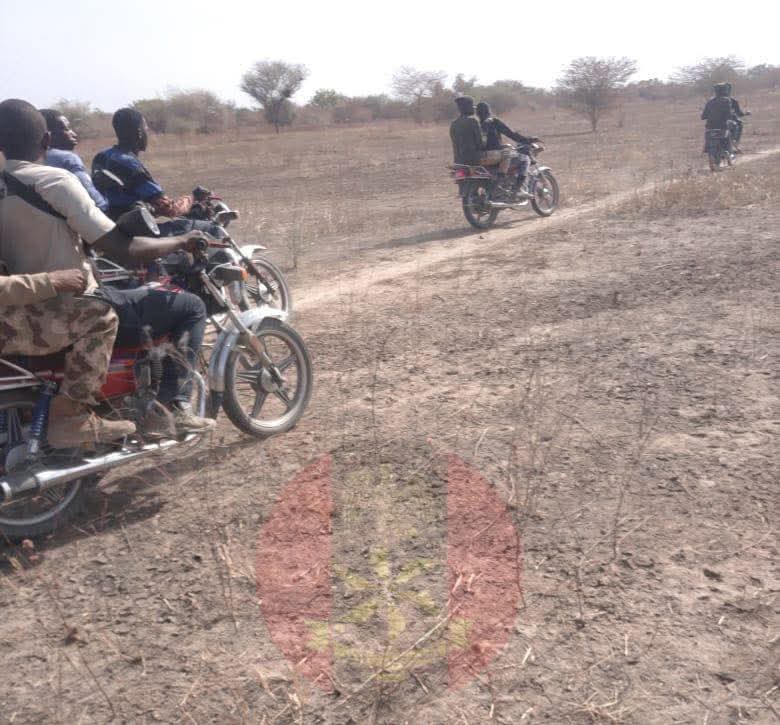
ISWAP Death Toll Rises To 75 After Failed Attack On Troops In Malam Fatori
The number of ISWAP fighters killed during a failed attempt to overrun a military position in Malam Fatori, Abadam Local Government Area of Borno State, has increased to 75. Security analysts have described the outcome as one of the most significant recent setbacks for the group.
According to Zagazola Makama, a security expert, initial figures had placed the death toll at 61 after troops of Operation Hadin Kai, with support from the Nigerian Air Force, responded to the attack. Fresh battlefield reviews and follow-up clearance operations now show that at least 75 insurgents were eliminated. Several others are believed to have fled with serious injuries.
The incident took place in the early hours of Wednesday when ISWAP fighters advanced on foot toward the 68 Battalion base. They reportedly used armed drones in a bid to break through the defence. The movement, which came from the Duguri axis toward the Bravo Company position, was quickly identified and repelled.
Military sources linked the success of the defence to strong coordination between ground forces and air support. They noted that this reflects improved joint operations in the North-East counter-insurgency campaign.
Air components carried out four targeted strikes on routes used by the attackers to withdraw. These strikes disrupted their movement and reduced their fighting strength. Sustained aerial pressure forced the fighters into a disorganised retreat toward the Arege axis.
Additional air support from the Niger Republic targeted fleeing insurgents. Although a full assessment is still ongoing, security sources said the joint effort contributed to the higher casualty figure.
Troops also recovered a significant quantity of weapons and ammunition from the scene, a development expected to further limit the group’s activities around the Lake Chad area.
On the side of the military, four soldiers suffered minor injuries and have received treatment.
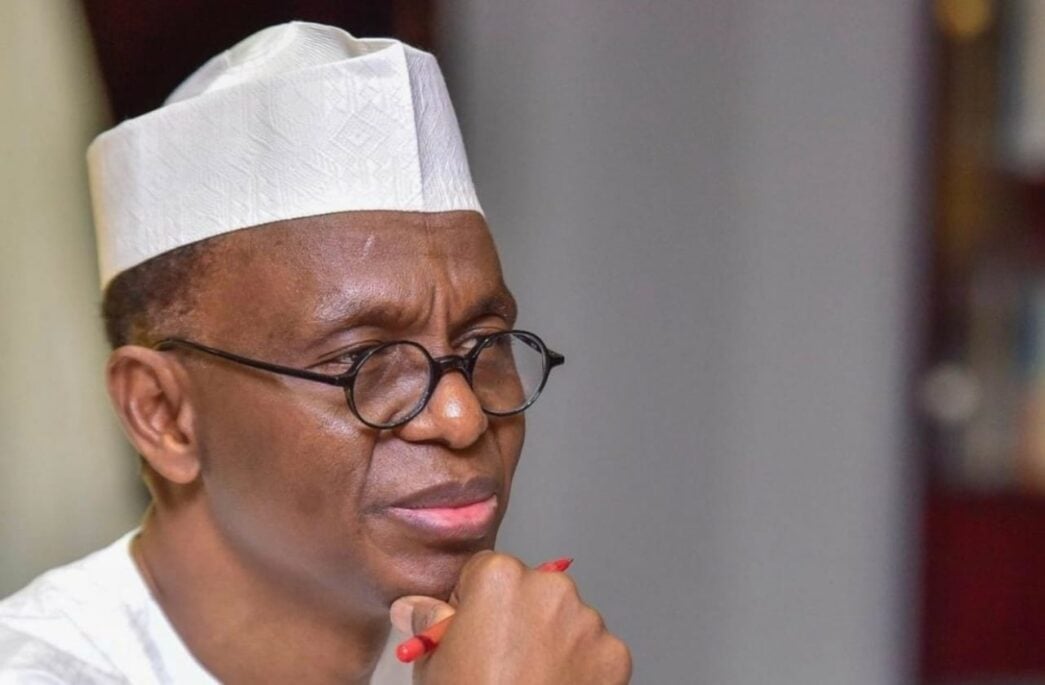
Nasir El-Rufai and the Politics of Fear in Nigeria’s Power Struggle
Nigeria’s political arena has never been short of strong personalities, but few figures have remained as consistently relevant as Nasir El-Rufai. Love him or dislike him, it is difficult to ignore the fact that he has been one of the most consequential actors in Nigeria’s political journey since the return to civil rule in 1999. His recent confrontation with security authorities and the attempt to detain him without clear evidence speak less about law enforcement and more about the anxiety within the ruling establishment.
To understand the current political tension, one must first understand El-Rufai’s place in the system. From his early role in the administration of Olusegun Obasanjo to his strategic alignment in the political transitions that produced Umaru Musa Yar’Adua, Goodluck Jonathan, and later Muhammadu Buhari, El-Rufai has repeatedly demonstrated a rare understanding of how power works in Nigeria. Few politicians can claim to have operated so close to multiple presidencies across different political eras.
His experience is not accidental. As a former Minister of the Federal Capital Territory and later governor of Kaduna State, El-Rufai built a reputation for being both strategic and outspoken. That combination has earned him loyal supporters and fierce critics. Yet even his opponents concede that he understands the inner workings of Nigerian politics better than most of his contemporaries.
What makes the present situation intriguing is the reaction of the current government under President Bola Tinubu. Political watchers note that the administration appears unusually sensitive to El-Rufai’s moves and statements. The attempted arrest at the Nnamdi Azikiwe International Airport in Abuja, which was resisted by supporters who had gathered to welcome him, has only deepened public suspicion that political motivations may be at play.
In any democratic society, the rule of law demands that allegations be backed by evidence. Detaining a prominent political figure without a clear justification risks sending the wrong message to the public. It creates the impression that state institutions are being deployed as political tools rather than impartial guardians of justice. Such actions can weaken public confidence in democracy at a time when many Nigerians are already questioning the direction of the country’s governance.
Beyond the immediate controversy, El-Rufai’s political relevance lies in his networks and influence. In Northern Nigeria, he maintains relationships with traditional leaders, religious authorities, and political elites. His connections with groups such as the Arewa Consultative Forum and his standing among many northern political actors make him a figure whose voice carries weight in national conversations.
This is also why his reported involvement in strengthening the African Democratic Congress has attracted attention. In a political environment where alliances and coalitions often determine electoral outcomes, any figure capable of mobilising political forces across regions automatically becomes a strategic concern for those in power.
El-Rufai himself has long argued that political dominance in Nigeria can be challenged through direct engagement with voters. During a public lecture in Lagos years ago, he pointed out that millions of registered voters often stay away from the polls. His argument was simple. If a politician can mobilise even a fraction of those disengaged citizens, entrenched political structures can be defeated. That message resonates strongly in today’s political climate.
The lesson from his remarks is that Nigerian democracy still holds untapped potential. Electoral participation remains one of the most powerful tools available to citizens. When politicians connect directly with voters rather than relying solely on elite political arrangements, the balance of power can shift dramatically.
The current political drama surrounding El-Rufai, therefore, reflects a deeper struggle within Nigeria’s political system. It is not merely about one individual. It is about the anxiety that emerges whenever established power structures sense the rise of alternative political forces.
Whether one agrees with his politics or not, attempting to silence a figure like El-Rufai through intimidation or questionable legal action does not strengthen democracy. If anything, it elevates his profile and reinforces the perception that he represents a genuine challenge to the status quo.
Nigeria’s democracy should be strong enough to accommodate dissent, criticism, and competition. The country has endured decades of political turbulence and should have learned by now that suppressing political voices rarely solves problems. Open contestation, debate, and accountability are the true pillars of democratic progress.
As the political landscape gradually shifts toward the next electoral cycle, figures like Nasir El-Rufai will continue to shape conversations about leadership, power, and the future of governance in Nigeria. The real question is not whether he will remain relevant. The real question is how Nigeria’s political system will respond to voices that challenge the existing order.
If democracy means anything, it must allow strong political actors to participate freely without fear of intimidation. The strength of a nation’s democracy is measured not by how it treats its friends, but by how it treats its critics.
Interesting time ahead.
Muhammad Umar Shehu wrote from Gombe and can be reached via umarmuhammadshehu2@gmail.com.

Islam and Conservation of Natural Resources (II)
By Abubakar Idris
As promised in an earlier piece with the same title, published by The Daily Reality [Islam and Conservation of Natural Resources (I)], this sequel centres on certain Islamic concepts that promote environmental stewardship and the sustainable use of natural resources. To refresh our minds, the previous article established that Islam recognises humanity as stewards (khulafa, singular khalifa) of the Earth. And as argued, the stewardship is a position that comes with responsibility and accountability (Qur’an 10:14, 33:72, 6:165).
Going into specifics, this article discusses frameworks that guide the protection, management, and wise use of forests, water bodies, and their derivatives. While modern environmental discourse often searches for new approaches – such for example as; the faulted Holistic Management by Allan Savory, and the now seemingly-promising Assisted Natural Regeneration (ANR) – the principles of Hima (protected areas), Waqf (endowment), and Israf (prohibition of wastefulness) have long been established within Islam as practical measures of conservation for what now counts more than fourteen hundred years. This paper explains.
Say it in Arabic and it’s a new term all together; say its English equivalent and everybody [I can say] knows exactly what it stands for. Hima. A designated protected area in which resource exploitation is restricted or prohibited to ensure sustainability is one of the earliest environmental conservation practices in Islamic civilisation. National Parks or Game Reserves probably came to mind. That, partly, is what it is.
The Prophet Muhammad (PBUH) himself implemented this system, declaring certain lands off-limits for private use to preserve their ecological balance. For example, the Prophet, in his wisdom, restricted access to certain grazing lands for public welfare (Abu Dawud, Hadith 3061). Ibn Taymiyyah (1984) emphasised that Hima reflects the principle of hifz al-mawarid (resource preservation) to ensure that communities use natural resources responsibly. This was not an arbitrary decision; it was an application of the trust (Amana) that mankind was given over the Earth (Qur’an 33:72).
In some parts of Northern Nigeria, where I know better, similar traditional conservation practices still exist, even if not under the name Hima. After all, this system is not much different from modern-day protected areas or wildlife reserves. Yankari. Sumo. Gashaka-Gumti. Maladumba.
There is an argument that the Prophet preached the conservation of nature because he lived on the desert Arabian Peninsula. Interestingly, however, elements of Hima can be found in Nigeria’s traditional conservation practices, such as the Osun-Osogbo Sacred Grove, where land and water bodies are protected through customary religious and cultural laws (Adeogun, 2017). Such parallels are only set to reinforce the compatibility of Islamic conservation ethics with indigenous African traditions. And, if you like scientific practices as we know them today.
Hima may be the leader, but not the only player. There is the concept of Waqf – charitable endowment – which is another major player with a vital role in conservation. Depending on how one chooses to see it, waqf allows individuals or institutions to dedicate land, water sources, or other resources for communal benefit in perpetuity. Historically, Waqf-funded public wells, orchards, and grazing lands have supported sustainable agriculture in Muslim societies (Kahf, 1995). Usman and the Ruman Well. Khalid and his oh-my-God shield. The list is long…
In Nigeria, the practice of Waqf has been used in various forms, including the Sultan of Sokoto’s endowment initiatives for agricultural development (Abdullahi, 2018). No doubt, a revival of Waqf-based conservation efforts could support modern environmental sustainability programs. Instead of waiting for external interventions from what the Nigerian writer Chimamanda described as a “white kind foreigner”, communities can take responsibility for their environment by dedicating land as protected areas, ensuring it remains useful for generations to come.
Meanwhile, Islam strictly forbids wastefulness under the principle of Israf. The Qur’an warns: “Eat and drink, but do not waste. Indeed, He (Allah) does not love those who waste” (Qur’an 7:31). This principle extends beyond food consumption to all natural resources. The Prophet (PBUH) reinforced this in his teachings, stating: “Do not waste water, even if you are by a flowing river” (Sunan Ibn Majah, Hadith 425).
Modern environmental crises – deforestation, pollution, and climate change – can be linked to excessive resource exploitation and wastefulness. Meanwhile, Islam’s stance on Israf stresses, again and again, the need for moderation, a lesson that remains relevant in contemporary sustainability discourse. In fact, Islam not only encourages conservation – it actively condemns wastefulness.
As if that were not enough, Islamic economic frameworks such as ‘Ushr and Zakat also contribute to conservation. ‘Ushr, a 10% tithe on agricultural produce, serves as an incentive for sustainable farming, discouraging over-extraction of soil nutrients (Kahf, 1995). Similarly, Zakat – an obligatory charity levied on wealth – can be directed toward environmental protection projects, such as afforestation and water conservation initiatives (Ibn Rushd, 2005).
If properly implemented today, these principles could provide an Islamic framework for addressing environmental challenges. In terms of sustainability, societies can address both environmental and economic challenges by aligning with the Qur’anic injunction: “And do not cause corruption upon the Earth after its reformation” (Qur’an 7:56).
Deducible from the argument presented in this short note, it does not require much argument to establish that Islam not only supports environmental conservation but also provides a structured approach to it. With comprehensive environmental ethics that integrate faith with practical conservation strategies through concepts such as Hima, Waqf, Israf, ‘Ushr, and Zakat, one staggering fact holds: protecting our environment and natural resources is a divine responsibility and not just a Western-imposed modern practice of sustainability. Like the figurative Hausas have it: “Tun kafin ayi daran aka yi kwandi”.
Therefore, with climate change and environmental degradation intensifying, the question is whether we will take these lessons seriously or continue to ignore them as environmental crises escalate. Either way, the Qur’an is unequivocal: “Indeed, Allah does not change the condition of a people until they change what is in themselves” (Qur’an 13:11).
* Years attached to the cited sources are for the English translations consulted.
Abubakar Idris [Misau], a Forestry and Wildlife graduate from University of Maiduguri, writes from Akure, Ondo State. He can be reached through: abubakaridrismisau@gmail.com | +2349030178211.