

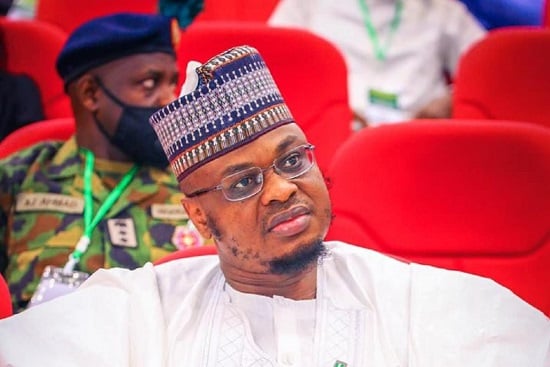
Pantami, Power and the Burden of Moral Clarity
By Abdulhamid Abdullahi Aliyu
A Hausa proverb warns that you cannot run at full speed while scratching an itch. The saying captures, with striking simplicity, the dilemma now surrounding Sheikh Isa Ali Pantami as conversations about his political ambitions gain momentum.
Public life demands clarity of role and consistency of purpose. When an individual seeks to occupy two morally and structurally conflicting spaces simultaneously, momentum is lost, and credibility is strained. This is the core tension in Pantami’s current trajectory: the attempt to remain a preacher with clerical authority while simultaneously stepping into partisan politics.
The problem is not ambition itself. It is role conflict. Clerical authority depends on moral certainty and spiritual distance from power, while politics thrives on negotiation, compromise, and moral ambiguity. Attempting to inhabit both worlds simultaneously risks weakening the integrity of each.
This tension becomes even more consequential in a plural society like Nigeria, where religion carries deep emotional authority and political power must remain anchored in constitutional legitimacy. Once religious influence is injected into partisan competition, power risks acquiring a sacred character. Political disagreement can then be reframed, subtly or overtly, as moral failure or spiritual deviation rather than a contest of ideas and interests.
Some have argued, including respected commentators like Jaafar Jaafar, that religious clerics should avoid politics altogether because political space is inherently compromised by bargaining, corruption and ethical trade-offs. Others counter with a seemingly reasonable question: if the aim is to sanitise politics, why not allow upright clerics like Pantami to participate?
That question, however, misunderstands the core concern. The issue is not whether a cleric is personally virtuous. It is about the separation of religion and the state. Democracy relies on pluralism, persuasion and accountability. When religious authority enters partisan politics, votes may be influenced not by policy debate, but by guilt, fear, or claims of divine sanction. That is a dangerous precedent in any diverse society.
The concern deepens when the individual seeking political office has, in the past, described politics itself as immoral or ungodly. Such a record invites legitimate questions of coherence. Has politics suddenly become virtuous, or has it merely become useful? Citizens are entitled to ask not out of prejudice, but out of democratic caution.
More troubling still are historical associations with ideological currents that have openly viewed democratic participation not as a means of strengthening institutions, but as a strategy to hollow them out from within — the well-known shiga daga ciki a gyara argument. In societies that have suffered from extremism and institutional fragility, such histories cannot be brushed aside or dismissed as irrelevant.
None of this is about excluding religion from public life. Faith has always shaped values, ethics and social responsibility in Nigeria. But there is a difference between moral inspiration and political authority. When religion becomes a substitute for constitutional legitimacy, the democratic project itself is weakened.
Politics, by its nature, is a flawed human enterprise. It requires compromise, negotiation and accountability to citizens, not to spiritual hierarchies. Clerical authority, on the other hand, rests on moral clarity and trust. Mixing the two without a clear break risks eroding both.
If Professor Pantami intends to pursue politics, the burden before him is not merely electoral. It is moral and institutional. He must offer clarity, openly reckon with past positions, and demonstrate consistency over time. Nigerians are not asking for perfection. They are asking for coherence.
In the end, democracy survives not on sacred claims, but on transparent choices, accountable leadership and the acceptance that political authority derives from citizens, not sanctity. That distinction must remain clear — for the sake of both faith and the republic.
Abdulhamid Abdullahi Aliyu is a journalist and syndicate writer based in Abuja.
The Evil in Peddling Pastor Ibiyeomie’s $2m Wristwatch Sans Subtext
By Ugochukwu Ugwuanyi
The agenda-setting theory of mass communication seems to have gone the way of good old traditional journalism, as its distortions and corruption are writ large in this present age. Content creators and curators in the digital space have been busy setting the agenda without regard for the module’s original intent. In pursuit of virality, they limit shorts and reels to the salacious and outlandish, deliberately precluding elements that would contextualise and add meaning for audiences. The need to empower audiences with inspiring information is secondary. This is one evil I’ve seen under the sun!
The (mal)practice is not in keeping with the gatekeeping theory either, since they are not acting in the interest of the social fabric but opportunistically farming for views and engagements or even chasing clout. If taken to task, they will readily say, “Bad (scandalous/controversial) news always sells.” Admittedly, bloggers have been quite successful in attracting attention and sparking conversations online with abridged and abrupt content. However, the jury is still out on whether these citizen journalists’ brand of agenda setting is guided by their prejudices, the attention span of audiences, mischief, or sheer misinformation. In a milieu where users run with the caption/headline, one can imagine the impact of half-information on them, nay, what it robs them of.
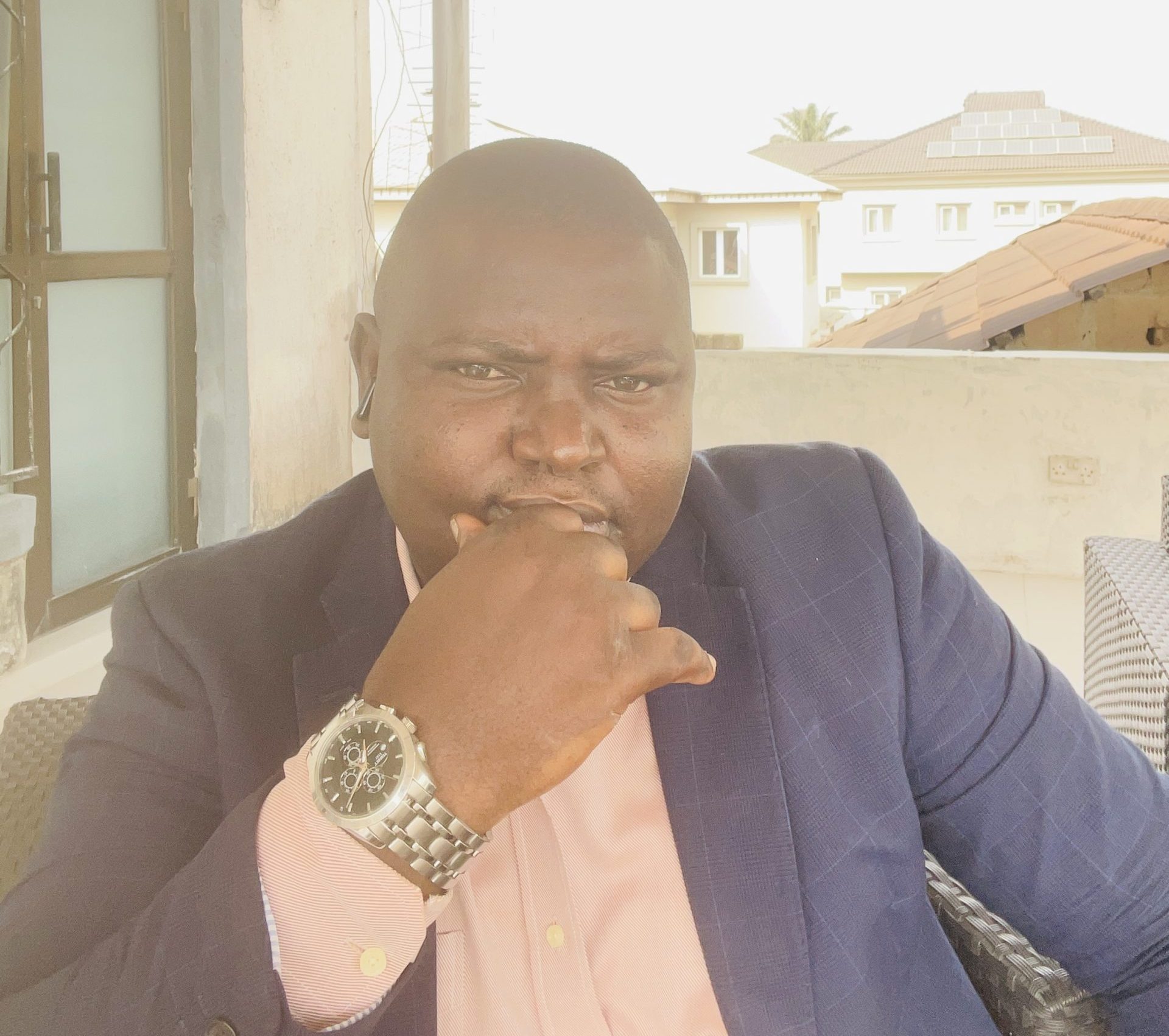
A fortnight ago, the Nigerian blogosphere buzzed with reports that Pastor David Ibiyeomie bragged about being gifted a $2 million wristwatch, stressing that Nigerians on social media would faint if they saw his collection of exotic wristwatches. The sensational spin of the story on social media makes the unsuspecting assume that the man of God climbed the pulpit just to promote grifting prowess. But that couldn’t have been the preacher’s mission. What trended online was an aside or anecdote used to drive home his point. But bloggers opted to set the agenda with a clickable straw rather than the didactic core. Now that they must have got the online traction they craved, let’s bring to the surface the vital aspect of the sermon that was buried. This is because the unsung aspect of the preacher’s message can be of great benefit to whoever subscribes to it.
After disclosing the following: “someone gave me a watch worth $2 million. I have not even worn half of my watches. The one they show on social media is just small, I have many watches. If they see all my watches, they’d just faint,” the Port Harcourt-based pastor asserted that “I’m getting watches because I’m solving problems.” This last line is the crux that would do viewers a world of good if they caught the revelation. It is a given that the one who diligently solves problems will stand before kings and shall not stand before mean men.
That was the story of Joseph. The ability to solve problems took him straight from prison to the palace. By the time he solved Pharaoh’s problem, the falsely accused felon became the prime minister of the world’s superpower at the time, despite being an immigrant. If solving problems can be this rewarding, then it shouldn’t be surprising that a problem solver like Ibiyeomie is receiving mouthwatering gifts. No one should faint upon seeing his wristwatches or come with the vanity-upon-vanity moral posturing! If you look around, you’d find that many of his peers have been stupendously rewarded by those who consult them for spiritual guidance and prayers. There are instances where people struggle to give to these men of God.
Yet, these cherished pastors are only vessels through which the actual problem solver expresses Himself. I’m talking about the Holy Spirit, who inhabits whoever believes in the resurrected Christ and confesses Jesus as their Lord and personal saviour. He is the one about whom John 16:13 says, “He will guide them into all truth, speak only what He hears from the Father, and declare things to come.” With this spiritual insight, you would be able to solve quandaries and mysteries. It is this same Spirit who enabled the mighty works of Jesus’ earthly ministry. He is all the believer needs. Nothing is too big or small for Him to provide direction.
There was a community where livestock breeding was the locals’ prime preoccupation. A stray sheep was found and taken to the king’s palace. In time, two men came forward to claim ownership of the animal. Each of them was quite assertive and unyielding in demanding that they be handed the sheep as the rightful owner. None of the palace courtiers could rightly divide the dispute. Thankfully, the king is a born-again Christian, so he opted to pray for wisdom over the situation. He gave both parties a date to hear his verdict. The night prior, the king prayed intensely, and the Lord ministered John 10:4-5 in his heart. He immediately knew that his prayer had been answered and was no longer troubled.
By the next morning, the claimant came with some members of the community. The sheep was tethered with a long rope right before everyone who gathered to witness how the contention would be resolved. The king challenged each of the contenders to do all they could to attract the sheep’s attention. The one it responds to and follows will be allowed to return home with the animal. To make the test even harder, the sheep was distracted with fodder. The first tried all the communication cues he could devise to no avail. The sheep continued feeding, barely looking up to acknowledge the stranger. When the stipulated time elapsed, the second claimant was given the floor. Soon enough, the sheep abandoned the fodder and followed him, leaving everyone convinced about the actual owner!
That’s one way God inspires His people to solve problems. But you must know the Word. With Scripture containing solutions to every problem and need, God wells up in your heart a bespoke Word for each situation. When diligently implemented, everyone will be awed by the efficacy. As you do this for yourself, you’ll soon be able to apply the tried and tested formula to what troubles others – thereby becoming a problem solver. It takes the Word with a heart yielded to God for this to happen. Train your spiritual antenna to clearly hear God. You’ve got to do this every so often. But when you start hearing, be sure that what you hear aligns with the Word of God!
Indeed, the sons of God are prized and given bounties because they solve problems. Romans 8:19, “For the earnest expectation of the creation eagerly waits for the revealing of the sons of God.” Although the grace is available, not many anointed ones have primed themselves to the level where they can call forth answers from Heaven. The child of God can have the unction of Moses, whom God taught His ways, so that he could manifest His acts by solving the problems of the children of Israel.
However, the avaricious who are easily lured by lucre must be wary not to go the way of Gehazi (1 Kings 5:19-27). The Master’s charge in Matthew 10:8 is “Give as freely as you have received”. If you operate that way, God can, as in Pastor Ibiyeomi’s case, inspire you with the solution to someone’s problem and prod the same person to bless you with choicest gifts money can buy. I’m referring to cheerful givers who would insist that God sent them to be a blessing to you, even when psyched that the gifts they are bearing must be meant for God.
VIS Ugochukwu is a Sage, Storyteller and Brand Strategist who engages with readers via Twitter (now X) @sylvesugwuanyi
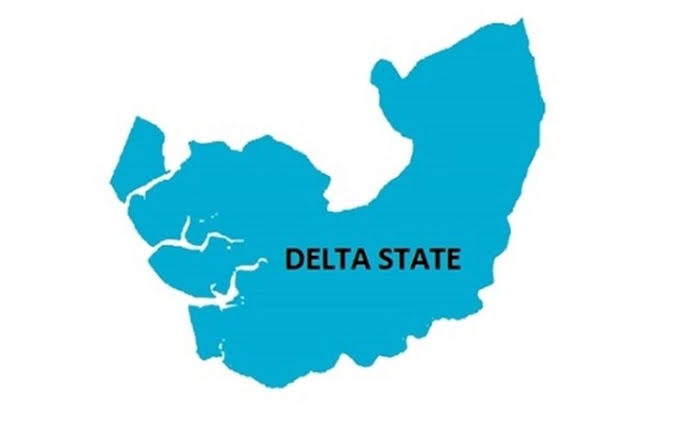
Ozoro Festival: Female Students Flee Delta University Amid Fear of Further Attacks
By Sabiu Abdullahi
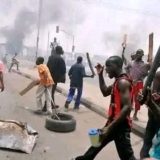
Ozoro, headquarters of Isoko North Local Government Area in Delta State, is gripped by panic as female students of Delta State University reportedly leave the community over safety concerns. The exodus follows violent incidents during the controversial ‘Alue-Do’ festival, which have sparked nationwide outrage.
Videos circulating on social media showed young women being chased, stripped, and assaulted by groups of youths, prompting fear among residents and students.
Sources say that many female students, traumatized by the attacks and uncertain about their safety, have begun fleeing the area.
A student leader, speaking on condition of anonymity, described the atmosphere as tense. He told The PUNCH:
“Most of the female students in the community are scared, especially when they were told that the festival is meant to last for seven days. Many left early this morning, and others were still seen leaving up to this evening.”
He added that anxiety remains high among residents and students due to uncertainty over the festival’s duration and the potential for more violence.
The source also alleged that some university students were involved in the assaults:
“It is not only the indigenes who participated in the molestation. Some students also took part in it, and that is the most painful part. It speaks to the level of decadence in our society, the education system and human behaviour as a whole.”
He called for justice, stressing:
“Sexual assault is a serious offence, and it desecrates the dignity of our women. We will not condone that.”
In response, the Delta State Police Command intensified its operations, arresting 11 additional suspects, bringing the total in custody to 15. Earlier arrests included a community leader, Omorede Sunday, and four others.
Police Public Relations Officer Bright Edafe confirmed the arrests and noted that intelligence work and analysis of viral videos helped identify suspects, including Samson Atukpodo, Steven Ovie, Ugbevo Samson, Afoke Akporobaro, and Evidence Oguname. He said preliminary findings suggest that criminal elements exploited the festival to commit violence.
“The Commissioner of Police condemns these acts in totality and reassures the public that the command remains resolute in its determination to ensure that all those involved are identified, arrested, and prosecuted in accordance with the law,” Edafe said.
The incident has drawn condemnation nationwide. The Nigerian Bar Association described the attacks as “a national disgrace.” In a joint statement signed by President Afam Osigwe and Chairperson of the NBA Women Forum Huwaila Muhammad, the association said:
“A society reveals its true character in how it treats its women. Where women are chased, stripped, violated and publicly humiliated under the guise of celebration, what is on display is not culture but barbarity.”
The NBA urged the Delta State Government to ensure all perpetrators face justice, emphasizing that no cultural practice can justify violence against women.
Meanwhile, the Nigeria Federation of Business and Professional Women petitioned Governor Sheriff Oborevwori, demanding the suspension of traditional rulers in Ozoro for allegedly failing to prevent the violence. The group also called for an independent inquiry to investigate the incident and determine the role of community leaders.
As fear spreads across the university community, many students remain hesitant to return. Calls are growing for stronger security measures and accountability for those responsible.
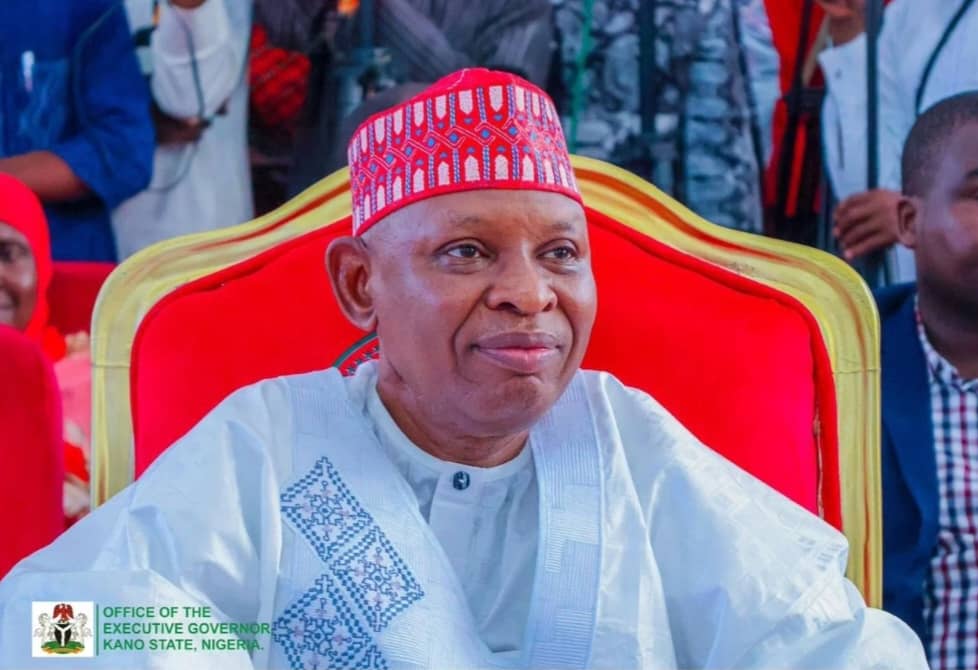
One Year Without Pay: Governor AKY Neglects Kano Security Corps
By Sabiu Abdullahi
Political analyst and lecturer at Bayero University Kano, Saidu Ahmad Dukawa, has expressed serious concern over the welfare of the recently commissioned Neighborhood Security Corps in Kano State.
In a Facebook post, the don laments that the recruits have yet to receive their promised monthly allowances, despite being screened for the job nearly a year ago.
Dukawa wrote: “I just learnt that the recently commissioned Neighborhood Security Corps of Kano State are yet to receive the monthly stipend promised to them. When considered from the period of screening them for the job, one is talking of a duration of one year!”
He warned that such delays could undermine the effectiveness of the security initiative. He added that it lends credence to arguments against the creation of State Police. Dukawa urged those close to Governor Abba Kabir to inform him that the situation requires urgent and compassionate attention.
The warning comes amid growing security concerns in Kano State. In a recent development, gunmen reportedly abducted the Secretary of Kibiya Local Government Area during a late-night attack at his residence in Dinya town.
According to Hon. Sabo Yusuf Usman, Chairman of the Councillors in Kibiya, the attackers woke the secretary’s son under the pretext of illness, forcing him to alert his father, before seizing both father and son.
The boy was later released, but the secretary was taken away before security operatives could respond.
While Kibiya has not historically been linked to significant security threats, neighboring areas such as Tsanyawa and Shanono, which share a border with Katsina State, have recently experienced a spate of bandit attacks.
The abduction manifests the fragile security situation and raises questions about the readiness and motivation of local security personnel.
Experts say that ensuring timely payment of allowances and proper welfare for Neighborhood Security Corps staff is crucial for maintaining their effectiveness.
As debates around state-level policing powers continue nationwide, the Kano situation exemplifies the challenges of implementing local security structures without adequate funding and support, with the recent Kibiya incident serving as a stark reminder of the stakes involved.
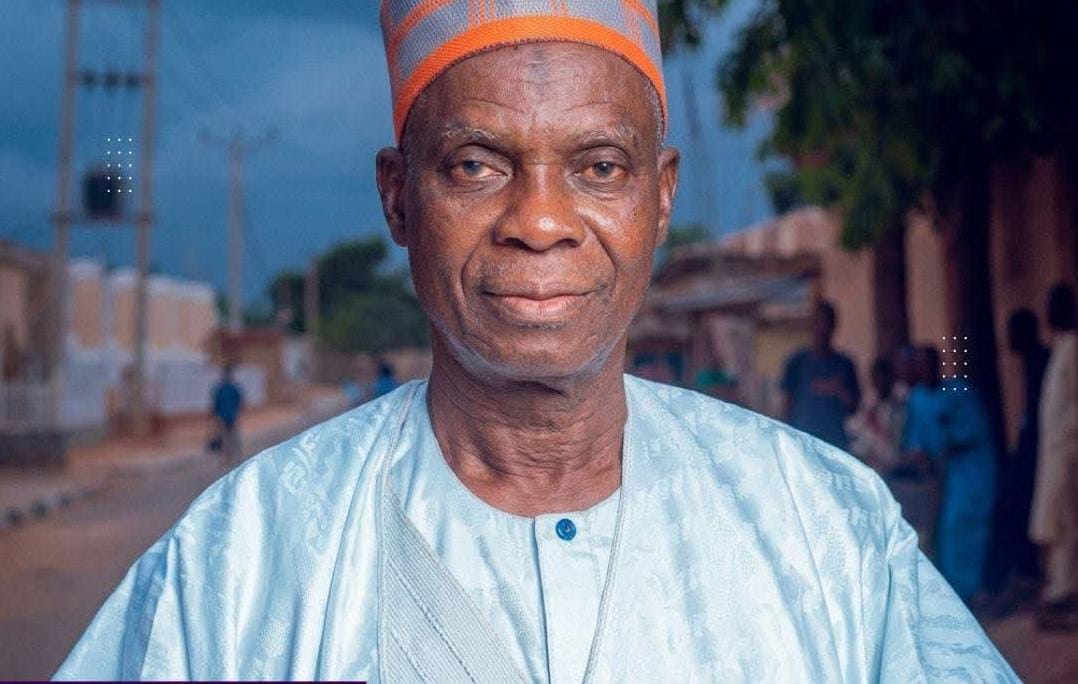
Midnight Attack: How Gunmen Kidnap Kano LG Secretary
By Uzair Adam
Gunmen have abducted the Secretary of Kibiya Local Government Area in Kano State after storming his residence in a late-night attack.
Chairman of the Councillors in the area, Hon. Sabo Yusuf Usman, confirmed the incident to the BBC, saying it occurred in the early hours of Friday in Dinya town.
According to him, the attackers struck at about 1:00 a.m. while the secretary was asleep.
He explained that the gunmen first woke the secretary’s son, who was sleeping in the outer compound, and forced him to knock on the door under the pretense of being unwell.
He said the boy told his father he had a stomach ache when asked what was wrong, prompting the secretary to open the door.
The gunmen then immediately carted away both the father and the son.
Usman added that the attackers later released the son and fled with the secretary before security operatives arrived at the scene.
Kibiya Local Government Area has not been widely associated with security threats in the past.
However, areas such as Tsanyawa and Shanono, which share a border with Katsina State, have experienced a series of bandit attacks in recent times.
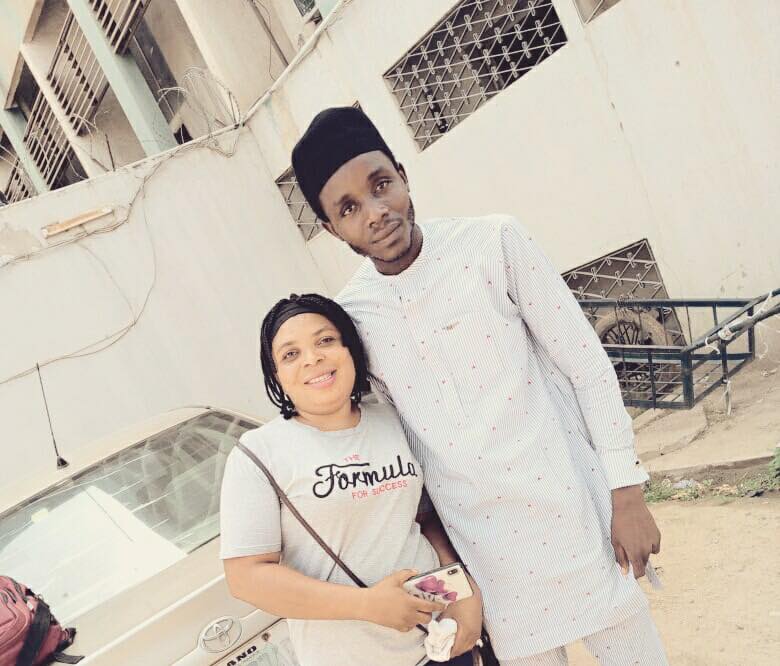
Christiana and Shamwil: The Love that Death Could not Kill
By Shamwil (Justice)
It all began in Sabon Gari Market, Kano, inside our small but busy pharmaceutical shop, Kuka Medicals. That afternoon was bright and dusty, filled with the usual noise of traders calling out prices and customers bargaining for goods.
I was behind the counter, arranging boxes of medicines, when she walked in, Christiana. I never imagined that moment would change the rest of my life. She was dressed simply, yet there was something about her that captured attention instantly. Her presence was calm, graceful, and confident.
When our manager called me to write her sales invoice, I didn’t think much of it. But as I wrote her name on the receipt and looked up, our eyes met for the first time. A strange spark passed between us, silent yet powerful, one that words could never describe.
“What’s your name?” she asked softly. “Shamwil”, I answered. Her voice was clear and warm, the kind that stays in your mind long after you’ve heard it. I told her, and she repeated it slowly, as if she wanted to remember it forever. Then I asked for hers, and she said, “Christiana.” The name itself felt like poetry when she said it.
We spoke briefly about medicines, antibiotics, syrups, and how counterfeit drugs were becoming a problem in the market. I was amazed by how much she knew. She talked with the precision of a trained pharmacist, mentioning drug names, compositions, and even the companies that produced them. Our manager watched her with admiration, nodding in respect. That day, I realised she was not only beautiful but also incredibly brilliant.
When she finished shopping, she smiled, waved at me, and left. That simple wave stayed with me for days. Her scent lingered in the air, soft, pure, and unforgettable. That night, I found myself thinking about her voice and the calm expression in her eyes. I didn’t realise then, but a new chapter of my life had just begun.
Weeks passed before I heard from her again. One evening, my phone rang with an unknown number. I picked it up, and there it was, that same gentle voice. “You didn’t expect me to call, did you?” she said, laughing softly. That first call lasted for hours. From that day on, Christiana became a part of my daily life. We talked every day, laughed together, and shared stories that slowly tied our hearts closer. What began as a friendship soon turned into real, deep, and pure love.
Christiana was unlike anyone I had ever known. She had a beauty that didn’t depend on makeup and a confidence that didn’t need pride. Her skin was smooth and glowing, her height perfect, her movements graceful like flowing water. Her voice was calm and musical, and her pointed nose gave her face an angelic glow. Everything about her was elegant and natural. She was the kind of woman who didn’t need to try to be special; she simply was.
Our love grew stronger with each passing day. We called each other every morning and night, exchanged sweet messages, and dreamed about the future. Sometimes she visited me at the shop, bringing food or simply sitting beside me while we talked about life. Time always flew whenever she was around. She made everything around me feel peaceful and alive.
But love, as beautiful as it was, came with its battles. When her parents found out about us, their reaction was harsh and painful. To them, I was not good enough. I was a poor Hausa Muslim boy, and she was their only daughter, an Igbo Christian from a wealthy family. They couldn’t accept our love. They called her names, scolded her, and forbade her from seeing me again. Yet Christiana refused to give up. She told them love has no tribe, no religion, and no boundary. Her father stopped speaking to her for months, but she remained strong, fearless, and loyal.
Christiana’s love was the purest I’d ever known. She cared for me when I was sick, worried whenever I didn’t answer her calls, and even risked sneaking out at night just to see me for a few minutes. We would stroll quietly under the streetlights of Sabon Gari, talking about our dreams, the home we’d build, the children we’d raise, and the life we’d live together. I believed we had forever. I believed nothing could come between us. But life has a way of breaking even the strongest hearts.
I never thought Christiana could die for my love. The news came like thunder in a clear sky. Death took her suddenly, without warning, without mercy. The moment I heard it, I felt something inside me collapse. The world went silent. My hands went cold. I couldn’t breathe. The love of my life was gone, just like that.
Even now, I can still hear her laughter in my mind, smell her perfume in the air, and see her smile in my dreams. Sometimes, I wake up in the middle of the night thinking she’s still alive, that she’ll call, that she’ll visit, that I’ll see her walk through the shop door again. But every morning reminds me that she is gone, forever.
Christiana didn’t just leave me; she took a part of me with her. She left behind love, memories, and silence, the kind of silence that breaks a man from the inside. Love can be the sweetest thing on earth, but it can also be the most painful. Christiana was both my blessing and my heartbreak. She was the light that entered my life, and the darkness that refused to leave when she passed away!
I will never stop speaking and penning about you, Christiana. History will be so kind to you!
Shamwil (Justice) wrote via ibrahimshamawilu@gmail.com.
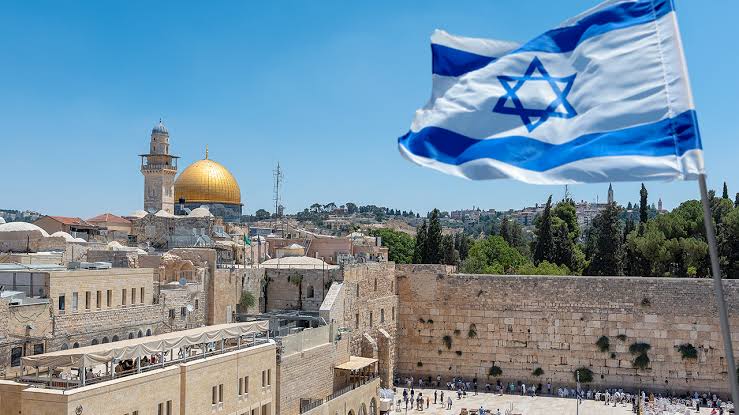
Judaism and Zionism: Untangling Faith from Politics in a Time of Middle Eastern Turmoil
By Dr. Umar Musa Kallah
As missiles continue to criss-cross the skies over Iran and Israel, and as the devastating consequences of the February 28, 2026, coordinated United States–Israeli strikes reverberate across the region , claiming the life of Iran’s Supreme Leader and exacting a heavy toll on civilians on every side, it is imperative that we, as Nigerians who hold faith dear, approach these events with clarity rather than confusion. The images of suffering from Tehran, Tel Aviv and beyond remind us that war spares no one. As a Muslim who abhors violence in all its forms and yearns only for peace to reign across the globe, for the sake of everyone, regardless of creed. I write not to inflame passions, but to illuminate.
Let us begin with precision. Judaism is an ancient monotheistic religion, spanning more than three millennia. It is anchored in the Torah, the prophetic tradition and an enduring covenant between the Divine and the Jewish people. At its core, Judaism is a spiritual and ethical path, one that calls believers to prayer, justice, charity and moral conduct. It is faith, pure and profound.
Zionism, by contrast, is a modern political ideology that emerged in the late 19th century amid the harsh realities of European antisemitism and pogroms. Conceived largely by secular thinkers such as Theodor Herzl, it sought to establish a national homeland for Jews in historic Palestine as a safeguard against persecution. While some religious Jews later embraced a variant known as Religious Zionism, the movement itself remains fundamentally political, an expression of national self-determination rather than religious doctrine. Importantly, Zionism does not equate to Judaism, just as nationalism does not equate to any faith. And crucially, Zionism is not an ideology directed against Muslims; it is a political project whose ramifications, displacement, conflict and geopolitical realignments, have touched the entire human family, inflaming tensions that now threaten wider instability, economic disruption and the loss of innocent lives far beyond the Middle East.
History bears witness to a different reality before these political currents reshaped the landscape. For more than fourteen centuries, Jewish communities thrived as protected minorities “People of the Book” , under Muslim rule in lands from Baghdad to Cordoba, from Fez to Tehran. They contributed as scholars, physicians, merchants and counsellors. Iran today still hosts one of the largest Jewish populations outside Israel, with citizens enjoying legal recognition, synagogues and parliamentary representation. Similar communities once flourished across the Muslim world. Their peaceful coexistence endured until the political realities surrounding the establishment of the State of Israel, coupled with ensuing wars and nationalisms, altered longstanding neighbourly relations. Zionism transformed the narrative; it did not define the faith.
Even now, Jewish voices are not uniform. Many observant and secular Jews from organisations such as Jewish Voice for Peace to progressive rabbis and ordinary families have openly opposed escalation, calling for restraint and compassion toward Iranian and Palestinian civilians alike. Iranian Jews themselves have largely distanced themselves from the conflict, prioritising their safety and loyalty to their homeland. Faith and political allegiance, once again, prove distinct.
To my Christian brothers and sisters across Nigeria, whose devotion often finds heartfelt expression in solidarity with “Israel,” I offer this reflection with utmost respect and sincerity. The modern State of Israel is a sovereign nation whose population is approximately 74 per cent Jewish, 18 per cent Muslim and merely 2 per cent Christian. Its policies and security concerns are those of a state, not a church. Judaism, as the elder sibling in the Abrahamic family, gave the world the Hebrew Scriptures that Christians revere as the Old Testament. Yet Judaism does not perceive Christianity as Christians perceive it: practising Jews do not accept Jesus as the Messiah or the Son of God, nor do they regard the New Testament as scripture. They await their own promised redeemer. This theological distinction is not a source of animosity but a simple fact of differing paths within the same monotheistic heritage.
Understanding this does not diminish Christian love for the Holy Land or the Jewish people; rather, it prevents the conflation of ancient faith with contemporary politics. Supporting the legitimate security needs of any nation is one matter; assuming the State of Israel embodies Christian doctrine is quite another. Zionism is the political vehicle of Jewish national aspirations in the modern era, related to Judaism by heritage, yet separate in essence and execution. Clarity here fosters wiser solidarity, rooted in truth rather than assumption.
In this hour of missiles and mourning, as a Muslim who prays daily for the cessation of all bloodshed, I beseech every Nigerian Muslim, Christian and beyond to rise above partisan slogans. Let us distinguish religion from politics, faith from ideology. Let us condemn violence wherever it appears, whether in state actions or retaliatory strikes, and advocate instead for dialogue, de-escalation and the protection of all minorities, including Iran’s Jewish citizens. True peace will serve every soul on this earth : Jew, Muslim, Christian and those of other persuasions alike.
May the Almighty, in His infinite mercy, grant wisdom to leaders, solace to the bereaved and swift healing to a wounded region. May bombs fall silent, so that mothers from every shore may once again embrace their children in safety. For in the end, the greatest victory belongs not to any flag or doctrine, but to humanity itself, united under the banner of peace.
That is the fervent prayer of one Nigerian Muslim who believes, without reservation, that only understanding and compassion can light the path forward.
Dr Umar Musa Kallah, a writer and community advocate, can be reached via yakubunasirukhalid@gmail.com.

Dangote Refinery Raises Petrol Price to 1,245/Litre
By Anas Abbas
The ongoing conflict in the Middle East has begun to impact Nigeria’s downstream petroleum sector, as the Dangote Petroleum Refinery announced a fresh increase in the price of Premium Motor Spirit (PMS), pushing it to about N1,245 per litre.
The latest adjustment reflects rising global crude oil prices triggered by geopolitical tensions in the region, particularly the ongoing hostilities involving major oil-producing countries.
Industry analysts say the surge in international oil benchmarks has significantly raised production and replacement costs for refiners.
Sources within the petroleum industry indicated that the new price was communicated to marketers and depot operators, with immediate effect across distribution channels. The increment marks another upward review in a series of price changes recorded within a short period.
Data from recent market trends show that petrol prices at the refinery have been on a steady rise in recent weeks,climbing from about N774 per litre to over N1,100 within days before reaching the current level.
Experts attribute the persistent increases to volatility in global crude oil markets, foreign exchange pressures, and supply uncertainties linked to the Middle East crisis. The situation has driven crude prices above the 100 dollar per barrel mark, further intensifying cost pressures on refiners.
The development is expected to have a ripple effect nationwide, as fuel marketers adjust pump prices in line with the higher depot cost. Analysts warn that the increase could worsen inflationary pressures, raising transportation costs and the prices of goods and services across the country.
Despite expectations that local refining would stabilise fuel prices, the latest hike underscores Nigeria’s continued exposure to global oil market dynamics, even with increased domestic production capacity.
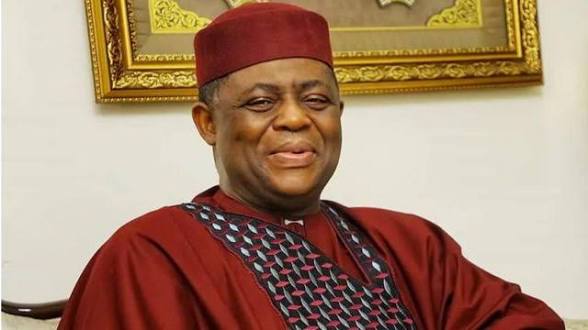
Fani-Kayode Backs Tinubu, Urges Nigerians To Support Government
Femi Fani-Kayode, Nigeria’s ambassador to Germany, has called on citizens to rally behind President Bola Tinubu’s administration.
The former minister of aviation is among the 65 ambassadors recently cleared for deployment earlier in March.
In a statement released on Friday, Fani-Kayode extended Eid-el-Fitr greetings to Muslims in Nigeria and abroad. He also expressed optimism about the current administration, stating that “Tinubu is on the right path to transform the nation”.
Eid-el-Fitr marks the end of the Ramadan fast observed by Muslims worldwide.
Fani-Kayode encouraged Nigerians to uphold the values practiced during Ramadan, such as patience, compassion, generosity, and unity. He stressed that these qualities are important for peaceful coexistence and national unity, regardless of ethnic or religious differences.
The envoy also voiced confidence in the country’s future under Tinubu’s leadership. He urged Nigerians to remain hopeful and committed to good governance and national development.
He offered prayers for peace, stability, and progress in the country, while wishing Muslims a happy Eid celebration.
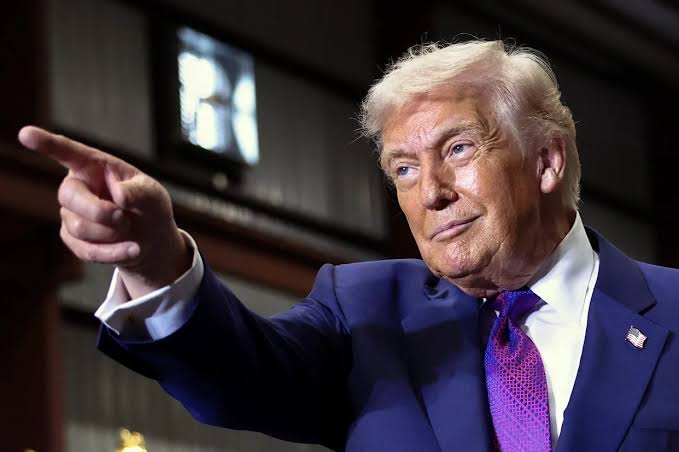
Trump Calls NATO Allies ‘Cowards’ Over Lack Of Support In Iran War
United States President Donald Trump has criticised NATO members for failing to support Washington and Israel in the ongoing war with Iran, as tensions continue to disrupt global energy supplies.
The Strait of Hormuz remains largely inaccessible amid the conflict. The waterway is a key route for global oil and gas shipments. The situation has raised concerns across international markets, with no clear end to the fighting.
In a post shared on his Truth Social platform on Friday, Trump described NATO countries as “COWARDS, and we will REMEMBER!”
He faulted the alliance for refusing to participate in the military effort against Iran. He also accused them of complaining about rising oil prices despite staying out of the conflict.
“Now that fight is militarily WON, with very little danger for them, they complain about the high oil prices they are forced to pay, but don’t want to help open the Strait of Hormuz, a simple military maneuver that is the single reason for the high oil prices. So easy for them to do, with so little risk,” he wrote.
Trump has repeatedly urged key allies to assist in securing the Strait of Hormuz, which is under Iranian control. Many of those countries were not consulted before the war began.
The conflict, which started on February 28 following joint US-Israeli strikes on Iran, has caused widespread destruction. Thousands of people have died, while millions have been displaced. It has also triggered instability in global financial markets.
Amid the developments, NATO confirmed it is modifying its mission in Iraq. This followed reports that personnel had been temporarily withdrawn due to the security situation.
“We can confirm that we are adjusting our posture in the context of NATO Mission Iraq,” alliance spokesperson Allison Hart said.
NATO’s Supreme Allied Commander in Europe, US Air Force General Alexus Grynkewich, also confirmed that mission personnel in Iraq had been relocated to Europe.
“I would like to thank the Republic of Iraq and all the Allies who assisted in the safe relocation of NATO personnel from Iraq,” the statement reads.
European leaders have, however, signalled reluctance to join the conflict. Speaking after a European Union summit in Brussels, French President Emmanuel Macron stressed the need for diplomacy.
“I have not heard anyone here express a willingness to enter this conflict – quite the opposite.”
He added that respecting international law and reducing tensions remained “the best we can do”.
The war has dominated discussions among European leaders, especially its impact on energy prices. Reports indicate that there is no unified position within the European Union on how to respond to the crisis.
Officials have warned that energy costs may continue to rise in the coming months, as uncertainty persists over supply routes and market stability.