Politics

You can add some category description here.

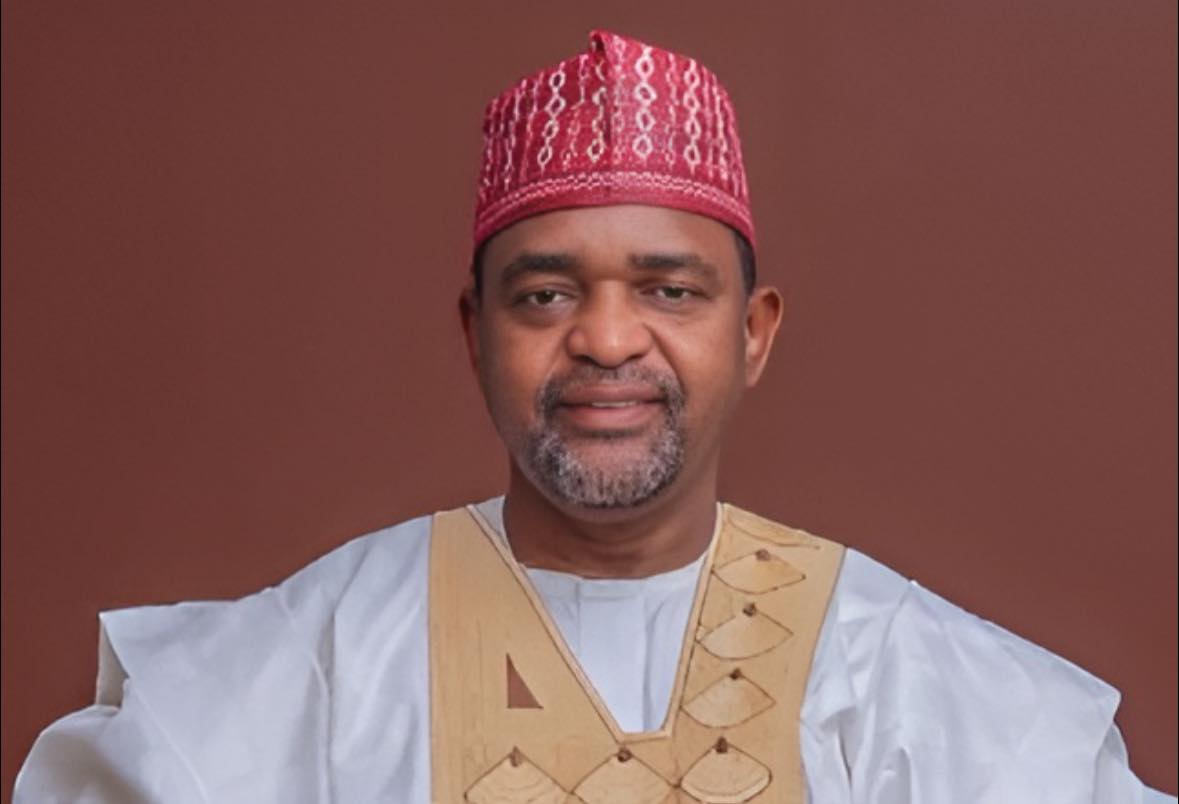
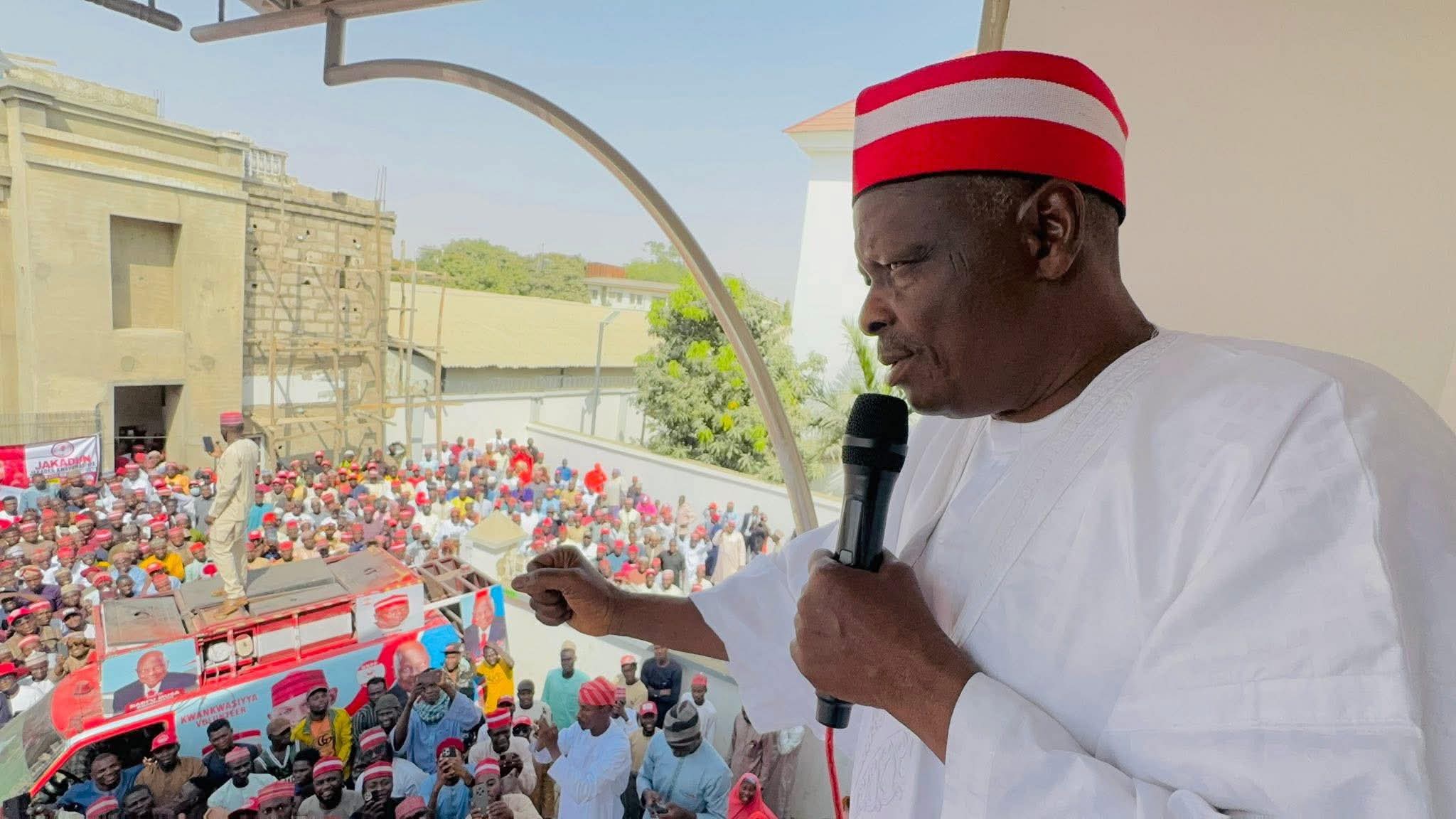
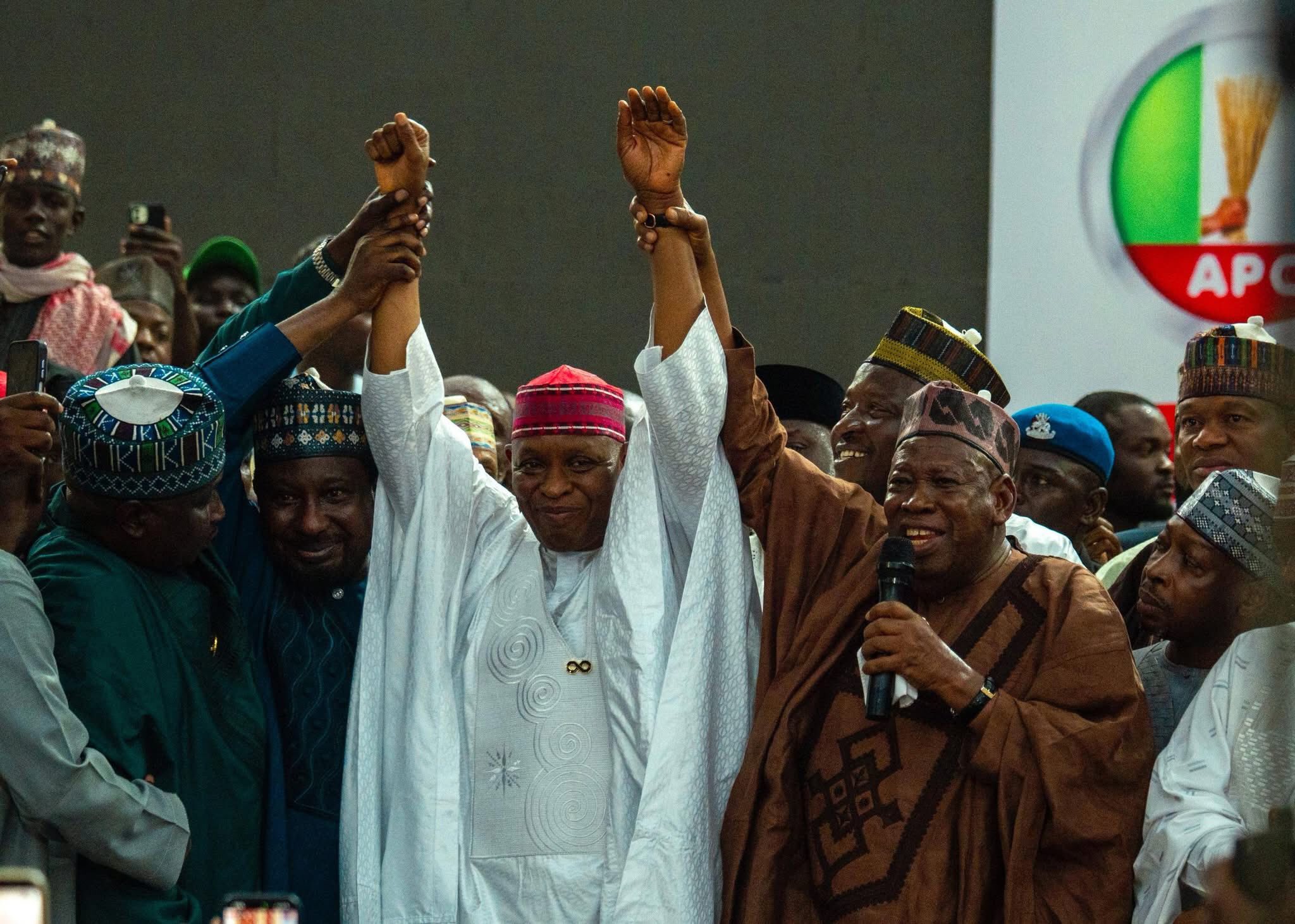
Between Senator Sumaila and Senator Kwankwaso

By Kamal  Alkasim

When Kawu Sumaila decamped from NNPP to APC, it showed that the issue isn’t about party loyalty but about choosing the best leader. Blind loyalty can hinder good governance in Nigerian politics. What matters most is effective representation, not party allegiance. Let’s prioritise good leadership over partisan loyalty and choose the best candidate for the benefit of Kano South.

When choosing between Rabiu Musa Kwankwaso, a prominent figure in Kano politics known for influencing political dynamics, and Kawu Sumaila, the decision leans towards Kawu due to his genuine service to the people of Kano South. Regardless of the political party Kawu affiliates with—whether APC, PDP, or ADC—his actions demonstrate a commitment to his constituents. 

People recognise Kawu’s efforts and intentions, making party affiliations secondary to his impact. Let’s prioritise choosing the best candidate based on their service and dedication, rather than party loyalty.”

Kwankwaso’s impact will be remembered. Let’s choose leaders based on merit, not loyalty to individuals. In politics, those who deliver tangible benefits to the people should be preferred over those who seek dominance. 

After 16 years of Kabiru Gaya’s tenure, which saw the Kano senatorial district abandoned for personal interests, it’s time for a change. Kawu Sumaila has emerged as a rescuer for our region, and let’s give him the support he deserves.

Let’s choose a leader who creates jobs, empowers youth, provides scholarships, and advocates for our interests in the Nigerian Senate. Prioritise your senatorial district’s needs and be vigilant. A leader who brings in multi-million dollar projects, generates employment opportunities for youth, and develops feeder roads in our communities deserves our support. 

Both Kwankwaso and Kawu Sumaila have legacies that will be remembered, but let’s focus on the one who delivers tangible benefits to our region.

Kamal Alkasim wrote via kamalalkasim17@gmail.com.

APC North-Central urges Tinubu to retain Shettima as VP

By Anwar Usman

The All Progressive Congress Forum North-Central has advised President Bola Tinubu to retain Vice President Kashim Shettima as his running mate for the 2027 presidential election.

The statement was made by the forum’s Chairman, Alhaji Saleh Zazzaga, in Abuja on Saturday.

In a recent appearance on Channels Television’s Politics Today, the Northern Ethnic Nationality Forum, led by Dominic Alancha, warned Tinubu against a repeat of the Muslim-Muslim ticket, noting that it cost the APC several northern states like Nasarawa, Plateau and the Federal Capital Territory in the 2023 presidential poll.

Alancha further warned that the APC would lose more ground in the North, particularly in the Middle Belt, if the party repeats the Muslim-Muslim ticket in the next presidential election.

However, according to the group, calls for the President to drop the Muslim-Muslim ticket in the next election are unnecessary, insisting that the combination worked for the APC in 2023.

Zazzaga explained that the choice of running mate was a political strategy aimed at ensuring victory for the party and should not be seen as an attempt to sideline any religious group.

He further argued that with key positions in government already occupied by prominent Christians from the Middle Belt, including the APC National Chairman, Prof. Nentawe Yilwatda, and the Secretary to the Government of the Federation, Senator George Akume, the region remains well represented.

 The statement in part read, “The Muslim-Muslim ticket will not affect President Bola Tinubu’s chances in the Middle Belt, which is part of the North-Central, and this is because of the key positions held by Middle Belt Christians in the APC government.

“We can guarantee that Tinubu will get 90 per cent of the votes from the North-Central. Tinubu’s achievements in office will guarantee his reelection, and as a result, there is no need to take the needless risk of changing a winning team.

“Those who are calling on President Bola Tinubu to change Vice President Kashim Shettima, basing their agitation on the Muslim-Muslim ticket, if you check, you will notice that in 2023, most of their communities voted for Peter Obi of the Labour Party.

“Now, if Peter Obi is to come out again in 2027, as expected, what is the guarantee that they will vote for Tinubu even if he drops Shettima and replaces him with a Christian? Does it mean that these people will now leave Peter Obi and vote for Tinubu?”

The Forum maintained that Tinubu’s performance in office would play a decisive role in determining his chances of re-election, adding that the President should focus on consolidating his achievements rather than altering the political structure that brought him victory in 2023.

 The statement concluded, “We advise Mr President not to change what worked in the last election. Maintaining the same team will further strengthen the chances of the APC in 2027″.

Beyond “scandals”: Subtle war against Kwankwasiyya administration?

By Nuraddeen Nasir

In recent weeks, Kano State’s political atmosphere has been unsettled by a series of corruption allegations targeting senior government officials. From the resignation of the former Commissioner of Transportation, Honourable Ibrahim Namadi Dala, over a bail scandal to the latest accusations linking another top official to the diversion of public funds, the narrative has been one of scandal after scandal, amplified across select media platforms.

While accountability remains a cornerstone of good governance, it is important to ask a deeper question: Are these allegations isolated incidents, or do they point to a calculated effort to discredit the present administration?

A closer look reveals a pattern. Each controversy is picked up, amplified, and sensationalized in ways that extend beyond normal journalistic inquiry. The timing and intensity suggest more than coincidence; it hints at a broader political strategy designed to erode public trust in the governor’s leadership.

By targeting appointees one after another, the opposition may be seeking to create a perception that the administration is engulfed in corruption, regardless of the facts.

The real danger lies not only in the allegations themselves, but in how the administration reacts to them. Governor ABBA KABIR YUSUF has earned a reputation for his swift responses to public concerns. While such responsiveness is commendable, it can also be exploited. Reactionary decisions, especially dismissals or quick condemnations, may serve short-term public applause but risk long-term instability. They can embolden political opponents, who thrive on portraying the government as fragile and divided.

What is needed now is a balance: firm commitment to accountability, but guided by due process rather than media pressure. Investigations into any such incidents must be thorough, transparent, and credible, not dictated by headlines or political intrigue. At the same time, the administration must recognize that governance is not only about policies, but also about narratives. A robust communication strategy is essential, one that highlights achievements, places allegations in context, and exposes the political motives behind orchestrated attacks.

Kano State stands at a critical juncture. The battle is not merely about individual scandals; it is about the credibility of an administration that came to power on the promise of people-centered governance. If unchecked, the systematic discrediting of its officials could weaken the governor’s mandate and distract from his developmental agenda.

The lesson is clear: while corruption must never be condoned, neither should conspiracy be ignored. Seeing the bigger picture is essential. This is more than a string of scandals; it may well be a subtle political war aimed at shaping perceptions ahead of 2027.

Nuraddeen Nasir is a Doctoral candidate from Bayero University, Kano
MD, Data in-use Nigeria LTD

Open Letter to Hon. Aminu Sulaiman Goro: A call to return to your roots and serve the good people of Bagwai

By Bagwai LGA Concerned Forum

Dear Hon. Comrade Aminu Sulaiman Goro,

We write to you with great respect and admiration for your outstanding service to the good people of Fagge Federal Constituency over the past 12 years. Your tenure as a member of the House of Representatives has been nothing short of transformative, marked by unparalleled achievements in job creation, infrastructure development, education, and empowerment for women and youth. Your accessibility, humility, and dedication to grassroots politics have set a benchmark for leadership in Kano State and beyond.


While we celebrate your remarkable legacy in Fagge, we, the Concerned Forum of Bagwai Local Government, humbly call upon you to return to your roots—Rimin Dako, your ancestral town and one of the 10 wards that constitute Bagwai Local Government—to extend your transformative leadership to your place of origin. Bagwai has long suffered from poor governance, inadequate representation, and the mismanagement of its abundant human and natural resources by selfish and incapacitated leaders. Our people yearn for a leader of your calibre—one who is proven to be compassionate, and capable of turning challenges into opportunities.


Your return to Bagwai would not only bridge the gap of quality representation but also allow you to replicate and expand upon the successes you achieved in Fagge. Imagine the impact of your empowerment programs, educational initiatives, and infrastructure projects in a community that has been neglected for far too long. Bagwai is ripe for development, and your wealth of experience, influence, and unwavering commitment to service can ignite the change we desperately need.


Honourable Sir, we urge you to share your leadership with Bagwai, where your journey began in Rimin Dako. By answering this call, you will not only uplift your homeland but also cement your legacy as a true statesman who served his people at every level.


The time is now. Bagwai awaits you with open arms and high hopes. Come home, Hon. Goro, and let us build a brighter future together.

Signed:

Habibu Dan’ana
For: Bagwai LGA Concerned Forum
Kano State

Jonathan’s PDP comeback: A Political revival or vote-splitting sabotage? 

By Salisu Uba KofarWambai 

The latest buzz in Nigeria’s political arena is nothing short of explosive: former President Dr. Goodluck Jonathan is reportedly set to return and contest under the platform of the Peoples Democratic Party (PDP). The revelation has sent shockwaves across the nation and beyond. But beneath the headlines, a critical question lingers — what is the real motive behind this sudden political twist?

Before the emergence of the African Democratic Congress (ADC) as a viable coalition platform for the opposition, Nigerians had grown increasingly frustrated with what they saw as a weakened opposition front. The PDP, once a vibrant counterforce, had been reduced to what critics call a “toothless bulldog,” accused of being manipulated by President Bola Tinubu through Nyesom Wike, a PDP member who openly works in favour of the ruling party and now holds a position in Tinubu’s government.

Wike’s influence, according to party insiders, has been anything but peaceful. His repeated interventions and internal disputes have reportedly destabilised the PDP, a strategy many believe cost the party dearly in the 2023 general elections. With the backing of the current administration, Wike has consistently won key legal battles, tightening his grip on the PDP’s power structure.

Recognising the deepening crisis, several PDP heavyweights, including the party’s last presidential candidate, Atiku Abubakar, abandoned the PDP ship, aligning under the ADC banner to form a credible opposition. This development was warmly received by many Nigerians disillusioned by the ruling APC’s economic policies, from the sharp devaluation of the naira to the painful removal of fuel subsidies, policies they say have deepened poverty nationwide.

Alarmed by the growing acceptance of the ADC among struggling Nigerians, the APC-led government appears to be dusting off an old playbook. Just as they allegedly did with the Kwankwasiyya movement in 2023, they now seem ready to field a high-profile figure to split the opposition vote. This time, the role is reportedly being handed to none other than Jonathan — a move seen by many as orchestrated to weaken the ADC’s momentum.

For political observers, the pattern is clear: divide the opposition, consolidate power, and keep the electorate distracted, all while avoiding a united front that could unseat the government in 2027. What stings for some Nigerians is the idea of Jonathan, once the principal, now accepting political direction from his former protégé.

Whether Jonathan’s alleged return is a personal decision or part of a calculated strategy by the ruling party remains to be seen. But one thing is sure: the stage is set for a high-stakes political drama, and Nigerians will be watching closely to see how and where this political gunshot will be fired.

Baba Buhari: The leader we lost

By Abubakar Musa Idris

I will never forget the 2015 elections. The chants of “Sai Baba!” were everywhere. We had fallen in love with a man. To us, he wasn’t just Muhammadu Buhari—he was Baba, the man who had captured the imagination of a weary nation. 

In those moments, Nigerians didn’t just vote for a candidate; they believed in a symbol, a promise that something better was possible. As the election results came in, I sat glued to the television, pen and paper in hand. 

Each state collation felt like history unfolding. There was electricity in the air—a kind of national awakening. It wasn’t just that we were watching a man become president; it was the quiet miracle of a peaceful democratic transition. We believed we were witnessing the rebirth of our nation.

Baba had his flaws, like every human being. But I will never forget what he did for agriculture, for infrastructure, and most especially for security. As a son of Yobe, I saw firsthand the fear that once gripped our people—the empty markets, the shuttered schools, the silence that replaced the sound of daily life. 

But I also saw how things slowly began to change. Soldiers came. Communities began to breathe again. It wasn’t perfect, but it was something. It was hope. In agriculture, the Anchor Borrowers’ Programme lifted countless farmers. The vision of feeding ourselves, of restoring dignity to rural life, started to take root. 

In infrastructure, we saw roads, rails, and power projects long spoken about finally begin to materialise. You didn’t need a policy paper to understand it—you just had to look outside your window. But what stayed with me most was his integrity. In a land where power often corrupts, Baba remained astonishingly simple. No long convoys, no palatial estates. 

Just his home in Daura, another in Kaduna, and a reputation built not on wealth, but on character. He reminded us that leadership doesn’t have to be loud or luxurious to be meaningful. Now that he’s gone, we mourn not just a man, but an era. Baba showed us that leadership could be humble, disciplined, and deeply patriotic. 

He may have left Aso Rock, but his footprints remain in our fields, our roads, our memory. May Allah forgive his shortcomings and grant him al-jannah firdaus. Nigeria will never forget Sai Baba.

Why sermons won’t save President Tinubu’s re-election

By Malam Aminu Wase

As 2027 approaches, political activities are beginning to intensify, and the ruling party appears to be doubling down on a familiar strategy, leveraging religious platforms to soften public perception and garner support. Prominent scholars, respected within their communities and beyond, have begun to echo the call for the re-election of President Bola Ahmed Tinubu (PBAT). However, no matter how persuasive or well-intentioned their sermons may be, they are unlikely to succeed. The real barriers to re-election lie not in public misunderstanding, but in harsh realities, widespread economic hardship and perceived religious marginalisation.

For millions of Nigerians, the daily struggle for survival has reached unbearable levels. The cost of living has skyrocketed, inflation is biting, and essential commodities have become luxuries. Unemployment, insecurity, and a declining naira have added to the misery. No sermon can explain away the pain of a father who cannot feed his family or a mother who must choose between school fees and food.

These issues are not simply the result of global economic trends; they are widely seen as the direct consequence of poor policy decisions and failed leadership. The fuel subsidy removal, naira redesign, and other policies implemented under the administration of PBAT have plunged the nation into deeper poverty. The promises made have not matched the lived experiences of ordinary Nigerians.

But the issue runs deeper than economic pain. From the outset, the PBAT ticket was mired in controversy due to its Muslim-Muslim composition, a bold and, to many, insensitive political gamble in a nation as religiously diverse as Nigeria. While religion should not define leadership capability, the symbolic message of that choice alienated a significant portion of the population, particularly Christians in the North and across the north central, who felt unrepresented and sidelined.

Now, as sermons and appeals emerge urging the faithful to give PBAT another chance, they appear tone-deaf to these deeper grievances. Nigerians are not voting out of loyalty to religious leaders; they are voting out of lived reality, one marked by pain, exclusion, and hopelessness. Religious endorsements may have once carried weight, but today, the electorate is more discerning and less forgiving.

The nation is yearning not for sermons, but for solutions. Not for promises, but for results. Not for symbolic gestures, but for genuine leadership that reflects the diversity and aspirations of its people. Trying to wrap political desperation in religious robes will only deepen the resentment.

In 2027, the real campaign message will not be on posters or pulpits; it will be in the stomachs of the hungry, the frustration of the jobless, and the prayers of those seeking justice and inclusion. If the ruling party fails to address these concerns directly, no endorsement, religious or otherwise, can rescue what is already a sinking ship.

Malam Aminu Wase is a political analyst and advocate for good governance and Youth inclusion. He can be reached at aminusaniusman3@gmail.com.

Kano transport commissioner resigns amid drug bail probe

By Uzair Adam

Kano State Commissioner for Transportation, Ibrahim Ali Namadi, has stepped down from his position following a probe into his alleged involvement in securing bail for a suspected drug dealer, Sulaiman Aminu Danwawu.

The development was made public on Tuesday by the governor’s spokesperson, Sunusi Bature Dawakin Tofa, shortly after Governor Abba Kabir Yusuf received the report of the investigative committee set up to look into the matter.

Namadi said his resignation was in the overriding public interest, considering the sensitivity of the issue and the administration’s strong stance against drug-related crimes.

“As a member of an administration that has consistently championed the fight against the sales and consumption of illicit drugs, it behoves me to take this step—painful as it may be,” he stated, while maintaining his innocence.

He expressed appreciation to Governor Yusuf for the opportunity to serve and reaffirmed his loyalty to the ideals of transparency and good governance.

The governor has since accepted the resignation, commended the commissioner for his service, and wished him well in his future endeavours.

He also reiterated his administration’s zero tolerance for drug-related offences and called on political appointees to exercise caution in matters of public concern.

From progress to politics: Hadejia Chairman’s effort to erase Hon. Abdukadir Umar Bala’s impact

By Garba Sidi.

It is with deep concern and growing anxiety that we observe the unfortunate political manipulation of development projects initiated by the former Chairman of Hadejia Local Government, Hon. Abdulƙadir Umar Bala, popularly known as T.O. Instead of initiating new projects of his own, the current Chairman, Honourable Yaro Abba Ari, has resorted to politicizing the legacy of his predecessor by either repainting existing infrastructure or dismantling projects completed under T.O.’s administration.

One glaring example is his unnecessary repainting of the town’s main gate — a project that had already been fully executed and completed before T.O.’s exit from office. Rather than embarking on a new initiative, the current chairman chose to repaint the already beautified gate just to claim credit, an act which many see as wasteful and driven by political jealousy.

Even more disturbing is his decision to demolish the small market built by the former chairman at Kofar Mandara within the town of Hadejia. That market had provided a much-needed business environment for local traders and also brought ease to residents in the neighbourhood who could access daily essentials without travelling far. This demolition represents not only a disregard for community welfare but also an irresponsible squandering of public funds invested in the project — an act that is completely unjust and alarming.

As it stands today, Honourable Yaro Abba Ari has spent a whole year in office as the new Chairman of Hadejia Local Government. Yet, there are no visible new projects or initiatives that have directly benefited the people of Hadejia. All we witness are his constant movements and public appearances with little or no tangible impact. The people of Hadejia continue to ask what exactly his administration is focused on, but we have yet to find a convincing answer.

Under the leadership of the former Chairman, Hon. Abdulƙadir Umar Bala (T.O), every ward or neighbourhood facing electricity challenges was provided with solar-powered streetlights. This significantly reduced crime and improved safety at night in those areas.

Moreover, the former Chairman supported the initiative of His Excellency Governor Malam Umar Namadi (Ɗanmoɗi), who had trained young people in borehole repairs. T.O. ensured that these skilled youths were employed by the local government to repair all faulty boreholes within Hadejia, thereby empowering them and improving access to clean water.

Recognising the water challenges faced by communities that rely on electric-powered boreholes, T.O. made it a point to distribute petroleum to every ward whenever there was a power outage. This allowed residents to run generators and continue to access water without interruption.

During his time in office, when Hon. Bala (T.O) noticed an increasing number of beggars — including women, young girls, and children — which was becoming a social problem, he initiated a reintegration program. He sent them back to their hometowns and provided them with startup capital to help them become self-reliant.

He also took decisive action against the growing problem of prostitution, especially among independent sex workers residing in the Gandun Sarki area. He ensured their relocation to their families and provided support to improve their lives, thereby contributing to the moral and social well-being of the entire Hadejia community.

In addition, the former Chairman did not forget the prisoners. He routinely visited the correctional facility in Modaci, Hadejia, to provide food and welfare materials to inmates, showing that his concern extended even to those behind bars.

He constructed numerous shops, aiming to stimulate the local economy and provide employment opportunities for the youth, paving the way for economic self-dependence.

Given all these progressive and people-centred efforts made by Hon. Abdulƙadir Umar Bala (T.O.) during his tenure, it is truly disheartening and alarming to witness the destruction and politicisation of his legacy. This act is motivated by political rivalry and not the public interest.

I am calling on the people of Hadejia to rise and take action — to rescue our town from the regressive direction it is being pushed into. We must unite to defend and preserve the progress that has been made, and ensure that our leaders are held accountable, not driven by political envy but by the duty to serve.

The silent collapse: PDP’s backbone joins the coalition

By Malam Aminu Wase

The Peoples Democratic Party (PDP), once Nigeria’s foremost opposition force, is currently grappling with a profound internal crisis that threatens to undermine its political relevance ahead of the 2027 general elections. At the heart of this turmoil is the controversial role of the Acting National Chairman, Umar Damagun, whose leadership has come under intense scrutiny amid allegations of collusion with President Bola Ahmed Tinubu’s administration.

Sources within the party allege that Damagun has entered into a clandestine, financially motivated agreement reportedly worth billions of naira, prioritising personal enrichment over the party’s integrity and survival. Such accusations, if substantiated, confirm long-standing suspicions of internal sabotage that have contributed to the erosion of the PDP’s foundational structures and cohesion.

Compounding the party’s woes is the recent defection of two of its most influential stalwarts, former Jigawa State Governor Sule Lamido and former Kaduna State Governor Ahmed Mohammed Makarfi, who have openly declared their support for an emerging opposition coalition. Their departure signals not only a significant loss of political capital but also highlights growing dissatisfaction with the current leadership’s direction and strategy.

Within the PDP, a palpable divide has emerged. While some factions advocate for strategic alliances with other opposition groups to challenge the ruling party effectively, others insist on reinforcing the PDP’s internal mechanisms and rejecting any coalition that could dilute the party’s identity. Calls have also intensified for Damagun’s removal, citing constitutional provisions that mandate the national chairmanship be zoned to the North Central region, a directive the current leadership has been accused of flouting.

Despite these fractures, Damagun has publicly dismissed claims of disloyalty and sabotage, reaffirming the party’s commitment to reclaiming power in the upcoming elections. However, the growing unrest among party loyalists and the departure of key figures underscore the urgent need for the PDP to address its internal challenges decisively.

As Nigeria approaches the 2027 elections, the PDP faces a critical juncture. The party must navigate this internal upheaval with transparency, unity, and strategic foresight to restore confidence among its supporters and maintain its position as a viable opposition force. Failure to do so risks not only political marginalisation but also the erosion of a legacy built over decades as a pillar of Nigeria’s democratic landscape.

Malam Aminu Wase writes from Kaduna. He can be reached at aminusaniusman3@gmail.com.