Opinion

Reimagining education in Kano State: A call for visionary leadership

By Huzaifa Dokaji

Imagine a bustling city nestled in the heart of West Africa that radiated intellectual brilliance and creativity long before the Europeans reached the region. This is Kano, a city whose intellectual achievements have shone brightly throughout history, never hidden from the world’s gaze. A state North African merchants describe as “a city like a thousand city”. Allow me to paint a vivid picture of Kano’s intellectual past, a portrait that will captivate your imagination and unveil the greatness that lies within.

Centuries before the arrival of colonial powers, Kano was a thriving centre of learning, attracting scholars from far and wide. It was a place where minds converged, knowledge was cherished, and intellectual pursuits flourished thanks to state and privately-sponsored academic spaces. In the corridors of Kano’s renowned educational institutions, such as the intimidating Madabo centre, scholars delved into the depths of philosophy, science, literature, and Islamic studies. They engaged in intellectual debates, exchanged ideas, and produced works that left an indelible mark on the intellectual landscape of their time and beyond. This legacy, however, is at peril more than ever.

In a state that once boasted of kings and emirs renowned for their generous support of scholars and students, state scholarships are now only disbursed on the eve of elections, serving as mere tools for vote canvassing. Our schools are among the worse in the world. Although once a space where literary production was at its fines, schools in Kano lack access to any useful library resources. Lecturers resort to illegally downloading books online or relying on pirated copies to fulfil their teaching duties.

It is genuinely dismaying that a junior lecturer in our universities must spend nearly half their monthly wage to order an essential textbook on Amazon, while students at even the poorest universities in America have access to such materials through interlibrary loans. Adding to this bleak scenario, for example, over three years, Stony Brook University in New York spent about half of our 2023 budget for education to renovate its Student Union building. As worrying as this is, I believe Kano State still possesses the potential to emerge as a shining example of educational brilliance once again. My intervention is limited to institutions of higher learning.

To transform the Kwankwasiyya vision for education into a reality, we must transcend the mere provision of basic educational infrastructure and sponsoring students to study abroad. We must embrace a bold approach that surpasses the efforts of our Nigerian and West African counterparts. We need visionary leadership and innovative infrastructure. We need leaders who understand that education is not merely about constructing classrooms and dashing out scholarships; it is about providing qualitative and enduring infrastructure and creating an environment that fosters intellectual growth, critical thinking, and cutting-edge research. We need leaders who recognise that the quality of education is directly proportional to the quality of infrastructure provided and the system created.

Imagine a Kano State where universities boast state-of-the-art research laboratories with cutting-edge technology. Envision lecture halls that facilitate interactive and engaging teaching methods, equipped with the latest audiovisual tools and comfortable seating arrangements. Picture libraries filled with a vast array of books, journals, and digital resources, providing students and faculty with access to a world of knowledge at their fingertips. Imagine campuses adorned with green spaces, inspiring architecture, and modern facilities that foster an atmosphere conducive to learning and intellectual exploration. Imagine a Kano where lecturers are paid a decent wage.

We must transcend those dilapidated buildings that even counties are ashamed of building abroad. There is a critical need to dream beyond the limitations of what other Nigerian governors have failed to achieve. We must look to the examples set by leaders in more progressive societies and strive for such excellence. Let us aim to provide our students and faculty with infrastructure that not only meets their basic needs but also inspires them to reach new heights of knowledge and innovation. This should be the Kwankwasiyya vision.

The interventions

a. Infrastructure

To realise this vision, it is crucial to prioritise the modernisation and expansion of our universities’ infrastructure. Outdated facilities, overcrowded classrooms, and limited resources hinder the educational experience and impede the pursuit of cutting-edge research. It is time to break free from the shackles of mediocrity and invest in infrastructure that reflects our commitment to academic excellence. We need well-equipped laboratories, not just buildings with nothing to offer our science students. By allocating a significant portion of the state budget to education and ensuring the judicious utilisation of funds, we can establish a sustainable funding model that facilitates the development of world-class infrastructure.

The above investment will benefit our universities and attract renowned scholars and researchers from around the world. They will see Kano as a place where they can pursue their academic endeavours in an environment that supports and nurtures their intellectual growth. By looking at what governors in more advanced regions are doing, we can identify innovative approaches to infrastructure development. These leaders understand that modernising educational institutions goes beyond constructing buildings; it involves creating spaces that foster collaboration, critical thinking, and creativity. They invest in research facilities, technological resources, and student support services that enrich the educational experience and provide students with the skills needed to thrive in the global economy.

b. Wages and Allowances

There is a pressing need for Governor Abba Kabir Yusuf to reconsider the current remuneration package for lecturers in our state-owned higher institutions. It is essential to rise above the confines of the narrow mindset that accepts the prevailing notion of meagre salaries for lecturers on the selfish idea that it is what all states and the federal government are paying. In this era, marked by heightened awareness and accountability, there is no plausible justification for not paying a reasonable wage when politicians have continued to show ingenuity in sourcing money to fund their expensive and outrageous lifestyles. Paying lecturers a meagre salary of $200 a month undermines their professional dedication and the essence of a vibrant and dynamic education system. Recognising the invaluable contributions of these esteemed educators, Governor Yusuf must transcend the limitations of prevalent practices and champion a new paradigm of valuing and rewarding academic expertise. By offering a respectable and competitive wage, he can demonstrate his unwavering commitment to nurturing an environment that attracts and retains top-notch scholars, who, in turn, inspire students to reach new intellectual heights.

c. Grants and fellowships

The absence of grants in Kano universities is not only a concern for the institutions themselves but also a reflection of the broader condition of education in our beloved state. No society can truly develop its education system and produce graduates who can address the nation’s needs without ensuring access to basic resources, such as grants, which fuel academic progress and knowledge dissemination. To rectify this pressing issue, there is an urgent need to prioritise establishing grant programs that cater to the needs of faculty members and students across all universities in Kano State. It is imperative to allocate funds in the state budget specifically dedicated to supporting and rewarding research, innovation, and academic excellence.

For several reasons, grants and fellowships are crucial in developing academic research, especially in developing countries. First, they provide financial support to researchers who may not have the resources to pursue their studies. Second, they facilitate collaborations between researchers worldwide, enabling the exchange of ideas and knowledge. Third, grants and fellowships often come with opportunities for training and mentorship, which can enhance the skills and expertise of researchers. Finally, supporting academic research, grants, and fellowships can lead to the developing of new technologies, products, and services that can have significant social and economic benefits for developing countries.

The government should collaborate with private organisations, philanthropists, and international institutions to establish a successful fellowship and grant program in Kano. By working together, the government can leverage existing resources to create a sustainable program that supports research and innovation in academic institutions.

Grants, both for lecturers and students, are crucial lifelines that enable universities to flourish and produce graduates equipped with the skills necessary to thrive in today’s rapidly evolving world. They will provide financial support for research projects, allow for acquiring state-of-the-art equipment and resources, and facilitate collaboration with industry partners. Without grants, universities face a significant impediment to progress and risk falling behind in the global academic landscape. Establishing fellowships and grants in Kano can help bridge the gap between local and international education systems by attracting talented scholars and researchers worldwide. This will give students and scholars access to diverse ideas and perspectives, enabling them to compete globally.

Grant investments will demonstrate Abba Kabir Yusuf’s commitment to developing Kano’s education system. It will make him, perhaps, the only governor to establish such in the entire Northern region. Such a move will enhance the quality of education and attract renowned researchers, industry partnerships, and prestigious grants to our universities. The ripple effect of such investment will position Kano State as a hub for innovation, drive economic growth, and nurture a generation of graduates ready to tackle local and global challenges.

Denying students access to grants limits their potential and hampers their ability to engage in hands-on, practical research experiences that enrich their educational journey. By investing in grants, we empower our students to contribute meaningfully to their respective fields upon graduation. Moreover, these programs will create a culture of research and innovation in academic institutions, leading to increased productivity and competitiveness.

In conclusion, by embracing visionary leadership, investing in infrastructure, and establishing grant programs, Kano State can transcend the limitations of the past and emerge as a leader in educational excellence. Let us not settle for mediocrity but strive for greatness in our pursuit of knowledge and innovation. The future of Kano’s education system lies in our collective commitment to providing world-class infrastructure and nurturing a generation of scholars capable of making significant contributions to society. Together, we can transform Kano into an educational powerhouse that inspires and empowers future generations.

Huzaifa Dokaji is a PhD student and teaching assistant at the Department of History, State University of New York at Sony Brook. He can be reached via huzaifa.dokaji@stonybrook.edu.

Hausa: Hantsi leƙa gidan kowa

By Muhammad Muhammad Salisu

Meet Professor Rudolf Gaudio (he has adopted a Hausa name, Sani), a professor of anthropology at the State University of New York, who started learning Hausa in the US in 1986. He had never visited any African country, not to mention any Hausaland, when he started speaking Hausa. His first contact with the Hausa people was in 1991 in Sudan before coming to Nigeria. He started learning Hausa alongside Swahili.

This reminds me of an Igbo girl at Nigerian Law School, Yenagoa campus. She was awestruck when she saw me speaking Hausa with another Igbo girl. She retorted, “So you can speak that ‘thing’?” From her tune, I could see that she thought it an abomination for the person I was speaking to speak the ‘Aboki language’. The person I was talking to speaks the Hausa language fluently, though was born and raised in Bauchi.

Another incident was when I took a tricycle in Yenagoa. The driver told me the fare, which I bargained for. He told me, “Ka cika son banza.” I was surprised at how an Igbo man (he later told me he was Igbo) could speak Hausa, though with a heavy accent.

One day, I was at a restaurant alone at the Yenagoa campus. Another co-student was sitting by himself and three other female students from the northern part of Nigeria were at another corner gossiping. They, along the line, turned their gossip on the other lad. They were making jest of him, believing he couldn’t speak Hausa. When it was time for him to leave, he bade farewell to them in Hausa, saying, “Na gode [probably for making jest of him], sai an jima.” (Meaning, “Thank you, goodbye.”)

Muhammad Muhammad Salisu wrote via muhdibnmuhd@gmail.com.

Book Review: The Subtle Art of Not Giving a F*ck

By Hafsah Ja’afar

The Subtle Art of Not Given a F*ck is a book with a provoking unconventional tone that challenges traditional sundries of happiness and success. Penned by Mark Manson, this book presents a refreshingly honest and no–gibberish approach to living fulfilling lives. Manson argues that true happiness and particular growth come from accepting our limitations, embracing discomfort, and understanding that life is innately difficult and delicate.

He encourages his readers to prioritize their values and choose what truly matters to them instead of seeking constant positivity or avoiding negative gests. Throughout the book, Manson explores colourful themes such as responsibility, authenticity, and the significance of setting boundaries.

He advocates for letting go of societal prospects, embracing failures, and learning from them. He suggests that we can lead a more meaningful and authentic life by fastening on what truly matters to us—using a mix of particular stories, philosophical perceptivity, and detailed advice.

Manson provides readers with a fresh perspective on changing happiness and purpose. It encourages them to let go of external confirmation, embrace their defects, and control their lives.

Overall, this book offers a counterintuitive yet empowering gospel that challenges everyone to rethink their precedence, review success, and live a life guided by their values rather than the prospects of others.

Hafsat Ja’afar is a school teacher and wrote from Kano via jaafarhafsat@gmail.com

The curious connection between money and relatives

By Abdulrazak Mukhtar

Money uniquely impacts family relationships, often leading to complex dynamics and a range of emotions. When individuals come into money, it can suddenly bring distant relatives to the forefront, seeking a connection or financial assistance. Conversely, acquiring wealth can also result in the emergence of long-lost relatives, appearing out of nowhere and claiming familial ties. This intriguing interplay between money and family sheds light on how our financial status influences our relationships.

When individuals experience a financial windfall, it’s not uncommon for distant relatives to suddenly appear. The allure of wealth and the possibility of benefiting from it can lead relatives who were once distant or disinterested to seek a connection. Whether driven by curiosity or a desire to share in the newfound affluence, these relatives may approach with familiarity, hoping to establish a bond and potentially reap the benefits of financial success.

Conversely, when someone finds themselves in a financially favourable position, they often become a target for relatives seeking assistance. Family members may seek financial support for personal endeavours, investments, or during hardship. The individual’s newfound wealth positions them as a potential source of aid, which can create a delicate dynamic of balancing familial obligations, personal goals, and responsible resource management.

The convergence of money and relatives can create a unique tug-of-war within family dynamics. Individuals who come into wealth must navigate the complexities of determining the authenticity of newfound relationships and managing expectations. Striking a balance between generosity and self-preservation is essential in maintaining healthy relationships while safeguarding personal interests.

To navigate this complex terrain, it is crucial to approach these situations with sensitivity and caution. Open communication is vital in establishing clear expectations, boundaries, and intentions with relatives. Honest conversations can foster genuine connections while managing financial expectations.

Defining personal goals becomes essential to make informed decisions about resource allocation. Individuals can prioritise their needs by aligning financial decisions with values and aspirations while considering family interests.

Seeking professional guidance from financial advisors, estate planners, or family counsellors can provide valuable insights and strategies for managing family dynamics while preserving personal financial well-being. These professionals can help individuals navigate the complexities of money-related familial relationships, offering objective advice and support.

Maintaining emotional boundaries is crucial when dealing with the influx of relatives during prosperous times. Distinguishing between genuine relationships rooted in care and those driven solely by financial motives is necessary to protect oneself from exploitation or manipulation.

Emphasising shared experiences, values, and interests can help foster authentic connections with relatives. Individuals can cultivate meaningful connections based on mutual understanding and common ground by focusing on the aspects of the relationship that go beyond monetary considerations.

In conclusion, the interplay between money and relatives within family relationships can be intricate and challenging. Managing the sudden emergence of distant relatives and requests for financial assistance requires careful consideration, open communication, and setting personal boundaries. By balancing familial obligations and personal goals, individuals can foster healthy relationships while protecting their financial well-being.

Abdulrazak Mukhtar can be contacted via prof4true1@gmail.com.

What you should know about Prosopagnosia and its effects

By Aisha M Auyo

“She’s very arrogant. Who the hell does she think she is? ita ba kowa ba sai girman kai, wai Auyo ce zata nuna bata ganemu ba? Why will Auyo pretend not to recognise us after all our years together? (My friends, acquaintances, coursemates, and relatives).

Aunty Hadiza, Aisha fa bata gaidamu, idan mun hadu dauke kai take, abin mamaki da takaici“. (My mother’s friends and colleagues complain with disappointment that I don’t greet them whenever we meet.)

Anti-Binta, Aisha fa matar Abdullahi in ta gammu yi take kamar bata sanmu ba, yarinyar data taso a gabanmu? Bata san mune sirikanta ba, we can do and undo fa“. (My mother inlaw’s friends, relatives and colleagues complaining that I don’t respect them.)

Baiwar Allah ban gane ki ba; I think you have mistaken me for someone else. We’ve never met”. (The strangers I greet with confidence and pride, thinking that I recognise someone I know). 

Does this sound familiar? These are the comments and remarks I’ve been hearing since my teens. Sometimes I explain to the complainants that it’s my eye problem; some people believe me, some do not, and they will say she’s just a snub. 

Then comments started coming from my friends or their parents that they’d greeted my mom, but she did not recognise them. I’ll apologise and explain to them that she finds it hard to identify people.

So when the complaints kept coming, I realised that mam and I have a common problem. So also Hafsa. The issue started eating me. I always pray that my eyes or memory should not fail me whenever I go out. 

Then greeting strangers become my new normal. I’ll see a person, assume that person is someone else, and even start exchanging pleasantries with them, only to see them surprised by my politeness, that they do not know me or the others I’m talking about. 

Then it occurred to me that this isn’t normal. Something must be wrong with us. Like we do great in school, we have a sharp ability to memorise and recall lessons and events, but why not people? I know we have sight problems, hence the use of constant eyeglasses, but why has our memory never failed us in school? Shebi na the same eye and brain we use to see people and read books?

So when my appointment with the optician came, I told him of this condition affecting my life. He explained that it’s a rare socio-medical condition that can be inherited or acquired later in life. I did my research and learned a lot about the condition. 

Here are a few things you should know about Prosopagnosia; perhaps you may encounter someone with such a condition.

Prosopagnosia (face blindness or facial agnosia) is a neurological disorder characterised by the inability to recognise faces. The term comes from the Greek words for “face” and “lack of knowledge.”

Depending upon the degree of impairment, some people with Prosopagnosia may only have difficulty recognising familiar faces, while others cannot discriminate between unknown faces. In severe cases, people may be unable to distinguish a face as different from an object. Some people are unable to recognise their faces. 

Prosopagnosia is only face blindness, not colour blindness or overall visual impairment. It is not the same as forgetfulness or sometimes struggling to find the right word.

This condition is unrelated to memory dysfunction, loss, impaired vision, or learning disabilities. The disorder is thought to result from congenital influence, damage, or impairment in a fold in the brain that appears to coordinate the neural systems controlling facial perception and memory (right fusiform gyrus). 

Congenital Prosopagnosia appears to run in families, making it likely to result from a genetic mutation or deletion. Some degree of Prosopagnosia is often present in children with autism and Asperger’s syndrome and may cause impaired social development.

Because there aren’t apparent brain lesions in people with congenital Prosopagnosia, scientists aren’t sure what causes it.

Prosopagnosia can be socially debilitating as individuals with the disorder often have difficulty recognising family members and close friends. They often use other ways to identify people, such as relying on voice, clothing, or unique physical attributes.

Evidence suggests that people with Prosopagnosia may become chronically anxious or depressed because of the isolation and fear that come with the condition. 

Navigating basic social interactions with Prosopagnosia can become fraught, and some people avoid contact with family members and other loved ones out of fear that they will not be able to recognise or address them adequately.

Sadly, there’s no treatment for Prosopagnosia, but there are ways to manage it. People with Prosopagnosia often focus on features like hair colour, walking style or voices to tell people apart.

So now you know, if you meet a person and he/she fails to recognise you, kindly be supportive and understanding. They may be suffering from this condition; trust me, it is debilitating for people suffering from it because It’s hard for others to understand. It may even cause depression in severe cases. 

And remember, before you assume, learn the facts; before you judge, understand why!

Aisha Musa Auyo is a Doctorate researcher in Educational Psychology, a wife, a mother of three, a Home Maker, a caterer and a parenting/ relationship coach.

IKIGAI: The Japanese secret to long and happy life

By Hafsah Ja’afar

It is a captivating and insightful book that explores the concept of Ikigai, a Japanese philosophy that translates to ‘reason for being’ written by Hector Garcia and Francesc Miralles. This book delves into the wisdom and practices of the people of Okinawa, one of the world’s blue zones. The people of that region are known for their longevity and well-being.

The authors take readers on a journey to discover the essence of Ikigai, which lies at the intersection of four fundamental elements: What we love, what we are good at, what the world needs, and what we can be rewarded for. Drawing from extensive research and interviews with residents of Okinawa, the authors reveal how living a life driven by Ikigai can bring profound fulfilment and joy.

Through engaging anecdotes and practical guidance, the book offers valuable insights into how to uncover one’s Ikigai and cultivate it in daily life. It explores the importance of finding purpose, maintaining a strong sense of community, adopting a positive mindset, and embracing simple yet meaningful pleasures.

Ikigai provides inspiration and actionable steps to help readers discover and pursue their own Ikigai. It highlights the significance of aligning personal passions with contributing to the greater good, emphasising that a life rooted in meaning and purpose can improve well-being, longevity, and overall happiness.

With its blend of cultural wisdom and contemporary research, Ikigai: The Japanese Secret to a Long and happy life guides individuals seeking a more fulfilling and balanced existence. It offers practical tools and profound insights to help readers unlock their inner purpose, embrace the present moment, and lead a life of greater significance and contentment.

One of the surprising things about living in Japan is how active people remain after retirement. Many Japanese people never retire but rather keep doing what they love for as long as they are ‘hale and hearty’. There is no word in Japanese that means “leaving the workforce for good” as it is in English.

According to National Geographic reporter Dan Buettner, having a purpose or reason for being is so fundamental in Japan and the Japanese culture that the word retirement ceases to exist. The art of staying young while growing old is a choice you make; a healthful diet, a strong sense of community, and Ikigai (reason for being) play a significant role in their eternal youth, most especially in Okinawa (the island of eternal youth), one of the blue zones where centenarians the extraordinary human beings live in massive numbers.

Hafsat Ja’afar is a school teacher and wrote from Kano via jaafarhafsat@gmail.com

Restoring Muhammadu Sanusi II

By Dr. Aliyu U. Tilde

History repeats itself, they say. However, that recurrence was less frequent in the history of rulers of Northern Nigeria. While historians can remember two, we may be at a point of witnessing the third.  

Sometime in December 1652, Muhammadu Kakuna, the 33rd Sultan of Kano, was ousted under the influence of the powerful Maidaki Auwa, who installed her son, Soyaki. Kakuna retreated to Zaria and, within days, fought back his way to the throne just before the year ran out. That was the only time a ruler of Kano was restored.

In 1901, the British colonialists occupied Kontagora—tudu makwantar rikici—and deposed its 3rd Emir, Ibrahim Nagwamatse, for his notorious slave expeditions. They installed his son. For some reason, after just two years, the British returned Ibrahim from exile in 1903 and made him the Sarkin Sudan, and he reigned until he died in 1929.  

Muhammadu Sanusi II, the 14th Emir of Kano, may soon be the third. Like in the case of Kakuna, many saw his removal by Governor Abdullahi Umar Ganduje on the grounds of insubordination as a live specimen of highhandedness, intolerance, and vengeance. The Emir was arrested and banished to Loko, Nassarawa State, for confinement, an action which he successfully fought against before a federal high court in Abuja. On 30th November 2020, the court declared the internment and the Emirate Council Law under which it was undertaken unconstitutional. It restored the fundamental rights of the deposed Emir to human dignity and personal liberty.  

In contrast to Maidaki Auwa of 1652, Governor Ganduje went beyond the Emir and balkanised the Emirate. He divided it into five independent emirates to prevent the emergence of any strong Emir of Kano in the future. This act of downgrading the system, the first of its kind since Bagauda founded Kano 1,025 years ago, is understandably repugnant to the Kano ruling family and many of its subjects. If the malware, they argue, had only changed the driver file—in this case, the Emir—the system could tolerate that and continue with the same speed. But corrupting the entire system files and downgrading its performance to a status of a photocopier cannot be tolerated. A ‘system restore’ is necessary.  

Restoring the Kano Emirate system to its 9 March 2020 date is now on the fingers of the new administration in the State. It will undoubtedly be greeted with mixed feelings in the next few days, especially as it will portend restoring its unified disk configuration and the deleted driver file.  

History is about to witness that restoration if the feelers from Kano are accurate. How the ancient city would absorb the heat of the operation and bounce back as one of the most important emirates in the region is a matter of immediate concern to its citizens. As Nigerians, we can only hope that it does so without boiling.

Dr Aliyu is a former Bauchi State Commissioner of Education. He can be reached via Twitter @Dr_AliyuTilde.

Bello El-Rufa’i: The youngest legislator to watch

By Mukhtar Jarmajo 

Bello Elrufai, a member representing the Kaduna North federal constituency, made a mark in the upcoming 10th National Assembly. In a recent interview with Channels TV, Bello showcased his humility, political acumen, and team spirit, making it clear that he is well-prepared for the task ahead.

Although he admitted no one could be fully prepared for the NASS, Bello’s academic background in political science, international relations, public relations, and corporate communications sets him apart. He recognizes the importance of having a team and their input, giving them credit for his ideas. His team helped him prepare ten Bills, which he is waiting to table for discussion at the House.

Bello’s team spirit bodes well for his future political career. He wants to leverage his associates’ expertise to build a strong political front. He is willing to compensate them financially and also give them invaluable experience. It’s a win-win situation, demonstrating his leadership skills and an eagerness to learn from others.

Bello’s focus on team building and valuing his team’s input is refreshing, particularly in a political climate where individualism is prevalent. Bello’s willingness to succeed and go far is admirable. With his thirst for knowledge and team spirit, he has the potential to make a significant impact in the National Assembly.

At 35, Bello is the youngest legislator in the new NASS. However, his age should not undermine his potential or capabilities. Instead, his youth is an asset and could increase the diversity of voices in the National Assembly.

Bello Elrufai is a legislator to watch. His humility, political acumen, and team spirit make him unique and potentially successful. His initiatives, bills, and passion for teamwork will help him make an impact in the upcoming 10th National Assembly. He may be the youngest, but he is one to watch out for.

Jarmajo wrote from Wuse Zone 2, Abuja. 

Climate Crisis: Challenges for Nigeria’s new administration

By Nusaiba Ibrahim Na’abba

There are so many things on the table awaiting the newly inaugurated administration. With insecurity topping the list, there is a great task of realising viable and sustainable economic alternatives, developing a solid healthcare structure, and battling an ever-evolving overwhelming climate reality. The just-inaugurated administration will undoubtedly be challenged by many of what its predecessors fought. Addressing these issues of high public priority is an invaluable facet of the success of Bola Tinubu’s administration.

Unifying the country after a rigorously contested election is another challenge the incoming administration will face. The recently held elections have unveiled another dimension of disunity in this country. Unity is always an essential asset in any country’s development, which is why it is a pillar upon which societies thrive. Even before the new president was elected, the Muslim-Muslim ticket that filled the air was refuted by opposition parties.

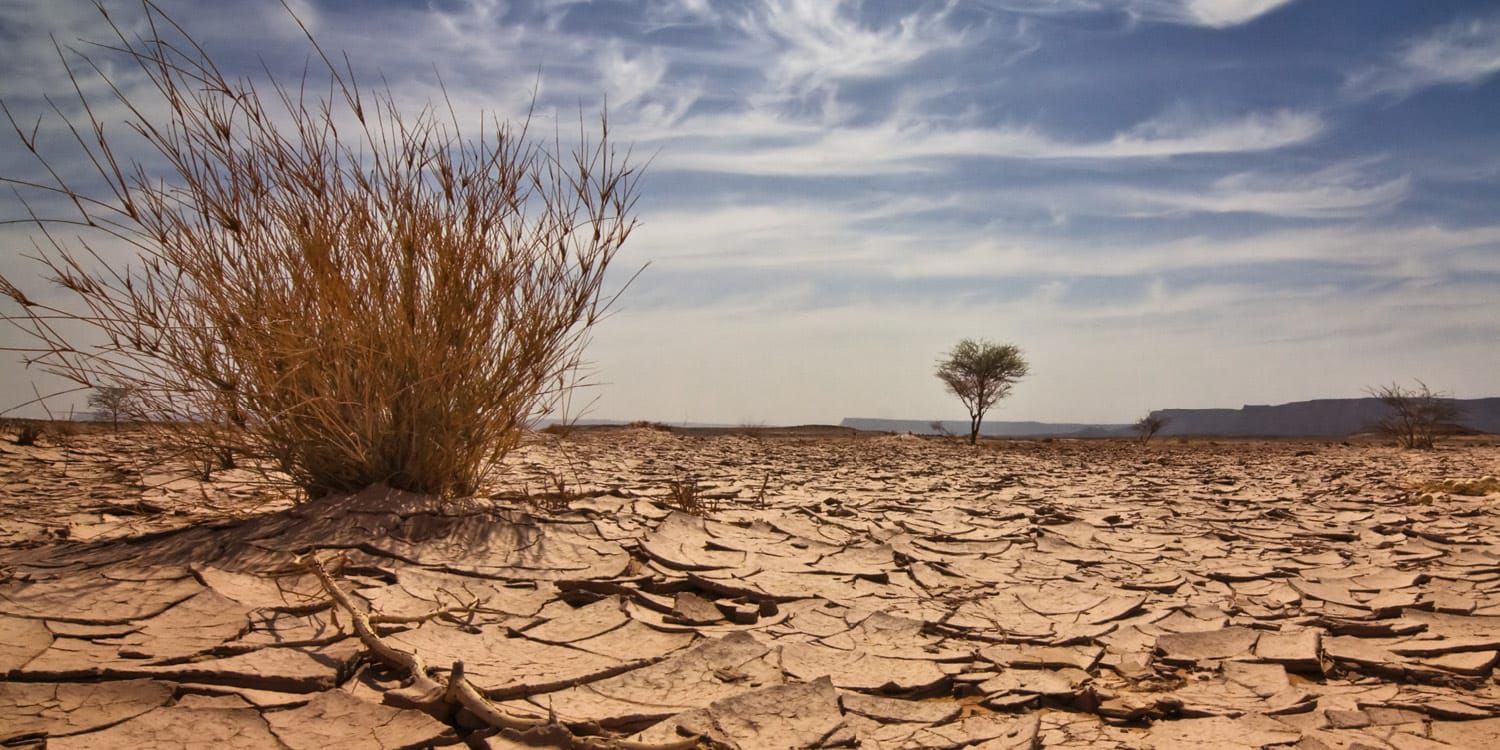
Environmental challenges have dreaded many plans to succeed in Nigeria. Recently, because they are primarily multi-faceted. In 2022, they brought an unprecedented climate crisis in Nigeria and the world. Floods have devastated communities in Southern parts of the country, and many of the communities in the North were displaced. The inherent consequences of climate-related problems in our country are truly worrisome.

Over 12,000 farmlands across 14 local government areas were destroyed in Kano State due to heavy and torrential rainfalls. These figures were pronounced by the Kano State Emergency Management Agency (SEMA). In addition, several families were forcefully displaced from their homes.

In Jigawa State, many homes were destroyed by heavy rains and floods. Numerous families had to be dispersed across schools, serving as relief camps for the displaced. Some innocent lives were lost after being buried by the building, an effect of heavy rainfall. A substantial number of farmlands were said to have been destroyed too. These issues occurred while the President Buhari administration was nearing its end and political campaigns heightened.

The federal and state governments rushed to cushion the effects by sharing palliatives with affected communities. Philanthropists also played an essential role in supporting the victims affected. Many families had lost everything, including their only source of livelihood, farming. This challenge intensified living conditions for average Nigerians in these parts of the country as prices of commodities hiked and the cost of living rose significantly.

Now after a year, we’re back at it again. The Nigerian Meteorological Agency (NIMET) has started highlighting forecasts of what we would expect during this year’s rainfall season, and indicators are frightening; heavy rains and thunderstorms are the pointers. And because the foresight comes as a warning signal, many families in these areas are already baffled with unimaginable thoughts, picturing last year’s experiences.

Apart from heavy floods, the inconsistency of rainfall in the Northern part of the country is another climate wrinkle. If not managed with the right agricultural methodologies, the inconsistency of rain will only worsen access to food supplies. Policies of the just concluded government in terms of border closure and later ban on importing products like foreign rice have hit hard a large percentage of Nigeria’s population. Most average Nigerians have long relied on these foreign food supplies for survival. Even with the supposed increase in agricultural activities as the alternative induced by the Buhari administration, the prices are unbearable.

Heat is now persistent with the cut down of trees in the North. The severe effect has been felt by people, unlike heat seasons before. This year’s Ramadan season was barely scaled through because of excessive heat. By now, many are starting to realise the importance of building trees and the ills of cutting them down. Federal and state government initiatives at this stage in our lives must prioritise replanting of new and resilient breeds of trees in places set for infrastructural activities. Our experiences have highlighted that prior climate change initiatives in this respect are not enough.

Health problems are also being exacerbated as climate change continues to unravel. Continuous pollution consistently exposed Nigerians to various health hazards. Gigantic pyramids of waste in cities have polluted healthy air. In areas where the waste pyramids are later burnt down, people are forced to breathe in harmful substances that have long-lasting effects. More so, manufacturing companies in, for instance, Kano, have been hit with several allegations of releasing toxic substances after their production processes.

According to Wasteaid (2021), with no access to waste management services, one in 3 people worldwide have no choice but to dump or burn their waste. Open waste burning is a significant emitter of black carbon, CO2, carbon monoxide, and other harmful toxins. This explains the risks attached to indiscriminate waste generation and management.

The findings are vindicated by United Nations Environment Program (UNEP) 2021 in a study which identified that Nigeria produces more than 3 million tonnes of waste annually, and only 20 to 30 per cent is collected and disposed of. Uncontrolled wasted burning, which is one of the practices, contributes to deteriorating air quality in Urban centres.

In their recent publication this year, UNEP also states that in Nigeria, sachets have become increasingly widespread, especially in fast-growing cities like Lagos. Research shows that about 50 to 60 million used water sachets are thrown into the streets daily”. When you picture the whole of Nigeria in terms of this indiscriminate act, you know a bigger problem lies ahead unless necessary measures are implored. I have not forgotten about e-wastes that have found dwelling places in Nigerian cities.

I cannot possibly explore all the existential climate challenges within this single piece. On the one hand, the federal government is currently overwhelmed with subsidy removal, dollar instability and making appointments. On the other hand, at state/local levels, some governments a busy investigating the ills of just concluded administrations while others are trying to get a hold of the affairs of the states. Unfortunately, all these aren’t slow down the speech of climate-induced consequences.

In the southern part of the country, Nigeria has been fighting oil exploration problems which have disrupted livelihood. Floods have been a major occurrence in areas where oil is not being extracted. These challenges have to be creatively and carefully addressed.

Nigeria is blessed with enormous human resources capable of producing excellent ideas to combat some of these issues. As part of the government’s obligation to serve, it must consider accepting solutions from communities, creative youths, and start-ups. Many ideas can be supported with considerable investment to help the fight against climate-induced calamities.

Nusaiba Ibrahim Na’abba is a master’s student from the Department of Mass Communication, BUK. She is a freelance writer and researcher. She can be reached via nusaibaibrahim66@gmail.com.

Eng Sagir Koki vows to bring positive change

By Abbas Datti

Our newly elected representative, Engineer Sagir Ibrahim Koki, promises to serve the people of the Kano Municipal constituency with integrity and dedication.

In a historic election victory, Engineer Sagir Ibrahim Koki has emerged as the newest member from Kano Municipal in the House of Representatives. Before his campaign, he promised to bring fresh perspectives and foster positive change within the esteemed legislative body. With the weight of public trust on his shoulders, Engineer Sagir steps into office, committed to serving the constituents and championing their interests.

Hailing from the Koki district of Kano State, he has already made waves with his dynamic campaign, installation of transformers, vocational training, distribution of JAMB forms, and rendering assistance to prospective NECO candidates, which resonated strongly with a diverse range of voters across the Municipal Local government area. The constituents were captivated by Engineer Sagir’s passion for public service, dedication to core issues, and vision for a brighter future.

Throughout his campaign, Eng Sagir has demonstrated an unwavering focus on crucial matters such as healthcare reform, economic revitalisation, education enhancement, and environmental sustainability. Drawing from a deep understanding of the challenges the Municipal Area Community faced, Sagir Koki outlined innovative policy proposals that garnered widespread acclaim and support.

As he assumes office, he is determined to turn those promises into tangible action. Eng Sagir’s primary objective is to represent the voices of his people, ensuring that their concerns are heard, amplified, and effectively addressed within the hallowed halls of the legislative chamber. Eng Ibrahim firmly believes that the foundation of a thriving democracy lies in empowering every citizen and working collectively towards progress.

One of Sagir’s key initiatives is bridging the gap between different political ideologies and fostering collaboration and compromise. By promoting bipartisan efforts, he aims to break down the barriers that have impeded progress in the past, seeking common ground to tackle pressing issues head-on.

Furthermore, Sagir Ibrahim understands the significance of transparency and accountability in public office. He has pledged to maintain open lines of communication with constituents, regularly hosting town hall meetings and actively seeking public input to shape his decision-making process. By being accessible, Sagir aims to establish a strong bond with his community, ensuring that their aspirations remain at the forefront of his legislative endeavours.

The road ahead of Sagir may be challenging, but his determination to serve with integrity, empathy, and dedication remains unshaken. He brings a wealth of experience, having worked tirelessly within the community as an advocate for positive change. Now, armed with the power of legislation, Sagir Koki is ready to effect lasting transformations that will profoundly impact the lives of the people of the Municipal he represents.

As the newest addition to the House of Representatives, Engineer embarks on a journey marked by hope, resilience, and an unwavering commitment to the betterment of the people of the Municipal. Therefore, Municipal people are eagerly anticipating the positive changes that lie ahead, placing their trust in the capable hands of their newly elected representative.

Abbas Datti writes from Kano Municipal and can be reached via abbasdattibashir@gmail.com.