Opinion

An urgent plea for prayers for President Tinubu

Dear beloved Nigerians,

I pray that this message finds you in the embrace of joy and tranquillity. Today, I humbly beseech your kind hearts to join me in fervent prayer for the esteemed President Bola Ahmad Tinubu (PBAT). Let us come together, enveloped in a sweet, soothing aura of prayer for our beloved leader.

Recently, a poignant incident unfolded during President Tinubu’s visit to France, which has captured our attention. In a video circulating on social media, an enchanting French lady, amidst the ensemble of waiters outside the Presidential Jet, momentarily received an item, surreptitiously placing it tenderly within her pocket. Soon after, she had the extraordinary privilege of shaking hands with our beloved President Tinubu, only to return the item discreetly to the ever-vigilant security personnel.

While the intentions and essence of this encounter remain shrouded in mystery, it is of utmost importance that we, as noble citizens, approach this situation with tenderness and delicacy. Let us refrain from hasty conclusions or harsh judgments. Instead, let our collective energies converge towards a more meaningful, fruitful response.

President Bola Ahmad Tinubu has dedicated his life to the noble cause of public service, exemplifying an unwavering commitment to the growth and prosperity of our beloved nation. He has illuminated our path with hope, championing positive transformation and kindling the fires of inspiration in the hearts of generations of Nigerians. In these trying times, our beloved leader needs our unwavering support and the solace of our heartfelt prayers.

Therefore, I beseech each and every one of you, with the gentlest of requests, to join hands in a tapestry of prayer for President Tinubu’s well-being, wisdom, and divine guidance. Let us fervently implore the heavens for his enduring strength, robust health, and celestial protection as he toils ceaselessly to steer Nigeria towards an even brighter future.

We must always remember that unity stands as our most formidable strength. Regardless of our political affiliations or personal opinions, let us set aside our disparities and unite in a harmonious symphony of solidarity, placing our unyielding trust in the power of prayer. Together, we possess the might to craft an ethereal atmosphere of unwavering support and boundless goodwill, uplifting our cherished President during these trying times.

May our prayers, like the sweetest nectar of a thousand blossoms, serve as a balm for President Bola Ahmad Tinubu’s spirit, reminding him that he is cradled in the loving embrace of the Nigerian people. Let us emanate waves of positive energy, affirming our resolute belief in his visionary leadership.

With hearts overflowing with gratitude for your steadfast devotion and boundless love for our beloved nation, let us remain steadfast in our prayers for the well-being of President Bola Ahmad Tinubu and our great Nigeria.

May divine blessings cascade upon Nigeria abundantly!

With utmost sincerity,

Abdurrazak Muktar Makarfi.

What can I start with small or zero capital?

By Tijjani Ahmad, FCA

Many complain about lack of capital as the major barrier to their dream venture. This is not always true. It is just an excuse. While capital is an essential factor, it is not the only factor. Because it is relative, you will find out the complainer is referring to financial capital in the form of large amounts of capital when you ask further.

In business, many things can give you the advantage that capital “alone” can’t give. But if you have them, they can jointly stimulate your journey more than capital.

Skills: Ensure you have the know-how of any venture you are interested in. The know-how will make you be considered an expert, and people want to see expertise in whatever they want to relate with. For example, if you are interested in carpentry or the fashion industry, here is how you can start:

Know the theoretical skill: There are thousands of free courses, videos, and tips for beginners. All you need is the smartphone you use to read this. If you consistently commit 2 hours to attend the right courses and watch YouTube videos for a month or two, you will master the trade.

Learn the practical skill: You can learn this through apprenticeship. It will take time, but it will surely pay. Just prepare yourself and be ready to learn. Many people are there looking for people like you who are ready to learn. 

With basic skills earned through courses and commitment to your apprenticeship, what is between you and becoming your own boss is tools and the right attitude. 

Tools: Own the tools. I know some will ask how I can get the tools without capital. Here are the ways:

Your skills will land you your first work; with this first work, your first tools are secured. And then your second job and second tools, and the cycle will continue. 

Two years ago, I had a plumbing problem. I reached out to a plumbers shop in our neighbourhood. Unfortunately, the boss wasn’t around, but his apprentices were. I asked one of them to come and fix my tap; it could be done in less than 15 minutes. But he said I should wait for his boss. He went for another work with the tools.

To my surprise, the cost of the tools needed to come and fix my tap was not more than N2,000, and his fee was not less than N1,000. Meaning two works like mine will earn him his first tools.

Attitude: “A strong positive attitude will create more miracles than any wonder drug.” —Patricia Neal.

Attitude influences your action, response to challenges, incentives, and rewards. Attitude is not just about being positive or negative but also about being adaptable and willing to learn and grow. It will shape how you relate with yourself, your trainers, partners and customers.

Therefore, depending on your passion, expertise, location and resources available. Here are some of the businesses you can start with zero or negligible capital:

1. Farming and animal rearing 

2. Content creation, copywriting, coaching and vlogging

3. Consultancy service and remote jobs

4. Cleaning and laundry services 

5. Gardening and landscaping 

6. Event planning and management 

7. Sports centre facilitation 

8. Mini processing, packaging, printing services, 

9. Web design and development, marketing, commission agent 

10. Fashion design, makeup art

I wish you all the best.

Nigerian biofuel policy and incentive: 16 years after

By Bilyamin Abdulmumin

On Tuesday, at a meeting with the United States Assistant Secretary of State, Bureau of Energy Resources, Ambassador Geoffrey Praytt, at the State House, Abuja, President Bola Ahmed Tinubu reiterated Nigeria’s commitment to honouring all its obligations to climate change and the quest for clean energy.

The president further called for stronger and better ties with the United States as Nigeria and the rest of the world move in the quest for renewable and other clean energy sources. This revelation made by President Bola Ahmed Tinubu made it imperative to bring to the front a related issue: Nigerian Biofuels Policy and Incentives.

To contribute to the global fight against climate change, Nigeria implemented the biofuel policy and incentive in 2007. This policy aims to encourage bioethanol and biodiesel production as supplementary to conventional transportation fuel, which is unfriendly to the climate.

It provides several incentives for potential investors, creating a conducive environment for biofuel production, and promises to establish a Biofuel Commission along with a dedicated Research Centre for the development of the sector. However, 16 years after, limited progress has been achieved, with only a few Memoranda of Understanding (MoUs) between Nigerian states like Kebbi, Niger, Ondo, Kogi, and the Nigerian National Petroleum Corporation, NNPC.

The policy has considered one of the major challenges of the biofuel sector globally: the expensive cost of production compared to conventional fossil fuels. As such, a range of incentives was offered, such as tax holidays, withholding tax exemptions, waivers on import and customs duties, waivers on value-added tax, long-term preferential loans, insurance, and most importantly, creating market demand (a promising alternative that the policy overlooked however was the use of cheaper local technology, materials, and equipment). Despite these incentives, the success of biofuels in Nigeria hinges on the government’s political will.

According to the policy, the Federal Government is responsible for providing necessary infrastructure, amenities, and facilities to communities where biofuel companies operate. The State Governments are mandated by the policy to facilitate the procurement and utilisation of agricultural land by biofuel companies. Additionally, in collaboration with State Governments and biofuel companies, the Local Governments are expected to organise out-grower schemes and other cooperative initiatives.

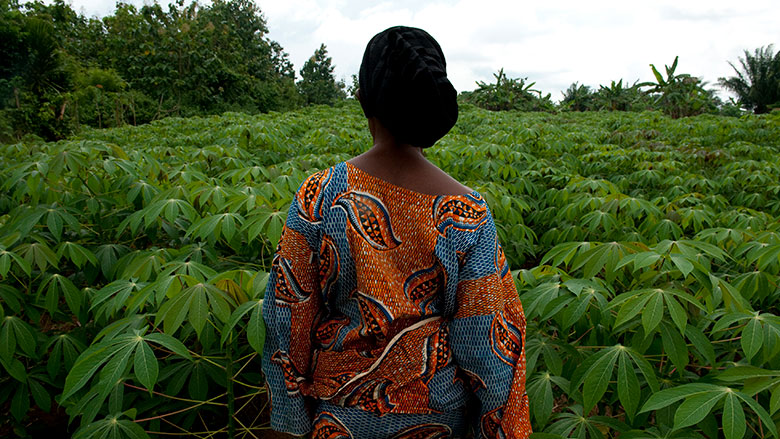
The feedstock of biofuel is grains/sugar, and oils. So, this highlights the hope the biofuel industry holds for the Nigerian poor who rely on subsistence farming. Traditional farming practices in Nigeria have remained unchanged for centuries. But thanks to the policy, farming technology can be drastically improved by integrating agriculture with the energy sector by adopting biofuels, hence more wealth and prosperity. 

However, there is trouble in Paradise; biofuel feedstock brings about another major challenge: food vs energy conflict. But the policy did not keep a blind eye, as there were provisions for out-growers schemes for massive crop production. In Kebbi State, more than 5 000 hectares were procured for cassava cultivation.  Other measures put in place to counter food vs energy conflict include the development and adoption of transgenic varieties of the feedstock to be specifically customised for the efficient production of biofuels (a promising alternative to food that the policy didn’t capture is utilising second-generation feedstock, which is more abundant and cheaper, that is, waste lignocellulosic materials and underutilised agricultural and forestry).  

In effect, the biofuels mission holds dual benefits:  foster economic growth and inclusivity for farmers while addressing the pressing issue of climate change, which the president just reiterated. Dear FG, considering the immense potential of this policy, and against the backdrop of celebrated bold actions on critical issues you have been undertaking, please give this policy a second chance, summon new hope, and get it hit the ground running.

Bilyamin Abdulmumin wrote via bilal4riid13@gmail.com.

UNIMAID must reconsider its stand

By Kasim Isa Muhammad

In a disheartening turn of events, the University of Maiduguri faces widespread criticism for its recent policy to bar students with unpaid fees from entering examination halls. This decision has sent shockwaves throughout the campus community, leaving many students dismayed. UNIMAID must reconsider its stance and adopt a more compassionate and supportive approach to ensure equal opportunities for all.

The consequences of this ill-conceived policy are far-reaching and detrimental. Numerous students, burdened with financial hardships, now face the distressing prospect of academic exclusion. This sudden disruption hampers their progress and undermines the core principles of inclusivity and equal opportunity that universities should uphold.

The impact of this decision extends beyond individual students, raising serious questions about the university’s commitment to fostering a conducive learning environment. Instead of supporting students facing financial difficulties, the punitive measures imposed exacerbate their struggles and perpetuate a cycle of inequality.

As a society, we must recognise the importance of empowering our students to overcome obstacles and pursue education as a fundamental right. Education is the foundation upon which individuals and communities thrive, contributing to societal progress and development. By impeding the academic advancement of these students, UNIMAID risks compromising its mission and tarnishing its reputation.

Under the administration of Professor Aliyu Shugaba, the University of Maiduguri must take immediate action to reconsider this misguided policy. A compassionate and supportive approach should be adopted, exploring alternative means of financial assistance to ensure no student is left behind. By proactively addressing students’ financial constraints, the university can uphold its commitment to inclusivity and guarantee equal opportunities for every aspiring mind to succeed.

Furthermore, stakeholders, including student unions and alumni, should raise their voices collectively to advocate for a fair and equitable resolution. Through the collaborative efforts of all concerned parties, we can foster an environment where students’ dreams can flourish, and the pursuit of knowledge remains unrestricted by financial barriers.

The current state of criminality and insecurity in our country further underscores the urgency of this matter. If these students are deprived of their education and forced to drop out of university, they may find themselves vulnerable to the temptations of criminal activities. Education has always been a powerful tool in shaping the future of our society, and denying students access to exams and their academic pursuits can have far-reaching consequences beyond the classroom.

In conclusion, we implore Professor Aliyu Shugaba to consider the profound impact of the ongoing economic downturn on the lives of our fellow citizens, particularly those from disadvantaged backgrounds. Many families are struggling with financial difficulties, making it challenging to meet their financial obligations promptly. We risk pushing students into an even more precarious situation by denying them the right to write their exams solely due to unpaid fees.

Kasim Isa Muhammad wrote from the Department of Mass Communication, University of Maiduguri.

Raising awareness of the potential outbreak of anthrax disease 

By Lawal Dahiru Mamman 

In the year 2020, just before the COVID-19 outbreak was declared a global health emergency, I was privileged to be part of a class taking a course on ‘Animal Health and Diseases’ at the Usmanu Danfodiyo University, Sokoto, UDUS.

At the beginning of the pandemic, rumours were rife that the disease emanated from animals. We did not immediately dismiss the narrative because we had just learnt about zoonotic diseases (illnesses contracted by humans from animals), their preventive techniques and how deadly some of them can be.

Just over a week ago, precisely on June 13, 2023, the Federal Ministry of Agriculture and Rural Development alerted Nigerians to take precautions as Northern Ghana, bordering Burkina Faso and Togo, had recorded an outbreak of the Anthrax disease. 

According to that statement, Sokoto, Kebbi, Niger, Kwara, Oyo, Ogun and Lagos States are most at risk due to their proximity to Burkina Faso, Togo and Ghana, and needed to “intensify animal vaccinations”.

At this point, it dawned on me that Anthrax was one of about twelve deadly bacterial diseases, which we discussed in class about three years ago. The disease is zoonotic. Hence, if left untamed, it threatens the loss of humans and livestock. And perhaps, this is why relevant authorities thought it wise to inform the public.

The announcement came with a caution against consuming hides popularly known as ‘Ponmo’, smoked and bush meat, as they pose serious risks. These are not the only route of transmission.

In Nigeria, a large percentage of the livestock are kept under a pastoral and agropastoral production system. This means that animals are not secluded; they interact with humans directly or indirectly, and not everyone attending to animals washes themselves before mingling with others. 

The point is, while animals are primary, humans, contaminated soil and materials are secondary sources of zoonotic diseases. Anthrax manifests in several forms, including flu-like symptoms such as cough, fever, and muscle aches. If not diagnosed and treated early, it can lead to pneumonia, severe lung problems, difficulty breathing, shocks and death.

To prevent zoonosis, there are about two ways. The first is to prevent the disease from even entering your community or country by allowing immigration or the purchase of only healthy animals. This can be achieved through proper quarantine, vaccination and isolation before release to the general animal population.

Secondly, environmental cleanliness, proper animal management, isolation of sick animals, drug therapy and regular veterinary visit in unfortunate circumstances where the disease is already endemic is the way to go.

Vaccination remains cost-effective in the prevention and control of animal diseases. To this effect, National Veterinary Research Institute Vom, Plateau State, has the mandate of producing standard quality vaccines for the livestock industry in Nigeria.

Since the announcement, reports have it that Federal Government has resuscitated a Standing Committee on the control of Anthrax in the Ministry of Agriculture and Rural Development; relevant institutions and collaborators have been contacted to control the outbreak in addition to the sensitisation of state directors of veterinary services nationwide.

Sadly, on Thursday, June 22, 2023, a veterinarian and Chief Executive Officer, CEO El-Mond Veterinary Services, Abuja, Dr Monday Ojeamiren, mentioned in one of the national dalies that the “level of preparedness to prevent Anthrax disease spreading to Nigeria is not far from zero,” and poor awareness of the disease by Nigerians can lead to a momentous outbreak.

In the wake of Mr Ojeamiran’s alarm bell, Nigerians must and should know that Anthrax is life-threatening, and many scholars think it has existed since the time of Moses and may have caused what was known as the fifth plague during the ten plagues of Egypt.

While we hope the situation is swiftly contained by the government and health authorities in the country, we, as citizens, must heed experts’ warnings about the disease. Prevention, as they say, is better than cure.

Lawal Dahiru Mamman writes from Abuja and can be reached via dahirulawal90@gmail.com.

Bayero University and the rising cost of registration fees

By Abbas Datti

Recently, the registration fees of most federal universities in Nigeria have risen dramatically, constituting a huge financial problem for students and their families.

The current fee increase places unfair constraints on low-income people, perpetuating inequality and promoting social inadequacies. More so, the exclusion is based on financial circumstances. As the registration fees continue to increase, the desirable dream of acquiring a university education slips further out of reach for many deserving individuals.

Therefore, as a bona fide resident of Kano and a great beneficiary of low and subsidised registration fees, I will use Bayero University as my case study. I am writing to appeal to Professor Sagir Adamu Abbas, the Vice Chancellor of Bayero University, Kano, regarding the current situation.

We know Sagir as someone with an exceptionally high calibre personality, humility and modest approach. This sets him far above others. Thus, we believe he will no doubt consider the attending consequences of this enormous increase.

We have been told that education is a fundamental right of every individual, and one must admit that it is the responsibility of educational institutions to provide a nurturing and good inclusive environment that fosters academic growth and development for all students. While one may comprehend the various needs associated with running a university and the alleged withdrawal of the government from funding universities, I would like to refer the Vice Chancellor back to the difficulties many students experienced in paying their respective registration fees since before the recent increase.

The ever-increasing cost of registration fees has become a significant deterrent for prospective students, leading to a potential decline in enrolment rates. The burden of high registration fees and other expenses, such as accommodation, and high living costs, is enormous on students and their various families. Potentially, it not only limits access to education but also jeopardises the overall tertiary education enrolments.

I passionately beseech the Vice Chancellor of Bayero University to consider the urgent need for a reduction in registration fees and initiate constructive consultations with the appropriate university stakeholders to find feasible solutions. This could involve exploring more alternative revenue generation, seeking additional funding from wealthy personalities and other intervention funds, or reallocating resources to ensure a well-rounded, balanced approach that benefits both the university and the students.

Abbas Datti wrote from Kano via abbasdatti448@gmail.com.

₦700/litre: A warning of petroleum marketers and the free market economy

By Aliyu Nuhu

The Petroleum Marketers, under the umbrella of IPMAN, are saying that petrol will be sold at N700 per litre if the next imported fuel arrives. But even at the current price, ask them “how market?”.

These days you see pump attendants sitting down for hours without selling 200ltrs. The moment they see a car approaching, they start shouting, ‘Come here! come here!’ It is now the buyer’s market; all that arrogance associated with the seller’s market during scarcity periods has vanished.

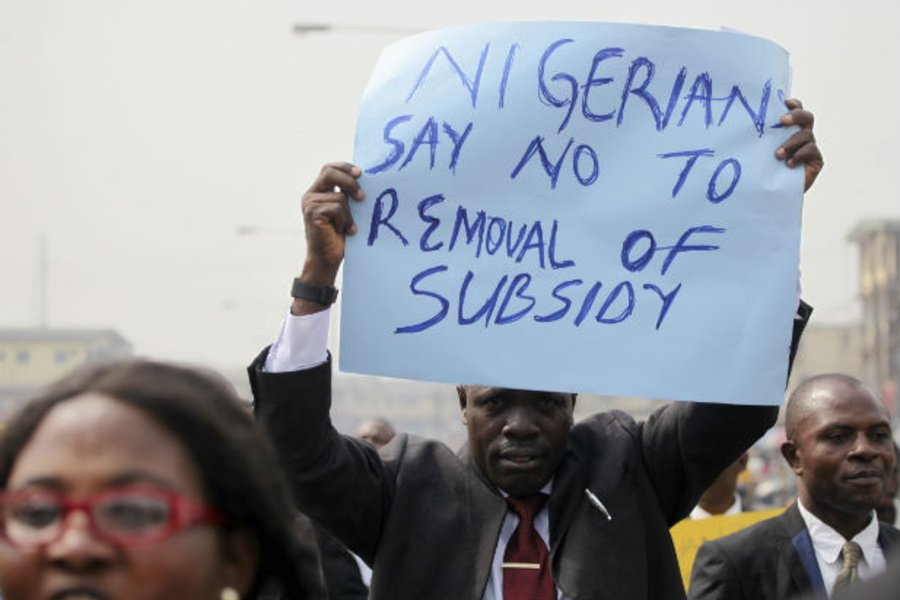
During fuel subsidy regimes, NMDPRA said we used to consume 66.8m ltrs of petrol daily. But after the withdrawal of the subsidy, the figure has dropped to 40m. If they increase the price to N700/ltr, the consumption may drop to 20m ltrs per day.

This will shrink the downstream industry and shut down half the filling stations in the country. Nigerians are resilient, and they know how to adjust to every difficult situation. People with many cars will sell them. Those with big cars will go for smaller, fuel-efficient cars. People will take Keke or bus and only travel when and where necessary.

The beauty of a free market economy is that the market forces of demand and supply will set price equilibrium to the acceptance of both sellers and buyers. There will be no market distortion, and petrol marketers will only make marginal gains relative to their level of capital and investment.

We are not scared of a free market. It is a waiting game. If they fail to sell their products due to low demand, they will lower the price. Otherwise, new entrants into the industry will come and offer lower prices for market penetration.

We are waiting.

Aliyu Nuhu writes from Abuja, Nigeria.

Senator Abdulaziz Yaradua: A legacy within the Yaradua dynasty – A comparison with the Kennedys

By Ayatullah Muhammad and Aminu Ismail Elyakub

In my History of the US Founding and Constitution class, I had the rare privilege of reliving the experience of the constitutionalist and founding patrons of the country. It elicited a feeling of foundational belonging despite each representative being entitled to their colonies or settlement. This led to a brief conversation during the semester where a colleague of mine in a friendly conversation uttered, “I love Aristocracy”. My radical response had to be heard, “I hate aristocrats because of their elitism and…” a list of things identifiable with modern oligarchs today.

I may have defeated my colleague but not for too long. He responded, “I see what you are saying, but my reasons are tied to the values….” That made no sense, even though I ended up writing an article on aristocratic values shaped and eschewed by leaders that ended up being transcendental. I was too hasty for a moment. The case of the Musa Yar’adua family presents a typical example of what virtuous aristocracy can bring to the building of the nation-state.

The 10th National Assembly commences with a renewed commitment and a rejuvenated pursuit toward Nigeria’s unhindered democratic succession. This comes with a mixture of veterans, the newly elected, and experienced former governors coming into the Senate. From the pool of “freshmen”’ comes Senator Abdulaziz Yar’adua, representing Katsina Central in Northwestern Nigeria.

The entry of Senator Yar’adua marks another moment for his constituents and enthusiasts of democracy globally as we spotlight family dynasties and their potential for impacting nation-building and making their distinct mark in public service. In this article, we highlight Senator Abdulaziz Yaradua, a distinguished member of the Yaradua family and arguably the first bi-cameral legislator of the dynasty’s siblings. This opens up possibilities for making parallels to the Kennedy family as examples of counterparts across the Atlantic with a serendipitous trajectory in destinies of similar dynasties.

The authors of “The Democratic Imperative: Exporting the American Model” have noted that dynasties are not an inherent aberration to democracy but an opportunity to enhance it with their experience and public service. Thus, the oldest democracy in the world has had five political dynasties across two centuries since its inception. This includes notables such as Adams, the Roosevelts, and, most recently, the Bush family.

The dynasty began with the late Patriarch of the Family and Mutawallen Katsina Musa Yar’adua, a parliamentarian who held two ministerial portfolios in the Tafawa Balewa Cabinet. However, the family name was shot into the limelight when an illustrious son, Gen. Shehu Musa Yar’adua, became the defacto “Second in Command” to General to the Head of State following the 1976 Coup. Since the late General SM Yar’adua’s passing, Shehu’s beacon of political light and values have arguably been responsible for shaping political decisions, contests, and prodigies since 1999, including the late Umaru Musa Yar’adua’s ascension to Presidency in 2007. Beneficiaries of such illustrious mentorship in the early 90s were two of the prominent aspirants of APC and PDP at the 2023 presidential elections.

As a significant member of the Yaradua dynasty today, Senator Abdulaziz Yaradua is continuing his family’s history and advancing Nigeria’s unity and prosperity. The senator’s career began as a disciplined and commissioned military officer of the Army’s Signal Corps, mirroring his elder brother’s path and earning him the moniker “Audu Soja”.

Despite being the penultimate child among his mother’s children, he heeded his father’s call for higher education. He joined the famous brothers in becoming the third university graduate from the men of a large family and a distinguished engineer in his own right. Senator Abdulaziz Yaradua has had a stint at being dependable on security issues, to Tinubu’s delight, while in the recent past also had a brief stint as an administrator of the country’s Rural Electrification agency under Buhari’s stewardship.

Like the Kennedy family in the United States, the Yar’aduas are not without their trials. Shehu Yar’adua could be paralleled to Robert F Kennedy, who died as a prominent political figure outside of an official capacity, compared to Umaru Yar’adua and John F Kennedy, who died in similar official capacities. Beyond the trials, however, were similar shared convictions, progressive ideals and activist mindsets championed by Shehu-RFK and Umaru-JFK positions and situations, respectively. They never missed their marks in setting stones and policies that etched them in the hearts, projects and legacies of admiration today.

Senator Abdulaziz Yaradua could learn from his late Senator Kennedy counterpart in history with hopefully a longer lifespan and influence etched in the Red Chamber of the NASS. While in a similar vein, expected to continue on their family’s tradition, he has his priorities and goals, including helping the Tinubu administration with bills to improve infrastructure and ensure long-term economic growth. His dedication to educational reforms and constituency empowerment projects sensitive to the needs of his community is further evidence of his intention to improve his people’s lot in life.

The tall and elegant leader with a built statute also best fits the “bridge builder” role. Tinubu could find a dependable “Senator Biden” in him capable of working across party lines to accomplish shared goals, a quality that is consistent with his family’s tradition.

Judging from the bios of the dynasty’s youngest politicians, it is clear that both men forged their unique paths while inheriting a powerful history. Senator Yar’adua did not have an easy way to political victory today as the family name was not enough to earn him a win in at least four contests he was involved in between 2011 and 2019. A devotion to democratic values, social equality, and inclusive governance has characterised the Yaradua dynasty. Senator Yaradua shares these values.

Expectations are high as Senator Abdulaziz Yaradua pursues his political career. He holds a good place in the Yaradua dynasty due to his unshakable commitment to the values supported by his family and his vision for a prosperous Nigeria. By taking a cue from his predecessor’s accomplishments, traditions, and values in pursuing a better future through their dedication to public service, social advancement, and economic prosperity. Like the late Senator Kennedy, Senator Yaradua represents the promise and hope of his people and constituents toward a better political system for his Katsina state and Nigeria’s evolving democracy.

Ayatullah Muhammad and Aminu Ismail Elyakub can be reached via ayatmatters@gmail.com.

The task before the new CDS, General Christopher Musa

By Prof. Abdussamad Umar Jibia

Southern Kaduna (popularly known as Southern Zaria because of its history of being part of the Zaria emirate) is a place I feel connected to whenever it is mentioned. At the age of 12, when I went to a boarding secondary school, a large percentage of those who became my classmates were from that area. Although GSS Musawa was located in the heart of what is now Katsina state, one can say without any fear of contradiction that nearly half of its students were from Southern Kaduna. 

With this background, I can accurately claim to have grown up with people from Southern Kaduna, many of whom remain my friends. Religious and communal crises that set us against one another are unfortunate. With those many crises, it would be a lie to claim that there is no mutual suspicion between the people of that area, who are mainly Christians and the Northern part of Kaduna state made of mostly Muslims and the greater old Kaduna/North-central state to which I belong. 

Of course, like any other people, there are good and bad people in Southern Kaduna. To verify to which category a particular person belongs, you find out. Since the announcement of Major-General Christopher Musa as the new Chief of Defence Staff (CDS), I set out to investigate the kind of person he is. After contacting my sources, I was left thankful to President Bola Tinubu for choosing such a detribalised professional soldier to head our military, especially when professionalism is required to deal with the many security challenges across the country.

The choice of Christopher Musa is timely not just because he is a thoroughbred General but also because he is a victim of the banditry scourge that has bedevilled the Northwestern part of Nigeria. To be a Nigerian, one must first belong to one of the 774 local governments in one of the 36 states or FCT. Like the case with many other places in the North West, the state and local government area of General Musa have been attacked.

But, contrary to what the Southern press would want us to believe, although Southern Kaduna has its share of banditry, it is not the worst hit. Killing, kidnapping and other heinous crimes committed by bandits are daily occurrences in Zamfara, parts of Sokoto, Katsina, Kebbi and Niger, in addition to both Northern and Southern Kaduna state.

To succeed in his task, General Musa has to dispel the incorrect notion that bandits are coming from outside Nigeria. I believe the security reports are at his disposal, but there are things that we, the victims, expect from him that his predecessors failed to achieve.

Most of the operations hitherto carried out involve bandits at the bottom of the bandits’ hierarchy. The most dreadful bandits’ leaders are lurking safely in the North West. Only recently, one of them released the last batch of students of FGC Yauri whom he kidnapped and kept on Nigerian soil for more than two years, during which he extorted their parents through the nose. He is still living unscathed despite the billions of Naira the Government spends on security. 

He is not alone. In a widely condemned show of irresponsibility, another criminal who killed more than 100 villagers in Katsina state and was declared wanted by the Nigerian Police was given a traditional title in Zamfara state last year. He lives peacefully while the orphans and widows his crime generated are left on their own.

Another criminal who burned a passenger bus with 30 people in it days after opening fire on a village market that claimed 60 lives is also enjoying himself in Zamfara state. He is said to be moving around like a king in his locality.

Yet, another criminal who publicly claimed to have killed many Nigerian and Nigerian soldiers and abducted 40 Nigerian children days after he killed 53 farmers in Zamfara state is living there like a king. He also moves around unscathed. 

A bandits’ kingpin who ambushed Nigerian soldiers and killed many of them in 2020 is now enslaving villagers in Katsina state. Villagers under his jurisdiction work on his farm whenever he invites them to do so.

These are some of the most well-known bandits’ Generals with bases in the North West. The list is not exhaustive. That they were accessed by international and local media to which they gave video interviews leaves our security forces with no room to claim that the criminals are at large.

Of course, arresting/killing the above-mentioned bandits’ ring leaders and others in their category is not as easy as mentioned. In addition to sophisticated weapons and trained fighters, they have powerful sympathisers. We cannot rule out mischievous claims of genocide when the military goes all out to deal with them. Ordinary people like me expect that General Musa and Mr President should ignore any noise resulting from securing the North West and  North Central geopolitical regions of Nigeria.  May Allah help them, amin.

The question begging for an answer is whether General Musa and his team are willing to take up the challenge and uproot banditry by attacking its leadership, or they will just scratch the surface, make their money and go into partisan politics like we saw some of their colleagues did.

Prof Abdussamad Umar Jibia wrote from Kano, Nigeria. He can be reached via aujibia@gmail.com.

Seeking world-class writing mentor


By Abdurrazak Muktar Makarfi

As a budding writer, I have always admired Mahmud Jega as a role model. His eloquent prose, thought-provoking ideas, and ability to captivate readers with his words have inspired me to strive for excellence in my own writing. Mahmud Jega’s works have inspired me, ignited my passion for the written word and pushed me to improve my craft.

However, as I embark on this journey of self-discovery through writing, I realise that one crucial element is missing from my writing growth. This senior, world-class mentor can provide guidance, impart wisdom, and help me refine my skills. While I have studied Mahmud Jega’s works and learned from his style, nothing compares to the personalised guidance and invaluable insights that can come from a seasoned writer who has already traversed my path.

A mentor would be a guiding light, someone who could help me navigate the intricacies of the writing world, offer constructive criticism and share their own experiences, triumphs, and setbacks. A mentor would challenge me to push my boundaries, encourage me to explore new genres and provide a wealth of knowledge that only years of writing experience can bring.

With the guidance of a mentor, I could learn to develop my unique voice, polish my storytelling techniques, and sharpen my ability to convey emotions and ideas through words. A mentor’s wisdom would enable me to navigate the challenges ahead, understand the nuances of the publishing industry, and provide me with the tools to elevate my writing to new heights.

I yearn to have a mentor who can nurture my talent, critique my work honestly and compassionately, and guide me towards becoming my best writer. I believe that with the guidance of a mentor, I can hone my skills, overcome obstacles, and ultimately make my mark in the world of literature.

Until I find that mentor, I will continue to immerse myself in Mahmud Jega’s works, studying his techniques and extracting lessons from his writings. I will strive to incorporate his brilliance into my style while exploring other literary voices and expanding my horizons. Though the path may be challenging without a personal mentor, I am determined to push forward, driven by the passion and dedication that writing instils within me.

One day, I hope to find a mentor who can provide the guidance and mentorship I seek—a senior, world-class writer who can help shape me into the best version of myself as a writer. Until then, I will persevere, inspired by the words of Mahmud Jega and the countless other literary giants who have paved the way for aspiring writers like myself.

Abdurrazak Muktar Makarfi wrote via prof4true1@gmail.com.