By Haroon Aremu Abiodun
“Any country where lawmaking is more lucrative than law enforcement, there must be insecurity.”
That was the piercing submission of veteran Nollywood actor Kanayo O. Kanayo in a podcast interview. This quote still lingers in my mind like a haunting prophecy. Sadly, Nigeria appears to be a textbook example of that paradox.
This raises a chilling question: can we ever be safe in a nation where those crafting the laws live like kings, while those enforcing them die like pawns?
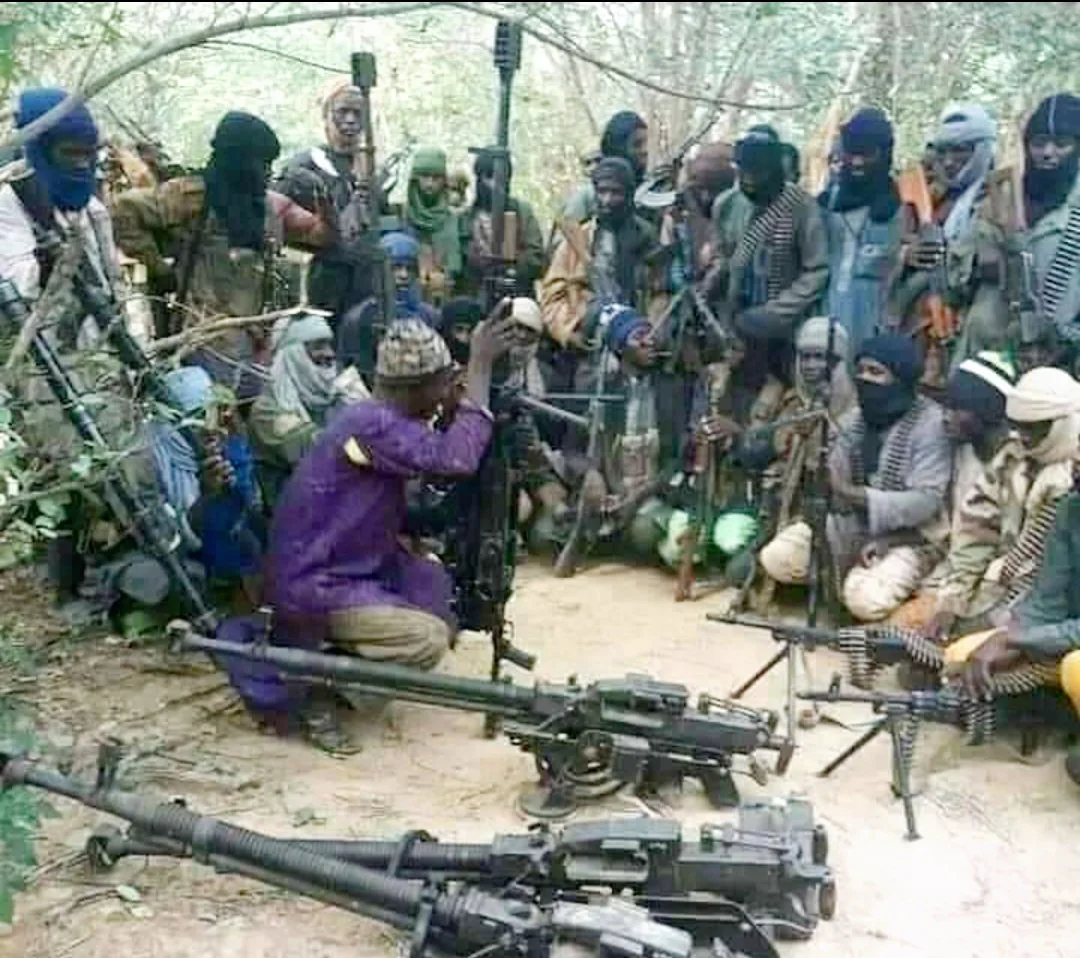
The roads tremble with fear, and villages sleep with one eye open. From Abuja to Zamfara, from the creeks of the Delta to Anambra, to the rocky hills of Birnin Gwari, the word “insecurity” has become a national refrain.
In whispered conversations and on trending hashtags, Nigerians continue to ask: Can banditry, kidnapping, and terrorism ever truly end in Nigeria?
While President Bola Ahmed Tinubu continues to pledge security reforms, and National Security Adviser Nuhu Ribadu issues strategic statements, the reality on the ground often contradicts this. The Chief of Defence Staff, General Christopher Musa, may be leading an army of patriots. Still, their valour is constantly undermined by systemic inequality, in which the pen is paid more than the gun.
I Witnessed the Truth
In early June, I attended a deeply insightful citizenship engagement forum hosted by Voice of Nigeria (VON). Dignitaries, including the Minister of Information, NSA Ribadu, the Chief of Defence Staff, and other notable figures,were present. But one story shared by the Chief of Defence Staff froze the air.
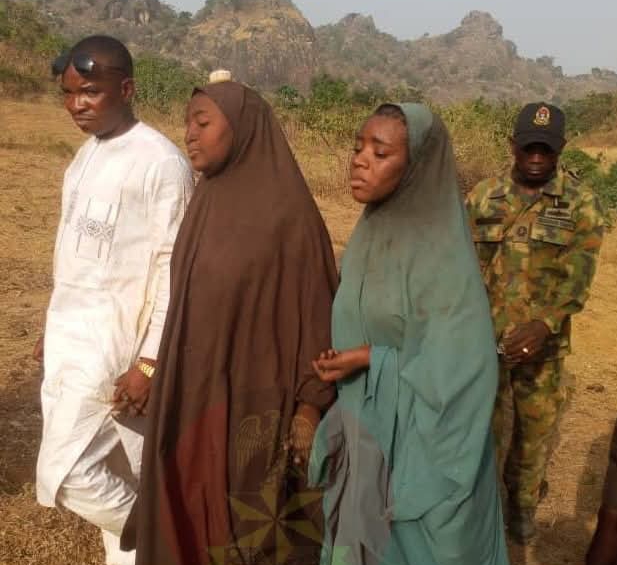
He recalled a young bandit who surrendered. The military, adopting a “soft approach,” chose not to brutalise him but instead treated him humanely. He was given food, a warm bath, and, for the first time in his life, a mattress.
This wasn’t just about physical comfort. It was symbolic. The boy, barely old enough to vote, said he had never lain on a mattress before. That was his first taste of civilisation, and it came not from a school or community, but from an army barracks. The boy had joined a group of killers not out of hatred, but out of hopelessness.
The Root of the Rot: 3Es
With what the Chief of Defence Staff said, I was able to conclude that part of the root of Nigeria’s security crisis lies in the absence of the “3Es”: Education, Exposure, and Enlightenment. These are not luxuries; they are necessities. And in the North, where banditry has gained a more frightening foothold, their absence is glaring.
It is time for Northern governors to rise beyond rhetoric. The federal government cannot win this war alone. State leaders must begin by reforming their education systems, investing in enlightenment campaigns, and introducing programs that truly expose their youth to life beyond the confines of their communities. Kano State has led the way in propagating and championing this initiative among the northern states, but efforts should be intensified.
Can we save Nigeria? Yes, but not with a centralised, top-down approach. What we need is collaborative security. Community policing must be revived with village chiefs and family heads forming the first line of surveillance.
Security consciousness must be made more crucial and integrated into school curricula and public messaging. Employment generation must become more than a campaign slogan. A graduate left idle is one WhatsApp message away from recruitment into darkness.
“If community policing is fully implemented, it will become far easier to identify and expose those secretly sponsoring or benefiting from terrorism right from the grassroots. Local vigilance, trust networks, and community-driven intelligence can expose hidden collaborators who often conceal their activities behind political or economic influence. Such a system not only strengthens national security but also empowers citizens to take active ownership of their safety and future.”
This is to say, the fight against terror will not be won by guns alone, but by communities standing as the first line of defence
The Role of Institutions
The Ministry of Education and the National Orientation Agency (NOA) must now take centre stage. It is no longer enough to teach arithmetic and grammar; we must now teach security literacy. The young must understand the real consequences of crime. They must be exposed to alternatives.
This encompasses school tours, street theatre, online campaigns, community mentorship, and genuine partnerships between public and private stakeholders.
There is hope. There are patriots in uniform. There are children yet untouched by corruption. There are teachers still driven by conscience. However, all their efforts will be for nothing if lawmakers continue to earn more than those who risk their lives.
The EFCC may chase funds across Iceland and Dubai. The DSS may foil plots in Lagos and Maiduguri. However, until we address the imbalance and make justice more rewarding than crime, we will remain trapped in this cycle.
Let us not wait until another child lies on a mattress in a military cell to realise what he has never had.
Let that mattress be our wake-up call.
So, to President Tinubu, to the NSA Ribadu, to the Defence Chief, and to every governor who still believes in this country: The war will not be won on the battlefield alone; it will be won in the classroom, in the family compound, in the village square, and in the heart of every Nigerian.
Before we talk about weapons, let’s talk about mattresses.
Haroon Aremu Abiodun, An Author, public Affairs Analyst, PRNigeria fellow and wrote in via exponentumera@gmail.com.