News

US pushes for Venezuelan mineral access as Trump officials visit Caracas

US mining companies are lining up to invest in Venezuela, Interior Secretary Doug Burgum said during a visit to the country on Wednesday, where he pressed for greater access to critical minerals.

Burgum represents an administration that claims to effectively control Venezuela and its vast natural resources following the removal of Nicolás Maduro.

He is the second senior US official to visit Caracas since an American bombing raid on January 3 left around 100 people dead and saw Maduro and his wife flown to New York to face US drug trafficking charges.

Accompanied by more than two dozen mining executives, Burgum described the group as representing “billions of dollars in investments and billions of dollars in well-paid jobs.”

“They are eager to get started, and they are eager to cut the red tape to allow that capital investment to flow,” he said after meeting with interim President Delcy Rodriguez.

Burgum, who heads President Donald Trump’s National Energy Dominance Council, described cooperation between Caracas and Washington as “unlimited.”

His visit follows that of Energy Secretary Chris Wright last month, who called for a “dramatic increase” in Venezuela’s oil output and highlighted “tremendous opportunities” for both countries.

The shift in tone reflects the altered US-Venezuela relations since Maduro’s capture. Trump has allowed Rodriguez, formerly vice president, to serve as interim leader as long as she complies with his directives regarding access to Venezuela’s natural resources.

In another sign of the diplomatic reset, the US Department of Transportation approved Envoy Air, an American Airlines subsidiary, to operate direct flights between Miami and the Venezuelan cities of Caracas and Maracaibo. These will be the first direct flights since US-Venezuela relations deteriorated in 2019.

— Gold and Coltan —

While US attention has focused on Venezuela’s oil, Burgum noted the country is also “rich in critical minerals.” In addition to gold and diamonds, Venezuela has deposits of bauxite and coltan, a mineral used in mobile phones, laptops, and other electronics. Mining activity is concentrated in the southeastern Orinoco arc.

Environmentalists have condemned the expansion of illegal mining in the area, citing deforestation and river pollution. Rodriguez, who recently overhauled the state-controlled oil sector to attract private investment, is now planning reforms to the mining code. Her brother, Congress Speaker Jorge Rodriguez, said Monday that the changes would allow “large foreign companies” to exploit minerals and rare earth elements.

— ‘Doing a great job’ —

Trump has praised Rodriguez’s compliance, posting on Truth Social on Wednesday that she was “doing a great job and working with US Representatives very well.”

“The Oil is beginning to flow, and the professionalism and dedication between both Countries is a very nice thing to see,” he wrote.

Rodriguez thanked Trump on Telegram for the US administration’s “kind willingness to work together for the benefit of the people of the United States and Venezuela.”

On Tuesday, Venezuelan state oil firm PDVSA announced new oil contracts with the United States. Since January, PDVSA has shipped over 80 million barrels of crude to the US, according to Trump. These deals come amid concerns about falling global oil output due to the war in the Middle East, which has already driven crude prices to their highest level in 18 months.
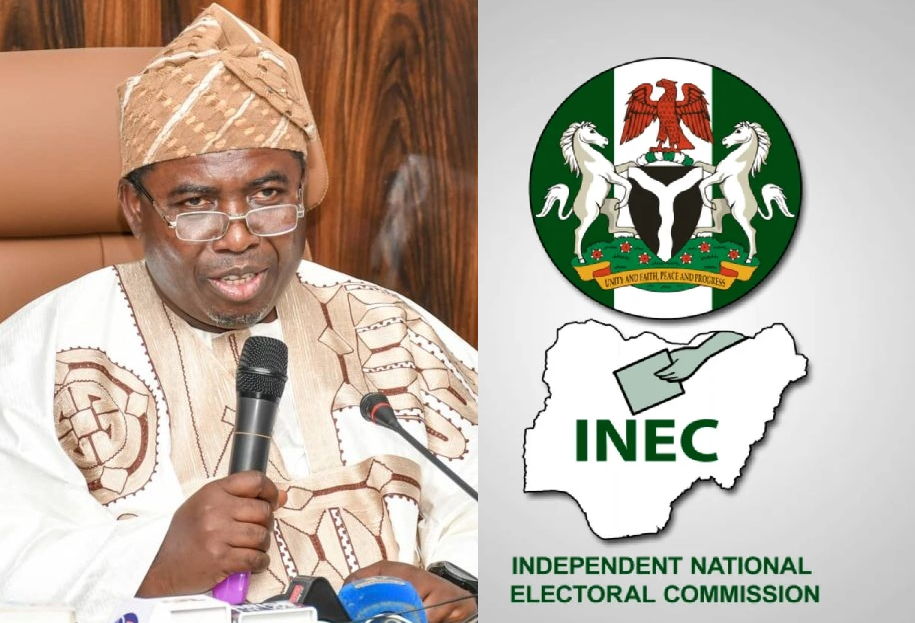
MURIC escalates call for INEC Chairman Amupitan’s removal over ‘Christian genocide’ article

By Sabiu Abdullahi

The Muslim Rights Concern (MURIC) has formally taken its demand for the removal of Professor Joash Amupitan, Chairman of the Independent National Electoral Commission (INEC), to the National Assembly.

MURIC and allied Islamic organisations are seeking Amupitan’s ouster due to his authorship of an 80-page legal brief alleging Christian genocide in Nigeria.

In a statement on Wednesday, MURIC’s Executive Director, Professor Ishaq Akintola, said, three months after Islamic organisations first called for Amupitan’s removal, he remains in office.

Akintola accused the presidency of showing “little interest in addressing complaints from Islamic groups,” despite what he described as “indisputable evidence” that the INEC chairman made false allegations against Nigerian Muslims before an American audience.

He questioned the federal government’s commitment to fairness, suggesting it responds more readily to “frivolous demands” than to “evidence-based complaints from law-abiding Islamic organisations.”

MURIC voiced concern that Amupitan’s continued leadership could erode public confidence in INEC’s neutrality ahead of the 2027 general elections. The group warned that alleged anti-Muslim bias might become a contentious issue in future electoral disputes.

“Since the presidency appears uninterested in listening to the complaints of Muslims against Amupitan, we must take his case to the court of the people’s representatives, the National Assembly,” Akintola said.

He noted that the call for removal was not about the INEC chairman’s religion but about what MURIC described as a “fanatical and hateful” attitude toward Nigerian Muslims.

The organisation urged lawmakers in both chambers to investigate the matter, stressing that Muslims, as citizens and taxpayers, deserve a platform to be heard.

MURIC also reiterated that Amupitan was unsuitable to serve as an impartial electoral umpire in 2027.

According to Daily Trust, Amupitan contributed to the 2020 publication Nigeria’s Silent Slaughter: Genocide in Nigeria and the Implications for the International Community, released by the International Committee on Nigeria (ICON) and the International Organisation on Peace-building & Social Justice (PSJ).

His 80-page chapter, titled Legal Brief: Genocide in Nigeria, argued that the scale and pattern of killings and displacement of Christians met the threshold for genocide under international law. The brief also criticised the federal government for failing to protect affected communities and deliver justice for victims.

Nigerian Army urges soldiers to respect human rights, stay away from gambling

By Sabiu Abdullahi

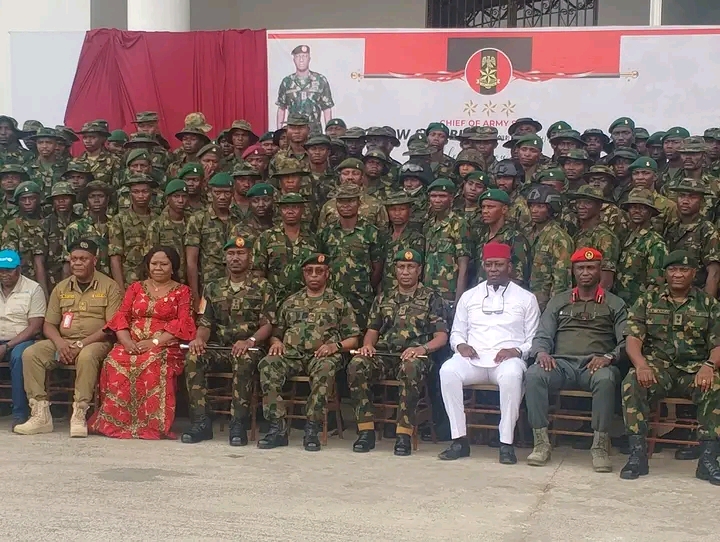
The Nigerian Army has advised soldiers serving under the 14 Brigade in Ohafia to respect human rights and safeguard the rights of children while carrying out their duties.

The directive was delivered during the opening of a two-day sensitisation workshop for troops of the brigade. The event took place in Umuahia, Abia State, on Wednesday as part of the Army’s Civil-Military Affairs programme.

Army authorities also warned the soldiers against engaging in gambling and drug abuse. The troops were instructed to maintain discipline and professionalism while performing their responsibilities.

In addition, the soldiers received a warning about the use of social media. They were told not to upload confidential photographs or sensitive information online. Officials said such materials could be accessed by criminal groups and misused.

The Chief of Civil-Military Affairs in the Nigerian Army, Maj. Gen. Musa Awwal Etsu-Ndagi, explained that the workshop aims to remind troops about their responsibilities and the rights of civilians.

He said the training was designed to educate soldiers on their own rights, the rights of members of the public, and the protection of children. He also stressed the importance of proper conduct while interacting with civilians.

Etsu-Ndagi advised the soldiers to complete their Next of Kin forms accurately and ensure the information remains current. He said updated records would protect the families of soldiers from exploitation if a service member dies.

The senior officer also encouraged the troops to promote unity and understanding within their families.

During the workshop, the Deputy Controller of Narcotics at the National Drug Law Enforcement Agency (NDLEA), Bekwele Chukwu, addressed the soldiers. He spoke about the dangers associated with the use of prohibited or controlled drugs. He warned that such substances could affect a person’s mental stability.

Earlier in his remarks, the Commander of the 14 Brigade, Brigadier General Ahmad Mansur Dikko, expressed appreciation to the Chief of Army Staff, Lt. Gen. Waidi Shaibu, for organising the workshop for the troops.

B0k0 Hqrqm/ISWAP attack leaves nine soldiers, imam dead in Borno community

By Sabiu Abdullahi

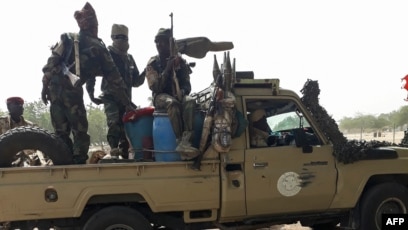
Suspected Boko Haram/ISWAP fighters have killed at least nine Nigerian soldiers and the Chief Imam of Ngoshe community in Gwoza Local Government Area of Borno State.

Security sources said the attack took place on Tuesday night shortly after residents ended their Ramadan fast.

One source, who spoke on condition of anonymity because he was not authorised to speak publicly, said the insurgents stormed the town in large numbers with heavy weapons. According to the source, the attackers confronted troops stationed in the area and overpowered them during the assault.

Another security source said the insurgents also moved into the residential parts of Ngoshe. The source said the town’s Chief Imam was killed during the raid. The attackers also abducted more than 100 women and children. Several people sustained injuries.

‘As I am speaking to you now, the entire people of Ngoshe have fled and nobody is left in the community. Most of us have taken refuge in Pulka,’ the source said.

The source further alleged that someone within the community might have assisted the attackers.

‘They came prepared and entered Ngoshe town with the help of an insider, killing 9 soldiers, slaughtering the mosque’s Chief Imam, and abducting over 100 women and children,’ he added.

Residents said the insurgents set fire to many houses and structures in the town before leaving the area. The incident forced surviving residents to escape to nearby communities for safety.

Attempts to reach the spokesperson of Operation Hadin Kai, Lt. Colonel Sani Uba, for comment were not successful as of the time this report was filed.

Authorities are yet to release an official statement on the attack.

Iran warns of strikes on Israeli embassies worldwide

By Sabiu Abdullahi

Iran’s armed forces have issued a strong warning to Israel over what they described as a possible attack on Tehran’s diplomatic mission in Lebanon.

A military spokesperson said on Wednesday that Iran would respond by targeting Israeli embassies across the globe if such an action takes place.

Abolfazl Shekarchi, spokesperson for the Iranian armed forces, spoke during a live television broadcast. He said, “if Israel commits such a crime, it will force us to make all Israeli embassies around the world our legitimate target.”

His remarks followed a statement by the Israeli military a day earlier. On Tuesday, Avichay Adraee, the Arabic-language spokesperson for the Israeli army, said it “warns representatives of the Iranian regime who are still in Lebanon to leave immediately before being targeted”, and gave them 24 hours to depart.

The exchange comes amid rising hostilities between Iran, the United States, and Israel. Iran has faced joint US-Israeli airstrikes since February 28. Reports indicate that more than 40 senior Iranian government officials have been killed in the bombardment. Among those reported dead is Iran’s Supreme Leader, Ali Khamenei.

The strikes have also affected civilians. More than 1,000 non-combatants have lost their lives, according to reports. The attacks prompted Iran to launch retaliatory measures.

Washington has accused the government led by Khamenei of suppressing its citizens and pursuing nuclear weapons development. Tehran has denied the claims and rejected the allegations.

The situation has continued to heighten tensions across the region, with both sides exchanging threats as the conflict deepens.

Gridlock grounds planes: Tinubu orders immediate halt to cashless toll gates

By Abdullahi Mukhtar Algasgaini

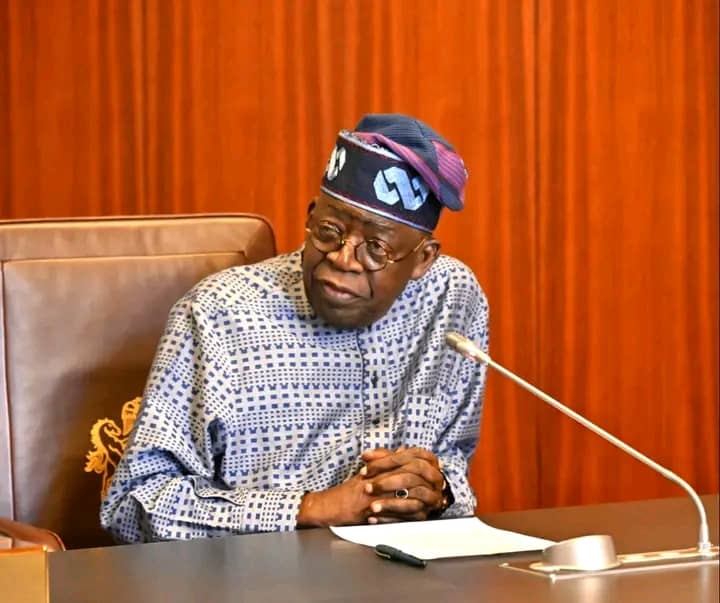
President Bola Tinubu has ordered an immediate suspension of the new cashless payment system at airport toll gates nationwide, citing widespread chaos that has caused numerous passengers to miss their flights.

The decision was announced on Wednesday by the Minister of Aviation and Aerospace Development, Festus Keyamo, following the Federal Executive Council meeting at the State House, Abuja.

Keyamo stated that the President intervened out of concern for the welfare of citizens, who have faced hours-long delays due to severe gridlock at the access roads to major airports.

“Mr. President was very concerned about the welfare of Nigerians and the fact that most Nigerians were losing their flights,” Keyamo told reporters. “So Mr. President, out of empathy, directed today that we suspend the present system because it creates a lot of gridlock, and Nigerians are suffering as a result of it.”

The cashless policy, implemented less than a week ago by the Federal Airports Authority of Nigeria (FAAN), was designed to eliminate corruption and optimize revenue collection after more than 50 years of cash transactions. It required motorists to use prepaid cards or electronic payments at toll gates.

However, the transition was plagued by bottlenecks, leading to massive traffic congestion—particularly at the Lagos and Abuja airport toll gates. Videos on social media showed queues stretching for kilometres, forcing travellers to depart for the airport hours earlier than usual.

While reaffirming the government’s commitment to a cashless system, Keyamo clarified that the President’s directive prioritises public convenience over the immediate elimination of cash.

“The major reason why Mr. President took this decision is to eliminate the present gridlock… not that the President is happy with the cash system,” the minister explained.

In the interim, a hybrid system will be implemented, allowing for both cash payments and the use of FAAN cards already purchased by motorists. The minister revealed that the government will now engage private sector participants to develop a more seamless electronic system that prevents future traffic disruptions.

“Mr. President said if we have to pay commission, we have to pay commission, but we’ll bring in private sector participants to help us devise a much more efficient payment system that will still eliminate cash at the gate,” Keyamo stated.

He added that the President has ordered a swift resolution and has directed the ministry to report back to him on the progress of a new, more efficient system.

El-Rufai declines ICPC questions, says he’ll speak only in court

By Uzair Adam

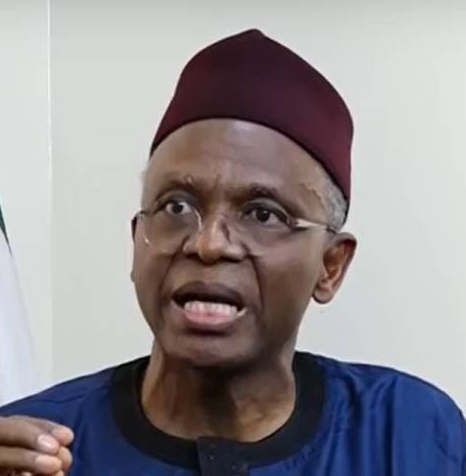
Former Kaduna State governor, Nasir El-Rufai, has explained his decision to remain silent during interrogation by the Independent Corrupt Practices Commission (ICPC), describing the investigation as politically motivated.

In written statements made under caution on February 19 and 20, 2026, while in ICPC custody and in the presence of his lawyer, Ubong E. Akpan, El-Rufai said his refusal to answer questions was deliberate and based on legal advice.

He maintained that he was exercising his constitutional right to silence and would only address any allegations before a competent court of law.

The former governor stated that after nearly two years of investigation, the anti-graft agency should present its findings before a judicial authority rather than seek further explanations from him.

He argued that only a judge could determine whether the probe amounted to political persecution.

El-Rufai, who served as governor of Kaduna State from 2015 to 2023, also outlined his educational and professional background in his initial statement, noting his studies at Ahmadu Bello University, as well as at Harvard University and the University of London.

He recounted his career in public service, including his roles as Director-General of the Bureau of Public Enterprises and Minister of the Federal Capital Territory.

The ICPC had secured a 14-day remand order from a Chief Magistrate Court in Bwari to detain him, with the order set to expire on March 5, 2026.

Should the agency fail to file charges before then, he may regain his freedom upon the lapse of the court-approved detention.

In a follow-up statement dated February 20, El-Rufai reaffirmed his stance, stressing that he would not respond to additional documents or questions outside the courtroom, again citing his constitutional rights.

The development adds a new dimension to the ongoing standoff between the former governor and the anti-corruption agency, as attention now turns to whether formal charges will be filed before the remand period expires.

JUST IN: US Secretary of War says Iran ‘tried to assassinate Donald Trump’

By Sabiu Abdullahi

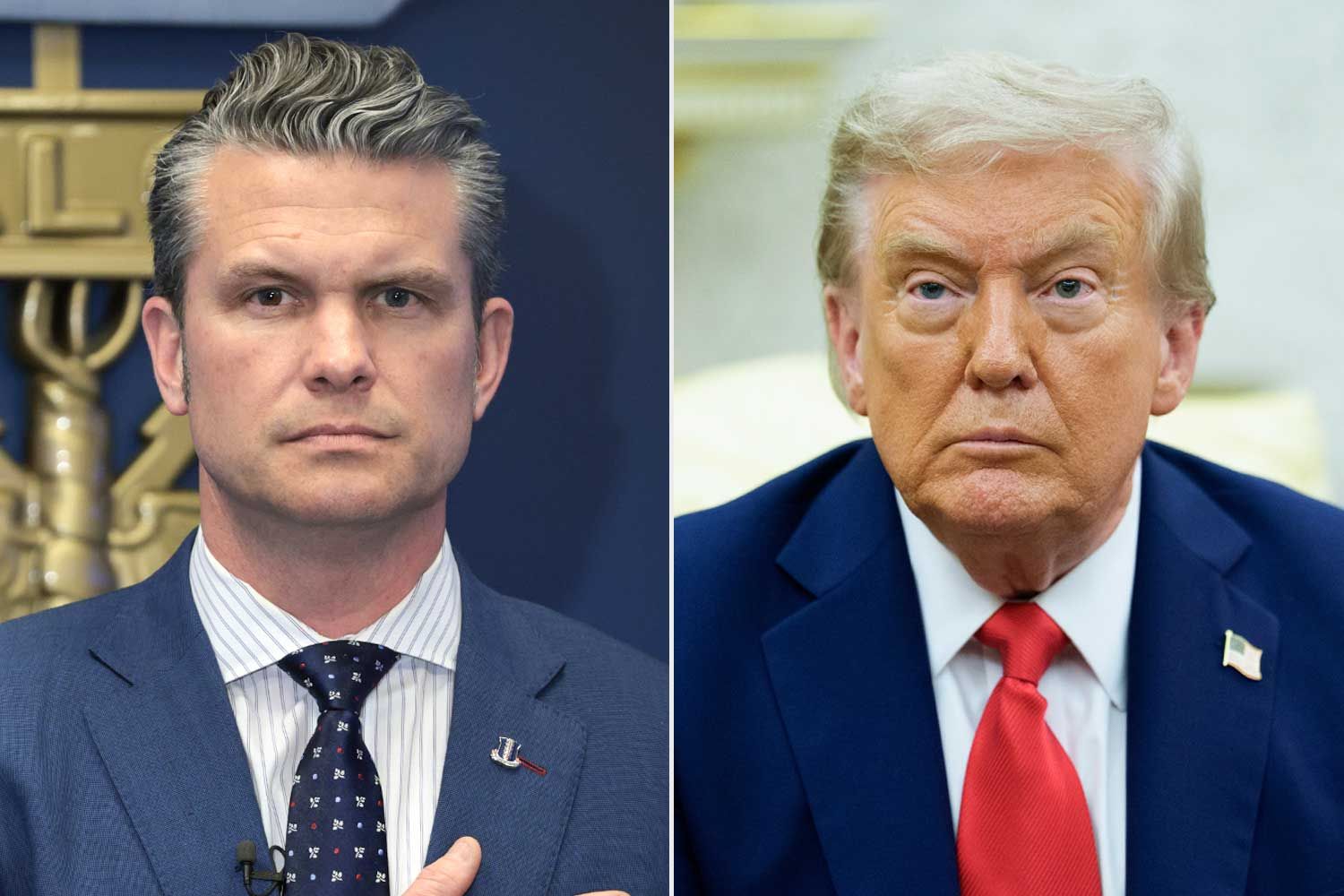
United States Secretary of War Pete Hegseth has alleged that Iran attempted to assassinate President Donald Trump, as he announced the killing of a senior figure linked to the plot.

Hegseth made the remarks during a press briefing at the Pentagon on Wednesday, where he provided updates on the ongoing conflict with Iran. He referred to recent interceptions of drones and rockets by American forces and praised the strength of the US military.

He said: ‘Yesterday, the leader of the unit who attempted to assassinate President Trump was hunted down and killed.

‘Iran tried to kill President Trump, and President Trump got the last laugh.’

The defence chief also vowed retaliation for American personnel killed in the fighting. He stated that the United States would ‘avenge’ the four servicemen and women who died in attacks involving Iranian drones and rockets.

Hegseth stressed that operations are still underway. He said the mission is not ‘accomplished’. He cited a recent naval action in which a US submarine sank an Iranian warship that, according to him, ‘thought it was safe in international waters’.

Hegseth added: ‘This was never meant to be a fair fight, and it’s not a fair fight… they’re going down.

‘More and larger waves are coming; we are just getting started.’

A Defence Department map displayed during the briefing outlined the first 100 hours of what has been named Operation EPIC FURY. The chart detailed a series of strikes across Iranian territory.

Meanwhile, Iranian authorities reported a rising death toll from the conflict. Iran’s Foundation of Martyrs and Veterans Affairs said at least 1,045 people have died so far. The agency explained that the figure reflects bodies identified and prepared for burial.

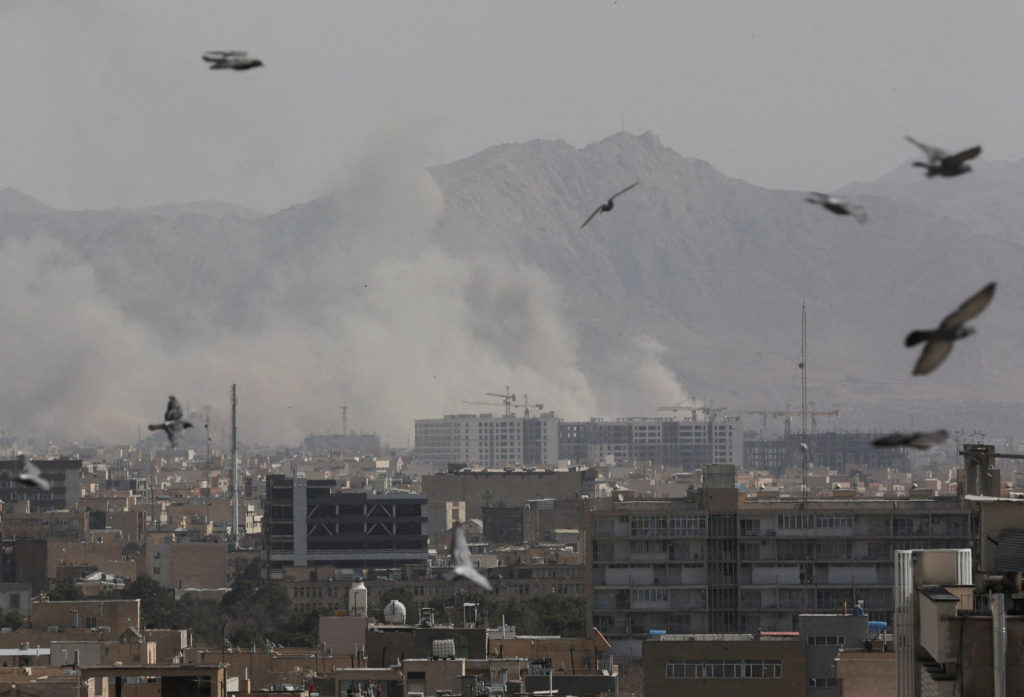
The fighting entered its fifth day with continued airstrikes by the United States and Israel on Tehran and other cities. Israeli forces targeted members of Iran’s leadership and security services. Iran responded with missile launches and drone attacks aimed at Israel and locations across the region.

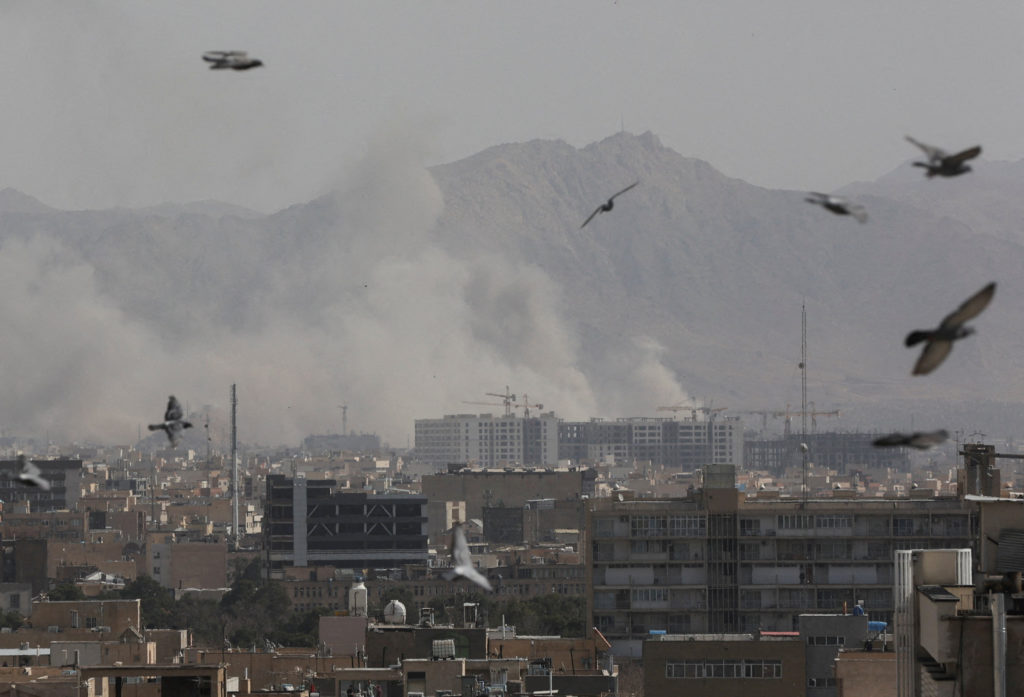
Residents in Tehran reported explosions at dawn. State television broadcast images of damaged buildings in central areas of the capital. The city of Qom and several other locations also came under attack.

The Israeli military said one of its F-35 fighter jets shot down a piloted Iranian Air Force YAK-130 aircraft over Tehran on Wednesday.

The conflict has intensified tensions across the Middle East, with both sides signalling that further military action may follow.

Trump’s strikes on Iran could cost U.S. economy up to $210bn, report warns

By Sabiu Abdullahi

A new economic assessment has indicated that the United States’ military action against Iran could impose a heavy financial burden on the American economy, with potential losses reaching as high as $210 billion.

Kent Smetters, a fiscal analyst and director of the Penn Wharton Budget Model, said the conflict has already unsettled trade flows, global energy markets, and fuel prices. He explained in an interview with Fortune that estimating the exact cost of the war remains difficult due to uncertainty surrounding its duration and scope.

According to his projections, the economic loss could stand at about $115 billion under current conditions. However, he noted that the figure could be as low as $50 billion or rise to $210 billion, depending on how events unfold.

“One problem I have with cost of war calculations is that they really do ignore the counterfactual,” he told the outlet. “If Iran really did get a nuclear weapon, then we might have spent a lot more on military and even repair of cities later on.”

President Donald Trump has acknowledged the possible strain on the economy. He has proposed measures aimed at stabilizing energy supplies, including government-backed insurance and naval escorts for oil tankers passing through strategic routes in the Gulf.

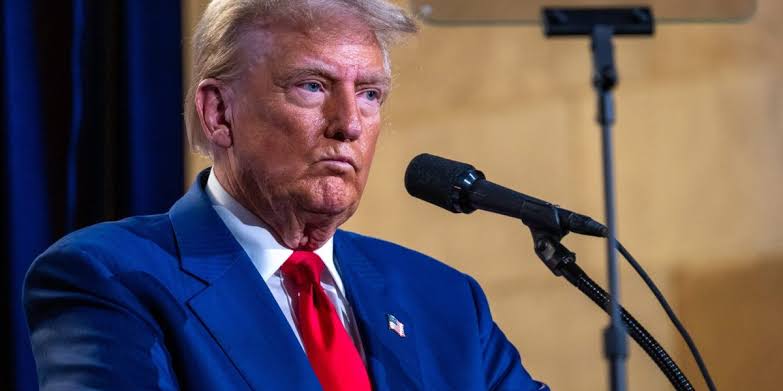
“If necessary, the United States Navy will begin escorting tankers through the Strait of Hormuz, as soon as possible,” President Donald Trump announced on Tuesday on Truth Social. “No matter what, the United States will ensure the FREE FLOW of ENERGY to the WORLD. The United States’ ECONOMIC and MILITARY MIGHT is the GREATEST ON EARTH.”

Speaking with reporters in Washington, the president admitted that oil prices could remain elevated “for a little while,” but expressed confidence that costs would eventually decline. He said once the conflict ends, “these prices are going to drop, I believe even lower than before.”

Energy markets have already reacted to the hostilities. By the end of trading on Tuesday, West Texas Intermediate crude rose by more than five percent. Data from the American Automobile Association also showed that the national average price for a gallon of gasoline increased by more than 10 cents.

Economic observers say the overall impact will depend largely on the length of the war and whether key shipping lanes remain secure.

“Markets are right now really under-pricing the tail risk of a sustained engagement and an operation that does not wrap up quickly, restore travel through the Strait of Hormuz and get everything back to de-escalation and normal in a timely manner,” former Biden economic adviser and chief of policy and advocacy at the Groundwork Collaborative, Alex Jacquez, told The Associated Press.

Beyond the broader economic effects, the military campaign itself may require substantial federal spending. Estimates suggest the operation could add about $65 billion in budgetary costs as U.S. air and naval forces mobilize across the region.

In a letter to Congress, President Trump stated that it is “not possible at this time to know” how long the mission, known as Operation Epic Fury, will continue.

“Although the United States desires a quick and enduring peace, it is not possible at this time to know the full scope and duration of military operations that may be necessary,” Trump wrote Monday.

He has earlier indicated that the bombing campaign could last “four to five weeks.”

US Embassy issues security alert over possible protests in Abuja

By Sabiu Abdullahi

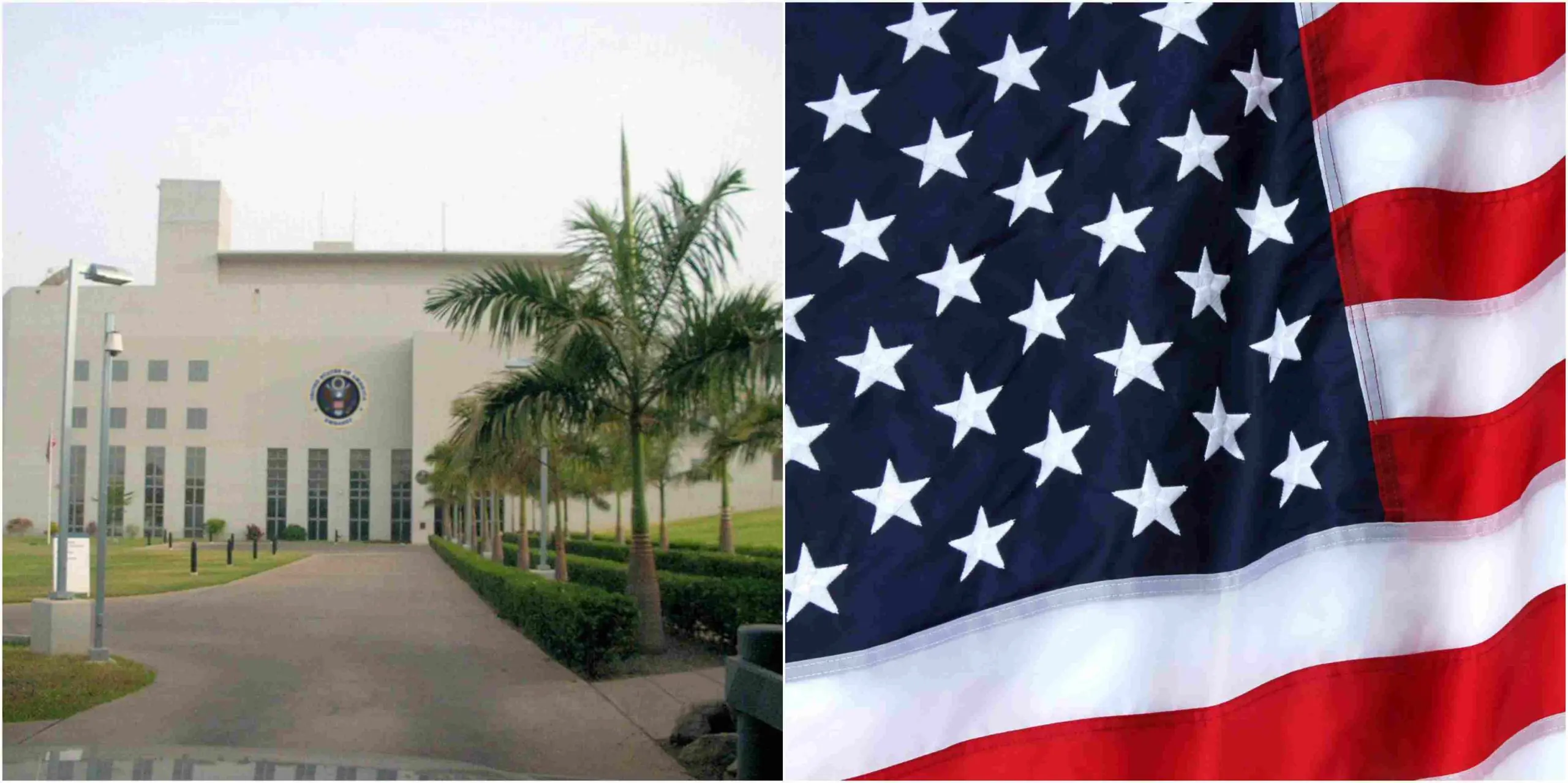
The United States Embassy in Nigeria has warned of possible protests in Abuja today, March 4, 2026, and advised American citizens to take precautionary measures.

The alert, which was posted on the Embassy’s official Facebook page, highlighted concerns about demonstrations in the Federal Capital Territory. The mission linked the development to the ongoing conflict between the United States and Iran.

“The U.S. Embassy in Abuja informs U.S. citizens that there is a high potential for protests in Abuja today, March 4, 2026, due to the current conflict with Iran.

Previous protests by some groups have resulted in violent clashes between the group and Nigerian security forces.

The Embassy strongly recommends that all U.S. citizens in Abuja remain in their residences on Wednesday, March 4.”

In its advisory, the Embassy outlined steps Americans should take to reduce risk. It urged citizens to avoid areas where protests may occur and to stay away from large crowds. It asked them to exercise caution if they find themselves near gatherings. The mission encouraged them to follow local media reports and stay conscious of their surroundings. It also advised them to keep a low profile and review personal security arrangements.

The alert further directed U.S. citizens to keep their mobile phones charged in case of emergency and to carry valid identification at all times. It warned them to remain vigilant in public places such as shopping centres, cinemas, and places of worship. The Embassy also asked individuals to take note of emergency exits whenever they enter buildings and to vary travel routes and times to reduce predictability.

Despite the warning, the Embassy confirmed that visa and other consular services remain operational.

“The Consular Sections of Embassy Abuja and Consulate General Lagos remain open. Please monitor our website for updates.”

For assistance, the Embassy provided contact details for its offices in Abuja and Lagos. The Abuja office is located at Plot 1075 Diplomatic Drive, Central District Area. It can be reached at +234 209 461 4328, while after-hours calls can be made to +234 209 461 4000 by pressing zero. Emails can be sent to AbujaACS@state.gov.

The U.S. Consulate General in Lagos is situated at 2 Walter Carrington Crescent, Victoria Island. It can be contacted at +234 201 460 3400 during and after business hours. Its email address is LagosACS@state.gov.

The State Department’s Consular Affairs office in Washington can also be reached at +1 888-407-4747 or +1 202-501-4444.

The Embassy encouraged Americans to enrol in the Smart Traveler Enrollment Program to receive security updates. It also asked the public to follow its official social media accounts for more information.