News

Islamic wisdom offers a timely antidote to Nigeria’s silent mental health crisis, experts assert at IIIT lecture

By Musa Kalim Gambo

The International Institute of Islamic Thought (IIIT), Central Nigeria Office, recently hosted a pivotal monthly lecture series on Sunday, June 1, 2025, shedding light on the escalating challenge of mental health and psychosocial issues in the modern world through an Islamic lens. The virtual event, titled “Navigating Mental Health and Psychosocial Challenges in the Modern World: An Islamic Perspective,” brought together eminent scholars and practitioners to underscore the urgency of addressing mental well-being, especially in a nation grappling with pervasive stressors and inadequate healthcare infrastructure.

The lecture commenced with welcoming remarks from Dr. Aliyu Tanko, the Coordinator of IIIT Central Nigeria Office, who highlighted the widespread nature of mental instability, noting the common sight of individuals speaking to themselves or acting unusually due to mental distress. Professor Ahmad Bello Dogarawa, a Zaria-based Islamic scholar who served as the chairman of the occasion, emphasised the timeliness and relevance of the topic, noting that the issue of mental health and psychosocial wellness gained critical attention during the COVID-19 lockdown, as families experienced increased troubles and stresses while confined to their homes. This realisation, he stated, underscored the necessity of continuous discourse on mental health and psychosocial support.

The first distinguished speaker, Professor Salisu Shehu, a Professor of Educational Psychology at Bayero University Kano and Executive Secretary of the Nigerian Educational Research and Development Council, delved into the conceptualisation of mental health. He noted that traditionally, mental illness was only recognised in its most severe forms, such as “actual madness and lunatic behaviour,” overlooking milder emotional instabilities like neurosis or withdrawal syndrome. However, with expanding knowledge, it’s now understood that mental illness encompasses a broad spectrum, including emotional disorders.

Professor Shehu highlighted the fluidity in defining “disorder” or “maladaptation” in the modern world, influenced by libertarian philosophies and concepts of freedom and inclusivity, citing the LGBT movement as an example where behaviours once considered abnormal are now termed “difference”. He countered that in the Islamic context, and conventionally, any behaviour “that deviates markedly from the accepted ‘norm’ or pattern can be considered as a disorder or abnormality”. He adopted the World Health Organization’s (WHO) 2022 definition of mental health as “a state of well-being in which the individual realizes his or her abilities, is able to cope with normal stresses of life, work productively and fruitfully, and make a positive contribution to his or her community”. He further explained that mental illness, according to WHO, is a “clinically significant disturbance in an individual’s emotional regulation, or behavior,” often associated with stress. He lamented the “irony of modernity,” where inventions designed for ease have, paradoxically, accentuated stress and psychosocial challenges, leading to increased mental illness due to factors like urbanization, overcrowding, and the erosion of social networking and extended family support.

Transitioning to the Islamic perspective, Professor Shehu articulated that mental health and sickness are “primarily subject to the absolute will of Allah,” rooted in the Tawhidi framework. He emphasised that Islam attaches “fundamental and central concern on maintaining and preserving mental well-being”. A profound demonstration of this concern is the unequivocal prohibition of intoxicants, as mental well-being is a prerequisite for fulfilling all Sharia obligations. He cited a Hadith affirming that “the pen (for record of sins) is suspended… against… the mentally ill until he regains sanity,” underscoring the vital importance of sound mental health in Islam.

The Quran, he noted, directly links stress and depression to emotional disorders, offering remedies such as belief in divine decree, patience, trust, and gratitude. Practices like Dhikr (remembrance of Allah) and Dua (supplication) are prescribed as potent coping mechanisms for sorrow and anxiety. Professor Shehu referenced Islamic scholars like Ibn al-Qayyim al-Jawziyya, who in “al-Tibb al-Nabawy (The Prophetic Medicine),” discussed the effects of stress (e.g., sleeplessness, grief, unfounded fears) on mental well-being and outlined over twenty Islamic coping techniques.

Following Professor Shehu, Professor Taiwo Lateef Sheikh, a distinguished Professor of Psychiatry at Ahmadu Bello University, Zaria, delivered a comprehensive presentation. He echoed the sentiment that mental health is a core protection in Islam, ranking third among the five necessities. He stressed the critical distinction between mental health symptoms and mental illness, noting that many experiencing distress can recover with community or spiritual support without necessarily needing clinical intervention.

Professor Sheikh painted a grim picture of mental health in Nigeria, describing it as “one of the most neglected areas of health in the world and even worse in Africa”. He presented sobering statistics:

  • Over one in five people in conflict-affected areas experience mental health conditions.
  • Nigeria allocates less than 5% of its health budget to mental health, with funds often going to standalone psychiatric hospitals rather than comprehensive care.
  • There is a severe shortage of mental health professionals, with fewer than one psychiatrist per 100,000 people in Nigeria, translating to a ratio of 1 to 1.5 million.
  • More than 85% of people with severe mental illness in low- and middle-income countries do not receive the care they require.
  • Around half of all mental health conditions start by age 14, and suicide is the second leading cause of death among youth aged 15-29 in Africa.

He explained that mental health encompasses emotional, psychological, and social well-being, influencing thought, feeling, action, relationships, and stress management. He introduced the “bio-psychosocial approach” to care, integrating biological (physical investigations, medications), psychological (counselling, psychotherapy), social (lifestyle adjustments, environmental factors), and religious/spiritual dimensions. He passionately argued for the crucial role of spirituality in mental health, stating it provides a “sense of purpose and meaning, social support, healthier behaviours, increased happiness, and enhanced coping mechanisms and resilience”.

Professor Sheikh also detailed Nigeria’s mental health governance, outlining policies from 1995 to 2023. He highlighted his pivotal role in developing the National Mental Health Act of 2021, a landmark legislation signed into law in December 2023. However, he lamented the significant institutional barrier: the Act remains largely unimplemented, and the Federal Ministry of Health has yet to establish a dedicated Department of Mental Health, the “first rate-determining step” for a budget line and governance structure. Other barriers include professional rivalry, lack of standardisation in religious healing approaches, and individual self-denial and stigma. To overcome these, he called for multi-sectoral and integrated approaches, involving collaborations across health, education, housing, and other sectors and fostering partnerships with faith-based organisations and community engagement.

The lecture concluded with interventions from other senior colleagues and attendees. Professor Nasiru Maiturare, Rector of the Hajj Institute of Nigeria, underscored the effectiveness of the Islamic framework by presenting statistics on suicide rates: Muslim-majority countries show remarkably lower rates compared to nations like South Korea, Japan, and Sweden. This, he asserted, is not a coincidence but attributable to Islam’s “comprehensive approach to mental health,” which anchors human life in faith, remembrance of Allah, patience, trust, and gratitude.

Participants urged for greater mass outreach, including radio and TV programs in local languages, to reach broader audiences beyond those who can log into virtual platforms. Given their large followership, there was a strong call to engage religious and traditional institutions for awareness and community-based support and to standardise spiritual healing approaches. Suggestions were also made to integrate mental health awareness into primary school curricula and to establish groups of young, enthusiastic individuals at the state level to disseminate this crucial knowledge.

The lecture served as a powerful reminder of the urgent need for a societal shift in addressing mental health, emphasising that Islam provides a robust, holistic, and spiritual foundation for mental well-being and resilience in the face of modern-day challenges.

Gambo writes from Funtua, Nigeria and is a member of the IIIT Central Nigeria Office Monthly Lecture Series Committee.

President Tinubu passes ECOWAS leadership to Sierra Leone’s Bio, stresses unity, growth

By Abdullahi Mukhtar Algasgaini

President Bola Tinubu officially handed over the chairmanship of the ECOWAS Authority of Heads of State and Government to Sierra Leone’s President Julius Maada Bio on Sunday, urging regional leaders to remain vigilant and united in fostering peace and prosperity.

The symbolic transfer took place at the closing of the 67th Ordinary Session of the ECOWAS Authority in Abuja.

Tinubu, who completed his two-term tenure, expressed confidence in the bloc’s future under Bio’s leadership, calling for deepened cooperation and inclusive growth.

“With continued collaboration, ECOWAS will achieve greater heights in peace, security, and prosperity for West Africa,” Tinubu stated.

He emphasized the need to balance economic integration with political stability, noting that democratic values must be upheld for sustainable development.

In his acceptance speech, President Bio outlined four priorities: restoring constitutional order, strengthening regional security, boosting economic integration, and enhancing ECOWAS’ institutional credibility.

He pledged to lead a “people-centred” ECOWAS, addressing challenges like terrorism, political instability, and youth demands for accountability.

Bio commended Tinubu’s leadership, vowing to build on his predecessor’s efforts in regional dialogue and peacebuilding.

Both leaders called for collective action to secure a stable and prosperous future for West Africa.

Group applauds massive turnout for Governor Yusuf’s welcome rally

By Uzair Adam 

The Kano State Governor, Abba Kabir Yusuf, witnessed a mammoth gathering on Thursday as thousands of supporters lined the streets to welcome him back from the Kingdom of Saudi Arabia, where he had gone for the Hajj pilgrimage.

The Daily Reality gathered that what is ordinarily a 30-minute drive from the Mallam Aminu Kano International Airport to the Kano State Government House took several hours due to the massive turnout of well-wishers who accompanied the governor’s convoy amid chants, music, and the waving of red caps — the symbol of the Kwankwasiyya Movement.

Commending the solidarity and support shown to the governor, the AKY Go Again Movement, in a statement on Sunday, expressed deep appreciation to the people of Kano, political and non-political groups, and government officials for their overwhelming participation in the reception rally.

The statement, signed by Hon. Ramadan Yusuf on behalf of the group, described the turnout as a clear demonstration of loyalty and love for Governor Abba Kabir Yusuf and a reaffirmation of the strength of the Kwankwasiyya Movement under the visionary leadership of Senator Rabiu Musa Kwankwaso.

“We organised this grand reception to show appreciation for the impactful and transformative leadership of Governor Yusuf, and to publicly declare our unwavering support for his continuity in office beyond 2027,” the statement read in part.

The group said Governor Yusuf’s people-first leadership style, dedication to restoring dignity in governance, and delivery of key developmental projects have set Kano on a path of progress and prosperity.

It added that the AKY Go Again Movement will continue to serve as a strategic platform to mobilise grassroots support, highlight the administration’s achievements, and promote the ideals of progressive leadership espoused by the Kwankwasiyya philosophy.

The statement listed key members steering the movement, including Alhaji Tijjani Hussain Gandu (SSA Mawallafa), Hon. Sadeeq Kote (Chairman), Hon. Abdullahi Sarki Fulani (SSA, Kano State Censorship Board), Hon. Abubakar Muhammad Inuwa (SSA on Reformatory Institutes), Hon. Sulaiman Mukhtar Bichi, Hon. Ramadan Yusuf (SSA on Media Monitoring and Innovation), Hon. Aminu Yanmedi, Hon. Yakubu Kubaraci, and Hon. Shamsu Kura.

The movement prayed for Allah’s continued guidance and protection for Governor Yusuf as he continues to serve the people of Kano State.

The killing of Zaria travellers: A wake-up call to our failing conscience

By Muhammad Umar Shehu 

I read with deep shock and sorrow about the gruesome murder of innocent travellers from Basawa in Zaria LGA of Kaduna State. It is heartbreaking and disturbing. 

What is happening to our society? When did we become so heartless that taking a human life no longer moves us? When did we start watching these tragedies unfold without reacting, without speaking, without demanding justice? This is not normal. We are clearly losing our sense of humanity and conscience.

The killing of these travellers is wicked, and it must be condemned in the strongest terms. No matter the excuse, mob action is mob action. Whether it happens in Plateau, Uromi, Kaduna, or anywhere else, it is lawlessness. It is cruel. And it has no place in any society that wants to grow, that wants peace, that wants justice. The moment we begin to justify the unjustifiable, we open the door to more bloodshed and deeper division.

The Federal Government, Plateau and Kaduna State Governments, security agencies, traditional rulers, religious leaders, and all other concerned stakeholders must rise to the occasion. This crime must not go unpunished. It is not enough to issue statements. Action must follow. Those behind this evil must be arrested, investigated properly, and brought to justice. That is the only way this act can serve as a warning to others. We cannot continue to act as if all is well when innocent lives are being wasted with no consequences.

It is painful to admit, but we have become a society where people record killings with their phones instead of stepping in to stop the madness. Where is our sense of community? Where is our compassion? The silence and indifference from many quarters are just as dangerous as the violence itself. We must speak up, we must act, and we must demand better from those who claim to lead and protect us.

The media, civil society, and the public must not let this incident be buried under the weight of the next trending story. These lives mattered, and these families deserve answers. We must keep the pressure on until justice is served. A society that fails to protect the innocent will one day be a danger to everyone, including those who look away.

May the Almighty Allah forgive the victims, grant them eternal peace, and give their families the strength to bear this painful loss. And may we, as a people, wake up before it is too late.

Muhammad Umar Shehu is a writer and social commentator from Gombe and can be reached via umarmuhammadshehu2@gmail.com.

SERAP urges president Tinubu to refer Benue violence to ICC for justice

By Anas Abbas

The Socio-Economic Rights and Accountability Project (SERAP) has urgently called on President Bola Tinubu to refer the ongoing violence and killings in Benue State to the International Criminal Court (ICC).

This action is deemed essential to ensure justice for victims and hold those responsible accountable for what SERAP describes as serious violations of international law.

In a statement released on Sunday, SERAP’s Deputy Director, Kolawole Oluwadare, emphasized that such a referral would demonstrate the President’s commitment to human rights and the rule of law.

SERAP urged the President to “quickly refer the situation in Benue State to the ICC, allowing the court to exercise its jurisdiction over the violence, unlawful killings, and other grave breaches of international humanitarian and human rights law occurring in the region.”

The organization also encouraged the President to consider extending this referral to encompass other areas in Nigeria experiencing similar violence and serious human rights violations.

They suggested that he could request the ICC prosecutor to broaden any current investigations regarding Nigeria to include these situations.

SERAP stated, “Referring the situation in Benue State to the ICC would align with your expressed commitment to ‘hunt down the perpetrators of the attacks and bring them to justice, deliver justice for victims, and restore peace in the state.’”

The organization stressed the urgent need for accountability for these violent acts, regardless of whether the perpetrators are state or non-state actors.

They warned that any hesitation to refer the situation to the ICC would only embolden those responsible for these attacks to act with impunity, as many have yet to face justice.

SERAP explained that referring the crisis in Benue to the ICC is a straightforward process for the Nigerian government.

They noted that Article 14 of the Rome Statute does not impose an evidentiary burden on Nigeria.

Any referral made by the government would obligate the ICC prosecutor to either initiate an investigation or assess whether there is sufficient basis for doing so.

The group pointed out that several African nations have successfully referred cases to the ICC in the past, encouraging Nigeria to follow suit.

They highlighted that countries like Gabon, Mali, Uganda, the Democratic Republic of the Congo, and the Central African Republic have previously made such referrals.

In a show of urgency, SERAP has set a one-week deadline for action, warning that if the Nigerian government fails to respond, other ICC member states may intervene.

They reminded President Tinubu that the ICC is fully empowered to investigate and prosecute crimes of this nature, stating, “The ICC has jurisdiction over those most responsible for international crimes, including war crimes, crimes against humanity, and genocide. The provisions of the Rome Statute allow your government to refer the situation in Benue to the court.”

Sanders ‘strongly’ condemns Trump’s attack on Iran, describes campaign as ‘grossly unconstitutional’

By Sabiu Abdullahi

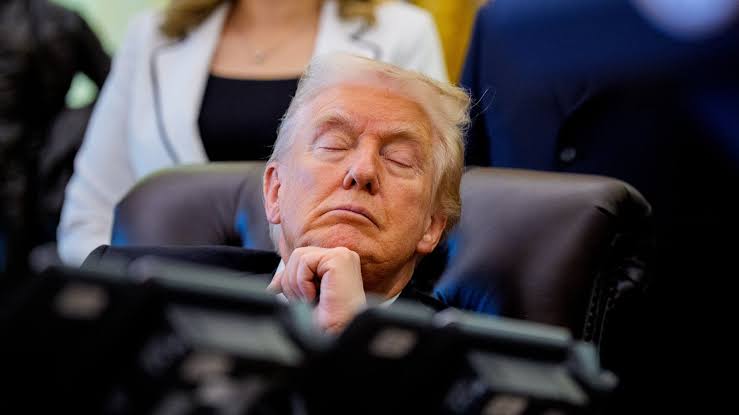
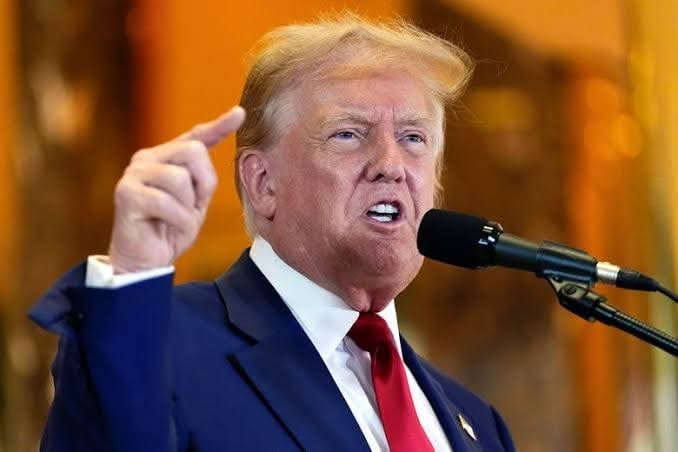
United States Senator Bernie Sanders has issued a strong rebuke of President Donald Trump’s recent decision to carry out air strikes on Iran’s nuclear facilities, describing the action as “grossly unconstitutional.”

Speaking at a public event shortly after the president announced the strikes via social media, Sanders firmly asserted that such a move bypassed legal processes.

“The only entity that can take this country to war is the US Congress. The president does not have the right,” he stated.

The strikes, which were launched without prior congressional authorization, have sparked a wave of criticism from lawmakers, foreign policy analysts, and rights advocates.

Many have expressed concern that the unilateral decision could escalate tensions and destabilize the already fragile Middle East region.

The operation has drawn praise from Israeli officials, but some analysts argue that the applause masks a deeper concern about the potential fallout.

Critics say the attack increases the risk of a broader conflict and undermines diplomatic efforts to address Iran’s nuclear programme through negotiation.

President Trump has defended the decision as a necessary step to deter Iran’s alleged nuclear ambitions, but calls for a more measured and constitutionally grounded approach continue to grow louder within the US political landscape.

Kaduna condemns killing of 12 citizens in Plateau, demands justice

By Abdullahi Mukhtar Algasgaini

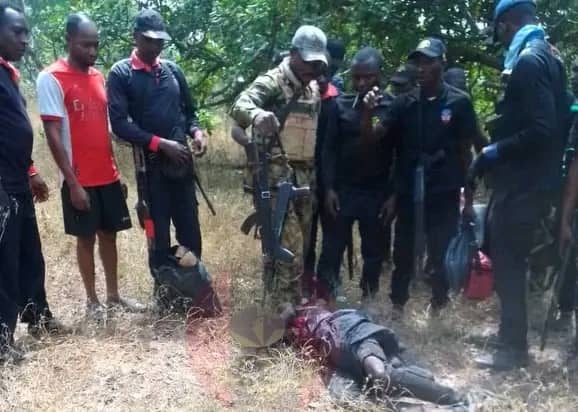
Kaduna State Government has expressed shock and condemnation over the killing of 12 of its citizens in Mangu Local Government Area of Plateau State.

The victims were reportedly attacked while traveling to Quan Pan LGA for a wedding ceremony. Eleven others sustained injuries in the incident.

In a strongly worded statement, the Kaduna State Government described the killings as “acts of savagery” and called on security agencies to hunt down the perpetrators.

“These criminals must be fished out and dealt with accordingly. There is no justification for such violence against innocent citizens,” the statement read.

The government urged Plateau State Governor, Barr. Caleb Mutfwang, to take decisive action by overseeing security operations until justice is served.

“We will follow up on investigations to ensure the murderers face the law. Impunity must no longer be tolerated,” the statement added.

While calling for calm among Kaduna residents, the government reassured citizens that efforts were underway to secure justice for the victims.

It also highlighted Kaduna’s progress in peacebuilding, expressing hope that Plateau State could overcome its security challenges. Condolences were extended to the families of the deceased, with assurances that the injured would receive proper medical care.

“We stand with the bereaved and will do everything to lessen their pain,” the statement concluded.

Authorities have yet to release further details on the attack as investigations continue.

US launches massive strike on Iran’s nuclear facility, sparking fears of regional war

By Uzair Adam

Flights across the Middle East have been disrupted, both incoming and outgoing, as regional tensions escalate and governments cite increased security concerns.

Air traffic was significantly affected as military activity intensified, following a dramatic overnight strike by the United States on Iran’s Fordow nuclear facility—a site long regarded as one of the most secure in the country.

While the U.S. Pentagon and the White House have withheld specific operational details, military leaders are expected to hold a press briefing later today.

Sources familiar with the assault, speaking anonymously, confirmed that U.S. B-2 stealth bombers deployed GBU-57 Massive Ordnance Penetrators—deep-earth bombs capable of burrowing 200 feet underground—on the Fordow enrichment site.

The bomb was used in combat for the first time in this mission.

In addition, U.S. Navy submarines reportedly launched around 30 Tomahawk cruise missiles, targeting critical infrastructure believed to support Iran’s nuclear program.

Despite its reputation as nearly impenetrable due to its mountainous location, the Fordow facility appears to have been successfully breached.

The coordinated operation came after a prolonged period of diplomatic stalemate, with President Trump citing failed negotiations as justification for the strike.

While U.S. intelligence assessments continue to assert that Iran is not currently pursuing a nuclear weapon, Trump—echoing Israeli concerns—argued that Iran retained the capability to quickly develop one, making inaction too risky.

His decision followed mounting pressure from Israeli officials and Republican lawmakers who urged a decisive military move amid reports that Israel had already damaged Iran’s air defenses, paving the way for U.S. bombers.

Israeli strikes in recent days reportedly targeted missile launchers and air-defense systems, weakening Iran’s retaliatory capabilities.

Observers note a reduction in the frequency and scale of Iran’s missile attacks, possibly due to depleted resources or strategic recalibration.

In a speech days before the American attack, Iran’s Supreme Leader Ayatollah Ali Khamenei warned that any strike on Iran would bring “irreparable damage” to the attackers.

On Saturday, reports indicated he named three potential successors in case of assassination—conspicuously omitting his son, Mojtaba Khamenei.

Iran’s Foreign Ministry had earlier warned that any American intervention would trigger a full-scale regional war.

That outcome now appears increasingly plausible.Iranian-backed Houthi rebels in Yemen have already threatened to resume attacks on American vessels in the Red Sea, ending a temporary pause agreed upon in May.

“If the U.S. joins Israel militarily, we will return to targeting American interests,” a Houthi spokesman said Friday.

U.N. Secretary-General António Guterres has voiced grave concern over the situation, warning that the conflict risks spiraling out of control, with potentially catastrophic consequences for civilians and global stability.

Trump’s direct military engagement marks a significant shift, seven years after he withdrew from the 2015 nuclear deal brokered under the Obama administration. Despite early promises to strike a new agreement, diplomatic progress remained elusive.

Now, the Trump administration has abandoned any remaining diplomatic overtures, opting instead for a strategy of force—demanding Iran dismantle its nuclear ambitions or face continued military pressure.

It is a high-stakes move that could either change the strategic landscape of the Middle East—or drag it further into chaos.

Gov. Yusuf pledges over N2b to rebuild, secure GSM market after inferno

By Uzair Adam

The Kano State Government is set to establish a dedicated management structure for the Farm Centre GSM Market to ensure transparency, efficiency, and long-term sustainability.

During a visit to the market, Governor Abba Kabir Yusuf called on traders and market users to cooperate with security agencies in addressing the growing incidents of phone snatching and petty crimes in the area.

The governor reiterated his administration’s commitment to youth empowerment, emphasizing that the state’s 26 vocational training institutes will continue to serve as platforms for skills development, job creation, and sustainable livelihoods.

In his welcome remarks, Comrade Jamilu Gama, Chairman of the GSM Market, expressed deep appreciation to the governor for the government’s swift intervention.

He noted that the prompt response brought hope and relief to traders affected by the recent fire outbreak.

Situated in the heart of Kano metropolis, the Farm Centre GSM Market spans 20 plazas and serves as a major hub for mobile phones, gadgets, and related services.

It provides direct employment to over 39,000 youth, making it one of the largest tech-related informal job markets in Northern Nigeria.

Stakeholders have described Governor Yusuf’s visit and the state’s support as a bold and strategic move to promote economic recovery, enhance infrastructure, and ensure greater youth inclusion.

Explosion kills five, injures 10 in Kano as police launch investigation

By Uzair Adam

A powerful explosion rocked a company located along the Eastern Bypass in Kano on Saturday morning, leaving five people dead and injuring 10 others.

The blast was reportedly triggered by a military mortar bomb suspected to be among items transported on a truck carrying carbine.

Kano State Commissioner of Police, CP Ibrahim Adamu Bakori, confirmed the incident, stating that investigations are ongoing to determine the exact cause and ownership of the explosive materials.

He disclosed that the vehicle involved came from Yobe State, though further details remain unclear.

“Preliminary findings suggest the explosive material was being transported by a trailer coming from Yobe, but it remains unclear whether the vehicle was carrying military personnel or civilians,” he said.

Bakori added that security agencies were still trying to confirm the exact cause of the explosion and whether the vehicle belonged to the military or private individuals.

He urged the public to remain calm as security operatives continue their investigation.

“The facts will be clearer once the investigation is completed,” he noted.

The injured victims were taken to Aminu Kano Teaching Hospital (AKTH), where five were confirmed dead, and 10 others are currently receiving treatment.

The Commissioner said it was still unknown whether any security personnel were among the casualties but assured that the police would conduct a thorough probe into the matter.

“The police are working to identify the cause of the explosion and determine the extent of the damage,” he said, promising to provide further updates as the investigation progresses.