Lifestyle

You can add some category description here.

Climate Change: Flood washes away farms, destructs lives, properties in Jigawa

By Aisar Fagge

The heavy downpour has wreaked havoc in Jigawa communities, leading to the destruction of many houses, shops and prosperities worth millions of naira in the areas.

The rain that started Monday night, 1st August 2022, lasted for hours and had claimed the lives of yet to be identified a number of people, especially small kids.

The Daily Reality gathered that the communities affected included; Hadejia, Kafin Hausa, Kiri-Kasamma and some parts of Garun-Gabas, Tandanu and Bulangu of Jigawa state, respectively.

Our reporter gathered that the flood has also washed away many farms in the communities, and the development that the residents decried has struck terror in them.

Climate change that leads to flooding is one of the serious challenges rocking many countries, which affects people’s lives and health in various ways.

Victims of flooding

In another similar situation, a morning downpour in Bajoga town of Funakaye Local Government Area of Gombe State had claimed the lives of people and destructed houses and shops in the community.

Climate change: More floods in Nigeria

Experts have foresighted that there would be more floods in Nigeria in the next two months because of climate change.

The Director General/Chief Executive Officer of the Nigerian Meteorological Agency (NiMet), Prof Mansur Bako Matazu, has warned Nigerians to brace up for more rains in the next two months.

Mu’azu disclosed this on Channels Television’s Sunrise Daily programme on Monday, August 2nd, 2022, while speaking on flooding wreaking havoc across Nigeria in recent weeks.

However, Mu’azu also lamented that Nigerians keep cutting down trees and dumping refuses in drainage channels.

He added that the NiMeT CEO organisation had issued several advisories about flooding earlier, to which Nigerians failed to adhere.

In his words, Matazu said: “There will be increased rainfall intensity in the next two months or so. This is the most active period – July, August and September. We are going to see more floods.”

NEMA: 233 LGs in 32 states prone to flooding

No fewer than 233 local government areas in 32 states and the Federal Capital Territory have been predicted to experience flooding in 2022.

Flooded street

The Director-General, National Emergency Management Agency, Mr Mustapha Ahmed, raised the alarm Tuesday in Abuja.

Ahmed, who said the discovery was a result of the 2022 Seasonal Climate Prediction, stated, “Efforts must be made to mitigate and respond effectively to flooding.”

17-year-old girl hangs self in Kano

By Muhammad Aminu

A 17-year-old girl, simply identified as Safiya from Garin Dau village in Warawa Local Government Area of Kano State, has been found lifelessly hanged.

Residents of the village who spoke to BBC Hausa Service said they were shocked by the incident because the late teenage girl was a calm and responsible girl.

According to some villagers, the girl might have killed herself because of the forced marriage her parents planned to do for her.

However, the parents and other sources in the family countered the allegation, adding that she was not through with her secondary education yet not to talk of marrying her off.

Kano State Police Command confirmed that the young lady had been found dead, but an investigation has commenced to ascertain why she hanged herself.

Police Public Relations Officer, SP Abdullahi Kiyawa, added that it is the investigation that they can confirm whether she committed suicide by hanging herself or not.

Late Safiya was a class 2 junior secondary school student before her sudden death.

On the need to amend NDLEA Act and criminalize some OTC drugs

By Ibrahim Ahmad Kala, LL.M

“NDLEA seizes 48,000 Tramadol tabs, 22 UK, France, Portugal passports” – Punch, January, Monday 31st, 2022;

“NDLEA arrests Indian businessman for ‘smuggling 134,700 bottles of codeine”- The Cable of February 13, 2022;

“NDLEA Nabs Suspected Drug Baron Behind N3bn Tramadol Linked To Abba Kyari’s Team” – Channel news, Monday, April 25, 2022.

“NDLEA seizes 1.1 tonnes of Tramadol, 396 kg of codeine syrup in Kaduna” – NewsDirect -April 28, 20220;

“NDLEA uncovers N22bn worth of Tramadol after arrest of Abba Kyari’s accomplice” – Daily Nigeria May 3, 2022; and

“NDLEA Seizes 34,950 Tramadol, Diazepam Capsules Enroute To Boko Haram” – Daily trust, Saturday 5th June, 2021.

The above are some of the recent striking headlines that often hit the news stands in both the online and mainstream media in respect of the Federal Government effort to arrest the rampant abuse of what are termed as “controlled” or “restricted” over-the- Counter (OTC) drugs in the country.

According to Wikipedia, OTC drugs are medicines sold directly to a consumer without a requirement for a prescription from a healthcare professional, as opposed to prescription drugs, which may be supplied only to consumers possessing a valid prescription.

Such OTC drugs include Codeine, Tramadol, Diazepam and all other Analgesics within their genre. The 2020 Nigeria Essential Medicines List, 7th Edition issued by the Hon. Minister of Health, Dr. Ehanire Osagie, restricts the usage of such Narcotic analgesics.

Their restrictions is no doubt connected with their common abuse nowadays in various ways that range from abortion ro sexual enhancement, from halluscination to crimes aiding tranquilizers.

It is therefore, evident that these OTC drugs have outlived their usefulness because of the growing number of Nigerians involved in the production, distribution, its use and abuse, and its consequencal effects such as increase in the likelihood of violent behavior and crime, stroke, mental disorder and brain damage.

However, the drugs control laws and policy have not produced the desired result of curbing the production, trafficking and abuse of these dangerous drugs and substances. To be specific, all these OTC drugs which are mostly Narcotic analgesics being usually prescribed by medical officers for the treatment of mild and severe pain to patients across the country, but now abused by unscrupulous few in the society, have not been clearly proscribed, criminalized, banned, and or outlawed.

The Minister, via his administrative fiat or directive, merely restrict and controlled its sale and usage. The ineffectiveness of the country’s drug laws and policy may be attributed to several factors one of which is that the drug policy and laws are formulated and implemented without the benefit of rigorous knowledge, research and review on them, and their effective enforcement.

For instance, the highbrow grains of Section 19 of the NDLEA Act, Cap. N30, LFN, 2004 – the principal drugs legislation where most drugs charges in courts basically drive its validity and vitality provides as follows: “Any person who, without lawful authority, knowingly possesses the drugs popularly known as cocaine, LSD, heroine or any other similar drugs shall be guilty of an offence under this Act and liable on conviction to be sentenced to imprisonment for a term not less than fifteen years and not exceeding 25 year”.

This section, as faulty and inadequate as it is, has been X-rayed by Nigerian Courts in plethora of cases, exposing the futile attempt by the NDLEA to bring within its fold, such Narcotic analgesics in the category of Tramadol, Diazepam and Codeine that do not fall within the category of negative drugs popularly known as cocaine, LSD, heroine within the ejesdem rule of “or any other similar drugs” stated in section 19 of the NDLEA Act.

This indeed, serves as escape route for drugs cartels to go unpunished in the aftermath of their trial in such drugs related cases. That is why whenever I see these headlines that a person is arrested in possession of these so called “controlled” or “restricted” drugs, I shrug in disapproval, having known very well that such person(s) would never be found guilty of what has never been criminalized in the country.

That section 19 of the Act seems to have created micro elements of the drugs offence, apart from the basic criminal elements of actus reus and mens rea. Namely: i. being knowingly in possession; ii. Without lawful authority; and iii. The drug being confirmed a prohibited or controlled drug. See Ugochukwu v. FRN (2016) LPELR – 40785 (CA).

These micro essential elements of the offence were later held in Eze v. FRN (2018) LPELR – 46112 (CA) to be four, namely; 1. The Defendant was found in possession; 2. The Defendant possess the drugs without lawful authority; 3. The Defendant has the knowledge of the substance in possession to be drugs; and 4. The drugs are proved to be cocaine, LSD, heroin or any similar drugs. See also Ugwanyi V. FRN (2013) All FWLR (Pt. 662) 1655 @ p. 1664.

However, such bifurcation of the ingredients from 3 to 4 is understandably for more elaboration, which does not wear away the substance and efficacy of the section under the Act. These ingredients have to be proved conjunctively to sustain a charge against the Defendant under the Act.

The one that is vital to my point among these micro elements, is “the drug being confirmed a prohibited or controlled drug” or “the drugs are proved to be cocaine, LSD, heroin or any similar drugs.”

This particular element embedded in section 19 of the Act was espoused in the case of Emeka Eze v. FRN (supra). Here the Appellant had made his way to Jimeta Modern Market to collect a consignment of goods comprising of 4 cartons of Tramadol. In the process of evacuating the goods, he was confronted by the officers of NDLEA, who, acting on information, arrested him and seized the cartons.

He was later charged under section 19 of NDLEA Act, but he argued that Tramadol has not been criminalized in Nigeria. While agreeing with the Appellant, the court held that Tramadol does not fall within the ejusdim genre classes of “any other similar drugs” negative to the ones such as cocaine, heroine and LSD listed under section 19 of the NDLEA Act, and the fact that it’s been abused by unscrupulous few people in the society does make its possession and usage illegal.

A drug being merely controlled or restricted without more is not illegal. Consequently, the Appellant was discharged and acquitted.

All I am saying is that category of narcotic analgesics such as Tramadol, Diazepam and Codeine that bring more harm than relief to our youths should be specifically banned and criminalized in the country having outlived their usefulness. New alternatives may be offered that have little or no narcotic effects on the health and well-being of the citizens.

Indeed, the essence of this piece is to celebrate the International Day against Drug Abuse and Illicit Trafficking, or World Drug Day, though belated, which was marked on 26th June every year, to strengthen action and cooperation in achieving the goal of a world free of drug abuse.

Ibrahim Ahmad Kala, LL.M can be reached via Ibrokalaesq@gmail.com

Pieces of advice on maternal mortality


By Abdurrazak Muktar Makarfi

Maternal mortality is one of the devastating and heartbroken issues, especially in Africa, where we have many unqualified and fake health personnel, which leads to such menace. In the community where I belong, we don’t value ante-natal. Many think it is not that important; some consider it a waste of time, resources and energy.

Most times, lack of awareness to some people is negligence and ignorance to many. I once heard someone saying, how could I allow my wife to deliver in hospital while she’s fit and healthy? I don’t blame him even once because our health personnel’s attitude discourages many people from going to the hospital for ante-natal.

The attitude of health personnel in the hospital is absurd. I sometimes feel like absconding whenever I hear a nurse screaming and yelling at pregnant women; some even raise their hands to beat them! This happens at the time of delivery, which makes it more unfortunate.

Government, religious leaders, community elders and traditional rulers advocate that daughters must be educated, especially in the health sector, where we are lacking. However, to my dismay, when they are, they turn black eyes and become arrogant by yelling at women to show they are superior. Some of those they shout at are old enough to be their grandmothers. What a shock!

On the other hand, research has shown that 99% of maternal deaths occur in developing countries, but why? It may be because of the complications that occur during pregnancy and childbirth. Most of the complications can be managed, but the woman may end up dying due to a lack of skilful health personnel.

Furthermore, most maternal deaths are caused by the following: Severe-bleeding (mostly bleeding after childbirth), which can kill a healthy woman within hours if left unattended. Injecting oxytocin immediately after childbirth effectively reduces the risk of bleeding.

Infection after childbirth can be eliminated if good hygiene is practised and early signs of infection are recognised and treated promptly.

Pre-eclampsia should be detected and appropriately managed before the onset of convulsions (eclampsia)and other life-threatening complications. Administering drugs such as magnesium sulphate can prevent pregnant women from developing eclampsia.

Poverty-stricken women living in remote and slum areas are least unlikely to receive adequate health care; this is likely my region where we have a low number of skilled health workers.

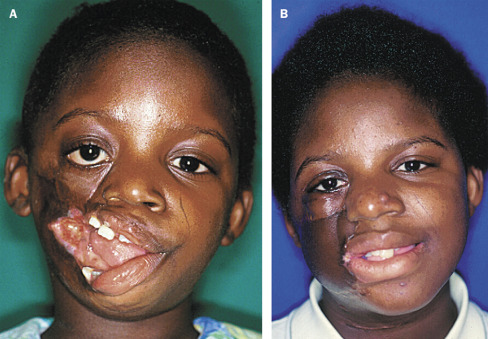
Cultural practices: These are the things like local surgeries (episiotomy called “yankan gishiri” in Hausa) done by traditional birth attendants without or with inadequate knowledge about the birth canal. They remove the vulva and vaginal, causing damage to some tissues resulting in fistula formation and easily causing infection, which may lead to maternal mortality.

I hope my people will heed some of the things I mentioned as the direct or indirect causes of maternal mortality, i.e. death of a woman while pregnant or within forty-two (42) days after delivery.

Abdurrazak Muktar Makarfi wrote via prof4true1@gmail.com.

Do spouses complete or complement each other?

By Aisha Musa Auyo

There’s this widespread belief that going into marriage makes one complete. It’s one area that most couples have gotten wrong. We can probably blame our movies and fairytales for most of it. But, perhaps, it’s a mere misappropriation of the word ‘complete’ in relation to marriage.

It makes a great storyline that someone can come into your life and complete you. The problem is that you are already a complete person, created by Allaah with or without someone else in your life.

If you have perceived lacks and weaknesses, you need to seek Allaah, your Creator alone, to help you fill those spaces, not another person. As long as you feel you must have another human to complete you, you are a danger to them and yourself.

No one within themselves can fill you with everything you need. You will drain your spouse with unrealistic expectations, and when you finally discover that they cannot provide all that you need, you will become dissatisfied and frustrated. You will begin to think that you may have made a mistake picking your spouse, which could tear you two apart.

Now, suppose you begin to put your spouse in proper perspective, realizing that Allaah allowed you two to come together and complement one another with each other’s unique characteristics and strengths. In that case, you can then learn to appreciate your spouse without draining them.

Learning how to lighten the relationship with each other’s talents and abilities enhances and improves your lives together. This is not always the most straightforward key to understand and embrace, but as you figure it out, it will allow much of the tension in your home to drain away.

Aisha Musa Auyo is a Doctorate researcher in Educational Psychology, a mother of three, a Home Maker, caterer and parenting/ relationship coach.

We are aware of strange disease in Delta school – NCDC

By Ahmad Deedat Zakari

The Nigeria Centre for Disease Control (NCDC) said that they are aware of the strange illness that ravaged a secondary school in Delta State.

NCDC broke its long overdue silence in a Facebook post on Saturday, July 23, 2022.

The center said :”The NCDC is aware of an unknown illness reported among secondary school children in Delta State.

“We are in touch with the Federal Ministry of Education, Nigeria, Federal Ministry of Health Nigeria and Delta State Ministry of Health to investigate and respond accordingly.

We will communicate with Nigerians as the situation evolves.”

Ten students of the econdary school in were reportedly hospitalized over a seizure-like illness. One of the affected students has been reported dead since then.

The affected school has been shutdown indefinitely.

Kano records 7 rape cases in June – CITAD

By Muhammad Aminu

No fewer than seven cases of rape were reported with some involving minor in various parts of Kano State in the month of June alone.

This was revealed by the Gender-based Violence (GBV) monitoring team of the Center for Information Technology and Development (CITAD) during a press briefing on Thursday, 21st July, 2022 in Kano.

CITAD’s GBV project manager, Zainab Adamu said there are reported cases of various Gender-Based Violence on the increase in the State.

She said online harrassment, sexual abuse and harrassment have significantly increased in June when compared with reported cases in May.

“Rape cases were 7, Online Harassment 22, Sexual Blackmail 8, Sexual Harassment60, Sexual Abuse39, Wife Battering 3 while School Violence1, she noted.

She stated that the data collected for the month of June showed “In comparison with the data obtained in previous months, GBV cases are still on the increase. 140 cases were reported via our GBV App for the month.”

According to her, CITAD’s GBV App and Sustained awareness creation have increased people’s reporting of the GBV hence the need to have perpetrators brought to justice.

“The GBV Offenders database which the government adopted recently will go a long way in curbing the menace as offenders will rather desist from the act than to be publicly shamed.

“As much as we continue to monitor and report, we will like to appeal to parents, relatives and others to always report cases to the various agencies handling GBV cases. Keeping silent will not protect the victims who suffer. It encourages the perpetrators to take this silence as a stamp of acceptability, she added.

She reiterated CITAD’s call to Kano State Government to create Special court for GBV related cases and monitoring units in schools to help check GBV in schools to enable students particularly female students to be protected from abuse.

She appealed to all other stakeholders and the general public to lend their support and cooperation to combat Gender-Based violence both physically and virtually.

Zoonotic diseases kill 2 million people annually – Expert

By Aisar Fagge

Over 2 million people die every year across the globe as a result of zoonotic diseases that people get from food, water and mostly from their contacts with animals such as dogs, cats, cows and the meat they eat.

Dr Muhammad Adamu Abbas, Head of Department, Medical Microbiology and Parasitology, Bayero University, Kano stated this during a monthly seminar organized by the Community Health Organization (CHR) in collaboration with Youth Society for the Prevention of Infectious Disease and Social Vices (YOSPIS), held on Wednesday, 20th July, 2022 at CHR’s conference room, Kano.

The aim of the seminar which was sponsored by Dr Aminu Magashi, the Coordinator of Africa Health Budget Network (AHBN) is bring members of the academia, Civil Society Organizations, Non-governmental organizations and media practitioners to interact and proffer solutions to lingering problems around health, population and youth matters.

In his paper titled: Zoonotic Diseases: What are they & their effect on Health and Socio-economic Development,” Dr Abbas said zoonosis is an infectious disease that jumps from animals to humans in the form of virus, fungus, bacteria, parasite or from human environment. Deadly diseases such as Covid-19, Ebola, SARS, Anthrax, bird flu, Lassa fever are all zoonoses family.

Touching infected animals, mosquito bite, eating contaminated food, eggs or meat, polluted air or kissing sick pets such as dogs and cats are all means of transmission.

“Pregnant women, children of 5 years old or younger, people with weakened immune system and people who have regular contacts with animals have high risk of zoonotic diseases.”

According to the speaker, “Of every 4 emerging and re-emerging diseases, 3 are zoonoses while 60% of zoonoses are from animals – wild and pets. Similarly, 80% of bio-terrorism agents are pathogens of animal origin.”

Dr Abbas affirms that zoonoses force more danger to poor and vulnerable societies in Africa and Asia. But unfortunately poverty, poor health system and facilities worsen the situation.

In Nigeria, majority of the people are farmers. They have regular contacts with their animals. “North [for example] is the major supplier of meat to other parts of the country. In those days, there were people who check the health of an animal before and after it was slaughtered in order to protect people [from zoonotic diseases]. But nowadays because of too many slaughter houses and butchers, many animals are being eaten unchecked,” he lamented.

In order to tackle zoonotic diseases in countries like Nigeria, the speaker said, “educating the people and mass awareness, poverty reduction, collaboration between health workers and early detection of these diseases are of paramount importance”.

Many questions were asked by the participants and some of the ways to go forward is to sensitize people about the importance of hygiene and take the campaign to the slaughter houses, farmers and hunters.

Antimicrobial resistance, the quiet pandemic

By Aminu Shehu Karaye

You wake up at midnight with a running stomach, all sweating and with a terrible headache. You surrendered that it was typhoid and, of course, opened the first aid shelf and brought out some drugs to take. It was amoxicillin for typhoid and tetracycline for the running stomach. But you remembered that every Nigerian has got some malaria, so you brought out the artemether and took it also. However, are you aware of antimicrobic resistance?

Even among the literate, only a few understand the effects and dangers posed by antibiotic resistance. Especially in Nigeria, where awareness is low, the magnitude of antibiotic resistance is expected to increase considerably over the coming years due to excessive use of antibiotics and other practices that are said to trigger antimicrobial resistance.

Antimicrobial resistance (AMR) is a general term used to describe the ability of microorganisms, including those that cause diseases (pathogens), to resist the effects of drugs that were once used to kill them or slow their activities. AMR is a worldwide concern and should be taken with all seriousness. The UN ad hoc interagency coordinating group on antimicrobial resistance warns that if action is not taken, drug-resistant diseases could cause 10 million deaths annually by 2050 and damage the economy, similar to the 2008-2009 global financial crisis.

Also, by 2030, AMR could force up to 24 million people into extreme poverty. The World Health Organization identified misuse and overuse of antimicrobials; lack of access to clean water, sanitation and hygiene (WASH) for both humans and animals; low-grade infection and disease prevention and control in healthcare facilities and farms; lack of access to quality, affordable medicines, vaccines, and diagnosis; lack of awareness and knowledge and lack of enforcement of legislation as the major drivers of AMR (WHO, 2021).

In Nigeria, people get antibiotics over the counter without a prescription from the appropriate specialist. An individual would take an antibiotic when he has a running stomach or even a mild headache. The misuse of antibiotics is one of the biggest causes of antibiotic resistance.

Antibiotic-resistant bacteria can also be transferred from animals to humans and vice-versa. Poultry is one of the leading industries that harbours these resistant bacteria. Due to our everyday association with poultry animals, we will likely get these bacteria into our bodies. Many other ways exist in which AMR can be established. However, it is our responsibility to curb this menace as we are the ones in danger!

Curbing the menace of AMR is everyone’s business. No matter how careful you are with antibiotics, you might buy and consume a chicken grown with antibiotics as a growth promoter, which will surely trigger resistance. Therefore, from farmers to healthcare workers to everyone else, we must all play our parts to control antimicrobial resistance.

In Nigeria, there is a need for appropriate bodies and the government to educate the masses and warn them about the dangers of antibiotic misuse. The government should also ban selling antibiotics over the counter, without doctors’ prescription, and see that previous restrictions on antibiotics are implemented.

No action today, no cure tomorrow!

Aminu Shehu Karaye wrote this article via aminushehukaraye@gmail.com.

Gender-based Violence: Culture, society and psychology

By Hassan Idris

In discussing sexual and gender-based violence, it is of utmost importance to distinguish between sex and gender. Sex is the biological predisposition of being a male or female, while gender refers to a social construction which is socially created. It’s sexual and gender-based violence because it’s violence against the sexual predisposition of somebody, accompanied by social and cultural norms against one’s gender. Sexual and gender-based violence can be violence against men by men, men by women, women by men or women by women. But I’ll be more concerned with violence against women by men. 

Culture and Gender-Based Violence

The role culture plays in sexual and gender-based violence is perilous because most sexual and gender-based violence cases revolve around social and cultural norms that are culturally made by society. Social norms are contextually and socially derived uncontested intentions of ethical behaviours. Sexual and gender-based violence persists as one of the extensively prevalent and ongoing issues confronting women and girls globally.

Disputes and other humanitarian emergencies spot women and girls at heightened risk of numerous forms of sexual and gender-based violence. The Inter-Agency Standing Committee (IASC) 2015 Guidelines for Integrating Sexual and Gender-based Violence Interventions in Humanitarian Action defines sexual and gender-based violence as “any fatal act that is perpetrated against a person’s will, and that is based on socially ascribed (i.e., gender) differences between females and males. 

What Makes up Gender-Based Violence?

Gender-based violence comprises conduct that imposes physical, sexual or mental harm or hardship, perils of such acts, intimidation and other deprivations of freedom. These destructive acts can transpire in public and in private. Toxic social norms that strengthen sexual and gender-based violence include women’s sexual virtue, conserving family respect over women’s safety, and men’s sovereignty to discipline women and children.

It’s paramount for us to know that women are at enormous risk of sexual and gender-based violence. We have seen circumstances where women are endangered by parental violence and violence during adolescence, and survivors always report adverse effects on physical, mental and reproductive health. Yet, often time hostile health and social effects imposed on women are never dealt with because often women do not divulge sexual and gender-based violence to providers or key health care or other services (e.g., safety, legal, traditional authorities) because of social norms that accuse the woman for the onslaught. 

Personal Experience with Gender-Based Violence

I can recall a friend’s elder brother who molested and beat his wife mercilessly because she served his mother food with her left hand. To him, it’s against his culture, and he had to beat his wife till she was hospitalised. Another man beat his wife because she cooked food for him while she was on her menstrual period, which he claimed went against his culture and traditional norms. There are many cases where women are badly hit because of their biological predispositions and cultural norms that give men more power.

Social and Psychological Impacts of Gender-Based Violence.

Sexual and gender-based violence have caused a lot of physiological, psychological and sociological injuries to numerous women. All indicate and enhance inequities between men and women and jeopardise victims’ health, self-respect, protection and freedom. Moreover, it incorporates various human rights infringements, including sexual exploitation of teenagers, rape, home cruelty, sexual battering and harassment, trafficking of women and girls and multiple other dangerous traditional practices.

Any one of these abuses can leave deep mental wounds; ravage the well-being of women and girls in a widespread manner, encompassing their reproductive and sexual health, and in some specimens, results in death. 

It is a Human Rights Violation

Violence against women is the most vastly yet subtlest renowned human rights intimidation in the world. It is an exhibition of historically unequal hegemony approaches between men and women, which have directed to dominance over and unfairness against women by men and to the impediment of the comprehensive advancement of women. Brutality against women is one of the crucial social tools by which women are impelled into a subordinate roles compared with men.

This violence may have contemplative effects, both direct and indirect, on a woman’s reproductive health, including undue pregnancies and insufficient acceptance of family planning information and contraceptives, unsafe abortion or damages unremitting throughout a legitimate abortion after an undesirable pregnancy, drawbacks from recurring rent, high-risk pregnancies and deficiency of follow-up care, sexually transmitted infections, including HIV, continual gynaecological problems as well as mental hardships.

Conclusion

In conclusion, to curtail and reduce sexual and gender-based violence, fundamental deterrence programs that promote change by dealing with the elementary causes and drivers of sexual and gender-based violence at a population level should be enacted. Such programs traditionally included endeavours to economically empower girls and women, enhanced legal penalties, enshrining women’s rights and gender equivalence within national legislation and policy, and other measures to promote gender equality and reduce sexual and gender-based violence.

Hassan Idris wrote from Kogi State, Nigeria, via drishassan035@gmail.com.