Health

You can add some category description here.

FG moves to absorb 28,000 health workers after trump’s salary block

By Uzair Adam

The federal government has announced plans to integrate 28,000 health workers into Nigeria’s healthcare system after their salaries were blocked by a policy under U.S. President Donald Trump.

Coordinating Minister of Health and Social Welfare, Muhammad Pate, disclosed this during an interview on Channels Television, noting Nigeria’s commitment to reducing reliance on foreign aid.

Pate acknowledged the significant support of the U.S. government in Nigeria’s health sector, particularly in combating HIV, Tuberculosis, and Malaria.

However, he stressed that Nigeria aims to take full ownership of its healthcare system. “There are health workers, 28,000 of them, who have been paid through U.S. government support.

While we appreciate this, these workers are Nigerians, and we must transition them into our system,” he said.

Trump had issued an executive order that paused funding for HIV treatment in developing countries, affecting the operations of the U.S. Agency for International Development (USAID) and the President’s Emergency Plan for AIDS Relief (PEPFAR).

Despite the funding suspension, the U.S. government later approved a waiver allowing continued treatment for people living with HIV.

Meanwhile, the Federal Executive Council (FEC) recently allocated N4.5 billion for HIV treatment packs to support affected Nigerians.

Emir of Dass launches All-Babies Livelihood Grant to boost immunisation in Bauchi State

By Hadiza Abdulkadir

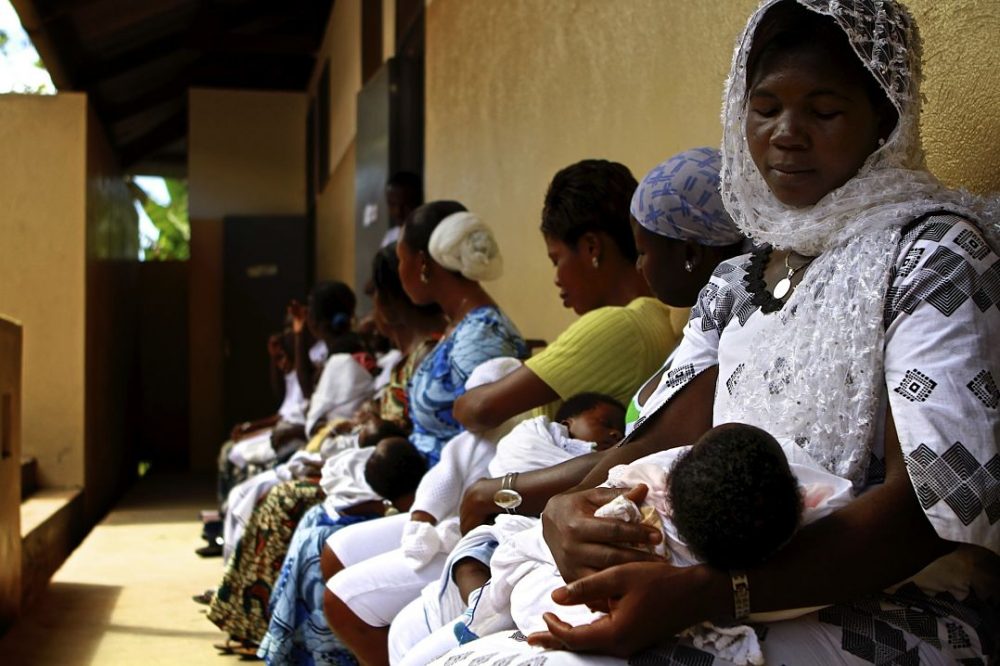
His Royal Highness, the Emir of Dass, Alhaji Usman Bilyaminu Othman, alongside New Incentives All Babies Are Equal (NI-ABAE), has launched the All-Babies Livelihood Grant program to enhance routine immunisation rates. The initiative provides ₦5,000 to caregivers who complete their child’s vaccination schedule.

The launch, held at the town’s Primary Health Care Center (PHCC) in Dass, was organised by the Bauchi State Primary Health Care Development Board (BSPHCDB). Esteemed guests included local government officials, WHO representatives, and community leaders.

Umar Faruq Abubakar, Head of Administration of Dass LGA, hailed the program as a crucial advancement in healthcare. Dan Asabe Abdullahi, State Director of Public Health, emphasized its importance amid economic challenges. He noted, “If sustained, this program will help reduce childhood deaths from preventable diseases.”

Under the initiative, caregivers will receive ₦1,000 for each of the six immunisation visits, totaling ₦6,000, plus an additional ₦5,000 upon schedule completion, amounting to ₦11,000, the NI-ABAE Stakeholder Relations Director, Nura Muhammad, highlighted the program’s potential benefits.

The Emir called the grant a timely intervention, addressing transportation barriers that hinder healthcare access. He urged caregivers to prioritise completing immunisation schedules and assured traditional leaders’ support in promoting community health.

In his closing remarks, the Emir expressed gratitude to NI-ABAE and partners for their commitment to improving immunisation efforts in Bauchi State.

My love with policy making

By Saifullahi Attahir

If there was ever anything that gave me goosebumps and immense pleasure, it was being surrounded by intellectuals and mature minds absorbing facts and figures about governance, economics, public health, policymaking, national security, and international relations. In such situations I easily lose myself, forgetting almost all other things.

Even at medical school, my best lectures were those with frequent digressions, whereby the lecturer would discuss the pathogenesis of diseases for 30 minutes and later sidetrack into discussing politics, governance, or other life issues. I always enjoyed classes led by Prof. Sagir Gumel, Dr. Murtala Abubakar, Dr. Rasheed Wemimo, Dr. Aliyu Mai Goro, and co. During such lectures, I often observed some of my colleagues disappointment for such deviation. I rather casually show indifference, for I was eternally grateful for such discussions due to the stimulatory effect they had on my mind.

After such classes, I sometimes followed up with the lecturer, not to ask about a medical concept I did not grasp, but to ask for further explanation on policy making, project execution, budgetary expenditures, why African countries are left behind, and similar pressing issues.

In situations where I can’t catch up with the lecturer, I jotted down the questions for further deliberation.

One of the manifest feature I know about my greediness was at reading books. I can open five different books in a day. I lack such discipline to finish up one before another. I can start reading ‘Mein Kampf’ by Adolf Hitler, and halfway through 300 pages, I would pick up ‘My Life’ by Sir Ahmadu Bello, and would have to concurrently read both until the end.

I often scolded myself for such an attitude, but I can’t help myself. The only way to practice such discipline was to at least read two different books in a day. Such was a triumph in my practice of self-discipline. This was apart from my conventional medical textbooks.

To some of my friends, I was called an accidental medical doctor, but actually it was a perfect fate guided by the merciful Lord that I’m studying medicine. For it was only medicine that makes reading books easier for you. Although time is precious in this profession, but one finds it easier to do anything you are passionate about. The daily interaction we have with people at their most vulnerable state was another psychostimulant. Seeing humans suffering from disease conditions is heartachy. Some of the causes are mere ignorance, poverty, superstitions, and limited resources.

The contribution one can give couldn’t be limited to just prescribing drugs or surgical procedures that end up affecting one person. It’s much better to involve one self in to position that may bring possible change to the whole society even in form of orientation.

What also motivated me more was how I wasn’t the first to traverse this similar path. Bibliophiles were common among medical students and medical professionals.

At international level, the former Prime Minister of Malaysia, Dr. Mahathir Muhammad, was a physician. Most of the current economic development of Malaysia was attributed to him. The South American revolutionary figure Che Guevara was a physician. Atul Gawande was an endocrinologist, health policy analyst, adviser to former President Obama, campaign volunteer to former President Bill Clinton, and adviser to USAID/WHO on health policies.

Frantz Fanon was another physician, psychiatrist, racial discrimination activist, and political writer. Dr. Zakir Naik was a renowned Islamic scholar, comparative religion expert, and physician.

At the national level, Prof. Usman Yusuf is a haematologist, former NHIS DG, and currently a political activist. Dr. Aminu Abdullahi Taura was a psychiatrist and former SSG to the Jigawa state government. Dr. Nuraddeen Muhammad was a psychiatrist and former cabinet minister to President Goodluck Jonathan.

During ward rounds and clinics, my mind often wanders to enquire not just about the diagnosis but the actual cause of the disease condition; why would a 17-year-old multiparous young lady develop peripartum cardiomyopathy (PPCM)? Why would a 5-year-old child develop severe anaemia from a mosquito bite? Why would a 25-year-old friend of mine develop chronic kidney disease, and his family would have to sell all their belongings for his treatment? Why are our Accident and Emergency units filled with road traffic accident cases? Was it bad road conditions or lack of adherence to traffic laws and orders?

Why are African countries still battling with 19th century diseases like Tuberculosis, filariasis, and malarial infections? Why issues of fighting cervical cancer and vaccination campaigns are treated with contempt in our societies? Why access to basic primary healthcare in Nigeria was still a luxury 50 years after Alma Ata declaration? The questions are never-ending.

Answers to these questions could be found not in the conventional medical textbooks like Robbins/Cotrand, Davidson, or Sabiston. Answers to these questions are there on our faces. Answers to these questions are tied to the very fabric of our social life, our public institutions, our culture, and our life perspectives.

In order to make any significant contribution towards the betterment of this kind of society, it would be quite easier as an insider rather than an outsider. You can’t bring any positive outcome by just talking or commenting. It was rightly stated that a cat in gloves catches no mice.

The real players in a game are always better than the spectators. A player deserves accolades despite his shortcomings, frequent falls, and inability to deliver as planned theoretically. For the player has seen it all, because so many things in public life are not as they appear. It’s only when you are there that the reality becomes visible. This is the reason why many leaders who have goodwill and enjoy public support appear to have lost track or contributed insignificantly when elected or appointed into office.

But despite all these challenges, one can’t decline to do something good just because something bad might happen. The risk is worth it.

Saifullahi Attahir wrote from Federal University Dutse. He can be reached via; saifullahiattahir93@gmail.com

3 suspected Lassa fever deaths reported in Benue State

By Sabiu Abdullahi

The Benue State Government has disclosed that three individuals have died in the past week due to suspected cases of Lassa fever, with 12 suspected cases currently under investigation.

Dr. Yanmar Ortese, the state’s Commissioner for Health and Human Services, made this known on Wednesday.

According to Dr. Ortese, all the incidents were recorded in Okpokwu Local Government Area within a one-week period.

He stated, “No confirmed cases yet,” explaining that 12 samples had been collected from individuals who had close contact with the deceased.

He further added that the results of the tests would determine the nature of the cases.

The Commissioner assured the public that the ministry’s emergency operations unit promptly took action by isolating those affected as a precautionary measure.

The situation remains under close monitoring while awaiting test results to confirm whether the deaths and suspected cases are indeed due to Lassa fever.

FCT doctors declare three-day warning strike over unpaid salaries, welfare issues

By Uzair Adam 

The Association of Resident Doctors (ARD), Federal Capital Territory Administration (FCTA), has initiated a three-day warning strike in protest of unpaid salaries, allowances, and other unresolved issues. 

The Daily Reality leaned that the strike has disrupted services at government hospitals across Abuja.

In a press briefing held on Wednesday in Abuja, Dr. George Ebong, President of ARD FCTA, explained that the strike followed the expiration of a three-week ultimatum issued last year. 

He lamented the neglect of healthcare workers’ welfare and hospitals in the nation’s capital.

Ebong called for urgent intervention from the Minister of the Federal Capital Territory, Nyesom Wike, to prevent an indefinite closure of hospitals in the region. 

He emphasized that the decision to go on strike was reached after a Congress held by ARD FCTA members on Tuesday.

The strike, which covers all government hospitals in Abuja, from Wuse to Asokoro, Maitama, Kubwa, Zuba, Kwali, Abaji, Nyanya, and others, follows months of unresolved demands. 

The doctors had earlier engaged in multiple dialogues with the authorities but saw no meaningful action, even after the government requested two additional weeks to address their grievances.

“We gave the government a three-week ultimatum to meet our demands, and after meeting them and discussing several times, nothing was done. Not even the minimum things. We expected the government to pay for the six months of unpaid arrears,” Ebong stated.

He criticized the neglect faced by doctors in Abuja, referring to them as “abandoned projects” and highlighting the urgent need for action to prevent the collapse of the healthcare system.

In December, ARD FCTA had warned of a possible shutdown if their demands were not met, with the current strike representing a call for immediate resolution. 

The association has warned that if their issues remain unaddressed after the three-day strike, they will consider an indefinite strike.

The full communique, also released at the press briefing, detailed the various concerns of the association, including unpaid salaries, delays in the Medical Residency Training Fund (MRTF), unfulfilled accoutrement allowances, unpaid hazard allowances, and the lack of necessary hospital equipment. 

The communiqué also stressed the shortage of manpower in the healthcare sector, with many doctors leaving the country due to poor working conditions and lack of support. 

It concluded with a plea for the government to act swiftly to avoid further deterioration of the healthcare system in Abuja.

Governor Yusuf’s silent revolution in healthcare sector

By Hussaini Ibrahim Sulaiman

In the bustling city-state of Kano, a silent revolution is taking place – one that may not capture the headlines every day, but which is certainly transforming the lives of countless residents.

At the heart of this change is the state governor, Alhaji Abba Kabir Yusuf, whose tireless focus on the health and welfare of Kano’s most vulnerable population has started to yield tangible, life-saving results.

When Governor Yusuf assumed office in May 2023, one of the first areas he addressed was the health sector, which had been severely neglected in the previous administration. Topmost among his priorities was the reinstatement of routine immunization services that had been abandoned for 18 months under the previous leadership.

This was not just a bureaucratic fix, but a critical step towards safeguarding the lives of newborns, pregnant women and other vulnerable groups who had been left exposed to preventable diseases.

The restoration of immunization services was, therefore, an immediate response to a looming crisis and a clear signal of the governor’s commitment to maternal and child health.

In addition to reviving routine healthcare services, Governor Yusuf also recognized the need for more infrastructure to support the state’s health system.

For instance, during the re-commissioning of the 86-bed Hasiya Bayero Paediatric Hospital, he declared free maternal healthcare services across the state.

The Hasiya Bayero Hospital, named after the mother of the late Emir of Kano, had been allegedly sold under the previous administration, despite consistent denials from the former government. Governor Yusuf lamented the hardship caused by the hospital’s closure, noting that it had forced Kano residents to seek paediatric care elsewhere at unaffordable costs.

Moreover, Governor Yusuf made it clear that his administration was committed to restoring the hospital’s services. “Our administration is dedicated to providing all the necessary support for a quality healthcare system in the state, including free maternal healthcare services,” he declared while commissioning the hospital.

Additionally, he emphasized that the hospital would offer nutritional services, immunization, research and training, and two-way referral services.

This commitment forms part of his broader plan to reduce high neonatal and infant morbidity and mortality rates, an issue that has plagued the state for years.

Furthermore, he underscored the importance of redeploying skilled medical personnel to run the hospital efficiently, reinforcing his government’s focus on health worker dedication and professional ethics.

In terms of healthcare infrastructure, Governor Yusuf’s focus is not limited to hospitals alone. As part of his digitalization agenda, he recently distributed 484 computers to the Apex Primary Healthcare Centres across all 44 local government areas.

This move is part of a larger initiative to ensure the efficient operation of healthcare facilities through technological upgrades, as well as a commitment to renovating several major hospitals, including Sir Muhammadu Sanusi, Hasiya Bayero, and Murtala Muhammad Specialist Hospital. Additionally, solar facilities were provided to key offices to ensure uninterrupted services.

This comprehensive upgrade of the healthcare infrastructure aims to ensure that every resident, regardless of their socio-economic status, has access to affordable and quality healthcare.

As a result, Governor Yusuf’s administration has allocated substantial funds in the 2025 budget to continue this renovation work, targeting hundreds of secondary and primary healthcare facilities across the state.

Furthermore, Governor Yusuf’s health-focused vision also tackles another major issue facing Kano State: malnutrition. As part of his efforts to improve maternal and child health, the Governor committed N500 million in counterpart funding to UNICEF for nutrition initiatives. Furthermore, during the flag-off of the second Maternal, Newborn and Child Health (MNCH) Week, he announced an additional N170 million to renovate and upgrade malnutrition treatment and referral centres.

These funds, alongside other initiatives such as the provision of essential healthcare services during MNCH Week, are part of the Governor’s broader strategy to combat child killer diseases and improve access to life-saving healthcare services.

In addition, Governor Yusuf’s commitment to improving the health of Kano’s children is also reflected in his efforts to reduce maternal and child mortality, foster sustainable development, and ensure equitable access to healthcare for all residents.

This continued investment in the health sector highlights the state government’s dedication to addressing critical health challenges and enhancing the quality of life for its citizens.

Beyond infrastructure and immediate healthcare services, Governor Yusuf’s administration has launched the Abba Care Initiative, a free health insurance program aimed at over 300,000 vulnerable residents, including pregnant women, the elderly, and people living with sickle cell anaemia.

This bold program is a key component of his effort to achieve universal healthcare coverage and make quality health services available to all citizens, regardless of their socio-economic status. In this regard, the Abba Care Initiative, backed by the Kano State Contributory Health Management Agency, represents a transformative step towards creating a more equitable and accessible healthcare system for the people of Kano.

Governor Abba Kabir Yusuf’s quiet yet powerful leadership is remaking the health landscape of Kano.

His administration’s unwavering commitment to improving healthcare access for the state’s most vulnerable populations underscores a deep understanding of what it means to govern with compassion, vision and urgency.

Notably, the Governor’s efforts in addressing health issues such as immunization, sickle cell anaemia, malnutrition, and maternal and child health not only respond to immediate challenges but also lay the foundation for a healthier and more prosperous future for all residents of Kano State. His legacy of service to the people, with a focus on healthcare, will undoubtedly leave a lasting impact for generations to come.

Governor Yusuf’s work represents more than just reforms – it marks a true revolution in the healthcare sector that will resonate across the state, benefiting not just the current generation, but future generations as well. Ultimately, his leadership offers a model of governance that prioritizes the well-being of the people and is poised to transform Kano into a healthier, more equitable society.

#AbbaIsWorking

Ibrahim is with the Triumph and can be reached at Hussainiibrahim470@gmail.com

Nneka Chidoka Outreach Program launches nationwide campaign for increased cancer care funding

By Sabiu Abdullahi

The Nneka Chidoka Outreach Program (NCOP) has embarked on a nationwide campaign to advocate for increased funding for cancer care in Nigeria’s 2025 budget.

With a staggering 124,000 new cancer cases reported annually, the current lack of adequate funding has resulted in many Nigerians being denied access to life-saving treatment.

Despite efforts by the Federal Ministry of Health, including the Cancer Health Fund (CHF) and the National Cancer Access Partnership (NCAP), limited funding and infrastructure gaps have restricted the benefits to only a fraction of cancer patients.

To address this, NCOP is collaborating with the Ministry and the National Institute for Cancer Research and Treatment (NICRAT) to urge lawmakers to allocate more funds for cancer care during the 2025 budget deliberations.

The campaign’s key objectives include securing ₦25 billion to transition the Cancer Health Fund into the Catastrophic Health Insurance Fund for sustainable cancer care, closing the ₦97 billion funding gap for completing six Cancer Centers of Excellence under the National Oncology Initiative, and expanding funding for NCAP to ensure more Nigerians have access to affordable cancer medications.

Osita Chidoka, Founder of NCOP, noted the importance of collective action, saying “Cancer is a battle we must fight together. We are urging all Nigerians to take a stand by signing this petition.

“With your support, we can push for meaningful investments in cancer care and give hope to thousands of families.”

To support the campaign, individuals can sign the petition and share the message on social media using the hashtag #FundCancerCare2025.By working together, NCOP aims to ensure that no Nigerian is left behind in the fight against cancer.

The organization is committed to transforming Nigeria’s healthcare landscape and improving access to cancer care through early diagnosis, advocacy, and funding support.

With the help of Nigerians, NCOP hopes to make a significant impact and bring about positive change in the lives of those affected by cancer.

Save your wedding: Early genotype testing matters

By Usman Muhammad Salihu

Genotype incompatibility continues to disrupt lives and relationships across northern Nigeria, where premarital medical testing is not yet mandatory. The emotional and financial toll it takes on couples, families, and communities cannot be overstated. 

I recently encountered two striking reminders of its devastating impact. First, I came across a trending wedding invitation card on Facebook. What stood out wasn’t the design or details but the heartbreaking update: the wedding had been cancelled due to genotype incompatibility. 

Shortly after, while scrolling through WhatsApp statuses, I saw my sister and classmate, Ummu Kulsum, express her frustration in just a few words: “Ya Allah, why does all this genotype matter?” Her lament instantly reminded me of my brother’s ordeal, where his marriage was called off barely two days before the wedding for the same reason.

These instances are not isolated. They represent a growing crisis fueled by a lack of awareness and delayed action. Many couples only undergo genotype testing at the final stages of their wedding preparations, often when financial and emotional investments are at their peak. 

Discovering genetic incompatibility at such a late stage forces painful decisions: risk the health of future children or cancel the union altogether. In northern Nigeria, where premarital testing is not yet compulsory, such stories are alarmingly common. 

While no religion or culture explicitly prioritises marriage over health, societal practices and insufficient awareness often lead to preventable heartbreaks. Religious and cultural leaders uniquely advocate for early genotype testing as an essential part of marriage preparations.

Sickle cell disease (SCD), prevalent in Nigeria, is one of the most severe outcomes of incompatible genotypes. Couples with AS-AS or AS-SS combinations risk passing this life-altering condition to their children. Living with SCD involves chronic pain, frequent hospital visits, and significant financial strain—all of which could be avoided through proper testing and awareness.

The time has come for a societal shift. Policymakers must work towards making premarital genotype testing compulsory in all northern states. Religious and traditional leaders should advocate for such measures and integrate genotype counselling into premarital counselling sessions.

Healthcare providers and educational institutions must also increase efforts to educate the public on genetic compatibility. Awareness campaigns can normalise discussions about genotype testing, emphasising its role in building healthy families and preventing avoidable heartbreaks.

For families like mine, the trauma of cancelled weddings due to genotype incompatibility is a painful memory. The financial losses and emotional distress are entirely avoidable with early testing and informed decisions. My brother’s experience and countless others highlight the urgent need for collective action.

Love is an essential foundation for marriage, but so is the responsibility to ensure a healthy future for one’s family. By prioritising early genotype testing and raising awareness, we can prevent the heartbreak of cancelled weddings and the lifelong struggles associated with genetic disorders.

The solution is in our hands. We must act now—for love, health, and future generations.

Usman Muhammad Salihu is a PRNigeria Fellow and wrote in from Jos, Nigeria. He can be reached at muhammadu5363@gmail.com.

Why men’s health awareness matters

By Lawal Dahiru Mamman,

On November 6, 2024, the World Health Organisation (WHO) used its public WhatsApp channel to broadcast an important message: “November, or Movember, is Men’s Health Month.”

This month and in the future, men are invited to grow moustaches to promote awareness and initiate discussions about health topics such as prostate cancer, testicular cancer, and mental health. Let’s move from discussion to action!

The message continued, “Women have a role to play, too! Encourage and support the men in your life to take the steps needed to improve their health.” It then provided a web link for more details.

Inspired by this call to action, there was a strong urge to investigate and bring to light diseases peculiar to men. However, a quieter voice suggested pausing to observe the media landscape and assess the awareness campaigns and engagement level.

As November progressed, it became apparent that despite the importance of men’s health, the subject was overshadowed by other significant events, such as World Diabetes Day (November 14), Cervical Cancer Elimination Day (November 17), World Toilet Day (November 19), and Anti-Microbial Resistance Awareness Week (November 18–24).

Men’s Health Awareness Month aims to encourage men to talk about their health and seek support when needed. It focuses on issues like prostate cancer, testicular cancer, mental health challenges, and suicide prevention.

Bringing the conversation closer to home, men are disproportionately affected by heart disease, cancer, and mental health issues, yet many adopt a “stiff upper lip” mentality, often choosing to endure symptoms rather than seek help. 

This reluctance is alarming. Globally, men die an average of 4.5 years earlier than women, with 86% of these deaths attributed to non-communicable diseases and injuries, according to a 2019 WHO study.

Prostate cancer remains a significant health concern worldwide, with over 1.4 million cases diagnosed in 2020 and an age-standardized incidence rate (ASIR) of 30.7 per 100,000 males. In Nigeria, it is the most common cancer among men, accounting for 11–15.1% of all male cancers. 

Between 2009 and 2016, data from 15 cancer registries in Nigeria recorded 4,091 cases, with 80% deemed incurable at diagnosis. This underscores the lack of investment in men’s healthcare.

Mental health is another area plagued by harmful stereotypes and societal expectations. An estimated 40 to 60 million Nigerians suffer from various mental health disorders. The country ranks fifth globally in suicide rates, with about 15,000 cases per 100,000 people. 

For men, societal pressures to fulfil financial and family responsibilities exacerbate their mental health struggles. Failure to meet these expectations often earns them harsh labels like “irresponsible,” further driving depression.

On the cardiovascular front, heart diseases, high blood pressure, and strokes remain the leading causes of death among men. Occupational hazards also contribute significantly to premature deaths, while lifestyle choices such as smoking, poor diets, alcohol consumption, and exposure to interpersonal violence increase health risks.

Risk-taking behaviours and the underutilisation of healthcare services compound men’s health issues, which are consistent across many countries. These trends highlight the importance of leveraging platforms like Men’s Health Month to challenge societal norms and encourage proactive health management.

David Samadi, a world-renowned urologist and prostate cancer expert, aptly observed that “Men’s health is not just about physical health, but also about mental and emotional wellbeing.” His words emphasise that men’s health has far-reaching consequences, affecting individuals, their families, and communities.

Although this year’s Men’s Health Awareness Month has ended, the mission does not stop here. Instead, it should mark the beginning of sustained efforts to keep the conversation alive, promote healthy living, and drive awareness year-round.

This is an urgent appeal to individuals, organisations, and policymakers to prioritise men’s health issues and foster environments that encourage men to seek help without fear of stigma or judgment. Together, we can ensure that men’s health receives the attention it deserves.

Lawal Dahiru Mamman writes from Abuja and can be reached at dahirulawal90@gmail.com.

ATBUTH e-Health: Revolutionizing healthcare delivery

By Usman Abdullahi Koli 

The Nigerian healthcare system has long faced challenges that make accessing quality care difficult, especially for the average citizen. Many patients have endured unnecessary struggles during critical moments, from long queues at registration units to delays in retrieving medical records. Tragically, these inefficiencies have, in some cases, led to preventable losses—not just because of late arrivals at hospitals but also due to prolonged registration and file retrieval processes.

Abubakar Tafawa Balewa University Teaching Hospital (ATBUTH) Bauchi has boldly changed this narrative. Staying true to its vision and mission, the hospital has introduced an innovative e-health system to alleviate these issues. This transformation goes beyond addressing immediate challenges—it sets ATBUTH on a path to becoming a leader in modern, patient-focused healthcare in Nigeria.

ATBUTH has been a symbol of hope for years, offering quality healthcare to countless patients while continuously striving to improve its services. Recognizing the growing needs of modern healthcare, the hospital has embraced advanced digital solutions to revolutionize how it delivers care.

Adopting an Electronic Medical Records (EMR) system, seamlessly integrated with the eCMDS platform, reflects ATBUTH’s commitment to progress and patient well-being. This transformative step simplifies operations, improves administrative processes, and creates a more compassionate, patient-centred experience for everyone who walks through its doors.

The introduction of e-health at ATBUTH also aligns with a Federal Government policy to digitize public services. This initiative aligns with global trends, ensuring healthcare services are faster, safer, and easier to access. Digitizing patient records, registration, billing, and laboratory results drastically reduces waiting times and makes every interaction smoother.

The EMR system protects patient data from being lost or tampered with, while automated processes close gaps that could lead to fraud or revenue loss. Furthermore, the centralized database enables researchers to access accurate, real-time information, fostering medical advancements. This leap into digitization firmly establishes ATBUTH as a forward-thinking institution ready to stand shoulder-to-shoulder with leading hospitals in Nigeria and beyond.

Although the implementation of the e-health system has been highly successful, challenges still exist. One of the most pressing issues is network reliability, which can sometimes be unpredictable. However, the hospital’s management is actively working to resolve these issues permanently to ensure uninterrupted services. Unfortunately, specific individuals have also attempted to undermine this initiative by spreading misinformation and discouraging public trust. Such actions disrupt progress and risk undoing the remarkable strides ATBUTH has made in improving healthcare delivery.

Everyone must understand that progress is a journey that moves forward, not backwards. For ATBUTH to maintain its momentum as a leader in healthcare innovation, it needs the collective support of patients, staff, and the public. Adopting the e-health system is not just about modernizing healthcare—it’s about making services more accessible, efficient, and humane.

Despite being a relatively young institution, ATBUTH has achieved remarkable feats rivalling even the country’s most established hospitals. This e-health initiative is a testament to the hospital’s determination to excel and better serve its community.

ATBUTH’s e-health system is more than just a technological upgrade—it is a lifeline for thousands of patients who rely on the hospital for their care. As this digital transformation continues to evolve, the public must embrace and support it wholeheartedly. Together, we can ensure ATBUTH remains a trusted name in healthcare and a symbol of progress in Nigeria’s health sector.

Usman Abdullahi Koli writes from Bauchi.