Health

You can add some category description here.

Teens, social media and mental health

By Muhsin Ibrahim

Social media has a double-edged function. It can uplift you or do the exact opposite. It largely depends on the people and pages you interact with. Worried about their teens’ mental health, Utah became the first US state to regulate teen social media access this week.

According to a BBC report, “under the measures enacted on Thursday, a parent or guardian’s explicit consent will be needed before children can create accounts on apps such [as] Instagram, Facebook and TikTok.”

People of all ages can have their mental health wrecked on social media if they aren’t cautious. Some of us crave attention or other’s validation. Thus, people do crazy things to get more “likes” or ensure what they do gets their friends’ applause. That is one thing some of your social media ‘friends’ will never grant you because they are not your friends in the true sense of the word. So, the earlier you understand this, the better.

Of course, you should not be carefree. Each culture has its codes, and so on. So, consider these etiquettes but worry not about people’s attention or endorsement. Social media friendship is primarily fake. Folks, especially teens, can’t understand this. Thus, trolling push them to lose self-esteem, hate themselves, and some take their lives!

I salute the government of Utah. I am sure more states in the US and elsewhere will do the same. However, as ours (in Nigeria) will likely not do the same anytime soon, parents and guardians should do more. As it’s very challenging to deny your kids access to social media, monitor whom they interact with and the pages they visit.

Muhsin Ibrahim lives and works in Cologne, Germany. He can be contacted via muhsin2008@gmail.com.

Brain-gut connection and Gastrointestinal (GI) problems

By Aminah M. Abubakar

Sometimes last year, a Nigerian PhD student at Korean University named Abdulqaadir Yusif Maigoro tweeted about his PhD thesis research work. He talked about his findings on the relationship between gut health and autism spectrum conditions. During a presentation at the International Meeting for the Microbiological Society of Korea, Maigoro discussed how gram-negative bacteria endotoxins could travel from the gut to the brain and cause inflammation in people with an autism spectrum disorder.

The research sparked my interest, so I joined the conversation on his Tweet. I asked; if gastrointestinal issues, such as stomach aches, irritable bowel syndrome, constipation, and bloating, are commonly seen in individuals with autism and other neuro conditions. It is possible that these issues may be related to the gut-brain connection and the role that the gut plays in regulating the body’s immune response. How close are experts to getting a cure for the gut disease in Autistic individuals?

Abdulqaadir Maigoro (@Abdul_Y_Maigoro) responded that it’s true individuals with Autism condition have gastrointestinal problems, and further research is needed to fully understand the relationship between gut health and neuro conditions by exploring various mechanisms. But it is clear that the gut plays a significant role in overall physical and mental health.

Maigoro’s findings have prompted my interest in getting more information by exploring the connections between gut health and other neurological conditions, such as Autism, Depression, Anxiety, ADHD, Alzheimer’s disease, and Dementia.

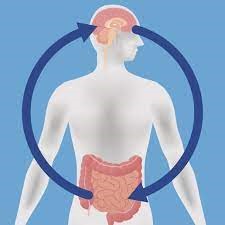
Gut health has long been known to be connected to overall physical health, but recent research has also shown a link between the gut and mental health conditions such as depression and anxiety. The gut is home to the enteric nervous system, sometimes referred to as the “second brain,” which has a network of nerves, neurons, and neurotransmitters that extend throughout the digestive tract. The enteric nervous system communicates with the brain through the nervous system, hormones, and the immune system. This communication is especially important in regulating the body’s immune response, as 70% of the immune system is focused on the gut.

The gut, or “second brain”, is vital to overall human health and well-being. It breaks down food, absorbs nutrients, and eliminates waste through chemical and mechanical processes. It also has its own nervous system called the enteric nervous system, which is made up of nerves, neurons, and neurotransmitters and extends throughout the digestive tract – from the oesophagus, through the stomach and intestines, and down to the anus. Because it uses the same types of neurons and neurotransmitters as the central nervous system, some experts refer to the enteric nervous system as the “second brain.”

The enteric nervous system communicates with the brain in the head through the nervous system, hormones, and the immune system, and it plays a key role in certain diseases and mental health.

Researchers are beginning to examine the gut in people with conditions such as depression, Parkinson’s disease, Alzheimer’s disease, autism, ALS, multiple sclerosis, pain, anxiety, and other neurological disorders. They are also studying the role of the gut in gastrointestinal conditions like ulcers and constipation and how it affects brain function.

The gut is also home to microorganisms that help regulate the body’s immune response, and around 70% of the immune system is focused on the gut to fight off and eliminate foreign invaders. Research on how the gut, or “second brain,” mediates the body’s immune system is exploring ways to expand the treatment of psychiatric and other neurological conditions, including the gut’s nervous system.

Researchers are now exploring various mechanisms in an attempt to find a potential cure for neuro conditions through the gut. The medical breakthrough will surely transform the world and touch the lives of nearly every person on the planet.

Aminah M. Abubakar sent the article via mbubakar.minah@gmail.com. She can also be contacted via her Twitter handle: @MinahMbubakar11.

International Epilepsy Day 2023: Call for continuous sensitisation 

By Lawal Dahiru Mamman

Epilepsy is a non-communicable condition that affects the brain. The condition causes recurrent seizures, which are brisked episodes of involuntary movement that may involve a segment or whole parts of the body accompanied by unconsciousness and loss of control of bowel or bladder function. 

The prevalence of epilepsy is particularly high in Latin America and in several African countries, notably Liberia, Nigeria, and the United Republic of Tanzania. Parasitic infections, particularly neurocysticercosis, are important etiological-causative factors for epilepsy in many of these countries.

The importance of epilepsy made the World Health Organisation (WHO) and its partners christen the 2nd Monday of February annually “International Epilepsy Day”. This serves as an opportunity to raise awareness of epilepsy, what it is, how it can be treated, and what is needed to bring treatment to all people who need it. This declaration became paramount, especially as 25% of the recorded cases are potentially preventable. 

International Epilepsy Day 2023 (February 13th) appears to have slipped through the cracks of health professionals, media outlets and other bodies usually taking the pain to sensitise the populace about the disease and other medical conditions in the country. This could result from the Diphtheria outbreak and proliferation of notorious Lassa fever, meningitis and cholera.

Nonetheless, Epilepsy remains one of the most common non-communicable neurological diseases globally, with written records dating back to 4000BCE and fifty million (50,000,000) people suffering from the same worldwide, according to the World Health Organisation (WHO), and of this value, 80% live in low and middle-income countries probably attributable to endemic conditions like malaria, road traffic accidents, birth-related injuries, neurocysticercosis – pork tapeworm infection (A tapeworm infection that affects the brain, muscle and other tissues) and poor medical infrastructure.

A large number of patients (70%) could live seizure-free if properly diagnosed and treated even so, the sad reality is that 70-75% of people suffering from epilepsy in low-income countries do not have access to the treatment required.

For centuries, fear, misunderstanding, discrimination and social stigma have trailed and is still trialling epilepsy therefore, an event like ‘International Epilepsy Day’ should be used for sensitisation on preventive measures while authorities make an effort to provide facility and medications needed to control the condition since there has been no known cure.

Lawal Dahiru Mamman writes from Abuja and can be reached via dahirulawal90@gmail.com.

Synopsis of the legal perspective between patients and healthcare providers in Nigeria

By  Abdullahi Yusuf

Globally, the health care system is governed by ethical principles guiding the professional conduct of different professions within the coordinated body of health care delivery. Those ethical principles regulate service delivery in every profession and safeguard the well-being of the patients handled by those professionals within the scope of their professional practice.

Nigeria, with no exception, has its own healthcare system encompassing three delivery levels, ranging from primary, secondary and tertiary healthcare. Each level has personnel that are professionally trained in the various fields of health practice to take care of patients according to their expertise and professional boundaries.

The relationship between a healthcare provider and his patients from a legal perspective is contractual. The healthcare provider owes his patient a duty of care, and the patient owes the healthcare provider a token as payment for the service rendered. A contract is known to be an agreement between two or more parties that is legally binding, but in some cases, the relationship between the health care provider and the patient is not mutual, as the patient might not be in the right state of mind to make decisions. Regardless, the relationship is contractual, as implied by law.

In every contractual relationship between parties, there is a legal obligation that is to be fulfilled. Failure to fulfil the obligation will be regarded as a breach of contract. Breach of contract, according to law, generally attracts damages and, in some exceptions, can attract restitution, quantum meruit or specific performance, as the case may be. Inadequate knowledge of the law leads to the exploitation of many patients by some healthcare providers, which usually slides without punishing the offenders.

A healthcare provider can exploit his patient through breach of contract, medical negligence that could give rise to tortious liability, violation of some specific fundamental rights or violation of the patient’s rights under the National Health Act 2014. A healthcare provider can be punished when he/she commits any action under the aforementioned through specific disciplinary mechanisms set aside by the law.

The disciplinary mechanisms could be a civil or tortious liability, where the offender will be required to pay for damages by the court; criminal liability, where the offender will be punished based on the intensity of his crime according to the penal code of the state; and professional punishment can be served by the professional body that the offender belongs to by demotion, revoking of license or dismissal as the case may be.

There are instances where the management of a health facility could be held responsible for an accident that occurred to the patient in the facility—it is referred to as “Occupier’s liability” in law. In this regard, the accident must be a result of the negligence of the management, caused by failure to provide something necessary in which its absence resulted in the accident, or there may be a lack of maintenance of some equipment or devices that might have led to an accident.

Vicarious liability is also a situation where the management of a health facility can be held responsible for an act committed by their employee. When a patient is maltreated in a health facility by any member of staff, be it a violation of the right, tortuous act or breach of contract, the patient can sue the whole management of the facility in court for justice to prevail.

Any health consumer in Nigeria that once in a while visits a health facility to patronise health care services should know his rights as stipulated under the National Health Act 2014.

Part III of the National Health Act 2014 (Rights and obligation of users and health care personnel) encompasses eleven sections, starting from section 20 to section 30. Eight of those sections (sections 20, 23, 24, 25, 26, 27, 29 and 30) directly state the right of patients in relation to the health care provider.

Section 20 is about “emergency treatment”, where the section mandates any healthcare provider on duty to attend to a patient in an emergency without any hesitation or formality.  Contravening the section can attract a fine of ₦100,000 or imprisonment of not more than six months, or even two, as the case may be.

“User (Patient) to have full knowledge” is what section 23 is all about. It explained the right of a patient to be well informed of his condition and the possible treatment that will be administered to him/her, unless in the case where informing the patient will cause more harm. Section 24 expatiates the “duty to disseminate information” by federal, state or local government health authorities. Facilities should make such information visible at the entrance. The information should include the services provided by the facility, operating schedule and visiting hours, processes for making complaints and the rights of the patients as well as the health care providers.

Section 25 explained the “obligation to keep records”. This record involves the demography, treatment as well as medical history of the patients. It is mandatory for any health facility to keep records of their patients for future reference. “Confidentiality” of the patients must be a priority for any health facility and its personnel, as stated in section 26 of the National Health Act 2014. Disclosure of a patient’s information without a genuine reason is an offence that can attract punishment if reported.

The health record of the patient can be disclosed in some cases where the disclosure is in the best interest of the patient or is required by the court of law for judgement. It is stated as “Assess Health Record” under section 27 of the National Health Act 2014. “Protection of health record” is stated under section 29. Negligence in handling the record of a patient or deliberately tampering with any information without legitimate authorisation is an offence that can attract conviction to imprisonment for not more than two years or a fine of ₦250,000.

The last section with respect to patient’s rights under the National Health Act 2014 is section 30, which expatiates on the “Laying of complaints”. Any patient that is maltreated by any health personnel has the right to complain. The complaint should be in accordance with procedures provided by the federal or state ministry of health.

As a citizen of Nigeria, knowledge of fundamental and specific rights is necessary regardless of one’s level of education. People are being oppressed and maltreated on a daily basis due to ignorance of their rights and how to seek justice. To have a just and egalitarian society, people need to be aware of their rights and what should be considered a violation of those rights.

Conclusively, the law is set aside for justice to prevail, and nobody has the authority to deprive you of your right to justice. To get justice, you have to find it by going through the right channel. Albert Einstein said, “In matters of truth and justice, there is no difference between large and small problems, for issues concerning the treatment of people are all the same”.

Abdullahi Yusuf wrote is a final year student of Health Education, Department of Human Kinetics and Health Education, Bayero University Kano. He can be contacted via abdoolphd@gmail.com.

Mainstreaming mental health in Nigeria

Bello Hussein Adoto

The signing of the Mental Health Bill into law presents a renewed imperative to rewrite the mental health narrative in Nigeria. Here is how Nigeria can do better.

‘All diseases are equal, but some are more equal than others’. Although Nigeria is not George Orwell’s Animal Farm, the country has a glaring disparity in the kinds of diseases it considers a priority, but the recent signing of the Mental Health Bill into law can help us to rewrite the narrative.

At the mention of infectious diseases like HIV, tuberculosis, and malaria, or non-infectious diseases like diabetes, hypertension, and cancer, one could point to tangible, nationwide, and sustained initiatives to promote public health and reduce their impact on individuals and communities. But very few such initiatives are available, if any, for anxiety, depression, or Alzheimer’s disease. 

While anxiety and depression do not kill as regularly as untreated malaria, HIV, tuberculosis, and uncontrolled diabetes and hypertension – diseases that received far more attention, these mental illnesses are nonetheless deadly.

Anxiety and depression, for instance, reduce our quality of life and living, undermining our productive capacity, while depression increases a person’s risk of suicide. This reality makes diseases that affect moods and behaviour as relevant as those that affect tissues and organ systems.

Mental health disorders are a huge challenge in Nigeria. A recent report puts the number of people living with one mental illness or the other in the country at 60 million. According to a World Health Organization report, Nigeria has more than seven million people living with depression. This value doubles the number of people living with depression in South Africa and Ghana combined. A similar story plays out in the estimate for people with anxiety in the continent.

Nevertheless, the signing of the Mental Health Bill offers a renewed imperative for stakeholders to harness the several opportunities that could rewrite the narrative of mental health in the country.

The first opportunity is an extensive network of primary, albeit underfunded and underutilized, healthcare centres across the country. Nigeria has more than 33,000 primary health centres with a potential capacity to provide mental health first aid services to Nigerians. The government can expand these facilities to provide mental health care services.

The centres have community health officers (CHOs), community health extension workers (CHEWs), registered nurses, and midwives. Specialists can train these non-specialist healthcare workers to provide basic mental healthcare services nationwide, especially in rural areas, in a task-sharing, task-shifting policy.

Nigeria has applied this policy to provide malaria and family health services, and a 2015 study shows that integrating mental health into primary healthcare in Nigeria could follow a similar model. Such integration will buffer the shortage of mental health specialists in the country and improve care coverage for underserved populations.

Secondly, the digital era is here. Digital channels such as social media, webinars, SMS, and tools such as smartphones and software, provide an exciting, affordable, and sustainable opportunity to reach many people. The government could harness these channels to support non-specialist care delivery, educate the public about the fundamentals of mental health, reduce ignorance about mental health, and eliminate the stigma and dangerous practices associated with mental health disorders in the country.

Beyond helping to raise awareness, the government and other relevant stakeholders should harness digital channels to deliver e-health to people with mental health disorders and bypass the barriers to accessing traditional care. Such digital interventions have been shown to improve mental illnesses among students and could be helpful in care delivery to a larger population.

A third opportunity is the existence of non-governmental organizations, such as the Mentally Aware Nigeria Initiative (MANI) and Asido Foundation, that champion mental health causes in the country.

NGOs are paramount to health promotion because they supplement public efforts to promote health. Some NGOs operate helplines for mental first aid; others, like the Asido foundation, run the Unashamed campaign to increase mental health awareness and reduce stigma in the country. The government can partner with these NGOs to sensitize the public and provide the much-needed care and support that millions of Nigerians need.

Finally, a special insurance package should be instituted for people with mental health disorders, so they can access essential care without worrying about the cost. Awareness about health insurance has increased over the years, and more Nigerians are enrolling in their numbers. The number of enrollees in the Nigerian Health Insurance Scheme [(NHIS), mow National Health Insurance Authority (NHIA)] has nearly doubled between 2007 and 2013. Stakeholders can expand current social health insurance packages for insurance owners to include mental health conditions and give Nigerians a new lease to access proper mental health care whenever needed.

Bello Hussein Adoto, a researcher, writer, and journalist, writes via bellohussein210@gmail.com.

Improving your immune system during illness seasons

By Aishat M. Abisola

Now that 2023 has begun, we are at a time when it is not uncommon for people to start feeling ill. This can be either physical or mental.

Already, a throat disease (diphtheria) is spreading fast in the North, affecting many Nigerians. Even though this disease can be cured and prevented with vaccines, not many people will be able to gain access to them.

Every single disease in the world works by attacking the immune system without rest, and this is exactly why people need to be more concerned about their bodies. Although the human body is strong, it can still be damaged quite easily, either internally or externally.

Your immune system operates in a very specific manner. It must be strong and complex enough to fight off a variety of illnesses and infections but not so strong that it overreacts to small issues.

It is because of this that we need to be more attentive to our health, especially in times like this. If you look around you, you will see many supplements and products claiming to help boost immunity. However, supporting a healthy immune system is a lot more difficult than just taking a mix of vitamins and minerals packaged into a pill or powder.

From fighting off a cold to flu and then to COVID-19, there are things you can do to help give your immune system what it needs to function optimally, though.

For those who do not have access to vaccines or medicines that can help them boost their immune systems, there are things you can do to help give your immune system what it needs to function properly. None of these methods involves taking supplements.

1. Stay up-to-date on recommended vaccines
If you do have easy access to vaccines, make sure to stay up to date on them. A strong immune system means taking advantage of whatever we are provided with to protect ourselves from harmful illnesses: vaccines.

The human immune system is smart, but vaccines train it to be even smarter by helping it learn how to recognize and fight off certain disease-causing illnesses. Vaccinations make it for your immune system to learn than through infection with harmful germs.

2. Maintain a healthy diet

Just like most things in your body, a healthy diet is vital in maintaining a strong immune system. This means ensuring that sure you eat plenty of vegetables, fruits, legumes, whole grains, lean proteins and healthy fats. These micronutrients include:

Vitamin B6 (Chicken, Fish, Bananas, Green Vegetables and Potatoes with the skin)

Vitamin C (Citrus fruits like oranges and, strawberries, Tomatoes, Spinach)

Vitamin E ( Almonds, Peanuts and Leafy Vegetables)

Zinc ( Red meat like beef, Poultry, Beans, Dairy products like milk)

Magnesium ( Whole Wheat Products, Nuts, Seeds)

Many health experts believe that your body absorbs vitamins better when they come from dietary sources instead of supplements. So, the best way to support your immune system is by eating a well-balanced diet.

3. Exercise regularly

Despite what many may think, physical activity isn’t just for building muscles and helping yourself de-stress — it also plays an important role in being healthy and supporting a healthy immune system.

Exercise helps in mobilising the immune cells that are outside of the bone into the bloodstream, and it also moves immune cells that are already in the bloodstream in the cell tissues. By doing this, immunity surveillance is increased.

It is your immune system’s monitoring process, and exercise helps the immune cells to be more efficient at detecting and reacting to infections. Staying active and exercising regularly is vital for this to occur.

4. Hydrate

When it comes to supporting the immune system, water plays an important part alongside other roles in your body. Blood and lymph have immune cells in them, and they need water in order to flow and circulate in the body.

You constantly lose water by breathing as well as through urine and bowel movements. It doesn’t matter whether or not you are exercising. If you want to support your immune system, replace the water you lose daily with water that you can use. In order to do so, you need to know what your daily water intake is.

5. Get plenty of sleep

When you sleep, it may not feel as if anything is happening, but there are a lot of processes going on when you’re not awake. Knowing how much sleep you should be getting on a nightly basis as well as what to do if you have trouble sleeping, is the best way to give your immune system the best chance to fight off infection and illness.

6. Minimize stress

Chronic stress can have dangerous effects on your health, whether it comes quickly or builds up over time. Stress can either cause major or minor impacts on how well your immune system functions if it leads to sleep disturbances, a tendency to eat less healthy food, reduced water intake, less frequent exercise, and more.

Stress appears differently for everyone, and however way we choose to relieve it is different too. When you take into consideration the effect it can have on your health, it’s important to know how to identify stress. If you want to reduce stress, it is necessary that you get familiar with any type of activity that helps you relieve it, such as deep breathing, meditation, prayer, or exercise.

7. Limit Alcohol Intake

A moderate consumption of alcohol doesn’t have any positive effect on your immune system. Evidence suggests that binge drinking, or having more than four drinks in two hours for women and five for men, impairs immunity.

Alcohol can temporarily increase the number of white blood cells, which fight infections, in your bloodstream, but when your liver clears the alcohol from your system, your white blood cell count falls below the normal amount for at least five hours. If you want to work hard to stay healthy, it is best for you to avoid or limit your alcohol intake.

8. Practice Proper Hygiene

If you want to have a strong immune system, proper handwashing is one of the most important things to keep in mind. All you need is just normal soap and water. You should scrub your hands for at least 20 seconds—the length of singing “Happy Birthday” twice. This is the minimum time needed to significantly reduce the number of microorganisms on your skin.

However, it doesn’t matter how good your handwashing skills are if they won’t help prevent infection unless you know when to scrub up. It is advised that a person should wash their hands before and after any type of risky exposure. This includes after using the restroom, sneezing, or coughing.

Your hands should also be washed before you prepare food, after caring for a sick loved one, treating a wound, or touching any publicly used door handles, knobs, switches, or surfaces. If your hands get very dry after washing, make sure to moisturize them with cream or Vaseline.

9. Use the Right Hand Sanitizer

Hand sanitiser tends to kill most microorganisms, which is the next best thing if you don’t have access to soap and water. Before you use it, make sure to look at the alcohol percentage first. Alcohol (ethanol) is the active ingredient in hand sanitiser, working to kill viruses and bacteria. It is advised to use a hand sanitiser with an alcohol percentage that is greater than 60%.16

The human body requires a lot of care so that it can stay healthy and fight off most diseases (or, at the very least, reduce their effects). If you don’t care for your body, you are just setting yourself up for a very bad experience in the future.

Your body is a temple. Keep it clean and tidy. Prevent it from decay with any method that is available to you.

Aishat M. Abisola is a member of the Society for Health Communication, Wuye District, Abuja. She can be reached via aishatmohd02@gmail.com.

Assent to Mental Health Bill, better late than never

By Lawal Dahiru Mamman

Ann Soberekon, a retired laboratory scientist, was almost lynched by a mob in Port Harcourt following an accusation of witchcraft. Ann was actually suffering from dementia – a condition of the brain characterised by impairment of brain functions such as memory and judgment that interferes with doing everyday activities. 

The incident led a rights group, Advocacy for Alleged Witches, to decry the ill-treatment meted out to those with mental health challenges. According to the group, the attribution of dementia and other mental disorders is rooted in irrational fear, misinterpretation and ignorance of the cause of disease. 

Living in fear of being called names and other forms of stigmatisation is the way people with mental health issues live in Nigeria and even other African countries. Mental disorders are viewed as spiritual attacks, and patients are mirrored as those under the influence of evil spirits, bewitched or hexed. The only way to cure the world of such back in the dark days and put victims out of their mystery is to send them 6 feet down, while in more recent times, stigmatisation and other forms of inhumane treatment are dished out to mental health patients forcing them to instead of seek for solution drown in their unfortunate circumstances. 

With the proliferation of knowledge of mental health, some African nations started signing Bills to protect the right of people suffering from mental health issues. Foremost among are countries like South Africa which signed the Mental Health Care Act 17 of 2002 on October 28, 2002, which then took effect on December 15, 2004, to cater for treatment and rehabilitation of persons with mental health illness. In 2012 Ghanaian government signed Mental Health Act 2012 into law. Zambia signed its Mental Health Act in 2019, and then in June 2022, Kenya’s President Uhuru Kenyatta signed the Mental Health Bill into law.

Nigeria followed suit when President Muhammadu Buhari, as a parting gift, bequeathed Nigeria on the 5th day of January 2023 the long-awaited Mental Health Bill by signing it into law, repealing heretofore extant law, which was known as the Lunacy Act CAP 542, of the laws of Nigeria 1964. 

This is coming after the Bill has failed two attempts. Firstly, it was after the presentation in the National Assembly in 2003 before its withdrawal in April 2009 and secondly, in 2013 when the National Policy for Mental Health Services Delivery set out the principles for the delivery of care to people with mental, neurological, and substance abuse problems, but it was not signed into law.

The Mental Health Bill is a piece of legislation that covers the assessment, treatment, care and rights of people with mental health disorders while also discouraging stigmatisation and discrimination by setting standards for psychiatric practice in Nigeria, among other provisions. 

The assent of the law generated a positive response, with physicians saying the law will afford those in the field the power to work unhindered and also enlighten Nigerians of the dangerous lifestyles that may lead to a breakdown in one’s mental health. 

Doctor Olakunle Omoteemi, a physician in Osun State, said, “Due to the negative perception attached to mental health issues in Nigeria, the society still sees any case related to it as that of lunacy, and as a result of this negative perception, individuals shy away from making known, discussing or approaching professionals to discuss or reveal their mental health status.

“People also often cannot go for counselling based on the prejudice from the society. There is also the issue of stigma attached to it, as people are afraid to be called certain names. With this law, it is hoped that the prejudices and stigma attached to mental health issues will be laid to rest.”  

The World Health Organisation (WHO) said at the 2022 World Mental Health Day on the 10th of October that One Hundred and Sixteen million (116,000,000) Africans suffer from one mental health disorder or another, and according to the President of the Association of Psychiatrists in Nigeria (APN), Taiwo Obindo, over sixty million (60,000,000) Nigerians agonise from mental illnesses. 

Since the Bill this time around was not allowed to fade in oblivion, it will be safe to say ‘it is better late than never’ considering the statistics of the WHO and that of the president of APN. What is left is for those responsible for the bill to take charge in ensuring that the purpose for which the bill was signed is not defeated.  

Lawal Dahiru Mamman, a corps member, writes from Abuja and can be reached via dahirulawal90@gmail.com.

Throat infection claims 25 in Kano

By Muhammadu Sabiu 

According to findings obtained by The Daily Reality, Kano State has been experiencing a diphtheria outbreak since last Friday, and as of Thursday, at least 25 people had died as a result.

It was discovered that the Murtala Muhammed Specialist Hospital and Aminu Kano Teaching Hospital in Kano are treating the killer disease, which was first discovered in the state in the late 2022.

Diphtheria infection is a dangerous infection of the nose and throat, according to medical professionals, and it is easily avoidable through immunisations.

Experts say that a sore throat, hoarseness, swollen glands (enlarged lymph nodes) in the neck, trouble breathing or quick breathing, nasal discharge, fever and fatigue are some of the signs and symptoms of diphtheria.

The state’s Ungogo Local Government Area is where the illness, which is thought to be communicable, was originally identified.

According to the state ministry of health’s records, at least 58 probable instances of the disease were recorded during the outbreak, six of them were admitted, and 25 patients had already passed away as of January 13, 2023.

The National Center for Disease Control (NCDC), according to our source, sent medical personnel to the state last week due to the severity of the outbreak.

Cerebrovascular accident and the fairy tales of “Garsa”

By Abba Muhammad Tawfiq

Garsa is a sinister superstition label ubiquitously attached to stroke patients particularly in some Hausa-Fulani community. The conception of cerebrovascular accident as demon-ridden problems is continuously denying its victims the pleasure of urgent medical intervention. This delay in appropriate medical care inevitably complicates the patients’ condition and make it even difficult to treat after all the efforts of traditional treatments have proved abortive.

The vagueness over which the accident is traditionally considered as “being possessed” ailment is refuted and cleared by sophisticated medicinal sciences. This piece will help to comprehensively elucidate more on what cerebrovascular accident and its management entail.

Adequate life sustaining nutrients and oxygen necessitate the survival of the building blocks of life. Hence, the circulatory system is primarily programmed to efficiently execute the function of meeting the fundamental requirements of body tissues and cells. This however can successfully be achieved by the way of transporting nutrients and metabolic wastes to and away from the body. Also, establishing a stable homeostatic state in all the tissue fluids by transporting biological chemicals called hormones from the part of its synthesis to where its effect is necessary in order to ensure an optimally continuous survival and robust function of the body tissues and cells through the means of blood and blood vessels.

Physical and organic pathology that disorient the rudimentary pattern of circulation that shape various tissues give rise to life threatening complications. And this conceptualizes the basis of “STROKE” with regards to brain.

Stroke otherwise known as cerebrovascular accident occurs as a result of an interruption to or loss of blood supply to a part of the brain from an assault to the concerned arterial supply to the brain. The American Heart Association defined stroke as “a disease that affects the arteries leading to and within the brain.

Globally, stroke is said to be the leading cause of morbidity and mortality. It is the No. 5 cause of death and a leading cause of disability in the United States. The current prevalence of stroke in Nigeria is 1.14 per 1000 while the 30-day case fatality rate is as high as 40%.

On pathological ground, the disease lends itself to two categorical divisions, namely; Ischemic stroke and haemorrhagic stroke.

The former is the most common type of stroke and associated with blocked or narrowing of the brain’s blood vessel caused by fatty plagues which build up in the blood vessels or by blood clots or other debris that travel through the bloodstream, most often from the heart, and lodge in the blood vessels in the brain. This consequently leads to the death of brain tissue from poor nutrients and oxygen supply to the brain.

However, the latter occurs due to a rupture or leakage in blood vessel in the brain. This is mainly associated with atherosclerosis or a local dilation of the blood vessel (aneurysm) which leads to the burst of the blood vessel hence leading to hemorrhagic stroke

The predisposing factors that lead to cerebrovascular accident can be categorized into modifiable and non modifiable factors. And the major modifiable risk factor for stroke is sedentary lifestyle. People’s manner of living exerts impact on their state of well-being. Obesity caused by unhealthy diet, excessive alcohol consumption and smoking may result in high blood pressure or deposition of fatty droplets in the arterial wall causing arterial narrowing or bursting, thus consequently leading to stroke. Others include uncontrolled hypertension, gestational or pregnancy hypertension and diabetes.

The non modifiable risk encompasses factors such as family history and ageing. Although stroke does not wreck havoc on any age or age group exclusively, but older individuals are at higher risk of having stroke than other individuals. This is because the complications of ageing are mainly associated with arterial narrowing and loss of elasticity. Hence the susceptibility of the arteries to be damaged by fatty droplets and other debris in circulation, thus; resulting in stroke is high.

History of severe idiopathic headache, dizziness and vomiting are being clinically associated with haemorrhagic stroke. Facial, arm, or leg weakness on either or especially one side of the body denotes the onset of stroke. Other symptoms include confusion or trouble in understanding other people, difficulty speaking, visionary problems, trouble with walking and coordination.

Obesity and or weight control by the means of lifestyle/dietary modification and exercises are the mainstay for the prevention of stroke. The revelation of the aforementioned symptoms of stroke should urgently be reported to a close healthcare facility for immediate care and complications minimization. Notable blood pressure should be regulated through exercises and medications.

Multidisciplinary approach is essential for the effective management of stroke. This comprises a team of a well trained healthcare professionals and most precisely doctors, speech therapist, occupational therapist and physiotherapists. Surgical procedures can also be employed to repair vascular damage in the case of haemorrhagic stroke, while obstruction of adequate blood flow and oxygen supply to the brain by clogged garbage in the vessels can be flushed out through the use of medication.

The physiotherapy specialty covers a wide scope in the management of patients with neurological conditions such as stroke and their aftermath on the body function. Following stroke, patients show and suffer from multiple complications such as muscles flabbiness, accumulation of secretion in the lungs and loss of speech, loss of balance and coordination, which may not be or difficult to manage by medication.

Various physiotherapy techniques are applied to improve muscle physiology, prevent deformity, improve coordination, facilitate airways clearance by removal of accumulated secretions in lungs and improvement of overall quality of life. Physiotherapists therefore bridge this gap by playing restorative and preventive role in restoring the lost function and preventing post stroke complications.

Abba Muhammad Tawfiq, graduate of Medical Rehabilitation, University of Maiduguri, Borno State, Nigeria.

Virginity test is illegal, barbaric—Expert

By Muhammadu Sabiu 

Virginity testing is forbidden, Dr Oluwajimi Sodipo, a consultant family physician at the teaching hospital of Lagos State University, said in Ilorin on Wednesday.

He revealed to the News Agency of Nigeria that the WHO had ruled the practice to be unlawful while he was attending a session for primary healthcare professionals.

Aside from the WHO announcement, he said, the practice was antiquated.

The most common reasons for conducting the virginity test are requests from parents or suitors to see whether the girl is eligible for marriage or to determine her suitability for a job.

According to the WHO, a virginity test is a gynaecological exam done with the intent of determining if a woman or girl has had vaginal contact.

He added that the practice was frequently agonizing, embarrassing, and distressing, adding that the idea of a virginity test was false because a woman’s lack of a hymen did not necessarily indicate that she was promiscuous.