Health

You can add some category description here.

Kaduna governor approves full implementation of consolidated salaries for resident doctors

By Muhammadu Sabiu 

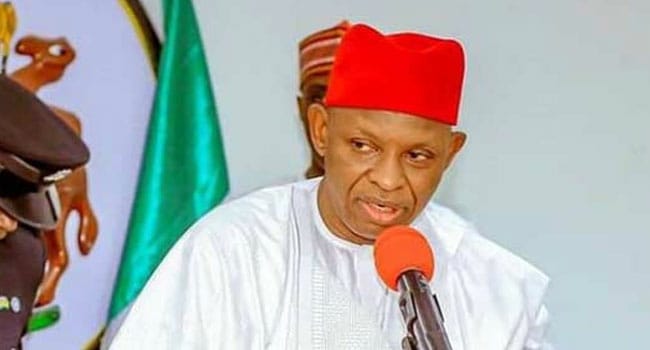
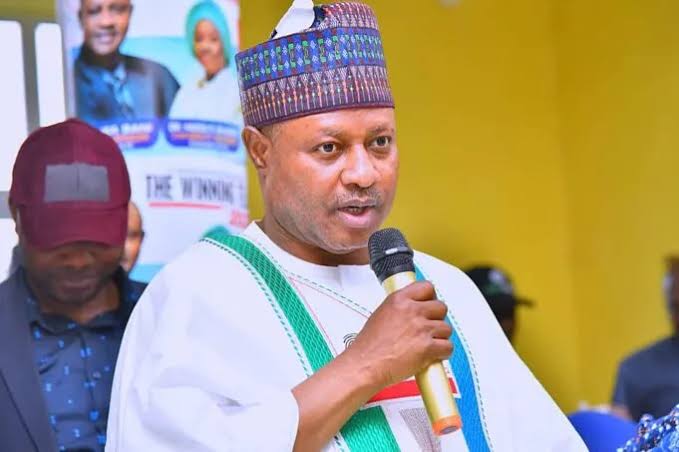
In a significant move aimed at improving healthcare services in Kaduna State, His Excellency Senator Uba Sani, the Governor of Kaduna State, has approved the immediate implementation of the 2014 Consolidated Medical Salary Scale (CONMESS) for resident doctors working under the Kaduna State Ministry of Health.  

This decision was made during a media chat held on Sunday, September 3rd, 2023, as part of the governor’s 100 days in office celebration. 

The announcement comes after extensive negotiations with striking doctors, which revealed that resident doctors in the Ministry of Health were receiving only 75% of the 2014 CONMESS, while their counterparts at Barau Dikko Teaching Hospital enjoyed 100% of the CONMESS. 

Starting in September 2023, this approval ensures that resident doctors in the Ministry of Health will now be on par with their peers at Barau Dikko Teaching Hospital, potentially boosting productivity and attracting more medical professionals to the state. 

Governor Uba Sani also disclosed during the live media chat, broadcast across major radio stations in Kaduna, that the recruitment of 89 medical doctors was authorised to address the staffing gap identified in 2017.

This initiative reflects the administration’s commitment to enhancing doctors’ morale and improving access to quality healthcare for Kaduna residents. 

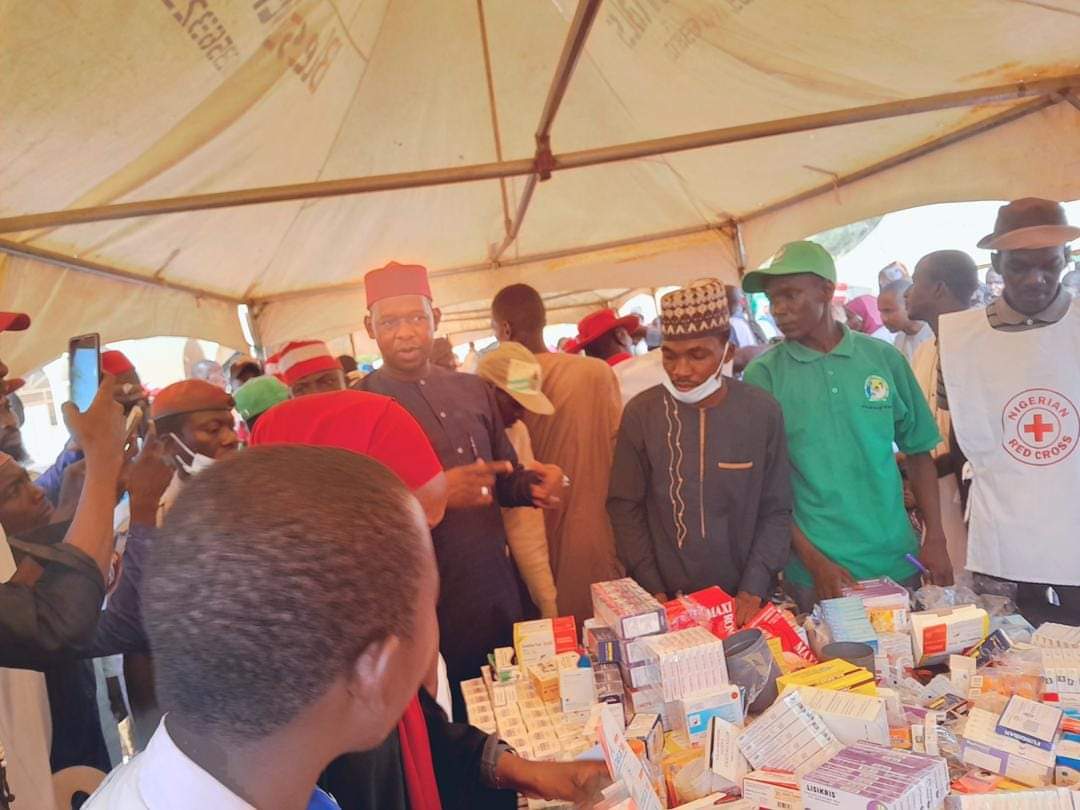
Furthermore, Governor Sani emphasised the administration’s dedication to primary healthcare, noting the recent distribution of advanced medical equipment to upgraded primary health centres, aimed at ensuring every citizen or resident has access to primary healthcare within a kilometre of their residence.

COVID-19 variant surfaces in UK

By Muhammadu Sabiu 

The first COVID-19 variant BA.2.86 case was found in the UK on Friday, according to the United Kingdom Health Security Agency (UKHSA). 

UKHSA said in a statement on its website that the new COVID-19 strain was found in a person who had no recent travel history. 

“We are aware of a confirmed case in the UK. We will provide further information in due course after undertaking detailed assessment,” Dr. Meera Chand, Deputy Director of UKHSA, stated.

US health authorities and the World Health Organisation (WHO) reported that they were closely observing a new COVID-19 variant. 

Despite the fact that WHO classified the virus as a “variant under monitoring,” its potential impact is presently unknown.

Bauchi: Government renovates parts of specialist hospital gutted by fire

By Ukasha Rabiu Magama

The Bauchi state government has assured a speedy renovation of some parts of the specialist hospital gutted recently by fire.

The development came when the state’s Commissioner of Health, Dr Adamu Umar Sambo, visited the hospital on Saturday.

The commissioner, who went there to see the nature of the work in the hospital, encouraged the workers to continue saving the lives of the people of Bauchi state with no hesitation.

Promising the work, the commissioner also assures the replacement of all burnt equipment in the hospital and does the needful to adjust the hospital bill and make it affordable to Bauchi citizens.

He further commended the effort of the workers for their contribution to improving the lives of Bauchi citizens. He pledged to continue supporting the workers best of his ability to bring the desired output to the state.

NMA offers free surgeries to 200 patients in Toro 

By Ukasha Rabiu Magama

Preparations are underway as the Bauchi state chapter of the Nigerian Medical Association (NMA) prepares to offer free surgical procedures to more than 200 patients afflicted with various ailments across the Toro local government area.

Dr Adamu Umar Sambo, the recently appointed Commissioner of Health in Bauchi, announced the initiative during a ceremonial event hosted by the Islamic Medical Association of Nigeria (IMAN) at the Toro chapter. 

“The Medical Association of Nigeria, NMA, will soon offer free surgery to over 200 patients suffering from various diseases across Toro local government. The association will do this to express its happiness and to thank His Excellency Bala Muhammad Abdulkadir for appointing one of them as Bauchi health commissioner.” 

The free surgeries are a gesture of appreciation for Dr Sambo’s appointment as the new Commissioner of Health and a tribute to Governor Bala Muhammad Abdulkadir for recognising Dr Sambo’s contributions to the medical field.

Dr Sambo, who formerly held the position of Chief Medical Officer at Toro General Hospital Toro and currently serves as the Bauchi Commissioner of Health, urging his successor, Dr Maryam Ahmad Abubakar, to build upon his achievements and collaborate closely with hospital unit officials to align with Bauchi state’s health sector objectives.

Similarly, Dan’zumi Abdulhamid, Chief Nursing Officer at Toro General Hospital, praised Dr Sambo’s accomplishments as the former Chief Medical Officer, highlighting advancements such as upgrading the hospital to a real general facility, provision of essential equipment including generators and X-ray machines, establishing a Covid-19 centre, a new theatre room, and the renovation of facilities including staff quarters and the Juma’at mosque.

On his part, Alhaji Aliyu Yakubu Lame, the district head of Lame, encouraged the Commissioner to work selflessly to drive development in the state. He equally commended the Governor for appointing two key commissioners from Toro and urged Dr Maryam Ahmad Abubakar to carry on Dr Sambo’s legacy.

The event was graced by the presence of the district heads of Toro, representatives from the Nigerian Medical Association, members of the Islamic Medical Association of Nigeria – Toro chapter, and other esteemed dignitaries.

Unmasking the N1.5bn cancer fund people don’t know about

By Lawal Dahiru Mamman,

In a newspaper interview, she narrated how the excruciating pain and cost of cancer treatment drove her to sell her valuables. Rosemary Nnamdi said it’s a miracle that she is still alive today. Nnamdi, 33, was diagnosed with the most common form of cancer, breast cancer, in 2019.

The young lady somehow and eventually took a leap of faith and, according to the report, had a single mastectomy – a surgical procedure that involves removing the entire breast. The process was supposed to be complemented by radiotherapy and chemotherapy, which involved killing cells with radiation from elements like uranium and anti-cancer drugs. This she could not afford.

“I started soliciting funds to cover chemotherapy and radiotherapy sessions, but it was never enough. I sold every single property, but it could not cover the sessions recommended by the doctor,” she said.

A revelation in an interview by Dr Adamu Umar, President of the Nigerian Cancer Society (NCS), came to mind after reading the heart-rending report on Rosemary Nnamdi.

During the interview, Dr Umar lamented that over N1.5bn earmarked for cancer treatment in Nigeria has not been accessed by people with the disease. He disclosed that many cancer patients are unaware of the intervention fund known as Cancer Health Fund (CHF), resulting in the inaccessibility of a larger part of the money.

He identified the lack of data to ascertain the actual number of cancer patients in the country as one of the reasons for frustrating the intervention programme.

His revelation was stunning because the World Health Organisation (WHO) estimates that 10 million people die of cancer (a disease in which cells of the body grow uncontrollably at a spot and spread to other parts) annually worldwide and that 70 per cent of these deaths occur in low-to-middle income countries including Nigeria.

In Africa, Mr Walter Mulombo, WHO country representative to Nigeria, said, “Every year, Africa records around 1.1 million new cases of cancer resulting in up to 700,00 deaths.” According to Globocan statistics, in 2020 alone, a staggering 78 899 cancer deaths were recorded in Nigeria.

Since it costs an arm and leg to treat cancer, the ‘Cancer Health Fund’ was separated from the budget to tackle different types of cancer in the country. Should cancer patients in Nigeria not know about this?

Regrettably, lack of awareness and inaccessible location has contributed to the low participation of cancer patients in accessing the fund set aside to manage their affliction.

The Nigerian CHF is a social service that provides funding and health care services to indigent cancer patients. Before this, the National Cancer Control Programme (NCCP) was established in 2006 as a fallout from the 58th World Health Assembly Resolution on cancer prevention and control adopted in May 2005. The programme was established to address the escalating cancer incidence in Nigeria.

But the CHF programme is an initiative of the Federal Ministry of Health that commenced in 2021 with six pilot hospitals. Ahmadu Bello University teaching hospital (ABUTH), National Hospital Abuja (NHA), University of Benin Teaching Hospital, Benin (UBTH), Federal Teaching Hospital Gombe (FTH), University of Nigeria Teaching Hospital (UNTH), University College Hospital (UCH).

It involves partners such as the American Cancer Society, ROCHE, Pfizer, MYLAN, Clinton Health Access Initiative, World Wide Commercial Ventures (WWCV), BICON and EMGE resources, which is mandated to implement the CHF initiative on behalf of the Federation Government.

Since many cancer patients seem to be oblivious to this vital function, there is a need for the National Orientation Agency (NOA) to carry out sensitisation programmes across many towns and villages in the country. The knowledge will then be a driving force for patients to seek treatment.

In addition, the media and non-governmental organisations can also be involved in such campaigns while the government strives to expand beyond the six pilot hospitals. 

By empowering people with the Cancer Health Fund information, we can help save thousands of lives from a killer disease, as we do not all have to be doctors to guarantee the most fundamental human right – the right to live.

Lawal Dahiru Mamman writes from Abuja and can be reached via dahirulawal90@gmail.com.

KADUNA: Panic over outbreak of new disease leads to shutdown of schools

By Uzair Adam Imam

A Kaduna State Community, Kafanchan of Jema’a Local Government, was thrown into a sheer panic over the outbreak of an unknown disease that kills people.

Our reporters gathered that at least five people died and over ten were admitted at Sir Patrick Yakowa Memorial Hospital, Kafanchan, for medical treatment.

Speaking to journalists about the development, Ezra Joshua, the secretary of the hospital, said the hospital had taken samples to Kaduna to confirm the type of the disease with its treatment.

The Daily Reality learnt that all the nursery and primary schools in the community were locked by the schools’ authorities after sending their pupils back home as the outbreak was reported on Wednesday.

Joshua stated that, “Yes, we received the case of the new disease that starts with fever, headache, sore throat and general weakness of the body that affects zero to 13 years children.

“We learnt that four to five children have already died of the disease in Kafanchan town but we can’t confirm since it was not referred to our facility.

“What we have received now are 10 children that we have kept in isolation and their samples taken to Kaduna as of now,” he said.

Those reported to have died from the disease are, Zulaihat Abdurrasheed 13, Hussaina Aliyu 13, Maryam Mustapha 3, Aliyu Umar 4, and Abdulshakur Umar 2.

The danger of eating Ponmo/Ganda

By Bala G. Abubakar 

Pre-historic people used to live by hunting. Clothes were necessary for protecting the body from cold and rain. It is very likely that for clothing, the pre-historic hunter utilised the skins of the animals he killed by converting them into leather. 

Why LEATHER?

The art of converting hides and skins into leather is called TANNING. Tanning is the art by means of which putrefiable animal hides and skins are preserved from decay and converted into an imputrescible substance known as leather. The main characteristic or attribute of leather is COMFORT. Comfort means the leather ‘breezes’; as such, when it is COLD, the leather keeps the body warm; at the same time, when it is HOT, the body is COOL. The skins of large animals are called hides, and small animals are called skins. Hides are large and thicker in substance and heavier in weight than skins.

Animal skin is composed of water, protein, minerals, fats, and carbohydrates. About 80 per cent of dry skin is made of protein. Collagen is the main structural protein that makes leather. Proteins are made up of organic compounds called Amino acids.

Your body needs about 20 different acids to function properly. While all 20 of these are important, only nine are essential. Collagen protein, the main constituent of hides and skins, has only three (3) essential amino acids out of the 20. Notably, the daily requirement of protein containing all the essential amino acids is 90 grams. As outlined, collagen has only three essential amino acids; the six non-essential amino acids, plus other proteins and carbohydrates in the bloodstream, are all converted into glucose. Thus, spiking blood sugar leads to insulin resistance. Insulin resistance happens when the body does not respond appropriately to insulin, leading to high blood sugar. Consequently, the following diseases or ailments are imminent: 

  1. Type 2 Diabetes: This is a debilitating disease everyone is conversant with.
  2. Metabolic Syndrome: this is the medical term for a combination of diabetes, high blood pressure, and obesity. It puts you at a greater risk of coronary heart disease, stroke and other conditions affecting the blood vessels. 
  3. Overweight and obesity are defined as abnormal or excessive fat accumulation that presents a health risk. 
  4. Non-alcoholic fatty liver disease is a term for a range of conditions caused by a buildup of fat in the liver.
  5. Cardiovascular disease is a general term for conditions affecting the heart or blood vessels.
  6. Polycystic ovarian syndrome (PCOS) is a hormone imbalance in women. This included insulin. People with PCOS are almost three times more likely to develop cancer.
  7. Alzheimer’s disease is the most common dementia. It involves brain parts that control thought, memory, and language.
  8. Insulin resistance has no symptoms but is reversible. 

Professor M.K. Yakubu of the Nigerian Institute of Leather and Science Technology (NILEST) disclosed that Nigeria loses about 855 billion Naira in revenue annually from importing cattle hides. The hides are imported from neighbouring countries, including Mali. Others are the Central African Republic, East Africa, and recently, Saudi Arabia. The estimate is about 3 million pieces of which are consumed by Ponmo eaters. Nigeria produces over 7 million cattle hides yearly; 90 per cent are used as a food delicacy, an alternative to proteins. Statistics show that most of the consumers are from the Southwest states of the country. Therefore, the Consumption of Ponmo ultimately has immense adverse effects on the country because of the following:

  1. Healthcare: Insulin Resistance may have been the cause of many killer diseases. 
  2. Loss of Revenue to the Nigerian government. 
  3. The closure of several tanneries processing hides into Side leather in Kano, Maiduguri, and Sokoto has some impact on the governments due to loss of revenue and to workers job-wise.
  4. Owing to Insufficient side leathers, many big shoe Companies have closed their plants and shops to relocate elsewhere. A big example is the Bata shoe company. Lennards has recently imported Completely Knocked Down (CKD) parts to assemble shoes.
  5. Shoemakers of Aba, Onitsha, Lagos, and Kano use mostly man-made materials, which has no comfort in making shoes.
  6. Only 10 per cent of the population of this country uses leather shoes, while the rest use ones with man-made material imported from  China and India. 

To SUM it up, hides and skins from time in memoriam have been used for making shoes and clothing, but not for EATING! 

Bala G. Abubakar is a livestock and leather consultant. He can be contacted via ibro240@yahoo.com.

Reasons why Dr. Ali Pate should be a Minister

By Isma’il Ahmad Misau

The APC-led administration of President Asiwaju Bola Ahmad has a plan of action (prioritized set of goals/agendum) that it determines to accomplish. It was in broad daylight that the President has blended and marketed his manifestos for the election under the banner of ‘Renewed Hope.’ During his campaign, President Tinubu outlined his strategies for building the finer Nigeria of our aspirations in an effort to win over the Nigerian voters. Yes, Nigerians voted for him massively and he won the election because they were supposedly pleased and convinced with his promises to make Nigeria a better place on earth. What follows is history. One month has passed since the reign of the Renewed Hope. What next? I guest, the formation of cabinet.

Nigerians are anxiously awaiting for President Tinubu’s cabinet one month after his inauguration. Nigerians are making predictions about the Ministers from all sides and aspects while taking various factors into account. Top politicians, including past Governors and Senators who are still in office, are vying for ministerial positions. 

Dr. Ali Pate is not on the list of top candidates for the ministerial position in Bauchi State, and no one is counting him. Unexpectedly, Nigerians learned of his resignation from GAVI, where he had been acting as the organization’s Chief Executive Officer until his resignation. He resigned to accept the ministerial office at President Tinubu’s request, which is an interesting aspect of the event. The occurrence that sparked various responses around the world. 

Dr. Ali Pate is a well-known physician, to those who are familiar with him as a stakeholder of global healthcare, his appointment as a Minister is not deserving of media attention. Even if the World Health Assembly, the top body for the world’s healthcare system, were to announce his appointment as it’s Director General or to be the CEO of the World Health Organization, the news would not come as even the slightest surprise because he is already qualified to hold any position that exist in the health sector due to his capacity, ability, capability, and competence.

It is true that whomever understands the way goes first. Dr. Ali Pate has held a variety of government posts throughout his career as a skilled healthcare professional, including Chief Executive Director of the National Primary Healthcare Development Agency and state Minister of Health in Nigeria. Prior to his voyage, the National Population Health Care Development Agency (NPHCDA) was utterly devoid of leadership and the laughing stock of Nigeria’s health industry. The National Programme on Immunization (NPI), which it amalgamated after being founded by Her Excellency, Haj. Maryam Abacha, was in charge of overseeing vaccination campaigns in Nigeria. Nigeria was alone in endangering billions of dollar worth of global polio eradication efforts. He grabbed the opportunity when President Umaru Musa Ƴar’adua (of blessed memory) named him to lead the agency. 

He invited the traditional rulers and integrated them as stakeholders since he is a versed leader. They are closed to the populace and adept at instructing them in a relaxed manner. That was how polio patients were identified and effectively treated. There was not a single index case of polio in Nigeria prior to his resignation.

He completely reinvigorated NPHCDA. It realigned it’s priorities and focus on the tasks it was truly created to complete. In order to combat the threat of unfathomably high maternal mortality rates in Nigeria, the National Population Health Care Development Agency (NPHCDA) introduced the innovative Midwifery Service Scheme by recruiting retired midwives from all over the nation to support underperforming antenatal clinics nationwide.

He expanded the system’s horizon past the bounds of preexisting structures. New approaches were created and the polio eradication mission was revived. “Nurturing Nigeria to be a nation of healthy people with equitable and affordable access to primary health care through a system that delivers quality, integrated services with the participation of all stakeholders,” was Dr. Ali Pate’s stated objective at the time.

Then-President Goodluck E. Jonathan appointed him as Minister of Health due to his outstanding abilities as a healthcare administrator, visionary, goal-setter, servant leader, and revivalist. He used his wealth and extensive knowledge to influence the system. 

In his capacity as the Minister of Health at the time, Dr. Ali Pate set the following core goals for himself to pursue: enhancing the provision of essential services at the front lines; focusing on the prevention agenda through immunization; health education; concentrating on clinical governance and raising the standard of care in the Nigerian health sector; and, finally, maximizing the potential of market forces to encourage innovation and advancements in the health sector. He started a new project after establishing the aforementioned goals, which was to save one million Nigerian lives by 2015.

For the second time in Nigerian history, Dr. Ali Pate resigned from his position as Minister with honor because he is a man of real values. The decision was due to some inconsistencies. He took the job of Professor of Public Health at Duke University.

Dr. Ali Pate worked for many international organizations at numerous capacities, including Senior Health Specialist and Human Development Sector Coordinator for the East Asia/Pacific Region, Senior Health Specialist for the African Region. He simultaneously held two distinct Executive Director positions of;  Director for Health, Nutrition, and Population, and Director of the Global Financing Facility for Women, Children, and Adolescents (GFF) at the World Bank Group. He also oversaw the distribution of USD 18 million in financial assistance across the globe to mitigate the effects of Covid-19. 

There were 304 applicants for the position of CEO of GAVI from multifarious and terrestrial breedings. Only three of them advanced to the last round. Fortunately, Dr. Ali Pate prevailed over the two other candidates. He was the only individual in the world who was black, African and from Nigeria, who remained from the start of the exercise to it’s conclusion. All preparations were done for his formal inauguration on 3rd August 2023.

Now that the Nigerian healthcare system has failed as a result of weak governance, lack of coordination, subpar health facilities, lack of human resources, inadequate finance and corruption, the President must appoint someone with foresight and focus who has knowledge of the Nigerian and international healthcare systems in order to reconstruct the system by addressing all these pressing artificial challenges.

Dr. Ali Pate is the only black person with overall features, virtues and reputations that would match the assignment of the Renewed Hope healthcare agenda, which focused on human resources, brain drain, health tourism, infrastructure, universal health care and health financing. This is true not only in Nigeria or Africa, but also globally.

Dr. Ali Pate, an astute visionary administrator and experienced physician who changed the global narratives of healthcare and made his marks as an administrative paterfamilias with uncommon zeal, will be in charge of managing Nigeria’s healthcare. Additionally, Nigeria is governed by President Bola Ahmad Tinubu, a full-fledged democrat whose actions were strategic and always calculated to produce results. Renewed Hope is doable if Dr. Ali Pate’s preferences are shared. 

President Bola Tinubu’s expression of interest to collaborate with individuals like Dr. Ali Pate demonstrated his willingness to address the problems plaguing Nigeria.

In conclusion, Dr. Ali Pate will do us a huge favor if he gives up his next position, the CEO of GAVI where he will bring home the groceries of $700,000, or 525 million Nigerian naira, to take a political seat with a salary of 2m, including allowances and everything, 60 million annually. This singular act demonstrates his patriotism and willingness to die for his nation. Behold, Dr. Ali Pate is among the greatest assets to Nigeria.

May Bola Ahmad Tinubu be successful. May Allah, the Almighty grant us Dr. Ali Pate as the Nigerian Health Minister, may He lead, strengthen, assist and uphold him to effectively implement the Renewed Hope agenda.

Isma’il Ahmad Misau: writes from Misau College of Health Science and Technology (MICOHEST).

Unravelling the mystery of hormonal imbalance

By Ummusalma Farouq Sambo

Hormonal imbalance is a nightmare for many women. Being unspoken by society and an enigma to most women is why I am writing this piece.


Many marriages/relationships are affected by the concurrent hormonal imbalance in women. The lack of knowledge from men on the topic leads to lots of misunderstanding about us women. I believe we can solve this problem by teaching women what is wrong with their bodies and enlightening men about how some women are created.

Let’s start by knowing what hormones are in a simple human context.

Hormones are chemical messengers produced by various glands in the body. They are released into the bloodstream and travel to different body parts to regulate and control multiple functions. They are crucial in coordinating processes like growth, metabolism, reproduction, and mood. They act as signals, transmitting information between different organs and tissues to help maintain balance and harmony within the body.

However, maintaining hormonal balance is no easy feat. Our bodies are like a complex ecosystem, and even the slightest disruption can throw these delicate hormones into disarray. Stress, poor lifestyle choices, and certain medical conditions can all wreak havoc on this delicate equilibrium, leading to hormonal imbalances and a host of unwelcome symptoms.

Symptoms Of Hormonal Imbalance

Living with hormonal imbalance is like navigating a maze of unexpected twists and turns. As a woman, I know firsthand the impact it can have on our lives. Let’s look at the signs that can help us unravel the mystery of hormonal imbalance.

  1. Rollercoaster of Emotions: Imagine waking up overwhelmed by sadness, only to burst into tears moments later. Hormonal imbalance can unleash a rollercoaster of emotions, leaving you feeling irritable, anxious, or inexplicably down. These emotional ups and downs can disrupt your relationships, work, and well-being.
  2. Mysterious Weight Fluctuations: Have you ever diligently followed a healthy diet yet struggled to lose weight? Hormonal imbalance may be at play. It can wreak havoc on our metabolism, leading to unexplained weight gain or difficulty losing weight, no matter how hard we try.
  3. Battle of the Breakouts: Acne isn’t just a teenage problem. Hormonal imbalances can trigger frustrating breakouts, even in our adult years. Those pesky pimples that seem to appear out of nowhere? They could be a red flag indicating that our hormones are out of whack.
  4. Energy Dips and Fatigue: Feeling like you’re constantly running on empty? Hormonal imbalance can drain your energy levels, leaving you feeling fatigued and exhausted. Staying focused and productive becomes a daily struggle; even the simplest tasks can feel like climbing Mount Everest.
  5. Menstrual Mayhem: Our monthly cycle can offer valuable insights into our hormonal health. Irregular periods missed periods, frequent periods, stopped periods, heavy flows, or excruciating cramps might indicate that our hormones are imbalanced. These disruptions bring physical discomfort and disrupt our plans and routines.
  6. Sleepless Nights: Tossing and turning, unable to find that elusive state of blissful slumber? Hormonal imbalance can wreak havoc on our sleep patterns, leaving us staring at the ceiling in frustration. It becomes a vicious cycle where lack of sleep further exacerbates hormonal imbalances.
  7. Vaginal dryness and itching
  8. Hyperpigmentation of the skin
  9. Puffy face
  10. Decreased or increased heart rate
  11. Weakened muscles
  12. Pain in the muscles, tenderness, and stiffness
  13. Pain and swelling in the joints
  14. Depression
  15. Infertility
  16. Anxiety or irritability
  17. Purple stretch marks

Causes and Contributing Factors of hormonal imbalance

Throughout different stages of life, hormonal changes play a significant role in our bodies. Puberty, pregnancy, perimenopause, and menopause are all periods when our hormones fluctuate, potentially leading to imbalances. These natural transitions can sometimes throw our delicate hormonal equilibrium off track, causing different symptoms.

But it’s not just natural life events that affect our hormones. Our environment and lifestyle choices also play a vital role. The relentless stress of modern life, poor diet, and lack of exercise can all contribute to hormonal imbalances. Stress, in particular, can disrupt the delicate dance of hormones in our bodies, throwing them out of whack and causing confusion on our physical and emotional well-being.

In addition to external factors, underlying medical conditions can disrupt hormonal balance. Polycystic ovary syndrome (PCOS), thyroid disorders, and insulin resistance can all contribute to imbalances. These conditions require careful attention and management to restore hormonal harmony.

Other factors that can cause hormonal imbalances are

  • Pregnancy
  • Breastfeeding
  • Primary ovarian insufficiency
  • Hypogonadism
  • Cushing syndrome
  • Benign or cancerous tumours
  • Eating disorders
  • Stress
  • Hormone therapy
  • Thyroiditis
  • Congenital adrenal hyperplasia
  • Medications
  • Cancer treatments 

Seeking Balance and Restoration

I’ve discovered that a holistic approach is vital when restoring hormonal balance. It’s not just about popping a pill or relying solely on medical interventions; it’s about embracing a lifestyle that supports my overall well-being. Let me share with you some strategies I’ve found helpful on my journey:

  1. Nourishing my body with a balanced diet: I’ve come to appreciate the power of food in nurturing my hormones. Incorporating whole foods, like colourful fruits and vegetables, lean proteins, and healthy fats, has made a remarkable difference. I’ve also minimised processed foods and refined sugars, which can disrupt hormonal harmony.
  2. Moving my body regularly: Exercise has become my secret weapon in regulating hormones and reducing stress. Whether it’s a walk, a yoga session, or a gym, finding activities I enjoy has made incorporating movement into my daily routine easier.
  3. Prioritizing quality sleep: I used to underestimate the importance of sleep, but now I recognise its profound impact on my hormonal health. Creating a calming bedtime routine, minimising exposure to screens before bed and ensuring a comfortable sleep environment help me achieve more restful nights and wake up refreshed.
  4. Managing stress effectively: Stress can cause unwanted problems with our hormones, so finding healthy coping mechanisms has been crucial. I’ve explored various stress management techniques, such as meditation, deep breathing exercises, writing, and spending time in nature. These practices have helped me find balance and reduce the adverse effects of stress on my hormonal well-being.
  5. Embracing self-care rituals: Taking time for myself has become a non-negotiable part of my routine. Whether indulging in a relaxing bath, enjoying a good book, practising mindfulness, or engaging in creative hobbies, these self-care routines have provided a much-needed sanctuary in my busy life and supported my hormonal balance.

While lifestyle changes have been impactful, it’s essential to acknowledge that sometimes medical interventions are necessary. Consultation with healthcare professionals, such as doctors or endocrinologists, can provide further guidance and options tailored to your specific hormonal needs.

Remember, seeking balance and restoration is a personal journey, and what works for me may be different for you. The key is to listen to your body, be patient with yourself, and make gradual changes that align with your goals and values. Embrace your power in taking control of your hormonal health and nurturing your overall well-being.

Empowering Women and Promoting Awareness

We have to prioritise our health as women. We must prioritise our health and well-being, including taking care of our hormonal health. I can’t stress enough how important it is to listen to our bodies and pay attention to any changes or symptoms we may be experiencing. Whether it’s irregular periods, mood swings, or unexplained weight gain, these signs could be indicators of hormonal imbalance. By proactively seeking help when needed, we empower ourselves to regain control over our bodies and overall health.

Knowledge is power when it comes to hormonal imbalance. Knowledge truly is power. Educating ourselves about the intricacies of our hormones, the factors that can disrupt their balance, and the potential impact on our well-being allows us to make informed decisions. We can debunk myths, challenge misconceptions, and advocate for our health by staying informed. Let’s empower ourselves with knowledge and spread awareness among our friends, family, and communities so that no woman feels alone in her journey to understand and manage hormonal imbalance.

You are not alone. Dealing with hormonal imbalance can sometimes feel overwhelming, but remember. You are not alone. Building a support network can be incredibly empowering. Reach out to trusted friends, family members, or even online communities where you can connect with other women going through similar experiences. Sharing your challenges, seeking advice, and supporting others can create a strong sense of solidarity and help you navigate this journey confidently. Together, we can uplift and inspire one another to embrace self-care and take control of our hormonal health.

For our men, patience and understanding of how a woman’s body is created will help you to understand us much better. On days that we don’t feel like talking or laughing, we understand we are fighting an unknown battle and that only your love will help suppress our pains.

Ummusalma Farouq Sambo wrote from Kano. She can be contacted via salmerhsambo@gmail.com.

Should we donate blood for free if recipients have to pay for it?

By Bello Hussein Adoto

One, two, three. Every three seconds, someone somewhere is receiving blood, and they don’t know where it comes from. The person could be an accident victim with a broken leg, a woman bleeding after birth, a sickle cell patient hanging on to life, a man with haemophilia whose blood just won’t clot, or a snakebite victim whose cells are lysing away.

Three seconds. Someone is on the bed, being saved with another person’s blood. That blood could be yours—one pint drained from your body in ten minutes every three months (men can donate up to four times a year). Sometimes, it doesn’t take more than that to save a life.

Unfortunately, many people don’t donate blood because they frown at the idea that hospitals “sell” the blood they donate for free, so it is better that they don’t feed what they see as an unwholesome trade. Why should we donate blood for free if recipients have to pay for it? Let’s unpack the answer.

Blood is free. Hospitals—public ones, at least—don’t sell blood.

They collect service charges ranging from five to eight thousand naira in public hospitals to cover the cost of screening, collecting, bagging, storing, matching, and transfusing blood. The service charge is like revolving funds that keep the blood flowing from the donor to the patient.

Is it criminal? Not quite. Hospitals get blood from unpaid voluntary donors and relatives of transfusion recipients who donate to replace the blood their loved ones received. A third source is those who get paid for donating blood. However, getting blood from paid donors is discouraged for ethical and safety reasons. Whatever the source, blood recipients are required to pay processing fees to cover the cost of getting blood and transfusing it safely.

Let’s face it. Healthcare is subsidised, but it’s not free. The government can only pay for so much. Hospitals need facilities to receive donors and collect their blood. They need equipment, test kits, and reagents to screen the blood; bags and anticoagulants to keep the blood fluid and aseptic; storage units to keep the blood stable enough to be useful to the patient. These cost money and that’s the service charge that patients and their relatives pay.

The need for blood for voluntary blood donation is high in Nigeria. According to a recent National Blood Services Commission (NBSC) report, only 25% of blood transfusion demand is met in Nigeria. Unpaid voluntary donation closes the demand gap for blood donation. It makes blood available to patients, especially those with rare blood types and those needing many pints of blood.

While you are welcome to share your concerns about patients having to pay for blood, please don’t let that discourage you from donating. People need blood, and that need is critical. Malnourished children, pregnant women, people with severe malaria, and those with sickle cell disease are among the top groups in this category.

Your blood could be the difference between someone staying alive or dead. Imagine your younger sister or a parent desperately needs blood, but blood banks and reserves are depleted due to a lack of willing donors. What do we do then? Even if you worry that recipients will eventually have to pay for it, your blood gives them something to pay for.

Besides, your donation makes blood available so that desperate patients and their relatives don’t have to get it from the so-called black market, which is more expensive.

Beyond donating, you can raise awareness for other people to donate. As of 2022, only 8% of transfused blood in the country was voluntarily donated. We need more unpaid voluntary donations to make blood more accessible to those in need.

Transfusible blood is obtained only from humans. We can’t manufacture blood like normal saline or get it from animals like insulin. So, people need to donate blood.

We must also make the case for better investment in our health system. Many public hospitals across the country cannot collect or store blood. They often ask patients’ relatives to look for donors or collect and keep blood that may not be useful for transfusion. Better hospital facilities and more laboratory supplies will buffer these limitations and improve the quality of blood transfusion in Nigeria.

While I don’t deny that unscrupulous elements could profit from the blood trade, we need to see the bigger picture. Blood donors serve a great need. Your donation makes blood readily available and accessible to everyone. So, please, go out there and donate. You are saving a life.

Adoto, a researcher, writer, and journalist, writes via bellohussein210@gmail.com.