Health

You can add some category description here.

Prof. Yusuf Bara Jibrin: A medical trailblazer

By Usman Abdullahi Koli, ANIPR

In the words of the great German and one of the most impactful scientists, Albert Einstein, “Intellectuals solve problems, geniuses prevent them.”

In medicine, intellectualism and professionalism are the hallmarks of integrity. Back in Nigeria, like every sector, health faces its challenges. And in the words of the great scientist, dodging problems may not be far from shifting disaster; he believed that as an intellectual, the problem should be solved head-on. Professor Yusuf Bara Jibrin, the Chief Medical Director of Abubakar Tafawa Balewa University Teaching Hospital, Bauchi, epitomises these traits.

As a Professor of Internal Medicine specialising in infectious diseases, Yusuf Bara Jibrin has made significant strides in clinical development, research, training, staff welfare, and community engagements.

Prof. Jibrin is a beacon of intellectual curiosity and an embodiment of generosity in serving humanity. Through groundbreaking research, he has revolutionised our understanding of disease diagnosis and treatment, yielding numerous advancements in the medical field. His pedagogical prowess has inspired generations of medical professionals, nurturing their talents and fostering a passion for healing. Beyond his discipline, his expertise embraces various subjects, with an unending commitment to mentoring and guiding his staff and students.

Under his leadership, ATBUTH Bauchi has emerged as a premier healthcare institution in Bauchi and beyond. The sophisticated new facilities, including the General Outpatient Department (GOPD) complex, ENT department, Infertility Centre, and the upcoming Dental Clinic and Diagnostic Centre, are a testament to his commitment to excellence. His efforts have also led to the establishment of robust community engagement and management development programs, enhancing the hospital’s visibility and operational efficiency.

ATBUTH Bauchi has achieved numerous clinical milestones under this exemplary leadership. The hospital conducted its first endoscopic laser therapy for kidney stones, a significant advancement in minimally invasive surgery. The Pharmacy Department has begun using a drug formulary, aiming for essential service delivery. The successful execution of the first spinal surgery operation and the introduction of laser urethral stone procedures further underscore the hospital’s clinical capabilities.

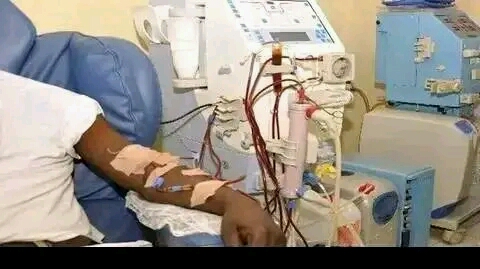
The NCDC recognises the Molecular Genetics and Infectious Diseases Laboratory at ATBUTH as a national surveillance system, thanks to its advanced sequencing equipment. The Lassa Fever Isolation Centre has recently invested in new dialysis machines, effectively reducing Lassa fever fatalities and positioning the centre as a leader in managing Lassa fever cases in Bauchi. The Pharmaceutical Production Unit has commenced making sanitisers and hydrogen, contributing to the hospital’s competence in pharmaceutical manufacturing.

ATBUTH Bauchi has launched an Emergency Medical Service and Ambulance System equipped with a highly responsive team to provide effective emergency medical assistance. The Geriatric Management Centre is set to commence home services, focusing on the well-being of elderly individuals. The implementation of the Electronic Medical Record System has significantly reduced patient waiting times, improving overall service delivery. The established Oxygen Plant has become an independent supplier, reliably providing oxygen to Bauchi and its neighbouring states.

The management team at ATBUTH, under Prof. Jibrin’s visionary leadership, has transformed the hospital into a beacon of excellence in healthcare delivery, research, and training. Their collective efforts have propelled ATBUTH to new heights, ensuring it remains at the forefront of medical innovation and patient care.

As we acknowledge these achievements, we pray for continued success and growth for ATBUTH Bauchi. May their efforts be rewarded with further advancements and improved healthcare outcomes for the benefit of all.

Usman Abdullahi Koli wrote via mernoukoli@gmail.com.

Diabetes week 2024: Understanding, preventing and managing a global health challenge

By Mujahid Nasir Hussain

Diabetes Week is an annual event dedicated to raising awareness about diabetes and encouraging prevention and management strategies to support those living with the condition globally. As the world comes together for Diabetes Week 2024, observed from June 10th to 16th, communities, healthcare professionals, and organizations united in a series of events and campaigns to foster a deeper awareness and a proactive approach towards combating the condition.

According to the 2024 International Diabetes Federation (IDF) report, diabetes is a significant and growing global health issue affecting diverse regions and populations. Approximately 537 million adults (20-79 years) worldwide are living with diabetes, with this number expected to rise to 643 million by 2030 and 783 million by 2045. One of the major concerns regarding this increase is that Nigeria is among the countries facing such a significant rise, with current estimates showing millions affected and a substantial proportion of cases undiagnosed. Thus, there is a need for improved diabetes education, prevention programs, and accessible treatment options to combat this growing health crisis.

Diabetes is a chronic condition characterized by high blood glucose levels. This occurs when the body either doesn’t produce enough insulin or cannot effectively use the insulin it produces. Persistent high blood glucose can damage various organs and systems, leading to significant health complications. Although there are many forms of diabetes, according to numerous literature reports, there are generally three. Viz: Type 1 diabetes, Type 2 diabetes and Gestational diabetes.

Type 1 Diabetes

Type 1 diabetes is an autoimmune condition where the body’s immune system mistakenly attacks and destroys the insulin-producing beta cells in the pancreas. This destruction leads to little or no insulin production, crucial for regulating blood sugar levels. Individuals with Type 1 diabetes require lifelong insulin therapy, either through injections or an insulin pump, to manage their blood glucose levels. This type of diabetes often manifests in childhood or adolescence but can occur at any age. Symptoms include excessive thirst, frequent urination, unexplained weight loss, extreme fatigue, and blurred vision.

Type 2 Diabetes

Type 2 diabetes is the most common form of diabetes, accounting for about 90-95% of all diabetes cases. It occurs when the body becomes insulin resistant, or the pancreas fails to produce enough insulin. This condition is often associated with lifestyle factors such as obesity, physical inactivity, and poor diet. Risk factors also include age, family history, and certain ethnic backgrounds. Symptoms are similar to Type 1 diabetes but may develop more slowly, making early detection and management crucial. Lifestyle changes, oral medications, and sometimes insulin therapy are used to manage Type 2 diabetes.

Gestational Diabetes

Gestational diabetes occurs during pregnancy when the body cannot produce enough insulin to meet the extra needs of pregnancy. This condition typically resolves after childbirth but increases the mother’s risk of developing Type 2 diabetes later in life. Gestational diabetes can lead to complications such as high birth weight, preterm birth, and increased risk of cesarean delivery. Managing gestational diabetes involves a healthy diet, regular physical activity, and monitoring blood sugar levels. In some cases, insulin therapy may be needed.

Diabetes Complications

Unmanaged diabetes can lead to severe and potentially life-threatening complications, emphasizing the importance of effective management. These complications include:

Cardiovascular Disease: People with diabetes have a higher risk of developing heart disease and stroke due to damaged blood vessels and nerves.

Neuropathy: High blood sugar levels can damage nerves, especially in the legs and feet, leading to pain, tingling, and even loss of sensation. Severe cases can result in foot ulcers and amputations.

Nephropathy: Diabetes is a leading cause of kidney disease, which can progress to kidney failure, requiring dialysis or a kidney transplant.

Retinopathy: High blood sugar can damage the blood vessels in the retina, leading to vision problems and even blindness.

Skin Conditions: Diabetes can make individuals more prone to bacterial and fungal infections and other skin disorders.

Treatment Strategies for Diabetes

Effective diabetes management requires a multi-faceted approach that includes lifestyle changes, medication, regular monitoring, and education & support.

Lifestyle Modifications: Adopting a balanced diet rich in fruits, vegetables, whole grains, and lean proteins while reducing intake of processed foods and sugary beverages. Regular physical activity, such as walking, cycling, or swimming, is essential to help maintain a healthy weight and improve insulin sensitivity.

Medication: Treatment depends on the type of diabetes. For Type 1 diabetes, insulin therapy is essential. For Type 2 diabetes, oral medications like metformin or other hypoglycemics may be prescribed, and in some cases, insulin may be required.

Monitoring: Regular blood glucose monitoring ensures levels remain within the target range. Continuous glucose monitors (CGMs) provide real-time data, allowing for better management and adjustment of treatment plans.

Education and Support: Diabetes education programs help individuals understand their condition, make informed decisions about their care, and provide emotional support. Support groups offer a platform to share experiences and coping strategies.

Mujahid Nasir Hussain is an undergraduate prize awardee for Physiology 2023, Bayero University, Kano, Nigeria. He wrote via mujahidhnasir@gmail.com.

Hormones: The symphony behind complexities in human behaviours, looks, and emotions

By Aisha Musa Auyo

Hormones influence or determine a considerable percentage of our behaviours and physical appearance. If we say our hormones are what makes us, we won’t be exaggerating. Yet, we hardly discuss it. Yet very few know about it; very few believe in its impact. From genetics to behavioural scientists to physiologists and psychologists, these specialists believe in the power of hormones, especially in women. I will try my best to write in the simplest language possible so that I will not suffocate you with medical jargon.

Hormones are chemicals that coordinate different bodily functions by carrying messages through the blood to the various organs, the skin, muscles, and other tissues. Hormones are the signals that tell your body what to do and when to do it. There is no gainsaying, therefore, that hormones are essential for life and health. So far, scientists have identified over 50 hormones in the human body.

 Hormones control many bodily processes, including metabolism, homeostasis (constant internal balance), such as blood pressure and blood sugar regulation, fluid (water) and electrolyte balance, body temperature, growth and development. Hormones also affect sexual function, reproduction, sleep-wake cycle, and mood.

With hormones, a little bit goes a long way. Because of this, minor changes in levels can cause significant changes to your body and lead to certain conditions that require medical attention. The levels and nature of hormones in the body correlate with our moods, sense of smell, body odour, taste buds, thinking faculty, energy, and looks. 

In this week’s outing, I will start with women, as they are the gender whose hormones have a greater influence and impact on their lives. If you have a woman in your life, regardless of your relationship with her, know that hormones are constantly influencing her. 

Growing up and transitioning into a woman is a roller-coaster of emotional and physical changes. There will be noticeable differences in her attitude, looks, behaviour, and even how she smells. There will be irritability, sadness, and heightened or lowered confidence.

Women have heightened hormonal influence during certain periods. When she grows from a girl to an adult, when she’s ovulating, and at different times when she is on her monthly period. There is a hormonal influence in pregnancy when she is breastfeeding and when she is using hormonal contraceptives. There is yet another hormonal issue at menopause, just as it is at adolescence. 

A few days to menstrual onset (ovulation periods), a woman experiences a libido boost, appetite changes, heightened sense of smell and mood changes…usually in a good mood. But, during the onset of their period, a woman will experience cramps, dizziness, bloating, acne breakout, feeling tired, and mood swings…sadness, anger and anxiety. It isjust a roller-coaster of feelings and emotions. 

When pregnant (this should be a topic of its own), a woman is most likely to experience, among other things, morning sickness, dizziness, nausea, and vomiting; strange food cravings; fatigue; heightened sense of smell; forgetfulness; lack of patience; and crying for no explicit reasons. Bro, be patient and empathic; it’s beyond her. 

Then there comes the postpartum and breastfeeding period, which is associated with crying, difficulty in making decisions, lack of sleep or oversleeping, tiredness, mood swings, etc. Not infrequently, a woman may fall into depression at this phase. 

Then, there are issues relating to the use of contraceptives. These range from headache, migraine, acne, weight loss or gain, hair loss, smooth skin, dryness, and mood swings. The signs are numerous, depending on the woman and the type of contraceptives used.

Then, there is the advent of menopause, which comes with palpitations, hot or cold flashes, difficulty sleeping, tiredness and irritability, dryness and a whole lot of other changes.

Have you ever noticed how a woman can be so lovely today and nasty the next day for no reason? Have you ever seen a woman cry just like that? Have you ever seen a woman with clear skin today and skin full of rashes or acne tomorrow? Have you ever noticed that a woman can be thin today and bloated the day after? Know that these amazing, dramatic transformations result from the interplay of hormones. You have to be tolerant, understanding, and kind.

As a husband, father, son, brother, or friend, you need to understand the complexities of hormones in women to a certain level. This will help you make informed decisions about certain behaviours. This might help explain some oddities in women’s behaviour you experience or notice. The knowledge will help you and be the person she needs during those trying periods.

Sometimes, all a woman needs is space, silence, patience, kind words, empathy, massages, or a shoulder to cry on (that is, if she’s your wife, yauwa!). Chocolates, a listening ear, a credit alert (LOL!), hot tea, a pain killer, or taking her on a walk may be the healing or soothing balm.

The above is just a summary of what women go through. I will expound on each stage in subsequent editions, each stage as a topic of itself, and see how we can navigate through each milestone of hormonal symphony and the complexities of women’s health and emotions. Insha Allah.

Dear reader, but do you know that men, too, have hormones and emotional issues which we overlook? From childhood to adolescence and adulthood, men also come under certain societal expectations and pressure to suppress their feelings. I will try to summarise that in my next article.

Aisha Musa Auyo is a Doctorate researcher in Educational Psychology, a wife, a mother of three, a homemaker, a chef, and a parenting/ relationship coach. She can be reached via aishamuauyo@live.co.uk.

Hypertension: The hidden epidemic affecting millions

By Mujahid Nasir Hussain

Hypertension, commonly known as high blood pressure, is characterized by persistent rising blood pressure levels in the arteries. It is often referred to as the “silent killer” because it presents no symptoms until significant damage to the cardiovascular system is achieved. This menace is a paramount health concern, affecting millions of people worldwide and contributing to a high risk of premature mortality. Therefore, as we marked World Hypertension Day on 17th May, raising awareness about this epidemic is very important. Raising awareness about hypertension is essential in combating this global concern as it will go a long way in educating the public about its dangers and causes and the importance of regular monitoring and early intervention.

Blood pressure is the force exerted by circulating blood against the walls of the arteries. It is measured in millimetres of mercury (mm Hg) and recorded with two numbers: systolic pressure (the pressure when the heart contracts) and diastolic pressure (the pressure when the heart relaxes). According to a lot of literature, normal systolic blood pressure in young adults is within the 90- 120 mmHg range, and diastolic blood pressure is within the 60- 90 mmHg range. Thus, it’s important to note that this value increases beyond the normal limit and consequently results in hypertension.

Hypertension is of two types: Primary hypertension and secondary hypertension. Primary hypertension accounts for about 85-90% of hypertension cases and develops gradually over many years. While other complications do not cause primary hypertension, the secondary type is always associated with underlying health conditions such as Kidney disease, Toxemia during pregnancy, etc.

The World Health Organization (WHO) reported hypertension as a global health issue, estimating that over 1.13 billion people worldwide suffer from it currently. Consequently, it is responsible for an estimated 7.5 million deaths annually, accounting for about 12.8% of all deaths. Its prevalence is increasing, particularly in developing countries like Nigeria, where health systems often struggle to diagnose and manage the condition effectively. In high-income countries, phishing awareness regarding its treatment rates is generally higher. However, even with that, the condition remains a significant health concern as a result of lifestyle factors such as poor dietary intake, physical inactivity, and high rates of obesity among individuals.

Several factors contributing to the development of hypertension include Genetic factors, Dietary habits, obesity, alcohol and tobacco use, stress, etc.

*Genetic Factors: Family history plays a vital role in the risk of developing hypertension. This means that if one or both parents have high blood pressure, the percentage of their offspring developing the condition is high.

Dietary Habits: Diets high in sodium (salt) and saturated fats are strongly associated with high blood pressure. Excessive salt intake can cause the body to retain water, leading to increased blood pressure.

 Obesity: Individuals with body mass index above 30kg/m² are at high risk of developing hypertension. Obesity often results in increased resistance in the blood vessels, making it harder for the heart to pump blood efficiently, resulting in high blood pressure.

Alcohol and Tobacco Use: High alcohol consumption and tobacco use are also contributing towards the development of hypertension. Alcohol can raise blood pressure by several mechanisms, such as stimulating the sympathetic nervous system. At the same time, smoking is associated with causing damage to the vessel walls, leading to increased blood pressure.

Stress: Prolonged stress can also contribute to the development of hypertension. Stress-related behaviours, such as inappropriate lifestyle modification, further attenuate the risk.

Age and Gender: As age progresses, so does the risk of developing hypertension. Men are generally at higher risk at a younger age compared to women. Still, the risk for women increases and often surpasses that of men after menopause as a result of hormonal withdrawal.

Some of the consequences of uncontrolled hypertension include Heart failure, Stroke, Kidney damage, vision loss, aneurysms, etc. Therefore, managing and preventing it requires a multi-faceted approach, such as lifestyle modifications, regular monitoring, and medication when necessary.

Some of the lifestyle modifications that need to be adopted to mitigate the effects of hypertension include:

Healthy Diet: A diet rich in fruits, vegetables, whole grains, and lean proteins can help manage blood pressure.

Exercise: Regular physical activity, such as brisk walking, cycling, or swimming, can help lower blood pressure.

Weight Management: Maintaining a healthy weight is crucial for controlling blood pressure. A small amount of weight loss can profoundly reduce blood pressure levels in overweight or obese individuals.

Limitation of Alcohol Consumption and Tobacco Use: Reducing alcohol intake and quitting smoking can have a significant positive impact on blood pressure and overall body health.

Stress Reduction: Stress-reducing techniques such as mindfulness, meditation, and deep-breathing exercises can help manage blood pressure. Ensuring adequate sleeping hours and managing work-life balance are also important.

Regular Monitoring: Regular blood pressure checks are crucial, especially for individuals with risk factors for hypertension. Home blood pressure monitors can help people keep track of their levels and detect any changes early.

Even with all the lifestyle modifications mentioned above, those changes alone may not be enough to control blood pressure for some individuals. In such cases, healthcare providers may prescribe antihypertensive medications. However, following the prescribed treatment strategies and attending regular follow-up appointments is essential.

Mujahid Nasir Hussain wrote via mujahidhnasir@gmail.com.

All Eyes on Rafah

By Najeeb Maigatari

The recent Zionist Israeli regime’s serial attacks on defenceless Palestinians in Rafah, a city in the Southern Gaza Strip, is an issue of serious concern that should never be swept under the carpet. The gory pictures making the rounds on social media platforms are horrifyingly disturbing, to say the least.

What was once a shelter for homeless Palestinians- courtesy of the Israeli regime’s act of terror on the former- is now turned into a slaughterhouse. According to the Director of the United Nations Relief and Works Agency for Palestine Refugees in the Near East (UNRWA), all the 36 shelters established for Palestinian refugees in Rafah are now empty. People have either been killed or fled.

Since the beginning of this heinous act, the hashtag #AllEyesOnRafah has been trending and has been shared by millions of people across social media platforms to highlight the imperative of putting an end to the continued suffering of the Palestinian people.

The attack on Rafah is a continuation of a decades-long act of usurper terrorism and settler-colonialism aimed at pushing for the heinous agenda of Zionist Imperialist expansionism right at the heart of Palestinian land, a holy place for Muslims, Christians and Orthodox Jews alike. Since July of the previous year, the illegitimate state of Israel has ruthlessly intensified its attacks on the defenceless Palestinians, this time in particular targeting hospitals, schools, worship centres, and refugee camps.

The United Nations Office on Palestinian Affairs has put the death toll from this heinous crime to around 34,000 people. However, according to a report from the Gazan Ministry of Health (MOH), no fewer than 36,756 have been killed since the beginning of the operation. Nevertheless, the figures underscore the true extent of the ongoing Israeli genocide in various Palestinian territories.

According to another report from UNICEF, children account for over 40% of the mass casualties. This is to say for every 100 people killed, over 40 of them are children. Indeed, Palestine is a grave for women and children. Nowadays, few children live to witness their first birthdays, courtesy of the murderous Israeli regime.

It is worth noting that the deafening silence of the international community on this issue of magnanimous human rights violations is a shame on us all. Under our watch, the Illegitimate state of Israel is waging an all-out war against innocent Palestinians – on their own land – in a bid to expand their settler-colonialist agenda.

We all have a responsibility toward the oppressed people of Palestine. Now that the Israeli regime has shown that it has no regard for international laws, as it continued its terrorist operations in complete disregard for all known such laws and provisions, here are some ways we can help the people of Palestine:

We can engage in demonstrations/rallies/sit-ins in our workplaces, worship centres, schools, streets, etc., to show our solidarity with the oppressed people of Palestine. This should also send a clear message to the Israeli regime and its allies that the teeming world of humanity is watching them and will no longer sit idly as innocent Palestinians are massacred in cold blood.

In addition, we can demand and mount pressure on our governments to cut all diplomatic ties and stop all economic dealings with the murderous, illegitimate Israeli regime; and to officially recognize the regime as the terrorist state that they truly are! Our countries should borrow a leaf from such countries as Spain, Norway and Ireland, who have recently followed the footsteps of other dozen countries that cut off all ties with Israel and officially recognize the Palestinian state.

We can also demand that the International Community impose sanctions against Israeli officials for their unspeakable war crimes against innocent Palestinian civilians. In the same vein, an economic blockade should be enforced on the very organizations that fund the activities of the terrorist Israeli Defense Forces (IDF).

Furthermore, we can boycott all products produced by Israel and the companies that support or fund their act of terrorism. This will cause a huge economic blow to the murderous regime and will hamper their ability to locally produce or buy arms which they use to kill innocent and defenceless Palestinian civilians.

At the individual level, we can contribute to the Palestinian struggle for freedom and the right to self-determination by sending relief aid either directly (through reliable #GoFundMe projects) or through their representatives in various countries. We can also help raise awareness by joining campaigns on social and print media regarding the flight of the Palestinian people.

What is happening in Palestine is arguably the worst humanitarian crisis of our time. Our silence is giving way to more Israeli genocide. We are enablers of this very crime against humanity until we wake up and do the needful. As the South African anti-apartheid movement leader Nelson Mandela rightly puts it during his Presidential inaugural speech in 1994: “We know too well that our Freedom is incomplete without the freedom of the Palestinian people”.

Najeeb Maigatari wrote via maigatari313@gmail.com.

Man finds relief after 17-Year battle with groin inflammation caused by mosquito

By Uzair Adam Imam

After enduring 17 years of chronic groin inflammation, a 72-year-old man in Switzerland finally found relief.

Doctors at University Hospital Basel identified the cause as a parasitic infection contracted through mosquito bites decades earlier.

The man, who remained anonymous, suffered significant swelling in his penis, scrotum, and left leg.

Doctors noted severe inflammation upon examination, with bloodwork showing double the normal levels.

Further investigation revealed microscopic worms responsible for lymphatic filariasis.

An antibody test confirmed the presence of Wuchereria bancrofti, transmitted through mosquito bites.

These worms hatch in the bloodstream, travel through the lymph system, and cause swelling.

Treatment with diethylcarbamazine and albendazole proved effective, with the man’s symptoms completely resolving within two months.

This case, published in the New England Journal of Medicine, emphasizes the importance of seeking medical attention for persistent and unusual symptoms, regardless of embarrassment.

Ex-minister recounts near-death experience at hospital over deposit failure

By Uzair Adam Imam

Former Minister of Sports and Youth Development, Solomon Dalung, recounts his harrowing near-death experience at a hospital in Jos, the Plateau State capital.

Dalung reveals that he fell ill on Wednesday and was rushed to the hospital, where he lost consciousness shortly after undergoing doctor’s interviews.

In a post shared via X on Friday, Dalung recounted being admitted to the emergency ward but left unattended for over four hours due to non-payment of admission deposits.

He shared how he regained partial consciousness and managed to make the necessary deposit before receiving medical attention.

“I took ill on Wednesday, arrived at the hospital, and shortly became unconscious after doctor’s interviews.

“I was ferried into the emergency ward but abandoned for over four hrs due to non-payment of admission deposits.

“Regained partial consciousness and later did the transfer of deposit,” he revealed.

“After that,” he continued, “I fell into unconsciousness again for about seven hours.

“To God be the glory, I have been discharged after three days and recovering. Were it not for partial consciousness to pay the deposits, I would have been Mr. late.

“Many Nigerians have gone this way. Where is our humanity?” Dalung added, highlighting the urgency for better healthcare accessibility and compassion towards patients in need,” he said.

Economic hardships force Nigerians to buy rotten tomatoes

By Mutalib Jibril

 The Consumers’ Dilemma 

A visit to some popular markets in Sokoto State shows that many consumers still prefer rotten tomatoes.

Zainab, a retired school teacher and grandmother, carefully selects the least spoiled tomatoes she can find. “What choice do we have?” she asks, a note of defiance in her voice. “These are half the price of the fresh ones. With my pension cut, I have to make do.”

Like Zainab, another buyer, a mother of three, picks carefully through a pile of tomatoes, trying to find the least spoiled among them. “Look, we all know it’s not the best,” she admits, her voice tinged with resignation. “But when you have to feed a family and every penny counts, sometimes you compromise where you shouldn’t.”

Many consumers are aware of the health risks, including potential liver damage, associated with consuming deteriorated tomatoes but have no option due to the economic hardship ravaging the country.

The Sellers’ Side

He shares his perspective at the shop of a middle-aged vendor in Sokoto State with a genial smile that belies his struggle. “It’s not like I don’t know the risks,” he says, gesturing to the less-than-perfect tomatoes. “But these come cheaper from the farmers, and if I don’t sell them, I don’t earn anything. People still buy them because they’re cheaper, and every sale helps me keep my own family afloat.”

Questions about accountability and choice arise. Why sell a product known to be harmful? He sighs, “It’s a vicious cycle. Honestly, we need better support from our leaders and better economic policies that can help both the sellers and the buyers choose health over cost.”

Also, Yakub, a wholesaler, provides insight into the logistics issues plaguing the supply chain. “Transportation delays and poor infrastructure mean that a lot of the produce spoils before it even reaches the market,” he explains. The economic downturn has exacerbated these issues, with fuel prices soaring and maintenance costs skyrocketing, making it difficult to deliver fresh produce efficiently.

Yakub admits to facing a moral dilemma. “I hate selling these, but it’s this or let my business die. We need government support to upgrade our transport and storage facilities.”

Voices from the farm

The tomatoes start fine,” Alhaji Buba explains. “But with the cost of proper storage and transport being so high, some spoil before reaching the market.”

Alhaji Buba’s plight highlights a crucial gap in infrastructure that affects both the quality of produce and consumers’ health. He emphasizes government intervention: “We need access to better facilities and services to keep our produce fresh until it reaches the consumer. This would benefit everyone.”

For Yusuf, each day begins with the promise of a new harvest and the weight of responsibility. “We take pride in growing quality tomatoes,” he explains, his hands weathered from years of tending the land. “But without proper infrastructure and market access, our efforts often go unrewarded.”

His story mirrors the struggles of farmers across Nigeria, whose tireless labour sustains the nation even amidst adversity.

Farmers like Yusuf face many challenges, from unpredictable weather patterns to fluctuating market prices. “We need support to improve irrigation systems and market access,” he asserts firmly. “With the right investments, Nigerian agriculture can thrive.”

Experts Opinions

A Clinical Nutritionist at the Nigerian Institute of Medical Research, Yaba, Lagos, Susan Holbrooke, said rotten tomatoes are unsafe for consumption and may damage the liver, impair child development, and also cause miscarriage.

She said rotten tomatoes contain aflatoxin and would have been contaminated by fungi diseases.

Experts say tomatoes are the major dietary source of antioxidants that protect against cell damage. They add that they are also high in Lycopene, a plant compound linked to good heart health, cancer prevention, and protection against sunburns.

Speaking in an exclusive interview with PUNCH Healthwise, the nutritionist said rotten tomatoes contain mycotoxin, which can damage the liver of those who consume them.

According to her, what we consume is expected to serve as nutrients and medicine for the body, not as a disease.

She explained, “Rotten tomatoes are unsafe for consumption. They can cause liver damage. For a pregnant woman with too much mycotoxin in her system, it can cause the child to be stunted. That’s why aflatoxins are poisonous to the liver. Our liver is like a powerhouse that promotes both the good and the bad things.

In a 2016 study published by PMC journal, the researchers said dietary exposure to aflatoxins is considered a major public health concern, especially for subsistence farming communities in sub-Saharan Africa and South Asia. Due to hot and humid climates and poor storage, dietary staple food crops such as groundnuts and maize are often highly contaminated with aflatoxin.

“Aflatoxin exposure can occur at any stage of life and is a major risk factor for hepatocellular carcinoma, especially when hepatitis B infection is present.

Over the years, there have been warnings that rotten tomatoes can be dangerous to health when consumed.

In 2018, the National Agency for Food and Drug Administration and Control (NAFDAC) warned Nigerians against consuming rotten tomatoes to prevent cancer.

Christiana Essenwa, a Deputy Director at the Agency who issued the warning, said rotten tomatoes contain microorganisms that induce cancer.

In her words: “Some people think that rotten tomatoes, which are cheap, can be consumed after washing and heating, stressing that the toxins could not be washed or killed by heating since they are heat resistant.”

New Incentive recognises Kano LGAs for committing to child vaccination

By Uzair Adam Imam 

The New Incentive All Babies Are Equal has recognised five local governments in Kano State with a cash award of N150,000 each for their steadfast dedication to child vaccination efforts in their respective areas. 

Mubarak Bawa, the Operations Coordinator of the programme, revealed that the selection criteria for the award included metrics such as enrollment figures, retention rates for the Penta vaccine, vaccine supply management, documentation accuracy, and the extent of vaccination-related activities, all based on data from 2023. 

Bawa disclosed this information during the ‘Kano State and LGA Award’ ceremony held at The Afficent Event Center in Nassarawa GRA, Kano.

He stated the program’s overarching goal of efficiently saving lives. 

He further stated that a significant achievement in Kano, where over 520,000 infants were enrolled, and a total disbursement exceeding N1.4 billion, facilitated more than 5 million vaccinations across the state. 

The event, conducted in collaboration with the Kano state government, aimed to recognise the dedicated efforts of individuals and organisations in boosting childhood immunisation rates and saving lives in the state. 

Out of the 44 local governments in Kano, five were awarded N150,000 each based on criteria such as enrollments, penta retention rate, vaccine supply, documentation, and activities using 2023 data.

The awarded local governments were Nassarawa, Tsanyawa, Dawakin Tofa, Takai, and Minjibir, respectively. 

He added that, “Since 2017, we have been actively coordinating with state governments and LGAs to provide cash incentives to increase childhood vaccinations in Northern Nigeria.” 

He also noted the importance of incentivizing efforts, stating, “Data shows that rewarding people for their efforts helps increase engagement and accountability—leading to a more productive and efficient system as we work toward our common goals.” 

In recognition of his outstanding dedication to enrollments, immunisation rates, activities, and stakeholder engagement, Kamilu Ahmad Musa was awarded N30,000 as the best NI-ABAE manager in Kano State. 

Dr. Nasir Mahmoud Muhammad, the Kano Director General of the Primary Healthcare Management Board, commended the New Incentive All Babies are Equal for their support towards the state’s Primary Healthcare program.  

He noted, “The New Incentive Kano State Management Board recognized local government areas that are excelling in the provision of immunization.  

“Based on the criteria and ranking, we selected the best local governments out of the 44, who gathered here and were recognized,” he added.

Lingering water scarcity in Jos

By Usman Muhammad Salihu

Jos, the capital city of Plateau State, has for long been grappling with the persistent issue of water scarcity, leaving residents to endure the consequences of insufficient water supply from the body responsible. The lack of functional boreholes and wells further compounds the challenge, painting a grim picture of daily life for the city’s inhabitants.

The city, despite being blessed with natural water sources, finds itself in the grip of a water crisis. Government efforts to address this issue have fallen short, with inadequate infrastructure and supply systems unable to meet the teeming demand.

To effectively bring an end to the menace, the government must prioritize infrastructure development, including the construction of water treatment plants and distribution networks, to ensure equitable access to clean water across the city.

Implementing and enforcing water management policies and regulations can help curb wastage and ensure responsible usage of available resources.

Engaging with local communities to understand their needs and involve them in decision-making processes can foster a sense of ownership and accountability in water management initiatives.

On the other hand, well-to-do individuals and private companies operating in Jos should integrate water provision mechanism and sustainability practices into their corporate social responsibility initiatives.

Collaborating with government agencies and NGOs can amplify the impact of private sector efforts, leveraging resources and expertise to address water scarcity more effectively.

Empowering residents with knowledge about water conservation and hygiene practices can promote responsible usage and reduce strain on limited water resources.

Supporting grassroots initiatives aimed at water conservation, such as community-led well drilling projects or water purification programs, can foster resilience and self-sufficiency within our neighborhoods.

By implementing comprehensive solutions that span governmental, private, and community sectors, the city can break free from the cycle of scarcity and ensure a sustainable water future for generations to come.

Usman Muhammad Salihu writes from Jos, Nigeria.
muhammadu5363@gmail.com