Health

You can add some category description here.

Report warns half of Nigerian hospitals cannot adequately treat snakebite victims

By Sabiu Abdullahi

A new global report has revealed that at least half of health facilities in Nigeria lack the capacity to properly treat snakebite envenoming, raising concerns over avoidable deaths and long-term disabilities across the country.

The report was released by the Strike Out Snakebite (SOS) initiative to mark World Neglected Tropical Diseases (NTDs) Day 2026, observed annually on January 30. It identified weak health systems, poor infrastructure and persistent shortages of life-saving antivenom as major drivers of snakebite deaths, particularly in high-burden countries such as Nigeria.

The findings were drawn from a survey involving 904 frontline healthcare workers in Nigeria, Brazil, India, Indonesia and Kenya, countries that account for a significant share of the global snakebite burden.

According to the report, 50 per cent of health workers said their facilities lack full capacity to manage snakebite cases, while 99 per cent reported difficulties administering antivenom, which the World Health Organisation recognises as the only essential treatment for snakebite care.

Nigeria’s situation was described as especially severe, with 98 per cent of surveyed healthcare workers reporting challenges in administering antivenom.

“Nigeria is home to 29 species of snakes, nearly 41 per cent of which are venomous, yet many victims still struggle to access timely medical care,” the report stated.

Healthcare workers surveyed identified urgent needs that include improved access to care, higher-quality antivenom, stronger regulation, expanded training and wider community education to reduce risky behaviour.

The report highlighted “delays in patients arriving at health facilities (57 per cent), poor infrastructure and inadequate equipment (56 per cent), and lack of training and clinical guidelines (42 per cent) as key factors contributing to avoidable deaths and disabilities.”

The findings come amid public outrage over the death of Abuja-based music talent, Ifunanya Nwangene, who reportedly visited two hospitals that could not administer antivenom before she died.

The report further showed that 35 per cent of healthcare workers experience daily shortages of antivenom, while more than 77 per cent reported life-threatening delays in treatment because victims often seek traditional remedies first.

In addition, 44 per cent of respondents said avoidable delays have led to amputations or major surgeries, outcomes that frequently push affected families into deeper poverty.

Snakebite envenoming was described as a disease of inequality, with rural communities, children and agricultural workers most affected due to long distances from well-equipped health facilities.

“Snakebite envenoming kills roughly one person every five minutes worldwide, yet remains severely underreported and underfunded despite being preventable and treatable,” the report said.

Commenting on the findings, Co-Chair of the Global Snakebite Taskforce and Chancellor of the London School of Hygiene and Tropical Medicine, Elhadj As Sy, said the data point to a global emergency.

“Snakebite envenoming causes up to 138,000 deaths every year — one person every five minutes — and leaves a further 400,000 with permanent disabilities,” he said.

He questioned why one of the deadliest neglected tropical diseases remains largely ignored by global decision-makers and donors.

“No one should be dying from snakebite envenoming,” he added, while calling for urgent action to end preventable deaths in Nigeria and other vulnerable regions.

Elhadj As Sy also said frontline health workers are fighting the disease within fragile and under-resourced systems.

“Too often, conversations on global health overlook those who shoulder the greatest burden — frontline healthcare workers. This report shines a light on the severe challenges they face. Many solutions exist, but political will and bold commitments from governments, partners and investors are needed to turn the tide on this preventable yet devastating disease,” he said.

The report noted that victims often face long journeys to care, limited infrastructure and scarce, costly antivenom, factors that turn a treatable condition into a medical emergency.

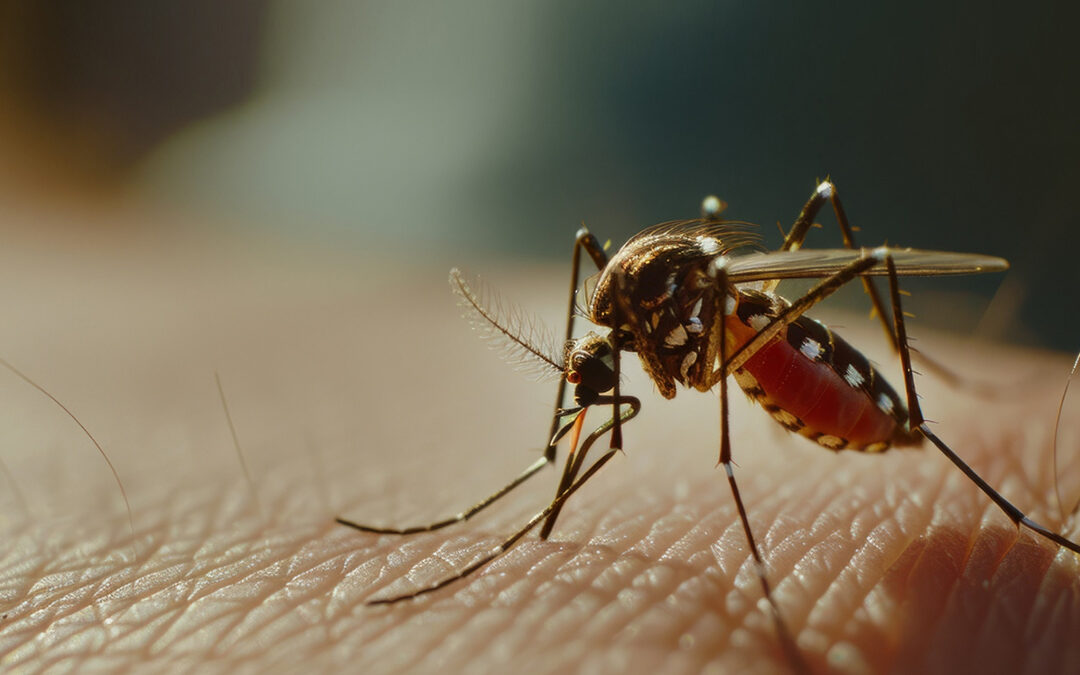
It also pointed to preventive measures such as wearing protective footwear, using mosquito nets, carrying torches at night and avoiding snake habitats as steps that could significantly reduce risk in rural areas.

Elhadj urged governments to act decisively.

“As Co-Chair of the GST, my mission is simple: to bring snakebite out of the shadows and demand the attention, action, and resources from the international community. The solutions exist. The deaths are preventable. Frontline healthcare workers have spoken. I invite you to listen. Stand with them,” he said.

Executive Secretary of the African Leaders Malaria Alliance, Joy Phumaphi, also stressed the urgency of action.

“Snakebite envenoming continues to take the lives of vulnerable people despite being preventable. On World NTD Day, ALMA reaffirms our commitment to strengthen prevention and control through advocacy and country-led solutions. Unite. Act. Eliminate NTDs,” she said.

The report called on governments, philanthropists, multilateral agencies and industry stakeholders to increase investment in research, expand access to affordable and quality antivenom, upgrade health infrastructure and integrate snakebite prevention and treatment into national health plans.

SOS warned that snakebite envenoming still receives only a small fraction of the funding required, despite causing up to 138,000 deaths and 400,000 permanent disabilities worldwide each year.

Unity among healthcare professionals: A key tool for effective service delivery

By Mallam Tawfiq

The scaffold that sturdily supports the pillar of success in everything is “unity”, without which we will somberly watch every beautiful thing in our everyday life running into a complete fiasco.

In healthcare settings, unity and peaceful coexistence among healthcare professionals are of paramount importance and a necessity for ensuring the delivery of effective, high-quality healthcare services.

To easily fathom the significance of that, should we reflect and ponder on the biological level of organisation of life? It succinctly and holistically depicted that the degree of unity among various cells leads to the formation of “body tissues”, and that the harmonious agreement among these tissues leads to the formation of “organs”.

Organs, however, organise to form a system, and thus the effective functioning of the respective systems yields a healthy life. Snags created by pathological factors deflect the spirit of harmonious union at different levels of this organisation, resulting in abnormality and disruption of robust, sound well-being.

The milieu of the hospital/healthcare settings comprises various health specialities from different professional backgrounds. This includes Medical Laboratory Science, Medical Radiography, Physiotherapy, Pharmacy, Nursing Science, Dentistry and Medicine, among others. The aims and objectives of each and every profession can only be appraised by rendering its best to the prime concern, and that is the patients.

As interdependent social animals tightly bound by the strong bond of humanity, we must interact, socialise, and, above all, reciprocate love and respect everywhere, be it in worship places, hospitals, banks, medical schools, and so on. The essence of so doing is to set our hearts and souls free from the bondage of emotional malice, attain optimum peace and maintain both physical and emotional well-being within ourselves. Unfortunately, the hostility, ranging from an exaggerated self-compliment and a show of self-worth and superiority to contempt for other professions in the name of rivalry amongst medical students and, to some extent, healthcare professionals, is worrisome and indeed condemnable.

Under whose tutelage in the medical school are students being mischievously taught that the six years of MBBS discipline should make them condescend and disregard other professions from being part of the healthcare system? Or the greater dispersion in the juxtaposition of the tense and heinous atmosphere under the five years of Radiography training with that of Medical Laboratory Science or Nursing renders the significance of the former and the insignificance of the latter. This is absolutely puerility of the highest degree. Each profession is worthwhile, and its ethics are centred on meeting the needs of patients.

Can we patiently have a proper dekko at how the systems of our body unite to execute their functions and maintain an equilibrium conducive to survival? What will happen if, for instance, the neural tissue says it is superior and appears to boss other systems, while the circulatory system, in response, denies it sufficient oxygen to meet its basic metabolic demand? Or what do we think is going to happen when the renal system quarrels with the immune system, whose function serves the body best, and both react so that one can predominate over the other and effectively carry out both the functions concurrently? Will this ever happen!? Capital NO.

Conspicuously, the hospital/healthcare environment is analogous to our biological level of organisation and how bodily systems work.

Togetherness leads to the existence of all sorts of misunderstandings; this is inevitably true, and the ripple effect of us not allying with one another is directed towards our subject of interest, which is the patient, because a medical doctor alone cannot efficiently run a whole hospital, nor can pharmacists or physiotherapists. As such, we need to come close, close enough together, thus respect our differences and welcome each other to specialise in one skill or the other and benefit from each other’s knowledge. Only by doing so can we render our best compassion to our patients.

There is a saying, “united we stand, divided we fall.”

Service to humanity is service to the Lord. May everything we do be solely for the sake of God and to attain the reward of God. Ameen.

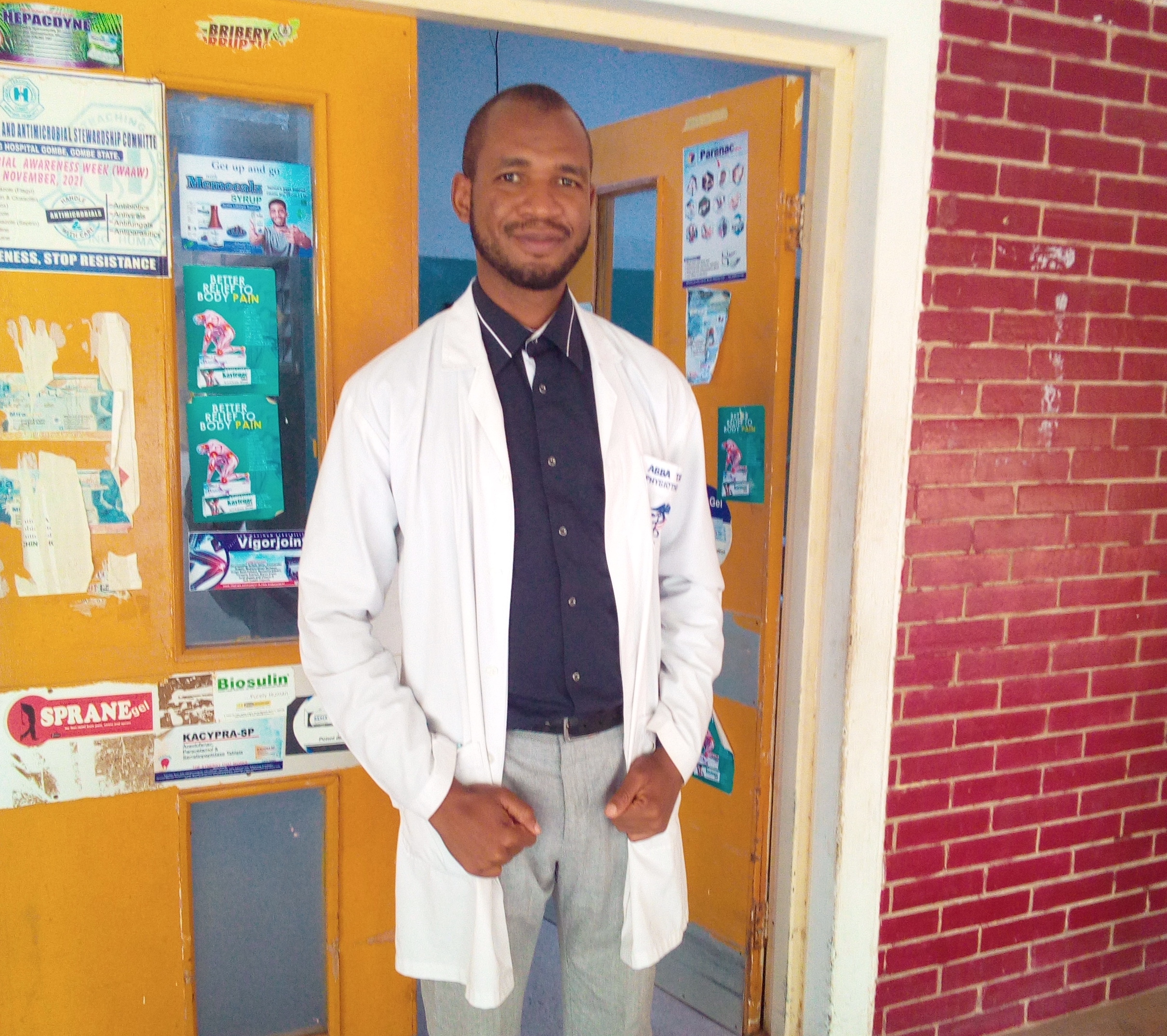
Mallam Tawfiq, Physiotherapist, writes from Federal Teaching Hospital, Gombe.

Sokoto youth turn abandoned garage into unlikely goldmine

By Dahiru Kasimu Adamu

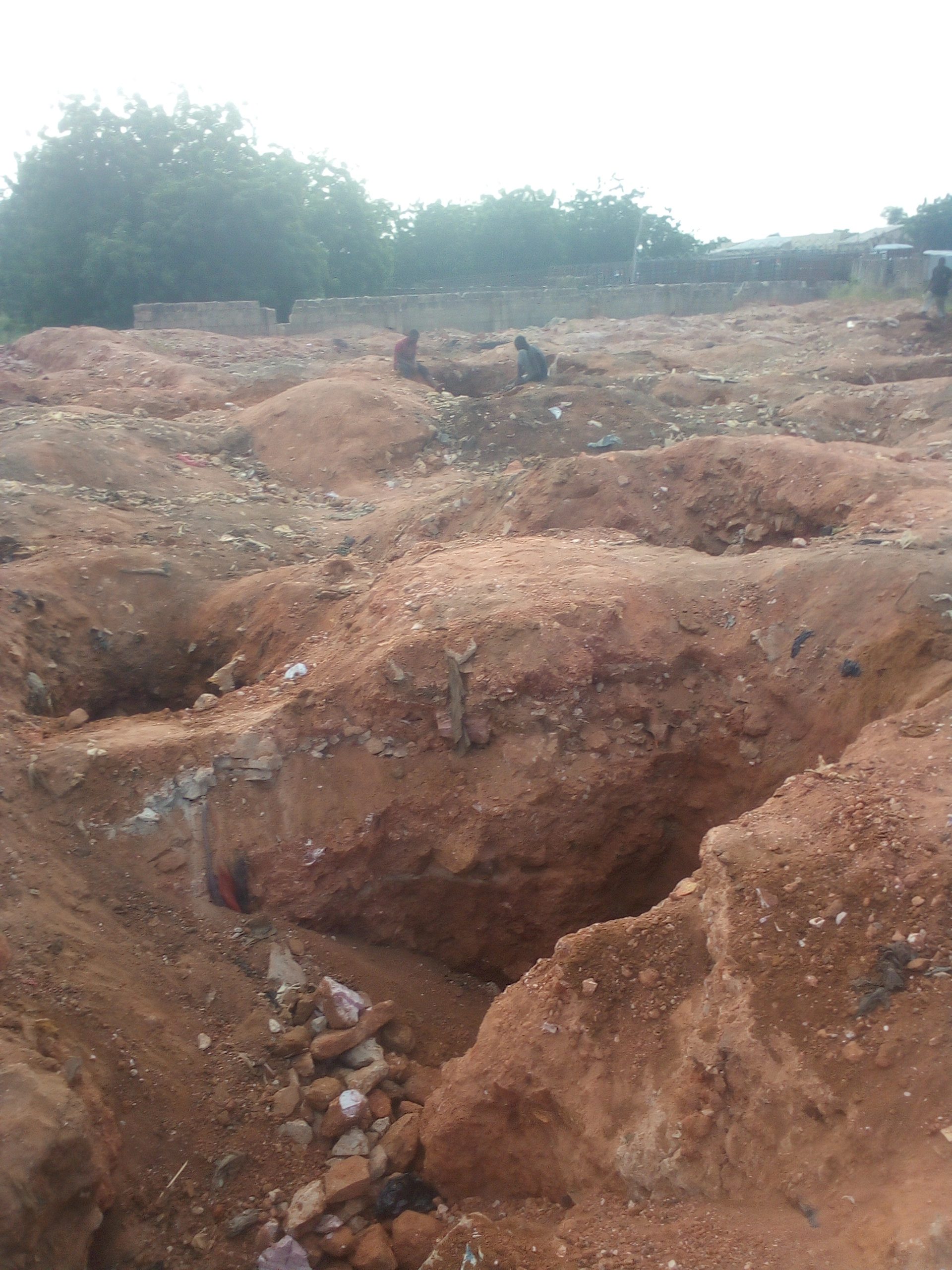
Every morning at Shantan Old Garage along Western Bypass, hundreds of young men armed with shovels and hoes descend into metre-deep pits, searching for buried treasure. But they are not hunting for gold or ancient artefacts, they are digging for scrap iron.

The abandoned garage, once a bustling hub for roadside mechanics, has become an unlikely source of livelihood for youth aged 15 to 40. As traditional labour opportunities have dwindled, these young scavengers have discovered that the ground beneath the old garage contains valuable iron scraps left behind when the site was operational.

“We thank Allah for this opportunity,” said Modi Sanusi, a scavenger in his late twenties. “Just this morning, scavenging materials worth over N125,000 were sold, all from this ground.”

The work is gruelling and dangerous, but profitable. Scavengers can earn between N20,000 and N40,000 daily, depending on their finds—a significant sum in an economy where formal employment remains scarce. Among those who have embraced this unconventional livelihood are former Tsangaya pupils who once begged for food.

Seventeen-year-old Kabiru explained how the earnings have transformed his life: “We earn income, buy food, give some to our parents, and save.”

The phenomenon is not confined to Shantan. Reports indicate that scrap metal collection has become one of Nigeria’s “millennium jobs,” with thousands of youth now reportedly earning substantial incomes from the trade.

But the work comes at a cost. Sharp objects buried in the soil cause frequent injuries, and landslides have resulted in fractures. Muhammad, another scavenger, recalled sustaining a leg fracture when earth collapsed on him. “After I recovered, I came back in the field as I can’t leave this work,” he said.

Health experts have raised alarm about additional risks. Buried iron from old vehicles could be contaminated with lead or other toxic chemicals. Open wounds from injuries risk infection, particularly given the lack of basic first aid facilities at the site.

Despite these hazards, the scavengers remain undeterred. Observers say the phenomenon highlights both the resilience of Nigerian youth and the urgent need for job creation and safety regulations. Advocates call for government intervention through new strategies and laws to regulate the business, as well as leadership within scavenging communities to organise safety campaigns.

For now, the digging continues at Shantan Old Garage. As unemployment persists and metal prices remain attractive, more youth are likely to join the ranks of those turning Sokoto’s buried past into their economic future—one shovelful at a time.

Tinubu Tax Reform: Lessons for national health financing

By Oladoja M.O

Nigeria’s new tax law arrives at a moment when questions of domestic resource mobilisation have moved decisively from the margins of fiscal discourse to its centre. The reform is ambitious in both scope and intent. It consolidates previously fragmented statutes, modernises tax administration, strengthens compliance mechanisms, and expands the state’s technical capacity to mobilise revenue in an increasingly constrained macroeconomic environment. 

Read on its own terms, the law represents a serious effort to stabilise public finance and reduce long-standing inefficiencies in the tax system. But tax laws, particularly of this magnitude, should not be mere instruments of collection, but rather reflections of what a state understands taxation to be for. 

When examined from the perspective of national health financing, Nigeria’s new tax law reveals not hostility to health, nor ignorance of its importance, but striking institutional restraint, a deliberate decision to keep taxation largely neutral to the direct financing of public health.

This neutrality is especially significant because it runs counter to the evolving global understanding of domestic resource mobilisation. In contemporary public finance, DRM is no longer conceived simply as the ability of a state to raise revenue, but as its capacity to do so in a manner that deliberately underwrites social protection, safeguards human capital, and reduces long-term economic vulnerability, where health occupies a central place. 

Ill-health is not a random misfortune but a predictable social risk, one that drives household impoverishment, reduces labour productivity, and places sustained pressure on public finances. For this reason, many countries have increasingly integrated health financing into their tax systems, whether through general taxation, earmarked levies, or hybrid arrangements that link tax administration directly to social insurance and prevention financing.

It is against this backdrop that Nigeria’s new tax law must be read. 

The law unquestionably strengthens the means of mobilisation. A unified tax administration framework, enhanced enforcement powers, clearer compliance obligations, and improved data coordination substantially upgrade the state’s fiscal machinery. In theory, this expanded administrative capacity could support innovative approaches to financing social sectors, including health. In practice, however, the law exercises marked caution. Health appears within the tax framework, but only at the margins, and only in forms that preserve the traditional separation between revenue mobilisation and social sector financing.

This pattern becomes evident when examining how health-related elements are treated across the law. Contributions to the national health insurance scheme are recognised as allowable deductions for personal income tax purposes. This recognition is not insignificant; it affirms health insurance contributions as socially legitimate expenditures deserving of fiscal relief. Yet the logic remains passive. The tax system responds only after individuals have already contributed. It does not actively mobilise resources for health, nor does it deploy its collection infrastructure to expand coverage, pool risk, or subsidise access. The fiscal relationship ends at recognition, not generation.

A similar logic governs the treatment of consumption taxes. Essential medicines, pharmaceuticals, and certain medical equipment continue to benefit from favourable VAT treatment. These provisions are defensible on equity grounds, particularly in a system where out-of-pocket spending remains high. But from a financing perspective, their effect is limited. They shield households from additional burden, yet they do not generate fiscal space for the health system. Again, health is insulated from taxation, not financed through it.

The clearest illustration of this restrained approach lies in the treatment of excise duties on tobacco, alcohol, and sugar-sweetened beverages. These taxes are frequently framed as “sin taxes,” ostensibly justified by their potential to alter harmful consumption patterns. In principle, excise taxation is meant to operate through a behavioural channel: higher prices reduce consumption, lower consumption reduces disease burden, and reduced disease burden lowers long-term health expenditure. In Nigeria’s case, however, this logic remains largely theoretical.

First, the excise rates themselves are modest. The levy on sugar-sweetened beverages, for instance, is widely recognised as too low to produce a meaningful price shock that would alter consumption behaviour. Similar concerns apply to alcohol and tobacco, where cultural entrenchment, affordability, and illicit trade further blunt the intended deterrent effect. 

Second, there is no publicly available evidence demonstrating that consumption of these products has declined since the introduction or adjustment of excise duties. On the contrary, available market indicators and anecdotal trends suggest that consumption has increased. Crucially, the state does not appear perturbed by this outcome. Higher consumption translates into higher excise revenue, and excise duties, in practice, function as reliable inflows to the general federal pool.

This reveals a deeper truth about how sin taxes are governed in Nigeria. Despite their rhetorical association with public health, excise duties are not treated as health instruments. They are treated as revenue lines. There is no systematic effort to measure behavioural change, no routine publication of consumption data linked to tax policy, and no formal evaluation of health impact. In policy terms, a behavioural instrument that is not measured is indistinguishable from a revenue instrument. 

The absence of evidence of reduced consumption is not merely a data gap; it indicates that behavioural change is not being actively pursued as an objective.

From a health financing perspective, this has serious implications. Excise taxes generate revenue, yet none of that revenue is structurally linked to health financing. No portion is dedicated to prevention programmes, health insurance subsidies, or system strengthening. The public bears the health consequences of continued consumption, rising non-communicable diseases, increasing treatment costs, and productivity losses, while the fiscal gains accrue centrally, unconnected to the sector that absorbs the burden. In effect, Nigeria taxes harm, tolerates its persistence, and finances neither its prevention nor its consequences through the tax system.

This outcome is unlikely to be accidental. The new tax law is too carefully constructed for its silences to be incidental. Rather, it reflects a broader fiscal philosophy that prioritises flexibility, central discretion, and revenue pooling over sector-specific commitments. Earmarking, even in its softer forms, constrains the treasury’s freedom to allocate resources across competing priorities. From a public health financing standpoint, this caution is costly. It leaves health structurally dependent on discretionary budgets, weak insurance enforcement, donor support, and household spending, even as the state’s revenue-collection capacity improves.

The result is a growing asymmetry. Nigeria now possesses an increasingly sophisticated tax apparatus, but lacks a corresponding approach to financing social risk. Revenue mobilisation is advancing, but allocation logic remains largely unchanged. Health remains acknowledged but peripheral, recognised, accommodated, and indirectly supported, yet excluded from the core architecture of taxation.

None of this implies that the new tax law should have transformed itself into a health financing statute. No! Tax laws cannot, and should not, bear the full weight of social policy. But in an era where domestic resource mobilisation is increasingly framed as a means of financing development rather than merely sustaining government, the continued treatment of health as fiscally incidental is striking. The administrative infrastructure now exists to do more than collect revenue efficiently. What is missing is the institutional decision to deploy that capacity deliberately to protect households from the economic consequences of ill-health.

The most important lesson of Nigeria’s new tax law for national health financing, therefore, lies not in what it includes, but in what it leaves unresolved. The law strengthens the state’s ability to mobilise resources, yet remains silent on whether that capacity should be harnessed to address one of the most predictable and economically damaging social risks. As Nigeria deepens its commitment to domestic resource mobilisation, the critical question will not simply be how much revenue can be raised, but how intentionally that revenue is aligned with protecting human capital. A tax system that improves efficiency without strengthening social purpose risks becoming technically impressive but socially thin.

Oladoja M.O writes from Abuja and can be reached at: mayokunmark@gmail.com.
Kano hospitals board probes alleged negligence in death of housewife at urology centre

By Uzair Adam

The Kano State Hospitals Management Board has ordered a comprehensive investigation into the death of a Kano-based housewife, Aishatu Umar, following allegations of medical negligence linked to a surgical procedure carried out at the Abubakar Imam Urology Centre.

The Daily Reality recalls that the incident first came to public attention through a Facebook post by a family member, who alleged that Aishatu died as a result of negligence after undergoing surgery at the specialist hospital.

Aishatu Umar, a mother of five, reportedly died around 1:00 a.m. on Tuesday. In the Facebook post, her brother-in-law, Abubakar Mohammed, said she had fallen ill several months earlier and underwent surgery at the Abubakar Imam Urology Centre in September.

According to him, Aishatu began experiencing persistent and severe abdominal pain shortly after the operation.

He alleged that she returned to the hospital several times to complain about her worsening condition but was repeatedly given pain-relief medication without a clear diagnosis.

Mohammed claimed that it was only two days before her death that medical tests and scans were eventually conducted. The results, he alleged, revealed that a pair of scissors had been left inside her body during the September surgery.

“The woman you see here is Aishatu Umar. She was my sister-in-law. She passed away around 1:00 a.m. She is survived by her husband and five children,” Mohammed wrote in the post.

He added that preparations were underway for a corrective surgery on Tuesday, but Aishatu died before the procedure could be carried out.

Describing the incident as “pure negligence,” he questioned how surgical instruments could be forgotten inside a patient and called on the authorities to investigate the matter.

The family has also appealed to the Kano State Government and relevant health regulatory bodies to probe the circumstances surrounding Aishatu’s death and ensure justice for the deceased.

Reacting to the development, the Public Relations Officer of the Kano State Hospitals Management Board, Samira Suleiman, said the Board’s Executive Secretary, Dr. Mansur Mudi Nagoda, has ordered an immediate and thorough investigation into the alleged incident.

In a statement issued on Tuesday, the Board expressed sympathy with the family and assured the public that the investigation would be transparent, impartial, and professional.

“The Management of the Kano State Hospitals Management Board, under the authority of the Executive Secretary, Dr. Mansur Mudi Nagoda, has taken note of the distressing report concerning the late Aishatu Umar. We extend our deepest condolences to her family and loved ones,” the statement added.

It added that appropriate action would be taken in line with established regulations if any negligence is established, stressing that patient safety remains a top priority and that the Board is committed to upholding high standards of healthcare delivery in Kano State.

Family alleges Kano woman died after doctors forgot surgical scissors in her body

By Sabiu Abdullahi

A Kano resident, Aishatu Umar, has reportedly died after what her family described as suspected medical negligence following a surgical procedure carried out at the Abubakar Imam Urology Center in Kano State.

Aishatu, who was married with five children, passed away around 1:00 a.m. on Tuesday, according to a Facebook post by a family member, Abubakar Mohammed.

In the post, Mohammed said Aishatu had fallen ill several months ago and underwent surgery at the specialist hospital in September.

He stated that after the operation, she began to experience persistent and severe abdominal pain.

According to the account, Aishatu reportedly returned to the hospital on several occasions to complain about her condition. Mohammed claimed that during these visits, she was given only pain-relief medication, while the cause of her suffering remained undiagnosed.

He further alleged that medical tests and scans were eventually conducted just two days before her death. The results, he said, revealed that a pair of scissors had been left inside her body during the September surgery.

“The woman you see here is Aishatu Umar. She was a sister in-law to me, She passed away yesterday around 1:00 AM. She is survived by her husband and five children,” Mohammed wrote.

He added: “Just two days ago, tests and scans were finally conducted, revealing that a pair of scissors had been left inside her body during the September operation.”

Mohammed said preparations were being made to carry out a corrective surgery on Tuesday, but Aishatu died before the procedure could take place.

He described the incident as “pure negligence” and called on relevant authorities to investigate the matter.

“Is this not pure negligence? Truly, every soul has its appointed time, but how can professional doctors forget scissors inside a patient?” he wrote.

The family has called on the Kano State Government and health regulatory bodies to investigate the circumstances surrounding the death and take appropriate action, while also demanding justice for the deceased.

As of the time of filing this report, the management of the Abubakar Imam Urology Center and the Kano State Ministry of Health had not issued an official statement on the allegation.

JOHESU orders indefinite strike over Tinubu’s ‘No Work, No Pay’ policy

By Sabiu Abdullahi

The Joint Health Sector Unions (JOHESU) has instructed its members across federal health institutions to commence an indefinite withdrawal of services following a new directive from the Federal Ministry of Health that enforces a “No Work, No Pay” policy.

Reports on Saturday indicated that the directive prompted the union’s latest decision, which affects workers in federal hospitals and other government-owned medical facilities nationwide.

In a statement circulated to members, a JOHESU leader, Comrade Abubakar Sani Aminu, said the policy was introduced without prior consultation with the union. He described the action as a unilateral step that violates workers’ rights and undermines the principles of collective bargaining.

According to the statement, Chief Medical Directors and Medical Directors of federal health institutions have received instructions to enforce the policy. JOHESU said the move represents an attempt to weaken the union while industrial action continues.

“This decision was made without prior consultation or dialogue with the union, showing a disregard for the collective voice of health workers,” Aminu said.

He cautioned members to remain calm and firm, noting that the policy was designed to weaken the unity of the union. He described the directive as “the final weapon” that the government intends to use to undermine JOHESU’s resolve.

Following the development, the union directed all members to vacate their duty posts with immediate effect. It ruled out the provision of skeleton services or any form of compromise.

“There should be no skeleton services, no attempt to help out, or compromise in any way,” the statement read. “Our collective action is the key to securing our rights.

”The leadership of the union said unity among members remains critical. It warned that allowing the policy to stand would create what it described as a dangerous precedent for future labour disputes in the health sector.

“This is the time for us to stand together, strong and united, until our demands are met,” Aminu said. He added that solidarity among members would shape the outcome of the ongoing dispute.

JOHESU restated its commitment to a campaign for fair treatment of health workers and urged members across the country to remain resolute while discussions with the federal government continue.

As of the time of filing this report, the Federal Ministry of Health had not released an official response to the union’s directive.

The possible effect of the strike on public health services remains uncertain. Past JOHESU actions have led to major disruptions in federal hospitals across the country.

Exercise as a therapy for progressive diseases

By Mujahid Nasir Hussain

On 14 November 2025, the world marked World Diabetes Day, and a familiar message rang out across hospitals, communities, and workplaces: Africa must “know more and do more” to confront the rising tide of chronic diseases. It is a message that feels especially urgent here in Nigeria, and in cities like Kano, where the realities of modern life have dramatically reshaped how people live, move, work, and stay healthy. For many families, this year’s theme was not merely a global campaign. It reflected what they witness daily—more people living with diabetes, hypertension, kidney disease, stroke, obesity, and joint disorders than ever before.

The World Health Organisation has warned that Africa will soon face a dramatic shift in its health landscape. By 2030, deaths from non-communicable diseases are projected to surpass those from infectious diseases. This is a striking transformation for a continent historically burdened by malaria, tuberculosis, and HIV. Nigeria, Africa’s most populous nation, is at the centre of this shift, with cities such as Kano experiencing a rapid rise in chronic and progressive conditions. The reasons are both complex and straightforward: changing diets, prolonged sitting, stressful work environments, reduced physical activity, environmental pollution, and limited access to preventive healthcare.

Yet amid these alarming trends, one therapeutic tool stands out: exercise. For many years, exercise has been treated merely as a wellness activity or an optional lifestyle choice. But in reality, it is one of the most powerful and scientifically proven therapies for slowing the progression of chronic diseases. When the body moves consistently, it undergoes profound biological changes: insulin works better, blood vessels become healthier, the heart becomes stronger, inflammation decreases, and harmful fat around organs begins to shrink. These benefits are not cosmetic; they are therapeutic.

However, there is a critical truth that the public often misunderstands: exercise is powerful medicine, and like any medicine, it must be prescribed correctly. It is not something people with chronic diseases should “start doing” without guidance. The mode, frequency, intensity, and duration of exercise must be tailored to the individual’s medical condition, age, fitness level, and risk factors. What is safe and effective for one person may be dangerous for another. This is why professional guidance is so essential. For instance, a person living with uncontrolled hypertension should not begin intense aerobic workouts without clearance from a doctor, because sudden spikes in blood pressure could lead to complications.

Someone with diabetic neuropathy may not feel injuries in their feet, making certain activities unsafe without supervision. Individuals with chronic kidney disease need specific exercise prescriptions that do not strain the cardiovascular system or accelerate fatigue. People recovering from stroke require structured rehabilitation overseen by physiotherapists to prevent falls or further damage. Even patients with obesity, osteoarthritis, or long-standing back pain need tailored, gradual programs to avoid joint overload. This is why exercise should not be approached casually, especially in a context like Africa, where many chronic conditions are undiagnosed or poorly monitored. Before starting an exercise program, individuals living with progressive diseases should consult qualified professionals. Doctors provide medical clearance and identify risks. Physiotherapists design safe movements that protect joints and nerves. Exercise physiologists prescribe evidence-based routines that align with the patient’s goals and limitations. Their role is to ensure that exercise becomes therapy, not a trigger for complications.

In Kano State, this issue is especially relevant. The city has undergone a rapid transition from physically demanding lifestyles to sedentary routines. Many residents now spend long hours sitting in shops, riding motorcycles, or working in offices. Combined with high consumption of energy-dense foods and limited awareness of disease symptoms, progressive illnesses have become deeply entrenched. Yet awareness of safe, guided exercise therapy remains low. Many people begin rigorous routines abruptly, driven by social pressure or misinformation, only to injure themselves or exacerbate their conditions. Others avoid exercise entirely because they fear doing the wrong thing. Both extremes are harmful.

To confront this, a cultural shift is needed, one that recognises exercise as a vital part of medical care. Hospitals and clinics across Nigeria must integrate exercise counselling into routine visits, especially for patients with diabetes, hypertension, kidney issues, and obesity. Something as simple as a doctor explaining which movements are safe, or a physiotherapist demonstrating gentle routines, could prevent years of complications. Exercise physiologists, though still few in number, should be incorporated into more healthcare teams to design personalised programs grounded in scientific evidence.

At the community level, awareness must grow that exercise therapy is not a one-size-fits-all approach. It is a carefully structured health intervention. Encouraging early-morning walking groups, promoting workplace movement breaks, and organising community fitness sessions are valuable, but they must be paired with safety education. Leaders—traditional, religious, and educational—can play a vital role by emphasising the importance of seeking professional guidance before starting any intense routine, especially for those already living with chronic diseases.

It is also worth acknowledging the emotional dimension. People battling progressive diseases often feel overwhelmed, frightened, or uncertain. Exercise offers not just physical healing but a sense of agency. It improves mood, relieves anxiety, supports sleep, and helps people feel that they are actively shaping their health. This psychological benefit is powerful, especially in societies where chronic diseases still carry stigma. But again, confidence grows stronger when people know they are exercising safely and correctly under the guidance of trained professionals.

Nigeria’s future health outcomes depend on coordinated action. Families must embrace a culture of safe movement. Workplaces must reduce prolonged sitting and encourage healthy routines. Schools must restore physical activity as a normal part of the day, not an afterthought. Healthcare institutions must treat exercise as a formal therapy, not a casual suggestion. And individuals must understand that professional guidance is the foundation of safe and effective exercise therapy. The WHO’s projections are indeed alarming, but they are not destiny. Africa still has the opportunity to change its trajectory. But to do so, we must shift how we view health, how we integrate movement into daily life, and how we approach treatment of chronic diseases. Exercise will play a central role in this transformation, but only if it is approached with the same seriousness and medical supervision as any other form of therapy.

In the markets of Kano, the offices of Abuja, the streets of Lagos, and the rural communities of northern and southern Nigeria, the message must be clear: movement heals, but only when guided, intentional, and safe. The global call to “know more and do more” continues beyond 14 November. This is a reminder that Africans must not only embrace exercise as therapy but also do so with professional guidance to protect the body and preserve long-term health. Our path forward lies not just in treating disease, but in transforming lifestyles with knowledge, with care, and with the understanding that the right kind of movement, at the right intensity, prescribed by the right professional, can change the story of health for a generation.

Mujahid Nasir Hussain is an exploratory researcher in biomedicine, deeply passionate about public health, chronic disease prevention, and evidence-based community health interventions.

Journalists should treat emergency reporting as life-saving, not sensationalism—Media expert

By Uzair Adam

Journalists have been urged to treat emergency reporting as a life-saving public service, given the powerful role of the media in shaping public understanding and behaviour during health crises.

The call was made at a two-day Emergency Risk Communication workshop for journalists organised by the Kano State Centre for Disease Control (KNCDC) with support from the FCDO–Lafiya Programme, aimed at strengthening ethical and responsible health reporting during public health emergencies.

Delivering a session on Emergency Reporting and Ethical Guidelines for Public Safety during Health Crises, media expert and editor with The Daily Reality Newspaper, Malam Aisar Salihu Musa, said information often spreads faster than disease during outbreaks, stressing that the way journalists report emergencies can either reduce harm or fuel fear and panic.

“Where trust is strong, public health succeeds. Where trust is weak, fear becomes the real outbreak,” he said, noting that trust remains the most valuable currency during health emergencies.

He explained that journalists serve as information gatekeepers, with a responsibility to verify reports that could affect public health outcomes and to collaborate closely with health authorities in sharing credible information.

According to him, emergency reporting presents ethical challenges, including balancing urgency with accuracy, avoiding sensational headlines, and protecting the dignity and privacy of patients and their families.

Musa urged journalists to communicate risk clearly and proportionately, translate medical terms into simple language, and always include practical steps the public can take to protect themselves.

“Words can either save lives or cause harm,” he said, adding that responsible, transparent and empathetic journalism strengthens public trust and supports effective public health response.

He concluded by calling on journalists to see themselves as partners in public health, committed to countering misinformation, promoting preventive behaviours and reporting emergencies in ways that protect lives and strengthen society.

Kano disease control agency chief tasks journalists on responsible emergency health reporting

By Uzair Adam

The Director General of the Kano State Centre for Disease Control (KNCDC), Prof. Muhammad Adamu Abbas, has urged journalists to prioritise responsible and ethical reporting during public health emergencies to prevent the spread of misinformation and public panic.

Prof. Abbas made the call during a two-day Emergency Risk Communication workshop organised to strengthen media engagement and information management during disease outbreaks and other health emergencies.

He stated that the workshop followed the identification of critical gaps in Risk Communication and Community Engagement during recent Joint External Evaluation and multi-hazard preparedness assessments conducted in the state.

“This workshop was designed to address the gaps identified during the Joint External Evaluation and multi-hazard preparedness assessment,” Prof. Abbas said, adding that the media remains a key partner in managing public health emergencies.

The Daily Reality reports that the workshop, with support from the FCDO–Lafiya Programme, revolved around improving media engagement during outbreaks, ethical emergency reporting, managing misinformation, strengthening collaboration between journalists and health authorities, and developing a media-focused Emergency Risk Communication plan for Kano State.

The DG further stated that journalists have a responsibility to prevent the spread of false information, correct myths and harmful practices, and promote evidence-based decision-making that strengthens public trust in official health guidance.

He added that responsible media engagement should also encourage preventive behaviours such as hand hygiene, vaccination, safe food practices and environmental sanitation, while reinforcing official public health advisories.

The workshop was attended by journalists from print, broadcast and online media organisations, alongside public health officials and communication experts.