Opinion

First-class is not rocket science: You, too, can make it (II)

By Tordue Simon Targema

Shun examination malpractice and set for yourself a standard:

Integrity is a virtue, imbibe it in your academic journey. At all cost, shun examination malpractice and avoid all occasions that might lead to it. Typically, poor preparation and keeping bad companions are the main motivations for examination malpractice. The effects of this act on your academic integrity are adverse.

Once your lecturers know you as the type that indulges in examination malpractice, they are inclined to doubt all that they see in your script as a product of cheating and give you weak grades on the grounds of suspicion.

Excellent grades are for students that are exceptionally good, and not for cheats. Strive to be exceptional and keep your integrity intact by avoiding malpractice in all its manifestations.

Be punctual and disciplined

Avoid coming late to the class and seating where you’ll be distracted. Except it becomes absolutely necessary, always be punctual to your classes so that you get the best from the lectures.

It is important also that your teachers know you as a serious student so that they can vouch for you even in your absence.

But when you are known to be unserious, the reverse is always the case, and the tendency is always there for them to generalize your lackadaisical attitude to studies even when you have a case.  

Attendance to lectures is non-negotiable

No matter how brilliant you think you are, attendance to lectures is sine qua non. Yes, some lecturers might truly have nothing new to teach you.

But what happens in the event of an impromptu test? What if a lecturer decides to use attendance of the particular class you miss as his CA?

As a student desirous of uncommon academic feats, you must make it a point of duty to attend all classes except in the case of unforeseen eventualities.

Avoid having issues with your teachers and course mates

This is another great obstacle to academic excellence. As much as you can, avoid issues with your teachers, course representatives and fellow students.

In the event that a misunderstanding ensues between you and a lecturer or students, always endeavour to resolve it and correct the impression immediately.

Never leave the impression in your lecturers or fellow students that you are the arrogant type. You never can tell where you’ll need them to defend you in your absence.

Humility is a virtue

Be humble, arrogance is an obstacle to academic excellence. A humble student is naturally attractive to his lecturers. Conversely, all lecturers detest arrogant students and take away all occasions of grace from them.

An arrogant student is, thus, on his own when he needs grace from his lecturers. Be teachable and let people advice you. Endeavour to take all positive advices seriously.

Listen to people who have made it, have role models and emulate their lifestyles, read motivational books, watch motivational movies and equip yourself adequately with good counsel.

Be positive minded

Always tell yourself that you can make it. This keeps you constantly motivated and tells you that your aspiration is possible. Ban all negative vibes and sources of discouragement, and never give up until it becomes practically impossible to keep the pursuit.

For instance, even in my final year, many people kept telling me that first-class is not possible! I had to defy them and keep a positive mind.

Many of my mentees entered into first-class CGPA range only in their final year!

However, it was their relentless struggle in the past levels that sustained their CGPA and provided it with adequate buffers to sustain the eventual first-class result.

Social media addiction is a weakness, and so with all other addictions

In today’s Internet age, the social media have emerged as the biggest distractions to students. Many students are on Facebook, WhatsApp, Instagram, Tik Tok, Twitter and the rest all day!

Much as these present rich educational opportunities and complement one’s academic journey, addiction to them is disastrous and keeps one perpetually defocused. Today, students actively chat with friends on the social media during lectures and class presentations.

There could be no other distraction as serious as this. To make the best out of the social media as one strives for academic excellence, avoid 24/7 dependence on the social media, draw boundaries accordingly and stick to them. There is, indeed, time for everything. 

Overcome the endemic scourge of laziness

Laziness is a natural trait that is common to all human beings. To excel in your academics, you must be seen making deliberate effort to overcome it.

The ability to overcome laziness distinguishes you from other students and makes you exceptional.

Once you overcome laziness as a student, a substantial chunk of your academic huddles has been defeated for good.

Conclusively, it is important to note that everyone has his/her weak points that serve as impediments to their academic aspirations. While some of these are generic as discussed in the points above, some are uniquely peculiar to an individual’s immediate physical, economic and psycho-social environments.

As a student aspiring for academic excellence, you must, as a matter of expedience, identify your own weaknesses and work assiduously towards overcoming them. This is the only way you can distinguish yourself from others and pave your way to the much-coveted excellence.

May the Almighty God, the Giver of knowledge and understanding, help us to attain academic excellence in our various disciplines.

I wish Dr Vincent Nduka Ojeh a wonderful birthday celebration and more fruitful years ahead in his meritorious service to humanity.

Tordue Simon Targema is a lecturer in the Department of Journalism and Media Studies, Taraba State University, Jalingo. Email: torduesimon@gmail.com
COP27: A recap of the first week and what lies ahead for the host nation

By Dr. Yakubu Wudil and Umar F. Ahmad

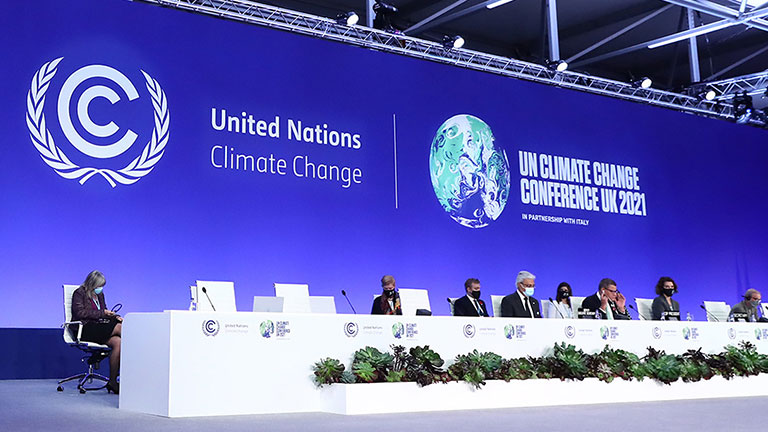
As we head into the second week of the 27th United Nations Climate Change Conference (COP27), which started on November 6, delegates and observers have been involved in discussions on various subjects regarding how to achieve climate action and build sustainable economies around the world. Therefore, taking a step back and reviewing some of the successes and drawbacks recorded based on the first week of the climate negotiation conference is essential.

COP27 is taking place, knowing fully that there is an inadequate will to reduce greenhouse gas emissions. The past year has witnessed unprecedented heatwaves around the world and ravaging floods like the ones experienced in Pakistan and some parts of Nigeria. These saw millions of people confronting the impacts of concurrent crises in food, water, energy, and cost of living, worsened by fierce geopolitical tensions and conflicts. However, with all these adverse effects, some countries have reversed climate policies and returned to business as usual. This, in turn, poses a threat to the host continent, which remains vulnerable to the effects of climate change and has contributed the least to global warming.

The African Union (AU) marked the second day of the conference as ‘Africa Day.’ Africa Day offered the African Development Bank (AFDB) and countries, including development partners, the opportunity to pinpoint measures that can guide them in tapping the continent’s unique economic potential. However, a caution was raised by the AFDB president Akinwumi Adesina, “even with Africa’s unique and vast arable land, we cannot unlock our agricultural potential unless we adapt to climate change.”

A youth leader, Lucky Abeng, made it clear to the AU to ensure that the conference implements decisions reached at the meetings without further delay. The Global Center for Adaptation and the African Union Commission signed a memorandum of understanding that involves the mobilization of at least $25 billion for the African Adaptation Acceleration Program over five years. This will quickly prepare the continent for the consequences of climate change.

The national statement delivered by the President of Senegal made it clear that Africa is reaffirming its commitments under the Paris Agreement and its obligations to the continent’s specific needs being taken into account. “What we need is a just transition,” he further stressed. While these statements were ongoing, there happens to be a big climate financing for the African continent. Starting with the commitment made by a group of about 85 African insurers to come up with a facility that will climate-proof the most vulnerable in the continent known as the African Climate Risk Facility (ACRF). This commitment will provide $1.4 billion in climate risk insurance to protect 1.4 billion people against droughts, floods, and cyclones through African sovereigns, NGOs, and aid agencies. These measures will contribute to bridging the wide climate risk gap on the continent exerted by wealthy nations for compensation due to ‘loss and damage’ caused by global warming.

On decarbonization day, Africa’s renewable energy share is 40%, the highest in the world, says Amani, the Commissioner for Infrastructure and Energy of the African Union. She added that the “African common position on energy access and just transition stipulates that Africa will continue to use its resources, including oil and gas, the cleanest form of fossil fuels.”

However, even with fossil fuels, the recent Russia-Ukraine war has exposed the world’s lack of preparedness to meet its energy challenges. These challenges have sparked present-day political debate due to scientific and public concerns about the environment. Consequently, the recent effort by Germany to restart its previously shut downed three nuclear power plants has made the world reconsider its position regarding nuclear power.

The African continent should be looking towards deploying all low-carbon energy sources, including nuclear, in the energy mix. Complementing renewables such as solar and wind, which are intermittent sources of energy, nuclear energy requires less land to generate the same amount of electricity 24 hours a day.

The President of the United States (U.S), Joe Biden, echoed that “the climate crisis is about human security, economic security, environmental security, national security, and the very life of the planet.” He further announced bolder protections against methane pollution from the oil and gas industry and that the U.S. will meet its emissions target by 2030.

The European Union announced its goal of becoming the first climate-neutral continent by 2050 and is set to host a high-level event in the second week of the conference to launch an initiative called ‘Team Europe Initiative on Climate Change Adaptation and Resilience in Africa.’ Consequently, a recent article by Nigeria’s president, Muhammadu Buhari, reported that “many of my peers are frustrated with Western hypocrisy and its inability to take responsibility.” He argued that governments have repeatedly failed to honour their commitments to the $100 billion fund for climate adaptation and mitigation in the developing world. Some also cite this as his decision to shun this year’s event.

Interestingly, the African continent sends many delegates to these summits. Still, there has been noticeable silence from leading African activists on turning ambition into action. This may be attributed to the no active role participation assigned to these delegates but rather appointed as observers viewing these proceedings on a TV screen.

Meanwhile, other African delegates seem to not care about the continent they are representing, however, and sadly, become ‘attack dogs’ for African governments in lobbying for ‘Climate Financing’ reparations and are being sponsored by their governments to attend these summits. The UN Environment states that Africa needs 3 trillion US Dollars to implement the continent’s National Determined Contributions (NDCs), but the question remains whether the national budget of African governments is considered a climate action instrument or whether they are utilizing their available resources to build climate-smart communities. In the remaining days of the conference, the delegates and observers from African nations need to look within the continent and work together as there are saviours out there.

Mr Umar Ahmad is a nuclear physicist working with the Centre for Renewable Energy Research at Bayero University, Kano, Nigeria (oumarulfarouq@gmail.com). Dr Yakubu Wudil is with the Renewable Energy Research Center, KFUPM, Saudi Arabia. (yswudil@yahoo.com)

First-class is not rocket science: You, too, can make it (I)

By Tordue Simon Targema

A senior colleague in the department of Geography, Taraba State University Dr Vincent Nduka Ojeh has invited me to present a talk to mark his birthday celebration with students at Omas Royal Academy, Jalingo. The topic was: Basic Tips for Academic Excellence.

Dr Ojeh has, over the years, developed the habit of celebrating his birthdays with secondary school students to mark the world “Call to Earth” day.

Over the years, he has used the occasion to share with the students, vital tips on climate change and best practices for safeguarding the ecosystem, as well as the basic tips that will enhance their academic, personality and career developments.

In the invitation call he put across to me for this presentation, Dr Ojeh said something that motivated me to develop an elaborate presentation for publication for a larger audience beyond his target students: “Bros, First Class is not rocket science, come and tell these students what the secret is.”

With these words, I have decided to give a deeper reflection on some of the vital tips that are required to propel one to academic excellence. Like Dr Ojeh rightly said, First Class is not rocket science.

After graduating with a first-class bachelor’s degree in 2014, I successfully mentored over a dozen students who also replicated the same feat both in my discipline and in other fields of study.

One thing that is obvious from the onset is that regardless of the discipline or institution, some basic tips are necessary to enable students attain this uncommon academic feat.

This essay gives a brief rundown of some of these tips with a view to guiding students on how best to attain academic excellence.

Students aspiring for academic excellence must, therefore, take special note of the following:

Avoid procrastination

This is one of the biggest obstacles to academic excellence. “There is still time” is the commonest excuse students give in their lackadaisical attitude to studies. Always endeavour to perform all academic tasks on time and don’t wait for the “last minute” as anything can come up and serve as obstacle when you are already out of time.

Always read ahead of timeand don’t wait for examination to come before you start reading. A serious student exhausts his syllabus right ahead of time and only revises during exam, while the lacklustre sorts wait for examination timetable to start reading.

At this point, tension is high, the brain is already tensed and confused, and understanding is extremely difficult.

As a serious student desirous of making good grades, read ahead of time, reconcile all grey areas right on time and prepare for examination before it eventually arrives.

Always read your notes after school

At this point, the lecture is still fresh in your memory. Go through your notes once you reach home and freshen up. Reconcile your notes with your friends, make sure they’re up-to-date and ensure you seek clarification for all grey points from your study circle, the library sources or online resources.

The mistake most students make is that they keep on taking notes and would never revisit them afterwards until it is time for CA test or examination.

Before that time comes, most salient points in the lectures have escaped their memories and reconciling the notes with the lectures becomes extremely difficult. Always go through your notes as the lecture is still fresh in your memory.

Read widely and consult extensively

Don’t limit yourself to lecture notes and hand-outs. Be hungry for knowledge and endeavour to know as much as is required of you.

Consult extensively to enrich your knowledge base. Discuss with your friends, consult your lecturers, visit the library and explore internet resources etc. to ensure that you are truly vast in your discipline- and other related disciplines too.

Knowledge has no bounds, and no knowledge is a waste, it’ll sure come handy someday. In today’s internet age, an unlimited volume of knowledge is deposited on the internet. Avail yourself the opportunity and explore extensively to satiate your academic and intellectual thirst.

Time management is of high essence

Equitable utilization and allocation of your time as a student is key to academic excellence. Sadly, most students lack this skill. As a student, you are faced with a lot of tasks- academics, social, religious, campus politics, business and lots of that.

Allocate your time for these various tasks accordingly based on priority and always make up for lost time the best you can in the interest of your studies.

Take all your courses seriously

It doesn’t matter whether it is a core course, elective or GST course. As long as you register a course, it is your course! Regardless of its status, once you register a course, your performance in it has effect on your CGPA.

The mistake most students make is to take core courses seriously, or courses with “strict” lecturers seriously at the expense of other courses.

Remember that CGPA is cumulative and performance in each course invariably affects your overall performance.

Crossbreed ideas with your mates

Studying in a group makes understanding easier. Apart from your private studies, have a group of like minds that you crossbreed ideas and enhance perspectives on issues discussed in the class.

Never allow others to dominate group discussions, always endeavour to contribute too and listen to others share their perspectives to the issues discussed as well.

That way, you’ll learn from them and refine your knowledge on your previous erroneous perspectives. Make your study groups lively, i.e. a give-and-take sort of arrangement where every member contributes to the knowledge pool for the benefit of all.

You don’t need to be stingy with knowledge, please share with others. Knowledge doesn’t finish when it is shared, but rather increases and gets more refined.

Avoid bad companions that put social life before academics

Keepingbad friends on campus is one of the biggest obstacles to academic excellence. Like the saying goes: birds of a feather flock together! Associate with like minds and people with the same priorities.

Colleagues who have different priorities have no business in your circle of friends.

To get your priorities right, you must purge your circle of friends and ensure that you only associate with like minds.

Remember, bad companions are a threat to your status as a student generally, not just your academic performance.

To be Continued

Tordue Simon Targema is a lecturer in the Department of Journalism and Media Studies, Taraba State University, Jalingo. Email: torduesimon@gmail.com

On the needless war of billboards in Bauchi

By Mukhtar Jarmajo

Indubitably, Bauchi State is one of the hottest political spots in Nigeria. With a very volatile electorate, the state has remained one to watch whenever Nigerians are to go to the polls. More so, especially in recent times, the opposition in Bauchi state is hardly passive. In most cases, the government in power is challenged by a strong opposition which, from recent experience, the latter defeats the former at the polls. 

For instance, in 2015, the then-opposition All Progressives Congress (APC) defeated the ruling Peoples` Democratic Party (PDP), culminating in the emergence of M. A. Abubakar as the governor of Bauchi state. And in 2019, the now-ruling PDP succeeded in ousting the APC from power. Such is the case of Bauchi State, where the electorate is apparently democratically well exposed, so much so that the political landscape is as undulating as it is sophisticated.  

And as Nigerians walk to the polls next year, the political temperature in Bauchi state is already rising, with the two main governorship contenders working hard to outdo each other. However, instead of issues to characterize the electioneering campaigns where the government in power will try to convince the electorate that it has performed well, just as the opposition APC will try to show the electorate how the former has not done well, it beats even the wildest imaginations that politicians in the state have resorted to destroying the billboards of their opponents. There is obviously no need for that.

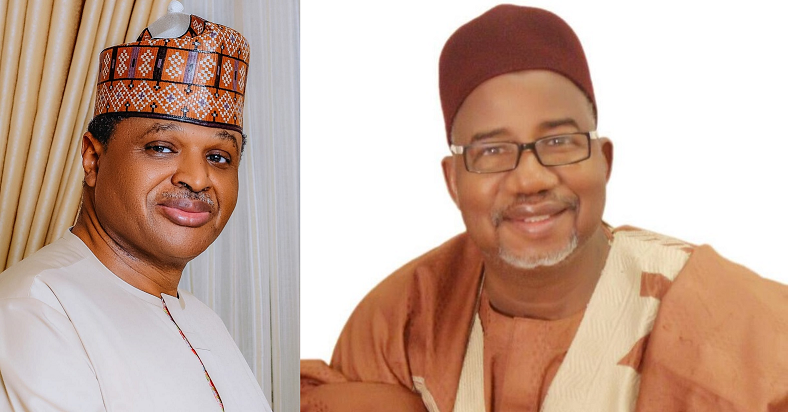
The PDP-led government in Bauchi state can present its performance sheet to the electorate with a view to convincing the people how it delivered all the promises it made ahead of the 2019 governorship election. It should tell the world how it impacted the lives of the people. On the basis of indices, let the world learn how governor Bala Abdulkadir Mohammed has not failed to transform education, agriculture, healthcare delivery, transportation, roads, security and the civil service in the almost past four years. 

And for the opposition APC, let it convincingly tell the good people of Bauchi state how the PDP-led administration has failed. Also, on the basis of indices, it should prove that it can do better by presenting reasons, amongst which should be the credentials of its standard bearer, Sadique Baba Abubakar. Let the world know how the erstwhile Chief of Air Staff met the Nigerian Air Force in almost the same situation Bauchi state is in today and turned around matters only to leave it a better place. 

In essence, rather than develop primitive tendencies, politicians in Bauchi state can focus on issues so that the electorate can know who is the best and can therefore make informed decisions on election day. After all, democracy is about the people in terms of their well-being and general development. 

Jarmajo wrote from Wuse, Abuja. 

Police vs Nigerians

By Aliyu Nuhu

Police authorities were angry for having the Nigeria police force ranked among the worst police in the world. But the police is its own worst enemy because it lacks effective Internal control and cleansing mechanism.

In 2019 NDLEA arrested a policeman in Borno who has been supplying drugs to Boko Haram. Two days ago a very bad video of a policeman went viral. He not only collected bribe, he short-changed his colleagues. The Police posted to guard former president Jonathan’s house stole everything including his clothes.

In 2017 when the people of Rijana said kidnappings along Kaduna-Abuja highway were carried out in collaboration with the police, the police authorities only transferred its men from the area and replaced them with another set. The bad ones were taken to another place to go and continue their trade. In the same year, the policemen sent to guard former president Jonathan’s house looted it bare and sold all the furniture and electronics. They broke doors and windows too. In short they vandalized the house!

Three years back, villagers on the Abuja highway blocked the highway to protest killing of vigilante informant by the kidnappers after he was given away by the police. In an interview, the kidnappers claimed to purchase their weapons from the police.

Nigerian Police is not only the most corrupt force in the world, it is also the most shameless and dangerous.

Imagine a former IG himself telling the world that he was free to sleep with any police woman of his choice. And he kept his words by impregnating and marrying one and promoting her in the service in return. Now retired, the former IG is said to be under demonic spell with the woman imprisoning him in the house. Where on earth but Nigeria can this happen without retribution?

The police had admitted being involved in kidnappings, the best thing is for the force to parade those men and dismiss them and at the same time prosecute them in courts.

There are good men and women in the police force no doubt, but one rotten egg in the bowl can spoil an omelette of thousands eggs. And there are more rotten eggs in the Nigeria police today.

The federal government should draft the military to restore sanity on the expressway. Military are involved in internal policing jobs because the police has failed to do its job.

It is that bad!

Aliyu Nuhu is a renowned social commentator. He writes from Abuja, Nigeria.

Qatar: The veiled bride of emigrants

By Abubakar Aminu Ibrahim

Qatar is a peninsular Arab country whose terrain comprises an arid desert, and a long Persian (Arab) submerse shoreline of tantalising sceneries. It is also an industrial country with ultramodern architecture, dawning from its ancient Islamic infrastructure.

Doha, Qatar’s capital city, is well known for its elfin skyscrapers and alluring shores. It is a world-class capital city, home to the limestone Museum of Islamic Art. Thanks to the World Cup tournament, the oil-producing country is ready to spread its dominance by hosting the global spectacle this year.

However, this write-up is not purposely to eulogise Qatar or its capital city, nor attempt to lay statistical predictions of the World Cup tournament. No! But if you are an intending immigrant, if you have started giving a deposit to an agent that will take you to Qatar as a worker, if your dream is to get to Qatar and share all the pictures on WhatsApp, Facebook and Instagram, then fasten your seat belt. The ride is yours.

First of all, let me clarify one thing for you, my friend. Having a dream is not wrong at all; it is, in fact, something inherent in all of us. On the contrary, having the vision of migrating to any country is not wrong. So, chase your dream and work for it. However, you must be careful enough not to be fooled, enslaved and handcuffed by projections and assumptions. If you go anywhere, ensure you hold yourself tied to your honour and integrity. Make sure that your personality as a human is assured.

I write this piece to enlighten some of my people who intend to migrate, especially to Qatar. Qatar is a veiled bride if you are a third-class groom! This write-up shall unveil the bride.

This is an output of research that dip into the plight of migrants in Qatar. Perhaps, emigrants suffer in different places worldwide for specific reasons, but Qatar is uniquely infamous for its treatment of migrants.

 I watched a series of documentaries that taped agonising stories of how blacks and Asians are maltreated in Qatar. Usually, our people cooperate with agents and pay a lot of money to process their migration to countries like Qatar. Contracts are signed with promises, such as shelter, food and a monthly salary. Such deals are always mouth-watering to suffering Nigerians and others across developing countries. But they always come with unbearable prices.

 If you refer to how this write-up described Qatar in the opening lines, the least you should expect from such a country is having almost zero judicial systems that will handle civil charges in courts. But not until 2018 did the city of Doha get a labour court parlour with only six judges to address complaints of its migrant workers. It is even more baffling to hear that the labour court in Doha admitted that out of over two thousand complaints, only sixty-nine were processed (wow!).

These complaints are, in most cases, against host companies of these migrant workers whose salaries are withheld for months. Ibrahim (a Kenyan migrant in Qatar) laments in a France 24 documentary that he and his co-workers received no pay for over three months, and this practice is regular. He added that they were promised good living conditions, food and timely salaries in the contract they signed, but none of these was ever honoured. Worse still, their passports were seized, meaning they could not return home at will.

In another interview with some Philippinos working under a Qatari lady, they said that day was their first day off in their three years of work. Another one cried that he would not want his people to see his condition, and he sometimes goes out at night to snap some happy pictures, even though the police sometimes chase him!

It is disheartening that even in airports, Qatari security agents embarrass travellers and deny them basic provisions, especially if their visitor holds passports from an African country, especially a Nigerian one.

An undersecretary for the Minister of Labour admitted that despite having a tribunal now, some business leaders are opposed to them. Therefore some of the policies are purely and only theoretical. Some migrants taped in court waiting rooms appear visibly hopeless and helpless.

All these are only some of the realities in Qatar, only the victims of this ancient way of thinking can tell you how it feels to be denied your fundamental rights as a human just because of your skin colour or social status. The Doha News proclaimed how migrants build almost all the infrastructures in the country. Yet, when workers die at construction sites, the only tribute they get is having their pictures pasted on a wall. Thanks to the mobile stadium constructed for the World Cup, hundreds of people sacrificed their lives to win bread for their families.

In the final analysis, I aim to make you pause and pose a question for yourself: in what capacity are you migrating? Who are you going to work for? What type of job are you looking for? How are you planning to return home if things do not work out? But, on the other hand, what is your reward at the end if things are working?

Think twice. It is said in Hausa, “tsalle daya a ke a fada rijiya, amma sai an yi dubu ba a fito ba“, which means it takes a single jump into a well, but one will jump a thousand times without getting out.

Abubakar Aminu Ibrahim wrote from Katsina via matazu247@gmail.com.

Open Letter to His Excellency Gov. Dr Abdullahi Umar Ganduje, OFR, (Khadimul Islam)

With all sense of honour, respect and humility, your Excellency, I humbly write this letter to convey a fundamental message (worth noting) to you and members of your executive council as well as other relevant stakeholders.

Your Excellency, as you know, Kano State is among the most consequential and venerated African lands. The state hosts international and influential clerics of high repute that promote Islam and the sunnah of our beloved Prophet Muhammad (SAW) to all domains in the north and beyond. Moreover, Kano has been the African commercial hub since the nineteenth century and the centre of learning and administration. For that cause, Kano is always at the front line of religious development and other aspects of human life. In addition, after the re-introduction of Shari’ah in early 2000, Kano embraced it in haste. Muslims have welcomed the development in good faith and unwavering conviction that if Shari’ah is appropriately implemented, life will become good and better in this world and have good fortune in the future existence.

Alhamdulillah! For the said development, the Kano state government established agencies to oversee Shari’ah affairs and ensure its implementation. Shari’ah commission was inaugurated as the apex body for Shari’ah matters and related business. Shari’ah courts were instituted and equipped. Well-trained experts were employed as Shari’ah judges. Zakah and Endowment (Hubusi) was founded and systemized to regulate the collection and distribution of Zakah wealth as stipulated by Allah and manage the waqf properties in the best interest of beneficiaries. The social reorientation directorate (Adaidaita Sahu) came into existence to ensure moral compliance by Muslims. The mighty Hisba Board was incorporated to complement the task of the Shari’ah Commission. The Office of Special Adviser on Religious Matters was created to support the Governor in dealing with Shari’ah functions. Above all, Shari’ah penetrates all government agencies and parastatals to the extent that it’s considered in all decision-making.

At districts and wards levels, the good people of Kano have cooperated. Groups of concerned Muslims constituted robust committees to compliment the government’s effort, namely Zauren Sulhu and its likes. They have significantly impacted the lives of ordinary people. Many such initiatives are in existence to this moment for their monumental works.

People believe that if such strategies are correctly implemented, they will bring sustainable socio-religious and economic development. It will curtail the ongoing bribery and corruption in civil service, robbery, burglary and phone snatching, immorality and other social vices. It will improve productive economic activities and reduce the high rate of poverty. It will promote Zakah awareness and boost the collection of Zakah wealth that, if used efficiently, will cater to the needs and demands of vulnerable widows and orphans as it did in history. This gesture will please Allah the Almighty; in return, He will bless Kano abundantly and ease the affairs of the state.

Your Excellency, the considerable success and giant achievements that Hisba is recording from its inception to date are commendable. Hisba is meeting its objective, mission and vision despite the factors hindering national progress. The support you are giving to the agency is laudable.

Your Excellency, what motivates and triggers me to write this letter is that the high poverty level, with over 55 per cent of the citizens being poor, is a matter of concern, according to the National Bureau of Statistics. Thus, it may not be a surprise that beggars are trooping and roaming the streets today, begging and occupying masjids and other public gatherings, pleading for assistance in various forms. In addition, radio and Television stations are becoming typical to hear the voices of people echoing for help due to poverty and other reasons for the financial predicament.

Besides, I am aware that the state government created a body responsible for looking after the vulnerable and impoverished per the saying of Allahu (SWT) in the Qur’an suratul Tauba verse number 103. The matter of contention is that; is the state government aware of this situation and giving all the necessary support and attention to Kano State Zakah and Hubusi Commission to execute its responsibilities, or is the commission just becoming worthless?

Your Excellency, it’s a known fact that in early 2022 your administration engaged about 600 people in civil service as tax collectors. It’s indeed a wise decision, for it reduces youth unemployment. However, one may wonder how many zakah workers were recruited to support the activities of zakah and consolidate it to achieve its overall objective.

Your Excellency, sincerely, Kano is lagging regarding zakah collection and distribution in modern times while its neighbouring states and emirates are thriving in this noble course. For instance, in Jigawa state, Dutse Emirate alone is mobilizing zakah wealth that eclipsed that of Kano in multitude. The narration is still correspondingly in Kazaure Emirate and Hadejia Emirate, among others. By extension, Sokoto State Zakah and Endowment Commission (SOZECOM) under Malam Lawal Maidoki, Sadaukin Sakkwato, is providing leadership in the country. In other countries, poverty and unemployment are reduced to the barest minimum. These exciting stories signify that Kano state could also join the race and achieve a lot, as it has immense potential.

Your Excellency, this is a gentle reminder hoping to reach you and praying to Allah to grant you the ability to use it and make it among your legacies. Undoubtedly, instrumental Islamic economic policy will help you lay a solid foundation for uplifting the well-being of the good people of Kano state. Zakah will be a panacea to poverty, unemployment, corruption and all forms of vulnerability in Kano state. I, therefore, wish to submit that our emirates have vital roles to play in the reformation. Moreover, collaboration with key stakeholders is necessary at this stage.

Last but not least, I applaud your efforts to improve security affairs in Kano State despite worsening scenes in the country and other neighbouring countries. May Allah guard and preserve our dear Kano State and Muslim communities in Nigeria and beyond. May Allah support you and grant you maximum success in your reign and beyond. Ameen.

Yours

Aliyu Ɗahiru Muhammad

Department of Economics

Bayero University, Kano

alitahir797@gmail

4/11/2022

Advice to the outgoing NYSC members

By Abba Abdulwahab Danmaraya

Congratulations to all my colleagues and friends who have recently finished their National Youth Service Corps (NYSC) scheme. I wish you success in your career, and may Allah bless the certificates you have acquired. Your number is too enormous for me to follow each of you and extend my wish but when you come across this piece, bear in mind that it’s for you.

As you achieve another record/milestone in your life journey, I want to advise you to embrace skills and apprenticeship and engage in any small business that comes your way. When you do that faithfully with God’s blessings, the big and lucrative ones you so desire may come to you.

You don’t need to be told about the hardship people experience in Nigeria. The saturated labour market and the job racketeering that’s going on in the country are under the watch of those who can make things right, but since it favours most of them and their loved ones, they allow it to continue the bad way.

You shouldn’t be carried away by the mentality of some graduates and refuse to work hard. Instead, get as much connection as possible, learn new things and improve the quality of your thought by thinking outside the box.

Today life has proven to us it is not only about how hard you work but also how brilliant you think/work. The certificates you possess don’t matter in getting you a job in most places in Nigeria if you have connections but also you can also be welcome to so many places if you can offer many things, create and work smarter.

Even on this social media, when used correctly and with caution, you will meet with many things, people, and items that will help shape and mould you to be a better version of yourselves. With your smartphones, you will learn a lot, and you can also generate more money and maximise your income when you manage your time and thought.

Abba Abdulwahab Danmaraya wrote via saniabdulwahabdanmaraya@gmail.com.

Exercise: A panacea for mental health?

By Aishat M. Abisola

As everyone knows, maintaining a proper grasp of your mental health can be difficult, especially in stressful environments. Stressful situations make it hard for people to have good mental health, making the mind vulnerable to mental illnesses like depression or anxiety disorder.

As someone who has dealt with anxiety, I can say with complete honesty that it is a terrible thing to deal with and the feeling of it lingers for a while until you feel better.

The best way to describe the anxiety, or how it made me feel, is that it made me feel cold and numb. It was hard for me to breathe as if I was drowning and many hands were pulling me down.

I didn’t know anyone around me who felt the same way I did, so it was a struggle for me. Luckily, I found a way around it, which was through exercise.

I’ll be honest and say that I don’t exercise as much as I used to, but when I did, I felt as if I had no worries. So I understand if you might be confused about why and how I started feeling better with exercise.

What you should know about exercise is that it keeps people in peak physical form and improves their overall well-being by creating changes in the brain.

Let me clarify that any form of exercise is better than none: yoga, walking, swimming, martial arts, stretching, and housework (despite what some may think, things like sweeping and mopping can put your muscles to work).

People who often exercise generally sleep better, feel more energetic during the day, have better memories, and feel more positive about themselves.

This is not conjecture, but facts, as studies have shown that exercise can treat mild or moderate depression the same way antidepressant medication can – minus the side effects. For example, walking 15 minutes a day or walking for an hour reduces the risk of depression by 26%.

Inactivity damages your mental health in the same way that exercise can bring many benefits to your mental health. As a natural anti-anxiety treatment, exercise relieves stress and improves physical and psychological energy. In addition, exercise releases what I refer to as the body’s “Happy” chemicals (Serotonin, Endorphins).

These chemicals are known for improving one’s mood, and exercise releases a particular amount depending on the type of exercise.


Exercise also improves physical in more ways than one:

• Improves cardiovascular health by lowering blood pressure, improving cholesterol levels, and reducing the risk of strokes, heart attacks, and heart disease.

• Helps with diabetes by improving blood glucose control, reducing cardiovascular risk factors, helping with weight loss, and delaying/preventing the development of type 2 diabetes.

• Reduces the risk of cancers: stomach cancer, breast cancer, bladder cancer, kidney cancer, uterine (endometrial) cancer, etc.

• Improves bone health by strengthening the muscles and bones because ageing causes bone density loss and prevents osteoporosis.

• Increase the chances of living longer.

• Helps you to maintain an appropriate weight level.

• Improves brain functions and reduces the risk of dementia.

When it comes down to exercise, at most, you should perform 2.5 – 5 hours of exercise a week.

It isn’t recommended that you do your exercise all at once. Instead, reducing it into time intervals would be best to make it easier. If you don’t have much spare time, here are ways that you can exercise without it taking up too much time:

• You can try walking or cycling if you have a bicycle.

• Incorporate exercise into your daily lifestyle by maybe taking the stairs when you would probably take the elevator or parking your car (if you have one) far from your destination.

• You can practice yoga by searching on YouTube and following the videos through the motions.

• You can exercise in the morning before you prepare for work.

• Dancing is a fun method of exercising without putting much effort. Just play music and move your body.

If you have a chronic condition like arthritis, a disability, weight issues, or an injury that prevents you from moving too much, talk to your doctor about ways for you to exercise safely. You can worsen your condition by exercising without consulting a doctor on the proper steps.

Another thing to note is that if you are feeling pain while exercising, stop and rest. Drink some water and lie down. If the pain continues, don’t ignore it. Go and see a doctor for help.

If you’ve heard the saying “Health is Wealth” before, then you know that you should prioritize your body. Harming yourself to improve your mental health will only make it worse.

Exercise may be helpful to the body and mind, but make sure to listen when your body clearly says, “NO!”.

Aishat M. Abisola is a member of the Society for Health Communication, Wuye District, Abuja. She sent this article via aishatmohd02@gmail.com.

Social Control: The Nigerian police and the criminal justice system

By Hassan Idris 

As students of sociology and criminal justice, we can’t debunk the fact that social control is a compelling discussion subject in the criminal justice system.  There has not been any society that exists without a social control mechanism to oversee the behaviours of its members. The Nigerian police, my discussion subject, is regarded as the ‘gatekeeper’ of the criminal justice system because it’s the nearest social control mechanism to the people. However, social control is unarguably the most preponderant static aspect of every human society. It’s the prerequisite for maintaining decorum, orderliness, and stability, which becomes a vital thing for every human society to develop a social control mechanism, be it formal or informal, to oversee the behaviour of the members of the society and bring about development and stability.

Marshall, in 1996 defined Social control as “the process of keeping individuals in check, moderating their behaviours, and maintaining social order”. Social controls tend to encompass the strategies and mechanisms put in place to oversee the behaviours of the members of human society. Social control is the birth of human social relationships which may be informal (comprising written norms, values, or customs) or formal (typically practised by the personnel of constitutionally acknowledged agencies. But we cannot discredit that formal and informal social control mechanisms are derived from the habituation and rationalization that arises from repeated interaction. 

Okoye, in 2011 posited that the word” Police” comes from the Latin word politic, which means” civil administration”.  However, the first Professor of Criminology in Nigeria from the Prestigious Ahmadu Bello University, Zaria-Nigeria, Professor Odekunle, in 2010,  defined the police as “the government officials most proximate to crime, temporally and procedurally, and the leading figures in crime prevention, control and law enforcement processes”. The fundamental objectives of policing in society are to provide security, or at least a social and psychological feeling of security, for a majority of citizens, in a majority of places, and for most of the time. The police, the “gatekeeper” of the criminal justice system in all contemporary societies, is the most apparent agent of formal social control. This is why Bittner, in 1990, asserted that “social control and reactions to deviance are intimately bound up with the functions of the police because they all address the central problem posed by events or behaviour which ought not to be happening”. 

However, the fact remains that the police assist other social control agencies through many of their actions. The paramount role the police play in ensuring societal laws, norms and values are kept and regulated made it one of the cogent institutions of the criminal justice system. Most Nigerians would not refute that the police institution is the nearest institution with regular contact with the people, making it distinctive amongst other criminal justice institutions. The uniqueness of the police clenches the evidence that its decision and action on the street or in society is vital to the existence of the criminal justice system. The police are the “gatekeeper” of the criminal justice system, and it decides who moves into the system and who comes out. Therefore, every action or activity carried out by the police have myriad and huge implications for the criminal justice system and other institutions.

Furthermore, to understand the contemporary Nigerian police and the anti-people administration they portend, it’s paramount to trace back to the history of policing and the colonial policies that influenced the current bureaucratic policing we have today. The history of policing predates the modification of the police as a permanent occupational group within bureaucratic institutions providing the primary state response to crime and disorder.  In the past, before the emergence of the contemporary police we have today, it was traditionally the duty of all adults in the community, especially male adults, to prevent, control, and guide people from internal and external inversion and aversion. However, the emergence of the state with its wide bureaucracies brought about centralization, hierarchical authority, power structure and professionalism and the traditional strategies of policing were transformed from everyone’s business to the state business.

The historical emergence of the conventional police over the globe occurred independently; nevertheless, the historical emergence of policing in Nigeria is categorized into three. The first category is the pre-colonial category which policing then includes the use of cults, messengers, secret societies and palace guards. Crime surveillance and curtailing then in Nigeria were executed by indigenous institutions which are regionally based.  The Northern and Southern Districts of the country’s system of policing were established on centralization and formalization. In the Northern parts of Nigeria, monopolized by the Hausa-speaking ethnic group, the Dogarai was employed as the bodyguards of the Sark( Emir or King). They refine full-time policing in the community. Under the leadership of the Dogarai, the Sarkin Dogarai was charged with capturing and disciplining offenders and protecting the town from internal and external invasions. Similarly, in the Yoruba-speaking ethnic group of Western Nigeria, the Ilari, Emese, or even the Aguven was responsible for apprehending or arresting criminals.

In the secondary category, which is the colonial period, the system and principles of policing changed and became anti-people. The vitality of establishing the formal police by the colonial masters was essentially to serve and protect their commercial interests and not the people. It’s a reason we have brutal and anti-people policing in Nigeria today. I’ll justify that in the next paragraph when I’m discussing the post-colonial category of policing. The third category, which is the post-colonial category, the leftover system in the pre-colonial category, which is anti-people policing, was still carried to this period, even when the colonial masters left, and this is evidence of why the style of law enforcement used by the Nigerian police today is not for the masses. 

The Nigerian police, without a doubt, have lost confidence in the hearts of the people, and there have been accused of unnecessary arrest and even breach of law. But we can’t deny that the Nigerian police from inception was built upon the wrong foundation because the British established a predatory police administration for Nigeria for the fundamental purpose and strategy of sustaining, promoting, and ensuring the socio-economic and political orientations and occupations of the colonial masters. 

In conclusion, the current pervasive feelings of insecurity and the near-total breakdown of law and order as a result of the upsurge in different criminal activities, like terrorism, kidnapping, armed robbery, political assassinations, and ritual killings, in Nigeria is an indictment of the failure of the Nigeria police force as the most visible agent of formal social control and the gatekeeper of the criminal justice system in the country. However, despite these shortcomings, the Nigerian police force remains a vital pillar through which conformity and maintenance of order are installed.

Hassan Idris is a sociologist and poet and sent this article via idrishassan035@gmail.com.