Opinion

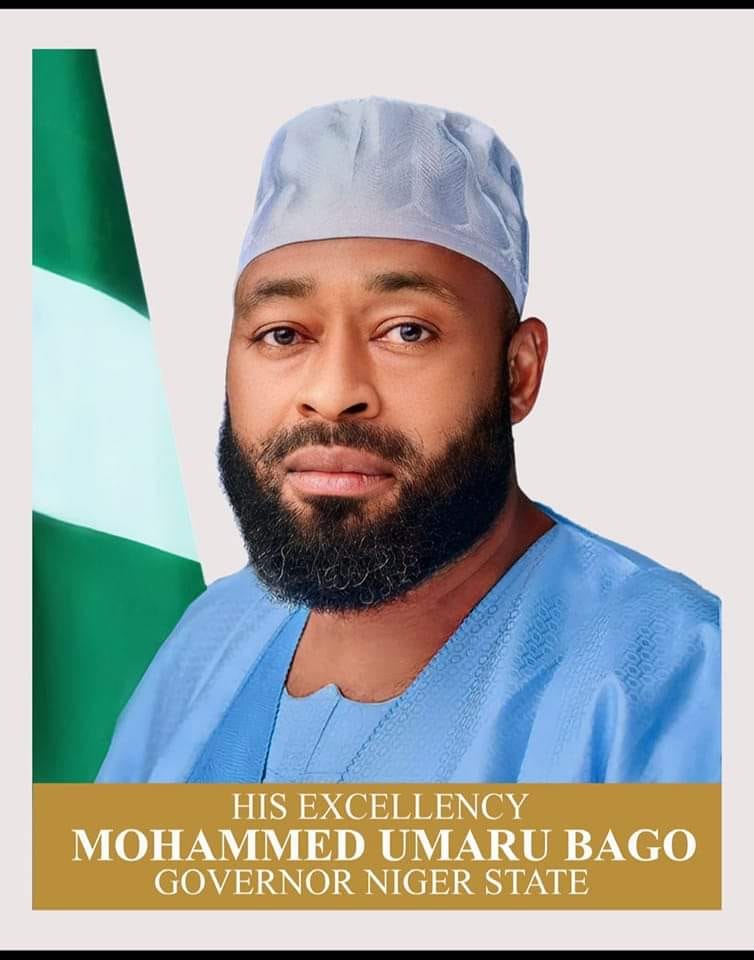
Governor Bago’s audacious demand

By Muhammad Danjuma Abubakar

For the grammar ‘lords’, the title of this piece is itself ‘audacious’ and might be erroneously perceived as undiplomatic, aggressive, and forceful.

 However, those well-schooled in journalism and those gifted with wisdom would look at it with a  different lens. This essence provokes readership and ignites curiosity about a crucial matter that demands attention.

Within the context of governance and leadership, audacious attributes often translate to courage and boldness when confronting challenges and addressing key issues head-on in ways that could better the lots of ordinary citizens.

This is in the DNA of all serious-governance-ready leaders who are always seen addressing the unaddressed and championing the cause of their people with unwavering determination.

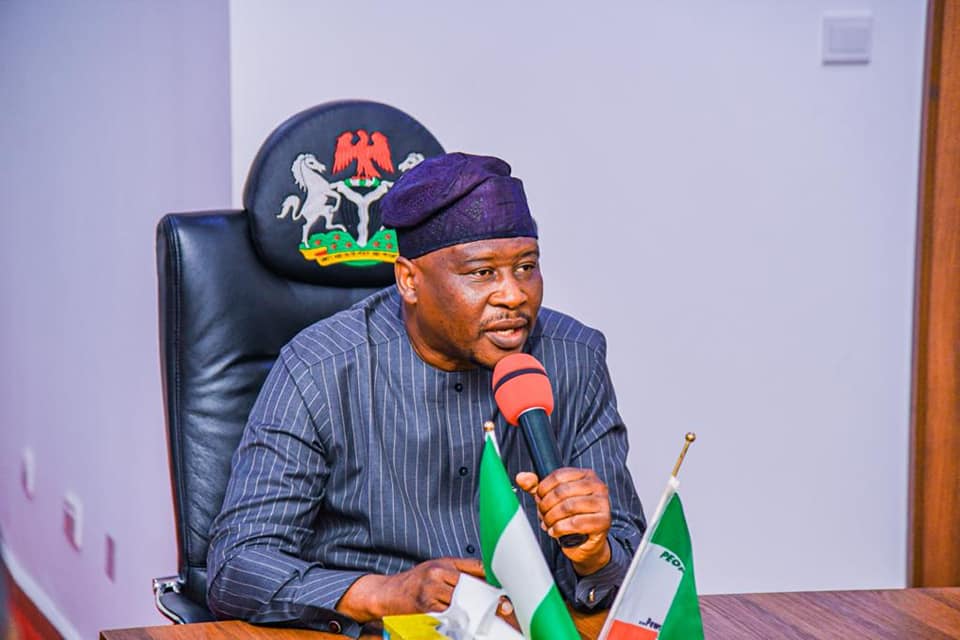
Governor Bago’s recent statement aligns with these when he said that Niger State also deserves a 13% derivation formula that oil-producing states are being given monthly.

The governor stated this when the Federal Commissioner of the National Commission for Refugees, Migrants and Internally Displaced Persons, Tijjani Aliyu Ahmed, led other principal officials of the commission on a courtesy visit to the governor at the Government House, Minna, made headlines on various media platforms. This is an indication that such is a rare call, yet assertive.

A straightforward demand that those who governed the Power State(Niger State) before Bago couldn’t make, probably due to the ‘overwhelming’  vastness of the responsibilities of governance or because of the perceived unimportance attached to such kind of demand.

Yet, in this writer’s good knowledge, the plank of leadership embodies enormous responsibilities, a firm resolve to serve the people and a better platform for a powerful voice for the voiceless everyday citizens.

How, then, could a genuine demand that would better the lots of the electorates who stood to vote for their leaders skip the memories of successive governments in the state? 

This demand is indicative of the understanding of Niger State’s potentials and its vast contributions to Nigeria’s economy.

Of truth, during the last general governorship elections, my candidate was Khadijah Abdullahi-Iya (Audu Kwangila Bida) of the opposition All Progressives Grand Alliance (APGA), a symbol of motherhood. Khadijah Abdullahi Iya, a daughter of the first indigenous contractor in Northern Nigeria (Late Audu Kwangila Bida), also came prepared; toured all the nooks and crannies of the 25 local government areas of Niger State to campaign responsibly within the ambit of the electoral law.

Nonetheless, options of multiple choices are the cornerstone upon which democracy is hewn. The same democracy spoke, and Governor Bago now holds the reins. And it’s crucial to understand that he is the governor for all, and sincere support, prayers, and cooperation from all Nigerlites are essential for the success of the New Niger Agenda.

This is why no person of good conscience could agree less with Governor Bago, given the numerous contributions of the hydroelectric dams. From Power Supply, which power houses, businesses and institutions.

This call, when heeded and implemented, can enhance the infrastructural development of the host communities around dams and spur economic empowerment through the support of local businesses in the communities that would also translate to the economic well-being of the nation.

Governor Umar Bago’s demand echoes the need to ensure that host communities benefit substantially from the abovementioned benefits and that the people directly affected by the power production are active players in the nation’s progress.

As a matter of importance, in championing this cause, our national assembly members from Niger State and across Northern Nigeria should work assiduously with their fellow lawmakers and prove their mettle of strategic lobbying and networks to make this practicable. Sadly, the majority of the citizens do not know the enormous economic contributions of the hydroelectric dams to the country, which should warrant fair compensation through the 13% derivation.

In closing, Governor Bago’s demand is not only a call for more resources. Instead, it is a call for fairness and to recognise the significant roles that Hydroelectric power-producing states, notably Niger State, play in our nation’s economic growth and development.

 Therefore, in good conscience, whether a Nigerlite or not, we need to rally around Governor Bago’s cause because the demand for equity is lawful and a stride towards a more balanced and prosperous nation.

Muhammad Danjuma Abubakar writes from Minna, the Niger State capital and can be reached via muhammadcares4u@gmail.com.
The devastating effects of flooding in Nigeria

By Ladi Ibrahim

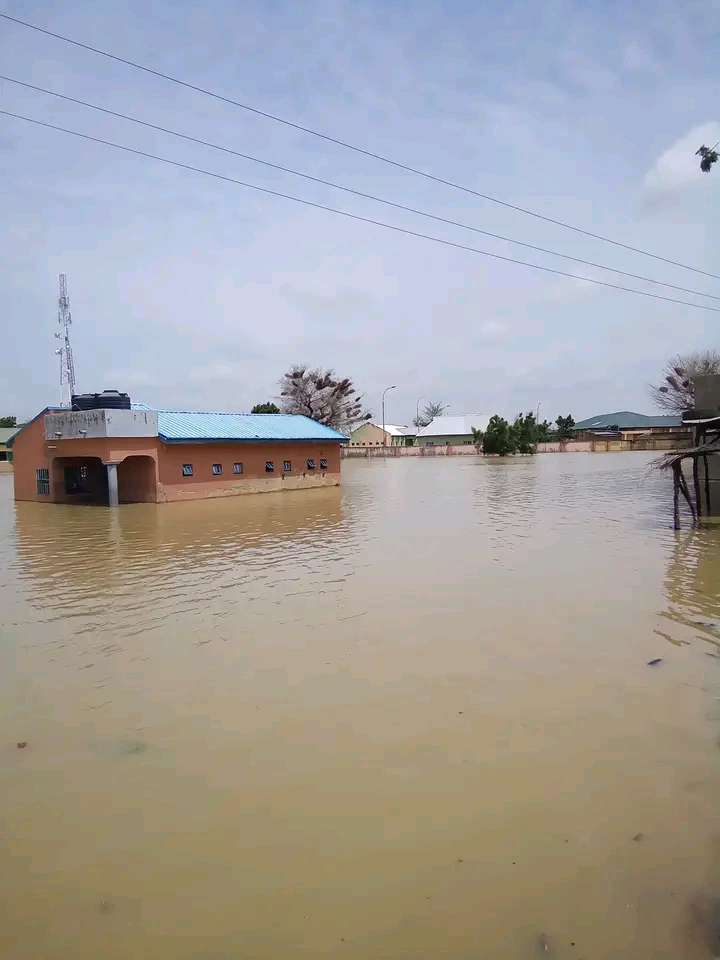
Floods have become a recurring natural disaster in Nigeria, causing immense damage to infrastructure, the economy, and most importantly, the lives and well-being of its citizens.

Nigeria’s vulnerability to flooding has grown in recent decades due to many factors, including urbanisation, inadequate drainage systems, deforestation, and climate change. Rising global temperatures are causing extreme weather patterns, leading to more intense rainfall events and subsequent flooding.

Flooding often triggers a humanitarian crisis, displacing thousands of people and leaving them homeless, without access to clean water, food, and sanitation facilities. Internally displaced persons (IDPs) are forced to rely on aid assistance, leading to severe strain on already limited resources.

Flooding wreaks havoc upon critical infrastructure, including roads, bridges, schools, hospitals, and power lines. This compromises public safety, disrupts essential services, and hinders economic growth and development. The cost of rebuilding and repairing damaged infrastructure poses significant challenges to the Nigerian government.

Flooding has far-reaching economic consequences, affecting agriculture, businesses, and livelihoods. Agricultural lands are submerged, leading to crop failures and livestock losses, negatively impacting food security and increasing reliance on imported goods. Small businesses and industries suffer significant financial losses, often leading to closures.

Floodwaters become breeding grounds for disease-causing organisms, heightening the risk of waterborne diseases such as cholera, typhoid fever, and hepatitis. The lack of clean water, sanitation, and proper hygiene practices amid displacement adds to the vulnerability of Nigerian citizens, particularly children and the elderly. Inadequate healthcare infrastructure exacerbates the challenges in providing timely and effective treatment.

Flooding poses physical dangers and leaves long-lasting psychological scars on affected individuals. Displacement, loss of property, and the trauma associated with witnessing loved ones or community members suffer can lead to anxiety, depression, and post-traumatic stress disorder. The mental well-being of affected citizens requires attention and support during and after the flood crisis.

To mitigate the effects of flooding, Nigeria must invest in long-term solutions such as improved urban planning, the construction of drainage systems, reforestation efforts, and the establishment of early warning systems. Comprehensive disaster preparedness and response strategies should also be developed, involving government agencies, international organisations, and local communities.

Building resilience is crucial to enhance Nigeria’s ability to adapt and respond to the potential impacts of climate-related flooding. This includes raising public awareness, developing sustainable land use practices, promoting flood-resistant housing construction, and investing in flood insurance schemes.

The effects of flood disasters on Nigerian citizens are profound and wide-ranging. The ongoing challenges necessitate implementing comprehensive strategies to enhance resilience, minimise vulnerability, and protect the well-being of citizens. Addressing the complex issues associated with flooding requires concerted efforts from individuals, communities, governments, and international partners to ensure a safer and more secure future for all Nigerians.

Ladi Ibrahim wrote from the Department of Mass Communication, University of Maiduguri.

Protection of persons Hors de combat: Perspective on Israeli-Palestine crises

By Yusuf Idris

The Israel-Palestine conflict is one of the most complex and long-standing disputes in modern history. Rooted in deep historical, religious, and political tensions, the conflict has resulted in a series of wars, uprisings, and ongoing violence between Israelis and Palestinians.

The origins of the conflict can be traced back to the late 19th century when Jewish and Arab nationalist movements emerged in the region, claiming their right to self-determination. After World War I, the League of Nations granted Britain a mandate to govern Palestine, facilitating Jewish immigration and settlement. However, this sparked resistance from the Arab population, who feared displacement and loss of their homeland.

Following the horrors of the Holocaust during World War II, international sympathy for the establishment of a Jewish homeland grew. In 1947, the United Nations proposed a partition plan to divide Palestine into separate Israeli and Palestinian states, but the Arab countries and Palestinian leadership rejected this plan.

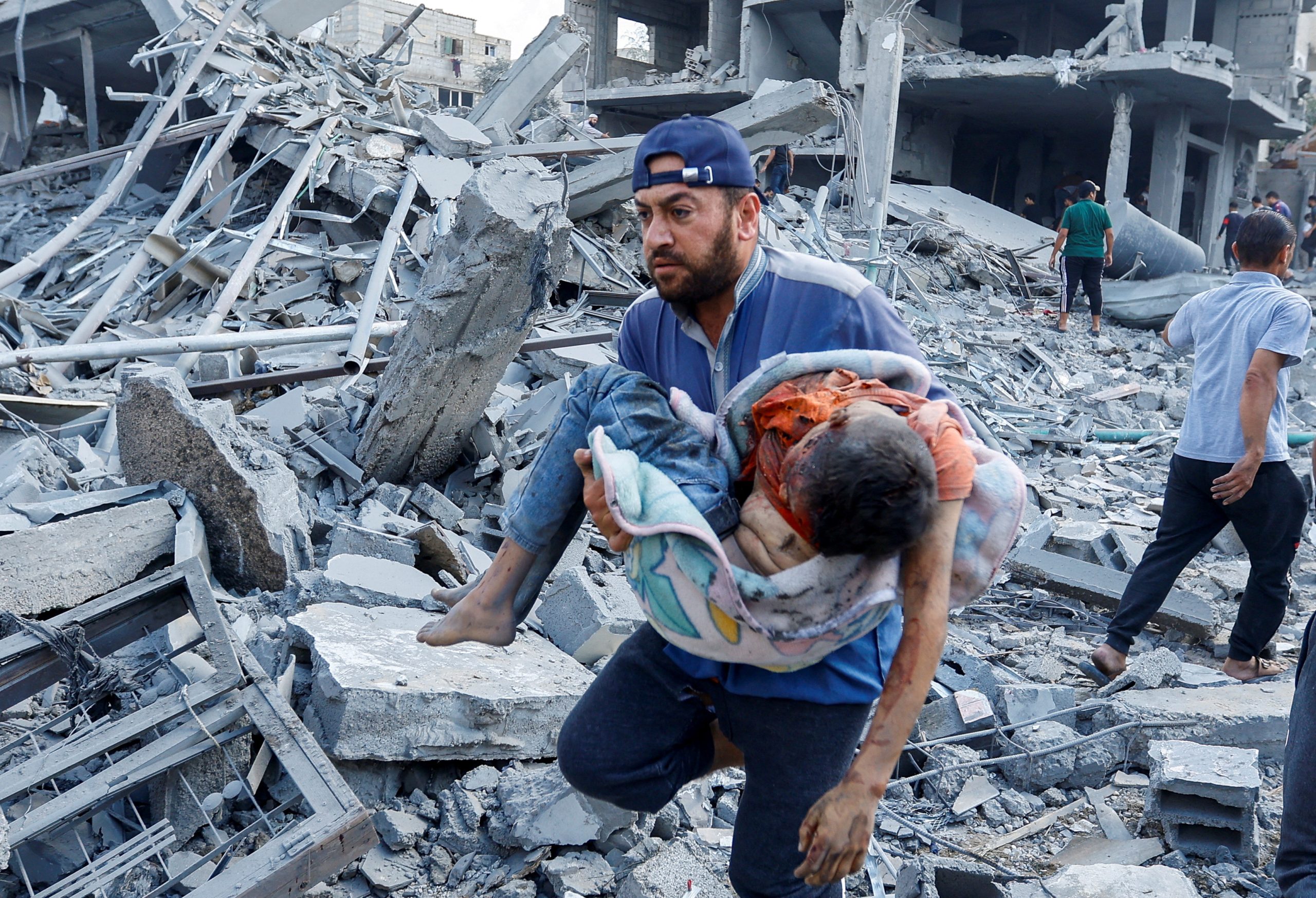
The protection of persons, including both combatants and civilians, is a crucial aspect to consider in any conflict. From the perspective of the Israeli-Palestinian crisis, this issue carries significant weight as the conflict has led to the loss of countless lives and resulted in widespread suffering on both sides.

One of the key aspects to examine regarding the protection of persons in the Israeli-Palestinian conflict is the nature of the conflict itself. The conflict has been marked by a series of military confrontations, uprisings, and acts of terrorism, which have had severe humanitarian consequences. Both Israelis and Palestinians have been subjected to violence, displacement, and the violation of their fundamental human rights.

From the Israeli perspective, the protection of persons, particularly Israeli citizens, is a paramount concern. Israel, as a sovereign state, has the responsibility to safeguard the lives and security of its population, which various Palestinian militant groups have consistently targeted. 

The causes and origins of the Israel-Palestine crisis are complex and deeply rooted in historical, political, and religious factors. 

The Israel-Palestine conflict dates back to the late 19th and early 20th centuries when Zionist Jews sought to establish a Jewish homeland in historic Palestine, which was under Ottoman rule at the time. This intensified with the Balfour Declaration in 1917, in which Britain supported establishing a Jewish homeland in Palestine.

Partition and Creation of Israel: Following World War I and the collapse of the Ottoman Empire, Britain was granted the mandate to administer Palestine. Rising tensions between Jewish immigrants and the Arab local population led to conflicts. In 1947, the United Nations proposed a partition plan, recommending the creation of separate Jewish and Arab states in Palestine. 

 The term “protection of civilians” refers to the measures taken to ensure the safety and security of civilians during armed conflicts. This can include various actions such as providing humanitarian assistance, establishing safe zones or protected areas, and enforcing international human rights and humanitarian laws.

“Hors de combat” is a French term that translates to “combat horse” in English. It refers to horses used in military operations, particularly in combat roles.

 The phrase “protection of civilians horse de combat” does not inherently have a specific meaning as it combines two distinct concepts. However, one possible interpretation could be using combat horses in military operations, specifically focusing on protecting civilians.

Combat horses may be employed in a conflict situation for various purposes like transportation, reconnaissance, or combat roles. If the emphasis is on protecting civilians, combat horses could be trained to rescue civilians in dangerous situations, evacuate them from conflict zones, or provide a deterrent against attacks on civilians.

There is no specific international instrument called “Words de combat” to protect civilians. However, several international legal frameworks and instruments address the protection of civilians during armed conflicts.

1. Geneva Conventions and Additional Protocols: The Geneva Conventions of 1949 and their Additional Protocols provide the foundation for protecting civilians during armed conflicts. They outline rules for the humane treatment of civilians, prohibit attacks against them, and provide for the establishment of protections such as safe zones and medical facilities.

2. United Nations Security Council Resolutions: The UN Security Council has issued several resolutions to protect civilians in armed conflicts. For example, Resolution 1894 (2009) reaffirms the responsibility of all parties to an armed conflict to protect civilians and calls for accountability for those who violate these obligations.

3. International Humanitarian Law: This body of law includes principles and rules that regulate the conduct of armed conflicts and aim to minimise civilian harm. 

Several international humanitarian principles, protocols, and provisions of the Geneva Conventions govern the protection of civilians in armed conflict situations. These frameworks aim to ensure that civilians are protected from the effects of armed conflict and that their human rights and dignity are preserved. 

 Key principles, protocols, and provisions related to the protection of civilians:

1. Principle of Distinction: This principle, enshrined in the Geneva Conventions, requires parties to distinguish between civilians and combatants and between civilian objects and military objectives. It prohibits direct attacks on civilians and civilian objects.

2. Principle of Proportionality: Under this principle, parties to the conflict must ensure that the anticipated military advantage from an attack is not outweighed by the expected harm to civilians or civilian objects. The excessive use of force that could cause disproportionate civilian casualties is prohibited.

3. Principle of Precautions in Attack: This principle obliges parties to take all feasible precautions to avoid or minimise harm to civilians and civilians.

The Israel-Palestine conflict falls within the scope of international humanitarian law, and the principle of protecting civilians applies to both parties. International humanitarian law, including the Geneva Conventions, stipulates that parties must take all necessary measures to protect civilians from the effects of hostilities in armed conflict situations.

This means that parties to the conflict, including Israel and Palestine, are obligated to:

1. Respect the distinction between civilians and combatants and between civilian objects and military targets. Deliberate attacks on civilians or civilian objects are prohibited.

2. Uphold the principle of proportionality by ensuring that the anticipated military advantage does not outweigh the expected harm to civilians or civilian infrastructure.

3. Take precautions in attacks to minimise harm to civilians. Parties should give effective warning of attacks that may affect the civilian population and take all feasible measures to avoid or minimise civilian casualties.

4. Provide medical care and humanitarian assistance to civilians affected by the conflict without discrimination.

Conclusively, the Israel-Palestine crisis is a complex and ongoing conflict with deep-rooted historical, political, and religious dimensions. A few general suggestions that various international actors have highlighted:

1. Dialogue and Negotiations: A peaceful and lasting resolution to the conflict can only be achieved through a comprehensive, inclusive, and sustained dialogue between the parties involved. This should be based on mutual recognition, understanding, and respect to reach a mutually acceptable solution.

2. Two-State Solution: The international community, including the United Nations, has long supported the idea of a two-state solution where Israel and Palestine exist side by side in peace and security. This solution typically involves the establishment of an independent and sovereign Palestinian state alongside Israel, with agreed-upon borders and mutually acceptable arrangements for Jerusalem, refugees, and security.

3. Respect for International Law: All parties should uphold and abide by international humanitarian law

Resolving the Israel-Palestine conflict is a complex and multifaceted issue that requires the commitment and cooperation of all parties involved. While there is no one-size-fits-all solution, several proposals have been put forward. Here are some potential solutions that have been discussed:

4. Two-State Solution: This solution involves the establishment of an independent and sovereign Palestinian state alongside Israel, based on the pre-1967 borders, with mutually agreed upon land swaps and a negotiated resolution to the status of Jerusalem. This solution has been endorsed by the international community, including the United Nations, as a means to address the aspirations of both Israelis and Palestinians for self-determination and security.

Yusuf Idris writes from  Lagos and can be reached via yusufibnadamu@gmail.com.

Public Universities: the FG’s new revenue generation goldmine

By Prof. Abdelghaffar Amoka

The Academic Staff Union of Universities (ASUU) has been in a battle with the Federal Government of Nigeria over the funding of the public universities. The facilities that made our universities to still have a semblance of a university were products of ASUU strike. ASUU was so passionate over public universities funding to the point that the public began to think that such funds, when released, are paid into ASUU’s account. Even some journalists that are supposed to be properly informed shared in the ignorance or misinformation.

You read headlines like “FG releases 2 billion naira to ASUU for university funding”. ASUU pursued funding at the expense of its members’ welfare. The battle has been on funding to an extent that the younger generation of academics began to wonder why their welfare is not at the top of the union’s demands. The consoling words from our veterans have always been: You get true fulfillment when you have an ideal working environment.

The battle took a new dimension last year, during the reign of the ex-president Muhammadu Buhari, who had no agenda for education aside from establishing more universities without funding plans. Yeah! Buhari came to re-write the story of our university system. The number of the underfunded new tertiary institutions were listed as his major achievements. A strike on funding and the renegotiation of conditions of service that should not have lasted for more than four weeks, if sincerely handled, was dragged on for eight months and the lecturers starved. A few died and many survived and are still surviving but not an item on the demands on the needs of the universities was treated.

While ASUU was fighting for adequate funding, the FG had a hidden plan. It publicly declared that the universities will have to generate their money to partly fund themselves. The public couldn’t see the implication of the statement. The statement received support from some Nigerians whose education was funded from primary to PhD with public funds. However, besides this declaration, they are also seeing the universities as revenue generation institutions rather than institutions to be funded. They were wondering why they should keep funding these institutions when they are supposed to be generating revenue for the government.

Having conceived the idea to make federal universities an internally generated revenue (IGR) source for FG, their challenge was how to make these institutions generate revenue for FG without backlash. The only obstacle to the plan is ASUU that is always using strikes to force to unwillingly release some funds for the universities. ASUU was on strike again. They find their trouble annoying and something must be done. They engaged their friends that are former union leaders to develop the strategy to clip ASUU. Hunger strategy was found most effective and that was deployed and the rest was history.

From the experience of the last strike, call for a referendum on strike today and the members will tell you that if they will lose their salary for a one day strike, they won’t join. They are still paying their debt. So, they began starving the universities of funds.

Universities like Ahmadu Bello University (ABU) and Unilag, whose electricity bills are around 120 million naira per month, are given about 150 million naira per annum for operational expenses. How they pay their bills was left as their business. So, to keep up with the bills, the universities began to review the service charges. The universities estimated what can run the universities and appropriate charges were put together as fees for students. There were outcries on the fee increment. Some called it tuition and that got FG worried.

FG had to come out with a press release. They acknowledged the increment but that FG has not introduced tuition. The increase in fees as announced by various universities was to reflect the current economic reality; mission accomplished. However, the FG didn’t see these increased fees as service charges, they saw them as IGR by the universities and hence became interested.

As the universities were busy announcing the revised fees, the Minister of Finance suddenly remembered that there was a circular FMFBNP/OTHERS/IGR/CRF/12/2021 dated December 20, 2021 that said all partially funded FG Agencies should remit 40% of their IGR to FG. Universities are currently expected to remit 40% of the fees collected from the students to FG as revenue generation. These service charges in the universities are referred to as Gross Internally Generated Revenue. The deduction is effective from November 2023.

This means that if a student is charged N2,000 for an ID card, the university will give N800 out of it to the FG. It doesn’t matter to the FG if the cost of the ID card is truly N2,000. If a student is charged N10,000 as laboratory charges for chemicals and consumable, the university will give N4,000 out of it to the FG as revenue. If every student is charged N30,000 for electricity, water and sanitation bills, the FG will enjoy N12,000 out of it as revenue. It doesn’t matter if the remaining amount is not enough to pay those bills. If a student is charged N15,000 for a field trip or SIWES, the FG will take N6,000 out of it. If a student pay N5,000 as examination fee, the FG will take N2,000 from it as IGR for the FG. etc.

The insensitivity of the government to the needs of the people has gotten that bad. Public universities are the government’s new revenue generating agencies. This 40% revenue is expected to be paid by kids whose parents are earning less than N100,000 per month from the same FG. As they are milking the people dry, they have refused to cut off the cost of governance. The NASS members that were supposed to drive a car of 7 – 8 million naira by law got 160 million naira cars as against the law.

The bad thing is that the government will deduct 40% from the money as it is paid. It is auto-deduction. They will take their share before the universities even have access to the money. The announced fees were calculated to barely take care of the basic needs of the universities. So, how will the universities be run without the 40%?

My opinion…

Dear parents, tight your seat belt and the revised fees of your kids in any federal higher institution increased by 40%, thanks to FG quest for IGR. ASUU has done its bit for us Nigerians. It should not be a major discussion at the ongoing NEC. Nigerians should be allowed to fight their fight. The fight should now be left for the students and their parents. If they are willing to fight, ASUU members can join as parents. If they are not ready, we all MILT and move on as usual. After all, we are used to suffering and smiling.

The university managements, Senates, and Councils should find an appropriate way to introduce the 40% FG IGR from the universities into the fees. The universities that are yet to announce their revised fees should add the FG 40% university IGR to their fees. It should be separated from the university charges. It can be called “40% FG IGR charge” as a separate item. So that the students and parents will know what they are paying for. They need to know that rather than FG funding the education of their kids, something ASUU has fought for and prosecuted over, FG is now generating revenue from them as they pay their kids fees.

©Amoka

As Governor Fintiri constructs the first superhighway in the Northeast

By Zayyad I. Muhammad

The Adamawa state government, under the leadership of Governor Ahmadu Umaru Fintiri, has commenced the construction of a 20.8-kilometre superhighway in Yola, the Adamawa state capital.

The Superhighway, starting from the Yola City Gate and ending at AA Lawan Junction inside the city of Yola, will open up a new corridor in the Jimeta-Yola metropolitan area as the superhighway is passing through virgin land, though there is massive building activity along the way—new housing estates, including the 2000 housing units constructed by the Governor Fintiri Government for civil servants and other citizens of the state. Other activities along the corridor are industries, farmhouses, schools, and commercial activities.

Some critics have been accusing state governors of neglecting basic needs while constructing big roads and flyovers, but Governor Fintiri is different—he has struck a balance between human development and infrastructure, rural needs and urban development, and community engagement, and political engagement. Governor Fintiri has built cottage hospitals and rehabilitated general and specialist hospitals throughout the states. He built new schools and improved the existing ones, including the payment for WAEC and NECO for all Adamawa State students.

In the just-released 2023 NECO Results, Adamawa State recorded the highest number of candidates with five credits, including English and mathematics. Recently, Governor Fintiri launched the Adamawa Human Development Council to drive Adamawa’s human development initiatives and oversee all human development issues in the state. Furthermore, Adamawa State has one of the most well-structured and sustainable poverty alleviation and wealth creation agencies in the northeast: the Adamawa Poverty Alleviation and Wealth Creation Agency (PAWECA). The agency trains and develops skills for youth and women; it’s doing well in that its core mandate

Coming back to the main topic, the superhighway, it is simply a product of knowledge-driven governance, which always strives to strike a balance between development and expansion, rural needs and urban requirements, and people’s needs and wants. This balance is essential for any state government to fulfil its vital role in how its citizens and businesses travel, commute, and transport goods and services. One of the crucial components of modern transportation in this era of high-speed technology is superhighways.

Like any other huge construction project, superhighways have their challenges, but the importance and the need for the 20.8-kilometre superhighway along that corridor overshadow its challenges.

City expansion, urban congestion, population growth, and modernization necessitate the need for better roadways on a global scale. Superhighways in towns and cities bring efficiency to businesses that depend on transportation, reduce commuter time, and are designed to enhance road safety while reducing accidents. Their economic impact is substantial, improving connectivity between different sections of the city, reducing congestion, and diverting long-distance traffic away from the inner town’s roads. Governor Fintiri’s 20.8km superhighway stretching from the Welcome Yola City Gate to AA Lawan Junction inside the city, which will be the first in any state capital in the Northeast, will offer these benefits, including opening a new corridor in the Jimeta-Yola capital city.

Zayyad I. Muhammad writes from Abuja via zaymohd@yahoo.com.

Governor Dikko deprives local government pensioners of their benefits

By Muhammad Malumfashi

It is no longer intriguing to discuss with the victims of withheld pension payments under the current administration in Katsina State. The pensioners are experiencing severe hunger, their children are unable to attend school, and as a result, their families are vulnerable to social problems for which the governor of Katsina is responsible.

How can a rational government extend the screening process until salary time, knowing that their screening team is not mature and time-conscious enough to complete their work before the start of the salary period? This government, which claims to be ‘intelligent’, is creating unnecessary chaos.

I have listened to the accounts of the victims. Regrettably, this government is not taking significant steps to address the issue. These unpaid pensioners dedicated their lives to serving our state. Some could have found lucrative jobs elsewhere but chose to remain in Katsina and serve their home state until retirement. And now, the government is rewarding them with starvation. What an ungrateful government!

If Governor Dikko Umar Radda (PhD) indeed possesses a doctorate, he should not have merely stated it through words, but instead, he should have demonstrated it through his actions. Unfortunately, his actions don’t even match those of someone who has never had the opportunity to attend elementary school. A PhD, in my opinion, should be characterised by excellence, compassion, promptness, and exceptional decision-making. However, the current government, led by Dikko, is the complete opposite of what we expected.

Dikko should not give us the impression that we are moving from frying pan to fire under the APC’s administration in Katsina. We have long to witness a significant distinction between educated leaders and those lacking education. But Dikko demonstrates, through his actions, that the only difference lies in whether they attain power. They are all birds of the same feather.

Dikko started impudently with a fervent religious overtone and resolute vigour regarding his esteemed doctorate. Katsina’s initial expectations were that a transformation would ensue, surpassing the advancements of neighbouring states in infrastructure development, educational excellence, scholarly interventions, agricultural sustainability, and unexplored approaches to security intelligence. However, to our dismay, we regret electing this incapable and uninspiring PhD holder to lead our state affairs.

We earnestly implore Governor Dikko to take compassionate action, whether motivated by his moral duty or the preservation of his scholarly prestige and promptly provide the pensioners with their long-overdue pensions. Their current living conditions have reached an unacceptable state, bordering on the unimaginable, and if not addressed promptly, dire consequences may unfold.

It is disconcerting to witness the sight of workers and pensioners protesting on the streets, exemplifying the government’s ill-treatment towards them. Should our esteemed governor not execute the necessary actions, it would mark an unfortunate first during his tenure and harm the state’s harmonious relationship with its workforce.

A thorough assessment of his achievements thus far has made it evident that a degree or doctorate certificate is not a prerequisite for government appointments or the ability to govern effectively. Dikko’s PhD has not set him apart from his predecessors; instead, he merely builds upon their legacies. The sole accomplishment I can attribute to his tenure is the establishment of the ‘Katsina State Security Watch Corps,’ which emerged as a product of his government initiative. Unfortunately, there seem to be no further substantial achievements to highlight.

Nonetheless, our followers are responsible for recognising that even the constitution does not require a specific educational qualification, such as a degree or PhD, for individuals seeking governance. We should disregard excessive education and prioritise transparency, credibility, competence, experience, past performance, and a candidate’s track record to determine their eligibility for our vote. This is because having a PhD has not translated into tangible benefits for our society, such as improved living conditions or economic prosperity.

Initially, I believed that with the grandiose claims made by Dikko and his supporters about his PhD degree, Katsina would have transformed into a modern metropolis like Dubai or Qatar by now. However, disappointingly, we have yet to surpass the standards set by even neighbouring states in the northwest, let alone compete with the more developed southern states.

We have now realised that all the hype and celebration surrounding Dikko’s qualifications were falsehoods (duk karya ne). He has failed to deliver on his promises, and the role of the governor surpasses that of the Director-General of Smedan. Furthermore, Katsina is not simply a local government like Charanchi.

Muhammad Malumfashi wrote via muhammadisyakumalumfashi@gmail.com.

Prioritising skills and knowledge 

By Salisu Uba, PhD FCIPS

Let’s discuss why it’s crucial to focus on gaining knowledge and skills as you step into the post-graduation world. Instead of chasing influence or hoarding resources, the real power lies in arming yourself with knowledge and skills.

Being well-known might seem appealing, but the true influence isn’t about being the talk of the town. It’s about leveraging your understanding and expertise to make a positive impact. Genuine influence comes when you navigate challenges with the wisdom gained through knowledge and skills.

Accumulating wealth and resources can be tempting, but having a vault of riches won’t get you far if you don’t know how to use them wisely. It’s not just about having resources; it’s about being savvy enough to transform them into meaningful contributions. Knowledge and skills are the keys to unlocking the full potential of the resources at your disposal.

Think of knowledge as a vast kingdom waiting to be explored. It’s about understanding the rich history, diverse cultures, and the broader world. The more you know, the better equipped you are to connect the dots and see the bigger picture. Knowledge acts as the map that guides you through the complexities of the professional journey, especially when combined with digital skills.

Imagine having the ability to navigate complex tasks, communicate effectively, or solve intricate problems. These skills set you apart in the professional world. Furthermore, being skilled means being prepared for the challenges that come your way, making you a valuable asset in any field, anywhere, at any time.

When you combine knowledge and skills, you become an unstoppable force. For example, graduates who merge theoretical understanding with practical abilities can turn ideas into reality. With the wisdom of knowledge and the practicality of skills, you’re equipped to find innovative solutions, inspire others, and contribute to building a brighter future not just for yourself but for generations to come.

Finally, remember this; while influence and resources might glitter, it’s knowledge and skills that truly shine with everlasting brilliance. Equip yourself with the finest tools, explore diverse knowledge, and let your skills improve your professional path.

Dr Salisu Uba, PhD FCIPS, writes from the United Kingdom.

Negligence of technology careers in northern Nigeria

By Salim Sani Haladu

The medical industry held the most lucrative career prospects in the past, and parents encouraged their children to study medical-related courses. During those days, parents were willing to invest any amount to see their children as doctors, nurses, and pharmacists. Some even compelled their children to study these courses. Consequently, these children achieved remarkable success in these fields.

However, the landscape of lucrative careers has shifted in contemporary times. Technology-related careers have emerged as the new leaders in terms of profitability and job opportunities. According to the US Bureau of Labor Statistics, “the projected employment growth for computer and information technology occupations from 2021 to 2031 is 15 per cent, significantly above the average for all occupations”. This shift is becoming evident even to a layperson.

This change has led many parents to guide their children toward technology careers. Nevertheless, there exists an uneven distribution of this awareness within Nigeria. While parents in southern regions have readily embraced this change, their counterparts in the northern areas lag in grasping its significance. As a result, the northern part finds itself taking a backseat in technology careers.

In 2000, the former governor of Jigawa State, Saminu Turaki, established one of the first ICT institutes in Northern Nigeria—the Jigawa State Institute of Information and Technology, located in Kazaure. Strikingly, several students who enrolled in the institute did so solely to acquire a free laptop. They then sold the computer to fund their journey to Lagos, where they eventually engaged in dead-end handwork.

Furthermore, a project manager’s experience at the NITDA Blockchain meeting in Kano State last year highlighted the technological apathy, stating, “It is evident how far behind Northerners are in the world of technology.” Even in technology projects directly related to the Hausa Language, the predominant ethnic group in the northern region, participation was surprisingly minimal. I was astonished that only two of us from the North joined a Hausa transcription project I recently participated in.

Moreover, looking at the UTME cut-off marks for most northern universities reveals that tech-related courses like Information Technology and Cybersecurity have low cut-off marks, reflecting the limited number of applicants. Numerous examples abound, illustrating how Northerners are trailing behind in technology careers. The prevailing aspiration revolves around courses that promise a meagre N150,000 salary job.

A primary reason behind this negligence is that Northerners view technology careers as unconventional, failing to perceive them as real jobs. Mainly, if someone is working from home, it is often seen as a sign of aimlessness or lack of purpose. Unfortunately, some Northerners still hold the negative stereotype that individuals working in the technology industry are merely scammers.

Another reason is many people’s preference for security. Consequently, many opt to stay within their comfort zones rather than take risks to pursue greater opportunities. Most technology careers offer wages instead of salaries, which aligns with the Northern preference for security. It’s disheartening to learn that some people are even selling their farms to secure low-paying jobs, a profoundly unfortunate decision.

I recommended an IT course to a young man inquiring about a lucrative career. He expressed concerns about finding a job immediately after graduation. I suggested he consider creating jobs instead of continuously seeking employment.

With the rapid development of Artificial Intelligence (AI), there’s a legitimate concern that the careers Northerners heavily invest in might eventually become automated. For instance, professions involving routine tasks and predictable outcomes, such as data entry, assembly line work, and customer service, are particularly susceptible to automation. As AI technologies advance, they can handle these repetitive tasks more efficiently and accurately, potentially displacing human workers. It would be disheartening for someone to invest significantly in a career only to discover that their desired job has already been automated.

Prominent figures like the late Sheik Muhammad Auwal Adam Albani and Dr. Isa Aliyu Pantami are examples from the North who have embraced technology and achieved remarkable success. They’ve made indelible marks on the country’s technological landscape through innovative technology use.

Enhancing the curriculum of high schools is essential to address this challenge. While Data Processing and Computer Studies are part of the curriculum, introducing practical skills like coding and web development is crucial. Equipping students with these skills will better prepare them for the digital age and empower them to thrive in today’s tech-driven world.

In conclusion, the negligence of technology careers in Northern Nigeria presents a concerning trend that warrants immediate attention. The shift in lucrative career prospects from traditional fields to technology careers is undeniable, with evidence supporting the exponential growth and opportunities in technology-related jobs. While the southern regions have recognised and embraced this change, the northern regions lag due to a lack of awareness about technology careers, negative stereotypes, and a preference for security over risk-taking. Educational institutions and policymakers must take proactive measures to address this issue. By integrating practical technology skills into the curriculum and promoting a positive perception of technology careers, Northern Nigeria can bridge the gap and empower its youth to thrive in the dynamic world of technology.

Salim Sani Haladu is a Pharmacy student at Bayero University, kano. He can be reached via pharmsaleemskhaleed@gmail.com.

Naira-Dollar crisis: Some takeaways

By Baffa Kabiru Gwadabe

Over the past few months, Nigeria has been suffering from continuous depreciation of its currency, the naira. The naira has depreciated from barely ₦600/$ in the last three months to ₦1,300/$ today, the 27th of October 2023. This is enormous, considering the loss of value by more than 120%. Many are worried, including my little self, about this development. But the recent propositions of solutions by many provoke such a write-up.

It is good to start with some questions concerning the crisis. What is happening? What went wrong? Who is to blame? What are the ways out? What will be the lasting solutions?

The above questions may not be provided with answers, as many out there know the answers already. The focus should remain on some best practices or exchange rate regimes to hinge on. Let me start with some highlights on the developments in Nigeria’s foreign exchange market.

In 1971, when the Gold Standard was abolished under the Bretton Woods System, several foreign exchange rate management regimes were pursued in Nigeria and other parts of the world. These include the independently adjustable peg, crawling peg, independent peg, collective exchange arrangement, dual exchange and floating regimes. IMF member countries practice six (6) other exchange rate regimes, which were later compressed into three (3) regimes to include pegs, limited flexibility, and great flexibility. These were later decomposed into fifteen (15) regimes, mainly from 1975 to 1998 (see Mishkin, 2007).

All those regimes were adopted unevenly by the IMF countries. This means they practice one or more of the regimes based on their choices and persuasions. By 1999, the IMF proposed eight (8) different exchange rate regimes. They include separate legal tender, currency boards, conventional fixed (pegged against a single currency or basket of currencies or other commodities like gold), pegged within horizontal bands, crawling pegs, crawling bands, managed floating and independent floating (see Mishkin, 2007).

Still, these interchanging regimes continued in Nigeria depending on the available foreign reserves, capital inflows and current account balances. Nigeria’s forex crisis worsened in the 1980s when the US economy pursued Nigeria to devalue its currency by 10% and other scenarios. However, some attention will be given to the last ten years or so, particularly the administration of President Muhammadu Buhari or the reign of Godwin Emefiele as the CBN Governor (2014 – 2023). Some reflections would also be made on earlier antecedents before the Buhari’s and current administrations.

Nigeria has pursued two dominant exchange rate regimes: the Retail Dutch Auction System (RDAS) and the Wholesale Dutch Auction System (WDAS). The RDAS is an exchange rate regime introduced in Nigeria in 1987. It focuses on buyers (end-users or customers) of Forex (USD) to bid for the prices, and the marginal bidder is supplied with the quantities by the CBN through authorized dealers. Under the RDAS, the inept dealers are supplied less, while the highest bidders are penalized for rent-seeking and invitation for depreciation. 

The WDAS, on the other hand, is an exchange rate regime targeted at maintaining the gains of the RDAS and the continued liberalization of the forex market. The WDAS came into operation in Nigeria in February 2006 and allows authorized dealers to buy forex on their accounts rather than on behalf of end-users. Also, the authorized dealers are carefully watched by the CBN, and the dealers are also allowed to trade in the interbank forex market. During that time, the CBN pursued other special interventions of forex sales to Deposit Money Banks (DMBs) and direct sales to licensed Bureau de Change (BDCs). The CBN further mandated that DMBs increase Business Travel Allowance (BTA) and Personal Travel Allowance (PTA) from $2,500 and $2,000 to $5,000 and $4,000 per quarter, respectively. All these policies were sustained in positive directions as the naira continued to appreciate by 2.6%, 8.7% and 5.8% for 2006, 2007 and 2008, respectively.

However, at the beginning of 2009, there was an observed forex policy reversal and the reintroduction of RDAS to reduce capital outflows and depletion of foreign reserves. The interbank trading segment was suspended. This was followed by sales restriction of forex to oil companies and government agencies and sales of forex to BDCs. But towards the end of 2009, the CBN called for recapitalization of BDCs in what they call ‘Class A’, while those that did not recapitalize are called ‘Class B’ BDCs. Both ‘Class A’ and ‘Class B’ BDCs can bid a maximum of $1 million and $250,000 respectively.

Similarly, by 2016, Nigeria’s forex market was further liberalized. During the period, the average naira-dollar exchange rate was N197/$ at the interbank window, representing a depreciation of 18.7% (as the exchange rate was N160/$ before 2016). However, one worrying thing remains: the premium between the interbank and BDC sections was about 41.5%. After this, some other forex regimes were still embraced under the administration of President Buhari and Godwin Emefiele. For instance, forex primary dealers (FXPDS) and non-FXPDS were introduced into the forex market in 2017.

In addition, longer-term derivatives like forwards trading from 1 to 3 months tenor and up to 2 years were introduced. The exchange rate was relatively stabilized at averages of N231.76/$ and N351.82/$ at interbank and BDCs, respectively. This has created many arbitrage opportunities for those with access to the interbank rates to continue to worsen the forex market. Such a trend continued for 2020, 2021, 2022 and until 2023. For instance, as of March 2023, the official rate was N462/$, while in the black market, it was an average of N750/$. 

The sacking of Emefiele as the CBN Governor and the appointment of the acting CBN Governor, Mr Shunobi, in June 2023, where the latter tried to close the gap and arbitrage opportunities, moved the official rate from N474/$ to N664/$. With the appointment of substantive CBN Governor in September 2023, Mr Cardoso, the apex Bank, moved on with complete deregulation of the forex market, and this has led to incessant depreciation of the naira to a historic level of N1,300/$. However, it now appreciates an average rate of N1,000/$ and other rates depending on information and locations.

The next thing to talk about is the proposed solutions to the lingering naira-dollar crisis. However, it is important to note that the CBN’s recent and previous exchange rate policies are floating in nature or simply deregulating the forex market, and this is counterproductive as it has not provided the desired results, especially recently. This is because floating regimes are usually for export-dominant countries such as China, the United States, Japan, Germany, India, Russia and Saudi Arabia, among others, as argued by the Mundell-Fleming model. Nigeria is a predominantly import-dependent economy. As such, depreciations affect inflationary levels in the first round (exchange rate pass-through to inflation) and at the ‘second-round’, popularly known in the current literature as the ‘second-round effect’.

To end this submission, the CBN needs to do one or two things to exit from the naira-dollar crisis, and these include:

(1) Invite a small but huge ‘Conference of the Parties’ (COP) to deliberate and take appropriate decisions for implementation immediately;

(2) Under the COP, dollarization with its components; official dollarization, unofficial dollarization, partial dollarization, etc should be reviewed;

(3) Hard-peg exchange rate regime should be deliberated;

(4) Managed-floating regime should be discussed;   

(5) Most importantly, sources of the forex demand pressures must be exposed.

Baffa Kabiru Gwadabe wrote from Bayero University, Kano, via bkabirugwadabe@gmail.com.

Lost Heritage Series: Furakenstein Monster and the Rufaidahization of Tradition

By Prof. Abdalla Uba Adamu

Birnin Kudu. The 1960s. An incredibly wonderful town. Still a wonderful town! Even more, wonderful, friendly people. So far away from Kano that a whole limerick was composed to warn of its distance ‘Birnin Kudu da nisa take / ɗa ya ɓata bare jika /.

For me, the town evokes memories of wonderful summer months spent there in my auntie’s house in ‘Gangare’ quarters, literally, a sloppy part of the town located in a depression. Years later, they filled the depression on the main road, making it easier for motorists to travel through the town easily. The mountain range has a wonderful greenback during the rainy season. The range stretches as far as the eyes can see, providing a wonderful wallpaper for the students in the secondary school (BKSS) at the foot of the mountain.

Memories of her earthen water storage pot (randa) with jema-scented grass floating in to give the water a cool, pleasant scented taste. The mere presence of the jema grass also scented the room. Then there is the river, about two kilometres away from her house. More like a brook than a river, the clear water flowing over the underlying rock bed was a wonderful sight for a city boy. I used to spend hours just watching the water bubbling gently under the bridge towards an unknown destination and trying to read my African Film (Lance Spearman) pictorial novels

And the rocks that littered the town – dark, broody, holding centuries of secrets. Massive rocks – you can see them from the atrium of her house. It became a pleasure to sleep in the open atrium, the night sky framed with those slabs. The rock paintings enhanced the appeal of the town discovered a decade earlier, in the 1950s. Conferring on the town an ancient status – and they had evidence of a 2,000-year human artistic activity.

However, the best memory was the kindirmo (yoghourt) market, right by the roadside near the entrance to the market. Sold by the stereotypical Fulani milkmaids. Kindirmo is so thick that it breaks up like ice floes on a frozen river when you hit the skin film on top of the large calabash holding it. Kindirmo is so sweet that it harks back at an ancestral memory of existence. Pure. Natural.

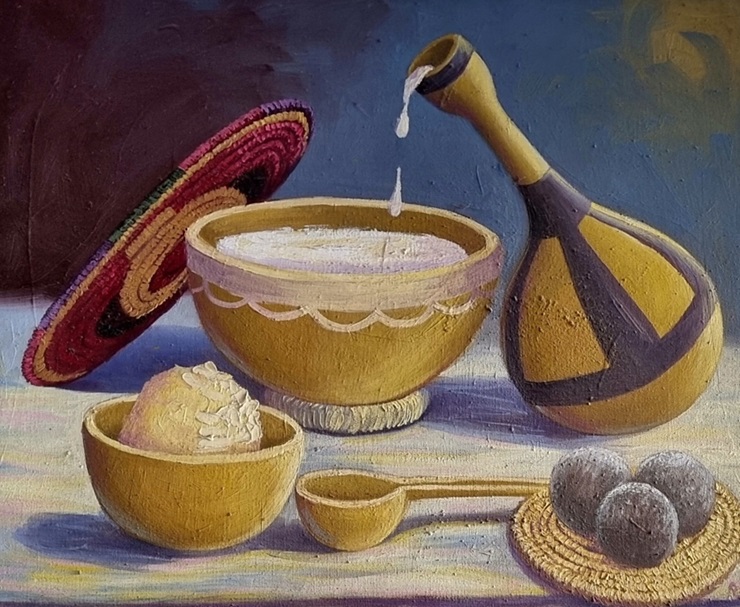
My old aunt was an artist and adept at churning up the thick kindirmo with equally massive balls of fura. Using a ludayi (ladle) carved from a gourd plant, she was adept at blending the fura right into the kindirmo floes in a calabash. The end product was a supremely nourishing, rich, tasty meal of classic fura – containing all the ingredients needed to nourish the body. Absolutely no sugar is needed or even desired. As you slurp it, you are often lucky to come across an unblended fura – gaya. Taken in a calabash container with ludayi. The ecstasy can only be imagined.

Sold with the kindirmo was fresh butter. Aunt used to fry the butter into a ghee. Pour a spoonful into any meal – ecstasy reloaded! Evoked Hassan Wayam’s verse:

Ga fura ta mai nono /

Tuwo na mai nama /

Years passed by, and my childhood memories of Birnin Kudu were kept in storage in my mind. Whenever I passed by the town – my aunt had left the place in mid-1980s when her husband passed on – and crossed the bridge, the memories came flashing by. Of the only friend I made, a Yusha’u, whom I cannot trace.

The daily grind made it difficult to re-create the culinary pleasures of my aunt’s fura. Further, I was too occupied with other things. One day, the urge came back after my return from studies. The question was, where would one get a fura meal? I was told it has now become a franchised business, and right opposite the block of flats I was staying in, Zoo Road, was what I called ‘Fura Café’ run in a kiosk. I dashed up there for a treat.

I was shocked. First, the fura balls were tiny. Like a baby’s fist. And white – not enough millet, obviously. Then, horror of horrors, he dropped three of them into a BLENDER! Would you believe it? A BLENDER! That’s the machine I saw my wife using to grind those ingredients used in making a soup! The worst was yet to come.

Next, he poured WATER into the blender. I could not stand it any longer, and I stopped him, asking for the kindirmo. ‘That was it. I just poured it into the blender,’ he saucily replied. Nothing like kindirmo – more like ‘tsala’ – watered down milk. He pressed buttons. Everything churned and chugged in the blender cup. He stopped, removed the cup, and then poured the lot into a PLASTIC cup – more like moɗa! I was speechless throughout this charade. I decided to see it through.

I asked for the ludayi. He gave me a look that clearly indicated he had never heard the word and passed on a PLASTIC spoon – y’know, the kind that comes with a cheap rice takeaway. I paid, took the cup, and had a sip. It was horrible. Sour. No pleasant flavour (garɗi) of a true kindirmo. Seeing the expression on my face, he offered cubes of sugar. I passed. I handed the entire sludge to him and left. That was the end of my first attempt at rekindling a memory.

Years later, after a five-year absence from Kano, I came back to see modernised Fura Cafes all over – Habib, Yusrah and the new kid on the block – Rufaidah. I was told some, e.g., Habib, had been around for a long time. Knowing I might regret it, decided to relive Birnin Kudu again. So, I popped into Rufaidah for a treat. Better than the horrid kiosk I had been to before. I was attracted by the post-modernist décor. Like the airport in Dubai.

Ahaf! The same Furakenstein monster was there. A blender, watery milk, lots of sugar, tiny chunks of unblended greyish fura, and a ‘dambu’ – moistly powdered fura as a spare. All are neatly packaged in a pretty container. It’s not as bad as what I had before, but it’s still a Furakenstein monster. Seems the Rufaidah Fura Café is the ultimate in the fura business. I am happy for them and impressed by their franchise. But for old codgers like me, even at our Fresh Young Dattijo (FYD) phase? Thanks, but no thanks. I can’t stand the monster – Furakenstein – that is the modern blender-churned fura, no matter how ‘ultra-modern’ their café is. Young people who throng the place, happily taking selfies, have no idea what they have missed in the generational journey.

Fura, as a meal, should be churned in massive chunks of kindirmo floes, the likes of which I am pretty sure can only be found in Birnin Kudu, Bulkachuwa and Danbatta. With huge dark grey fura balls providing high millet content. Spicy fura. Thick floes of yoghurt. No sugar. Not because you are on a health kick, but because it is almost a sacrilege to put sugar in such yoghourt.

So, to celebrate this culinary purity, I am sharing the third painting in my office of classic Fura da Nono and fresh butter lost heritage scene painted on a medium canvas by the brilliant Bashir Abbas of Kano Polytechnic. It reminds me of the idyllic, peaceful and wonderful Birnin Kudu, with its rolling hills, tema grass (still available?), and the now drying river.