Opinion

A new era for higher education in Nigeria

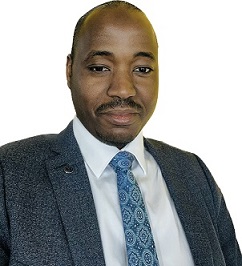
By Nusaiba Ibrahim Na’abba

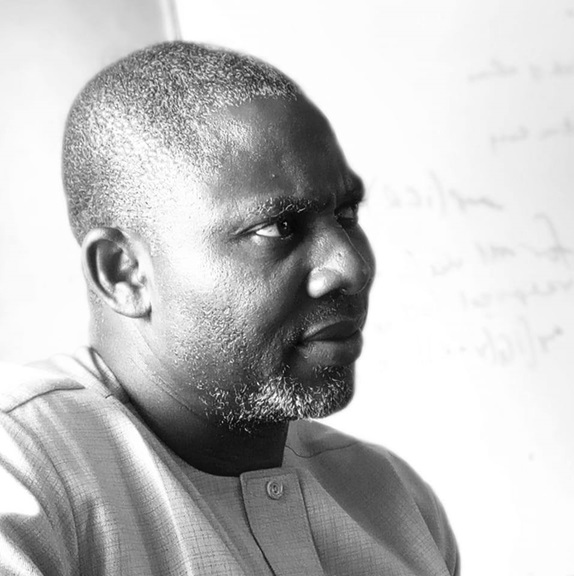
In his inaugural professorial lecture, Professor Muhammad Muftahu addressed the need for the institutionalisation of higher education as a field of study and professional practice in Nigeria. This came amidst increasing debates about skills over degrees or vice versa and other higher education problems that continue to stunt the growth of education in Nigeria.

In the lecture, which took place on November 14, 2023, at Kaduna State University, Prof. Muftahu disclosed the massive strategic importance of higher education in the development of Nigeria. He had served in various capacities as a professional higher education consultant and researcher. In his journey, he has navigated the multitude of intricacies of the discipline while teaching revered values in various institutions and organisations around the world.

In the years of my professional engagements with Prof. Muftahu, particularly in higher education research, article writing and research reviews, we have both documented facts and valuable insights that have given higher education the needed spotlight. Today, the sum of the knowledge I have gained has eased my current engagement as a content writer at a higher education institution. Prof. always insisted that we had learned from each other until my contracted work arrangement elapsed.

The higher education field is an essential asset to Nigeria’s all-round development, as he highlighted while delivering his lecture titled ‘Institutionalizing Higher Education as a Field of Study and Professional Practice in Nigeria’. It solidifies and amplifies every element purposely chosen to support general development by promoting economic growth and social progress, among other pillars that ensure the thriving of societal development.

Higher education is a multilayered field of endeavour. Existing therein are all tertiary institutions of learning, comprising mono-technics, polytechnics, colleges of education, centres of excellence in research, and universities, among other tertiary structures, not forgetting higher education programs. They are solely established to enable the production of new knowledge through skills, innovation and value-based education. This is necessary to keep steering the affairs of the country towards betterment and advancement.

Growing recognition of the importance of the field, growth and diversification of Higher Education Institutions, the influence of technology, the impact of policy and politics, and the globalisation of higher education are among the major components that transform research and studies in the higher education discipline. These components must be creatively streamlined into the higher education system to institutionalise its practice in full capacity.

Prof. Muftahu’s inaugural lecture comes at a time when the Academic Staff Union of Universities (ASUU) and the Nigerian government have sharp disagreements over the autonomy of universities, the Integrated Payroll and Personnel Information System (IPPIS), the allowances of lecturers and notably the ‘Japa syndrome’ that has infested the universities. By the day, resourceful researchers in Nigerian universities seek lucrative, greener pastures abroad. Hence, they are trooping en mass to other countries, leaving behind the slowly decaying and pathetic system at home.

According to Muftahu, “Certainly, governance issues in higher education play a significant role in developing higher education practice in Nigeria. The lack of promotion of evidence-based policies and programs in higher education, as well as throughout the system, contributes to the difficulties in developing a strong pool of higher education researchers in Nigeria.” With the ‘Japa syndrome’ overwhelming the system, organising the strong pool of professionals dedicated to higher education research can be herculean.

The new era of higher education can be achieved through institutionalising it as a professional practice and a field of study in Nigeria. And doing that surely needs a redefined and robust approach. Critical areas that should be highly prioritised to elevate the status quo of higher education include higher education research and policy development, leadership, professional practice, a national strategic action plan and the establishment of a national institute for Higher Education research.

Higher education is a holistic collection of programs and institutions that serve as a think tank for every nation’s development. In advanced countries and developing ones like the US, Malaysia, Singapore, etc., higher education proudly supports decision-making at all levels of governance and public engagement with research and innovation. With the institutionalising of higher education using the key aspects, they have achieved a phenomenal transformation and development.

For Muftahu, “Without a doubt, a country’s overall development depends on the strength of its higher education system, which is heavily reliant on the presence and contributions of higher education professionals”. But, adapting to the contemporary practices of advancing higher education in Nigeria will be tricky.

In fact, with the current hike in university tuition, the tertiary education system is deterring youth from pursuing careers. This will also stagnate the development of a pool of resourceful higher education professionals that can ably streamline global best practices in the country’s education sector.

Nigerians are always on the search by global companies, research institutes, and other prominent organisations, courtesy of their well-regarded knowledge and abilities. A strategic national higher education roadmap is desperately needed to save the experts from trooping out of our country.

It is high time to stop the dramatic display of theatrics by the Nigerian government concerning higher education matters with evidence-based policies at institutional and national levels. These policies and programs can only be achieved by acknowledging the importance of skilled professionals in pursuing higher education excellence and values.

Nusaiba Ibrahim Na’abba is a content writer at Skyline University Nigeria (SUN). She obtained a degree in Mass Communication and a Master of Communication Studies. She is also a communication researcher and freelance writer.
Kano State’s scholarship debacle: Outstanding fees leave bright minds in limbo

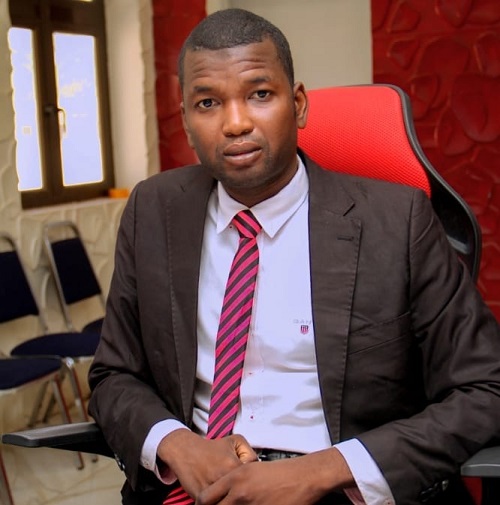
By Dr Sagiru Mati

I was one of the beneficiaries of the 501 Scholarship Scheme during the Kwankwaso-Ganduje administration in 2012. Eleven of us were selected to pursue Master’s Degrees in Civil Engineering, Economics, and Software Engineering at Near East University. All expenses for tuition, accommodation, meals, a monthly stipend of four hundred US dollars ($400), flight tickets, and other necessary costs were covered and transferred to the university’s account. Towards the end of our program, an additional one thousand US dollars ($1,000) per person was also provided as a ‘thesis allowance.’ We are grateful to the Kano State government for this, and we hope that all scholarship schemes can be as hitch-free as ours.

Upon completing our master’s programs, approximately 50 students of Kano origin, primarily teenage girls, were transferred from India to Near East University. Additionally, a new group of undergraduates and post-graduates were granted scholarships under a new program initiated by the Ganduje-Hafiz administration. Unlike us, their fees and stipends were to be paid in instalments. Unfortunately, they faced numerous challenges, including delayed monthly stipends, despite their dedication to bringing pride to their parents and Kano State through hard work.

They comprise individuals holding PhDs (11 males and 1 female) and an MSc (1 female), alongside 47 undergraduates in Medicine (29 females and 5 males), Nursing (8 females and 2 males), Pharmacy (2 females), and Dentistry (1 female). In summary, there are 47 undergraduates and 13 postgraduates. These students showcased exceptional brilliance, making significant strides in their respective fields of study. Notable among them is Dr. Sani Isah Abba, the top PhD graduate in 2020, a distinguished researcher, and among the top 2% of world researchers in Artificial Intelligence. Assistant Professor Abdullahi Garba Usman stands out as the first postdoctoral scholar at Near East University, honoured with the Young Scholar Award, boasting over 800 citations.

Moreover, a married couple, Drs Auwalu Saleh Mubarak and Zubaida Said Ameen, received recognition from Near East University for two years in a row for their remarkable contributions to Biomedical Engineering research, accumulating hundreds of citations under their belts. Dr Rabiu Aliyu Abdulkadir is notable for having amassed more than 500 citations. At the same time, Dr. Abdulmalik Ahmad Lawan specialises in utilising technology for assessing autism spectrum disorder, and Dr. Umar Aliyu Shuaibu excels as an expert in assessing economic policy.

Similarly, the top three graduating medical students were Dr Ismail Adnan, securing the first position; Dr. Khadija Yusuf, ranking second; and Dr. Amina Aliyu Sambo, claiming the third spot. Likewise, Aliyu Nuhu Salihu distinguished himself as the top graduate in Nursing.

Despite these achievements, the Kano State government has not settled their tuition fees, stipends, and airfare for their return home. They were compelled to arrange their own means to travel back home. Near East University has withheld their certificates since 2019 due to the outstanding fees, which have escalated from around two hundred million Naira (NGN200,000,000) to approximately eight hundred million (NGN800,000,000) due to the depreciation of the Naira. Any further delay may increase this amount.

I have often pondered the following questions: Could it be because resolving their issues wouldn’t enhance political popularity? Is it because they don’t belong or lack connections to political families? Is it because there’s nothing in it for the government officials? Is it because the government lacks the funds to settle the debt?

I implore the government to act with compassion and understanding to settle this debt and safeguard the future of these bright minds before it becomes irreparable. They have demonstrated unwavering dedication to their education, and they deserve to have their achievements celebrated through the issuance of their certificates. The government should honour its commitment and restore the hope once ignited in these aspiring scholars’ hearts. They deserve the opportunity to reclaim their futures, proudly display their certificates, and embark on the careers they have diligently prepared for. Furthermore, Kano State needs human resources, predominantly female medical doctors in our hospitals and lecturers in our universities.

Sagiru Mati, BSc (BUK, Nigeria), MSc, PhD (NEU, North Cyprus), can be reached via sagirumati@yahoo.com.

Mrs. Nkechiyelu Mba’s Diary of Excellence

By Tajuddeen Ahmad Tijjani

If excellence means possessing good qualities in an eminent degree and superiority in virtue, Mrs. Mba, the Executive Director of Cooperate Services in the Niger Delta Power Holdings Company (NDPHC), is a personification of it all. Beyond meritorious service to the nation of Nigeria, her journey has been nothing short of extraordinary, marked by unwavering dedication and exceptional achievements.

One of Mrs. Mba’s notable accomplishments has been her role in spearheading initiatives to address Nigeria’s power crisis. Through her strategic vision and tireless efforts, National Integrated Power Projects (NIPP) has been making progress in increasing Nigeria’s electricity generation capacity. Her tireless effort towards ensuring a stable and reliable power supply continues to impact businesses and households, fueling economic growth and improving the quality of life for millions.

Her leadership style has been a source of inspiration for her colleagues and subordinates. Under her stewardship, NIPP has witnessed significant improvements in corporate governance, efficacy, and transparency. Moreover, corruption and favoritism have never been her portion; she believes in merit and ability to deliver, which is the only yardstick that would propel every organization, not only NIPP.

Beyond professional feats, Mrs. Mba is becoming a champion in social responsibility, where she actively engages herself in community development projects, promoting sustainable practices, and empowering local communities. Her achievements in this regard are clear for all to see and appreciate. I can only mention a fraction of her distinct accomplishments in service to God and humanity. Through her passion for environmental conservation and social welfare, she is leaving indelible marks on the regions served by NIPP; though, NDPHC’s footprint cuts across every nook and cranny of the country.

Mrs. Nkechiyelu Mba embodies the values of integrity, excellence, and service to the nation. Her meritorious service to Nigeria in the realm of energy and corporate governance has not only transformed the power sector but also served as an inspiration for future generations of leaders. I foresee that Nigeria will attain its full potential with her caliber in the energy sector. Again, her legacy is one of unwavering dedication to the betterment of her country, making her an exceptional and revered figure in Nigeria’s history of public service. On a personal note, I cherish and adore this woman of substance, who is a mother, the voice of the downtrodden, and an inspirational leader to the unborn generation.

History is more than the path left by the past; it can influence the present and shape the future. Mommy, I’m certain that history will be kind to you.

Tajuddeen Ahmad Tijjani writes from Abuja.

The Nigerian university professors and their sad reality

By Prof. Abdelghaffar Amoka

A part of the activities of the university professors is serving as external examiners to universities other than theirs. The appointment of external examiners is a worldwide practice for quality control. Professors can be external examiners for undergraduate or postgraduate programs. While the external examiner for a postgraduate program can be for a day if it involves just a student, appointment as an external examiner for an undergraduate program lasts for a whole academic year.

The external examiner is required to moderate the question papers and marking schemes of all the final-year examinations for the first and second semesters of the program. The Examinations Officer will travel to the university of the External Examiner with the question papers and marking schemes for the Examiner to moderate for each semester. I travelled to Kano for that exercise as an Examination Officer between 2006 and 2008. At the end of the academic year, the External Examiner is required to travel to the university to examine the students’ final-year project and also to moderate the answer booklets and results.

I was recently appointed as an External Examiner for the physics department of a Federal University about 210 km from my university. I moderated the question papers and marking schemes for both semesters. At the end of the session in October 2023, I was invited to the external examination of the students’ projects. While planning to go there, I inquired about the number of students to be examined, and I was told they were a bit above eighty (80). I was like, wow! The funny thing is that you do this job, especially as a first-timer, without knowing how much you will be paid for it.

I was wondering how I will examine 80 students in two days. The university is about 210 km from Zaria, and I need to analyse the economics of the trip. If I am to drive my car, I will spend about N40,000 on fuel for the round trip. But my instinct was telling me that using my car would cost more than I would be paid. So, I joined a public transport, and it cost me about N4,500 to get to the University.

Four passengers, including myself, were squeezed like sardines in a pack in the vehicle’s passenger seat.

I got there, examined the 80 students, and moderated the answer booklets of their final-year students for two full days. I examined 40 students each day. I was exhausted and needed enough space to relax, returning to Zaria. So, I paid for two seats, which cost me about N9,000. This made us three on the passenger seat to Zaria.

Just a few days ago, I received an alert of the payment for the one-year job. I got an alert of N138,920 six weeks after the job. My breakdown shows that I was paid N80,000 honorarium for the one-year job as an External Examiner for the university, N50,000 for accommodation for two nights to examine 80 students (25,000 per night), and N8,920 for transportation from Zaria to the university and back to Zaria (223km x 2 x 20 naira per kilometre). Payment for two nights implies that it was assumed that the job was done in one day. Yes, the university management assumed that I examined 80 students in one day.

At the end of the day, and even without using my car, I spent more on transportation than I was paid. For the moderation and examination of the students for an academic session, I was paid N1,000 per student for the exam moderation, reading of the project work, and oral examination of the students.

However, there was a circular in 2022 that reviewed duty tour allowance (DTA) and transport allowance per kilometre for public service. According to the circular, a Professor is meant to get N37,500 per night as DTA and N75 per kilometre for mileage. While it is in operation at every other MDA, under the current fuel subsidy removal regime, university professors are expected to travel at N20 per kilometre and can’t lodge in a hotel that costs more than N25,000 per night.

While the political class has subjected academics to abject poverty, the managements of our universities are still expecting us to travel with N20 per kilometre, lodge in a hotel that is not more than N25,000 per night, and then do oral examinations for 80 students in one day. They possibly felt that we could manage it. After all, we are already used to poverty. It’s sad that the political class does not regard us. We have lost respect in society and don’t seem to have regard for ourselves within the university system.

At least this university paid even though what was paid was ridiculous. I also got a nice reception from the department. For over a year, the other university has yet to pay the N50,000 for the professorial assessment of their staff and refund the N2,500 postage charges to send the assessment report. That is Nigerian academia.

Dear public university managers, why do we find it challenging to spend money on academic activities, the main activities of the universities? Does it still cost you 20 naira per kilometre to travel to Abuja for an official engagement on behalf of the university? The excuse is always that the university has no money. Then, why do we pretend that all is well when it is not? Why do we window-dress our programs for accreditation when we can’t adequately fund the programs? Why should we be expected to drain our blood to keep public universities open?

External moderation and examination are requirements for the award of degrees, and they should be properly funded. Otherwise, It should be suspended till there are enough funds to execute that component. If we want to make progress, we must stop the window-dressing approach and tell ourselves the truth.

Dear senior colleagues, I greatly respect your sacrifices and the risk of travelling between states these years on our bad roads for external examinations at this ridiculous honorarium and allowances. I don’t want to blame you for the sustenance of this slavery. But this treatment continued because you accepted it and MILT for these years. Even as teachers, we need a proper reward here on earth as we all strive for heavenly rewards.

Our old senior colleagues are already used to it. But to the new professors who will be taking up external assessment responsibilities, before going out for any external assignment, the supposed community service, to other universities, you need to be sure that the transport allowance will take you to the place to do the job and that the night allowance can afford decent accommodation.

Don’t be enslaved by the words “community service”. There is no free meal anywhere in the world. Somebody must pay for anything called a free meal.

Abdelghaffar Amoka Abdelmalik, PhD, wrote from Ahmadu Bello University, Zaria. He can be reached via aaabdelmalik@gmail.com.

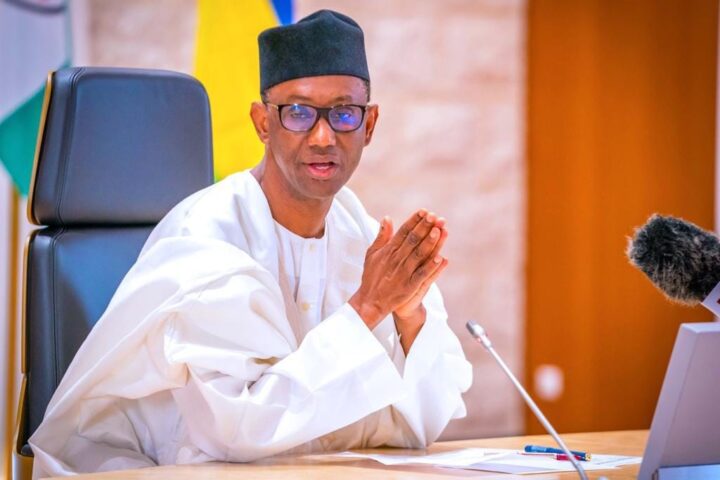
Ribadu: An icon at 63

By Muntaka Abdul-Hadi Dabo

Monday, 21st November 1960 will forever remain a memorable day for Nigeria and the rest of the world. For it was on that day an iconic figure was born. The day is also a birthday for some prominent and famous people like Brain Ritchie and Brian McNamara in the United States,  and in this special month of November, people of the US went to the polls to elect their 46th president.

Malam, as he is fondly called by many is celebrating his 63rd birthday today. A man of impeccable character who exemplifies iconic leadership traits in all his public and private life is a globally recognized brand. He was, and still is a blessing and inspiration to millions of people near and far. He has successfully built an incorruptible record of service that still remains unbeatable by any public officer in the past and present Nigeria. Needless to add that he was the pioneer chairman of the Economic and Financial Crime Commission (EFCC).

Since leaving the service of the EFCC, his unstained reputation continues to ring loud bells in almost every household across Nigeria and beyond,  because of his outstanding performance in every office he occupied, particularly in the last two decades. He rose to global prominence when he was appointed to head the anti-graft Agency by the then President Chief Olusegun Aremu Obasanjo between the period of 2003-2008. His doggedness, foresightedness and fearlessness made him confronted corruption head-on, and this exemplary style of leadership catapulted EFCC as the most performing agency at then. Presently, the EFCC has lost its past glory. The excellent, selfless and competent services that were rendered and the subsequent achievements recorded by Mallam still remains undefeated to this day.

Recalled that it was during his tenure that most corrupt politicians and public office holders were brought to book for various but grave corruption charges labelled against them. The brave and fearless Malam touched those who thought they were untouchable, and they all ended up in prison. It’s interesting to note that contrary to what some misguided people say about him – that he was being used by Obasanjo to witch-hunt the latter’s political opponents, most of the people that were arrested by the EFCC under Ribadu were all convicted and sent to jail by a competent court of law. Under the leadership of Nuhu Ribadu, EFCC issued thousands of indictments and achieved about 270 convictions. One notable case was that of his boss, the then Inspector General of Police Tafa Balogun, who was convicted, jailed and made to return £150 million under a plea bargain. Bode George, DSP Alamieyeseigha were not all spared by the Nuhu Ribadu-led EFCC.

It is a common knowledge to any discerning mind that one of the arrested politicians James Ibori offered $15 million bribe and a mansion abroad to the EFCC boss so that his case could be closed, but as expected of the no-nonsense and honest police officer, Ribadu turned down the offer by not accepting the illegal money that can turn his fortune to a billionaire! He deposited the money in the central bank of Nigeria to serve as evidence against Ibori of Delta State who then fled the country in 2010 but was apprehended in Dubai and eventually extradited to the UK. Ibori was found guilty by the UK court on money laundering where he served only a 4-year prison term out of the initial 13-year sentence handed to him.

It saddens me whenever I read negative comments about Nuhu Ribadu, even though I don’t expect him to be liked by everyone, but it’s quite unfortunate when people who made a lot of sacrifices and served their fatherland diligently are not much celebrated in their homeland. Could it be a deliberate attempt to let the labour of our present heroes go in vain? While in the service of Nigeria police force and the Economic and Financial Crime Commission (EFCC), Malam Nuhu Ribadu diligently served his motherland and recorded quite a number of tremendous achievements that no one has so far recorded such in the history of EFCC. The most notable amongst his achievements are the delisting of Nigeria from the FATF’s list of Non-cooperative countries and territories, admission into the prestigious Egmont group and the withdrawal of US Treasury advisory on Nigeria by the FINCEN, these, together with many unmentioned achievements, were critical to the perception of Nigeria globally.

Nuhu Ribadu, a trained lawyer and fearless crime fighter, is a proud recipient of several awards as a police officer, prosecutor and chairman of EFCC. He received the IGP special awards in 1997, 1998 and 2000. In 2008, he received the World Bank’s Jit Gill memorial award for outstanding public service for having led a courageous anti-corruption drive in Nigeria as head of EFCC. In 2008, Ribadu completed the senior Executive course of the Nigeria Institute of Policy and Strategic Studies where he was conferred with the Membership of the National Institute, MNI.

In June 2010, Babcock University Ogun State awarded him a Doctor of Laws (honoris causa) in recognition of his resolute change as well as his fierce stance against corruption in the face of sponsored disgrace and death threats. This has resulted into positive changes and global acclaim hitherto considered impossible. Since 2014, notable newspapers and magazines have repeatedly voted Dr Nuhu Ribadu as man of the year, in recognition of his outstanding achievements as a committed crusader against corruption and other related crimes.

No matter how Malam is perceived, one thing is certain, and that’s his outstanding achievements which can’t be questioned or taken away from him. The diligent and excellent services he rendered to his fatherland were not only recognized in Nigeria, but internationally. His outstanding performance later earned him a work with the United Nation as the UN Special Envoy to Afghanistan by the UN Department for International Development. The Adamawa-born politician, TED fellow and a Senior Fellow in St. Anthony’s College of University of Oxford, London has since written his name in Gold, especially when he conceded defeat in the 2015 gubernatorial elections in his state, losing to the candidate of APC. Sincerely speaking, Ribadu was the best governor Adamawa couldn’t have because of his party affiliation then (PDP), not because he lacks the basic qualities to govern the good people of Adamawa State. But as a true believer, Malam accepted the outcome of the elections in good faith and congratulated the then Governor Jibrila Bindow, knowing fully that power belongs to Allah alone, and He gives it to whosoever He wishes and at any time. This is something very rare to get from our politicians, but Ribadu stands out to be entirely different among today’s politicians.

In 2018, Malam was alongside eight individuals and organizations from Asia, America, Africa, Oceania, and Europe for their decisive role in curtailing the menace of corruption and corrupt practices. He together with former vice President of World Bank, Leonard Frank McCarthy, became the joint winners in the category of Anti corruption lifetime achievements

Indeed, Malam Nuhu Ribadu has received the ‘Game Changer’ award by ThisDay newspaper 2015 for initiating a series of no-nonsense measures as chairman of the EFCC and for giving individuals with questionable character a big chase. He is still the best in every capacity he occupied. His white garment of integrity still remained unblemished even after coming into contact with people of questionable characters.

Since 2010, Ribadu has been involved in active politics, and as one of the founding members of the APC, he played a key role that ensured the re-election of former President Muhammadu Buhari in 2019 general elections and President Bola Ahmed Tinubu in 2023. The retired Assistant inspector general of police has done a lot for Nigeria and the international community, and we can’t deny the fact that his quest to serve humanity has contributed immensely to the growth of our democracy to its present state.

Ribadu, the greatest anti-corruption Czar of Africa has indeed shone among stars, led among leaders and shown what it takes to be a great agent of change. At the moment, he is the most adorable and celebrated politician in Nigeria and is gaining aggressive popularity both home and abroad on daily basis. It’s my candid opinion that it will take a decade or more before any politician can compete with Malam in terms of popularity, acceptance and public goodwill.

The year 2012 saw Nuhu Ribadu accepted to head an inquest into government’s revenue from the oil sector under the administration of one of the most patient and tolerable President Nigeria ever had Dr Goodluck Jonathan, an assignment he handled with his characteristic passion and dexterity, turning in a report that has since become reference point on reforming the Nigeria’s oil industry.

He (Ribadu) is today, the current National Security Adviser to President Bola Ahmed Tinubu, a position he assumed in June this year and he’s doing an amazing job.

On the occasion of his 63rd birthday today being 21/11/2023, I join well-meaning Nigerians and the international community in wishing this exemplary leader all the good things that life can offer. May Allah (SWT) continue to shower him with more blessings, grace, good health, wisdom and knowledge to contribute more to the development of Adamawa State in particular, Nigeria, and the world at large. In sha Allah.

NB: This article was written in November 2022 to celebrate the 62nd Birthday of the greatest anti-corruption Czar Africa has ever witnessed Mallam (Dr) Nuhu Ribadu and edited for the same purpose in November 2023 to celebrate his 63rd Birthday.

Muntaka Abdul-Hadi Dabo is a Research Scholar, African Centre of Excellence on Technology Enhanced Learning (ACETEL)
National Open University of Nigeria (NOUN). He can be reached via; ace21160006@noun.edu.ng, muntaka.dabo@gmail.com, +2348036397682

The making of a leader: What young politicians can learn from Kwankwaso’s leadership

By Abdulgaffar Tukur Kalgo

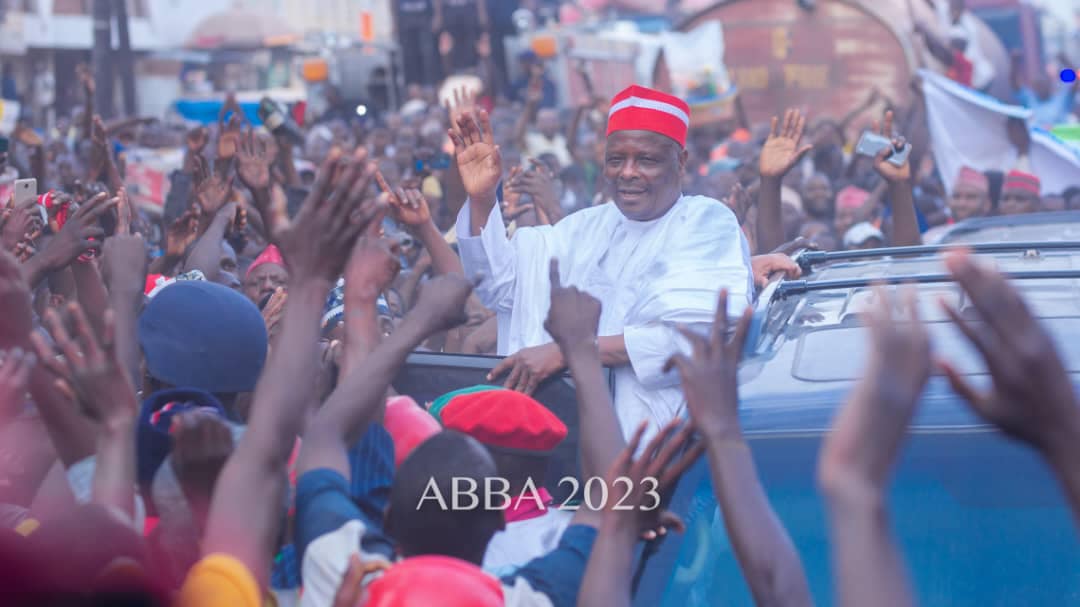
As an aspiring young politician in Nigeria, there are several key lessons you can learn from Dr Rabiu Musa Kwankwaso’s exemplary leadership and political career.

As a leader, you most likely admire the political and leadership influence of Kwankwaso. His rise through the ranks of Kano politics demonstrates how one can gain political influence through vision, hard work, and perseverance.

Kwankwaso began his political career with his election as a Nigerian House of Representatives member at just 26 years old. His rise from humble beginnings to governor of Kano State and Nigeria’s presidential candidate is a valuable lesson for young leaders to learn to build a meaningful political career.

Kwankwaso focused on grassroots development and empowering youth and women, which gained him a reputation as someone who could get things done.

Though his presidential bids were unsuccessful, Kwankwaso’s accomplishments showcase how vision, courage, relationships, and mentorship can shape a leader. He illustrated that a leader can emerge from anywhere through hard work and perseverance. For aspiring leaders, Kwankwaso exemplifies the dedication and skills needed to lead in Nigeria’s complex political landscape. By learning from his experiences, young leaders can work to shape a brighter future for their region.

Key Leadership Qualities of Kwankwaso:

You must cultivate certain vital qualities to become an influential leader like Kwankwaso.

Vision and Purpose

Effective leaders have a clear vision and a sense of purpose that motivates and inspires followers. During his governorship, Kwankwaso envisioned a Kano State that invested in education and infrastructure and worked tirelessly to make that vision a reality. Young leaders should develop their vision for positive change and pursue it with passion and perseverance.

Integrity and Ethics

Leaders build trust through integrity, honesty and ethical behaviour. Kwankwaso was praised for his incorruptibility. Aspiring leaders must demonstrate strong moral principles and lead by example.

Confidence and Decisiveness

While seeking input from others, leaders must ultimately be confident and decisive in their judgment. Kwankwaso pursued his agenda boldly and took action when needed based on the information available. Young leaders should trust their abilities while also accepting responsibility for their decisions.

Communication Skills

Effective communication is essential for motivating and guiding followers. Kwankwaso connected with his people and groups through charismatic and persuasive rhetoric.

To build a meaningful career, you must develop a vision for progress, take risks, make alliances, and empower others.

I think that’s Kwankwaso’s Political Philosophy.

Abdulgaffar Tukur Kalgo wrote via abdulgaffarkalgo@gmail.com.

Negative influence of TikTok trends on Nigerian youths

By Manasseh Mercy

Social media integrates digital media platforms, including combinations of electronic text, graphics, moving pictures and sounds in a structured computerized environment that allows users to interact with the data for appropriate purposes or otherwise. The digital environment can include the Internet, telecommunications and interactive digital television. The Web is now part of the overall business of communication, sales and services. It changes business practices across the globe.

Its technical limitations affect the amount of material and the speed of access. The network depends mainly on the connections of the telephone line, so the more they are good on a territory, the more the service will be reliable. As a result, messages can reach audiences and target groups in real-time and generate changes and trends.

Nowadays, younger generations grow up having good contact with different social networks, easily acquire digital culture and live in a digital world where only adults are naturalized citizens. Trends can bring awareness to other organizations and not just for selling products. 

In 2014, the ice bucket challenge was a popular trend that spread across Instagram’s platform. The trend was created to help bring awareness and donations to Lou Gehrig’s Disease, also known as ALS, which stands for Amyotrophic Lateral Sclerosis. Pete Frates, a former baseball player for Boston College, helped promote the nonprofit organization ALS Association because of his diagnosis of the disease. Both celebrities and regular social media account holders made videos of pouring ice water on themselves while tagging at least three friends to post themselves participating.

This trend was an example of one of the many situations that brought light to very serious topics. The millions of people posting about the ice bucket challenge resulted in the organization raising millions of money. That year, an estimated $115 million was raised for the cause in just a few months. The Ice Bucket Challenge was created to raise money for research purposes in hopes of finding a cure for ALS disease.

The Ice Bucket Challenge is just one of the many trends that took over social media platforms. Many nonprofit organizations have been going viral over the years, bringing awareness to millions of people. Situations like these can come out of pure luck to get everyone on the Internet to discuss a topic. Getting people to talk about specific issues brings attention to a cause that can get people to donate money. It’s not only companies and organizations that get attention online but also individuals as well.

TikTok is a social media platform for creating, sharing and discovering short videos. Young people use the App to express themselves through singing, dancing, comedy and lip-syncing. It allows users to create videos and share them across a community. It is one of the most popular social media platforms in the 21st century. 

In Today’s generation, popular trends on social media have a significant influence on younger generations. Trends can consist of different things such as makeup, clothes, music, toys, and interests. TikTok trends are viral short videos that use popular features, songs, sound effects and hashtags. 

Some current TikTok Trends (November 2023) include Bird’s-eye View — November 17, 2023. In this trend, you grab your friends or coworkers, tape your phone to the ceiling, and record yourselves dancing and being silly. Another was (Added November 20, 2023) Smug Corgi/Confused Dog Meme Trend. Example: Posting a video with the CapCut template from the example with a funny text overlay describing a situation where you (the corgi) would be smugly doing something while the other person (represented by the other dog) is super baffled, often about spend a lot of money on something like Christmas decorations.

What are the potential risks? Users may be exposed to foul language and sexual content. Users can comment on other videos, which leaves the potential for online bullying or negative comments. The App promotes positive comments and encourages users to ‘say something nice’. However, if you encounter an inappropriate comment, you can report it as abuse. 

Stalking, identity theft, personal attacks and misuse of information are some of the threats social media users face. Most of the time, the users themselves are to blame as they share content that should not be in the eye of the public. 

These dangerous trends are not only harmful to the individuals who participate in them, but they also hurt society as a whole. When young people engage in these trends, they send their peers messages that it is acceptable to engage in risky and inappropriate behaviours. This can lead to a culture of recklessness and disregard for personal safety and etiquette.

It is essential for parents and educators to be aware of these dangerous trends and to talk to young people about the potential consequences of participating in them. It is also essential for social media platforms like TikTok to take responsibility for the content shared on their platform and to take steps to remove the dangerous content.

In conclusion, TikTok trends influence the social behaviour of Nigerian youths in one way or another. Nigerian youths engage in time-consuming and energy-draining trends, and sometimes, they cost money because they want to be famous and act like their peers. The Nigerian government should closely monitor and adequately regulate TikTok trends so as not to destroy Nigerian youths’ moral and social behaviour.

Mercy Manasseh is a student of Mass Communication from the University of Maiduguri and can be reached via mercymanasseh951@gmail.com.

Money politics: A paradigm shift?

By Bilyamin Abdulmumin

A few days ago, while a friend and I were at a restaurant for breakfast, we had an unexpected encounter with Honourable Mansur Musa Danjamiah, who represents the constituency of the Jega Gwandu Aleiro. Having greeted him, he showed us familiarity to join our table for his breakfast. The challenge he threw on us on why we eat outside and the justification he offered for himself for the same act will be a discussion for another day.

Whenever a giveaway or money politics is discussed, two alpha northern politicians come to my mind: Ahmed Sani Yerima Bakura and Muhammed Adamu Aleiro. From 1999 to 2007, when Yeriman Bakura swayed as Zamfara State governor, he donated everything to the masses. The ‘giveaway’ of Sharia pioneer transcends borders; it did not stop from usual donations of money, houses, cars, food, fertilisers, and Hajj tickets only but other unconventional donations like donkeys, camels, or other domestic animals. Everyone who played the slightest role during Yerima’s tenure talks about this with nostalgia.

However, since playing a significant role in 2011 enthroning his godson, Abdulaziz Yari, Yerima’s political influence in the state has been going southward. He became a caricature of himself, living only at the mercy of the godson.  All the money and the donations splashed have vanished into thin air. Unlike Yerima, Abdulaziz Yari made capital projects his signature throughout the state. You find Shehi capital projects in every nook and cranny of the state.

So, instead of only giving Zamfara fish to eat, Abdulaziz goes beyond by etching his name in gold through developmental projects. Shehi currently commands cult-like followers in the political arena of Zamfara state. This is evidenced in the 2023 general elections when the PDP swept all of Zamfara State but did not affect the water’s rock. This is a profound testament to something remarkable: the looming paradigm shift in the money or giveaway politics.

In another instance, in the build-up to the 2011 general elections, the hostility between Usman Nasamu Dakingari and his godfather Adamu Aleiro reached a climax, with the latter vowing to dethrone the former. However, in a twist of events, the former ousted the latter. The Kebbi State result sends shivers down the spine of Aliero’s camp, sending them all packing.

 What was behind that unpredictable turn of events? Capital projects. It said if you want to challenge Dakingari, show him a problematic project. Dakingari took infrastructure development head-on. Unlike Abdulaziz, who combined both money and projects in politics, Dakingari maintained a fisted hand; because of this, as a Fulani, he was even bantered during his tenure by being a committed Fulani nomad, ready to pursue with a symbolic stick anyone dares to come closer to Kebbi state treasure. Despite that, he pushed over all his opposition because of the widespread infrastructure developments.

Fast forward to the present, Adamu Aleiro (PDP) was fortunate to turn the tide. As the past chairman of work and present chairman of Land Transport committees in the red chamber, Senator Adamu Aleiro has been unleashing capital projects in Kebbi Central. This feat has endeared him to the people of Kebbi State like never before. This is evidenced in the 2023 general election, where he not only won the senate ticket against the sitting governor, but the majority of his loyalists did. Several local governments in Kebbi Central, like Jega and Aliero, can be described as work in progress because several main roads have been at different levels of completion.

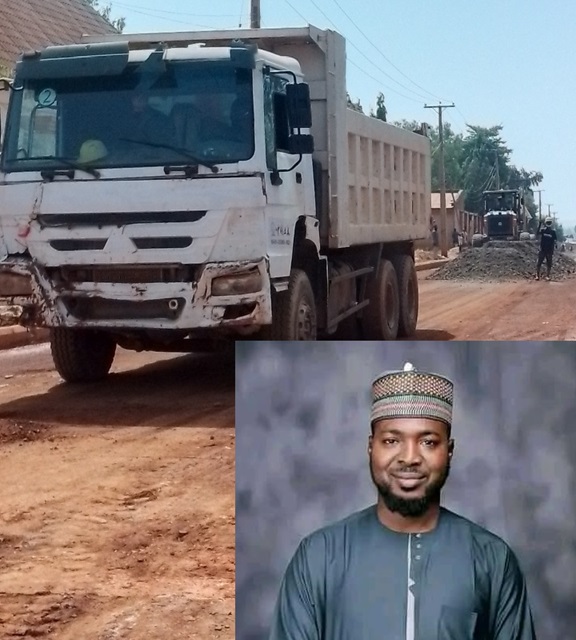
Honourable Mansur Musa Danjamiah (PDP), who won a surprise victory in 2023 to unseat the sitting representative, has also recognised this paradigm shift. He has followed Muhammad Adamu Aleiro’s footsteps by focusing on capital projects. People were saying that Mansur Musa had uncovered the ‘mismanagement’  of all the previous representatives because no one had thought a House of Rep could deliver such capital projects.

With the current trajectory that Danjami’ah and Aleiro are following – prioritising capital projects, there is no end in sight for their flourishing political careers. To other politicians, it’s time to wake up and smell the coffee. The tide is changing, and the era of money-driven politics may be giving way to a new paradigm.

Challenges bedevilling women advocates in Nigeria 

By Laraba Jauro

Women advocates in Nigeria, like other women in the world, encounter numerous challenges in undertaking advocacy, especially in the country’s northern region. The women’s voices are not heard, and want to be heard. And their vulnerability is a high risk in society.

The United Nations declared 1975 through 1985 a “Decade for Women”. Four world conferences on women were held: Mexico City 1975, Copenhagen 1980, Nairobi 1985 and 1995 Beijing. These conferences directed the searchlight on various issues affecting women’s status in society. 

These issues, among others, include Violence against Women, Women’s Rights as Human Rights and Women’s Reproductive Health. It was not until then that the woman’s question entered the political agenda in Nigeria. 

Various national development plans were gender-blind and gave no specific place to gender issues in Nigeria. These Conferences encouraged Nigerian women to come and form their Non-Governmental Organisations (NGOs) to empower themselves.

Being a woman in Nigeria comes with deliberate discrimination, social, religious and economic inequality, misogyny and gender-based violence. Being a woman in Northern Nigeria sometimes comes with the aforementioned challenges.

Northern Nigeria is a diverse region with people from different groups, religions and cultural orientations towards women’s rights.

In an interview with executive Director Zenith of the Girl Child and Women Initiative Support, Aishatu Kabu Damboa, a gender equality activist in Maiduguri, said, according to the United Nations sexual and reproductive health agency, of the 7 million people affected by the insurgency in north-east Nigeria, about 1,750,000 are women and girls of childbearing age who need sexual and reproductive health services.

“Through my foundation, I worked on sensitisation programs on the prevention of SGBV and provision of re-washable menstrual sanitary pads at camps for internally displaced persons in Maiduguri. She is also actively working to support adolescent girls in IDP camps by providing access to vocational skills.”

She added that women and girls in Borno state, like any other place in Africa, deal with poverty, rape, domestic violence and gender discrimination, and there is a need to raise their voices for government to take necessary action.

She said being a woman advocate in Borno state and anywhere in the north is full of threats, insults and rejection. When men, and even some women, hear you mentioning equality for women and girls, they think you are starting a war with men. 

Threats of physical violence, name-calling, trolling and online abuse come with the territory. The abuse used to hurt me, but then I understood that here in the community where I came from, it is not the norm for women to be outspoken.

Women in politics or who hold public office are called prostitutes. But she isn’t letting it get to her or stopping her from her mission of educating women and ensuring a gender-balanced society. I strongly believe in education. Our people must be educated; it is the long-term plan to change things.

However, she believes education is the key to lifting women and girls out of poverty. She said women are breaking the culture of silence, unlike their forebears who kept it to themselves and died in silence. 

Being vocal about women’s rights on a public platform as a young Northern Muslim woman has a challenge in northern Nigeria. She also advised the government to ensure women representatives on every issue in Borno state. People should understand their aim and stop harassing women advocates in northern Nigeria at large. 

Laraba Jauro wrote from the Department of Mass Communication, University of Maiduguri.

Nigeria’s Public Procurement Act (2007) Review: The imperative of professional expertise

By Dr Salisu Uba, FCIPS

The Federal Government’s recent initiative to review and refine the 2007 Public Procurement Act is a significant step towards optimizing public spending and fortifying economic efficiency. This endeavour, spearheaded by a committee led by the Attorney General of the Federation and Minister of Justice, Lateef Fagbemi, SAN, marks a pivotal moment in Nigeria’s quest for enhanced transparency, accountability, and responsiveness in procurement practices.

Amidst the constellation of stakeholders enlisted in this laudable undertaking, the conspicuous absence of representation from the Chartered Institute of Procurement and Supply (CIPS) Nigeria and other domestic procurement-related bodies raises pertinent questions about the breadth of expertise and comprehensive insight into contemporary procurement standards within the country.

The involvement of CIPS Nigeria and analogous local bodies bears paramount significance. It is imperative to recognize that these entities serve as bastions of professional knowledge, embodying a wealth of experience in global best practices in procurement and supply chain management. Their inclusion in the committee would infuse the discourse with nuanced perspectives, aligning the proposed amendments not only with global benchmarks but also with the unique fabric of Nigeria’s socio-economic landscape.

Professionalism in procurement transcends mere technical expertise; it encapsulates a commitment to upholding ethical standards, ensuring transparency, and driving value for money across procurement processes. The infusion of such professionalism into the review of the Public Procurement Act is fundamental. It is the bedrock upon which the trust of citizens and investors in the procurement ecosystem is built.

Highlighting the importance of professionalism in this review process signifies a resolute dedication to promoting best practices. Leveraging the expertise of bodies like CIPS Nigeria and local procurement organizations will not only consolidate the legal framework but also imbue it with a pragmatic touch rooted in real-world applications.

Furthermore, the committee’s scope should extend beyond the confines of governmental offices. It is crucial to cast a wider net, seeking insights from outstanding Nigerian professionals who have excelled in the procurement and supply chain domain globally. Drawing from their experiences and achievements would inject the committee’s deliberations with a potent dose of practicality and innovation.

The call to look outward and tap into the reservoirs of Nigerian expertise scattered across the globe is not just a strategic imperative but a visionary approach. Nigeria boasts a diaspora of procurement and supply chain professionals who have garnered commendations and achievements in various sectors globally. Harnessing their knowledge and insights would foster a holistic and comprehensive review process.

Amidst these aspirations for a comprehensive review, one cannot disregard the urgency for swift action. The one-month timeline stipulated for the committee demands focused and efficient collaboration. However, the pursuit of expediency should not overshadow the importance of thoroughness and inclusivity in gathering diverse perspectives to fortify the amendments.

As the committee embarks on this crucial task, the overarching objective should be to nurture a procurement landscape that not only meets contemporary economic realities but also paves the way for sustainable growth, resilience, and equitable access to opportunities for all Nigerians.

In conclusion, the successful review and subsequent amendments to the Public Procurement Act stand as a beacon of progress for Nigeria’s economic transformation. The incorporation of professional expertise from esteemed bodies like CIPS Nigeria and the inclusion of outstanding Nigerian professionals from around the world will serve as catalysts in shaping a procurement ecosystem that is robust, transparent, and aligned with global best practices.

The future of Nigeria’s procurement landscape hinges on the committee’s commitment to professionalism, inclusivity, and forward-thinking strategies that encapsulate the diversity and dynamism of the nation’s procurement sphere.

Salisu is a fellow of the Chartered Institute of Procurement and Supply (CIPS) and a member of the CIPS Education Committee in the UK. He is the founder and CEO of NarQuest Limited – a supply chain technology company based in Glasgow, UK.