Economy

Dr. Bashir Aliyu Umar appointed to global Islamic financial body

By Uzair Adam

An international financial organization, the Accounting and Auditing Organisation for Islamic Financial Institutions (AAOIFI), has appointed Sheikh Dr. Bashir Aliyu Umar, the Chief Imam of Al-Fur’qan Mosque in Kano, as a member of its reconstituted Shariah Board for the 2024-2028 term.

Dr. Bashir Aliyu Umar is one of 22 newly appointed members selected during a recent board meeting of AAOIFI, held at the organization’s headquarters in Bahrain.

This appointment further solidifies his contributions to Islamic finance, having previously served as Special Adviser on Islamic Banking to the Central Bank of Nigeria (CBN) under Muhammadu Sanusi II.

AAOIFI, established in 1991 and based in Bahrain, is a leading international organization that sets standards for the global Islamic finance industry.

The new appointments to its Shariah Board are intended to provide expert guidance for the continued development of Islamic financial standards worldwide.

Other appointees to the Shariah Board include prominent Islamic scholars from across the globe, such as Sh. Abdul Rahman Al-Atram, Sh. Abdullah bin Sulaiman Al-Manea, and Prof. Waryono Abdul Ghafur.

In addition to his current role, Dr. Bashir has previously served as a Commissioner at the Kano State Sharia Commission and as a member of the Kano State Pilgrims Welfare Board under the administration of Malam Ibrahim Shekarau.

Naira notes live double lives in different parts of Nigeria

By Jibril Mutalib

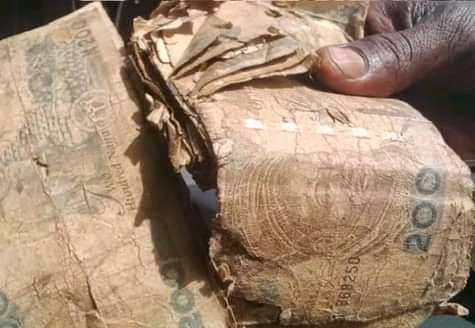
The naira notes live a life as colourful as the country itself. This isn’t just any currency—it wears its experiences on its sleeve, or rather, on its creases, tears, and patches. The naira isn’t just a medium of exchange; it’s a survivor with a story that shifts depending on where it finds itself in this country.

In the northern part of the country, the naira is a seasoned warrior. It has seen the depths of pockets unwashed for years and battled with rain and sun, leaving it bruised and wrinkled. Yet, the good people of the North, perhaps because of their warm hospitality, never turn their backs on the naira, no matter how worn out it appears in most cases. 

A naira note in Sokoto could look like it just took a swim in the gutter, got into a wrestling match with a goat, and lost a few limbs. But fear not! The traders in the North would still embrace it with open arms. Ah, my friend,” a northern trader might say, “kudi kudi ne”, whether it looks like a prince or a pauper. 

As long as it can buy me a cup of fura or a plate of Denkeli, it’s good enough!” If your money is rejected, then it must be very bad. Perhaps it might have undergone an abnormal surgery where you have Obafemi Awolowo appear on a #50 naira note. Lol.

But when travelling to other regions, the naira’s fortunes change quicker than you can imagine. In places like Kwara, the naira is subjected to intense scrutiny—borderline interrogation. The traders will examine it like a detective at a crime scene, looking for any sign of distress. A small tear? Rejected. A hint of dirt? Not in my shop! And don’t even think about presenting a naira note with a sellotape surgery—it might as well be a counterfeit. Lol.

So, the naira itself is living a double life in different regions of the country. In the North, it is a rugged hero, loved despite its flaws. In the South, it is an outcast, shunned for the slightest imperfection. I wonder why naira notes are treated so differently based on location. 

And so, if you ever find yourself possessing a naira note that has seen better days, do not despair. Simply tuck it away safely and wait until you return to the northern lands. There, you’ll find a warm welcome for your weary traveller. And remember, it’s not just about having money; it’s about having the right money in the right place.

In any region you find yourself, blend with how they treat the currency. When you’re in Sokoto, bring whatever naira you’ve got—no questions asked. I’m not saying they accept money in Sokoto; they do but on rare occasions. If your money is denied, it’s already very bad beyond repairs.

Mr President, adjust your economic policies

By Tajuddeen Ahmad Tijjani

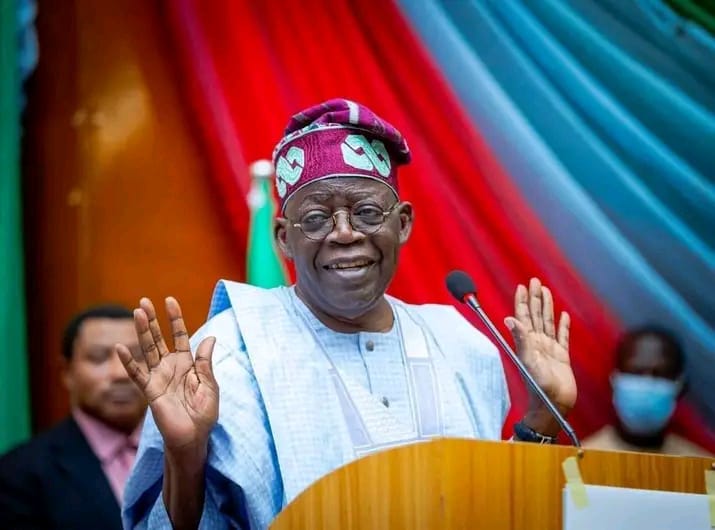
On Tuesday, August 13, 2024, President Bola Ahmad Tinubu presided over a significant Council of State meeting. Former Presidents, Vice Presidents, a former Chief Justice of the Federation, and several key ministers were in attendance. The highlight of the meeting was the President’s stance that Nigeria’s democracy must not be undermined. “Any change of government must be through the ballot box, not through violence, insurrection, or any other unconstitutional means,” he asserted. This is a position I, along with all patriots, fully support.

However, while the President’s commitment to democracy is commendable, his economic policies must reflect the urgency and needs of the people. The excuse of “fixing the economy” cannot be used to justify slow progress. Nigerians expect the leadership to hit the ground running from day one. The Council of State must convey the truth to the President: the nation is in a precarious state, and decisive, people-centred action is required.

Today, wealth in Nigeria is increasingly concentrated in the hands of a select few. At the same time, the majority struggle without access to necessities like quality education, healthcare, housing, and employment. It’s not that Nigerians envy the success of the rich; instead, they want access to the essentials for a decent life.

Unfortunately, greedy leaders deliberately subject many ordinary citizens to hardship. Endemic corruption has become the norm, and the promise of equal opportunities seems like a distant dream despite the blessings of natural resources across the six geopolitical zones.

Poverty remains a pervasive issue. Nigeria is rich with potential—oil and gas in the South, commerce in the Southeast, and fertile land in the North. There is no excuse for hunger or deprivation. The government should prioritize modern farming systems, where a single machine can achieve in an hour what once took a thousand hands.

State governors must fully support federal initiatives, but these efforts must go beyond the token gestures like distributing rice, which too often ends up siphoned off by officials or recycled into the market. Nigerians are not beggars; we have the talent and drive to achieve greatness, but we need an enabling environment, affordable fertilizers, and access to reliable electricity.

The time for excuses is over. The government must adjust to the realities on the ground. Removing fuel subsidies and floating the naira has brought unbearable hardship to ordinary people. These policies need to be revisited. We elected this government to make Nigeria work for everyone, not just the privileged few. A stitch in time saves nine: adjust the policies before it’s too late.

Tajuddeen Ahmad Tijjani wrote from Galadima Mahmoud Street, Kasuwar Kaji Azare, Bauchi State.

FG takes steps for return of Niger IDPs – Shettima

By Uzair Adam

The Vice President, Senator Kashim Shettima, has announced that the federal government is implementing measures to ensure the return of residents displaced by insecurity and floods in Niger State.

Speaking during a visit to an Internally Displaced Persons (IDP) camp in Gwada, Shiroro Local Government Area, Shettima expressed the administration’s commitment to alleviating the suffering of affected individuals.

He stated that his visit was a directive from President Bola Ahmed Tinubu to assess the conditions of the displaced residents and assure them of government support.

The Vice President also launched the distribution of relief materials at the camp, highlighting that each state had received N3 billion to address the impacts of floods and security challenges.

Shettima emphasized that states like Niger, Borno, Sokoto, Bayelsa, and Jigawa, which have been significantly affected by these crises, would receive additional support from the federal government.

He called on citizens and organizations to assist the government in providing relief to those affected by disasters across the country.

The Vice President was joined by other key officials, including the Minister of Information and National Orientation, Mohammed Idris, and the Minister of State for Agriculture, Senator Aliyu Sabi.

Niger State Governor, Mohammed Umaru Bago, disclosed that 14 out of the 25 local government areas in the state had experienced flooding this year, resulting in loss of lives and property.

7.5% VAT rate remains — FG

By Anwar Usman

Mr. Wale Edun, the Minister of Finance and Coordinating Minister of the Economy, has debunked reports suggesting an increase in the Value-Added Tax rate from 7.5 percent to 10 percent.

In a statement signed by him on Monday, Edun clarified that the VAT rate remains unchanged at 7.5 percent, as stipulated in the nation’s tax laws.

Edun reiterated that “the current VAT rate is 7.5%, and this is what the government charges on a spectrum of goods and services to which the tax is applicable. Therefore, neither the Federal Government nor any of its agencies will act contrary to what the laws stipulate.”

He further explained the importance of maintaining a balanced tax system, emphasizing that Nigeria’s tax framework is built on three key pillars: tax policy, tax laws, and tax administration.

While addressing concerns over government actions perceived as anti-human, Edun reassured Nigerians that fiscal policies are designed to promote sustainable economic growth and alleviate poverty, not to hinder them.

The Minister also stated, “Our focus as a government is to use fiscal policy in a manner that promotes and enhances strong and sustainable economic growth, reduces poverty, and makes businesses flourish.”

Chidoka family honors late matriarch with N100,000 grants for female entrepreneurs

By Uzair Adam

Hope has been reignited in the minds of women entrepreneurs as the Chidoka family, through the Nneka Chidoka Outreach Program, awarded N100,000 grants to ten female small business owners in honor of their late mother, Nneka Chidoka.

The Daily Reality reports that the grants were awarded on what would have been her 76th birthday, continuing her legacy of support for women and small businesses.

Osita Chidoka, former Minister of Aviation and Chancellor of the Athena Centre for Policy and Leadership, announced the initiative in a Facebook post on Friday, September 6.

He invited female entrepreneurs with small teams of 2 to 5 staff, operating home-based or small-shop businesses with a daily turnover of less than N100,000, to signify their interest.

“She would have been 76 years old today,” Osita wrote. “Are you a female entrepreneur? Do you have between 2 and 5 staff? Do you operate from your house or a small shop? Is your daily turnover less than 100k? Are you a Mekaria Mentorship Program Attaché? The first five women to respond and meet these criteria will receive a message from the Nneka Chidoka Outreach Program today.”

The response was overwhelming, with more than 50 women sharing their stories. Ten were selected based on the program’s criteria, receiving N100,000 each to support their businesses. One recipient, Nkechi Eze, a fashion designer, expressed her gratitude: “This support is a dream come true. It’s not just about the money; it’s about knowing someone believes in me and my business.”

The Nneka Chidoka Outreach Program, created in honor of Nneka Chidoka, who passed away in 2023 after a long battle with cancer, continues to promote her values of resilience, compassion, and community support. Led by her children, the foundation focuses on cancer awareness, screening, and treatment, as well as educational support for young people.

Since its inception, the program has screened over 2,000 women for cancer, provided free surgeries for more than 60 women, and supported over 1,000 individuals with various health interventions, including the distribution of corrective eyeglasses.

Additionally, during her memorial service, the program covered school fees for over 500 students in Obosi.

“Our mother’s life inspired us to be positive, considerate, and empathetic. The Outreach Program is a testament to her boundless strength and compassion,” said Osita Chidoka.

He also emphasized that the program is more than charity, reflecting his mother’s core values of community strength, education, and accessible healthcare.

In a similar act of generosity, the Chidoka family last year provided cash grants to over 100 petty traders in Obosi, Ozubulu, and Ohafia, fulfilling their mother’s wish to support female-owned businesses as a way to alleviate family poverty.

Abuja residents protest against ongoing fuel crisis

By Uzair Adam

Residents of the Federal Capital Territory (FCT) took to streets on Monday to protest against the persistent fuel crisis in Nigeria, calling for immediate government intervention.

The protesters demanded a reduction in petrol prices, which they claimed has caused significant hardship for many Nigerians.

They also called for the dismissal of the Group Managing Director of the Nigerian National Petroleum Company Limited (NNPCL), Mele Kyari, citing his tenure as ineffective in resolving the fuel scarcity.

The protest follows a statement from the NNPCL highlighting that its substantial debt to suppliers is jeopardizing the sustainability of fuel supplies.

Carrying banners with messages such as “We are tired of fuel scarcity and stories on why refineries are not working,” and “No direction under Kyari,” the protesters expressed their frustration over the lack of progress in addressing the crisis.

The demonstration ended at Unity Fountain, where Aminu Abbas, the Convener of the Coalition of Concerned Civil Society Organisations, voiced his concerns about the ongoing fuel scarcity in a nation rich in oil resources.

He urged President Ahmed Bola Tinubu and other leaders to act swiftly to alleviate the situation, stating, “The time to act is now. Show us that you stand with the people, not those who profit from our misery. Mr. Kyari must be shown the way out, and the NNPCL must be reformed to serve the interests of all Nigerians. We will not be silenced.”

NIS justifies increase in passport fees for improved quality, efficiency

By Uzair Adam

The Nigeria Immigration Service (NIS) has provided reasons for the recent increase in international passport fees, citing the need to enhance the quality of the passports, ensure faster processing, and improve accessibility.

During a sensitization event in Yola, Adamawa State, on Monday, NIS Comptroller Mr. Ibrahim Mohammed explained that starting from September 1, applicants within Nigeria will be required to pay ₦50,000 for a 32-page passport booklet with a five-year validity period.

This marks an increase from the previous fee of ₦35,000. The fee for a 64-page passport booklet, valid for ten years, will rise to ₦100,000, up from ₦70,000.Mr.

Mohammed clarified that the fee hike will not affect applicants living abroad. He emphasized that the new passports feature enhanced durability and quality, meeting international standards.

The inclusion of fingerprints in the new design makes it more secure and difficult to counterfeit compared to the previous version.He urged prospective applicants to apply online or visit NIS offices directly, cautioning against the use of intermediaries to avoid scams.

He also called on religious leaders to educate their followers on the changes and noted that those who apply before the September 1 deadline would still be charged the old rates.

The NIS is extending its awareness campaign to local government areas, beginning with Mubi, and has also taken the sensitization efforts to motor parks and major streets in the state capital.

Representatives from the Christian Association of Nigeria (CAN) and the Muslim Council in Adamawa, Mr. Joel Manzo and Alhaji Aliyu Iya, respectively, expressed their gratitude to the NIS for the enlightenment and pledged to relay the information to their communities.

Japa syndrome: 430,000 Nigerians get UK visas in seven months

By Anwar Usman

The British High Commissioner to Nigeria, Dr Richard Montgomery, has revealed that the United Kingdom government has so far given not less than 430,000 visas to Nigerians seeking to study and relocate to the European nation in 2024.

Montgomery disclosed this in a meeting with the Chairman of the Nigerians in Diaspora Commission, Abike Dabiri-Erewa, in Abuja on Wednesday.

He also assured the Federal Government that they would provide adequate security measures in place for Nigerians in the UK.

He noted that the UK remains a safe place despite the ongoing unrest, which highlighted the country’s diverse population.

He further added that 60 special courts have been set up to “tackle criminal activities related to the unrest”.

Also speaking on security, Montgomery further stated that 400 people have been apprehended in connection with the violence, with the government actively pursuing justice against those inciting unrest through hatred and misinformation online.

On her part, Dabiri-Erewa confirmed that no Nigerian casualties have been reported so far in the UK uproar.

She said NIDCOM “is in touch with the Nigerian High Commission in London and other diaspora groups, none of which have reported any incidents involving Nigerian nationals”.

She praises the UK government for its swift actions, especially the arrests, advising Nigerians to remain safe and vigilant and adhere strictly to the travel advisories issued by Nigeria’s Ministry of Foreign Affairs.

NNNPCL Boss: I will expose the truth when time comes

By Abdullahi Mukhtar Algasgaini

The Chief Executive Officer of the Nigerian National Petroleum Company Limited (NNPCL), Mele Kyari, has declared that he will reveal the truth about the company’s operations when the time is right.

Kyari made this assertion on Wednesday while testifying before a Senate ad-hoc committee investigating alleged economic sabotage in the petroleum industry.

Led by Senator Opeyemi Bamidele, the committee is probing the oil firm’s activities amidst controversy and public scrutiny.

Kyari denied any involvement in the importation of sub-standard products, stating that NNPCL is committed to transparency and honesty.

The CEO expressed frustration over unfair media attacks, which he believes are aimed at tarnishing the company’s reputation and creating the impression of economic sabotage.

“We are not criminals, we are not thieves,” Kyari said. “We will protect our dignity so we can serve this country.”

Kyari also revealed that the oil and gas industry is bleeding, hinting at undisclosed issues which “they” knew that cannot be made public “until the time comes.”