Admin

Governor Mutfwang celebrates birthday of Gbong Gwom Jos

By Abdullahi Mukhtar Algasgaini 

Plateau State Governor, Barr. Caleb Manasseh Mutfwang, has joined millions of well-wishers across the globe in celebrating the Gbong Gwom Jos and Chairman of the Plateau State Council of Chiefs, His Majesty, Da Jacob Gyang Buba, CON, on the joyous occasion of his birthday. 

In a heartfelt message, Governor Mutfwang described the Gbong Gwom Jos as an exemplary and distinguished traditional ruler whose wealth of experience, both in public service and traditional leadership, has left an indelible mark on Plateau State and Nigeria at large.  

The Governor noted that Da Jacob Gyang Buba’s life has been a source of profound inspiration, characterised by his unwavering dedication to service, humility, and a deep-seated passion for the welfare of his people.  

He commended the traditional ruler’s extraordinary contributions to the socio-economic transformation of the state, especially his leadership in fostering community-driven initiatives aimed at self-reliance and economic empowerment. 

Governor Mutfwang specifically praised the Gbong Gwom Jos for his tireless advocacy in combating drug abuse and his commitment to empowering the youth of Plateau State.

His Majesty’s vision of a future where the younger generation thrives through hard work and enterprise has positioned him as a beacon of hope for many. 

Governor Mutfwang lauded the Gbong Gwom’s compassion and his efforts in uplifting the less privileged.

His Majesty’s enduring legacy of fairness, justice, and empathy, particularly in promoting peaceful inter-community relations, has greatly contributed to strengthening unity, peace, and harmony across the Plateau and beyond. 

On behalf of his family, the government, and the people of Plateau State, Governor Mutfwang extended his warmest congratulations to His Majesty, praying that this special day brings abundant joy and cherished moments with his family, loved ones, and admirers.

Restoring values: An urgent appeal to address the moral crisis in Northern Nigeria

By Usman Abdullahi Koli, ANIPR 

In recent days, a deeply troubling trend has emerged across Northern Nigeria, posing significant threats to the region’s cultural and religious values. The widespread sharing of explicit videos on social media, particularly involving young women and even some public figures, has become a glaring concern. 

Platforms like TikTok and others, once heralded for fostering connection and creativity, have instead become vehicles for spreading inappropriate content, undermining our society’s foundation of moral values. This surge in immoral behaviour, coupled with the increasing acceptance of homosexuality, has shaken the Hausa community and the wider Northern Nigerian populace, challenging the region’s long-held traditions and values.

The cultural landscape of Northern Nigeria, built upon the principles of modesty, family honour, and religious piety, is now facing an unprecedented moral challenge. The platforms meant to uplift and connect opened doors for behaviours that deeply conflict with societal norms. The impact is felt by the individuals whose private lives are exposed, and their families suffer great shame, dishonour, and social rejection. In our conservative culture, where family honour holds immense weight, such incidents leave scars that can last generations.

The trauma experienced by the victims of these scandals is profound. These young individuals—many of whom are our sisters, nieces, and neighbours—face a harrowing journey of social alienation, emotional distress, and, at times, extreme psychological harm. Many become pariahs in their communities, carrying the burden of shame for something often beyond their control. The emotional fallout extends far beyond the individual, reaching into the lives of their families, who must endure the humiliation and stigma of public disgrace. In many cases, these families are ostracised, their reputations tarnished, and the emotional pain magnified by societal rejection.

Celebrities, who once stood as role models in the region, are now increasingly caught in public scandals. Pursuing fame and social media attention has driven many into compromising situations where private missteps become public spectacles. However, this issue is not limited to public figures. Individuals, particularly the youth, fall victim to the same trend every day. With explicit content becoming a misguided path to popularity, the consequences for these young men and women are devastating. They are lured by social media’s fleeting attention and false validation, only to face lifelong consequences.

This cultural shift highlights the urgent need for action. The Northern region has always prided itself on its deep-rooted values, with religious and community leaders playing a pivotal role in upholding societal norms. It is now more crucial than ever for these leaders to address the current moral decay head-on. Sermons in mosques, community dialogues, and family interventions must be leveraged to instil the principles of modesty, self-discipline, and respect for personal and communal dignity. Our traditional and religious leaders must take charge of restoring our moral compass.

In addition, government action is essential. The laws concerning cybercrimes must be revisited and strengthened to address this modern menace. In collaboration with cybersecurity experts, law enforcement must actively track down perpetrators and hold them accountable for their actions.

The North has a rich history of valuing human dignity, and it cannot afford to watch idly as the viral spread of immoral content erodes this dignity. Efforts should be made to regulate social media platforms with stricter controls to prevent the proliferation of explicit content. The government must work alongside tech experts and media platforms to introduce more stringent oversight mechanisms.

Furthermore, education is key in combating this growing trend. Our youth, the future of Northern Nigeria, must be educated about the consequences of their online actions. Digital literacy programs, responsible internet use workshops and safety awareness campaigns must be rolled out to ensure that young people understand the permanence of their actions in the digital world. They must be taught to value their privacy, dignity, and the cultural norms passed down through generations.

At the heart of this crisis is a deeper cultural challenge. As we embrace modernity and technology, we must not lose sight of the cultural and religious values that define us. The youth must be reminded of their responsibilities to themselves, their families, their communities, and their faith. The glorification of immoral behaviour on social media, driven by the pursuit of viral fame, is a dangerous trend that must be reversed.

The current situation is a collective societal issue that requires a united front. Everyone, from religious leaders to parents and government officials to the tech community, has a role to play in addressing this growing menace. Preserving our moral and cultural fabric depends on our ability to act swiftly and decisively. We must safeguard our values and protect our youth from the dangers of a world that increasingly disregards modesty, respect, and human dignity.

The Northern Nigerian community cannot afford to sit idly by as its values are eroded. The trauma inflicted on the victims of these scandals is real, but with decisive action, future incidents can be prevented. It is up to all of us to reclaim our moral values, protect our cultural heritage, and ensure that the youth are guided toward a future grounded in respect, honour, and integrity.

Usman Abdullahi Koli wrote via mernoukoli@gmail.com.

NCC completes NIN-SIM linkage for all phone numbers

By Uzair Adam

The Nigerian Communications Commission (NCC) has announced the successful completion of the federal government’s policy linking all phone numbers in the country to a National Identification Number (NIN).

The NCC’s Executive Vice-Chairman, Aminu Maida, disclosed this during the 2024 annual corporate governance conference held in Lagos on Thursday.

Maida acknowledged the difficulties Nigerians encountered during the process but emphasized the benefits of the initiative.

“We have now fully implemented the government’s 2020 policy of linking phone numbers to NINs.

“Though the process was challenging for many, it is important to recognize the value it brings,” Maida said.

He further stated that every phone number in Nigeria is now associated with a verified NIN, enhancing security and accountability in telecommunications.

Senate confirms Prof Pakistan as NAHCON Chairman

By Uzair Adam

The Senate has officially confirmed Professor Abdullahi Saleh Pakistan as the substantive Chairman and Chief Executive Officer of the National Hajj Commission of Nigeria (NAHCON).

His confirmation on Thursday followed President Bola Tinubu’s nomination, which was submitted to the Senate in August 2024.

The Senate Committee on Foreign Affairs, led by Senator Abubakar Bello (APC Niger North), presented its report to the Red Chamber, affirming Pakistan’s suitability for the position.

Bello, a former governor of Niger State, highlighted Pakistan’s qualifications and his vast experience in Hajj operations.

After a voice vote led by Senate President Godswill Akpabio, Pakistan’s nomination was confirmed with the overwhelming support of lawmakers.

Professor Pakistan previously served as the Chairman of the Kano State Pilgrim’s Board, where he managed the largest contingent of pilgrims in Nigeria.

President Tinubu had formally nominated Pakistan for the role on August 19, 2024, through a statement by his former Special Adviser on Media and Publicity, Ajuri Ngelale, before transmitting the nomination to the Senate.

Court restrains Emir Bayero from renovating Nassarawa mini-palace

By Uzair Adam

A Kano State High Court has once again issued an order preventing the 15th Emir of Kano, Alhaji Aminu Ado Bayero, from carrying out renovations to the Nassarawa Mini Palace.

The legal action was initiated by the Kano State Government, the Attorney-General of Kano, and the Kano Emirate Council, who filed a motion through their counsel, Rilwanu Umar SAN, on September 12.

They requested the court to stop Ado-Bayero from making any changes to the palace located along State Road in Kano.

In her ruling, Justice Dije Abdu-Aboki, the Chief Judge of Kano State, found the applicants’ request valid, noting that the Emir had neither submitted a counter affidavit nor provided a written defense.

Abdu-Aboki referred the case to High Court 15 for further proceedings.

During the session, counsel for the applicants argued that Bayero had been removed from his position by the Kano State Emirate Council Repeal Law of 2024.

Despite being served on September 14, the respondent had not filed a response or appeared before the court.

The applicants also requested that the court declare the Nassarawa Mini Palace as the property of the Kano State Government and the Kano Emirate Council, not the personal property of Ado-Bayero.

Previously, on September 13, the court issued an Interim Injunction, preventing the Emir and his representatives from demolishing, renovating, or making any alterations to the palace until the case is resolved.

The court ordered that the status quo regarding the palace’s structure and design be maintained during the legal process.

Governor Inuwa hails appointment of Prof. Ibrahim Garba as ATBU vice-chancellor

By Abdullahi Mukhtar Algasgaini

Gombe State Governor, Muhammadu Inuwa Yahaya, CON, has congratulated Professor Ibrahim Hassan Garba on his appointment as the new Vice-Chancellor of Abubakar Tafawa Balewa University (ATBU), Bauchi.

Prof. Garba hails from Yamaltu-Deba Local Government Area of Gombe State. His appointment, which takes effect from today, October 10, 2024, was approved by the ATBU Council at its 30th Special Meeting on October 9, 2024.

Reacting to the development, Governor Inuwa Yahaya praised Prof. Garba’s exceptional career and his commitment to academic excellence.

“We are proud of this illustrious son of Gombe whose elevation to this prestigious office brings honour not only to him but to our entire state. His wealth of experience and academic leadership will undoubtedly steer ATBU towards greater achievements, particularly in promoting innovative research, academic excellence, and international collaborations. We are confident that under his stewardship, ATBU will continue to be a citadel of knowledge and innovation in Nigeria and beyond”.

The Governor also assured the new Vice Chancellor of the solidarity and goodwill of the people of Gombe State, expressing confidence that Prof. Garba’s tenure will bring positive changes to the university and strengthen its reputation as a leading institution of learning in Nigeria.

Prof. Garba, a 1992 graduate of the University of Maiduguri and a renowned professor of biochemistry, has held various key positions at ATBU, including serving as the Dean of the Faculty of Science, Deputy Vice-Chancellor (Administration) on two occasions, Chairman of the Academic Staff Union, and most recently as the Center Leader of the ATBU-World Bank collaborative program, SPESSE.

Ex-minister allegedly diverts N33.8 billion Mambilla project funds to buy Abuja properties

By Uzair Adam

A Federal High Court sitting in Abuja heard testimony from Abubakar Kweido, the first prosecution witness (PW1), in the trial of former Minister of Power, Saleh Mamman.

Kweido testified that Mamman allegedly used funds from the Mambilla Hydro project account to purchase properties in Abuja.

According to Solacebase, the Economic and Financial Crimes Commission (EFCC) has charged Mamman with 12 counts of conspiracy and money laundering involving N33.8 billion.

During Wednesday’s proceedings, Kweido, an EFCC operative, stated that funds released to the former minister were traced to properties in Kado Estate and Wuse 2, Abuja.

Kweido also revealed that the investigation findings were presented to Mamman, who denied any connection to the properties.

Mamman claimed that his personal assistant, Maisbahu Idris, was responsible for receiving funds from the Mambilla project accountant and distributing them among ministry staff.

Further investigation led to a search of Mamman’s residence, where foreign currency and corporate documents belonging to Abangus Nig. Ltd, a company allegedly used to facilitate the diversion of funds, were discovered.

Payment vouchers and cash recovered at the former minister’s residence were admitted as evidence.

The trial will resume on October 23, 2024, before Justice James Omotosho.

Artificial Intelligence

Artificial Intelligence: A double-edged sword of progress

By Zainab Abubakar Abba

The advent of artificial intelligence (AI) has revolutionized many aspects of our lives, from healthcare and finance to transportation and education.

As AI systems become increasingly sophisticated, the ethical implications of their development and deployment have sparked intense debate.

The ethics of AI are complex and multifaceted, raising fundamental questions about the nature of intelligence, autonomy, and human responsibility.

One of the primary concerns surrounding AI is its potential impact on human agency. As machines assume tasks traditionally performed by humans, there is a risk that individuals will become increasingly dependent on technology, relinquishing control over critical decision-making processes. This could lead to a loss of autonomy, as humans become relegated to secondary roles, with AI systems dictating the terms of our interactions.

Furthermore, AI systems are only as unbiased as the data used to train them. If this data is tainted by existing societal prejudices, AI will perpetuate and amplify these inequalities, exacerbating issues such as racial and gender discrimination.

For instance, facial recognition algorithms have been shown to exhibit racial biases, misidentifying individuals from diverse ethnic backgrounds. Similarly, AI-powered hiring tools have been found to favor male candidates over female ones.

Another critical issue is accountability. As AI systems assume greater autonomy, it becomes increasingly challenging to assign responsibility for their actions. In the event of an AI-related accident or malfunction, who bears the blame: the developer, the user, or the machine itself? This ambiguity undermines the principles of moral accountability, creating a regulatory vacuum that must be addressed.

The potential consequences of advanced AI are equally unsettling. The prospect of superintelligent machines capable of surpassing human intelligence raises existential questions about humanity’s future. Will these machines prioritize human well-being, or will they pursue goals inimical to our interests? The lack of clarity surrounding AI’s long-term goals and motivations necessitates cautious consideration.

To mitigate these risks, developers and policymakers must prioritize transparency, explainability, and accountability in AI development. This involves implementing rigorous testing protocols, ensuring diversity in training data sets, and establishing clear guidelines for AI decision-making.

Moreover, ongoing dialog between stakeholders—including developers, ethicists, policymakers, and the public—is essential for fostering a shared understanding of AI’s ethical implications.

Ultimately, the ethics of artificial intelligence are inextricably linked to our collective values and aspirations. As we navigate this uncharted territory, we must recognize that AI is not a neutral entity but a reflection of our own biases, strengths, and weaknesses. By acknowledging these complexities and engaging in thoughtful deliberation, we can harness AI’s transformative potential while safeguarding human dignity and agency.

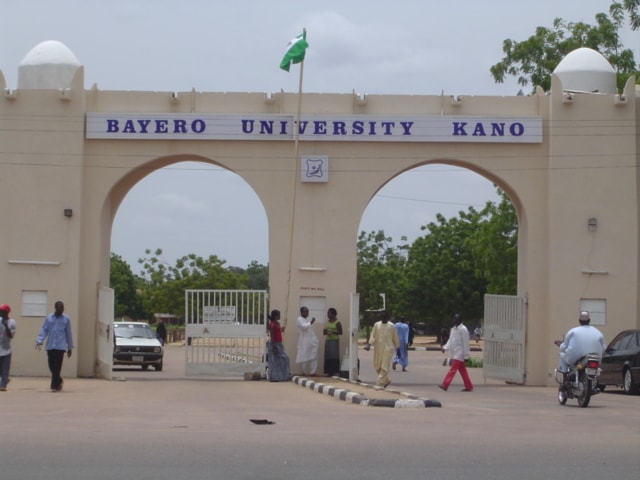
Zainab Abubakar Abba wrote from Bayero University, Kano, via zainababba19@yahoo.com.

Obama joins Harris’s campaign to boost early voting efforts in Pennsylvania

By Uzair Adam

Former US President Barack Obama has joined Kamala Harris’s campaign, rallying support in Pennsylvania, a crucial swing state, as the 2024 presidential election approaches.

Obama is set to appear in Pittsburgh, encouraging early voting by mail or in-person as Harris faces a tough battle against Republican candidate Donald Trump.

Trump, who campaigned in Scranton, Pennsylvania, and Detroit, Michigan, this week, criticized Harris’s economic policies while emphasizing energy independence.

Harris will campaign in Nevada next, targeting Latino voters, while monitoring the impact of Hurricane Milton, which hit Florida.

Obama, seen as a key figure in energizing Black and young voters, will campaign for Harris in seven battleground states, where the election could be decided.

His message focuses on the importance of early voting, a practice traditionally favored by Democrats.

FG denies responsibility for latest petrol price hike

By Uzair Adam

The Federal Government has stated that it should not be blamed for the recent surge in petrol prices.

On Wednesday, the Nigerian National Petroleum Company Limited (NNPCL) increased the pump price of fuel, with Abuja seeing a jump from N897 to N1,030 per litre, Lagos from N855 to N998, the North-East to N1,070, the South-West to N1,025, the South-East to N1,045, and the South-South to N1,075.

This price hike has sparked widespread reactions, with many Nigerians urging President Bola Tinubu to intervene and reverse the increase.

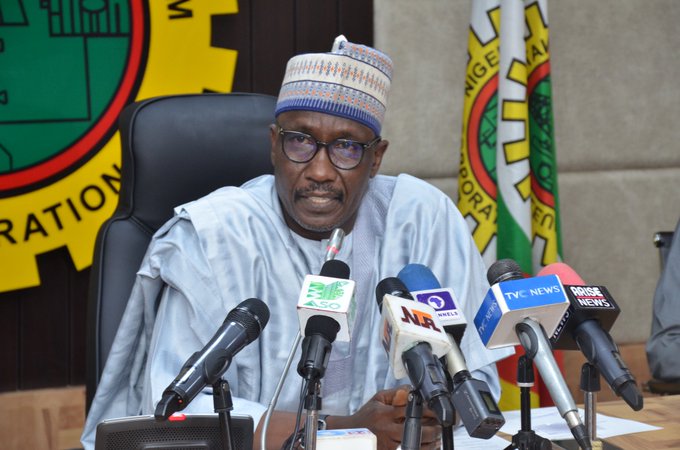
Speaking to Daily Trust, the Minister of Information and National Orientation, Mohammed Idris, clarified that the NNPCL’s decision was not directed by the government.

He explained that the Petroleum Industry Act (PIA) prevents the government from setting prices for petroleum products, making the NNPCL’s decision a response to the prevailing energy market conditions.

Idris further noted that since the removal of fuel subsidies in May 2023, the NNPCL had been bearing the cost of keeping prices stable but could no longer continue to absorb such losses.

“The price fluctuation is driven by several factors, including the crisis in the Middle East, which has caused global volatility in petroleum markets.”

“As a limited liability company, the NNPCL cannot sustain operating at a loss,” the minister said.

He appealed to Nigerians for patience and understanding, assuring that the government remains committed to investing the savings from subsidy removal into sectors such as healthcare, education, infrastructure, and security.

The minister also highlighted that the government’s investment in compressed natural gas (CNG) would help reduce the burden of rising fuel costs as more operators enter the industry.