Month: March 2026

Former Kano APC Governorship Candidate Gawuna Resigns from Party

By Uzair Adam

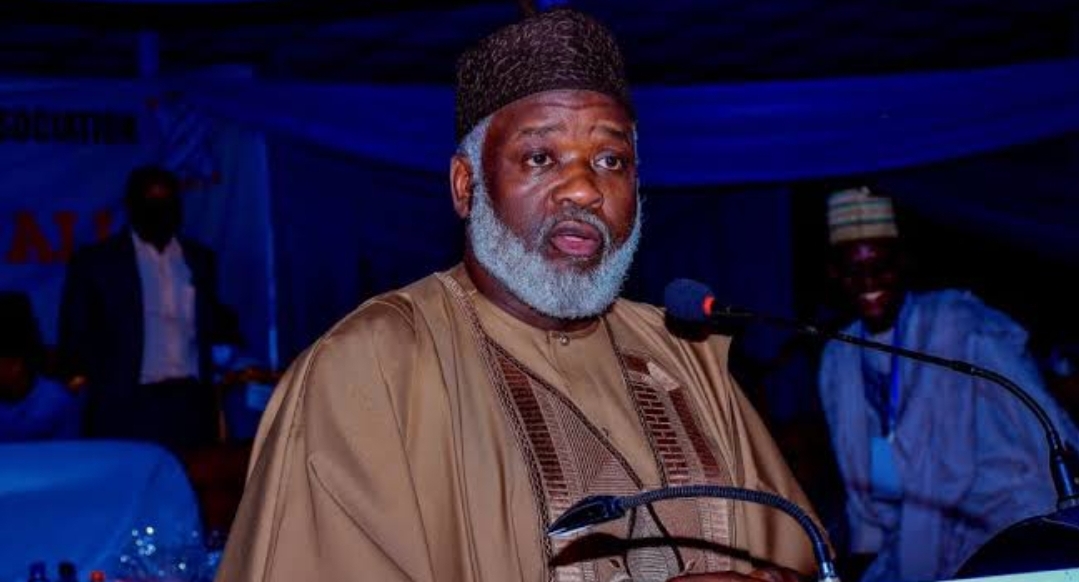
A former governorship candidate of the All Progressives Congress (APC) in the 2023 general elections in Kano State, Nasiru Yusuf Gawuna, has formally resigned from the party.

In a resignation letter dated March 29, 2026, addressed to the APC chairman in Gawuna Ward of Nassarawa Local Government Area, the former deputy governor said his decision to leave the ruling party was voluntary and personal.

“I hereby formally resign my membership from the All Progressives Congress (APC), effective March 29, 2026,” the letter partly read.

Gawuna expressed gratitude to the party for the opportunities he had during his time as a member, noting that he appreciated the support and platform provided to him throughout his political career.

The former deputy governor, however, did not reveal his next political move.

His resignation comes amid ongoing political realignments in Kano, where several key political actors are reportedly reviewing their alliances ahead of future electoral contests.

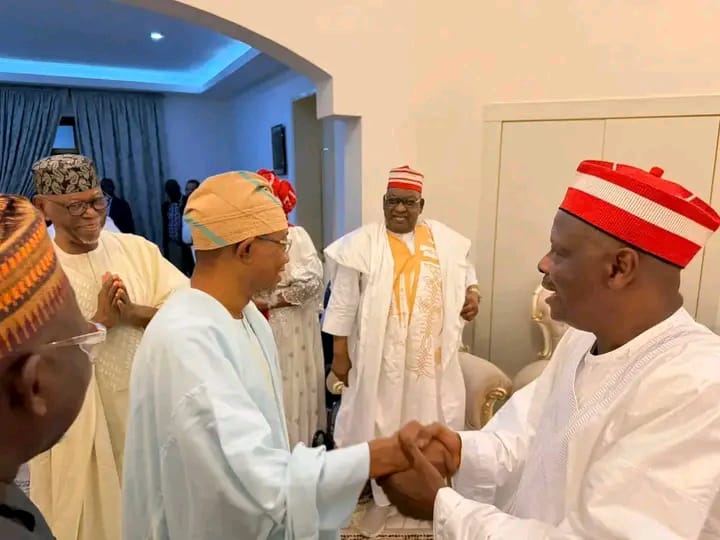
Sources close to the former deputy governor said he is expected to meet with former Kano governor, Rabiu Musa Kwankwaso, on Monday night at the latter’s residence on Miller Road in Kano.

Spain Closes Airspace To US Warplanes As Iran Conflict Deepens

By Sabiu Abdullahi


Spain has barred United States military aircraft involved in the ongoing Iran war from using its airspace, a move that signals rising tension between Washington and several European capitals.

The decision was announced by Spain’s Defence Minister, Margarita Robles, who made it clear that the country would not support any military activity linked to the conflict. She stated: “Neither [of] the bases are authorised, nor, of course, is the use of Spanish airspace authorised for any actions related to the war in Iran.”

She also criticised the conflict itself, describing it as “profoundly illegal and profoundly unjust”.

The development marks a firm stance by Madrid, which has been one of the most outspoken European critics of the war launched by the United States and Israel more than a month ago. The decision is expected to further strain relations with the administration of former US President Donald Trump, who had earlier warned of possible trade measures against Spain over its position.

Spain had previously indicated that jointly operated military bases within its territory would not be made available for operations connected to the war.

Foreign Minister José Manuel Albares said the restriction on US aircraft is aimed at preventing further escalation. He explained that the move is intended to “not do anything that could encourage an escalation in this war”.

Meanwhile, the White House has suggested that the conflict could end within weeks, although it warned that Iran must agree to negotiations or face serious consequences. Press Secretary Karoline Leavitt said the administration remains focused on its objectives, adding that failure to reach a deal would mean Iran would “pay a grave price”.

She also noted that discussions behind the scenes appear more encouraging, stating that Iranian signals are “more reasonable”, even though Tehran has publicly denied any ongoing negotiations.

As fighting continues across the Middle East, casualties have risen sharply. Thousands of people have reportedly been killed in Iran, Lebanon, Israel, and parts of the Gulf, although exact figures remain uncertain.

Tensions have also spread beyond the immediate conflict zone. Nato confirmed that it intercepted another Iranian missile over Turkey, the fourth such incident since the war began. The alliance reiterated its readiness to defend member states against emerging threats.

Despite growing international concern, uncertainty remains over how and when the conflict will end, with diplomatic efforts continuing alongside military operations.

How Lifestyle Choices Affect Your Kidney Health

By Uzair Adam

As National Kidney Month comes to an end, health experts continue to emphasise the need for greater awareness about Chronic Kidney Disease (CKD) and the steps people can take to prevent it.

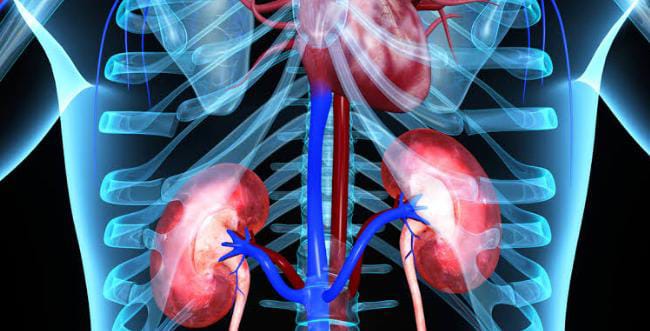
The kidneys play a vital role in the body by filtering waste products and excess fluid from the blood. When these organs become damaged, they gradually lose their ability to perform this function properly.

Over time, this can lead to chronic kidney disease and, in severe situations, kidney failure.

A 2025 study reported that CKD is becoming an increasing global health concern, affecting about 11 to 14 percent of adults, with more than 25 million people potentially living with the condition.

In Nigeria, however, many people remain unaware of the dangers, often resulting in late diagnosis when the disease has already progressed to advanced stages.

Understanding daily habits that may contribute to kidney damage can play a key role in preventing the condition. Several lifestyle choices that seem harmless can gradually place pressure on the kidneys if they are repeated frequently.

One common habit is not drinking enough water. Proper hydration is essential for the kidneys to function effectively because they rely on water to filter waste from the blood and produce urine.

When the body lacks sufficient fluids, toxins can accumulate, increasing the likelihood of kidney stones and infections. Severe dehydration can also weaken kidney function over time.

Health experts recommend a daily intake of about 2.7 litres of water for women and 3.7 litres for men.

Another habit that may harm the kidneys is the frequent use of painkillers. Many people turn to medications to cope with physical stress and fatigue, but excessive or unsupervised use can damage the kidneys.

Drugs such as Ibuprofen and Aspirin, which belong to the group known as non-steroidal anti-inflammatory drugs, may gradually affect kidney tissues when taken too often.

Long-term misuse has been associated with a condition known as Analgesic Nephropathy, where the filtering units of the kidneys become damaged.

These medications can also reduce blood flow to the kidneys, raising the risk of injury and scarring.

Frequent consumption of energy drinks is another lifestyle habit that can negatively affect kidney health.

Although many people use them to cope with daily stress or fatigue, these drinks typically contain large amounts of caffeine and sugar.

Excess caffeine increases urine production, which can lead to dehydration and additional strain on the kidneys.

High sugar intake, on the other hand, may contribute to health conditions such as Type 2 Diabetes and High Blood Pressure, both of which are known risk factors for kidney disease.

Studies have also linked heavy consumption of energy drinks to several kidney-related complications, including reduced kidney function and acute kidney injury.

The combination of caffeine, taurine and sugar found in many of these beverages may increase oxidative stress and gradually put pressure on the kidneys.

Another factor that can affect kidney health is physical inactivity. Research shows that many adults do not engage in enough exercise, contributing to a sedentary lifestyle.

A lack of regular physical activity has been associated with a higher risk of chronic kidney disease and faster decline in kidney function.

Health experts advise that maintaining healthy habits — including staying hydrated, using medications responsibly, limiting energy drinks and engaging in regular physical activity — can significantly reduce the risk of kidney-related diseases.

Foreign Affairs Minister Tuggar Resigns To Join Bauchi Gubernatorial Race

By Uzair Adam

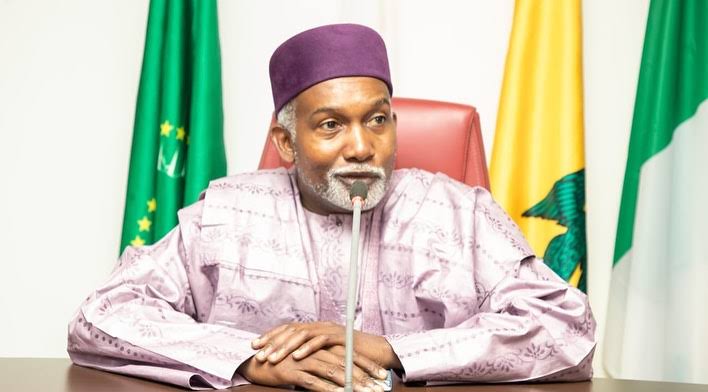
The Minister of Foreign Affairs, Yusuf Maitama Tuggar, has resigned from the cabinet of President Bola Ahmed Tinubu to pursue his ambition of becoming the governor of Bauchi State in the 2027 elections.

The Ministry of Foreign Affairs confirmed Tuggar’s resignation on Monday through its spokesperson, Kimiebi Ebienfa.

It was gathered that the minister submitted his resignation letter to the president shortly after noon and is expected to contest the governorship election under the platform of the All Progressives Congress (APC).

His resignation follows a directive issued earlier in March by the presidency.

The order, conveyed through the office of the Secretary to the Government of the Federation, George Akume, required all political appointees intending to contest elective positions in the 2027 general elections to resign from their positions on or before March 31, 2026.

The directive affects ministers, ministers of state, special advisers, senior special assistants, special assistants, personal assistants and heads of federal government agencies.

It is in line with Section 88(1) of the Electoral Act 2026 and is aimed at preventing conflicts of interest as preparations for the 2027 elections gather momentum.

Kwankwaso Formally Defects to ADC, Seeks Credible Leadership for Nigeria

By Uzair Adam

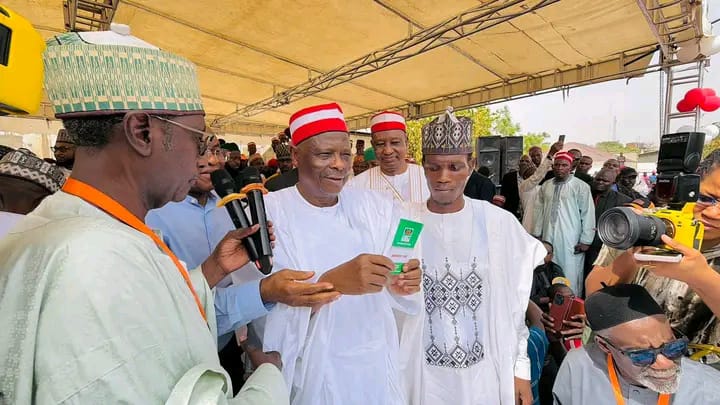
Former Kano State Governor, Rabiu Musa Kwankwaso, on Monday formally aligned with the African Democratic Congress (ADC), a development observers describe as a significant moment for opposition politics in Nigeria.

The Daily Reality reports that the party’s National Chairman, David Mark, received Kwankwaso and his supporters at his residence on Monday.

Mark said Kwankwaso’s decision to join the party represented more than a political realignment, noting that it reflected growing calls by Nigerians for a united and formidable opposition capable of safeguarding democratic values.

He explained that the ADC was emerging as a rallying platform for a broad-based national movement founded on inclusion, integrity, competence and progress.

According to him, the coalition aims to offer Nigerians credible alternatives and rebuild public confidence in democratic governance.

Mark also expressed concern over what he described as a gradual shrinking of opposition space in the country, warning that actions capable of limiting political participation could threaten democracy.

“The future of Nigeria cannot be built on domination but on participation. Leadership must be earned through trust rather than sustained by control,” he said.

The ADC chairman noted that Kwankwaso commands a large grassroots following, particularly in Northern Nigeria, through the Kwankwasiyya movement.

He called on Nigerians across ethnic, religious and regional lines to join the movement and play active roles in building a more inclusive and accountable system of governance.

Mark also invited other political parties, civil society organisations and youth groups to work towards a united coalition, stressing that strengthening democracy requires collective effort and sacrifice.

He expressed optimism that the emerging alliance could mark a turning point in Nigeria’s democratic journey, urging citizens to embrace unity, participation and hope in shaping the country’s future.

Earlier, Kwankwaso urged ADC supporters to register massively as members of the party.

He also encouraged them to promote the party’s ideals and prepare to elect credible leaders for good governance through registration with the Independent National Electoral Commission (INEC).

Germany Reportedly Rejects Tinubu’s Nomination Of Fani-Kayode As Ambassador Over Past Remarks, Conduct

By Sabiu Abdullahi

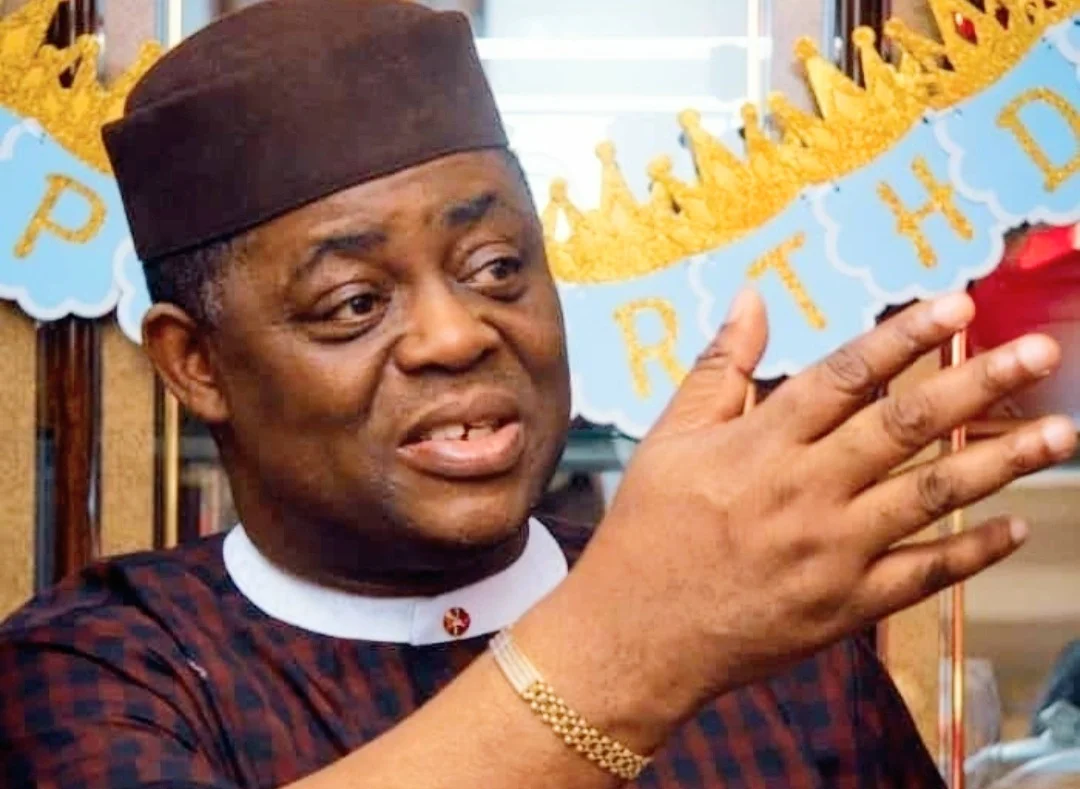
Germany has declined the nomination of former minister Femi Fani-Kayode as Nigeria’s ambassador, citing concerns over his past remarks and conduct, according to an exclusive report.

Recall that President Bola Tinubu had approved Mr Fani-Kayode’s appointment on March 6, assigning him to a Central European country as ambassador-designate. However, the German authorities rejected the nomination a week later, on March 13, 2026.

Officials in Germany based their decision on what they described as “erratic behaviour, controversial past statements, particularly his divisive ethnocentric, tribalistic, and religious fundamentalist comments in Nigeria”, which they said were “destabilising”.

The development followed a recent incident in Abuja where Mr Fani-Kayode reportedly clashed with the United Kingdom’s High Commissioner to Nigeria, Richard Montgomery. The disagreement occurred during a Ramadan dinner hosted by Senator Bashir Lado, the president’s special adviser on Senate matters.

Efforts to obtain Mr Fani-Kayode’s response were unsuccessful as of Sunday.

A senior government official, however, indicated that the former minister might be reassigned to South Africa in a similar diplomatic role.

Mr Fani-Kayode remains one of the high-profile figures nominated by President Tinubu for ambassadorial positions. He has, over the years, attracted attention for controversial public statements and social media posts.

In August 2020, he faced criticism after verbally attacking a journalist who questioned the source of funding for his nationwide tour. At a press briefing in Calabar, the reporter had asked, “Who is bankrolling you?” Mr Fani-Kayode responded by calling the journalist “stupid” and described the question as “insulting”. He later issued an apology following widespread backlash.

He was also involved in a public dispute with his estranged wife, Precious Chikwendu, over child custody.

In addition, the Economic and Financial Crimes Commission had filed charges against him, including fraud, money laundering, and forgery spanning nearly two decades. However, between 2024 and 2025, courts dismissed the cases. The rulings cited the prosecution’s inability to establish a link between Mr Fani-Kayode and the alleged offences, which included claims of fraudulent receipt of N4.9 billion, laundering of N200 million and later N8 billion, as well as forgery of medical documents.

PHOTOS: ADC Leaders Storm Kano as Kwankwaso Set to Join Party

By Uzair Adam

Several top figures of the African Democratic Congress (ADC) have arrived at Miller Road in Kano, the residence of former Kano State governor, Rabiu Musa Kwankwaso, ahead of his expected official defection to the party today.

Those present include the former Senate President and ADC National Chairman, David Mark; the party’s National Secretary and former Minister of Interior, Rauf Aregbesola; former Sokoto State governor, Aminu Waziri Tambuwal; former Minister of Transportation, Rotimi Amaechi; Senator Dino Melaye; former APC National Chairman, John Odigie-Oyegun; and former Imo State governor, Emeka Ihedioha.

The delegation arrived in Kano through Malam Aminu Kano International Airport (MAKIA), where they were received by the immediate past deputy governor of Kano State, Aminu Abdussalam Gwarzo.

Trump Reveals Plan For ‘Massive’ Military Complex Beneath White House Ballroom

By Sabiu Abdullahi

US President Donald Trump has disclosed that a large military facility is being constructed beneath a proposed ballroom at the White House.

The president approved plans last October to demolish part of the existing East Wing to create space for the new ballroom, which is intended to host major events such as state dinners and official receptions.

According to Mr Trump, the project is being funded privately with contributions from him and other donors. The estimated cost has risen from $200 million to $400 million.

Speaking to reporters aboard Air Force One on Sunday, he said, “The military is building a massive complex under the ballroom, and that’s under construction, and we’re doing very well, so we’re ahead of schedule.”

He added, “It’s part of it, the ballroom essentially becomes a shed for what’s being built under the military [complex] including [protection] from drones and including from any other thing. The glass on the windows is extremely thick – it’s high-grade bulletproof glass.”

Mr Trump did not provide detailed information about the underground structure. He stated that details became public “because of a stupid lawsuit that was filed”.

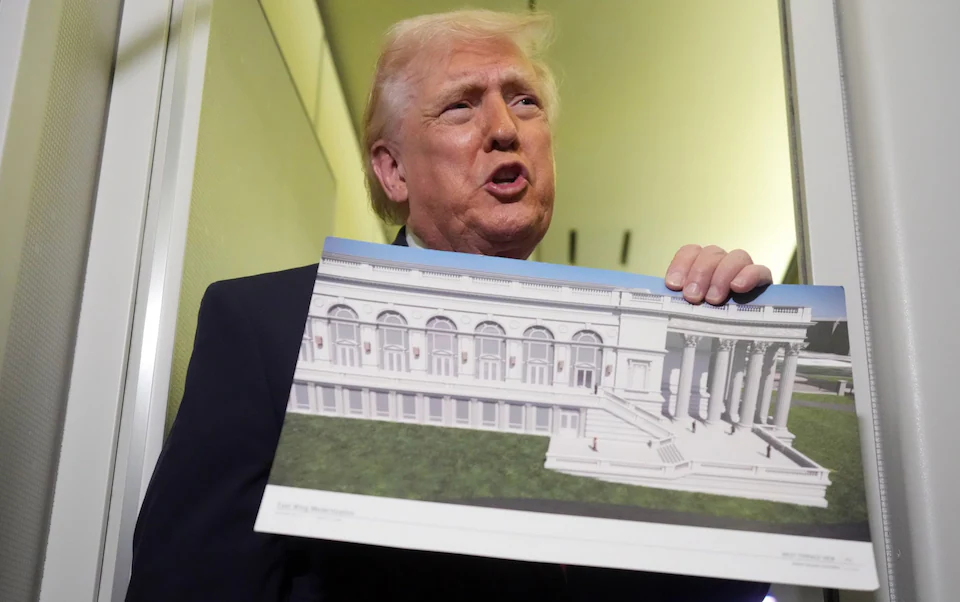
While presenting architectural illustrations of the project, the president highlighted the importance of the ballroom. He said, “We just got these in from the architects. A lot of people are talking about how beautiful the ballroom is.”

He noted that previous administrations had considered a similar project. “For 150 years, they’ve wanted to build a ballroom at the White House, and other presidents have wanted it [for] when we have dignitaries coming, like President Xi of China, or anybody else, and we have very small rooms that are not big enough to handle the kind of capacity that you need,” he said.

Mr Trump also described the proposed structure as unique in scale and design. “This [the ballroom] is the same height as the White House – it’s an incredible fitting. I think it’ll be the finest ballroom of its kind anywhere in the world,” he said.

He added, “A lot of people are giving it really good reviews, some are giving it reviews without even seeing the building, because these pictures just came out today.”

The president explained that he chose to unveil the designs while travelling due to his schedule. “I don’t have time to do this. I’m fighting wars and other things. But this is important because this is going to be with us for a long time,” he said.

The plan has drawn criticism from some quarters. Former presidential candidate Hillary Clinton had earlier accused Mr Trump of altering the historic building, saying he was “destroying” the White House, which was “not his house”.

Mr Trump has long argued that the current East Room is too small for large gatherings. It accommodates about 200 guests, which often requires additional arrangements on the White House grounds. He said the new ballroom would span about 90,000 square feet and hold up to 1,000 people.

However, the design has generated debate among planners and architects. Critics say the new structure could overshadow the main White House residence and obstruct key views from Capitol Hill along Pennsylvania Avenue.

In October, Mr Trump dismissed all six members of the Commission of Fine Arts, which had been reviewing the proposal. A White House official indicated that the president preferred members who were “more aligned” with his “America First policies”.

No official completion date has been announced, although the White House has said the project is expected to be finished before the end of Mr Trump’s term.

The National Capital Planning Commission is expected to take a final decision on the proposal later this week.

Despite Peace Deal, Terrorists Murder Islamic Teacher In Katsina Village

By Sabiu Abdullahi

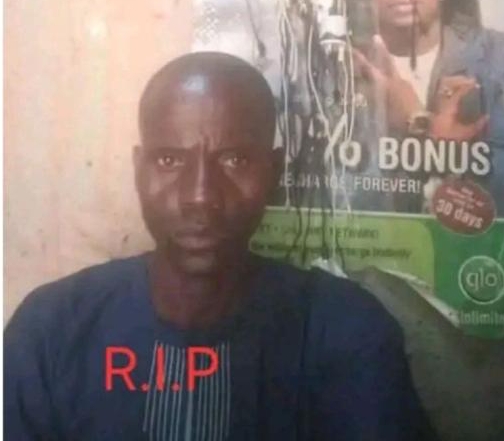
An Islamic teacher, Malam Murtala Saidu, was killed when terrorists attacked Garin-Gozai village in Na’alma ward of Malumfashi Local Government Area, Katsina State.

It was reported that the attack occurred on Sunday evening, shortly before Maghrib prayers, as gunmen stormed the village and opened fire indiscriminately. Saidu was reportedly shot while trying to escape the scene.

Security and intelligence expert Bakatsine confirmed the attack in a security alert issued soon after the incident. He noted that the terrorists moved freely and extended their assault to nearby communities.

“This evening before Maghrib prayers, terrorists stormed Garin-gozai village in Na’alma ward, Malumfashi LGA of Katsina State, killing a local Islamic teacher, Malam Murtala Saidu, who was reportedly shot while attempting to flee. The attackers then moved toward Mai Jimina community in same LGA, firing shots before retreating,” Bakatsine said.

The attack has sparked fear among residents who had hoped that earlier peace agreements between authorities, community leaders, and armed groups would bring lasting calm to the area.

Bakatsine raised concerns about the credibility of the peace arrangement, saying the latest violence exposes serious gaps in its enforcement.

“This comes despite a prior peace agreement between local stakeholders and armed groups, raising urgent concerns about its effectiveness,” the alert stated.

He further questioned the commitment of the parties involved, asking, “If a peace deal was already in place, why are such attacks still occurring, and who is failing to uphold the agreement?”

The incident gives an alert about the ongoing security challenges in Katsina State, where communities continue to face repeated attacks despite dialogues and formal agreements aimed at curbing violence.

Iran Executes Two Alleged US-Israel-Linked Operatives Amid Rising Tensions

By Sabiu Abdullahi

Iran has executed two individuals accused of collaborating with a US–Israel-backed opposition group, according to reports from the country’s semi-official Tasnim news agency.

The agency stated that the two were charged with ties to the Mojahedin-e-Khalq (MEK), an Iranian opposition organization that authorities claim receives backing from the United States and Israel. The group has a long history of armed resistance against the Iranian government.

Iranian officials accused the executed individuals of “carrying out attacks against security forces,” although the report did not provide further details about the timing or nature of the alleged assaults.

The executions occur amid heightened tensions between Iran, the United States, and Israel, with Tehran frequently accusing both countries of supporting opposition movements aimed at destabilizing the government.

The MEK has remained controversial for decades. Iran designates the group as a terrorist organization, while the United States removed it from its terrorist list in 2012. There has been no immediate comment from US or Israeli officials regarding the executions.

Earlier in March, Iran’s intelligence ministry announced the identification and arrest of 30 individuals accused of spying for the United States and Israel. The ministry said the detainees included alleged spies, domestic operatives, and media-linked figures from several provinces.

“Over the past few days, 30 spies, domestic mercenaries and operational elements of the American-Zionist enemy were identified and arrested,” the ministry said.

Brigadier General Ahmadreza Radan, Iran’s Police Chief, told TRT that the suspects were detained on charges of “spying for the enemy and hostile media,” according to Tasnim news agency. Radan added that 250 of those arrested “provided intelligence to the London-based broadcaster Iran International, including information about targeted sites.”

He also stated that the detainees had links to armed groups and had sought to disrupt public order. Radan described them as “spies” who leaked information “to the enemy and hostile media outlets.”

The ongoing conflict between Iran and the US–Israel coalition continues to fuel global tensions, even as international organizations and nations call for diplomacy and a peaceful resolution.