Month: March 2026

Lawmakers amend Electoral Act, impose N10 million fine, two-year jail for dual party membership

By Sabiu Abdullahi

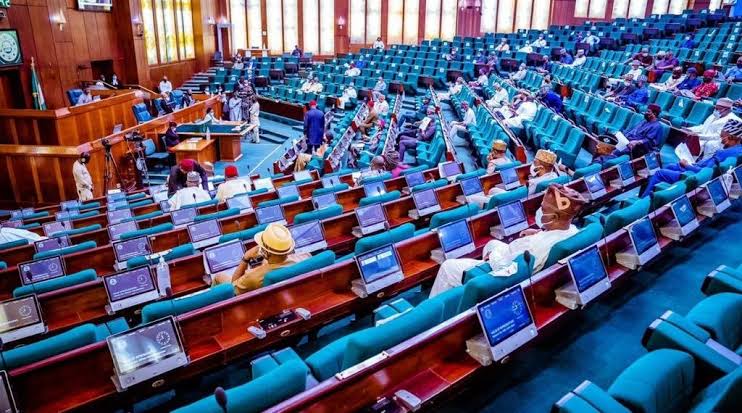
The House of Representatives has approved an amendment to the Electoral Act 2026 that criminalises holding membership in more than one political party.

Under the newly passed provision, any individual found to belong to multiple political parties simultaneously will face a fine of N10 million or a prison term of up to two years.

The lower legislative chamber passed the amendment during Wednesday’s plenary session. It adds three new subsections to section 77 of the Electoral Act 2026, which governs political party membership.

The amendment specifies that anyone registered with more than one party will have such membership nullified.

“A person shall not be registered as a member of more than one political party at the same time,” the provision states.

“Where it is established that a person is registered as a member of more than one political party at the same time, such dual membership shall be void, and the person shall cease to be recognised as a valid member of any political party pending regularisation in accordance with the provisions of this Act and the constitution of the political party concerned.

“A person who knowingly registers or maintains membership in more than one political party at the same time commits an offence and is liable on conviction to a fine of N10,000,000 or to imprisonment for a term of two years, or both.”

If the amendment is signed into law, it is expected to reinforce the rules governing party affiliation and reduce instances of multiple party memberships.

BREAKING: Spain recalls ambassador from Israel over Iran war, genocide in Gaza

By Sabiu Abdullahi

The Spanish government has withdrawn its ambassador to Israel amid growing diplomatic tension linked to the war in Gaza and the ongoing conflict involving Iran.

An announcement published in Spain’s official state gazette confirmed that the decision took effect on Wednesday. The move reflects Madrid’s strong criticism of Israel’s military actions in Gaza as well as the conflict involving the United States and Israel against Iran.

Spain has emerged as one of the European Union countries that openly condemn Israel’s conduct in Gaza. The government has also opposed the military campaign launched by Washington and Tel Aviv against Iran.

The gazette explained the decision regarding Spain’s diplomatic representation in Israel. It stated: “At the proposal of the Minister for Foreign Affairs, the European Union and Cooperation, and following deliberation by the Council of Ministers at its meeting on 10 March 2026, I hereby order the termination of Ms Ana MarĂ­a SĂĄlomon PĂ©rez’s appointment as Ambassador of Spain to the State of Israel.”

Following the ambassador’s removal, Spain’s embassy in Tel Aviv will now operate under a charge d’affaires, according to a source from the country’s Foreign Ministry cited by Reuters.

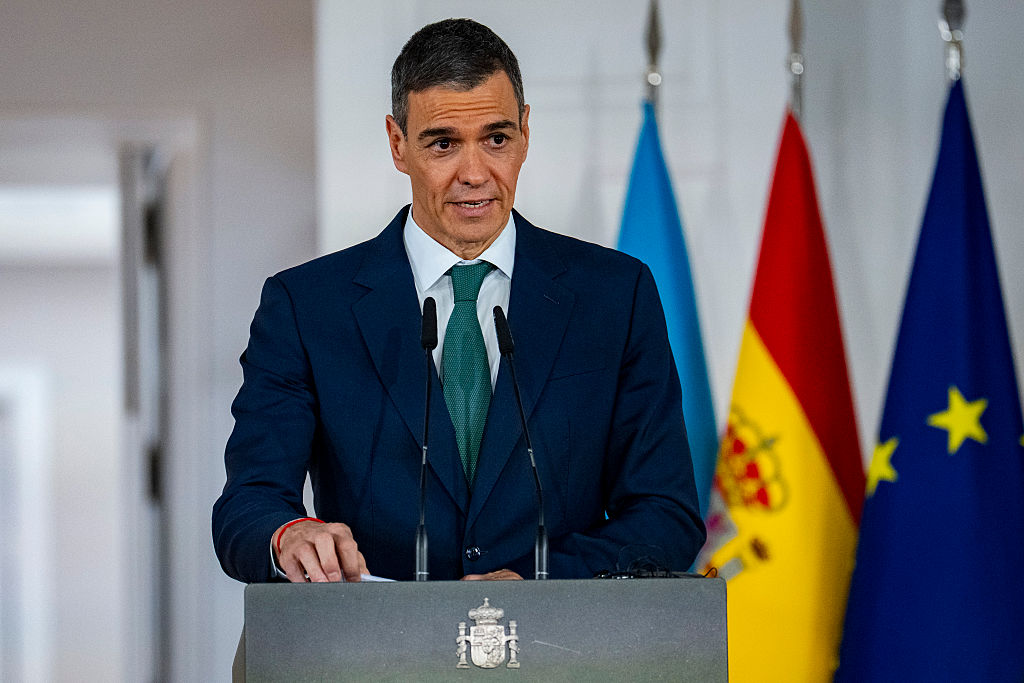
Spain’s Prime Minister Pedro Sanchez has been among the few left-wing European leaders who openly criticize the attacks carried out by the United States and Israel against Iran. He described the assault as “unjustifiable” and stressed that Madrid’s position remains “no to the war”.

The Spanish government has also maintained a strong stance against Israel’s operations in Gaza. In October, Spain’s parliament approved legislation that imposed a complete arms embargo on Israel. The law permanently blocks the sale of weapons, military equipment and dual-use technology to the country in response to the genocide.

BUK probes student for allegedly defrauding Prof. Kperogi, others

By Sabiu Abdullahi

Bayero University Kano (BUK) has begun an investigation into claims that one of its students engaged in online impersonation and financial fraud.

The case centres on Ismail Sani after several people publicly said they were deceived and lost money.

In a statement released on Wednesday, the university’s Director of Public Affairs, Lamara Garba, confirmed that the institution is aware of reports circulating on social media that link the student to alleged fraudulent activities.

The university explained that the conduct of any individual does not reflect its values. It also said disciplinary steps will follow if the accusations are proven.

“Any conduct capable of bringing the name and reputation of the university into disrepute is treated seriously,” Lamara Garba said.

The issue attracted wide attention after Nigerian academic based in the United States, Professor Farooq Kperogi, shared his experience online. He said someone posing as “Halima Tahir,” who claimed to be a 300-level microbiology student at BUK, repeatedly obtained money from him.

Kperogi later said he discovered that the identity belonged to Ismail Sani, who studies veterinary medicine at the university.

According to him, the student first contacted him in 2024 and claimed he had just gained admission and needed help with school fees.

“I helped him without asking for verification. He later made more requests, including money for an old woman’s medicine. Then he reappeared as ‘Halima Tahir’ to scam me again,” Kperogi wrote.

He added that several digital records linked the alleged scam to the student. These materials included email addresses, payment receipts and JAMB registration documents. Kperogi said the student denied any wrongdoing when confronted.

“He is clearly a dangerous, well-practiced scammer. Or perhaps mentally unwell. Whatever the case, he does not belong in polite society. He belongs in prison, or somewhere he cannot harm people,” Kperogi said.

Following the revelation, other individuals, including social media influencers, said they had similar encounters. They explained that the person behind the messages often used emotional appeals, religious language and fabricated stories to gain sympathy and financial assistance.

BUK said a preliminary inquiry is already underway. The university added that relevant authorities are examining the matter through its disciplinary procedures.

The institution also commended people such as Kperogi who provide financial support to students. However, it urged the public to avoid speculation and allow the investigation to run its course.

PANIC?: U.S. Navy says it cannot escort ships through Strait of Hormuz for now

By Sabiu Abdullahi

The United States Navy has informed shipping companies that it cannot currently provide military escorts for vessels passing through the Strait of Hormuz because of security risks linked to the ongoing war involving Iran.

According to sources familiar with the discussions, the Navy has declined frequent requests from the shipping industry for protection along the strategic waterway since the conflict began. The sources said the threat of attacks remains too high.

The situation threatens to prolong disruptions to oil shipments from the Middle East. It also contrasts with statements made by U.S. President Donald Trump, who has repeatedly said Washington is ready to protect tankers moving through the strait if necessary.

Shipping activity through the narrow channel has dropped sharply since the United States and Israel launched military operations against Iran more than a week ago. The disruption has halted exports that normally account for nearly one-fifth of global oil supply. As a result, oil prices have climbed to levels last seen in 2022.

Iran has also issued warnings about the waterway. Iranian media reported last week that a senior official of the Revolutionary Guards said the strait had been closed and that Iran would target any vessel attempting to pass. Several ships have already suffered damage during the crisis.

Three shipping industry sources told Reuters that the U.S. Navy has held regular briefings with representatives of the maritime and oil sectors. During those meetings, the Navy explained that it is not able to escort commercial ships at the moment.

The sources, who requested anonymity because of the sensitive nature of the issue, said shipping companies continue to request escorts during nearly every briefing.

One of the sources said the Navy repeated the same position during a briefing on Tuesday. Escorts could only be considered if the threat level drops.

The Pentagon did not immediately respond to requests for comment.

President Trump has nonetheless maintained that the United States is prepared to assist shipping if the situation requires it.

“When the time comes, the U.S. Navy and its partners will escort tankers through the strait, if needed. I hope it’s not going to be needed, but if it’s needed, we’ll escort them right through,” he said on Monday during a press conference at his Mar-a-Lago resort in Florida.

Military officials say planning is under way in case such orders are given. The chairman of the Joint Chiefs of Staff, General Dan Caine, told reporters that the Pentagon is reviewing possible strategies.

“We’re looking at a range of options there,” Caine told reporters at the Pentagon.

A U.S. official also told Reuters that American forces have not yet escorted any commercial vessel through the strait. Earlier on Tuesday, U.S. Energy Secretary Chris Wright removed a post on X in which he had claimed that the Navy had successfully escorted a tanker.

Although a small number of ships have passed through the strait in recent days, most vessels remain anchored nearby as operators wait for improved security conditions.

Energy companies and analysts have warned that a prolonged disruption could have serious consequences for global oil markets. Saudi Aramco, the world’s largest oil exporter, said on Tuesday that continued shipping problems could trigger severe effects.

Experts say protecting the Strait of Hormuz presents major security challenges. Iran has the ability to deploy naval mines and low-cost attack drones that could threaten passing vessels.

“Neither France, the United States, an international coalition or anybody is in a position to secure the ⁠Strait of Hormuz,” said Adel Bakawan, director of the European Institute for Studies on the Middle East and North Africa.

Security incidents have already occurred during the conflict. Two Iraqi port security sources said Iran last week used a remote-controlled explosive boat to damage a crude oil tanker anchored in Iraqi waters.

Another maritime security source said ensuring safe passage could even require control of Iran’s extensive coastline.

“There are not enough naval vessels to do that and the risks remain high even with an escort. One or two vessels can be overwhelmed by a swarm (of fast boats or drones),” the source said.

The Pentagon on Tuesday warned that it could intensify military action against Iran if shipping through the strait does not resume. U.S. officials also said American forces have targeted Iranian vessels suspected of laying mines as well as facilities used to store them.

Israel accuses Iran of hacking security cameras amid Middle East war

By Sabiu Abdullahi

Israel’s cybersecurity directorate has reported “dozens of Iranian breaches into security cameras for espionage purposes” since the outbreak of war in the Middle East, urging the public to remain alert.

“The directorate is working to alert hundreds of camera owners and calls on the public to change their passwords and update their software to prevent any security risk, whether national or personal,” Cyber Israel wrote on X on Monday.

Cyberattacks have been a recurring feature of the tense relationship between Iran and Israel, with both sides engaging in a shadow war that escalated into open conflict last June and again on February 28.

In December 2025, former Israeli prime minister Naftali Bennett — who plans to challenge incumbent Benjamin Netanyahu in this year’s general election — reported a cyberattack on his Telegram account, claiming hackers had accessed his phone.

Private messages, videos, and photographs allegedly taken from Bennett’s phone were later posted on a hacker site named after “Handala,” a character symbolizing the Palestinian cause, and on a related X account.

AFP quoted a cybersecurity expert noting that Iran-linked hackers intensified their activities in the region following attacks on the country.

Israeli cybersecurity firm Check Point highlighted in a report that since the start of the US-Israeli offensive on February 28, hackers have frequently accessed surveillance cameras, which are widely deployed but often poorly secured.

The images were reportedly used to evaluate damage from attacks and to “gather the necessary information” on “the habits (of targeted individuals) or locations to hit,” Gil Messing, head of cyberintelligence at Check Point, told AFP.

Messing added that the hackers “are part of (Iran’s) army” and “are largely supported by the state,” particularly by the Revolutionary Guards and the ministry of intelligence and security.

Last week, the Financial Times reported that Israel had monitored nearly all of Tehran’s traffic cameras for years in preparation for the operation that killed Iran’s supreme leader, Ali Khamenei, on the first day of the offensive.

[OPINION]: Generative AI and I, by Abdalla Uba Adamu

By Abdalla Uba Adamu

My most recent post on the Hausa traditional technologies of cloth-making and weaving raised a very interesting—and very welcome—comment: did I use AI to write the post? The simple answer is no. Now, let me unpack the issue (and while this sentence is not AI-generated, it is definitely AI-syntax!!!).

I have noticed over several weeks postings that are definitely AI by people whose writing I am quite familiar with. You get to notice these things after almost half-century of teaching and supervising student projects and dissertations at all level, and all in the English language. Words that keep popping up in these recent postings include: “ecosystem”, “DNA”, “spine”, “architecture”, “chamber”, “leverage”, “cartography”, “nuance”, “cascade”, and of course, “unpack.” 

Generative AI produces prose in a neat, grammatically correct and often archaic language. When someone is not used to writing in that syntax and they suddenly do, then it is AI at work. And words that don’t belong in normal conversation. For God’s sake, how frequently do you use “ecosystem” or “DNA”? But suddenly they begin to appear in someone’s writing! Even if it is not directly AI, you were subtly influenced by AI Grammar!

Further, AI can produce perfect grammar and spelling, but the content often lacks depth or original insight. Do you see spelling errors or factual mistakes? That’s human, not AI. Do you see polished perfect grammatically error-free narrative? Suspect, but not always, AI, especially if the person is not a seasoned or regular writer.

As I assured my commenter, none of my postings has ever been written by AI, nor will it be. Every word, comma and period are made by me in Ɗorayi Babba, Kano! My writing might seem like AI simply because I use an academic register in my normal writing. In other words, ingantaccen turanci, which the AI machine is not used to seeing in social media posts. AI detectors are guessing probabilities—not identifying authorship. I write very carefully, going over what I write at least three times, checking facts, spelling, context, before I press the send paper airplane icon (I also use my laptop for all postings, to avoid mistakes as much as possible).

Pick any of my writings from, say 2001, dump it in AI, it will tell you it was AI-written. This was before the Generative version of AI became commodified social conversations. Thus, in an academic writing AI will not flag my writing. But it might in social media posting because the AI checker will expect a loose, public-oriented syntax. Look for “human flags” in all my writings. In the post in question, the flag is: “Remove the cloth—and we revert back to our animal origins. Our shame exposed, because we are now aware.” No AI will write that because it is a human thought, expressed by a human. In fact, it even tells you that the human is religious—invoking religious imagery to make a point. AI is religiously, spiritually and politically neutral—except Grok!

The passage refers to the awareness Prophet Adam (AS) of his nakedness after eating the Forbidden Fruit in Paradise. The leaf he used to cover himself is now the clothe the picture glorifies—the civilizational tool which separates us from animals that are naked. That is religious philosophy. No AI can come up with this insight.

So, do I use AI?  Referring of course to Generative AI. Of course! In 2026 any person NOT using AI is in serious trouble in the global knowledge economy, in any sphere. I use the paid version which gives me more features (I will not tell you which AI I use so as not to advertise free for them!).

If I am asked to write a chapter for a book or a journal article, I never use AI for the main prose. I use it only to gather titles of reference materials (and I then fly to the Acibilistan Central Library, using Acibilisian Airways, to borrow copies), and I doubly verify the references are real, not AI-hallucination (I have caught it on one or two occasion, and I “warn” it never to give me what it thinks I want; only what is real). But the prose is mine. Funnily enough, even the AI I used is quietly impressed with the titles of my projects—go over my past publications and you will what I mean—and this was before the Generative AI revolution.

I don’t even use it for my lectures. I may ask for lecture outline—and promptly decline any offer of writing the lecture notes. The reason is that all my lectures are based on my ethnographic field experiences—with actual examples of videos, photos, or experiences shared with my students at all levels.

Other cases where I allow AI to draft something for me might be where I am asked on a short notice to be a keynote speaker. But give me weeks’ notice in advance, I cook my own meal.  Or write reference for someone. When it produces the draft, I go over it and input personal touches. (it will write, “he is a hard worker”, I will write, “he is an excellent co-worker and sociable person whom I have known for over ten years”).

One ongoing case where I use the AI is in editing my autobiography, and I find it tremendously useful at that. I have written more than 90% of the book, given it to human editors to correct, mainly article misplacement, grammar etc. Once I subscribed to the paid version of my AI, I send it the previous chapters (which, unwisely, were written in Third Person, but that’s a story for another day). It converted everything to the First Person POV I asked it to. Then it smoothened sentences, polished passages, but, and I warned it right from the beginning, did not add anything. I always use it in editorial mode. Save me lots of money from human editors (and time chasing them for return)! It has an often irritating tendency to lead you to a rabbit hole, but I always claw my way out of it. So, my Prompts tell it to be Editorial, not Authorial. It is a nice relationship that keeps the integrity of my words, and saves me a lot of money in paying human editors to edit the work.

I am happy that people are beginning to notice the increasing rise—and use— of Generative AI, even trying to pinpoint it. This is good. Equally happy that some AI tools are capable of answering Prompts in the Hausa language—thus opening up the Hausaphone world to the global knowledge economy.

Now, I ask you. Do you use Generative AI? In what ways. Are you happy with it, or do you feel you are surrendering your intellect to a machine? Or are you Die Mensch-Maschine (ask your AI to translate that!)?

Abdalla Uba Adamu
Department of Information and Media Studies
Faculty of Communication
Bayero University Kano
March 10, 2026
Pentagon chief Hegseth promises ‘most intense day’ of US strikes as Iran war escalates

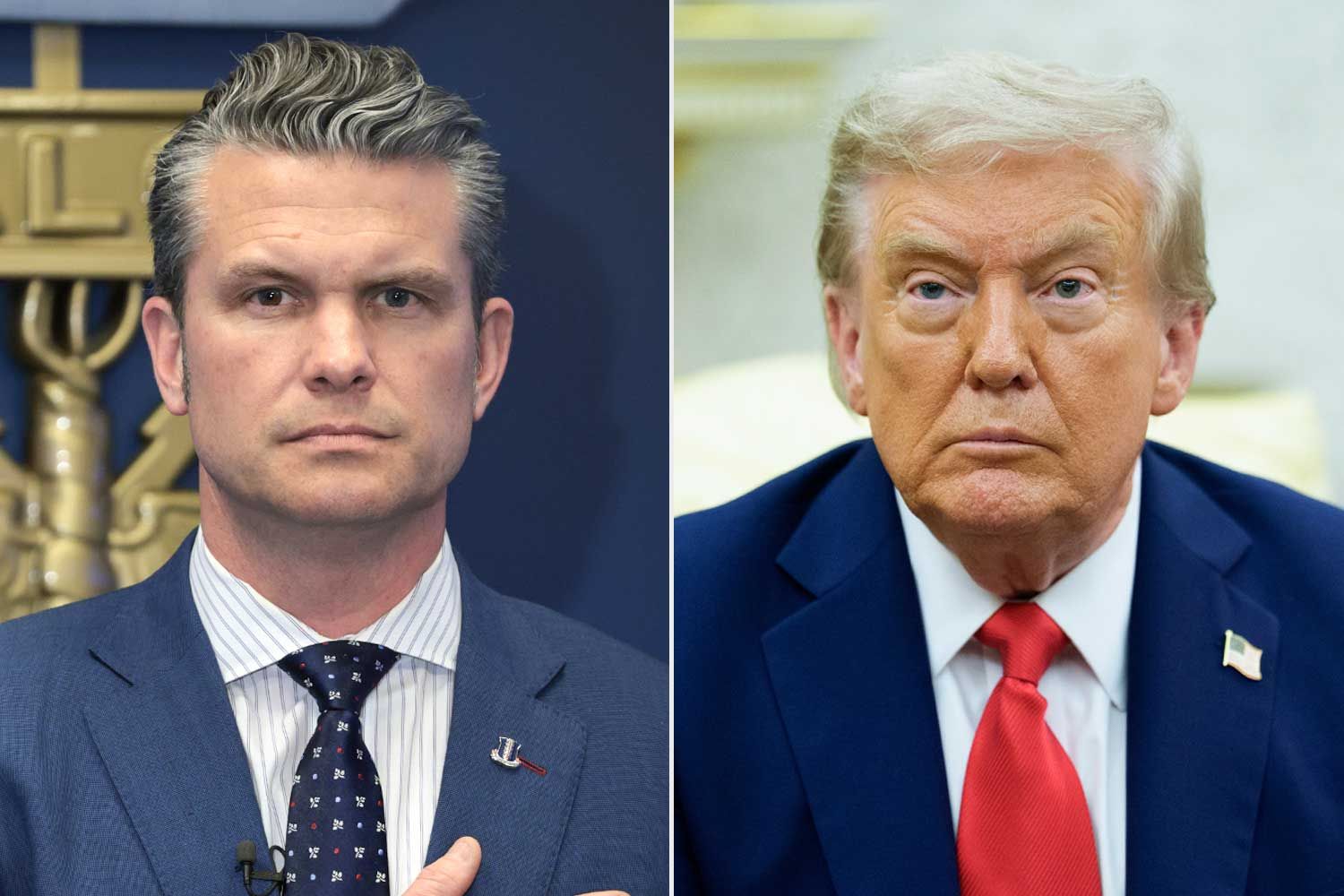
United States Secretary of Defence Pete Hegseth has said American forces are preparing for what he described as the most intense round of strikes against Iran since the conflict began.

Hegseth made the remark during a briefing with reporters on Tuesday. He stated that the United States believes it is gaining the upper hand in the war. However, he declined to give a timeline for when the fighting might end. He said President Donald Trump will determine the pace of the campaign.

According to the Pentagon chief, Washington’s military operations are focused on weakening Iran’s missile capacity, destroying its naval forces and ensuring that Tehran can never obtain nuclear weapons.

“We will not relent until the enemy is totally and decisively defeated,” Hegseth said.

“We do so on our timeline and at our choosing. For example, today will be yet again, our most intense day of strikes inside Iran – the most fighters, the most bombers, the most strikes.”

Despite the claims from Washington, Iranian leaders have projected defiance. They have promised that the country will continue to resist the attacks.

“Those mightier than you have not been able to eliminate our nation. Those who have tried have become eradicated themselves,” Iranian official Ali Larijani wrote in a social media post on Tuesday.

Iran has repeatedly denied that it is pursuing nuclear weapons. Authorities in Tehran insist the country’s nuclear programme is peaceful. The denial comes despite earlier claims by President Trump that US strikes in June 2025 had “obliterated” Iran’s nuclear programme.

The conflict has already led to heavy casualties. US and Israeli strikes have killed Iran’s Supreme Leader Ali Khamenei along with more than 1,250 other people. Iran has responded with missile and drone attacks against Israel and other targets across the region.

Iranian forces have also targeted oil facilities in several Gulf countries. The military campaign has disrupted shipping through the Strait of Hormuz, which is one of the world’s most important energy routes. The disruption has pushed global fuel prices higher.

President Trump warned Iran on Monday that it would face “death, fire, and fury” if it continued to block oil shipments through the strategic waterway.

Larijani responded with a warning of his own. He said the strait “will either be a Strait of peace and prosperity for all or will be a Strait of defeat and suffering for warmongers”.

Top US General Dan Caine said American forces are still tracking and striking vessels suspected of laying naval mines in the Gulf. He noted that Washington has not yet decided whether the US Navy will escort oil tankers through the strait.

“If tasked to escort, we’ll look at the range of options to set the military conditions to be able to do that,” Caine said.

The war has also revealed differences in military priorities between the United States and Israel. Last week, Israeli forces struck oil depots in Tehran. The attack triggered large fires and thick smoke across the Iranian capital. The move attracted criticism from some supporters of the war.

Hegseth acknowledged that Israel has its own objectives in the conflict. He indicated that attacks on Iran’s energy infrastructure were not a primary US goal.

“Israel has been a really strong partner in this effort. Where they have different objectives, they pursued them. Ultimately, we’ve stayed focused on ours,” he said.

Questions remain about the long-term aim of the war. President Trump has offered different explanations in recent weeks. His statements have ranged from promoting “freedom” for Iranians to suggesting that a new Iranian leader from within the country’s political system could emerge and cooperate with US and Israeli demands.

When asked how long the conflict might last, Hegseth said the final decision rests with the president.

“The president has set a very specific mission to accomplish, and our job is to unrelentingly deliver that. Now, he gets to control the throttle. He’s the one deciding.”

Amnesty International condemns DSS arrest, detention of X user for allegedly criticising US, Israel amidst Middle East war

By Sabiu Abdullahi

Amnesty International has criticised the detention of Sani Waspapping by the Department of State Services (DSS), describing the arrest as arbitrary and calling on Nigerian authorities to respect the rule of law.

Waspapping was arrested in Kaduna on Friday. He has remained in DSS custody since then. Reports indicate that he has not been granted access to his family members or legal representatives.

Many observers believe the arrest may be connected to posts he made on social media about the ongoing war in the Middle East.

According to available information, Waspapping is the second person detained by the DSS in connection with discussions about the current Middle East crisis.

Some social media users have also expressed the view that his arrest may be linked to his criticism of the United States and Israel as well as posts seen as supportive of Iran.

However, authorities have not publicly confirmed that this was the reason for his detention.

Amnesty International also urged Nigerian authorities to follow due process in handling the case.

“The Nigerian authorities must abide by the rule of law at all times — including in the case of Sani Waspapping. He must be provided with prompt access to family and adequate legal assistance, charge him to court or release him from detention immediately.”

Sirens heard in Jerusalem after Israel warns of Iranian missiles

By Sabiu Abdullahi

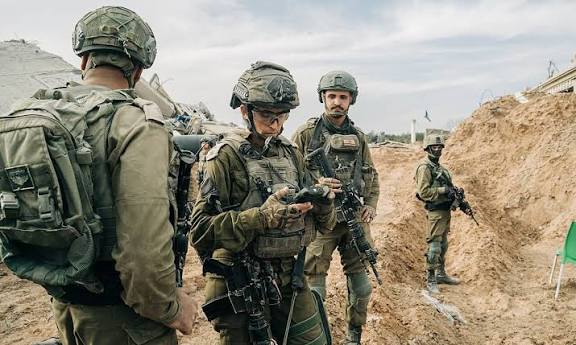
Air raid sirens sounded across Jerusalem and parts of central Israel on Tuesday after the Israeli military alerted residents about missiles launched from Iran. The development came on the 11th day of the ongoing conflict involving the United States, Israel, and the Islamic Republic.

The Israeli military confirmed that its air defence units had been activated in response to the incoming threat. In a statement, the military said, “Defensive systems are operating to intercept the threat.” Shortly after the warning, journalists from AFP reported hearing at least one explosion in Jerusalem.

Emergency service provider Magen David Adom said it had not recorded immediate casualties from the missile attack. However, the agency disclosed that some individuals were hurt while trying to reach shelters. It also stated that several others required medical attention due to shock. According to the service, its teams were attending to “a small number of people who were injured on their way to protected areas, as well as individuals suffering from anxiety.”

Officials said the latest missile strike followed a series of attacks that began after Iran responded to joint military actions carried out by the United States and Israel. First responders reported that at least 11 people have died in Israel since Iran started launching missiles in retaliation. Dozens of others have also sustained injuries.

On Monday, emergency workers reported that shrapnel killed one man and critically injured another in central Israel. Explosions were heard in the area after the Israeli military announced that missiles had been fired from Iran.

Meanwhile, Israeli Prime Minister Benjamin Netanyahu stated that the country’s military campaign against Iran would continue. In a statement issued on Tuesday, he said the operation was “not done yet.” His remarks came after US President Donald Trump suggested that the conflict could end “soon.”

Bwala, Mehdi Hasan and the reality of global journalism

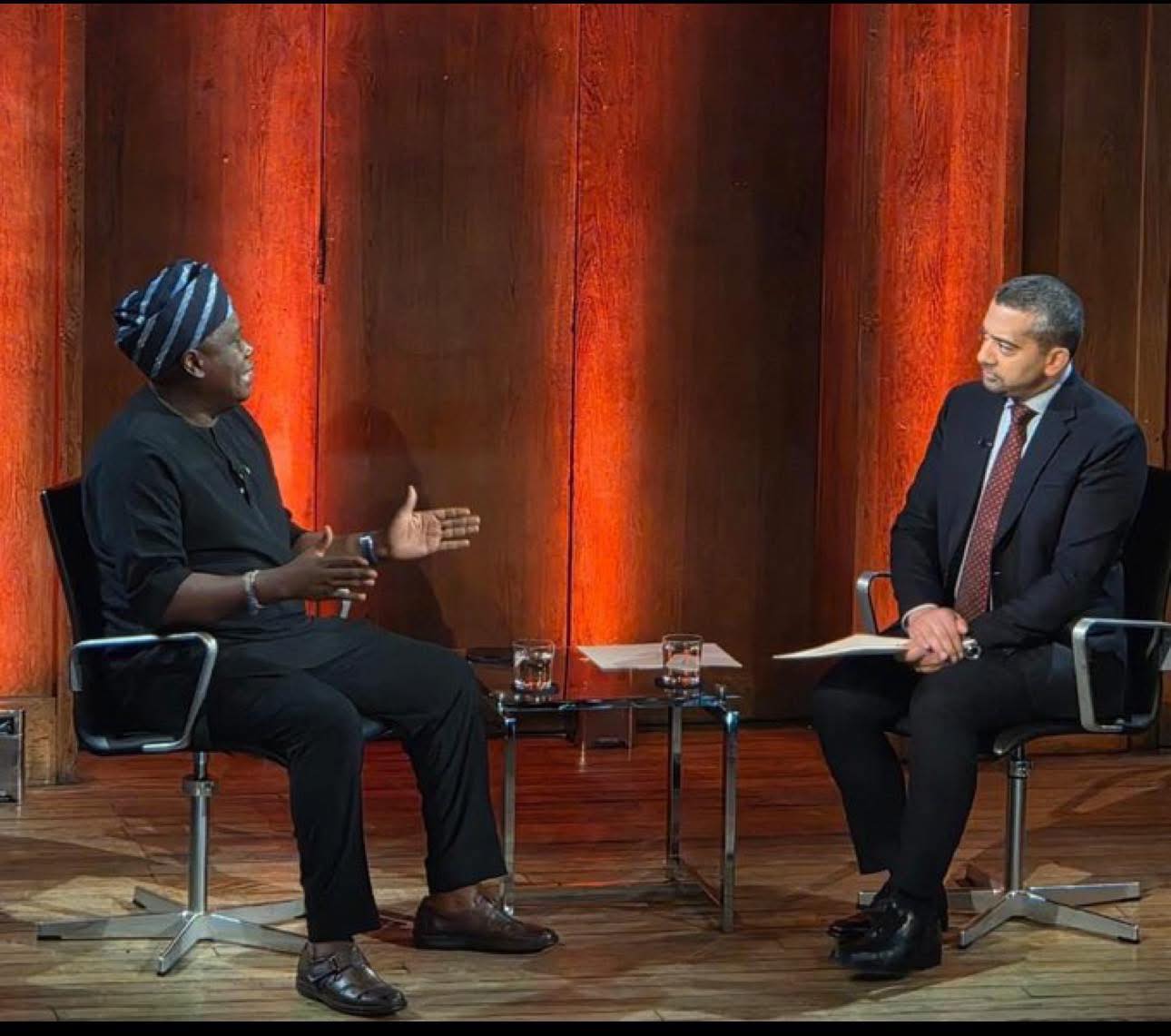
The recent exchange between Daniel Bwala and Mehdi Hasan on Al Jazeera’s Head to Head programme has sparked widespread debate across Nigeria’s political and media space. The interview, which quickly went viral on social media, has been interpreted by many observers as a revealing moment at the intersection of political communication, accountability, and international journalistic standards.

Appearances on global platforms such as Al Jazeera are rarely routine engagements. Programmes like Head to Head are built on a tradition of rigorous questioning, where political figures are expected to defend their arguments under intense scrutiny. For journalists such as Hasan, whose interviewing style is known for its directness, the objective is not merely to host a conversation but to interrogate claims with evidence, previous statements, and policy records.

It is within this context that Bwala’s performance, a media aide to Bola Ahmed Tinubu, has attracted considerable commentary. Some analysts argue that the controversy surrounding the interview reflects a broader challenge faced by many political spokespersons when transitioning from domestic media environments to global broadcast platforms. International interviews of this nature often demand a high level of preparation, particularly when the subject has an extensive public record that can be referenced during questioning.

One of the most notable aspects of the interview involved the presentation of Bwala’s earlier criticisms of Tinubu during the period leading to the 2023 Nigerian presidential election. Before aligning with the current administration, Bwala had publicly expressed views that were sharply critical of the president and his political movement. During the interview, those earlier remarks were revisited and contrasted with his present role as a defender of the government’s policies.

In professional journalism, such lines of questioning are neither unusual nor inappropriate. Public figures frequently encounter questions about their previous positions, particularly when those positions appear to contradict their current stance. The purpose is not necessarily to embarrass the interviewee, but to test the consistency and credibility of their arguments.

Following the broadcast, Bwala reportedly stated in subsequent media interviews that he felt “ambushed,” suggesting he had not anticipated extensive questioning about his past remarks on Tinubu. That explanation, however, has generated further discussion among media commentators. Critics maintain that any appearance on a programme known for its confrontational format should reasonably come with the expectation that past public statements may be scrutinised.

Beyond the immediate personalities involved, the episode highlights an important issue in Nigeria’s political communication culture. Many public officials are accustomed to interview formats within the local media environment, where questioning can sometimes be less adversarial and more conversational. While this approach may foster cordial interactions between journalists and political actors, it can also create a degree of unpreparedness when officials engage with international media institutions that operate under different professional expectations.

Global news networks often emphasise adversarial journalism as a way of ensuring accountability. Interviewers are expected to challenge power, confront inconsistencies and demand evidence for political claims. Within that framework, the intensity of the Hasan–Bwala exchange was largely consistent with established international broadcasting practices.

There is also a broader dimension to consider. When government representatives appear on international media platforms, their performance inevitably shapes perceptions of their country’s governance and political culture. Such appearances, therefore, carry implications that extend beyond individual reputations, touching on issues of national image and diplomatic communication.

Nevertheless, the controversy surrounding the interview also offers a useful moment for reflection. Nigeria’s democratic system benefits from open engagement with the media, both domestically and internationally. In an era where information circulates instantly across borders, political communicators must recognise that past statements remain accessible and can resurface at any moment.

Ultimately, the Bwala–Hasan interview serves as a reminder of an enduring reality in public life: political narratives are constantly subject to scrutiny. In the digital age, where every speech, interview or social media post becomes part of a permanent archive, consistency and preparation are essential tools for anyone representing government policy.

Whether one views the exchange as a difficult interview, a tactical misstep, or simply the normal workings of adversarial journalism, it reinforces the importance of accountability in democratic discourse. When political actors face rigorous questioning, the process may be uncomfortable, but it remains central to the role that journalism plays in holding power to account.

Abdulhamid Abdullahi Aliyu is a journalist and syndicate writer based in Abuja.