Month: September 2023

Tinubu appoints 18 aides to support “renewed hope” agenda in VP’s Office

By Muhammadu Sabiu

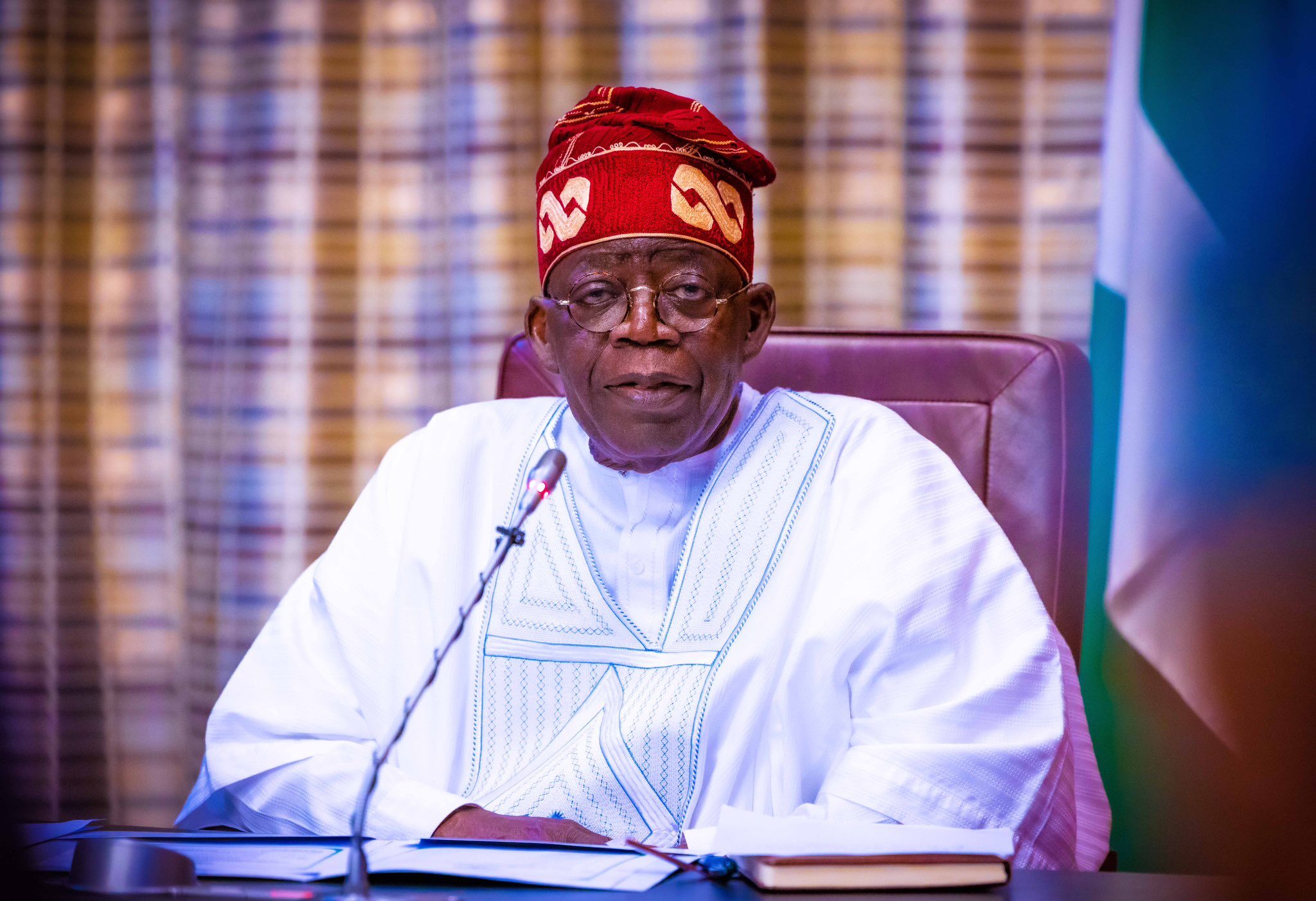
In a move aimed at driving the “Renewed Hope” agenda of the Tinubu administration, President Bola Tinubu has given his approval for the appointment of 18 Special Advisers and Senior Special Assistants to serve in the office of the Vice President. 

These appointments are expected to play a crucial role in advancing the Federal Government’s objectives across various sectors of the economy. 

The newly appointed team is composed of six Special Advisers and twelve Senior Special Assistants, each bringing a unique set of skills and expertise to their respective roles.

Their diverse portfolios cover critical areas such as economic matters, climate change, political affairs, investment, and more. 

Here is a breakdown of the appointments in the Vice President’s office: 

  1. Rukaiya El-Rufai – Special Adviser (SAD) to the President on NEC & Climate Change.
  2. Tope Kolade Fasua – Special Adviser (SAD) to the President on Economic Matters.
  3. Aliyu Modibbo Umar – Special Adviser (SAD) on General Duties.
  4. Hakeem Baba Ahmed – Special Adviser (SAD) on Political Matters.
  5. Jumoke Oduwole – Special Adviser (SAD) to the President on PEBEC & Investment.
  6. Sadiq Wanka – Special Adviser (SAD) to the President on Power Infrastructure.
  7. Usman Mohammed – Senior Special Assistant to the President on Administration & Office Coordination.
  8. Kingsley Stanley Nkwocha – Senior Special Assistant to the President on Media & Communications.
  9. Ishaq Ahmed Ningi – Senior Special Assistant to the President on Digital Media & Emergency Management.
  10. Peju Adebajo – Senior Special Assistant to the President, Investment & Privatisation.
  11. Mohammed Bulama – Senior Special Assistant to the President on Political/Special Duties.
  12. Kingsley Uzoma – Senior Special Assistant to the President, Agricbusiness & Productivity Enhancement.
  13. Gimba Kakanda – Senior Special Assistant to the President, Research & Analytics.
  14. Temitola Adekunle-Johnson – Senior Special Assistant to the President, Job Creation & MSMEs.
  15. Nasir Yammama – Senior Special Assistant to the President, Innovation.
  16. Zainab Yunusa – Senior Special Assistant to the President on NEC.
  17. Mariam Temitope – Senior Special Assistant to the President, Regional Development Programmes.
  18. Bashir Maidugu – Deputy State House Counsel (Senior Special Assistant to the President).

These appointments reflect a commitment to addressing various challenges and opportunities facing the nation, with a focus on economic development, climate change, political stability, and innovation.

As the team takes up their roles, they are expected to contribute significantly to the realisation of the “Renewed Hope” agenda set forth by the Tinubu administration.
Academic performance determines your results

By Aliyu Zainab Lawal

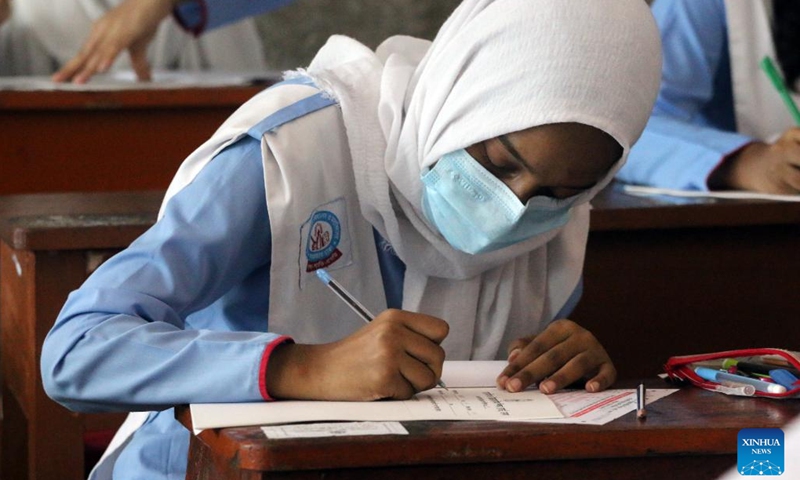
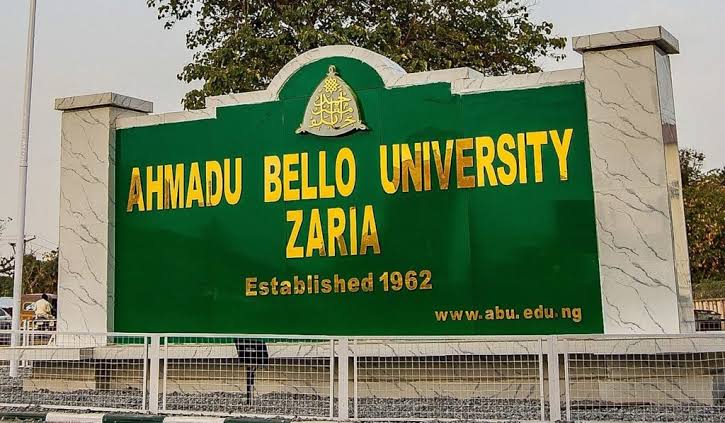
Students’ academic performance is measured based on their results. Poor academic performance is primarily attributed to the lack of commitment and preparation in and outside the classrooms. Academic results measure students’ understanding and skill in a particular subject or course. As said by Dr Adama Adamu, the current H.O.D of Mass Communication, Ahmadu Bello University, Zaria, exams and tests remain powerful instruments for assessing students.


Academically, results reflect students’ knowledge and understanding of the subject matter. They equally depict how well a student has better grasped the concepts and principles imparted to them in classrooms. High grades denote strong comprehension.


Reportedly, results assess how students can apply their problem-solving knowledge and skills. This is apparent in how they demonstrate critical thinking, problem-solving, analytical skills, and practical applications of theoretical concepts.


Moreover, several existing factors influence academic performance, encapsulating students’ preparations and readiness. They include effort and time investment, active learning, time management, and consistent revision. Developing These elements equitably would inevitably positively impact student’s results.


Also, academic results serve as feedback for improvement and consolidation. They enable the students to identify their strengths and weaknesses. By subjecting their results to analysis, students can focus on areas that need improvement and further develop strategies to enhance their academic performance.


The Department of Mass Communication and many other departments within Ahmadu Bello University stick to the conventional way of result release by pasting them on boards in a public place for all the students to witness. This is also the act many of the students I interviewed despised, as they believe that results are everyone’s confidential treasure. By extension, they are not supposed to be made public. Therefore, students should have their transcripts privately.


However, Dr Kabiru Danladi, a lecturer from the Mass Communication Department of Ahmadu Bello University, Zaria, shed more light on the issue when he said, “It is a law to paste results in a public place as soon as they get approved by the Senate as they now become public property”. He added that any department giving transcripts without first pasting the results violates the law.

Aliyu Zainab Lawal wrote via aliyuzainablawal442@gmail.com.

Tinubu’s appointments lopsided, favours mainly Yorubas and Christians – MURIC

By Abdurrahman Muhammad

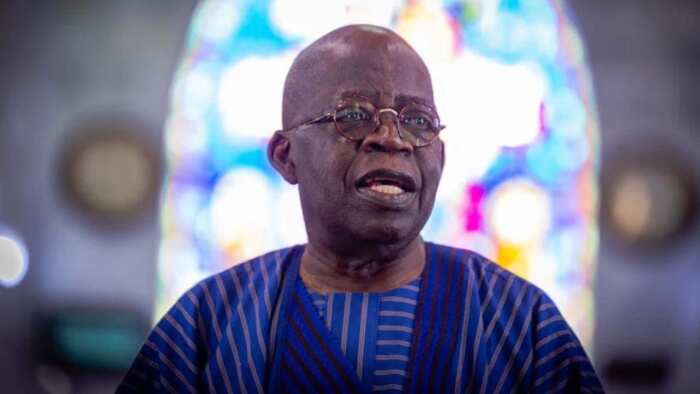
An appeal has gone to President Bola Ahmed Tinubu to ensure that all regions, faiths and sections benefit from political appointments made by his government while no ethnic group or faith is seen to be favoured above others. 

Making the appeal on Monday, 18th September 2023, was the Executive Director of the Muslim Rights Concern (MURIC), Professor Ishaq Akintola. The head of the Islamic human rights organisation added that appointments made so far by Tinubu are lopsided because they favoured mainly Yorubas and Christians. He advised the president to ensure balance in coming appointments. 

The full text reads:

“We are shocked to our marrows that President Bola Ahmed Tinubu has been appointing Christians and Yorubas mainly to key positions since the inception of this administration at the expense of Muslims. For instance, five out of eight security chiefs appointed earlier are Christians. Ministerial posts have not been different.

“All five key appointments made by President Tinubu to revive the economy were given to Christians and Yorubas mainly. These new appointees include the Minister of Finance, Wale Edun; the newly nominated CBN Governor, Dr. Michael Cardoso, Hon. Zacch Adedeji; Acting Chairman, FIRS; the Chairman, Tax Reforms Committee, Mr. Taiwo Oyedele and Mr. Tope Fasua, Special Adviser on Economic Affairs.

“Many competent Muslims who campaigned and voted for Muslim-Muslim ticket during the presidential election were ignored. It is interesting to note that some of those Muslims are eminently qualified to hold key political offices since there are professors, engineers, medical doctors and holders of doctorate degrees among them.

“To add salt to injury, one of the best Muslim ministerial nominees, the man who championed the Muslim-Muslim ticket and mobilised the whole North behind Asiwaju, has been jettisoned. Also, Professor Ali Isa Pantami, who took the communication and digital economy to enviable heights during the last administration, was ignored. Where, then, is our Muslim president taking Nigerian Muslims?

“MURIC rejects this trending narrative that makes competence the raison d’etre for concentrating appointments in any particular tribe, religion or group. Government’s tentacles should be spread nationwide in the search for competence. Neither should the need for skills be used as a cover for the marginalisation of some sections of Nigeria. 

“We assert clearly, emphatically and unequivocally that competence is not the monopoly of any tribe, faith or group. Talented Nigerians are to be found everywhere if sincere searches are conducted. 

“Besides, government should take the lion share of the blame if competent hands cannot be found in any section, creed or group for certain assignments. It means the government has not, ab initio, allowed educational and training facilities to be fairly and evenly distributed, or that the government has failed to consciously integrate all segments of the Nigerian society. All sectors must therefore have equal opportunities to participate in governance.

“This regime must be wary of allegation of nepotism, which the previous regime was accused of. Nigeria is a vast country with talented men and women in all nooks and crannies. The government must not just pick the low-hanging skills or those on the water surface. It must send its underwater swimmers to dive below the surface in order to bring the gems to dry land.

“Our message to President Tinubu is this (and we want the president’s handlers to take this to him) the cacophony of voices of dissatisfied Muslims has reached an unbearable crescendo such that MURIC is now constrained to speak up. People are complaining, particularly Muslims from the North and South West, and they can only be ignored at the risk of foregoing 2027. 

“President Bola Ahmed Tinubu is our Muslim brother, but that should not stop us from criticising him if he does the wrong thing. The Prophet (SAW) said, “Help your brother when he is wronged and even when he is wrong…”

“Traceable as well as well-known authors on social media are exchanging lopsided lists either tilted in favour of Christians who did not vote for the Muslim-Muslim ticket or in favour of Yorubas only. Such lists raise questions of nepotism and that of marginalisation of the same Muslims who stood behind Asiwaju and voted massively for him. 

The pervading hunger everywhere in the land may force some regions to seek a pound of flesh in 2027 if they are denied political appointments where it matters. In particular, President Tinubu should ensure that the North, which was his strategic ally in the 2023 presidential election, is not stinted of political appointments. Otherwise, he will destroy the thin veneer of solidarity which currently exists between the North and the South West.

“We remind President Bola Ahmed Tinubu that all regions, faiths and sections deserve political appointments. The Tinubu administration must not be the exclusive preserve of the Yorubas at the expense of other tribes, nor the monopoly of Rome at the expense of Madinah. No region must be sentenced to hunger, starvation and political isolation. 

“Tinubu’s next appointments must see a shift in body language. All regions, faiths and sections must benefit from political appointments made by this government, while no ethnic group or faith is seen to be favoured above others.

“Meanwhile, we in MURIC accept full responsibility for the dilemma facing Nigerian Muslims as their Muslim-Muslim ticket has turned into a ‘Christian majority government’. We admit being in the forefront of the campaign for a Yoruba Muslim presidency which has become a bone in the throat of Yoruba Muslims in particular and Nigerian Muslims in general. 

“With heavy hearts, we tender unreserved apology, first, to the former governor of Kaduna State, Mallam Nasir El-Rufai, for what we led him to even though he showed no interest at the beginning, and to other Nigerian Muslims, particularly those who have been accusing us of misleading them. 

Bad news for Nigeria as France banned iPhone 12

By By Muhammad Ubale Kiru

The recent decision by France to ban the iPhone 12 due to concerns about its radiation emissions has sent shockwaves across the tech world. While this move may seem drastic to some, it reflects a growing global awareness of the potential health risks associated with certain electronic devices. China, too, has taken a stand against iPhones in official capacities, citing national security concerns. 

France’s decision to bar the iPhone 12 from its market underscores its commitment to safeguarding the well-being of its citizens. The government’s primary motive appears to be ensuring that the radiation emitted by these devices does not pose any risks to public health. 

Similarly, China’s decision to restrict the use of iPhones by government officials stems from concerns over data security. The Chinese government has long been cautious about potential espionage activities by foreign entities, and it views certain American technology companies with suspicion.

The big question now is: where will these banned iPhones end up? For many, the answer seems to be Africa, particularly countries like Nigeria. In Nigeria, consumer demand for iPhones remains high, and concerns over radiation emissions are often secondary to the allure of the brand. Additionally, a significant portion of the population may not fully understand the potential health risks associated with radiation.

To shed light on the issue, let’s briefly delve into what radiation is and how it can impact health. Radiation is the emission and propagation of energy in the form of waves or particles through space or a medium. In the context of iPhones, we’re talking about radiofrequency (RF) radiation emitted when the device connects to cellular networks or Wi-Fi. 

Radiation can affect health in several ways:

1. Thermal Effects: RF radiation can cause the heating of body tissues, particularly when a device is held close to the body for extended periods.

2. Non-Thermal Effects: Some studies have suggested potential non-thermal effects of RF radiation, including changes in brain activity, sleep disturbances, and alterations in cell function. While the evidence remains inconclusive, these concerns warrant further research.

3. Cancer: Radiation has been associated with a potential risk of cancer. It can cause DNA damage, mutations in genes, uncontrolled cell growth, and eventually lead to tumor formation. Brain cancer, in particular, has been studied in relation to mobile phone use.

While it may be challenging to change consumer preferences overnight, it is vital to raise awareness about potential health risks associated with certain devices. People should consider their health when making choices about the technology they use daily. 

Furthermore, governments in African nations, including Nigeria, should play an active role in monitoring and evaluating the safety of electronic devices before they enter the market. By adopting stricter standards and conducting thorough assessments, they can better protect their citizens from potential health hazards associated with radiation-emitting devices.

Muhammad Ubale Kiru is a tech enthusiast, social activist and freelancer. He can be reached via muhdujkiru@gmail.com.

Abba Kabir frowns at dilapidated conditions of state-owned teaching hospital

By Uzair Adam Imam

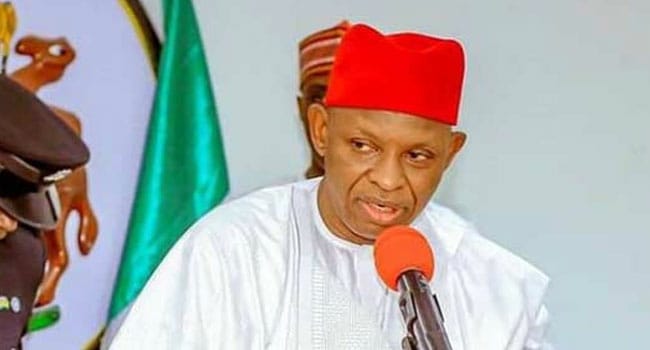
Governor Abba Kabir Yusuf of Kano State has expressed his deepest displeasure over the dilapidated conditions of Muhammad Abdullahi Wase Teaching Hospital, a government-owned and one of the busiest hospitals in the state.

The Governor showed dissatisfaction concerning the state of the facility when he led other top government functionaries on an unscheduled visit and on-the-spot assessment of the hospital over the weekend.

Sunusi Bature Dawakin-Tofa, the state’s Chief Press Secretary, made this disclosure in a statement he signed and made available to journalists on the weekend.

Dawakin-Tofa quoted the governor to have said, “As a teaching hospital for training medical professionals and provision of tertiary medical care, the hospital needs to be overhauled and expand its services, especially maternity services and care for the children.

“It is disheartening to meet the hospital that caters for the medical needs of thousands of patients daily in a condition uncomfortable for human inhabitation, a situation that needs to be checked and corrected,” Governor Yusuf stressed.

“I do instruct the management of the hospital to, as a matter of urgency, forward the request for rehabilitation and expansion of the hospital for immediate action to restore the lost glory of the gigantic health facility,” he added.

The Daily Reality, in an investigative report last year, recounted the monstrous condition of another state-owned hospital, Sir Muhammadu Sunusi Specialist Hospital, Yankaba, where patients were living miserably without water and light.

Our reporter visited the hospital and met some patients in dire situations, fighting excessive heat with their hand fans, which has thrown many of them into a dilemma.

The Daily Reality learned that all the taps in the hospital were not working, except one borehole, which the patients said works for less than one hour every day.

Recounting their experiences, some patient sitters complained that they used sachet water, alias pure water, to bathe, flush toilets, make ablutions and wash their dishes.

They also complained about the lack of electricity, which they said was responsible for many problems in the hospital.

Hike in registration fee in Nigerian varsities: A result of FG’s negligence

By Najeebullah Lawan

It becomes a new normal that the Academic Staff Union of Universities (ASUU) embark on a strike to press demand on one issue or another almost every year in Nigeria. This menace has been here since 2009, with each year’s strike becoming worse than the previous one. The feud between ASUU and the Federal Government (FG) has badly, as it is clear, affected the education system in Nigeria.

The battle corners include revitalisation of the universities, providing infrastructure, enhancing research conducts, and reviewing lecturers’ salaries and allowances, among others, as contained in the MoU signed by the Nigerian government and ASUU.

It is essential to note that ASUU is a union of Academic Staff of Universities consisting of [except a few] lecturers from the Nigerian public universities.

These lecturers have wives, children and relatives in the schools they teach nationwide who are under their sponsorship from their hard earnings.

I believe these people will never do anything that could temper with the system because their close relatives and children benefit from it.

Moreover, our lecturers spent decades without substantial review of their salaries despite all the hikes in the price of foodstuffs and other necessities in Nigeria. It is heartbreaking that a university professor earns less than the salary of some government appointees – SAs and PAs.

It is unbecoming to leave these people alone fighting the government that leaves them without the good welfare their counterparts enjoy, even in many African countries. This fight is for all of us.!

In 2020, ASUU stood up to fight for their rights and the students in general, which led to the total closure of all universities in Nigeria. However, the coronavirus pandemic also contributed immensely to the longevity of this strike, making it one of the worst and longest strikes ever in the history of Nigerian universities.

Unfortunately, the Nigerian government did nothing to stop the strike. It betrayed the university lecturers, leaving them and their students stranded amidst a dilemma.

Again, in 2021, there was another strike by the university lecturers who demanded FG to fulfil its promises made in 2012 and 2020. This strike lasted eight months, and the lecturers were not paid a single kobo. As I write this, FG still owes lecturers months’ salaries and areas.

For all the struggle by ASUU, they were doing this for the betterment and standardisation of higher institutions nationwide. However, they got nothing from most of the students and parents in return except insults and mocks.

As of that time, ASUU warned students and parents that if FG defeated them in that fight, there would be a serious problem for students and parents that not everyone could bear.

Defeating ASUU, the Federal Government deliberately refused to fund its universities with enough funds.

As a result, in 2023, there was an increment in registration fees by many universities, such as the University of Maiduguri, University of Benin, University of Lagos, ATBU, ABU and a host of others. However, the one by Bayero University, Kano (BUK), brought a loud noise in the entire north, probably due to its status. Here are some clarifications:

1:- We heard that the university Vice-Chancellor, Prof. Adamu Abbas, made an explanation concerning the situation of the universities in Nigeria, saying that everything related to running the administration of the university is costly.

2:- Recently, ABU extended the resumption date for students due to an outage by the Kaduna Electric Distribution Company (KAEDCO) over alleged millions of Naira debt, which ABU owes KAEDCO.

3:- The monthly budget for running Bayero University is close to N100m. This money is spent on KEDCO for power, diesel, water and security.

4:- The FG is giving only N11m, which represents only 1% out of 10% BUK is spending every month, and the management of the university manages to utilise the system with the little they are getting from the government.

5:- The current economic situation of Nigeria and the Federal Government’s manner towards universities has left the management of Bayero University, Kano, with no option but to increase the central registration fee for students.

Despite these, BUK remains the cheapest Federal University in the entire north except for a few varsities currently in the second semester, and a review of their registration fees could be seen as something inevitable.

Regarding the just concluded points, we can say that ASUU does not hate education, and its fight is for the system’s revival. Also, the increment of university registration comes from negligence by the Federal Government. Meanwhile, without this kind of increment, the system will undoubtedly collapse.

Najibullah writes from Kano, Nassarawa Local Government. He can be reached via najeebullahlawan@gmail.com

Mastering Examinations: A student’s guide to success 

By Sani Hassan Sulaiman

Taking exams is an inherent part of academic life. Understandably, many students find it difficult and stressful. However, with proper preparation, a clear strategy, and effective study techniques, it is possible to navigate exams in a more manageable and successful way. In this article, I will explore some key steps to help students simplify the examination process and maximise their chances of success.

1. Create a Study Plan:

The first step to achieving exam success is to develop a comprehensive study plan by organising the materials to be covered and setting realistic goals for each study session. Allocate specific time slots for subjects, ensuring a balanced distribution of subjects based on their importance and difficulty level. A study plan will help students stay organised, cover all the necessary topics, and avoid last-minute cramming.

2. Understand the Exam Format:

Familiarising oneself with the exam format is essential to approach the examination more relaxedly. Students should thoroughly review the syllabus, marking schemes, and previous years’ question papers or study guides. Understanding the structure of the exam will enable students to identify the areas that require more attention, practice answering different questions, and manage their time effectively during the actual examination.

3. Active Learning Techniques:

Passive learning methods such as reading, highlighting, and summarising may be helpful to absorb information temporarily but can be ineffective when it comes to long-term retention. Instead, incorporating active learning techniques like self-quizzing, teaching someone else, and solving practice questions can significantly enhance understanding and memory recall. Engaging with the material actively reinforces learning and builds confidence, making it easier to apply knowledge during the exam.

4. Review and Revise:

Regular revision is crucial in solidifying knowledge and ensuring it remains fresh in one’s mind. Schedule regular review sessions throughout the study period to reinforce the learned concepts. Utilise revision techniques such as flashcards, mind maps, or regularly writing summaries. Revisiting the topics regularly will help students retain information longer, preventing last-minute panic and providing a smoother exam experience.

5. Manage Stress and Optimize Performance:

Managing stress is essential to perform at one’s best. You should practice self-care, maintain a healthy lifestyle, and get enough sleep to promote mental sharpness and concentration. Implementing relaxation techniques such as deep breathing exercises, meditation, or engaging in physical activities can help reduce anxiety levels and boost overall well-being. Maintaining a positive mindset and visualising success can also enhance motivation and confidence.

Conclusion:

Navigating exams successfully involves more than simply studying hard. Students can simplify the examination process by incorporating effective study strategies, thoughtful planning, and stress management techniques, increasing their chances of achieving better results. Remember, success in exams is a journey that requires dedication, perseverance, and a holistic approach to learning. With the right mindset and adequate preparation, students can confidently face any exam challenge that comes their way.

Sani Hassan Sulaiman wrote from the Department of Mass Communication, Ahmadu Bello University, Zaria, Kaduna state.

NBA applauds Kano governor for sacking aides over death threat, derogatory remarks

By Muhammadu Sabiu

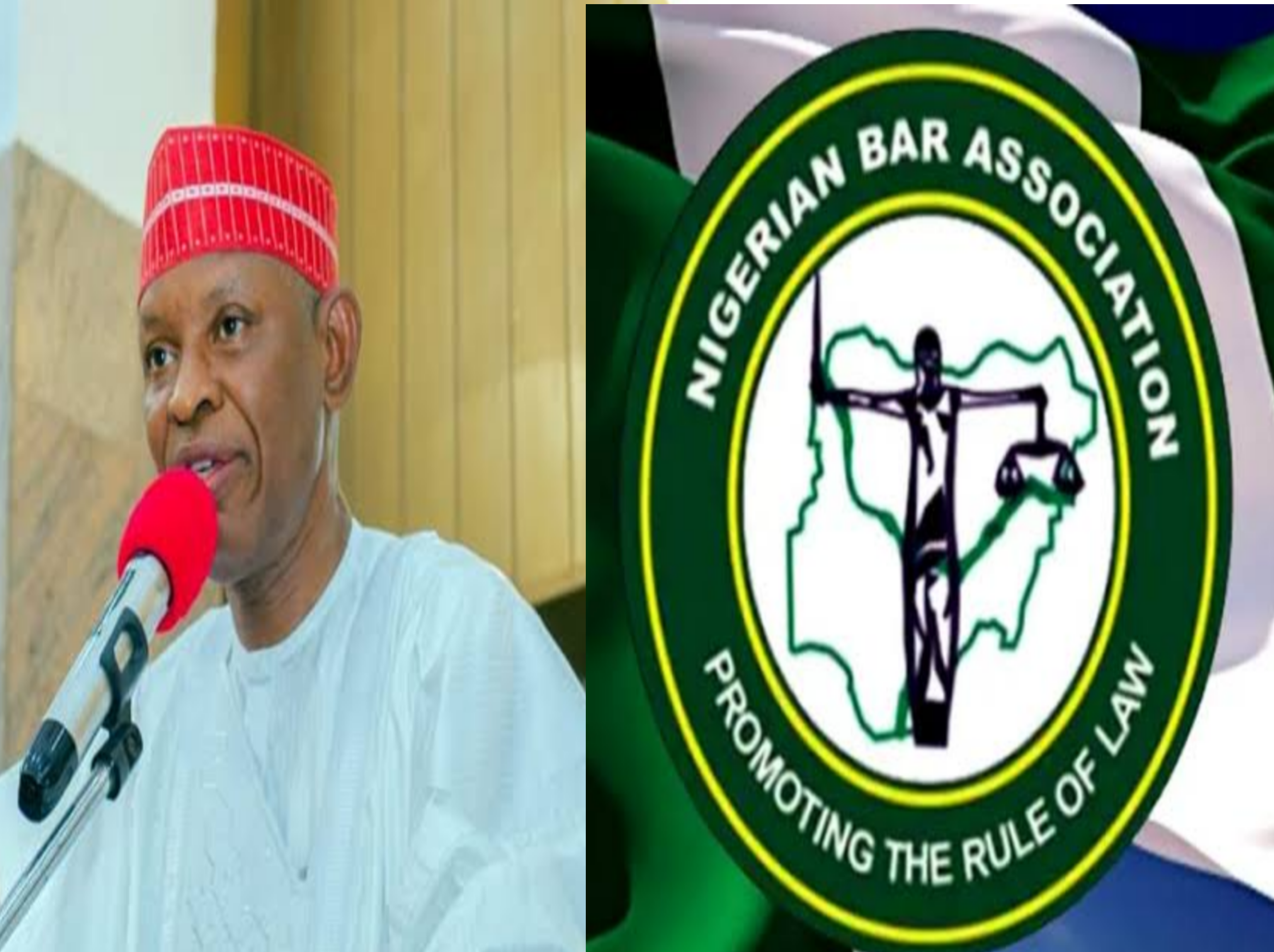
The Nigerian Bar Association (NBA) has commended Kano State Governor, Abba Kabir Yusuf, for his prompt response in dismissing two of his aides following a disturbing incident involving a death threat against judges of the governorship tribunal and derogatory comments made about Vice President Khasim Shettima.

The incident unfolded on Thursday when the Commissioner for Lands and Physical Planning, Adamu Aliyu Kibiya, addressed journalists during a special prayer session organized by NNPP supporters.

In a shocking statement, Kibiya issued a threat to the judges of the governorship tribunal, warning that anyone accepting a bribe to manipulate the judgement would face dire consequences.

Simultaneously, during the same prayer session, Special Adviser to the Governor on Youth and Sport, Yusuf Imam, known as Ogan Boye, made a series of derogatory remarks against Vice President Khasim Shettima concerning the impending gubernatorial tribunal judgement.

Barr. Suleiman Gezawa, Chairman of the NBA’s Kano branch, expressed his views on the matter in on Friday during an interview with a Nigerian online newspaper.

Gezawa called upon Governor Abba Kabir Yusuf to take disciplinary action against Commissioner Kibiya, emphasising that the statements made did not represent the official stance of the state government.

In a swift response, the State Commissioner for Information, Baba Halilu Dantiye, confirmed on Friday evening that Governor Abba Kabir Yusuf had terminated the appointments of Commissioner Adamu Aliyu Kibiya and Special Adviser Yusuf Imam.

Governor Yusuf also issued a directive, instructing all heads of Ministries, Departments, and Agencies (MDAs) to confine their comments and interviews to their respective offices.

Chairman Gezawa of the Kano NBA applauded Governor Yusuf’s decisive actions, emphasising the importance of distancing the administration from the careless comments made by his aides.

Gezawa further called upon security agencies to launch an investigation into the death threat issued by Commissioner Kibiya, suggesting that there might be ulterior motives behind the threat.

The swift response by Governor Abba Kabir Yusuf has been described by many as a clear show of commitment to upholding the integrity of the judicial process and preserving the dignity of public office in Kano State.

Fall of the Sokoto Caliphate: Some thoughts

By Huzaifa Dokaji

When people reflect on the fall of the Sokoto Caliphate in 1903, they often conjure up images of British soldiers armed with the formidable Maxim gun on the left, juxtaposed with local inhabitants wielding swords, bows, and arrows on the right, fervently chanting “Allahu akbar.” Unfortunately, this portrayal does not align with historical reality. The foot soldiers were mainly Africans, while Europeans primarily served as commanders and strategists rather than frontline combatants. The bulk of the invading forces were drawn from previously subjugated regions, frequently comprising individuals from the target community itself.

As demonstrated by Philip Afaedie’s PhD thesis, The Hidden Hand of Overrule: Political Agents and the Establishment of British Colonial Rule in Northern Nigeria, 1886–1914, individuals such as Adamu Jakada established their reputations and livelihoods by providing valuable intelligence to European forces. In the case of Kano, for instance, Ciroman Kano Abdu Lele, the son of Emir Kano Tukur (reigned 1893–1895), supported the British invasion in exchange for their promise to restore him to the Kano throne, which his family had lost after the Kano Civil War (1893–1895), known as the Basasa (of course they didn’t honour the agreement after the war!). Others, driven by diverse motivations, also aligned themselves with the British cause.

As recounted by Baba of Karo to Mary Smith (see Baba of Karo: A Woman of the Hausa Muslim), people in rural areas, fed up with pervasive political and social corruption, celebrated colonial conquest with a popular song, “Nasara kun dade ba ku zo ba”. The Resident of Kano also noted in an intelligence report to the British acting High Commissioner on July 9th, 1903, that the peasantry embraced British conquest due to their deep-seated resentment towards their rulers. “Nasara kun dade ba ku zo ba” carries more profound implications than its composers may have intended. Scholars like Murray Last (1967), Rudolph Ware (2014) and Paul Lovejoy (2016), along with others, have shown us how and why the Sokoto Jihad was one of the most important political and social revolutions of the 19th century, thanks to the egalitarian nature of its goals. However, Nasara kun dade ba ku zo ba demonstrates how such ideals were lost by the closing decade of the century, prompting common people to seek refuge in the hands of Christians. Nevertheless, the intellectual class remained committed to their quest for an egalitarian society through the Islamic ideological vehicle.

M.S. Umar’s seminal work, Islam and Colonialism: Intellectual Responses of Muslims of Northern Nigeria to British Colonial Rule, has powerfully shown us how such intellectuals reacted to British colonial conquest and the various strategies they adopted to challenge it. They saw it as temporary—God’s wrath upon an erring community. Defining the conquest as a temporary setback, the grand vizier of the Sokoto Caliphate equated it to the shaving of a beard.

In his poems titled Nuzhah and Intisaf, Sheikh Yahya an-Naffakh (b. 1898 and known as Malam) described the British conquest as the ‘triumph of absurdity’ caused by scholars who have replaced ‘the humility of Knowledge with the stupidity of ignorance’ and rulers who have exchanged ‘the wisdom of governance with the arrogance of past glory’. Malam himself came from a family that was a victim of such crass anarchy. The winning side of the Kano Civil War imprisoned his father, who was a legitimist. A young Malam secured his release by writing a petition to the Resident of Kano, Mr. Palmer, advocating against the unjust imprisonment.

Although oral traditions suggest that Dan Fodio prophesied the fall of the Caliphate to European Christians, it is more plausible that news of their encroachment reached Sokoto through traders and pilgrims travelling the trans-Saharan trade routes, ultimately reaching Mecca. For instance, in the early 19th century, the influential Lagos trader Madam Tinubu sent a letter to the Caliph of Sokoto, Bello dan Fodio, informing him of European activities along the coast. Furthermore, Paul Lovejoy’s research on Umar el-Fellati reveals that Fellati witnessed the British occupation of Egypt in 1882 and even acted as a double agent, providing the British with information about the Caliphate while simultaneously reporting on British activities in Northern Africa.

Huzaifa Dokaji is a PhD student and teaching assistant at the Department of History, State University of New York at Sony Brook. He can be reached via huzaifa.dokaji@stonybrook.edu.

Ronaldo institutes legal action against former club Juventus over unpaid €19.9 million 

By Muhammadu Sabiu

Cristiano Ronaldo, the iconic Portuguese footballer, is set to sue Juventus Football Club for an alleged non-payment of €19.9 million, according to reports from Gazzetta dello Sport. 

The legal action comes as a response to the financial difficulties faced by Juventus during the COVID-19 pandemic. 

Ronaldo, who previously played for Juventus from 2018 to 2021, has reportedly taken his grievances to the Turin Prosecutor’s Office. 

His decision to pursue legal action follows unsuccessful attempts to resolve the matter through negotiations with the club. 

As of now, Juventus has not issued an official statement regarding the lawsuit, and the football world eagerly awaits further developments in this high-profile dispute.