Month: September 2023

Tribunal court dismisses APM’s petition to disqualify Tinubu, Shettima

By Muhammadu Sabiu 

The Presidential Election Petitions Court has rendered its decision on the petition filed by the Allied Peoples Movement (APM), challenging the eligibility of President Bola Tinubu and Kashim Shettima to run for office. 

In a ruling delivered on Wednesday, the court announced that it lacked the jurisdiction to hear the case, deeming it a pre-election matter that should have been addressed in a high court. 

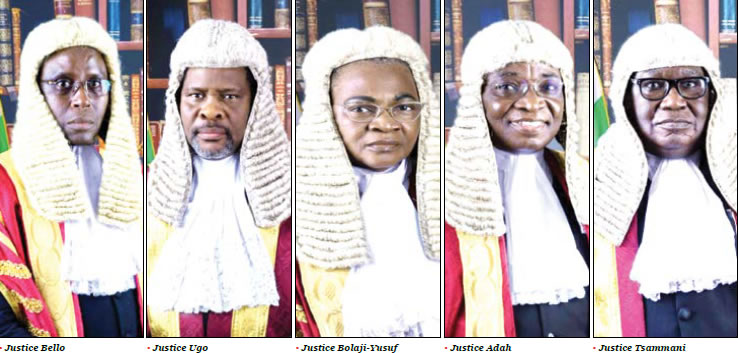
Justice Haruna Tsammani, who read the lead judgement, clarified that the issues raised by APM were indeed pre-election matters and fell outside the purview of the Presidential Election Petitions Court. 

He emphasised that the 180-day timeframe stipulated for addressing such issues had already passed. Citing legal precedent in the case of Alhassan and others versus Ishaku and others, Justice Tsammani underscored that election tribunals do not have the authority to delve into the internal affairs of a political party, including issues related to primary elections. 

Instead, matters of qualification and disqualification are governed by the provisions of Sections 131 and 137(1)(a)(j) of the Nigerian Constitution. The crux of APM’s argument revolved around their contention that Tinubu and Shettima had not been validly nominated to contest the February 25 election. 

They argued that a combination of constitutional provisions and the Electoral Act rendered their nominations invalid. Specifically, APM claimed that the period between Kabiru Masari’s announcement of withdrawal as an APC placeholder on June 24, 2022, and the date Shettima’s name was forwarded to INEC on July 14, 2022, exceeded the 14-day limit stipulated in Section 33 of the Electoral Act for the replacement of a candidate.

However, the court’s ruling ultimately found that these issues should have been raised in a high court, not within the jurisdiction of the Presidential Election Petitions Court. 

This decision marks a pivotal moment in the legal battle surrounding the qualifications of President Bola Tinubu and Kashim Shettima, effectively concluding that the matter remains an internal concern of a political party and beyond the court’s authority to adjudicate.

Security heightened ahead of Presidential Election Petition Court verdict

By Muhammadu Sabiu In a remarkable display of security preparedness, armed personnel have implemented stringent security measures along the path leading to the presidential election petition court in Abuja. 

This heightened security presence is in anticipation of the crucial judgement scheduled for Wednesday, which will decide the fate of election petitions lodged by opposition candidates. 

An extensive security protocol is visibly in effect, featuring three distinct checkpoints spanning the route from the Ministry of Finance Headquarters to the court’s entrance. 

At each checkpoint, individuals, including lawyers, party representatives, staff, and accredited journalists, undergo thorough verification procedures before gaining access.

Following this initial screening, cleared individuals proceed to undergo comprehensive searches to ensure no prohibited items enter the court premises. Inside the court compound, security personnel are diligently scanning strategic locations for potential explosive devices and other dangerous weapons. 

This enhanced security posture underscores the authorities’ unwavering commitment to maintaining a secure environment during this critical phase of the election petition proceedings. 

Presently, access to the courtroom itself is highly restricted, emphasising the gravity and sensitivity of the impending judgment. The presidential election petition court is poised to deliver its verdict on Wednesday, focusing on petitions filed by prominent presidential candidates. 

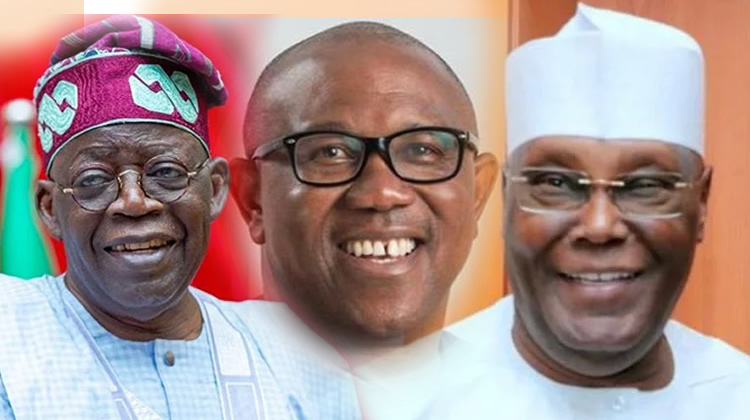
Among them are former Vice President Atiku Abubakar, representing the Peoples Democratic Party, and Peter Obi of the Labour Party, both challenging President Bola Tinubu’s election.

The nation is anxiously awaiting the outcome of this judgement. With these extensive security measures in place, it is evident that the authorities are sparing no effort to ensure a peaceful and secure environment as Nigeria anticipates the pivotal verdict in this high-stakes legal battle.

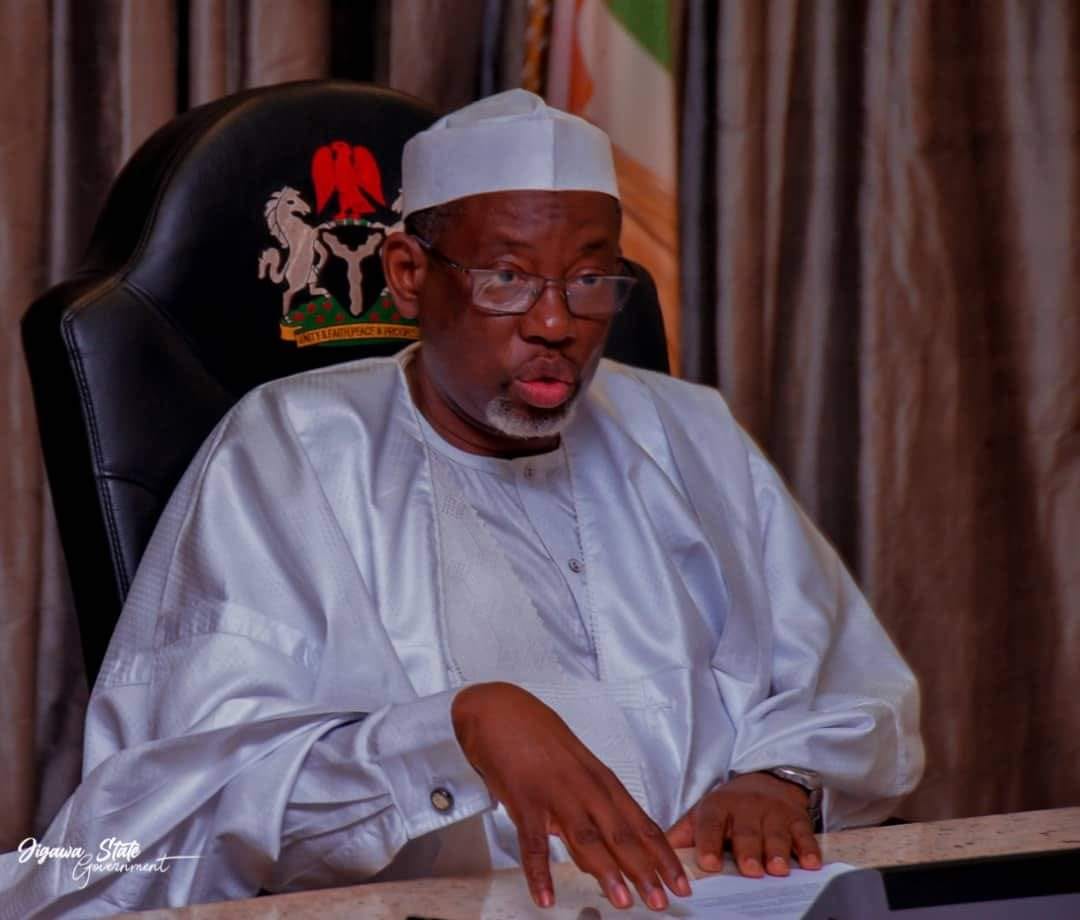
Governor Namadi (Danmodi): An epitome of change in Jigawa State

Your Excellency Sir,

I hope this letter will find you in sound health and high spirit. I am writing to express my heartfelt solidarity and appreciation for your recent appointments in Jigawa State, specifically your decision to appoint individuals of high repute and strong academic backgrounds.

Your recognition and value of the expertise of a highly educated professional of Jigawa State extraction is that of a leader with a progressive vision to put heads together and develop our dear State. By appointing well-meaning sons of the land into key positions to steer the affairs of our dear State, indicate your commitment to an open and all-inclusive government. It is indeed a commendable gesture. By this, you are not all promoting meritocracy but also ensuring that our government benefits from the knowledge and skills of these accomplished individuals.

This move not only showcases your dedication to improving the quality of governance but also sets a precedent for other States to follow. It sends a strong message that education and expertise are vital components of effective leadership.

I am confident that these appointments will lead to innovative policies and solutions that will benefit the people of Jigawa State. As a resident and citizen, I feel proud to have a visionary leader like you who places a premium on competency and excellence. Indeed, Jigawa will be higher than it is under your leadership.

Once again, thank you for your visionary leadership and for recognizing the value of this knowledgeable personality in shaping the future of Jigawa State. Your actions inspire hope and confidence in the direction our state is headed.

Please accept my best wishes for continued success in your tenure as our esteemed Governor.

Sincerely,

Engr. Abubakar Abbas Adamu (R. Engr COREN, MNSE, CIPMA)

Kofar Fada Sabon Garin Ya’’Ya’’ Town, Taura Local Government Area, Jigawa State

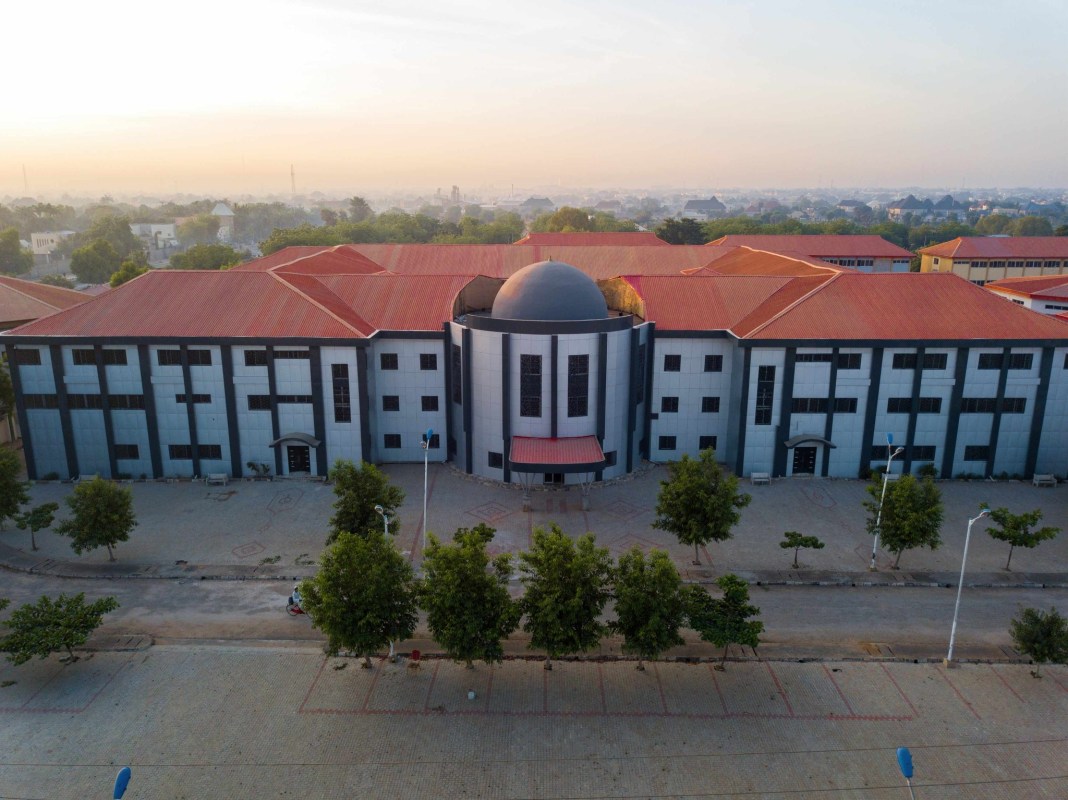
Khalifa Isyaku Rabi’u University, Kano, set to begin 2023/2024 session

By Muhammadu Sabiu

The Khalifa Isyaku Rabi’u University, Kano, is gearing up for an exciting chapter in its academic journey as it announces the commencement of activities for the 2023/2024 academic session.

The announcement was made by Rabiu Ishaku Rabiu, the son of the university’s founder, shortly after the inauguration ceremony of the governing council.

Mr. Rabi’u conveyed that the university has meticulously prepared for a seamless inauguration in January 2023, ensuring that students can embark on their academic journeys without hindrance.

He raised concerns about the limited admission opportunities within Nigeria’s tertiary institutions, with only a fraction of admission seekers successfully securing spots each year.

Highlighting the urgency of the university’s establishment, Mr. Rabi’u referred to data from the World Bank indicating that a staggering 84.7% to 94.8% of candidates seeking admission in Nigeria were unable to secure places in existing institutions.

In 2018, the admission rate was reported as just 12.1%, underlining the pressing need for additional educational avenues.

“After obtaining the necessary licenses, inaugurating the board of trustees, and now the governing council, the management is in place, and the enrollment process is underway. We are fully funded and ready to hit the ground running,” Mr. Rabi’u affirmed.

“Our academic activities will commence by December/January, with all processes completed by the next month.”

The Vice-Chancellor of the university, Prof. Abdulrashid Garba, provided further insights into the institution’s readiness. He disclosed that discussions with the National Universities Commission (NUC) and the Joint Admissions and Matriculation Board (JAMB) had been finalized.

While NUC initially approved 18 programs, two programs, LLB Shariah and Common Law, were temporarily put on hold due to specific requirements.

Prof. Garba commended the timely inauguration of the governing council, emphasizing its crucial role in supporting the management’s efforts to ensure a smooth takeoff.

Witchcraft rumor: A call for authority intervention in Northern Nigeria

These days, there are purported audios and videos circulating on social media platforms such as WhatsApp and Facebook. In these videos, some malicious individuals claim that there is an outbreak of 100 witch women going around sucking people’s blood in northern Nigeria. 

The rumor was believed and shared by many concerned citizens, leading to the dissemination of misinformation among a large number of people.

In a particular audio, a man explained the emergence of some magical women assigned to be sucking people’s blood, cautioning the general public to refrain from assisting anyone who comes to their door seeking help. 

Eventually, the fake story will create chaos in various communities where certain women are being falsely accused of witchcraft. In Kano, Katsina, and some other states, there have been several unconfirmed reports of vicious attacks on women that coincided with similar incidents. 

I appeal to government authorities and traditional rulers in northern Nigeria to intervene in order to investigate the matter, put an end to the rumors, protect the accused women, and punish anyone responsible for such attacks. 

Our ulamas and human rights groups should also create adequate awareness to eliminate the spread of disinformation in society, as it continues to increase day by day. 

Nazir Muhammad Saulawa writes from Gombe and he can be reached via ajiyanwaka@gmail.com

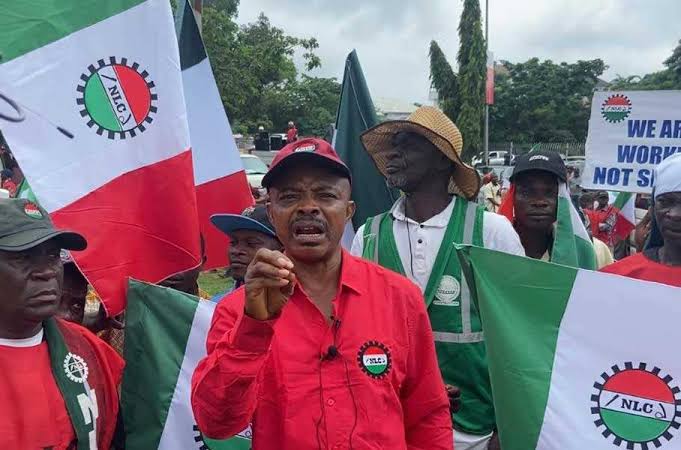
NLC begins strike today after boycotting meeting with FG

By Muhammadu Sabiu

The Nigeria Labour Congress (NLC) chose to boycott a crucial meeting convened by the Minister of Labour and Employment, Simon Lalong, in an attempt to avert the two-day warning strike set in motion by organized labor.

The strike notice, issued last Friday by the NLC, was in response to the ongoing hardships faced by Nigerians due to the removal of the petrol subsidy.

Affiliate unions of the NLC, including the National Union of Air Transport Employees, the Association of Nigeria Aviation Professionals, and the National Association of Aircraft Pilots and Engineers, have jointly directed all stakeholders within the aviation sector to comply with the NLC’s directive to participate in the strike.

Phone calls and text messages made to NLC President Joe Ajaero and General Secretary Emmanuel Ugboaja, seeking clarification on their boycott of the meeting, remained unanswered.

However, only the leadership of the Trade Union Congress (TUC), led by its President Festus Osifo, attended the meeting with government officials.

Osifo emphasized the TUC’s commitment to engaging with the federal government to ensure that the demands of workers are met, particularly with regards to wage awards and palliatives.

Osifo expressed disappointment in the government’s current palliatives, stating that they do not sufficiently address the challenges faced by federal workers.

He called for an increase in the allocated funds for palliatives, which he described as “grossly inadequate.”

In a communique issued by the TUC at the conclusion of its National Executive Council meeting on Sunday, the organization welcomed some of the government’s efforts to alleviate the impact of subsidy removal on workers.

However, it emphasized the need for long-term solutions beyond palliatives.Minister Lalong, during the meeting, outlined the government’s commitment to addressing workers’ concerns.

He set a two-week timeline for wage awards, tax exemptions, and allowances for public sector workers to mitigate the hardships arising from subsidy removal.

Lalong pleaded with the labor unions to convince their affiliate unions to suspend the impending strike.

He reassured workers that the government values their support and understanding, emphasizing the importance of industrial peace for the nation’s progress.

The situation remains tense as the NLC’s boycott and the involvement of affiliate unions in the strike bring the nation to the brink of a major labor dispute.

Negotiations between the TUC and the government will play a pivotal role in determining the outcome and the impact on the labor force and the Nigerian economy.

Iranian president praises African nations’ stand against ‘colonialism’

By Muhammadu Sabiu 

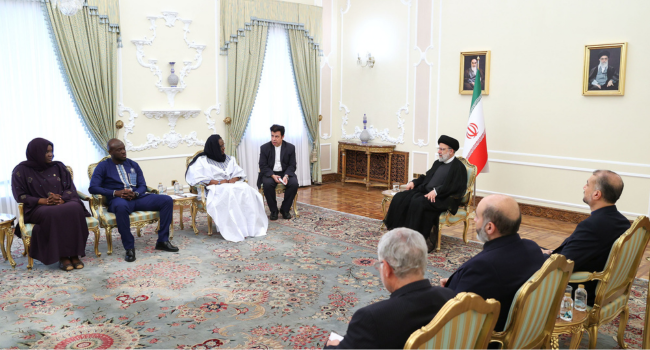
Iranian President Ebrahim Raisi applauded the steadfast resistance of African countries against colonialism and terrorism during a diplomatic meeting with Burkina Faso’s Foreign Minister Olivia Rouamba on Monday. 

While not explicitly naming France, President Raisi’s remarks were seen as a recognition of African nations’ efforts to assert their sovereignty. 

Burkina Faso and Mali, both currently under military junta rule, have notably severed military ties with France, their former colonial ruler, in favour of bolstering relations with Russia. 

Niger, which experienced a military junta takeover in July, has been marked by widespread protests demanding the withdrawal of French troops, harking back to its colonial history. 

In his meeting with Foreign Minister Rouamba, President Raisi commended the African countries for their resilience and resolve. He described their stance as a “sign of vigilance and awakening,” underscoring the importance of nations safeguarding their independence. 

The Iranian presidency’s official website published a statement quoting President Raisi’s words of appreciation for African countries’ principled stand against colonialism and terrorism. 

While diplomatic relations between Iran and the African nations were not the primary focus of the meeting, the implicit message of solidarity resonated with those advocating for self-determination and autonomy in the face of historical colonial ties. 

This meeting marks another instance of international relations being influenced by the evolving geopolitical landscape as African nations navigate their path towards sovereignty and redefine their partnerships on the global stage.

Kaduna governor approves full implementation of consolidated salaries for resident doctors

By Muhammadu Sabiu 

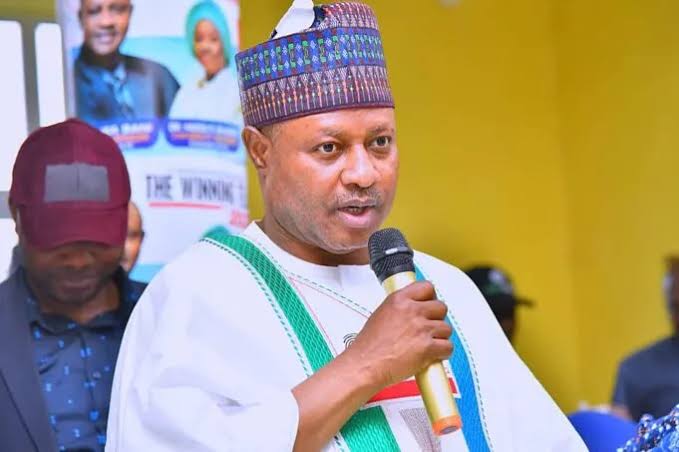
In a significant move aimed at improving healthcare services in Kaduna State, His Excellency Senator Uba Sani, the Governor of Kaduna State, has approved the immediate implementation of the 2014 Consolidated Medical Salary Scale (CONMESS) for resident doctors working under the Kaduna State Ministry of Health.  

This decision was made during a media chat held on Sunday, September 3rd, 2023, as part of the governor’s 100 days in office celebration. 

The announcement comes after extensive negotiations with striking doctors, which revealed that resident doctors in the Ministry of Health were receiving only 75% of the 2014 CONMESS, while their counterparts at Barau Dikko Teaching Hospital enjoyed 100% of the CONMESS. 

Starting in September 2023, this approval ensures that resident doctors in the Ministry of Health will now be on par with their peers at Barau Dikko Teaching Hospital, potentially boosting productivity and attracting more medical professionals to the state. 

Governor Uba Sani also disclosed during the live media chat, broadcast across major radio stations in Kaduna, that the recruitment of 89 medical doctors was authorised to address the staffing gap identified in 2017.

This initiative reflects the administration’s commitment to enhancing doctors’ morale and improving access to quality healthcare for Kaduna residents. 

Furthermore, Governor Sani emphasised the administration’s dedication to primary healthcare, noting the recent distribution of advanced medical equipment to upgraded primary health centres, aimed at ensuring every citizen or resident has access to primary healthcare within a kilometre of their residence.

Why the world needs more oil, not less

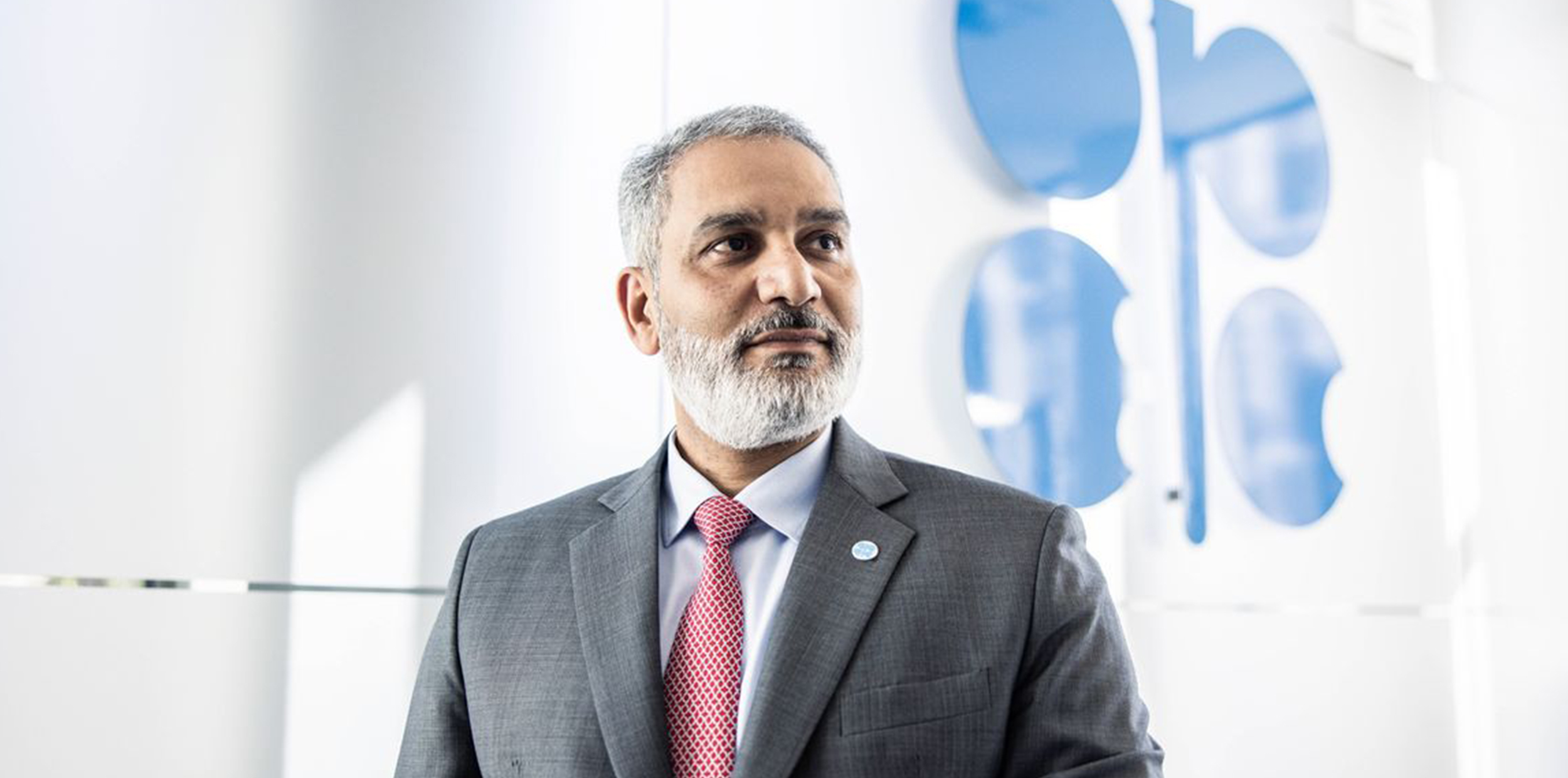
By Haitham Al Ghais

What do toothpaste, deodorant, soap, cameras, computers, gasoline, heating oil, jet fuel, car tires, contact lenses and artificial limbs have in common?

If oil vanished today, these and many other vital products and services that use oil or its derivatives would vanish too. Transportation networks would grind to a halt, homes could freeze, supply chains would crash, and energy poverty would rise.

The World Energy Report for 2022, published by the UK-based Energy Institute and consulting firms KPMG and Kearney, noted that fossil fuels constituted 82% of global energy in 2022. This is comparable to OPEC’s latest world oil outlook and represents a similar level to 30 years ago.

Why then do most energy transition debates disregard the critical role that commodities like oil and gas continue to play in improving lives, fostering stability and energy security, as well as related industries’ efforts to develop technologies and best practices to reduce emissions? The scale of the climate change challenge is daunting, but meeting the world’s rising energy demand and mitigating climate change do not have to exist in a vacuum or be at odds with each other.

Rather, the world should act to reduce emissions and ensure that people have access to the products and services they need to live comfortably. Towards these goals, OPEC members are investing in upstream and downstream capacities, mobilising cleaner technologies and deploying vast expertise to decarbonise the oil industry. Major investments are also being made in renewables and hydrogen capacity, carbon capture utilisation and storage — as well as in promoting the circular carbon economy.

The bottom line is that it is possible to invest heavily in renewables while continuing to produce the oil the world needs today and in the coming decades. This approach also contributes to global stability at a time of volatility and is critical given that history shows that energy transitions evolve over decades and take many paths.

Take electric vehicles: Although the Toyota Prius became the world’s first mass-produced hybrid vehicle in the late 1990s, an analysis from the U.S. National Automobile Dealers Association noted that sales of hybrids, plug-in hybrids and battery electric vehicles (BEV) accounted for only 12.3% of all new vehicles sold in the U.S. in 2022.

While the rising popularity of electric vehicles is indisputable, total sales of BEVS also made up only 19% of new car sales in China last year. Similarly, in the EU, vehicles using petrol or diesel still accounted for around half of all car sales in 2022.

Thus, when it comes to the transportation sector – and indeed many other fields – it is clear that it would not be prudent to ignore that billions of people across the globe rely on oil and will continue to do so for the foreseeable future.

This becomes even more pressing when coupled with the investment needed to meet the rising demand for energy, ensure energy security and affordable access, and lower global emissions in line with the Paris Agreement.

Rising demand for energy

The world’s population is growing. OPEC’s World Oil Outlook (WOO) for 2022 sees it increasing by 1.6 billion people through 2045, while United Nations statistics note growth to around 10.4 billion by 2100.

In parallel, OPEC’s estimates that global energy demand will increase by 23% to 2045. Within this, oil demand is projected to increase to around 110 million barrels a day (mb/d). Thus, it is clear that oil will continue to be an essential part of the global energy infrastructure for decades to come. This is in stark contrast to the many proclamations of past decades that the age of oil was over. Indeed, contemporary demand is close to an all-time high and will rise by close to 5 mb/d in 2023 and 2024.

No single form of energy can currently meet expected future energy demand; instead, an “all-peoples, all-fuels and all-technologies” approach is required. As such, OPEC member countries are ready, willing and able to provide the affordable energy needed to cater towards these future energy needs, all the while reducing their emissions and helping eradicate energy poverty in doing so.

The UN notes that more than 700 million people still lack access to electricity, and almost one-third of the global population uses inefficient, polluting cooking systems. Daily life is not about cars, laptops or air conditioning for these people; it is about basic access to heat and electricity. To provide adequate and affordable universal energy access, and eradicate energy poverty, oil can and will play a key role in developing countries. The Global South has been – and continues to be – very clear about this; is the Global North taking heed?

Investment in oil is critical for energy security

Another worrying reality across the globe is that not enough investment is going into all energies. Looming oil demand growth alone necessitates far more investment if a sustainable supply is to be maintained.

Oil will make up close to 29% of global energy needs by 2045, with an investment of $12.1 trillion needed by then — or over $500 billion a year — but recent annual levels have been far below this.

The consequence of failing to invest adequately in oil is hammered home by recent OPEC Secretariat research outlining that in five years, there would be a staggering oil market deficit of 16 million barrels per day between forecasted rising global demand and supply if investments into upstream activities were stopped today — as some are calling for.

The oil industry has played a central role in improving billions of lives to date. If it is to continue to do so, and if the world is serious about implementing orderly energy transitions and meeting future energy demand while ensuring energy security for all, chronic under-investment in the industry needs to be remedied swiftly.

Ahead of this year’s United Nations Climate Change Conference (COP28) in the United Arab Emirates – where the world will evaluate progress on the Paris Agreement – COP28 President-Designate Dr Sultan Ahmed Al Jaber said the world needs “maximum energy, minimum emissions.” A healthy degree of pragmatism will be necessary to achieve this goal, especially given the clear need to utilise all energies if we are to meet the world’s current and future energy demands.

Ultimately, no people, industry or country can be ignored, and we believe that discussions at this year’s COP28 will reflect this. After all, history is filled with numerous examples of turmoil that should serve as ample warning for what occurs when policymakers fail to take on board energy’s interwoven complexities.

Al-Ghais is the Secretary General of the Organization for the Petroleum Exporting Countries (OPEC).
Obasanjo denies involvement in $6bn hydropower project

By Ahmad Deedat Zakari

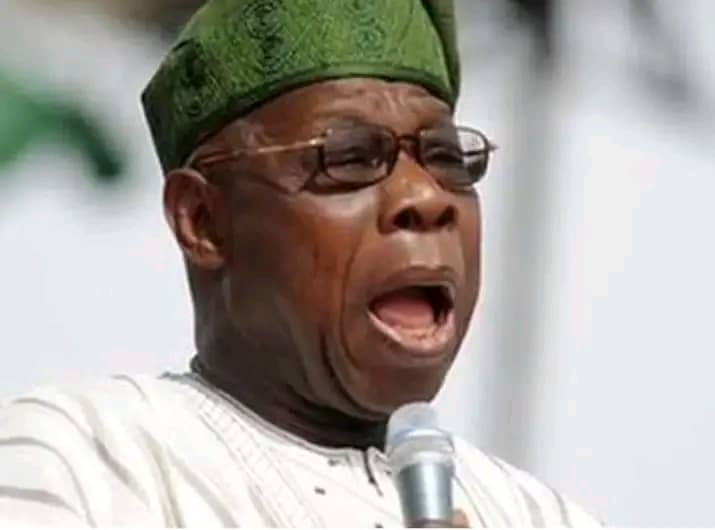
Nigeria’s former president, Olusegun Obasanjo, has denied any involvement in the $6bn hydropower contract awarded to Sunrise Power and Transmission Ltd in 2003.

Obasanjo challenged Olu Agunloye, the former minister of power and steel, to tell Nigerians where he derived the authority to award a $6 billion contract to Sunrise Power and Transmission Ltd in respect of the Mambila Hydropower Project in 2003.

Sunrise Power is currently in arbitration with Nigeria at the International Chamber of Commerce (ICC), Paris, France, over an alleged breach of contract by the federal government.

In the first arbitration, Sunrise is asking for a compensation of $2.3 billion, claiming it had spent millions of dollars on financial and legal consultants before the contract was jettisoned.

In the second one, the company is asking for a $400 million settlement being the terms of the agreement it entered with the federal government in 2020 to end the arbitration.

Nigeria is fighting the claims on the grounds that Agunloye, who suspiciously awarded the contract one week to the end of his tenure as power minister in 2003, acted illegally.

In an interview with The Cable during the weekend, Obasanjo denied authorising Agunloye to commit Nigeria to the $6 billion “build, operate and transfer” contract.

“When I was president, no minister had the power to approve more than N25 million without express presidential consent. It was impossible for Agunloye to commit my government to a $6 billion project without my permission and I did not give him any permission,” Obasanjo disclosed in the interview with The Cable.

Obasanjo challenged Agunloye to explain where he got the power and authority.

“If a commission of inquiry is set up today to investigate the matter, I am ready to testify. I do not even need to testify because all the records are there. I never approved it,” Obasanjo said.

“When he presented his memo to the federal executive council (on May 21, 2003), I was surprised because he had previously discussed it with me and I had told him to jettison the idea, that I had other ideas on how the power sector would be restructured and funded.

“I told him as much at the council meeting and directed him to step down the memo. I find it surprising that Agunloye is now claiming he acted on behalf of Nigeria. If I knew he issued such a letter to Sunrise, I would have sacked him as minister during my second term. He would not have spent a day longer in office.”

The former president also said Leno Adesanya, the promoter of Sunrise Power, ran away from Nigeria when he was president.

“I would have jailed him if he was in the country because of the things I knew about him. After I left office, he returned and I saw him. I told him that he was lucky I was no longer president. Otherwise, I would have jailed him,” He told The Cable.