Month: August 2023

War is not an option – MURIC cautions Tinubu on Niger coup

By Abdurrahman Muhammad

The Muslim human rights advocacy group, the Muslim Rights Concern (MURIC), has sounded a note of caution to the Economic Community of West African States (ECOWAS), a regional bloc under the leadership of President Bola Ahmed Tinubu, to shelve the idea of invading Niger Republic to reinstate the former President Muhammad Bazoum, who was unceremoniously ousted and detained by the military junta on 26th July 2023.

The Muslim rights organisation was reacting to a letter written and sent to the Senate and read on the floor of the red chamber by the President of the Senate, Godswill Akpabio, Friday, 4th August 2023.

In the letter, President Tinubu listed several measures already taken to pressurise the soldiers behind the coup to release and reinstate President Bazoum. 

Some of the measures in place included cutting off the electricity supply to the Niger Republic, mobilising international support for the implementation of the provisions of the ECOWAS communique, closure and monitoring all land borders with the Niger Republic and reactivating the border drilling exercise, as well as military build-up and deployment of personnel for military intervention to enforce compliance should the military junta remain recalcitrant.

While strongly condemning the unconstitutional change of government in the Niger Republic, MURIC believes the handling of the situation by the ECOWAS is harsh, unpragmatic and may be counterproductive.

MURIC’s position was contained in a statement released on Saturday, 5th August 2023, by the Chairman of its Kano State Chapter, Malam Hassan Sani Indabawa.

The statement further states:

“Military action should never be an option in solving the problem of change of government in the Niger Republic due to the current and historical relationship between Niger and Nigeria, two brotherly neighbours in West Africa. Relations between the two countries are based on a long shared border and common cultural and historical interactions.

“Citizens of Nigeria and people living in Niger are predominantly Muslims and share a solid socio-cultural and religious affinity. Nigeria also shares about 1,500 kilometres of land border with Niger.

“The Nigeria-Niger border is artificial. It was drawn in the colonial period by London and Paris, a process driven in part by the desire to check German expansion in West Africa rather than recognition of ethnicities or other indigenous factors. 

“Border crossings are also practically impossible to control. In many ways, Niger and northern Nigeria have much in common culturally, and the local language of both regions is Hausa.

“Significantly, Nigeria should maintain its age-long foreign policy of non-interference in the internal affairs, especially of a friendly neighbour.

“Before Niger, there were some unconstitutional changes of government in at least three Sahel countries, sharing the same historical and common border with the Niger Republic. Non of the countries were attacked, even though some of the countries are home to military bases of some European and US forces.

“Since 1990 till date, there have been 44 coups and 41 failed attempts in Africa. The fewest attempts, 13, came in the period between 2000 and 2009, compared with 36 attempts between 2010 and 2019 and then ten attempts since 2020 till date. The latest is that of the Niger Republic, carried out on 26th July 2023.

“The Nigerien transitional military government has already warned against any external intervention. On Wednesday, 2nd August 2023, its counterparts in Mali and Burkina Faso warned that they would treat any attempt to restore Bazoum to power militarily as a “declaration of war” against them, and it would split ECOWAS.

At the home front, the internal convulsions will escalate as the Oduduwa Republic, Arewa Republic, Biafra secessionists, Niger-Delta separatists, and other sundry anarchists may have a field day with the opening of another avoidable conflict theatre.

“Already, European countries have started the evacuation of their nationals in Niger, as Mali, Burkina Faso, and Guinea expressed support for the coup.

“Military interventions could certainly be unpopular in Nigeria and possibly lead to violent and widespread protests. This could only aggravate the worsening security situation in Nigeria.

“The situation in Niger Republic, like the rest of Africa, is an African problem that requires African solutions; going to war should never be one of those solutions. 

“It is more to do with the oppression and domination of France, the former colonial power that refused to allow her former colonies their rights to true independence.

“In the end, we call on President Tinubu, as a listening leader, to immediately withdraw the letter he sent to the Senate and toe the path of dialogue and diplomacy. 

“We also call on the Senate to flatly reject Mr President’s ill-advised request for its counterproductive and far-reaching, negative consequences that may only worsen Nigeria’s economic and socioeconomic conditions.

“We further call on Muslim faithful and other faith-based groups to intensify prayers for Allah the Most High to avert any disaster that may spell doom for Nigeria and Africa.”
A socio-religious analysis of Davido’s protege, Logos Olori ‘Jaye Lo’ video

By Hassan Idris

Discussing trending and contentious topics has never been my preferred inclination, not because of a lack of opinions or the ability to articulate them but rather due to the potential conflicts it may engender with those who hold me in high esteem. Nonetheless, today, I shall delve into the trending and contentious subject matter that has generated a whirlwind of discourse on social media, polarising individuals along sectarian, regional, and religious lines and culminating in mutual vilification.

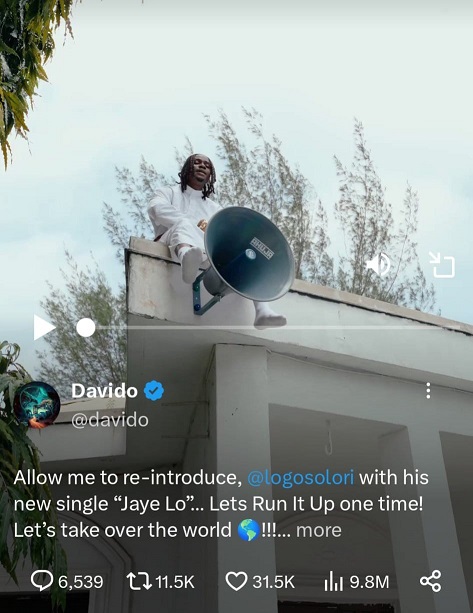
Specifically, I aim to scrutinise the 45-second video released by the Nigerian music sensation David Adeleke, famously known as Davido. In this video, men donned in white jalabia and caps dance boisterously in front of a mosque immediately after partaking in prayers. Adding further intrigue, Logos Olori, Davido’s protege, occupies a prominent spot atop the building’s roof.

Notably, even though the singer makes mention of the phrase ‘Alhamdulillah’ (praise be to God), the video and the accompanying song have been met with severe disapproval from many Nigerians and fans, particularly among the Muslim community, who perceive it as an affront to Islam. They vehemently demand an apology, accusing Davido of disrespecting their religious practices by intermingling sacred rituals with song and dance.

Despite the mounting pressure, Davido finally relents and takes down the video after two days of receiving criticism, opting for a predominantly silent stance and refraining from issuing formal apologies. Notably, Professor Wole Soyinka, in a surprising twist, urges Davido not to apologise for releasing the ‘Jaye Lo’ video, asserting that dancing in front of the mosque does not possess the provocative connotation purported by some.

Among the voices calling for an apology from Davido are prominent Muslim faithful such as Ahmad Ganga, Ali Nuhu, Ashraf Yaman, Ayaat Saeed, Basira Ugochi, and numerous others. Conversely, some Muslims have countered this demand, contending that the singer’s lyrics and actions did not overtly denigrate the Islamic faith. Furthermore, they argue that the video was not intended to ridicule Islam but reflected a cultural norm in Yoruba society.

Additionally, they highlight the existence of Islamic sects, such as the Tijjaniya and Shi’ite, in the northern region, who employ the Mandiri drums as part of their worship practices, thus, indicating that some Muslims themselves engage in similar expressions of religious celebration, with no objections from the community. Before delving into the sociological perspective of religion, it is imperative to recognise the profound significance of religion, particularly in Africa. For many Muslims, it is not merely the song or the jalabiya donned in the video that raises concern, but rather the potential mockery of prayer, a cornerstone of Islam, considered sacred and inviolable. It stands in stark contrast to profanity and warrants utmost respect.

Comparatively, other musicians like Naira Marley may espouse diverse perspectives, yet their words do not evoke similar anxieties. For instance, Naira Marley’s song proclaims, ‘God is the driver, while the Prophet (SAW) is the conductor,’ which, despite its unconventional nature, does not overtly trivialise prayer. Indeed, if Naira Marley had ventured into such territory, he would likely have faced a similar backlash. In response to the contention that some Islamic sects might engage in activities akin to the video’s content, it is essential to discern that while various expressions of worship exist, dancing during prayers remains absent from any Islamic sect. Moreover, the significance of the mosque, as elucidated in the Qur’an, holds paramount importance for Muslims, who regard it as the most sacred and cherished space in their lives. Thus, actions that appear to contradict the mosque’s sanctity are naturally met with vehement objection.

As for Professor Wole Soyinka’s intervention, his failure to fully grasp Nigeria’s religious and multicultural fabric, coupled with his atheistic beliefs, may have influenced his hasty entry into this contentious issue without considering the multifaceted perspectives. Thus, there seems to be an underlying layer of ethnocentrism at play, though it is crucial to clarify that this observation is not intended to belittle Soyinka in any manner.

Turning our attention to Durkheim’s Elementary Forms of Religious Life, the philosopher Charles Taylor’s elucidation of religion as a comprehensive system of beliefs and practices encompassing human existence and its relation to the ultimate conditions of being and other human beings presents a multifaceted framework for analysis.

Durkheim’s seminal work contends that religion is not confined to individual beliefs and practices but rather constitutes a sociological phenomenon that both shapes and is shaped by society. Central to his argument is the concept of ‘collective representations,’ which denotes shared symbols and ideas that foster cohesion among individuals, binding them together in a collective community. Collective effervescence, a cornerstone of religious experience according to Durkheim, entails the shared emotions and sense of unity that emerges when people unite for a common purpose, often manifested in rituals and communal activities.

Furthermore, Durkheim’s delineation of the ‘sacred’ and the ‘profane’ elucidates the fundamental distinction between holy or special elements (the sacred) and the mundane aspects of everyday life (the profane). The video in question seemingly breaches this sacred-profane dichotomy, incorporating elements considered sacred within a context that may trivialise their significance. To elucidate the connection between Durkheim’s ideas of the sacred and the profane, the concept of totemism emerges as an essential component of his thesis.

Totemism encompasses groups of individuals coalescing around a common totem, an emblematic object or animal that symbolises the collective community. The totem, imbued with sacredness, serves as a focal point in rituals and ceremonies, forging a shared sense of identity and unity within the group. By drawing this parallel, the video can be perceived as appropriating religious attire and symbols, potentially attenuating their original sacred import.

Moreover, Durkheim’s concept of ‘mana’ merits consideration of the video’s content. Mana constitutes a spiritual force or energy believed to inhabit sacred objects or spaces. Often linked to animism, the notion that objects and locations possess spirits or souls, ‘mana’ illustrates how the sacred imbue objects and places with special significance. Here, the video’s portrayal of dancing immediately after prayers may be construed as desecrating the sacredness associated with the mosque. As Durkheim transitioned his focus to modern societies, the idea of ‘mechanical solidarity’ comes into play, wherein traditional societies cohere through shared values and beliefs among relatively homogeneous groups.

Comparatively, ‘organic solidarity’ characterises contemporary societies, wherein specialised social bonds form through the division of labour, with various individuals and groups performing distinct functions. The video, juxtaposing modern entertainment (the dance) within the context of a sacred religious space, potentially mirrors the fragmentation and diminished shared values observed in present-day society, evoking notions of anomie.

As a sociologist and poet, I believe some may perceive the Muslim community’s response to Davido’s music video as an overreaction. While concerns are warranted, approaching the issue with knowledge and wisdom, as instructed in the Qur’an, would have been more constructive. Addressing Davido’s actions maturely and knowledgeably could have fostered a more amicable resolution. However, amidst the controversy surrounding the video, it is crucial not to lose sight of the pressing issues in the North, such as kidnapping, terrorism, and poverty, which demand urgent attention and resolution. Calling for uniformity in addressing these challenges alongside the concerns over the music video could have a more significant impact in addressing social issues and fostering a sense of collective responsibility.

Furthermore, it is essential for everyone, regardless of their religious background, to respect and understand the beliefs and cultures of others. Ethnocentrism and a lack of cultural relativity can perpetuate societal misunderstandings and divisions. Respect for all religions, and their sacred practices, should be upheld, emphasising the need for mutual understanding and harmony among diverse communities.

In conclusion, when scrutinising Davido’s music video from a Durkheimian sociological perspective, many potential issues concerning the sacred and the profane in religion emerge. The video’s portrayal of dance immediately after prayers and its use of religious symbols may be perceived as disrespectful and culturally insensitive by some Muslim community members. Moreover, its potential impact on social cohesion and integration in Nigeria’s diverse and multicultural society warrants introspection. Both sociologists and individuals must remain cognizant of religious sensitivities while striving for a profound understanding of different religious practices, fostering mutual respect and harmony within society.

While the controversy surrounding Davido’s music video persists, individuals and communities must engage in constructive dialogue, foster mutual respect, and address societal challenges with collective responsibility. Religion is paramount. It should be treated with reverence, regardless of the particular faith. Let us strive to uphold the principles of knowledge, wisdom, and cultural relativity in our interactions, aiming for a more cohesive and harmonious society. May we all be guided right in our actions and decisions.

Hassan Idris is a Sociologist & Poet and can be contacted via idrishassan25@yahoo.com.

Mbappé reportedly ‘rejects’ PSG’s latest offer to extend his contract

By Muhammadu Sabiu
 
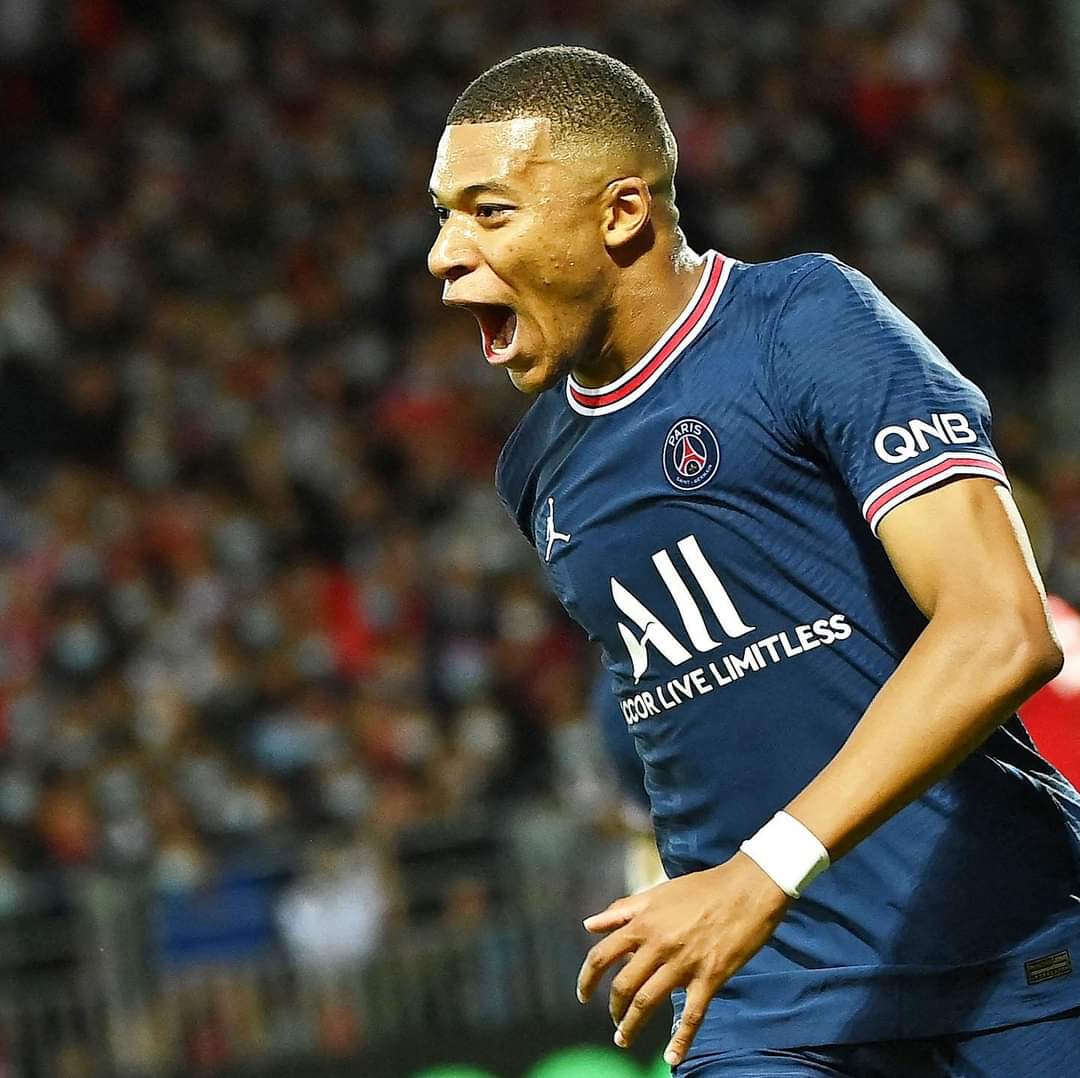
French football sensation Kylian Mbappé has reportedly rejected Paris Saint-Germain’s latest attempt to extend his contract.
 
The club’s offer included a guaranteed sale clause scheduled for the summer of 2024.
 
Mbappé, who has previously declined offers, remains resolute in his decision to part ways with PSG.
 
Despite the new proposal, he has no intention of accepting any deal that would tie him down to the French club.
 
Rumours suggest that Mbappé’s heart is set on a move to Real Madrid. PSG, on the other hand, remains adamant in their belief that the star forward is determined to secure a transfer to the Spanish capital, but they are pushing for the transfer to happen in the summer of 2024 on a free deal.

Senate rejects Tinubu’s request for military intervention in Niger Republic

By Ahmad Deedat Zakari

The Nigerian Senate has turned down the request of President Bola Ahmad Tinubu, to send Nigerian troops to Niger Republic.

President Tinubu, who also doubled as the Chairman of the Economic Community of West African State (ECOWAS), had sought the approval of the Nigerian Senate for military intervention in Niger Republic.

The Senate condemned the coup d’etat in Niger, but advised the President and ECOWAS to explore other options in bringing peace to the country.

The Senate while condemning the Niger coup in totality, commended President Bola Tinubu and other Heads of State of the other States of ECOWAS for their prompt response and the positions taken on the unfortunate development in Niger Republic.

While turning down the request of the president after the meeting, the President of the Senate, Godswill Akpabio, said that.

“The Senate recognises that President Tinubu via his correspondence has not asked for the approval of the parliament of this Senate to go to war as erroneously suggested in some quarters.

“Rather Mr President has expressed a wish to respectfully solicit the support of the National Assembly in the successful implementation of the resolutions of the ECOWAS as outlined in the said communication.


The Senate calls on the president of the Federal Republic of Nigeria as the chairman of ECOWAS to further encourage other leaders of ECOWAS to strengthen political and diplomatic options and other means intending to resolve the political compass in Niger Republic.”

Nigerian Islamic scholars ‘strongly’ oppose use of force in resolving Niger unrest 

By Muhammad Sabiu

In response to the recent political developments in the Republic of Niger, the National Council of Ulama, comprising Islamic scholars from Nigeria, has issued a crucial statement calling for peace and diplomacy in the region.
 
In a communiqué signed by Aminu Inuwa Muhammad and Engr. Basheer Adamu Aliyu, the council expressed deep concern over the coup d’état in Niger and its potential implications for regional stability.
 
The Ulama emphasised the importance of denouncing such actions and protecting democracy and peace in the Sahel region.
 
They asserted that the restoration of democracy in Niger is the right of its people, and any external interference undermines this democratic process.
 
Furthermore, the Council voiced opposition to the use of military force by ECOWAS in resolving the crisis, fearing that armed conflict could exacerbate existing security challenges and lead to devastating consequences for the people of both nations.
 
They called for a peaceful and civilised approach, urging the Nigerian government and ECOWAS to support Niger in returning to the path of democracy through diplomatic means.
 
The Ulama also called on religious groups to promote peace and respect between Nigeria and Niger, emphasising the importance of maintaining strong neighbourly relations.
 
They urged the Muslim community to seek divine intervention through prayer, seeking guidance for the leaders to heed wise counsel and avoid falling into enemy traps.
 
The Council also applauded diplomatic measures and called for continued dialogue with the military leaders in Niger to find a peaceful solution.
 

More than 1.2 million candidates registered to sit for SSCE with us—NECO

By Muhammadu Sabiu 

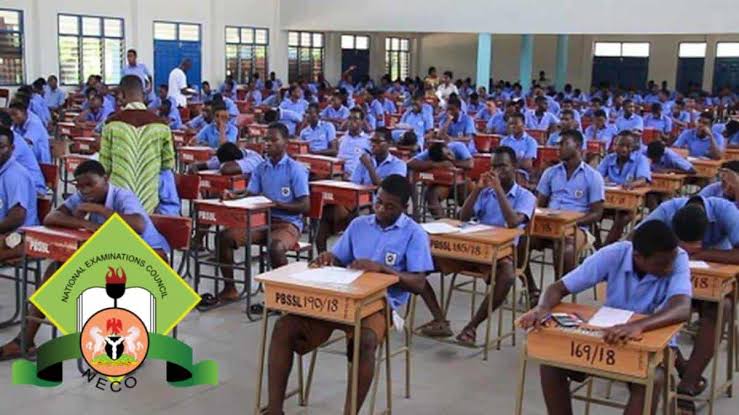
A total of 1,205,888 applicants have enrolled for the current 2023 Senior School Certificate Examination, or SSCE, which is being administered by the National Examinations Council (NECO). 

The Head of Information and Public Relations, Azeez Sani, revealed this in a statement on Friday in Abuja. 

In Jos, while observing the administration of the exam in various schools, Prof. Dantani Wushishi, the NECO registrar, was quoted by Mr. Sani as having stated that 601,074 of the candidates were male and 584,814 were female. 

Based on information gathered from around the nation, he expressed satisfaction with the SSCE’s overall performance in 2023. 

The registrar noted that the 2023 SSCE, which will be finished next week, was the best organised in recent years.

Chelsea completes £25m signing of goalkeeper Robert Sánchez

By Muhammadu Sabiu

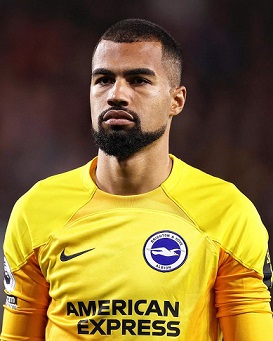
Chelsea Football Club has secured the services of Spanish goalkeeper Robert Sánchez for a reported £25 million package.

The news comes as a delightful surprise for fans and football enthusiasts, signalling the club’s intent to bolster their squad for the upcoming season.

The 24-year-old shot-stopper has shown immense promise and potential during his time with Brighton & Hove Albion, gaining recognition for his shot-stopping abilities and excellent distribution skills.

Tinubu removes Maryam Shetty as ministerial nominee

By Ahmad Deedat Zakari

President Bola Ahmad Tinubu has reportedly withdrawn the nomination of Maryam Ibrahim Shettima as a minister in his government. 

According to reports, the 44 -year-old Kano lady, popularly known as Maryam Shetty, has been yanked off the lists of ministerial nominees. 

Maryam Shetty, a famous political and social activist and social media personality, was nominated the President Tinubu on Wednesday.

Sources confirmed that she was told her name was removed from the list upon her arrival for screening in the Senate. 

The reasons for withdrawing Maryam Shetty’s nomination have not been made public. However, former Nigerian Minister of Labour, Festus Keyamo, was added to the new list sent to the red chamber.

Does bail mean acquittal? 

By Abba Kyari Mohammed

In the Nigerian legal system, terms such as bail, discharge, conviction, acquittal etc., have always confused the non-lawyers, leading them to take erroneous stands over some issues. Anytime there is a high-profile trial before our courts and bail is granted to the accused person, Nigerians will curse the entire justice system describing it as weak, ineffective and a system that rigs itself to favour the rich – all because the courts exercise powers vested in them in a constitutional way to preserve the rule of law. 

I, therefore, find it pertinent to clarify some of these terms so Nigerians will stop bashing the judiciary and can redirect their anger to the right quarters while recognising their rights in the event they come in contact with the justice system, which for all intent and purposes is there to dispense justice in the best possible way. 

Let’s start with Bail, which is what always sparks the uproar in Nigeria, especially on social media, where you expect people to have become conversant with this term yet have somehow been misconstrued to mean absolute discharge and even exculpation from the charges for which the person on bail is being tried. 

Bail simply means a temporary or conditional release of a person arrested, charged or convicted of a crime. It’s granted by the police pending the investigation of a matter before it, by the court when the case is pending determination, and by the court pending an appeal when a person must have been convicted (Which is rare and only under compelling circumstances).

When bail is granted, it doesn’t mean the person is exonerated of the charges; it only means that he is released on the condition that he attends his trial until the end. In the end, the court may find him guilty, then sentence him(punish) or not guilty, and discharge and acquit him(release and exonerate) of the charges. 

Why grant bail? 

Some may ask why grant bail to people who have done despicable things. Why not convict them outright since all the facts are as clear as crystal, such as having video evidence, a confession etc? There are so many whys on our minds; perhaps, this may explain. 

To start with, under Nigerian Law, there is the Presumption of Innocence under section 36(6) of the Constitution of the Federal Republic of Nigeria 1999 as amended. It means every person charged with a criminal offence shall be presumed innocent until proven guilty by a court. To prove a case before the court in Nigeria, there are procedures and requirements laid down by the law which must be complied with. It’s not enough for the media or anyone to believe the accused person is guilty or the amount of evidence people think there is. This means that the presumption of innocence can only be rebutted when a person is convicted for the offence charged by the court. 

Premised on the above, persons charged with an offence (since they are innocent) are entitled to the right to personal liberty generously guaranteed by section 35 of the Constitution and cannot be derogated except in the circumstances justified by the Constitution or other extant laws. This means bail is a constitutional right enjoyed by persons accused of committing crimes, just like all of us do.

The courts, therefore, grant bail not because they are paid off or have regard for the criminals because of their status or offices but because it’s their constitutional right which cannot be trampled upon unless it is legally justifiable. However, bail is only granted upon an application made to the Police or the Court by the accused or his surety(s). It means you must ask the court to release you and explain why it should release you. Some may wonder why many low-profile criminals rot in a dungeon while others are released even though the crimes differ in gravity. The simple explanation is that “They don’t ask”. 

Then discharge. It is similar to discharging a person from the hospital but not entirely the same. Suppose a man has cancer and he was taken to a hospital for treatment, but the family does not have enough money to proceed with the surgery prescribed by doctors; the man is discharged, perhaps, to be brought later when the money is realised or may not be brought depending on the circumstances.

To discharge an accused person by the court doesn’t mean the court finds him innocent, but it means the court is letting him go because there is not enough evidence on the part of the prosecution to ground his trial or the prosecution withdraws the case etc. In these circumstances, the person can be rearrested and brought to court when the prosecution gathers enough evidence, just like in the case of the cancer patient when the family raised enough funds.  

Acquittal means that the court has found the accused person innocent of all the charges preferred against him after carefully looking at the facts and evidence presented by the prosecution. In a criminal trial, the case is said to have been unsuccessful and failed because the prosecution is unable to prove his case beyond all reasonable doubts.  Once the accused is acquitted, the doctrine of autre fois acquits is activated under Section 36 (9) of the Constitution of the Federal Republic of Nigeria [as amended] 1999, which means the person cannot be arrested or tried again for the same offence. It is similar to removing the cancer in the patient. Once it is removed, he is free from it. 

The Take-home therefore are:

Bail is a temporary and conditional release of an accused person pending when his trial is concluded. The accused goes home and always comes to court during his trial. In the end, the court may jail him or set him free. 

Discharge is the release of the accused person by the court but not a declaration of innocence. The person can be rearrested and brought to court again. 

Acquittal is the complete and total exoneration of the accused from the charges after the conclusion of a trial and the evaluation of evidence. 

Abba Kyari Mohammed can be reached via abbakyari2013@yahoo.com. 

Atiku warns against using military force to resolve Niger unrest

By Muhammadu Sabiu

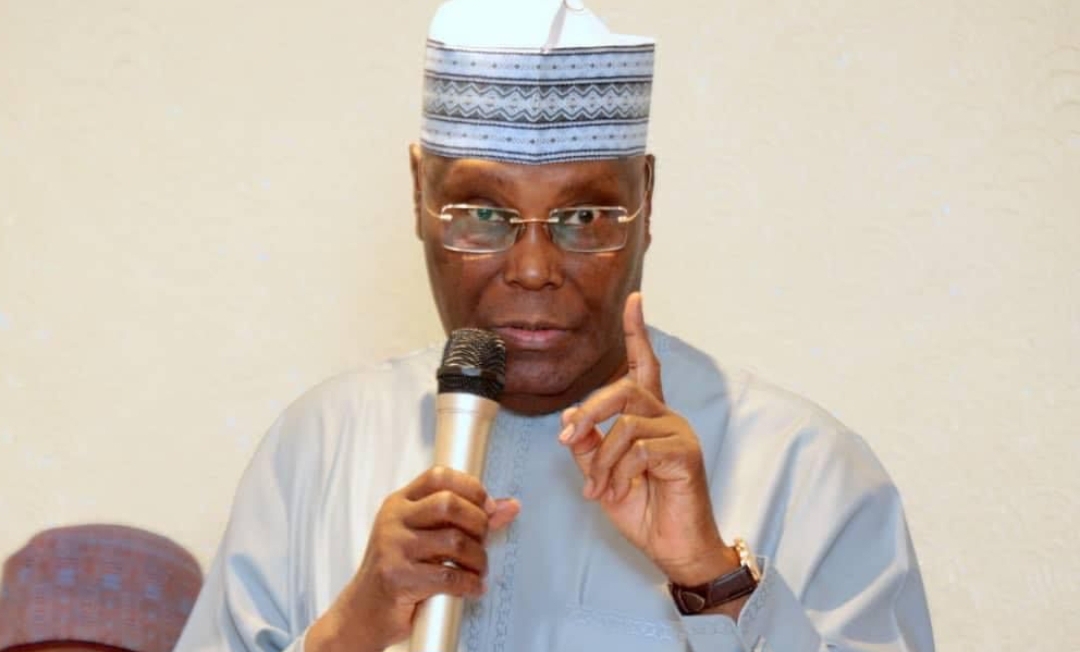
Atiku Abubakar, a former vice president of Nigeria, has cautioned the Economic Community of West Africa (ECOWAS) against using military hostilities to resolve the Niger Republic’s leadership obstacle.

Following coups in neighbouring Mali and Burkina Faso, President Mohamed Bazoum of the Niger Republic was deposed on July 26 by his own guard in the third putsch in the region in as many years.

After the coup in Niger, the regional economic bloc threatened military action.

Atiku criticised the strategy in a tweet on Thursday night, stating that deploying military techniques may make the situation worse.

He contends that the situation calls for diplomatic efforts, which implies that open lines of communication are essential.