Month: July 2023

Combating thuggery in Kano: What is your contribution?

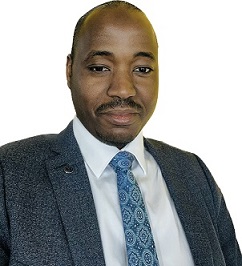
Najeeb Ibrahim

Peace is not just a state of mind which is personal but also that which could be an inter-personal, inter-communal, inter-regional, and global phenomenon.

Kano State is free from bandits and kidnappers in contrast to other northern states like Zamfara, Sokoto, Katsina, and Kaduna. Thus, the state becomes an asylum for many people from different parts of Nigeria. A single issue that bedevils the tranquillity of the state is thuggery (dabanci).

Thuggery has been a threat to the people of Kano for an extended period. It costs many people’s lives and prompts the distraction of many properties. Recently, the abominable act has arisen, forcing people indoors before dusk.

In parts of Gwale local government, two warring parties from Hausawa quarters and their opponents in Kofar Naisa disrupt our peace. They have been fighting each other for a long time. Very recently, Hausawa thugs ventured into the community of Kofar Naisa around 1 am to take revenge for their brother, who was wounded by one of Naisa’s ruffians.

Police tried to quell the fight. They fired several tear gases. One of the tear gas canisters dropped fell in our neighbourhood. The family of the house, including children and a two-month-old baby, wept; the baby even fainted at night. Many car wind glasses were broken, several kiosks were burgled, and the thugs stole many things.

The Kano State police commissioner has been working hard to ensure that thugs and thuggery have no hidden place in the state. In the last two weeks, the commissioner announced some names of thugs’ leaders to surrender themselves. Otherwise, he resolved to fish them out by himself. We are deeply in debt to the enormous effort of the commissioner.

Civilians also have roles to play to surmount the situation in the state:

First, if anyone is known to be in the dirty business of thuggery, offer a piece of useful advice to him. Cite him some references with those who have long been in the messy business. Ask him whether they achieve anything worthwhile in life or not. Tell him soothingly that most end their lives in misery and sycophancy.

Second, if you have the means, help him go back to school. If it is a financial problem that refrains him from furthering his education and he decides to enrol into the school of thuggery, but apart from you, you are not financially stable to assist him, tell someone whom you know can hepl him. It says, “Knowledge is light, and it guides us to the right path”.

Also, avoid dissociating from him, and advise your friends not to do so. Many thugs decry dissociation from their friends; they neither talk to them nor invite them to events like wedding ceremonies and so on.

A similar case happened in Makasa quarters. A retired thug got frustrated by his friends. They dispersed and left him alone if he joined them in their setting place (majalisa). Nobody showed him an appreciation for his withdrawal from his former self.  He became incommunicado in his society.  In the end, anxiety and depression led him to murder himself.

Second, to last, form a youth organisation in your locality. Assemble at least once in a fortnight. Discuss your problems, and offer solutions and pieces of advice to yourselves. Let everyone feels at home with one another.

And finally, report any thugs’ meeting point you know to the police station near you. Do not hesitate. Because as long as thuggery persists in our society, our lives and properties will never be safe.

May Allah guide us to the right path and guide those who have already gone astray amin.

Najeeb Ibrahim wrote from Kano. He can be reached via inajeeb08@gmal.com.

Mane’s agent to meet Al Nassr for negotiations

By Muhammadu Sabiu

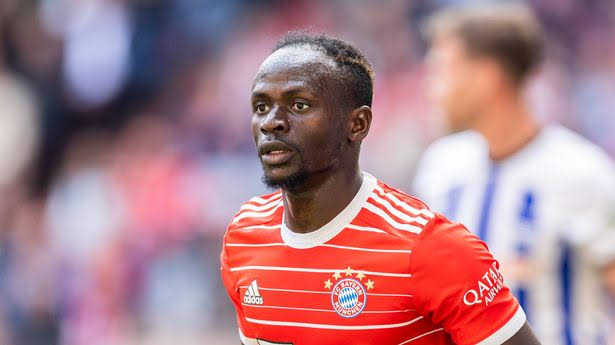
In a significant development in the world of football transfers, it has been confirmed that Sadio Mane’s agent, Roof Björn Bezemer, is set to embark on a trip to Japan to negotiate terms with Al Nassr.

The Saudi Arabian club has expressed keen interest in acquiring the talented winger from Bayern.

Last week, Sadio Mane gave his initial approval for negotiations with Al Nassr, signalling his willingness to consider a potential move to the Middle Eastern club.

However, it’s worth noting that Mane had expressed his desire to stay at Bayern Munich and was adamant about remaining with the team.

Despite the player’s stance, Bayern Munich has decided to part ways with Mane, making it evident that they are open to his departure.

This development has provided Al Nassr with a glimmer of hope to secure the services of the highly regarded footballer.

Roof Björn Bezemer, the intermediary representing Sadio Mane, is now entrusted with the task of sitting down with Al Nassr officials to discuss the terms of the potential deal.

The negotiations are expected to be crucial in determining whether the transfer will come to fruition.

Gov. Ubah Sani makes new appointments 

By Ahmad Deedat Zakari

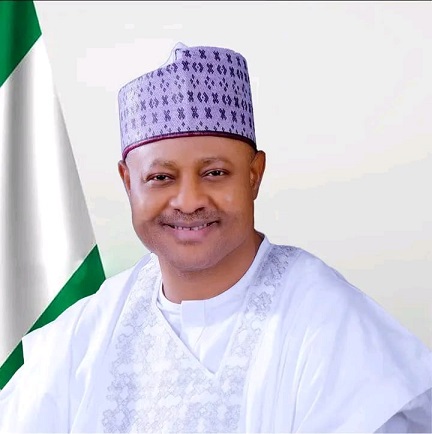
The Governor of Kaduna State, Senator Uba Sani, has approved the appointment of Senior Government Officials to fill key positions in the administration of the State. 

The Chief Press Secretary to the Governor of Kaduna State, Muhammad Lawal Shehu, disclosed the names and biographies of the new appointees in a statement on Tuesday. 

The new appointees, as disclosed by the CPS, include the following :

1. Mohammad Sada Jalal – Director General, Kaduna Geographic Information Service (KADGIS)

2. Jerry Adams – Acting Executive Chairman, Kaduna Internal Revenue Service (KADIRS). Adams will act as the Executive Chairman pending the appointment of a substantive Executive Chairman.

3. Adamu Magaji – Director General, Kaduna State Facility Management Agency 

(KADFAMA)

4. Adamu Samaila – Special Adviser, Labour Matters

5. Amina Sani Bello – Senior    

 Special Assistant, Student Matters 

6. Salisu Ibrahim Garba – Senior Special Assistant, Political Matters 

7. Larai Sylvia Ishaku – Senior Special Assistant, Social Investment Programme 

8. Clement Shekogaza Wasah – Senior Special Assistant, Community Engagement 

9. Waziri Garba – Senior Special Assistant, Administration.

According to the statement, the appointments are based on the proven track records of the appointees and the persons appointed are to resume work with immediate effect.

“The appointments are based on the proven track records of the appointees, their commitment to the service of Kaduna State and the SUSTAIN Agenda of the current administration. They are also people of proven integrity.” Part of the statement reads

Embattled Emefiele arrives court for trial

By Ahmad Deedat Zakari

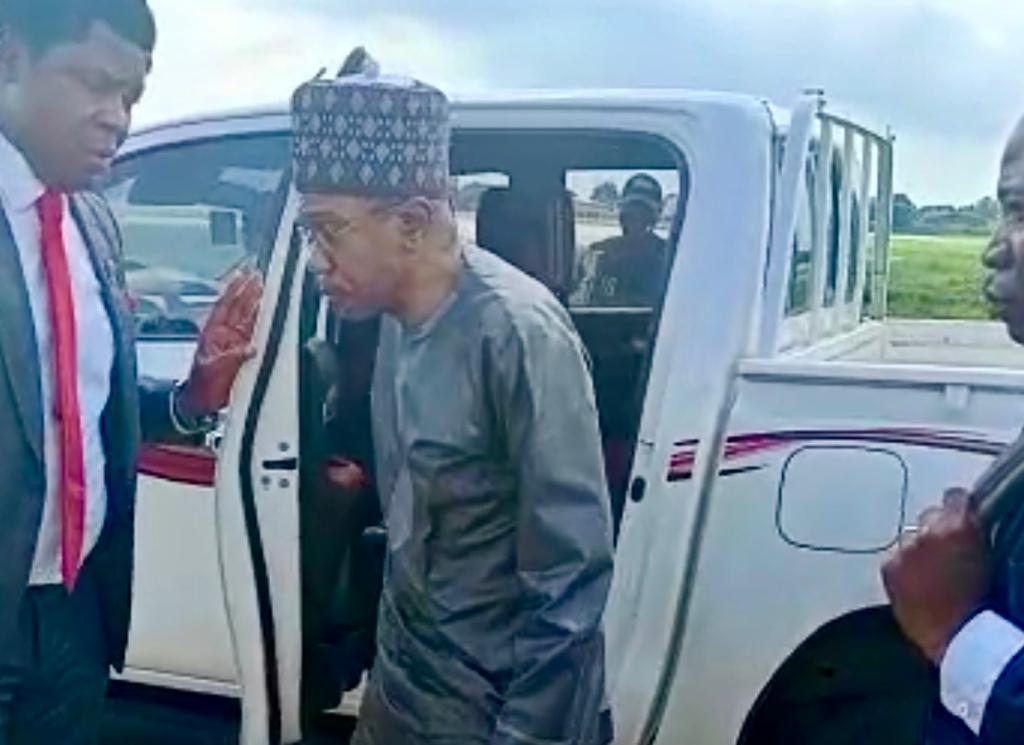
The suspended governor of the Central Bank of Nigeria, Godwin Emefiele, has arrived at the Federal High Court sitting in Lagos for trial. 

The former apex bank boss arrived at the court premises around 9:20 am for trial on the allegations of unlawful possession of firearms. 

He is to stand trial on two counts charge of possessing a single-barrel shotgun (JOJEFF MAGNUM 8371) without a license.

Trouble began for Emefiele on June 9th, when he was suspended by President Bola Ahmad Tinubu to allow investigations into his activities as governor of the apex bank. 

Emefiele was arrested upon his suspension and has been in the custody of the Nigerian secret police since June.

Gov. Namadi appoints managing directors for Jigawa State’s TV and radio stations

By Muhamamad Suleiman Yobe.

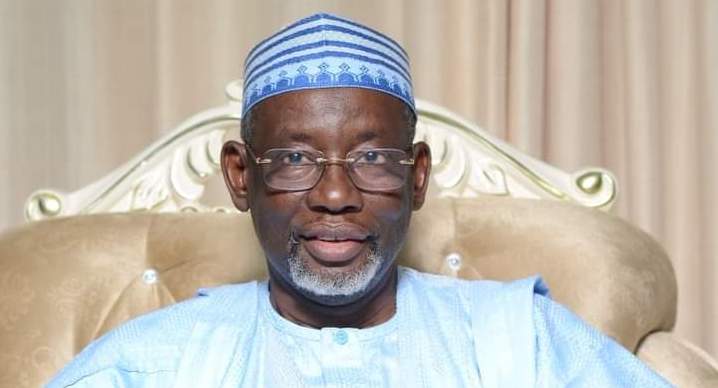
Governor Malam Umar  A. Namadi has approved the appointment of Yusuf Adamu Babura as the new Managing Director, Jigawa State Radio Corporation.

This was contained in a statement signed by the Secretary to the Government of Jigawa State, Malam Bala Ibrahim.

A veteran Journalist, the new Managing Director has been a professional broadcaster. He worked with Radio Nigeria Kaduna and also served as Special Assistant on Radio to the Governor from 2019 to May 2023.

Similarly, the Governor has also approved the appointment of Abba Muhammad Tukur as the new Managing Director of Jigawa State Television station, JTV.

Until his appointment, Abba Tukur was Manager Commercial of the Jigawa State Television JTV.

The statement added that their appointment is based on merit, competence and personal integrity.

Malam Bala Ibrahim urged the appointees to work diligently for the sound execution of the present administration’s policies and programmes.

Both appointments take immediate effect.

Embracing a hybrid mode of working in Nigeria amidst fuel subsidy removal

By Salisu Uba, PhD FCIPS

Nigeria has witnessed yet another transition in government after eight years of the previous administration. In his inaugural address, the newly sworn-in President, Bola Ahmed Tinubu, announced a ground-breaking policy decision to alleviate strain on the government’s finances. He declared the end of the long-standing subsidy on petroleum products, proclaiming, “Fuel subsidy is gone.” While addressing economic challenges, this decision will increase petrol prices and potentially impact other price points. The removal of the subsidy marks a crucial shift. It paves the way for the integration of hybrid and remote working, which holds the potential to positively impact Nigeria’s workforce, productivity, and work-life balance, among other aspects.

Removing the subsidy and transportation and commuting challenges can transform the work landscape in several significant ways. These changes can create opportunities for increased flexibility, renewable energy investment, on-demand workspaces, startups with affordable internet connectivity solutions, and the decentralisation of government ministries and departments away from the centralised Abuja city.

Flexible working, hybrid working, and remote working have emerged as popular modern work arrangements in recent years. Flexible working allows employees to exert some degree of control over their working hours, location, and work structure. It provides the flexibility needed to accommodate individual preferences and needs. Hybrid working combines elements of both office-based work and remote work, enabling employees to split their time between the physical office and remote locations. On the other hand, remote working involves working outside the traditional office environment, often from home or any other external location.

The genesis of these work arrangements can be attributed to various factors. Technological advancements, particularly the widespread availability of high-speed internet, have revolutionised how employees stay connected and collaborate remotely. This technological progress has facilitated the seamless integration of remote work into everyday business operations. The growing demand for work-life balance, increased autonomy, and the pursuit of enhanced productivity and job satisfaction have contributed to the rise of flexible, hybrid, and remote working.

The fundamental distinction between these modern work arrangements and traditional working lies in the level of flexibility and location independence they provide. Traditional working typically adheres to fixed working hours and mandates physical presence in the office for the majority of the workweek. In contrast, flexible, hybrid, and remote working empowers employees with the freedom to choose when and where they work, enabling them to manage both personal and professional responsibilities effectively. 

Since the onset of COVID-19, numerous companies and governments worldwide have embraced hybrid working. With the rising cost of petrol due to the subsidy removal, companies may find increased incentives to adopt more flexible work arrangements. Hybrid and remote working options enable employees to reduce their reliance on commuting, resulting in cost savings and a superior work-life balance. This shift towards flexible work arrangements can potentially increase employee productivity and job satisfaction.

The lack of infrastructure to support remote and hybrid working may raise concerns. However, this challenge should foster innovative thinking and serve as a catalyst for increased investment in renewable energy sources. Nigeria, endowed with abundant renewable energy potential, particularly solar and wind, can leverage this opportunity to diversify its energy mix. By promoting renewable energy infrastructure and technologies, Nigeria can create new job opportunities, reduce dependency on imported fossil fuels, and contribute to global sustainability efforts.

The infrastructure challenges associated with commuting and transportation to offices necessitate the growth of on-demand workspace providers and startups offering innovative solutions. These providers can establish affordable and convenient coworking spaces and shared offices in strategically decentralised locations, catering to the needs of professionals and government workers seeking alternatives to traditional office setups. This trend can encourage entrepreneurship, collaboration, and the development of vibrant startup ecosystems across Nigeria.

Access to reliable and affordable internet connectivity becomes crucial for the changing work landscape. The government and private sector should prioritise investments in broadband infrastructure to ensure widespread access to high-speed internet in urban and rural areas. Affordable internet connectivity can empower remote workers, entrepreneurs, and startups to thrive, promoting digital inclusion and fostering economic growth.

To streamline government operations and mitigate transportation challenges, decentralisation of offices is necessary. Removing the subsidy can serve as a catalyst for decentralising government ministries and departments away from Abuja City. This effort can involve establishing regional offices and administrative centres in different parts of the country, leading to increased accessibility to government services, better coordination with local communities, and the equitable distribution of resources and opportunities.

The future of work in Nigeria presents a ripe opportunity for shaping and thinking differently. The concept of hybrid and remote working has gained significant traction, and with the removal of the subsidy, the traditional work landscape should undergo a paradigm shift. Organisations must reconsider their operational strategies, leading to the rise of hybrid and remote working models. This transformative shift can potentially reshape the Nigerian work culture and enhance overall productivity.

Hybrid and remote working offer numerous benefits to Nigerian employees, such as eliminating the need for daily commuting, saving valuable time, and reducing the stress associated with traffic congestion. Additionally, working from home provides a more relaxed environment, allowing employees to customise their workspace and tailor it to their specific needs. This flexibility enhances work-life balance, fosters a sense of autonomy, and can even improve job satisfaction.

Contrary to conventional beliefs, hybrid and remote working can significantly boost productivity. Employees working remotely often experience fewer interruptions, resulting in increased focus and efficiency. Furthermore, the absence of a rigid office environment allows individuals to structure their day according to their natural productivity cycles, leading to better time management and enhanced output.

Forward-thinking Nigerian employers should embrace hybrid and remote working to remain competitive and attract top talent. By offering flexible work arrangements, companies can tap into a wider pool of candidates from different geographic regions. This allows for diversity in skillsets, perspectives, and experiences, ultimately fostering innovation and driving business growth.

While hybrid and remote working present numerous advantages, they also come with unique challenges that must be addressed. Reliable internet connectivity is crucial for effective remote work, and the government should invest in infrastructure development to ensure widespread access to high-speed internet across the country. Employers must also establish clear communication channels and implement robust remote work policies to maintain collaboration and cohesion among team members.

The removal of the subsidy and the adoption of hybrid and remote working have the potential to stimulate Nigeria’s economy. By reducing transportation costs, employees can allocate their savings towards other essential expenditures, thereby increasing consumer spending. This shift can open doors to new employment opportunities and increase workforce participation, benefiting both individuals and the economy as a whole.

The integration of hybrid and remote working into Nigeria’s workforce is an exciting prospect for the future. As technology continues to advance and businesses adapt, the concept of traditional office-based work may become less dominant. The government, private sector, and individuals must collaborate to create a supportive ecosystem that fosters innovation, provides training in remote work skills, and ensures equitable access to opportunities.

In conclusion, the removal of the subsidy in Nigeria must catalyse the adoption of hybrid and remote working, which offers numerous benefits for employees, employers, and the economy. By embracing this new working model, Nigeria can unlock the potential for enhanced productivity, improved work-life balance, and increased economic growth. Stakeholders must work together to address challenges and create an enabling environment that promotes the successful integration of hybrid and remote working into the fabric of Nigerian society.

Dr Salisu Uba, PhD FCIPS, writes from the United Kingdom.

Contact information LinkedIn https://www.linkedin.com/in/salisuuba/

Twitter changes own logo

By Muhammadu Sabiu 

Elon Musk, the owner of Twitter, and its new CEO announced on Sunday that the social media platform would get rid of its bird emblem, change its name to X, and soon enter the payment, banking, and commerce sectors. 

According to the design website Creative Bloq, Twitter, which was founded in 2006, gets its name from the sound of birds chirping. 

The firm has used avian branding ever since purchasing a stock symbol of a light blue bird for $15. 

Late Sunday night, Twitter CEO Linda Yaccarino tweeted a photo of the company’s new logo: a white X on a black background. She wrote, “X is here! Let’s proceed. 

Later on the same Sunday, Musk also updated his profile image to the business’s new logo, which he dubbed “minimalist art deco,” and his Twitter bio to “X.com,” which now reroutes to twitter.com. 

“If a good enough X logo is posted tonight, we’ll make (it) go live worldwide tomorrow,” Musk tweeted.

Davido, cultural expression and respect: Addressing disrespectful acts in music and comedy

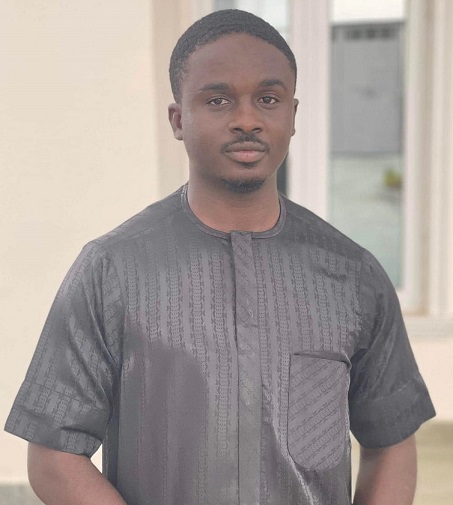
By Muhammad Ubale Kiru

I am glad it happened. I am talking about the controversy around a video song of people dancing in front of a mosque on their praying mats soon after they supposedly finish their prayers. And, Davido shared the offensive video on his timeline on Twitter.

Some individuals mindlessly follow these singers, imitating their style of dressing, adopting their haircuts, imitating their mannerisms, and even trying to talk and walk like them. This has been an issue we have repeatedly addressed.

These musicians often lack respect for your culture and faith; their apparent affection towards their fans is often just a façade. Despite the video causing an uproar on the internet, Davido has refused to take it down, showing how far some of these artists are willing to go to offend others.

Mocking Islam in the manner Davido did is the last thing he should have done. As I have always said, there seems to be a tendency to test the limits of our tolerance. If he faces no consequences this time, he may repeat such actions in the future, and others might follow suit.

I must point out that our Yoruba brothers are not doing justice to Islam either. Many Yoruba comedians also indulge in mocking Islam in similar ways. One example is the well-known comedian Aisha Ibrahim, who partakes in blasphemous shows for entertainment. Regrettably, her Yoruba elders are doing nothing about it. There must be a clear distinction between cultural expression and religious beliefs.

On the other hand, our Christian counterparts must understand that not everything falls under the category of freedom of speech, and not all forms of expression are acceptable. We are often accused of religious intolerance, but how can we be expected to tolerate disrespect towards our faith?

For instance, if a film producer were to create a movie disrespectfully portraying Jesus, such as Jesus being depicted as gay or as a masquerade, that may be a concern for the Christian community, as it may not show proper respect for Jesus (peace be upon him). In Islam, we take such matters very seriously, as our faith prohibits the mockery of other religions.

Let us all strive to stay within the limits of decency and respect. Honouring and respecting other people’s faiths and cultures is crucial, even as we express our own beliefs.

Muhammad Ubale Kiru is a tech enthusiast, social activist and freelancer. He can be reached via muhdujkiru@gmail.com.

Married or marred?

By Abubakar Aliyu

I discussed with a friend about the woman that stabbed her husband to death, and this part of her opinion makes me ponder deeply about our society; “Living with the identity, “the woman that stabbed her husband” when she was just a woman who did not want to be in the marriage to start with.”

I can never trust the sanity of a man who forces himself on a woman that made it clear in the first place that she does not want to be with him. I think only delusional and toxic men—purported alpha men—will find it normal to subdue a woman into marriage despite being vivid that she is not into it.

And you wonder why the same woman you forced into a marriage lets loose of her survival instinct, ignoring all rational and objective views, therefore, prepared to perpetrate unbelievable atrocities to “escape”. At this juncture, nobody cares to come to her aid until what could have been averted—by peacefully ending the marriage—has happened, a society that incited it will be pointing fingers at her.

I understand that no amount of pressure can justify the action of a woman who stabbed her husband to death. But the fundamental driving forces of this preventable menace largely boil down to societal pressure. Society coerces women to accept that being in a marriage—no matter how abusive and toxic it gets—is the best thing that could ever happen to her as a woman.

Islamically, marriage affords a man to marry as many women as he is allowed—not beyond four. To a woman, marriage is a world she is allowed to live in for the rest of her life with one man only. So imagine living the rest of your life with someone you do not love or whom you once loved but turned out to be toxic and abusive! To have a simulation of a woman living in a toxic or forced marriage, picture yourself stuck in a pit latrine for the rest of your life.

Marriage is supposed to be a willing union of mutual love, tolerance, and respect between a man and a woman. Whenever any party insists on separating, it suggests that some or all of these three ingredients are short-changed beyond repair. That is why when couples are in crisis, one thing society needs to do is hear the concerns of both parties and intervene with no intention to subdue anyone to the detriment of the other.

Even when they do not reciprocate, chivalry toward women is a virtue of a gentleman. But it is good you know when a woman runs out of love for you and makes it clear that she wants to leave. Acknowledge and respect her feelings and yourself and let her go—unless you are not a gentleman. Humans fall in and out of love for several reasons, and it is normal because many of these reasons do not necessarily have to do with you in the first place—it is not your fault.

As a woman entangled in a forced or toxic marriage, know that you are faced with two evils—resorting to violence which you will live to regret, or leaving the marriage against all odds. Always choose the lesser evil, which is to, by any means, end the marriage. It is always better they describe you as a woman who refused to stay married than as a murderer.

To put it briefly, as long as the willingness to form a marriage union is not mutual, or the couple does not see any reason to stay in the marriage, the society—this includes parents, guardians, and religious and traditional leaders—has to respect their decision and let them go their separate way without trying to judge or bully any one of them into staying for the sake of their children. It is easier for children to live with the trauma of a broken home than with the unsettling fact that their mother killed their father.

Dear gentlemen and others (self-acclaimed alpha men), ask yourselves, do you want to get married or marred? A word is enough for the wise!

Abubakar Aliyu wrote via abubakaraliyu599@gmail.com.

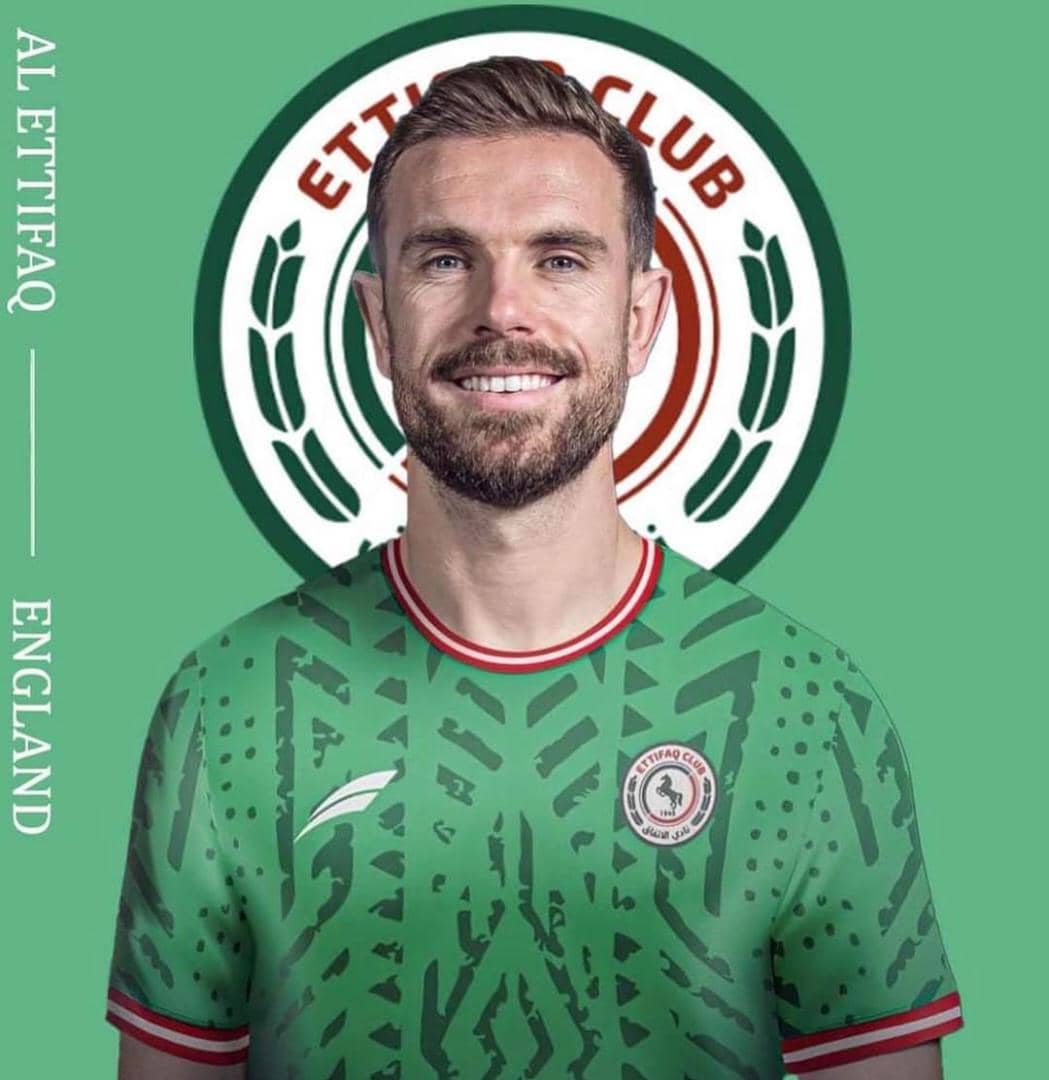
Jordan Henderson completes medical tests, set to join Al Ettifaq

By Muhammadu Sabiu 

Jordan Henderson, the Liverpool midfield maestro, has successfully passed his medical examinations as the newest player for Al Ettifaq Football Club. 

The eagerly anticipated news has now been confirmed, signalling an imminent transfer that is set to shake up the football world. 

After weeks of speculation and negotiations, both clubs have reached a contractual agreement. 

Liverpool has agreed to a £12 million fixed fee for the transfer, with additional add-ons included in the deal. 

Jordan Henderson’s impending move to Al Ettifaq has been the subject of intense media attention, with fans on the edge of their seats as they await the official announcement.