Month: September 2021

Insecurity: Kaduna bans transportation of livestock

By Sumayyah Auwal Ishaq

The Kaduna State Government has banned the transportation of livestock from the state to other states in the country and the transportation of livestock into Kaduna state from other states with immediate effect.

The directive was contained in a press release signed by the state commissioner for Internal Security and Home Affairs, Mr Samuel Aruwan. The Government also reiterated that the transportation of donkeys into the state is a criminal offence, and anyone found engaging in this will be prosecuted accordingly.

Furthermore, “the Kawo weekly market which usually holds every Tuesday in Kaduna North LGA has been suspended with immediate effect. The previous directives suspending weekly markets, and selling of petrol in jerrycans in Birnin Gwari, Giwa, Chikun, Igabi and Kajuru LGAs, as well as banning the felling of trees for timber, firewood and charcoal and other commercial purposes in Birnin Gwari, Kachia, Kajuru, Giwa, Chikun, Igabi and Kauru LGAs, are still in force” Aruwan said.

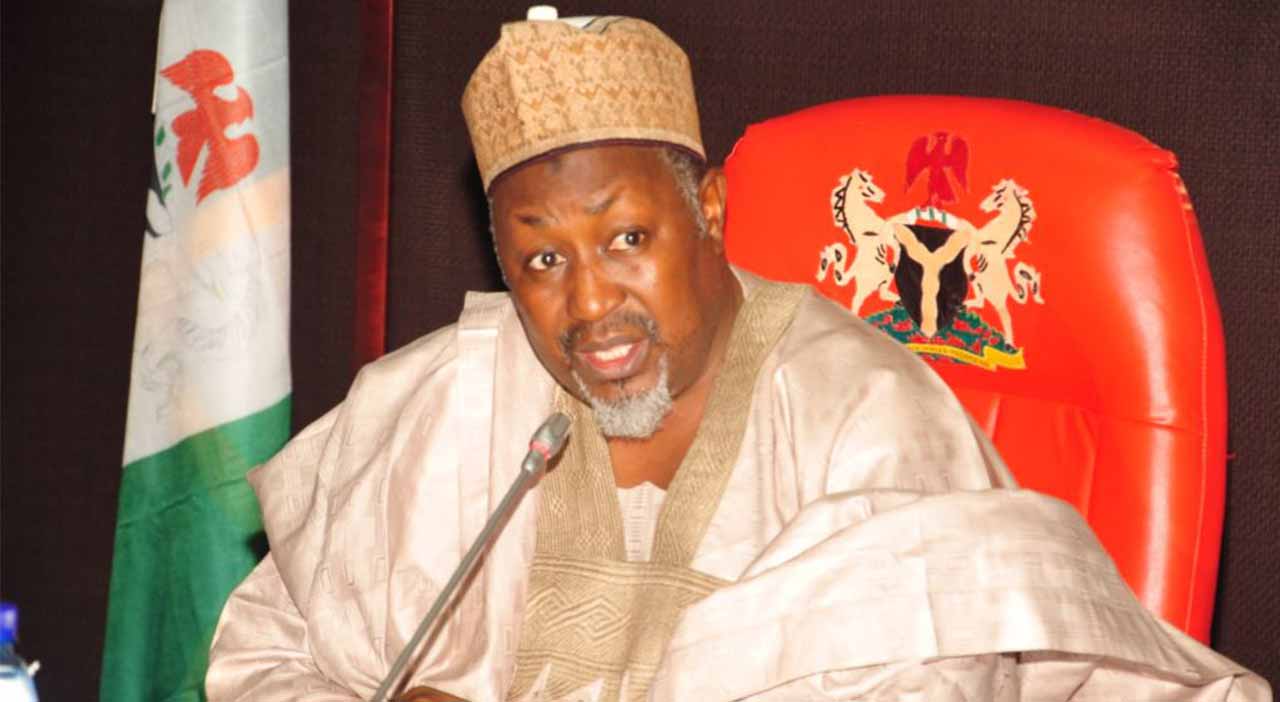
Gov. Badaru and misplaced priority: Calls for immediate action on students’ scholarship

By Adamu Saleh Maidalibai 

While the economy is down, school fees higher, poverty increases, many families lost hope that their children could not afford tuition fees. As a result, many families become hopeless, yet many students in Jigawa State manage to survive and get their legs in tertiary institutions across the country.

I know many students that solely depend on scholarships to settle their annual school fees. I know many students who lack food and rely on the same scholarship to get their tummy intact. I know many students who use scholarships to buy materials to improve themselves academically.

Thousands of Jigawa state students become excited when their phones ring, thinking it is a credit alert every day.

I can vividly remember my terrible struggles two years ago when I led a team of thousands of students. Then, we struggled for our betterment (scholarship), and it bore a fruitful outcome. In those days, I proved to myself that yes, I’m a comrade, a student leader with capacity, who could stand for Jigawa state students not only before them but before the government. It has been two years back today. Since then, the Jigawa State government has never listened to students anymore.

I often use to ask myself some questions: Does the Jigawa State government forget about students? Is the government aware of students problems? Are there any students leaders in the state? Do Jigawa state students have a voice? Why can’t they air their concerns? These and many questions cross my mind, but I was ashamed of both the government and the students.

Dear Governor Badaru, part of your manifestos is that students’ betterment will be part of your top priorities. Wouldn’t you fulfil that promise, please?

Leadership is a burden, not an enjoyment. Please do the needful before it’s too late. Then, you will stand before the Lord and be accountable for all that you did. On that very day, what would you tell the Lord (Allah) when you’re asked about students?


Adamu Saleh Maidalibai writes from Kazaure. He can be reached via salehadamu90@gmail.com.

6 ISWAP insurgents eliminated, arms, other items recovered

By Muhammad Sabiu

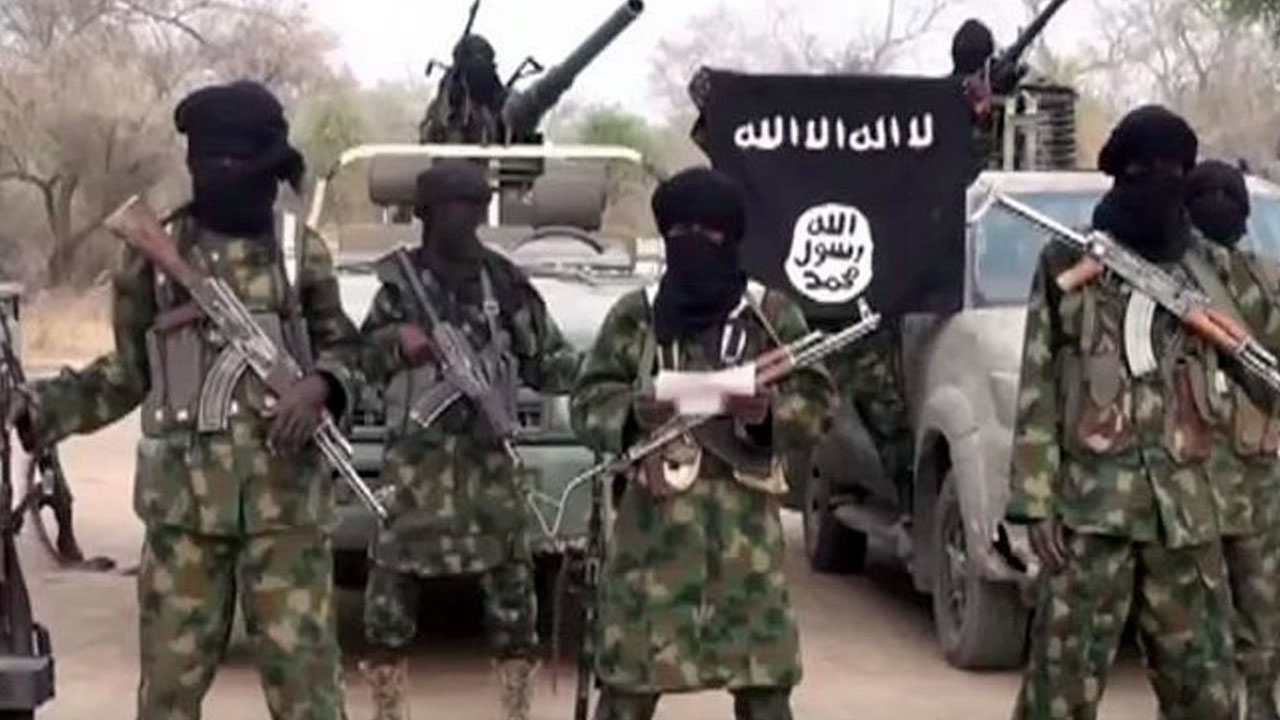
Nigerian soldiers have killed 6 ISWAP terrorists in 2 separate operations, recovered, arms, ammunition and other items in Borno State.

Brigadier-General Onyema Nwachukwu, who is Director Army Public Relations made the disclosure in a statement on Thursday via Nigerian Army’s official Facebook page.

“Troops of 25 Brigade operating under the aegis of Joint Task Force, North East, Operation HADIN KAI (OPHK) have neutralised 4 terrorists of the Islamic State West Africa Province: (ISWAP) on Wednesday 31 August 2021. The terrorists who were on espionage along Damboa -Bulabulin-Maiduguri road ran into a fighting patrol team at Kukawa and were neutralised in the firefight that ensued with the troops. On further exploitation after the encounter, the gallant troops recovered from the terrorists, four AK 47 rifles and four Magazines, each loaded with 30 rounds of 7.62mm (Special) ammunition,” the statement indicated.

The brigadier-general further recounted how troops killed 2 more terrorists and recovered some logistic items.

He said, “In a separate operation, troops of 195 Battalion, Sector 1 OPHK in conjunction with elements of Civilian Joint Task Force (CJTF) at Dusman Muna Garage, Borno state have eliminated two ISWAP terrorists in an ambush operation conducted along an identified ISWAP terrorists crossing point at Musari village. 

“The troops also captured and destroyed an ISWAP logistics vehicle conveying assorted goods and contraband items belonging to members of the terrorist group. Items recovered by troops from the terrorists’ vehicle are two bags of Hemp (Cannabis Sativa), 2 bags of Detergent, 120 packets of mosquito coils, 12 mosquito nets and five textile materials. Other items recovered are two bycicles, two bags of beans, a bag of corn and some quantity of fish.”

Sheikh Abduljabbar to undergo mental health evaluation

By Muhammad Abdurrahman

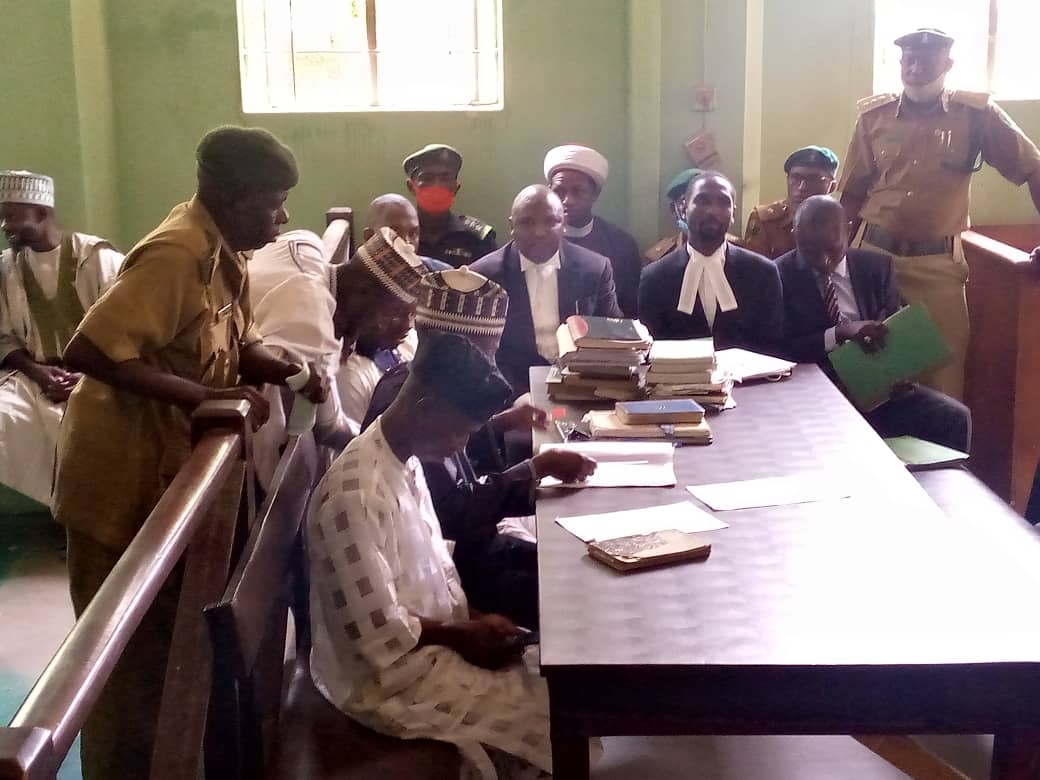
The hearing of the Kano State government lawsuit against Sheikh Abduljabbar Kabara over blasphemy ended with a new development today.

The court has ordered the cleric to undergo mental health evaluation before resuming its proceeding on September 16, 2021.

Recall that Sheikh Kabara was arrested and remanded in prison after he and some selected Ulama in Kano had a public dialogue over his teaching in July.

The Ulama and the presiding judge of the dialogue, Prof. Salisu Shehu, deemed parts of Kabara’s statements on Prophet Muhammad (SAW) and his companions as blasphemous.

The leaders we need in Nigeria

By Muhammad Auwal Ibrahim

This article is an attempt to highlight the leaders we need in our society. This becomes more relevant as election season comes and goes. We ought to know the leaders that are the best for us if we only want to succeed. This article, thus, would go a long way in addressing some of our major problems.

I am a Nigerian, and I am part of her in every situation, no matter how it may be. Be it good or bad; we share the feelings altogether. It is unfortunate that at this age of Nigeria, things are still happening upside down. Things are still falling apart. It is shameful.

Today, in Nigeria, any person can aspire to be a leader and be chosen either legitimately or illegitimately. But, mostly illegitimately, as asserted by Dr Usman Bugaje said in a paper he presented during Dr Sulaiman Kumo Memorial lecture at Gombe High School in 2018. This is one of the reasons that made me pen this.

However, Prof. Salisu Shehu, sometimes back, stated in his book Social Justice Leadership Responsibility in Islam that “It is because of the so-called democracy…”. I agree with him because even as young as I am, I still observed that some of our leaders are not competent or just, but they are still there to lead us. Some don’t even know where to start. Some still need to be trained and disciplined.

Dear Nigerians, do you vote for good leaders or looters with your eyes widely opened? Do you vote for competence or richness? Do you vote for your future wellbeing or for your present wellbeing that can perish in less than a day? Do you vote for the prosperity of your children: for them to enjoy the dividends of democracy, i.e. one who, if voted, would build schools, hospitals, construct roads, develop our infrastructures? Do you give somebody the mandate to rule you without paying particular attention to his qualities? Is it somebody that kills our economy, offers stimulants to our youth, destroys our society that you want to represent us?

Do you vote because you can or because it is an obligation and a right at the same time? Should we sit and fold our arms and watch them continue with their ruination, plundering, looting/embezzlement and squandering of public funds? What can we do, and how can we start? Think carefully about these questions.

The need for good leadership has been stressed earlier on. It is our fault since we failed to learn and implement the Islamic teachings, some of which the Sokoto jihad leaders deliberated on. Like the qualities of a leader. We cannot just stop on those mere democratic qualities.

Another critical point is that our people today seemed not to know their roles and obligations. This is not only in the case of the ruled but also the rulers. Why? The answer is very apparent. We need no further consultations. Sadly, most of them are not educated enough on leadership, not to mention their followers. This is indeed painful.

If I may ask some of our leaders, how many read books written on this topic of discussion ‘leadership’ by Sokoto jihadists like Shehu Usman Danfodio, his brother, Abdullahi Fodio, his son, Sultan Muhammad Bello and the rest of them? I think only a few would boast answering yes if any.

We, the subjects or more preferably the ruled or the led, have our various contributions to good governance at multiple levels of life. Aside from obedience and compliance with rules, so long as they are not evil and terrible. There are other positive contributions, like constructive criticisms, advising the government on good things and warning against evil and prayer, as asserted by Prof. Salisu Shehu in his book (Social Justice Leadership Responsibility in Islam). But today, we are relentless to all of these. Not all, but only a few of us are doing that.

Justice is an essential aspect of any given society. A leader, therefore, must be just. Consequently, we should pay special attention to this quality before selecting any leader.

Knowledge should be considered. Knowledgeable can be found in our learning institutions. Therefore, institutions should be put in place to teach our younger ones leadership traits before it becomes too late to overcome the present challenges. 

Competence is another most appealing quality. A leader’s ability to overcome situations and handle matters mattered a lot. But do we care? We should not just go ahead and select a person to represent us, knowing that that person is not competent.

These are the few characteristics of a leader. Some books address such issues. These include: Social Justice Leadership Responsibility in Islam and Shugabanci a Mahangar Musulunci: Yadda Al’amarin Yake A Nijeriya. I hope they will serve as a guideline to aspiring leaders.

In the end, I hope our young leaders will take heed of all these. Further, I pray that all aspiring leaders learn what leadership is all about before clinching any position of power.

Muhammad Auwal Ibrahim is an award-winning journalist, fellow African Investigative Journalism Conference (AIJC) 2020, Wits University, Johannesburg, South Africa. He can be reached via awwalbinibrahim@gmail.com.

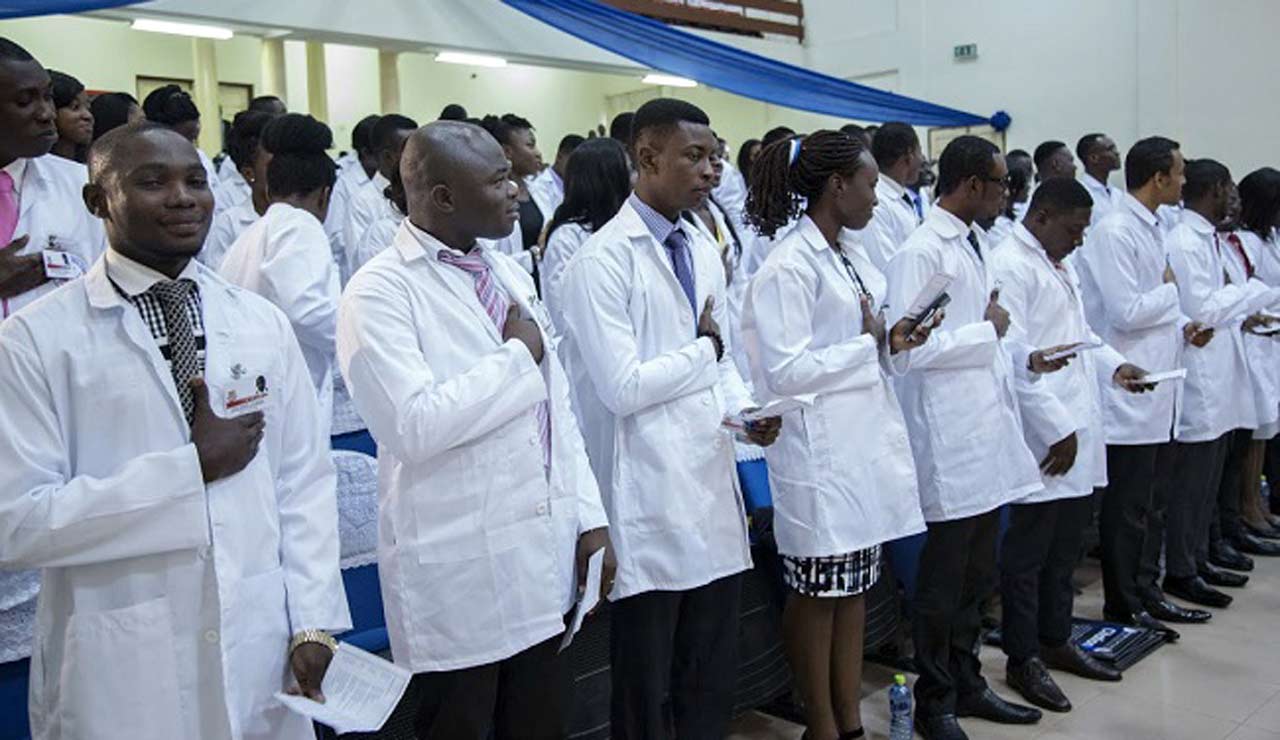
Nigerian doctors in diaspora: Brain drain or money drain?

By Khadijah Tijani

I have read many reactions to the recent trend of young and vibrant Nigerian doctors leaving the country for greener pastures. I also saw the interview with the minister who said the doctors are free to go because “we already have too many of them”. Some people even blamed these “selfish” doctors for refusing to stay after benefitting from “ridiculously cheap” medical education, blah, blah.

Oh well… Maybe I missed it, but I don’t know if anyone has talked about what these doctors are paying in exchange for their right to leave. Where these funds are going is another question begging for clear answers. 

For you to get a new passport or renew an old one, you need to pay something between 35k and 70k depending on the number of pages and the validity period. But you also need to tip some officers so that your passport can be issued on time.

Some universities do not issue your final certificate until years after graduation. Transcripts are not available online. You need to travel down from wherever you are and go to your university to make a request. If you are lucky, you will get it after several weeks. And yes, they will also charge you a not-so-little administrative fee for that.

Suppose you are asked to send a source-verified copy of your credentials to a regulatory body, for example, Saudi Council for Health Specialties. In that case, you need to pay up to 30k for each document to be verified and additional fees for courier services. Moreover, since many universities still don’t have functional emails or reachable phone numbers, you still have to travel down to get it done or pay someone to do it for you.

Talking of regulatory bodies, they also want to be sure that you are a good doctor and have never been in trouble while practising in Nigeria. So, they will ask you to submit a certificate of good standing, which goes for 66k. Some will also ask for detailed medical checks and police clearance certificates – more expenses. You have to pay for the medicals even if it’s where you currently work. 

When you are done with all that, and you finally move out of the country, you will still get yearly reminders to pay your dues to remain a licenced doctor in Nigeria. Of course, some people stop paying, but I know many doctors who still send their 10 to 20k annually. They even mandated us to pay 40k contributions towards the new NMA building last year.

Every university and medical college have their respective association of alumni in the diaspora. They contribute millions of naira to their alma mater each year. In addition, they send expensive machines to help in-patient care and loads of materials to aid in medical teaching. Unfortunately, some of these supplies might become sabotaged by the killjoys within the institutions if there is no direct supervision and maintenance. 

I have not even mentioned the off-record funds you have to send to family and friends back home every month. Or the huge amount of money that doctors have invested in small to large businesses in the country. Or the free medical and surgical services many have provided to the people whenever they come home on vacations. Or the big hospitals many have established to create employment for the people, among other things.

I am worried about the brain drain, but I am also concerned about the people who do not understand the pain of an average doctor who wants to leave. They think it is easy to wake up one morning and jump on the next flight. And oh! Flight ticket and all the hurdles you need to pass through before you cross the border… Phew! 

Since they think we are too many and can be exported like cash crops, we also need to ask them where the money from the foreign exchange is going. Are they building more hospitals or renovating the old ones? Are they providing enough medical supplies to work with? Are they paying the salaries of the few or “just enough” doctors left behind? 

We need answers, please.

Khadijah Tijani is a medical doctor, she writes from Ibadan, and she can be reached be through Askodoctorkt@gmail.com or @AskDoctorKT.

Prof. Maqari disrespects DSS’ reconciliation – lawyer

By Muhammad Abdurrahman

On July 23, 2021, Dr Abdallah Uthman Gadon-Kaya delivered a Friday sermon in one of the mosques he leads prayers in Kano State. That sermon did not go down well with Prof. Ibrahim Maqari. Thus, he appeared in a video threatening Dr Abdallah to withdraw parts of the statement, or they would meet in court. On July 26, Dr Abdallah received a letter from Prof. Maqari’s lawyers, giving him a 7-day ultimatum to withdraw those “remarks” or face legal action.

Many media organisations, including online newspapers, reported the recent development. But no media reported Dr Abdallah’s side of the story. So the Daily Reality (TDR) spoke with one of his lawyers, Ibrahim Umar Abere.

Barrister Abere told TDR that “We initially received a letter from Prof. Maqari stating that his lawyers were charging Dr Abdallah for defamation. And he was given seven days to withdraw his utterances against Prof. Maqari. If not, he must appear before the court to stand a trial.

“In the letter he sent, his lawyer said that he knew Dr Abdallah had not mentioned Prof. Maqari’s name, but it was clear to them that the things said were directly referring to Prof. Maqari. [This means they were the ones who said that to their client]. We wanted to reply to them instantly. All of a sudden, the Department of State Service (DSS) from Abuja intervened, asking the two parties to sheath their sword and that both parties should report to the DSS office in Kano for reconciliation.”

“We went to the DSS office. I was there; Dr Abdallah was there, and Prof. Maqari, represented by his lawyer, was there. They said that Dr Abdallah must go and withdraw his utterances publicly on his pulpit. We said this is impossible because what happened was that Prof. Maqari spoke, and Dr Abdallah also spoke in their sermons about the things happening. Though some clerics already asked Dr Abdallah to withdraw those remarks that some people felt were harsh. He did so and apologised to all and sundry.

“The DSS stated that they were aware Dr Abdallah had apologised to anybody who misunderstood his sermon or felt any pain. We were satisfied with that. For this, there’s no reason for Abdallah to go and apologise for the second time.

By Allah, this was what happened. The DSS personnel also reminded us that both Abdallah and Maqari have followers; therefore, unless handled cautiously, the issue might become a grave conflict. That was why we did not respond to their letter. Because we take what authority said seriously, that was how our sitting ended,” said Abere.

On August 24, a copy of a summons showing that Prof. Maqari sued Dr Abdallah in an Upper Sharia Court at Rijiyar Lemo, Kano State, trended on social media.

In reaction to that, Abere told TDR that “We have seen that. It means they disagreed with the reconciliation made by the DSS a few weeks ago. That was why they went to court. On hearing that, we had to call the DSS and told them that these people took the case to court despite the fact the dispute had been resolved. For this reason, we had replied to their letter for them to know our stand. We told them that we were also charging Maqari with defamation and other things.

“In our reply on July 30 to Prof. Maqari’s lawyers, Dr Abdallah unreservedly denied all the allegations forwarded by Prof. Maqari. We also gave the lawyers a 7-day ultimatum to withdraw some defamatory remarks in their demand letter. They call Dr Abdallah derogatory names such as liar, lawless, mischievous, reckless, heartless, penchant for hate speech, high-handed and threat to public peace. Otherwise, he [Prof. Maqari] too will face a legal battle,” he lamented.

Surprisingly, Prof. Maqari appeared in yet another video on Saturday, August 28 2021, telling the public that some prominent personalities in the country had intervened on the matter. Therefore he left the case in their hands. This means there would be no court case against Dr Abdallah.

“We have thoroughly prepared to appear before the court on September 6, 2021. All our defences and counter-charges or claims are ready. Then we suddenly saw Prof. Maqari again on social media in another video saying that some people talked to him and now the case is with them.

Does that mean he had withdrawn his charges against Dr Abdallah? If that is the case, that is now how it is done. For Prof. Maqari to withdraw his charges against Dr Abdallah, it should be in a written form. Until now, we have not received any official letter. We just heard about it on social media. People should not seriously regard what has been said on social media or in a video,” concluded barrister Abere.

Buhari relieves agriculture and power ministers of posts

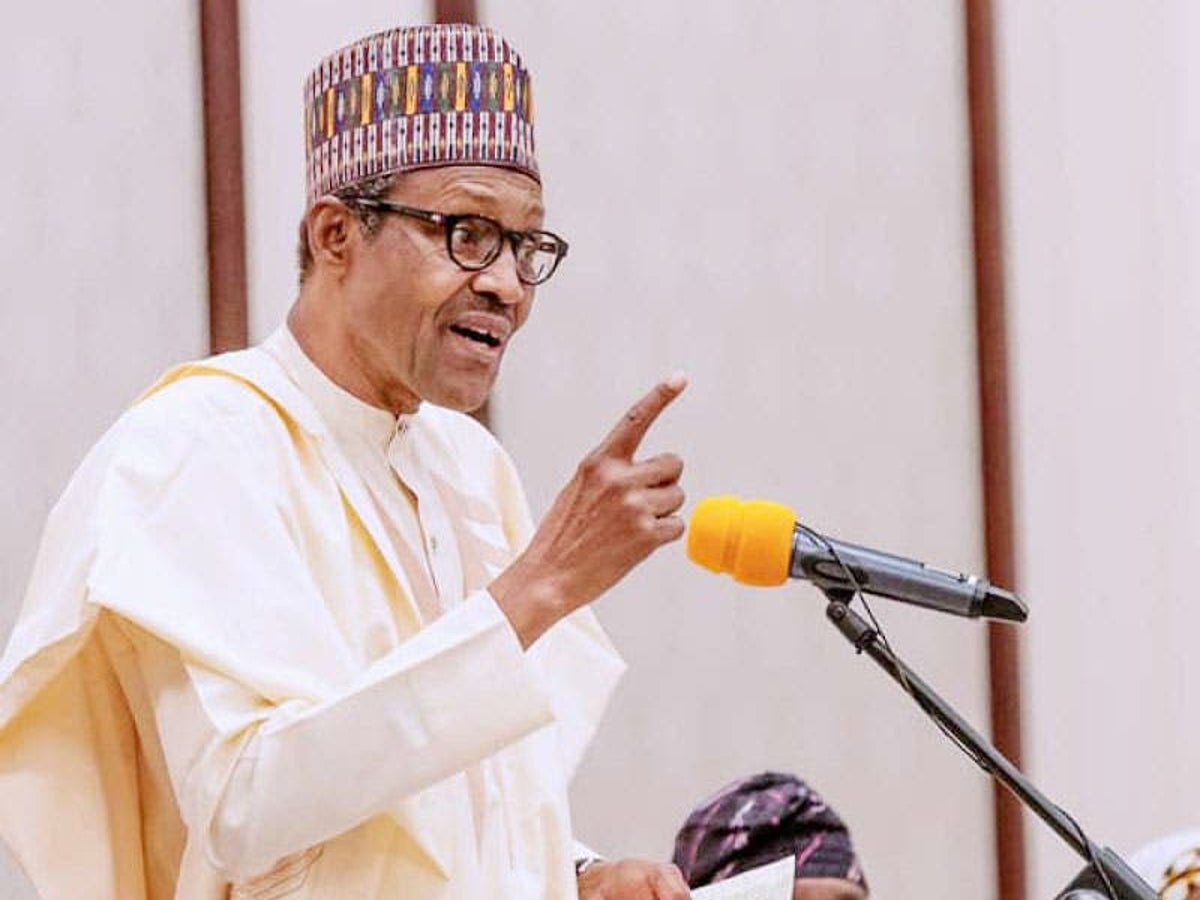
President Muhammadu Buhari has fired the Ministers of Agriculture, Mohammed Sabo Nanono, and his counterpart of Power, Mamman Saleh.

Ministers of Environment, Mohammed Mahmoud Abubakar and State, Works and Housing, Abubakar Aliyu were asked to temporarily take charge of ministries of Agriculture and Power, respectively.

Their substantive replacements will be announced later.

Details later.

The misfortune of Tsangaya students in Nigeria

By Lawi Auwal Yusuf

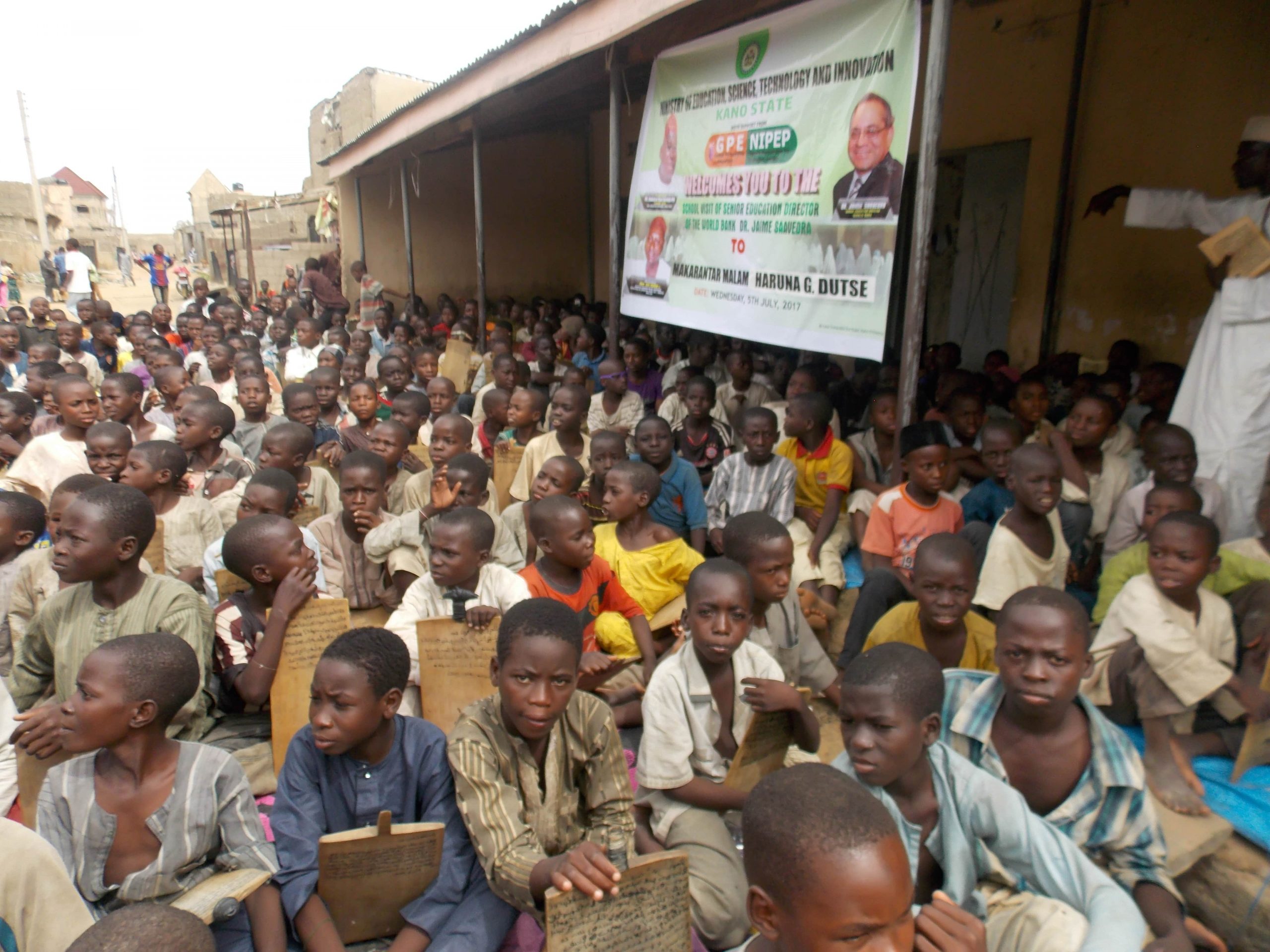
The Tsangaya system in northern Nigeria started more than a century ago. It is a traditional and informal system of Islamic education where male children are taken to a far place from home to memorise the Qur’an and study other religious books. This will help them to concentrate more on their studies than in the comfort of their homes. They can be seen in every part of the region, and they mostly come from rural areas and are predominantly taken to the cities, while some come from neighbouring countries.

It has taken a parallel dimension in the last decades as there has been a massive influx of these young children into the urban areas.

This rural-urban migration is exacerbated by rising poverty in the countryside, dilapidated infrastructures, unemployment, rising cost of living and a corresponding decline in the standard of living. Moreover, monetisation of the rural economy, desertification, effects of climate change and lack of social amenities worsen the situation.

Similarly, this mass movement has its repercussions on the metropolitan areas such as overcrowding, squalor housing and homelessness, poverty, the spread of diseases, starvation, poor sanitation, joblessness, criminal activities and fanaticism.

The pitiful and awful plight of these vulnerable children, including minors of about five, is very sorrowful, disheartening, and sympathetic. These oppressed kids below the legal age of responsibility and accountability roam in nooks and crannies of cities hungrily begging for food wearing tattered, shabby and ragged clothes without shoes in the scorching heat. They wander from house to house, in marketplaces, on the streets, motor parks/stations, mosques, traffic intersections and social gatherings in search of livelihood. They scavenge through refuse and garbage, looking for food and other valuable materials. These miserable children sleep on the roadsides, under bridges, marketplaces, uncompleted buildings and other unfortunate places under intense bites of mosquitoes and other insects.

Moreover, they defecate in the open as there are no toilets to use. They equally lack access to safe drinking water, prophylaxes, vaccines and immunisations that can help to prevent them against dangerous diseases.

Some of them are not much acquainted with their parents, siblings and other extended family members. They know little about their hometowns. They depart home when they are too young and are rarely visited or go home to reunite with their families, while others never return. Some years ago, I overheard one of them narrating his ordeal that there were only two rooms in their mud house. One was for the parents and the other for the children. The father wanted to marry a second wife while there was no vacant room to accommodate the bride. So he enrolled them in Tsangaya school and arranged the children’s room for her. This is why tribal and political bigots revile and vilify the Northerners on this savage and barbaric behaviour.

These filthy children are left to fend for themselves as no one cares about them. Everyone abandons them. They do not get the psychological support, love and affection of their parents and the bond of kinship ties. They live their entire unwholesome lives away from home. In addition, they also fall victim to child labour, exploitation and abuse. Hence, the teachers and other older co-students ruthlessly maltreat the younger ones and confiscate the food and money they get.

They have equal rights to benefit from the state resources and the public treasury like every citizen. They have equal rights with the children of the so-called prominent personalities, the President, governors, ministers, lawmakers and traditional rulers whose kids are taken to Europe and America to study. They also have the rights to normal life, adequate healthcare, decent shelter, and qualitative education with the requisite skills to make them marketable in the labour market and equal opportunities. Unfortunately, they have been deprived of these constitutional rights and are treated in their fatherland as sub-humans.

In their teenage, they spend much of their time on the course of their subsistence than their studies. Therefore, only a few of them receive the desired education. The unfortunate ones grow up without adequate knowledge, socialisation, professional training, and skills that necessitate them to wander the street and do menial jobs. Appallingly, some end up in theft, mugging, thuggery, drug dealing/addiction, sexual and other street offences.

It is very irritating that these vibrant, vigorous and exuberant youths are not made very productive to our nation. It vexes me to see them idle, redundant and wandering freely without a specific purpose or destination. Had they been adequately trained and made more productive to the society, they would have become professionals in different fields and therefore facilitate its development. It would have been more advanced than it is now. Sadly, all the intelligence, talent and youthful exuberance are being squandered negligently and not made helpful for their benefit and the whole society.  This is why Nigeria still lags behind its peers.

This mindlessness of the Nigerian authorities resulted in the December 1980 fracas in Kano. Maitatsine took advantage of this and brainwashed thousands of his students into extremism and fundamentalism. The conflict, which lasted for almost three weeks, put the city at an impasse and led to the loss of nearly 5,000 lives, including Maitatsine himself and enormous property worth millions were destroyed. The survived students initiated another tumultuous disturbance in the subsequent years, whereas in Bulumkuttu, Maiduguri and Kaduna in October 1982, over 3,000 lives were lost. Other riots broke out in Yola in 1984, where over 1,000 people were killed, and more than 60,000 people were displaced. And it also took place in Gombe in 1985.  

Furthermore, Boko Haram is more destructive, disastrous, and catastrophic that analysts see as an offshoot of the Maitatsine sect re-emerged with similar ideologies, putting the country in a war for more than a decade. Maiduguri has the largest concentration of these students, where you can find a Tsangaya school with thousands of students. Since the beginning of their offensive attacks in 2009, tens of thousands of lives were lost, and more than 2.3 million people were displaced, and roughly 250,000 fled to the neighbouring countries. The Global Terrorism Index declared it the world’s deadliest terror organisation in 2010. They have engaged in mass kidnappings of innocent civilians, including schoolgirls in Dapchi and Chibok and aggravated famines and food insecurity.  

The government should reinvigorate the Nigerian educational system to meet international standards. Similarly, there is a need to introduce an integrated educational system that will completely uproot the dichotomy between Islamic and Western education that will correspond with our religion and culture. A system that will give room for the memorisation of the Qur’an, Islamic subjects alongside the other conventional subjects to be acceptable to all. This was what Muslim countries like Sudan, Libya, Malaysia, Pakistan, Saudi Arabia, Egypt and many others have done. A similar provision should be put in place for Christians to be fair and just to all. In addition, primary education should be entirely free, compulsory and accessible to all.  

The governments at all levels should make genuine efforts to eradicate poverty in the villages, combat desert encroachment and revamp agriculture which will help tremendously improve the income of the rural dwellers. And also provide adequate and effective infrastructures and social amenities to make their lives better and easier.

Apart from all these, the government should urgently evacuate and return them all to their homes and enact a statute that will be strictly and rigorously enforced outlawing this incessant desertion. The legislation should also oblige the parents to be responsible for their children’s custody, supervision, and safekeeping.

There is a difference between a man and a father. The latter is a title of birth and guard. So, it is natural to take up the mandate; it is unnatural not to.

Lawi Auwal Yusuf writes from Kano, Nigeria. He can be reached via laymaikanawa@gmail.com.
Kidnap gang leader, members killed in Niger

By Muhammad Sabiu

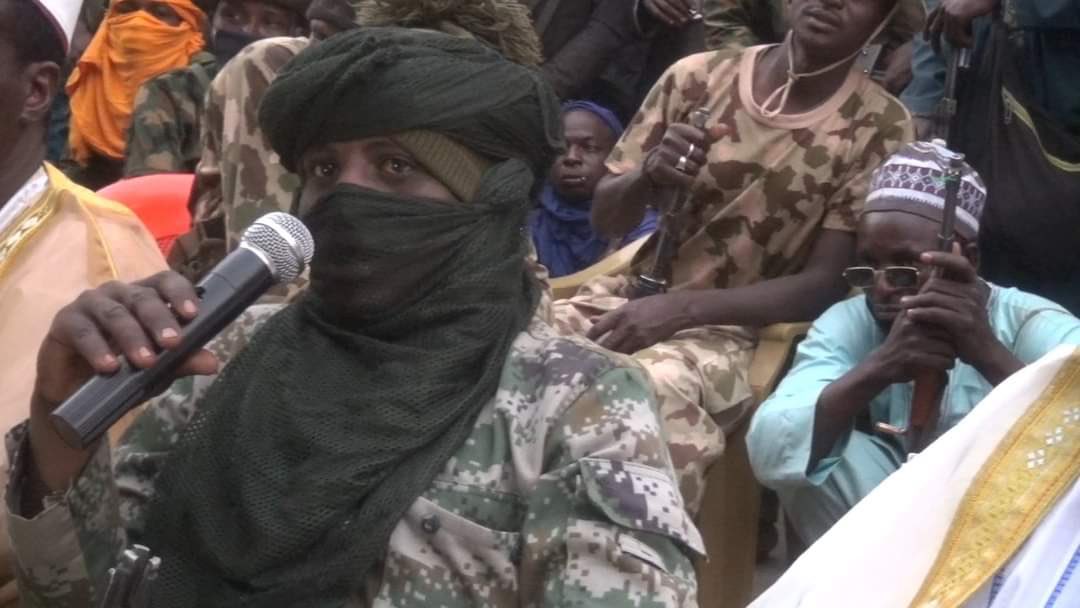
The Nigeria Police Force, in conjunction with local vigilantes, has on Monday succeeded in killing an infamous bandits’ leader in Niger State.

According to some media reports, the bandits’ leader, identified as Jauro Daji, was killed alongside other members loyal to him in the Kontagora axis of the State.

“It was the combined team of policemen and local vigilantes that killed Jauro Daji and score of his bandits who were on a mission to abduct innocent persons at a village.

“The notorious Jauro Daji who is suspected to be involved in attacks on villages and schools led other armed bandits in large numbers on motorcycles.

“The operation was successfully executed on Monday between Gulbin Boka to Dogon Fadama area under Kontagora Local Government Area. We also recovered ten motorcycles.

“We have recruited the services of local divers to retrieve the weapons some bandits who escaped with their corpses threw into the river,” an intelligence source told PRNigeria.

Niger State has also recently been badly hit by bandits’ incessant attacks, which saw many people killed and students in their hundred kidnapped.