Water scarcity in Kano

The unforgiving thirst: Darmanawa’s struggle with water scarcity

By Umar Sani

In the heart of Darmanawa, a community in Kano city that was once enriched by natural water resources, a relentless battle against water scarcity now rages. This pressing issue, a matter of life and death, stands as a stark reminder of the failures in governance and the unyielding grip of greed that plagues our society.

For generations, the people of Darmanawa lived harmoniously with abundant water sources, a testament to nature’s generosity. But today, the narrative has shifted drastically, leaving residents grappling with the harsh reality of waking up before dawn to embark on a futile quest for water.

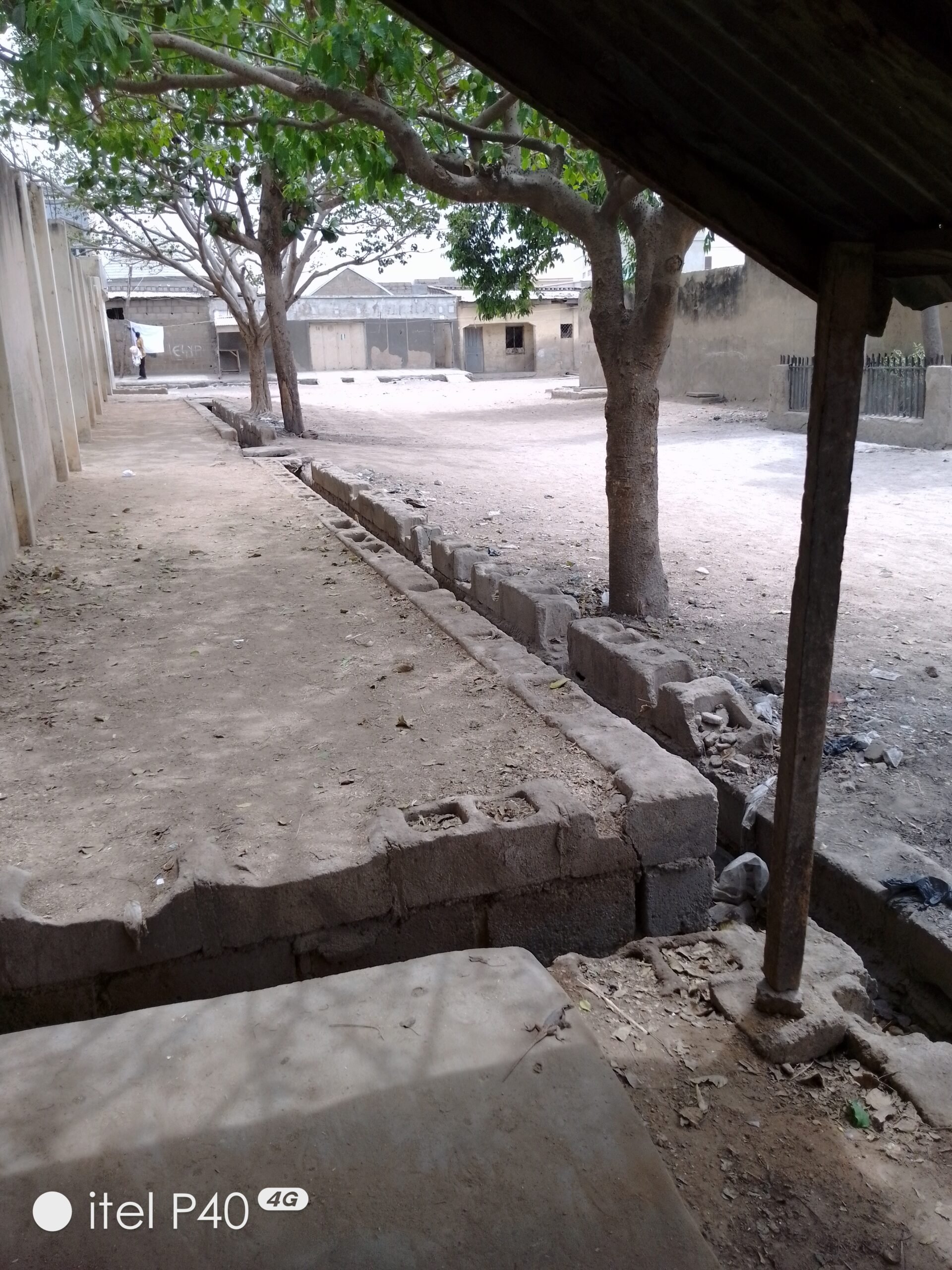
The dawn chorus is no longer accompanied by the soothing flow of streams or the gurgling of wells. Instead, it echoes with the footsteps of weary souls like my friend, Aminu, and me, trudging through the darkened streets in search of a basic necessity.

The root cause of this crisis is not nature’s reluctance but, rather, human neglect and shortsightedness. The government’s failure to manage water resources efficiently and the insatiable greed of the affluent, who hoard water from boreholes, exacerbate the plight of the common people.

We are left with no choice but to rely on water vendors whose prices soar higher with each passing day, adding financial strain to an already burdened populace. Even this temporary relief is insufficient, forcing us to venture further, to places like Makabarta, in pursuit of “Mai ruwa,” a term that has become synonymous with hope in our parched reality.

The consequences of water scarcity extend far beyond mere inconvenience; they permeate every facet of life. Health suffers as access to clean water becomes a luxury, hygiene standards plummet, and diseases lurk in the shadows. Education is compromised as children spend valuable hours fetching water instead of attending school. Economic activities dwindle, perpetuating a vicious cycle of poverty and despair.

Amid these challenges, however, a glimmer of resilience lies within our community. Local initiatives to conserve water, promote rainwater harvesting, and raise awareness about responsible water usage have sprouted like oases in a desert. These efforts, though small, carry the promise of a better future, where water is not a commodity but a fundamental human right.

As we reflect on Darmanawa’s struggle with water scarcity, we must remember that this is not merely a local concern but a global crisis demanding immediate attention. Sustainable water management, equitable distribution, and community empowerment should take center stage in our pursuit of a water-secure world.

The unforgiving thirst of Darmanawa serves as a poignant reminder that water is not merely a source of life; it is life itself. It’s time we quench this thirst, not only with water but also with collective action, empathy, and a commitment to a brighter, hydrated future for all.

Together, let us turn the tide, one drop at a time, until every cup is filled and every faucet flows freely once more.

Umar Sani Adamu (Kawun Baba) wrote via umarhashidu1994@gmail.com.
Kano water scarcity: How long is Governor Abba’s ‘State of Emergency’?

By Misbahu El-Hamza

Kano State makes headlines almost every year, and coincidentally, during Ramadan, for water scarcity. The frequent headlines are often attributed to electricity system failures, which disrupt water pumping or equipment faults at water treatment plants, exacerbating the situation.

About ten months ago, upon taking office, Kano State Governor Alhaji Abba Kabir Yusuf declared a State of Emergency to address water scarcity across the state, urging for patience and maximum cooperation from residents. Although I haven’t seen or reviewed the governor’s plan during this emergency, I recall that resolving Kano’s water issues was one of his campaign promises.

I remember when the governor inspected the Challawa Water Treatment Plant in May 2023 and expressed dissatisfaction with its condition. At the time, only two of the six pumping machines were functioning.

Following that, the governor gave the Kano State Water Board a one-week ultimatum to submit its demands to end the state’s water shortage. The public breathed a sigh of relief. Personally, I had hoped that we’d finally overcome this hardship.

Unfortunately, for nearly a year now, the situation has been prevalent not only in urban areas but even worse in rural communities. We are not only seeing those trending headlines of water scarcity in Kano; we’re experiencing the brunt of it.

Recently, the price of a 25-litre jerrican of borehole water in Kano surged by ₦50 to ₦150. Someone told me that he bought one at ₦200 around Kurmi market. In areas like Hotoro, Nassarawa LGA, where I reside near Kumbotso LGA housing the Challawa water plant, prices rose from ₦40 to ₦70 or higher. The Chalawa water plant is believed to have the capacity to supply the whole of Kano with water. Still, we rely heavily on individual boreholes for water, with little to no infrastructure connecting us to the water plant.

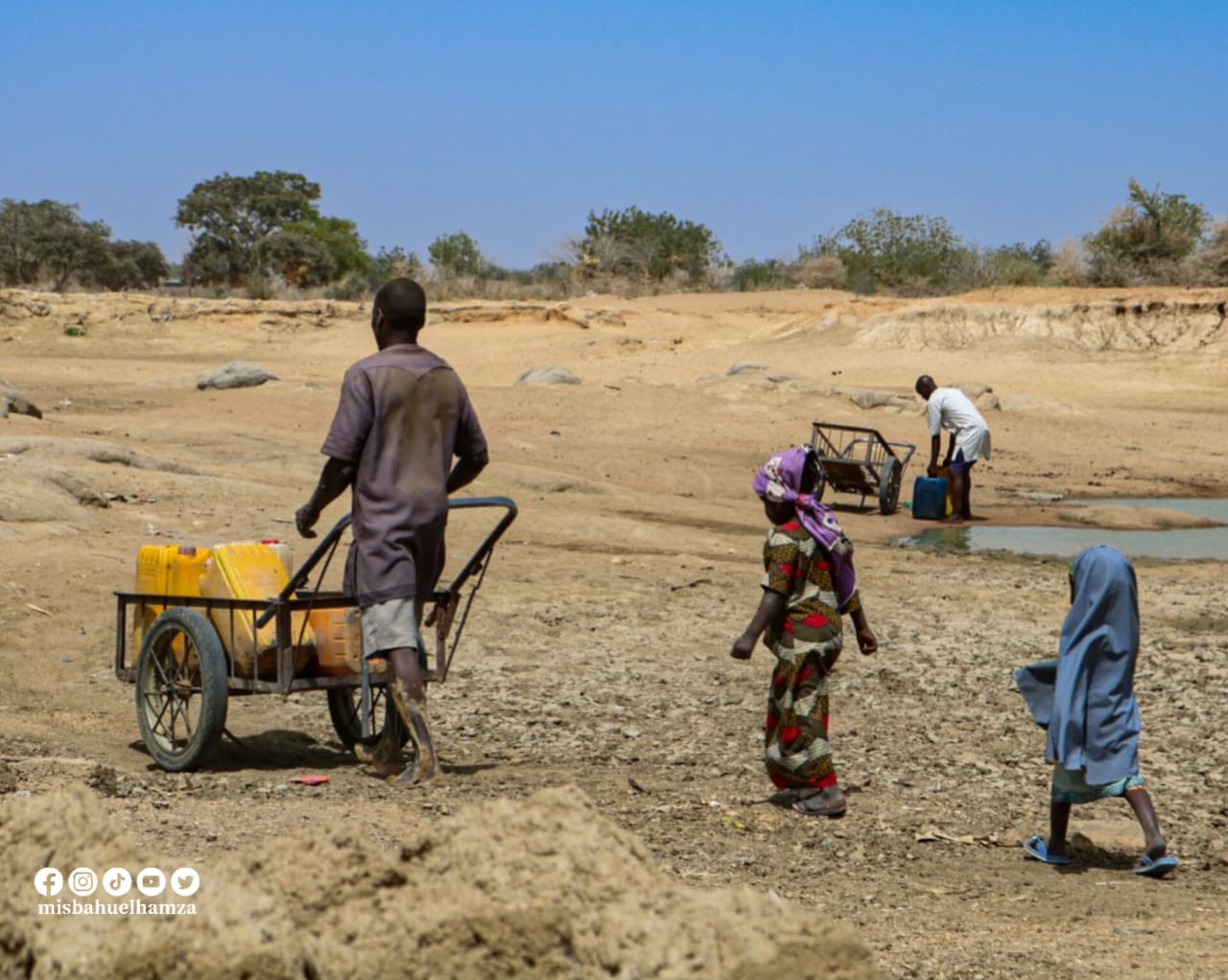
While I reside in a suburb and can afford to buy a jerrican of what seems to be clean water, in the rural areas where I often visit for work, the situation is dire. Many communities lack access to clean water sources, with broken or dried-up boreholes and wells being common. Residents, including young children, often resort to fetching water from stagnant ponds shared with cows, donkeys, camels, and even dogs. This water is what they use for all daily activities, posing serious health risks.

It’s evident that both state and local governments have neglected these communities, offering little to no solutions for their water woes. Where you see boreholes or wells in these communities, they are either constructed by individual donors or (charity) organizations, and a handful are constructed by politicians.

Governor Alhaji Abba Kabir Yusuf must be aware of the current water crisis in both rural and urban Kano. However, the pressing question remains: how long will his State of Emergency address the suffering caused by the persistent water scarcity or total lack of it across the state?

Three days ago, I heard a jingle apologizing for the water scarcity in the Kano metropolitan area, blaming the repair works at Challawa and Tamburawa treatment plants. It’s said to have been sponsored by the Kano State Water Board. To me, the jingle suggests the governor partly fulfilled his pledge; now, it’s the board’s turn to restore the water supply—or at least that’s my assumption. 

I know this isn’t the first time the board has apologized. In 2022, the then-managing director of the board was quoted as apologizing to Kano residents for failing to supply water during Ramadan. At that time, 25 litres of borehole water cost between ₦30 and ₦100.

I remain hopeful that before his remaining three years expire, Alhaji Abba Kabir Yusuf will emerge as Kano’s hero by addressing the water scarcity issue and providing relief to the growing population, including those in rural areas.

As the governor continues to address our water problem within this emergency period, I hope the demands the water board submitted to him as requested include: establishing new plants and reservoirs or enhancing existing ones, extending mainline pipes to suburbs and rural areas, ensuring independent power supply for the plants, and securing permanent employment for existing and additional staff. If the board manages its expenses independently, perhaps shifting them to the state payroll would also improve efficiency. 

With reliable service and an effective system in place, the board and the state government should be rest assured that Kano people will be more willing to pay for water, and the board does not need to depend heavily on its revenue from the industries it diverts our little water to.

Misbahu wrote from Kano via misbahulhamza@gmail.com.

Water scarcity in Kano: ₦12bn spent in two years, people rely on water vendors

By Muhammad Aminu

Kano Metropolitan local governments remain in perpetual acute shortage of water supply despite budgeting 12 billion Naira for water supply in the last two years by the State Government.

In 2021 and 2022 budgetary allocations, Kano State Government earmarked six bn each fiscal year for the Kano State Ministry of Water Resources for its activities, including tackling water shortage in the state.

However, residents of different communities in Dala, Fagge, Gwale, Kano Municipal, Nasarawa, Tarauni and Ungogo Local Government Areas continue to face acute water scarcity as Kano State Water board could not meet up with the city’s water demand amid excruciating heat waves that require plentiful water to survive.

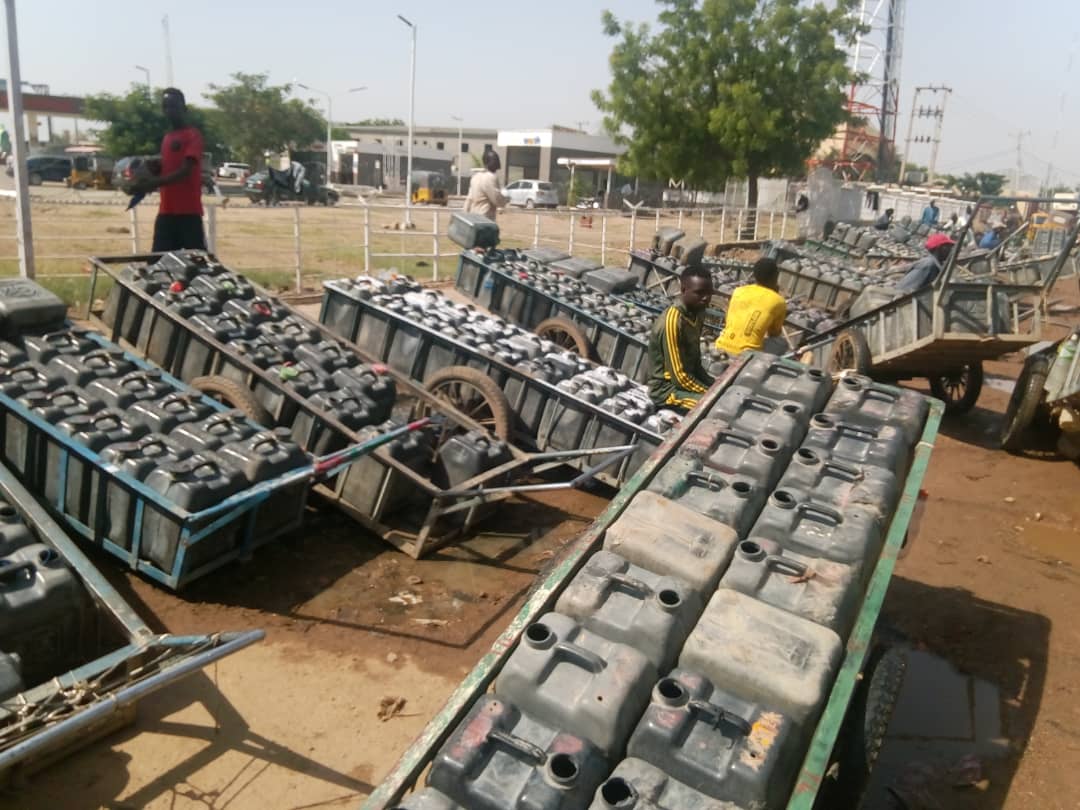
Many residential areas visited by The Daily Reality reporter remain at the mercy of water vendors, who are the leading suppliers of water for household consumption and daily need in the ancient city.

A resident of Fagge, Kabiru Sani, said that water had become a scarce resource that they use consciously to save themselves from the difficulty of sourcing it. “We are really suffering from lack of water. So we now use boreholes, and some good Samaritans that have boreholes in their houses often connect it to walls outside their houses so that their neighbours can access.”

Unlike Kabiru’s area, Abubakar Adam said their primary source of water supply is water vendors who supply them with water and some time. “We buy a 25-litre jerry-can at the rate of N50 on normal occasions, but when things are terrible, we buy the same jerry-can for ₦100.”

Ja’afar Musa said in their area, around Tal’udu, sometimes they get water at the mercy of good samaritans who supply them water in water tankers to ease off their suffering.

In the Dorayi Karama area, Haruna Bala told The Daily Reality that water vendors are their “Steady and reliable water suppliers.” Tap water comes to us sometimes once a month. The only well close to my house, which we abandoned, come to our rescue, but it cannot provide sufficient water to the neighbourhood.”

Other areas in the inner part of the commercial nerve centre of northern Nigeria, such as Tal’udu, Mandawari, Fagge, and Sabon Titi, often get respite from water tankers that supply water to the areas by good spirited individuals and, on some rare occasions, by the government.

In Dan Agundi, people resorted to fetching water to their houses from nearby mosques that make water provisions for worshippers to perform ablution.

“I once bought a 20-jerry-can cart of water from the vendors at ₦2000 because there was no electricity and not many water vendors then,” said Kabiru Idris of Kofar Nasarawa in Kano city.

Generally, the water supply problem cuts across all nooks and crannies of Kano with a varying effects from one location to another.

Some water vendors who spoke to The Daily Reality said they are also affected by the erratic power supply that makes it challenging to have a constant price for their supplies.

Rabiu Hussaini said he supplied a cart of 20-jerry-can for ₦1000, “I sell one jerry-can ₦50, but when there is no light sometimes, I sell more than that up to 100 per one because where we buy the water from also increase the price.”

He added that “We used to pay N70-100 per cart with 18 or 20 jerry-cans, but now we pay 120 – 200 to get water from the managers.”

Mohammed Sani, who survives on his water vending business, said they are finding things hard despite their crucial work of serving the water supply needs of the residents. He lamented that “We use our energy to do the work. We buy water from boreholes or tank owners before supplying it to the people. Then, we hire the cart, and we pay a tax of ₦50 daily.”

For Sunusi Idris, whose sole essence of leaving home to live in Kano City is working and gathering some money for his family’s needs. “I make a maximum of ₦5000 on a good day, but sometimes I make just ₦2000 a day.”

The vendors, however, complain that apart from the tax they pay, police and KAROTA officials charge them fines for any slightest misdemeanour.

This is coming despite Kano State Government’s yearly pronouncements and allocations to provide the state with adequate, portable drinking water.

Earlier during budget defence and presentation, the then Kano State Commissioner for Water Resources, Sadik Wali, said six bn was budgeted for the Ministry in 2022 in addition to loans secured from France and support from donors.

Sadik Wali told the press that Tamburawa and Challawa Water Treatment Plants were to be rehabilitated. “Our major focus is the provision of portable water supply, especially in the face of health challenges recorded in the state and also rehabilitation of our existing infrastructure….”

The Commissioner further said that “Tamburawa Water Treatment Plant has a capacity of 120 million litres per day while Challawa Water Treatment Plant has a capacity of 90-120 litres per day.”

He acknowledged that they are only running the plants at 40 – 70 per cent capacity subject to availability or otherwise of energy through electricity or generating set.

Kano State Water Board Managing Director, Dr Garba Kofar Wambai, earlier apologised to the residents over the inability of the board to supply water to the people.

The Daily Reality could not find any response from the Kano State Ministry of Water Resources for the lingering water problem in the state as the Commissioner for water resources, Sadiq Wali, resigned his position in March to pursue his gubernatorial ambition.